Top 30 Things to Do in Toronto in 2026: Attractions, Tours, Day Trips, and Local Experiences
Toronto rewards visitors who understand that it is not one city but a loose federation of neighborhoods stitched together along the north shore of Lake Ontario. Downtown throws glass towers around the base of the CN Tower; a few blocks east, the Victorian brick of the Distillery District and St. Lawrence Market slows everything down. Kensington Market smells of Jamaican patties and Vietnamese coffee, Chinatown spills onto Spadina, Little Italy and Little Portugal argue over espresso, and Greektown lines the Danforth with souvlaki.

More than half of Toronto’s residents were born outside Canada, and you taste that on almost every street. This is a place where the “local food” is Tibetan momos, Filipino ube desserts, Portuguese custard tarts, and peameal bacon on a bun, sometimes within the same square mile.
The geography matters more than first-time visitors expect. Most marquee attractions cluster in a walkable spine downtown, roughly from the waterfront up to Bloor Street’s museum district, but the experiences that make people fall for Ontario often sit an hour or more outside the core: Niagara Falls to the south, the Grotto’s turquoise water on the Bruce Peninsula to the northwest, and Algonquin Park’s maple forests to the north. That split shapes how you plan. Downtown attractions like the CN Tower and Ripley’s Aquarium reward early arrivals and pre-booked, timed tickets because midday lines swallow hours. The big natural wonders, by contrast, are far enough that a guided day trip with transport usually beats stitching together buses and rideshares on your own.
Season is the other planning axis Torontonians live by. Summer turns the waterfront and the Toronto Islands into the city’s backyard, patios overflow, and festivals run almost weekly. Autumn paints cottage country in reds and golds and is arguably the best time for a day trip. Winter is genuinely cold, but it also lights up the Distillery District’s Christmas market and thins the crowds at indoor institutions like the Royal Ontario Museum and the Art Gallery of Ontario. Spring is unpredictable, cheaper, and quiet. Knowing which experiences are weatherproof and which are strictly warm-weather is half the battle.
This guide ranks the top 30 things to do in Toronto for 2026, drawing on current GetYourGuide availability, the volume and consistency of traveler reviews, each activity’s cultural or historical weight, how convenient it is to reach, how distinctive it feels, and how well it holds up against similar options. Popularity counts, but it doesn’t decide the order on its own: a heavily reviewed tour can still rank lower when it feels rushed, repeats what a cheaper option already covers, or works only for one kind of traveler. The aim is a genuinely useful shortlist, weighted toward what’s worth your limited time in July 2026 and beyond, with honest notes on where each one falls short.
Quick Picks: Best Things to Do in Toronto
- Best overall experience: Ascending the CN Tower for the city’s defining skyline view
- Best landmark: The CN Tower observation levels (with EdgeWalk for the brave)
- Best day trip: A guided Niagara Falls tour with a boat ride and Journey Behind the Falls
- Best for first-time visitors: The hop-on hop-off bus to map the city in a morning
- Best food experience: A St. Lawrence Market and Distillery District tasting tour
- Best museum: The Royal Ontario Museum
- Best for couples: A wine-country tour through Niagara-on-the-Lake
- Best for families: Ripley’s Aquarium of Canada beside the CN Tower
- Best outdoor activity: A guided bike tour of the Toronto Islands
- Best evening activity: Niagara Falls illumination and fireworks cruise
- Best premium experience: A scenic helicopter flight over Niagara Falls
- Best budget-friendly ticket: Art Gallery of Ontario or Hockey Hall of Fame admission
- Best unusual experience: A haunted evening walk through old Toronto
- Best rainy-day option: Little Canada’s miniature Canada underground at Yonge-Dundas
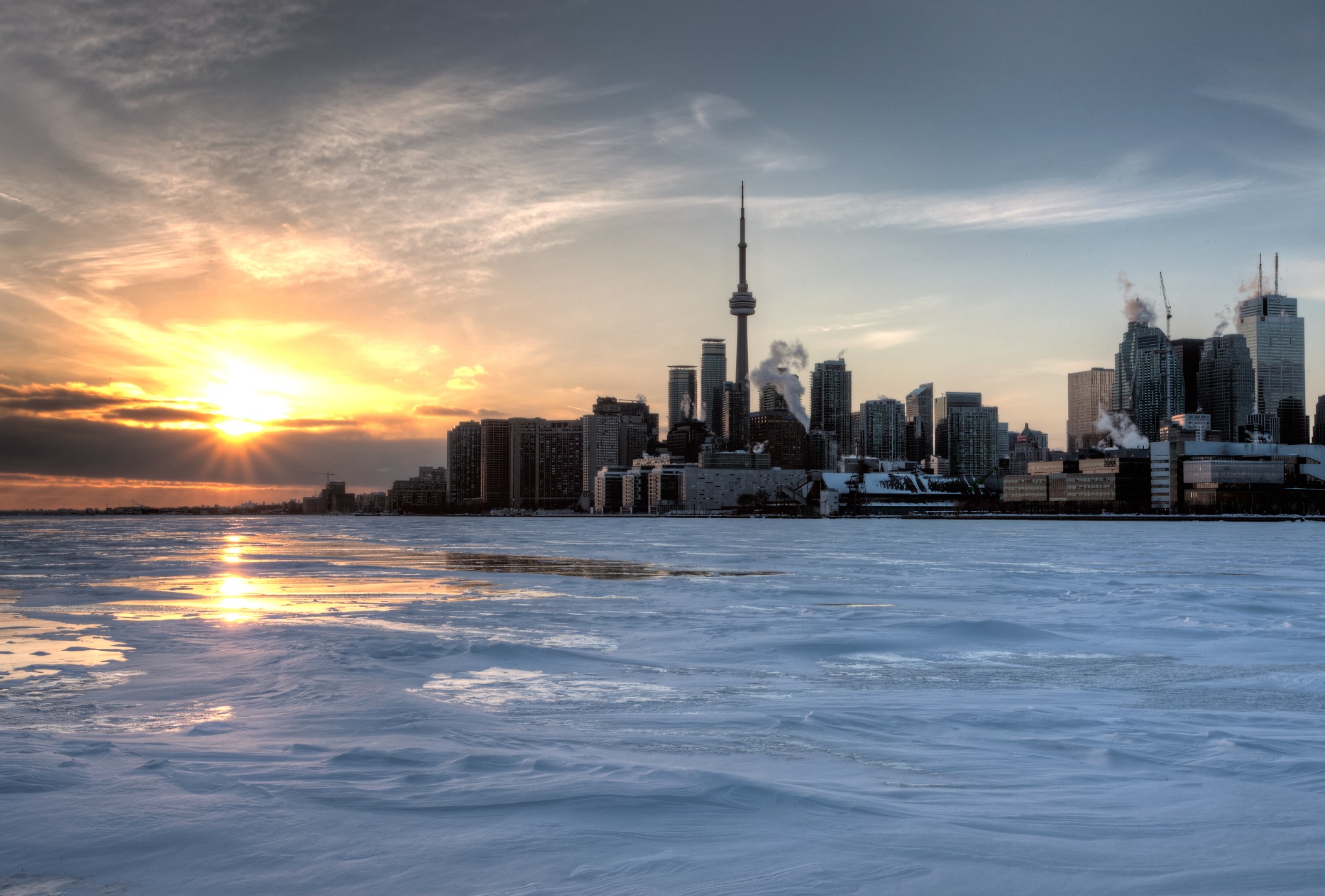
How We Chose the Top 30 Things to Do in Toronto
This ranking is built the way a careful editor would plan a trip for a friend: by comparing what’s actually bookable right now, then weighing it against everything else competing for the same slot on a schedule. We started with current GetYourGuide listings for Toronto and the day-trip destinations most people pair with it, noting each activity’s traveler rating, how many reviews it has accumulated, and whether that feedback is consistent over time rather than a short spike.
From there, ratings were only the starting point. We looked at cultural and historical significance, how central or hard-to-reach the location is, typical duration, group size and format, and whether the price tends to represent fair value within its category. We considered who each experience actually suits, because a five-star adrenaline activity is the wrong recommendation for a family with a stroller, and a serene museum is a poor fit for a group chasing adventure. Accessibility notes, seasonality, transport requirements, and how flexible the cancellation terms usually are all fed into the order.
Crucially, popularity did not automatically win. Several of Toronto’s most-reviewed listings are near-identical Niagara Falls tours, and stacking five of them would have padded the list without helping anyone. Where many similar products exist, we picked the strongest representative and explained the alternatives instead. A famous experience was ranked lower when it felt repetitive, rushed, weather-dependent, or simply less distinctive than a competing option nearby. We have not personally taken these tours; the assessments come from research and review patterns, and prices and inclusions shift constantly, so treat specifics as a starting point and confirm the current details on each listing before you book.
The Top 30, at a Glance
#
Experience
Best For
Typical Duration
Area
Top 30 Things to Do in Toronto
1. Ride to the Top of the CN Tower
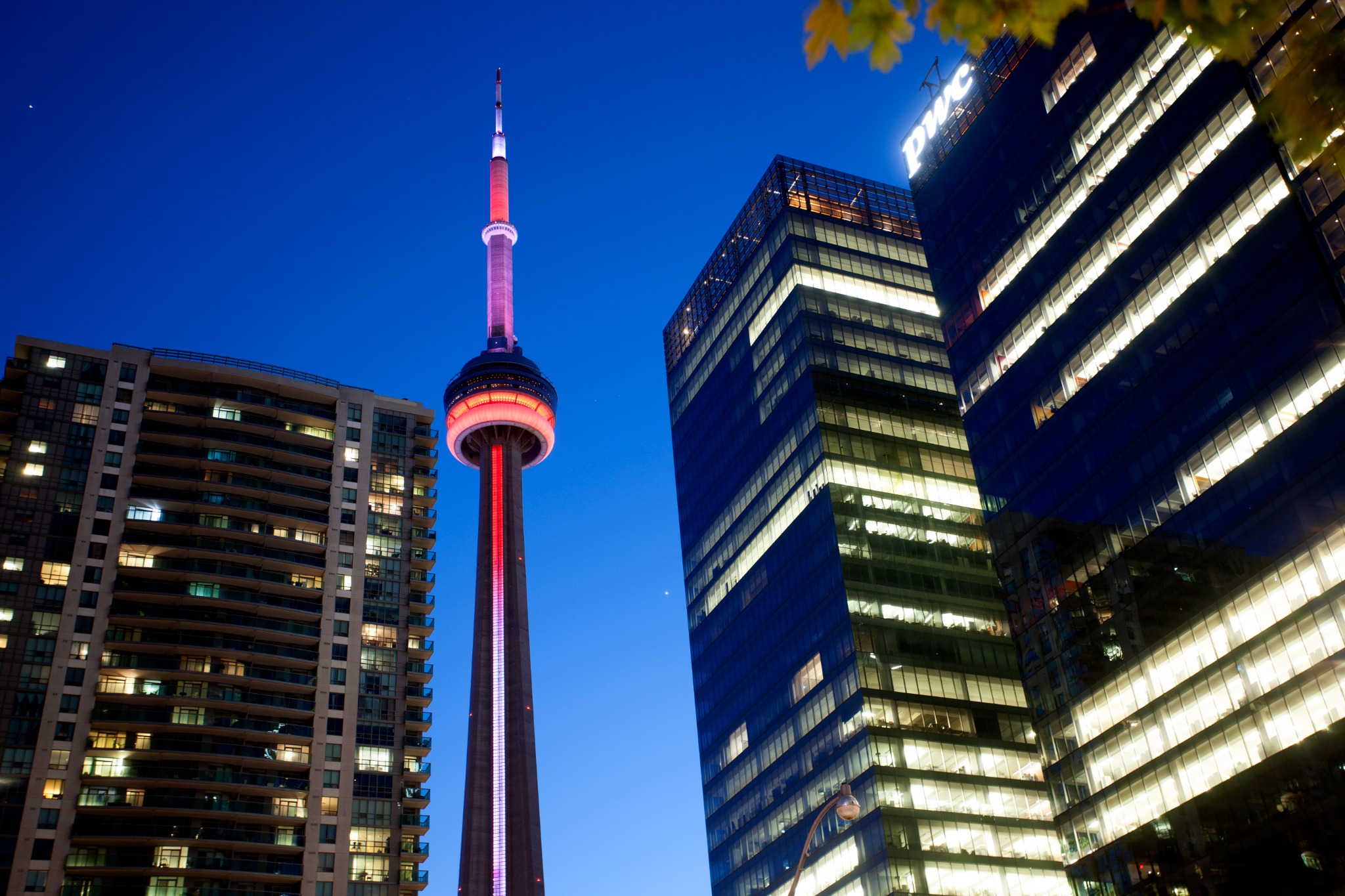
For four decades the CN Tower defined the Toronto skyline before a single condo tower rose around it, and at 553 meters it remains the reason first-time visitors instinctively look up. A high-speed glass-fronted elevator climbs the outside of the shaft in under a minute, delivering you to the LookOut level where floor-to-ceiling windows wrap a full 360 degrees around the lake, the island airport, the stadium roofs, and the endless grid of the city fading toward the horizon. One floor down, the Glass Floor is a genuine test of nerve: a transparent panel with nothing but 342 meters of air between your shoes and the ground below. On clear days you can pick out the mist of Niagara Falls to the south.
Booking through GetYourGuide typically covers timed general admission to the main observation levels, and the tower’s height means the view holds up in almost any weather that isn’t outright fog. What separates a good visit from a frustrating one is timing. Midday and late afternoon in summer bring the longest queues at security and the elevators; arriving at opening or in the last hour before sunset gives you thinner crowds and, in the evening, the city lights flickering on. Thrill-seekers can upgrade to EdgeWalk, the hands-free walk around the exterior ledge of the main pod, 116 stories up, tethered to an overhead rail. EdgeWalk is seasonal, weather-dependent, and books separately, but it is the single most talked-about thing anyone does up there.
Why do it: It is the clearest, highest, most complete orientation to Toronto’s geography you can get, and the view genuinely justifies the climb.
Best for: First-time visitors, photographers, couples at sunset, and anyone who wants to understand the city’s layout before exploring it.
Location: 290 Bremner Boulevard, in the Entertainment District beside Rogers Centre and Ripley’s Aquarium, a short walk from Union Station.
Typical duration: Around one to two hours for the observation levels; EdgeWalk adds roughly 90 minutes with briefing and gear.
What usually stands out: The Glass Floor and the elevator ride draw the loudest reactions, and the sightlines all the way to Niagara on a clear day surprise most visitors.
Good to know: Book a timed slot in advance during summer and holidays, go early or near closing to dodge lines, and pair it with the aquarium next door to make one security queue count for two attractions.
Potential drawback: It is one of the pricier city landmarks, the observation area gets crowded and loud at peak times, and revolving-restaurant reservations are a separate and considerably higher cost.
Click here to check current tickets and availability
2. Take a Guided Day Trip to Niagara Falls
No experience competes with Niagara Falls for the sheer volume of Toronto visitors it draws, and for good reason: standing at the brink of the Horseshoe Falls as roughly 2,800 cubic meters of water thunder over the edge every second is the kind of thing that resets your sense of scale. The falls sit about 130 kilometers southwest of the city, close enough for a full-day round trip but far enough that a guided tour with transport almost always beats the logistics of doing it yourself. GetYourGuide lists dozens of variations, which is exactly why you should choose deliberately rather than grabbing the first result.
The strongest all-round options combine coach transport from downtown Toronto with the two experiences that define a visit: a boat ride to the base of the Horseshoe Falls, where you’ll be handed a poncho and soaked anyway, and Journey Behind the Falls, a tunnel system that puts you beside and beneath the cascade. Many tours also fold in a stop in pretty Niagara-on-the-Lake or a winery, a photo halt at the Floral Clock or Whirlpool Rapids, and free time along the touristy but fun Clifton Hill. Some run nine to ten hours door to door. Ratings across the best-reviewed departures sit consistently high, in the 4.6 to 4.8 range across thousands of reviews, which tells you the format is reliable even if guides and group sizes vary.
Why do it: It packs Canada’s most famous natural wonder, a genuinely thrilling boat ride, and a wine-country village into a single well-organized day without you touching a map or a steering wheel.
Best for: Everyone, but especially first-time visitors, families, and travelers without a car.
Location: Most tours depart from central downtown pickup points or offer pickup from selected hotels; confirm your exact meeting zone when booking.
Typical duration: Roughly nine to ten hours, including travel each way.
What usually stands out: The boat ride into the mist of the Horseshoe Falls is the emotional peak; the sheer noise and spray land harder in person than any photo suggests.
Good to know: The boat and Journey Behind the Falls typically run spring through fall; in winter the boats stop and tours pivot to viewing platforms and indoor attractions. Bring a light layer even in summer, because you will get wet.
Potential drawback: It’s a long day with significant time on the coach, itineraries can feel rushed at each stop, and inclusions vary widely between products, so read what each listing actually covers before booking.
Click here to compare Niagara tours for your travel dates
3. Meet the Sharks at Ripley’s Aquarium of Canada
Sitting in the shadow of the CN Tower, Ripley’s Aquarium of Canada has become one of downtown’s most dependable crowd-pleasers, and its placement is no accident: you can pair it with the tower in a single outing and keep restless kids happy for hours. The headline attraction is Dangerous Lagoon, a slow-moving glass tunnel that carries you along a conveyor beneath sand tiger sharks, sawfish, green sea turtles, and rays that glide inches above your head. It’s a genuinely immersive few minutes that even jaded teenagers tend to go quiet for.
Beyond the tunnel, the aquarium is smartly designed for a range of ages. Younger children gravitate to the touch tanks where they can brush a stingray or a horseshoe crab, while the Pacific kelp forest, the jellyfish gallery lit in shifting colors, and the moon jelly displays reward anyone with a camera. Because it’s fully indoor and climate-controlled, it doubles as one of the city’s best rainy-day and deep-winter options. A GetYourGuide ticket usually covers skip-the-line general admission with a timed entry, which matters more than it sounds: walk-up lines here can be brutal on weekends and school holidays.
Why do it: It’s a reliably engaging, weatherproof attraction right beside the CN Tower, ideal for breaking up a downtown day and keeping families entertained.
Best for: Families with children, couples on a rainy afternoon, and anyone already visiting the CN Tower.
Location: 288 Bremner Boulevard, directly at the base of the CN Tower near Rogers Centre and Union Station.
Typical duration: Around two to three hours, longer if you catch a dive show or linger at the tunnel.
What usually stands out: The Dangerous Lagoon tunnel and the eerily beautiful jellyfish galleries are the moments visitors remember.
Good to know: Book a timed slot to skip the walk-up queue, and aim for a weekday morning or a late afternoon to avoid the biggest school and weekend crowds.
Potential drawback: It gets genuinely packed at peak times, the tunnel can bottleneck, and it’s compact enough that it doesn’t fill a full day on its own.
Click here to explore available entry times
4. Explore Casa Loma, Toronto’s Gothic Castle
Perched on a hill above midtown, Casa Loma is North America’s improbable answer to a European castle, an early-twentieth-century Gothic Revival mansion built by financier Sir Henry Pellatt at a moment when his fortune seemed limitless. It wasn’t: he lost the house within two decades, which lends the place a faint melancholy beneath the grandeur. Today it’s one of Toronto’s most photographed interiors, all oak-paneled halls, a soaring conservatory under stained glass, secret passages, and 800 feet of underground tunnel leading to the stables and the old motor room.
What makes Casa Loma more than a photo stop is how much there is to actually wander through. You climb the towers for views over the city, poke through Pellatt’s private suites and the servants’ quarters, and cross the tunnel to the carriage rooms where vintage cars sit under vaulted brick. A GetYourGuide ticket generally includes an optional multimedia audio guide that fills in the rags-to-riches-to-ruin story, which is worth using because the architecture alone doesn’t explain itself. Seasonal programming layers on top: gardens in summer, immersive light and haunt experiences around Halloween, and a decorated interior at Christmas.
Why do it: It’s a genuinely unusual landmark for a young North American city, blending architecture, a dramatic personal history, and skyline views in one self-paced visit.
Best for: History and architecture lovers, families, couples, and photographers.
Location: 1 Austin Terrace in midtown, a walk uphill from Dupont subway station or a short rideshare from downtown.
Typical duration: Around two to three hours to see the house, towers, tunnel, and gardens without rushing.
What usually stands out: The conservatory’s glass dome, the tower views, and the atmospheric tunnel to the stables are the standout stretches.
Good to know: The estate involves a lot of stairs and the towers are not accessible to everyone; check the seasonal programming, as evening events run on separate tickets.
Potential drawback: It sits away from the downtown cluster, so it eats travel time, and the many staircases make full accessibility difficult.
Click here to view current ticket options
5. Cruise the Harbour and Toronto Islands
The best way to understand why Toronto grew where it did is to get out on the water and look back at it. A harbour sightseeing cruise pushes off from the Harbourfront and loops through the sheltered channels of the Toronto Islands, delivering the postcard skyline shot that’s impossible to get from land: the CN Tower and the wall of downtown towers rising straight out of the lake, framed by the low green islands in the foreground. Most narrated cruises run about an hour and point out the island communities, the lighthouse, and the flight path of the little island airport as ferries and sailboats crisscross around you.
It’s an easy, low-commitment activity that works for almost anyone, which is why these cruises rack up thousands of consistently positive reviews. On a warm afternoon the breeze off Lake Ontario is a welcome break from downtown heat, and the light around golden hour turns the glass towers copper. GetYourGuide lists several operators and formats, from short 45-minute scenic loops to longer narrated tours, so match the length to your patience and budget rather than defaulting to the cheapest. Boats range from open-top catamarans to glass-enclosed vessels, the latter a better bet in cooler or wetter weather.
Why do it: It delivers the definitive skyline view with minimal effort and gives you a genuine sense of the island-and-harbour geography that shaped the city.
Best for: First-time visitors, couples, families, and photographers.
Location: Departures cluster along the Harbourfront near Queens Quay, an easy walk or short streetcar ride from Union Station.
Typical duration: Around one hour for a standard narrated loop.
What usually stands out: The skyline reveal as the boat swings around and the quiet island channels lined with tiny cottages and moored boats.
Good to know: These run spring through fall and are weather-dependent; an open-top deck is lovely in sun but exposed on gray days, so check the vessel type.
Potential drawback: It’s a passive, relatively short experience, and on a busy summer afternoon the boats fill up, so the best rail positions for photos go quickly.
Click here to see current booking options
6. Eat Your Way Through St. Lawrence Market and the Distillery District
St. Lawrence Market has anchored Toronto’s Old Town since 1803 and was once crowned the world’s best food market by National Geographic, a claim that feels earned the moment you walk into the vaulted hall and hit the wall of scent from cheesemongers, bakers, mustard makers, and the fishmongers at the back. The market’s signature bite is the peameal bacon sandwich, a thick slab of cornmeal-crusted pork on a soft bun that Torontonians will argue about for hours. A guided food tour turns the sprawl into a curated crawl, walking you between vendors with tastings arranged so you don’t have to guess what’s worth your appetite.
The strongest tours pair the market with the nearby Distillery District, a pedestrian-only enclave of Victorian industrial brick that was once the largest whiskey distillery in the British Empire and is now full of cafés, chocolatiers, and craft studios. Along the way you’ll typically sample local staples like peameal bacon, poutine, butter tarts, and artisan chocolate across several stops, with a guide threading in the history of how immigrant communities built the city’s food culture. Expect roughly three hours and half a dozen tastings. Because you’re on foot through two of the most atmospheric districts in the city, the tour doubles as an orientation to Old Town.
Why do it: It hits Toronto’s most beloved market and its prettiest historic district in one walk, with a guide doing the ordering and the storytelling so you eat the good stuff.
Best for: Food travelers, first-time visitors, and anyone who prefers learning a city through its markets.
Location: Starts around St. Lawrence Market at Front and Jarvis, finishing near or in the Distillery District a short walk east.
Typical duration: Around three to three and a half hours with multiple tastings.
What usually stands out: The peameal bacon sandwich and the shift in atmosphere from the bustling market hall to the cobblestoned Distillery lanes.
Good to know: Come hungry and wear comfortable shoes; note that the main St. Lawrence Market hall is closed Mondays, so tour scheduling reflects that.
Potential drawback: It’s a lot of walking and eating, portions add up fast, and vegetarians or people with allergies should confirm substitutions with the operator in advance.
Click here to reserve this food tour
7. Spend an Afternoon at the Royal Ontario Museum
The Royal Ontario Museum, universally shortened to the ROM, is Canada’s largest museum and the kind of institution you could return to a dozen times and still miss rooms. Its collections sweep from dinosaur skeletons and a genuine bat cave that delights kids, to Egyptian mummies, a world-class gallery of Chinese art and architecture, Canadian and Indigenous collections, and rotating blockbuster exhibitions. The building itself is a talking point: a century-old heritage structure sliced open by the Michael Lee-Chin Crystal, a jagged prism of aluminum and glass that erupts onto Bloor Street and divides local opinion to this day.
What makes the ROM such a strong pick is its range. On a cold or rainy day it absorbs half a day easily, and it flexes to whoever you’re traveling with: natural history for families, art and antiquities for culture seekers, and design for the architecturally curious. A GetYourGuide admission ticket typically covers general entry to the permanent galleries, often at an accessible price point, with special exhibitions sometimes ticketed separately. It sits in the heart of the Bloor-Yorkville district, so you can pair it with upscale window-shopping or a walk through the University of Toronto’s leafy campus next door.
Why do it: It’s the most comprehensive single cultural institution in the city, weatherproof, and genuinely engaging across every age group.
Best for: Museum lovers, families, and travelers looking for a rainy-day or winter anchor.
Location: 100 Queens Park at Bloor Street, directly served by Museum subway station.
Typical duration: Two to four hours depending on how deep you go; enthusiasts can spend longer.
What usually stands out: The dinosaur galleries, the Egyptian collection, and the architectural clash between the heritage wings and the Crystal.
Good to know: Check for reduced or free-admission windows that some periods offer, and confirm whether a marquee special exhibition needs a separate timed ticket.
Potential drawback: It’s vast enough to cause museum fatigue, weekend afternoons draw school and family crowds, and special exhibitions can add to the base cost.
Click here to check prices for your dates
8. Bike the Toronto Islands
A short ferry ride from downtown drops you into a different Toronto entirely: a car-free string of islands with beaches, lagoons, a tiny residential village, and unbroken skyline views back across the harbour. Cycling is the ideal way to cover them, and a guided bike tour handles the ferry logistics, the rental, and the route so you’re not fumbling with schedules. Over roughly three and a half hours you roll along boardwalks and shaded paths, past the 1808 Gibraltar Point lighthouse, the yacht clubs, Centreville’s old-fashioned amusement rides, and the beaches of Hanlan’s Point, with the guide pointing out the best skyline photo angles.
Because the islands are flat and traffic-free, the riding is easy enough for casual cyclists and the pace is relaxed rather than athletic. GetYourGuide lists both morning and twilight departures, and the small-group island bike tours in particular earn near-perfect ratings, which tracks with how pleasant the setting is on a clear day. Morning rides are cooler and quieter; twilight rides trade daylight for the softer light and the city beginning to glow across the water. Either way you get the version of Toronto that locals escape to on summer weekends.
Why do it: It combines gentle outdoor exercise, the city’s best skyline vantage points, and a genuinely tranquil escape a few minutes from downtown.
Best for: Active travelers, couples, and families with older children comfortable on bikes.
Location: Tours meet near the Jack Layton Ferry Terminal at the foot of Bay Street before crossing to the islands.
Typical duration: Around three and a half hours including the ferry.
What usually stands out: The skyline views from Ward’s Island and the quiet, almost small-town feel of the island community.
Good to know: This is a warm-season, weather-dependent activity; bring sun protection and water, and confirm the minimum age and whether kids’ bikes are available.
Potential drawback: The ferry can be crowded on peak summer days, and the tour is entirely outdoors, so a gray or windy afternoon dulls it considerably.
Click here to check upcoming departure times
9. Get Your Bearings on the Hop-On Hop-Off Bus
For a city as spread out as Toronto, the double-decker hop-on hop-off bus is an unglamorous but genuinely useful tool, especially on a first day when you’re still building a mental map. The loop connects the landmarks most visitors want: the CN Tower and aquarium, the Harbourfront, St. Lawrence Market and the Distillery District, the museums up on Bloor, Kensington Market, Chinatown, and Yorkville, with recorded or live commentary filling in the gaps between stops. You ride until something catches your eye, hop off to explore, and catch a later bus to continue, all on a single ticket valid for one or two days.
It won’t win any awards for depth, and traffic downtown can slow the loop, but as an orientation device and a way to rest your feet between attractions it earns its place. Some GetYourGuide packages bundle the bus with a harbour cruise, which is a sensible pairing that covers land and water sightseeing in one purchase. Ratings sit a notch below the marquee experiences, largely reflecting the inherent limits of the format rather than any single failing. Treat it as connective tissue for your itinerary rather than a destination in itself, and it delivers.
Why do it: It stitches the scattered downtown attractions together, spares your legs, and gives first-timers a fast overview of the city’s layout.
Best for: Travelers with limited time, first-time visitors, and anyone who wants a low-effort overview.
Location: Central boarding points downtown, typically near the CN Tower and other major stops; you can join the loop at any stop.
Typical duration: Tickets usually run one to two days; a full loop without hopping off takes a couple of hours.
What usually stands out: The open-top deck views on a sunny day and the flexibility to explore at your own pace.
Good to know: Check frequency and the last-bus time so you’re not stranded at a far stop, and bring sun or rain protection for the upper deck.
Potential drawback: Commentary quality and bus frequency vary, downtown traffic can bog the loop down, and it’s the least distinctive experience on this list.
Click here to view tour details and availability
10. Taste the World in Kensington Market and Chinatown
If St. Lawrence Market is Toronto’s grand historic pantry, Kensington Market is its scrappy, bohemian counterpoint: a few tangled blocks of Victorian houses painted every color, vintage shops, cheesemongers, empanada windows, and cafés that have resisted chain-store creep for decades. Butting right up against it is one of North America’s liveliest Chinatowns, spilling along Spadina Avenue with herbalists, dim sum halls, and produce stalls. A food tour through the two is less about any single restaurant and more about the collision of cultures on adjacent streets, which is the truest expression of how Toronto eats.
Over about three hours, a guide leads you between family-run spots for tastings that might range from Jamaican patties and Tibetan momos to Japanese takoyaki, Mexican tacos, empanadas, and fresh churros, weaving in the immigration history that built each block. Because the vendors are independent and the neighborhood changes constantly, no two tours are identical, and a good guide knows which counters are having a great week. It’s walkable, casual, and consistently one of the most memorable food experiences in the city precisely because it doesn’t feel packaged.
Why do it: It captures Toronto’s multicultural food identity in a way no single restaurant can, guided by someone who knows the neighborhood’s best small vendors.
Best for: Food travelers, curious eaters, and repeat visitors wanting a different side of the city.
Location: Around Kensington Market and Spadina’s Chinatown, just west of the downtown core and the Art Gallery of Ontario.
Typical duration: Roughly three hours on foot with several tasting stops.
What usually stands out: The sheer variety within a few blocks and the character of the family-run counters you’d likely walk past on your own.
Good to know: Come hungry, wear good walking shoes, and flag dietary needs ahead of time since the tastings lean toward street food. Kensington is at its liveliest on weekends.
Potential drawback: The area is deliberately gritty and can feel chaotic, and portions across many stops can leave you either overfull or, on an off day, uneven.
Click here to explore available tour options
11. Step Into Hockey’s Shrine at the Hockey Hall of Fame
Hockey is not a pastime in Canada so much as a shared language, and the Hockey Hall of Fame is its cathedral. Housed partly inside a beautifully restored former Bank of Montreal building in the Financial District, it holds the sport’s deepest collection of memorabilia and, at its heart, the actual Stanley Cup, the oldest trophy competed for by professional athletes in North America. Standing in the vaulted, stained-glass Great Hall beside the Cup is a small pilgrimage even for casual fans, and staff will happily take your photo with it.
The Hall is more hands-on than most visitors expect. Interactive zones let you take shots against a virtual goalie or play goalie yourself against simulated NHL shooters, there are broadcast booths where you can call a famous goal, and displays trace the game from frozen ponds to the modern NHL, including the women’s game and international hockey. A GetYourGuide entry ticket typically covers general admission for the day. It’s compact, centrally located above the underground PATH network, and works well as a couple of hours between other downtown stops, whether or not you arrived a fan.
Why do it: It’s the definitive shrine to Canada’s national sport, with the real Stanley Cup and enough interactivity to win over even the hockey-indifferent.
Best for: Sports fans, families with kids, and anyone curious about Canadian culture.
Location: Brookfield Place at Yonge and Front streets, steps from Union Station and connected to the PATH.
Typical duration: Around two to three hours depending on how much you play the interactive games.
What usually stands out: Posing with the Stanley Cup in the Great Hall and testing your shot in the interactive rink.
Good to know: It’s indoors and weatherproof, making it a solid rainy-day or winter pick; the shooting games draw lines on busy afternoons, so go earlier.
Potential drawback: Non-fans may find parts of the memorabilia exhaustive, and it’s on the smaller side, so it won’t fill a whole day.
Click here to explore available ticket options
12. Take In the Art Gallery of Ontario
The Art Gallery of Ontario, known as the AGO, is one of the largest art museums in North America, and its Frank Gehry redesign, a swooping wall of Douglas fir and glass along Dundas Street, is worth seeing even before you buy a ticket. Gehry grew up nearby, which gives the building a personal warmth unusual for a starchitect project. Inside, the collection is broad and deep: the country’s most significant holding of Canadian art, including the Group of Seven landscapes that shaped how Canadians picture their own wilderness, alongside a major Indigenous and Inuit collection, European masters, and the striking spiral Douglas fir staircase that has become an architectural icon in its own right.
The AGO is refreshingly good value, particularly given the scale of the collection, and admission is often free for younger visitors, making it a smart family stop. It sits on the edge of Chinatown and near Kensington Market, so it pairs naturally with a food-focused afternoon in the west end. A GetYourGuide general admission ticket typically covers the permanent collection, with special exhibitions sometimes requiring an add-on. Whether you come for the Group of Seven, the contemporary galleries, or simply to walk Gehry’s staircase, it rewards a couple of unhurried hours.
Why do it: It’s a major art museum with a landmark building and the best collection of Canadian art anywhere, at a genuinely reasonable price.
Best for: Art lovers, architecture fans, and families looking for an affordable cultural stop.
Location: 317 Dundas Street West, on the edge of Chinatown and a short walk from Kensington Market.
Typical duration: Around two to three hours; longer for a special exhibition.
What usually stands out: The Group of Seven galleries and Gehry’s spiral wooden staircase are the highlights people photograph most.
Good to know: Check the day’s free-admission eligibility and whether a headline exhibition needs a separate timed ticket; it’s closed on some weekdays, so confirm hours.
Potential drawback: The collection is large enough to tire non-enthusiasts, and blockbuster exhibitions can get crowded and cost extra.
Click here to view current experience details
13. Sip Through Niagara Wine Country in Niagara-on-the-Lake
An hour and a half from Toronto, the Niagara Peninsula quietly turned into one of the more serious cool-climate wine regions in the Americas, and Niagara-on-the-Lake is its handsome, flower-boxed heart. The town itself is a preserved nineteenth-century streetscape of colonial-era buildings, boutique shops, and the grand old Prince of Wales Hotel, but the reason to book a tour is the surrounding vineyards. The region is famous for icewine, a lusciously sweet dessert wine made from grapes left to freeze on the vine, as well as increasingly respected Rieslings, Chardonnays, and cool-climate reds.
A guided wine tour handles the driving, which is the whole point given the tastings, and typically visits a couple of family-run and boutique wineries with tastings, often paired with a charcuterie board or lunch and some time to wander the town. GetYourGuide lists everything from focused half-day wine-and-charcuterie outings to fuller day tours that combine the vineyards with a Niagara Falls stop. The wineries here are more intimate than industrial, and a knowledgeable guide steers you toward the pours worth remembering. It’s the region’s most romantic, unhurried experience and a welcome change of pace from downtown’s density.
Why do it: It offers a relaxed, designated-driver day among genuinely good cool-climate wineries and a picture-perfect historic town.
Best for: Couples, wine lovers, and travelers wanting a slower, scenic day trip.
Location: Niagara-on-the-Lake and the surrounding wine route, with pickups from Toronto or connections from a Niagara Falls tour.
Typical duration: From around five and a half hours for a focused wine tour to a full day when combined with the falls.
What usually stands out: Tasting icewine at the source and the postcard-pretty main street of Niagara-on-the-Lake.
Good to know: You must be of legal drinking age (19 in Ontario) with ID; tastings and lunch inclusions vary by product, so confirm what’s covered.
Potential drawback: It’s alcohol-focused and less suited to families or non-drinkers, and the best small wineries mean smaller groups and higher per-person cost than a mass-market bus tour.
Click here to compare wine-country tours
14. Cycle the Heart of Downtown
If the island bike tour is about escape, the downtown bike tour is about immersion, threading through the city’s core at a pace that lets you actually absorb it. Over about three and a half hours, a small group follows a guide along the waterfront trail, through the Distillery District’s cobblestones, past St. Lawrence Market and the old town, into the Financial District’s canyon of towers, and out along quieter residential streets you’d never find on foot. Toronto has invested heavily in protected bike lanes and multi-use trails in recent years, which makes a guided downtown ride far less nerve-wracking than it sounds.
What sets this apart from the hop-on bus or a walking tour is coverage: bikes let you connect neighborhoods that are just far enough apart to be annoying on foot, so you leave with a coherent sense of how the districts fit together. These small-group tours consistently earn some of the highest ratings of any Toronto activity, a reflection of both the format and the guides’ local knowledge. Bikes and helmets are generally provided, and the route sticks to trails and calmer streets rather than plunging into traffic.
Why do it: It covers far more ground than a walking tour while staying immersive, and the small-group format means real interaction with a local guide.
Best for: Active first-time visitors, curious travelers, and anyone who learns a city best by moving through it.
Location: Meets downtown near the waterfront; exact meeting point provided at booking.
Typical duration: Around three and a half hours at an easy pace.
What usually stands out: The way the ride connects the waterfront, Distillery District, and Financial District into one clear mental map, plus the guide’s insider commentary.
Good to know: Basic cycling comfort is expected; it runs in the warmer months and is weather-dependent, so dress for the forecast and confirm the minimum age.
Potential drawback: It’s not for absolute beginners or anyone uneasy sharing any road space with cars, and rain can cancel or dampen it.
Click here to check the latest tour schedule
15. Watch the Falls Light Up on an Evening Cruise
Niagara Falls is spectacular by day, but after dark it becomes something else entirely. Every evening the falls are bathed in shifting colored floodlights, and on a regular schedule through the warmer months the sky above them erupts in fireworks. A short evening cruise puts you on the water directly in front of the illuminated Horseshoe Falls, close enough to feel the mist, as the colors play across the cascade and, on fireworks nights, burst overhead. It’s a completely different mood from the daytime boat ride, more romantic than thrilling, and it earns consistently strong ratings across thousands of reviews.
The cruise itself runs around 40 minutes and can be booked on its own if you’re staying in the Niagara area, or slotted into a longer Toronto day-and-evening tour that lingers until the lights come on. Because it’s tied to sunset and the fireworks calendar, timing and season matter: the illumination runs year-round but the boats and fireworks are seasonal. On a clear summer night with the falls glowing and fireworks reflecting off the water, it’s one of the most memorable evenings in the region.
Why do it: It reframes the falls as a nighttime spectacle of light and, on scheduled nights, fireworks, seen from the water rather than a crowded railing.
Best for: Couples, photographers, and anyone staying overnight near Niagara.
Location: Departs from the Niagara Falls, Ontario waterfront; some Toronto tours build it into an evening itinerary.
Typical duration: Around 40 minutes on the water.
What usually stands out: The illuminated Horseshoe Falls up close and fireworks bursting directly overhead on scheduled nights.
Good to know: Fireworks run on a seasonal schedule and boats operate spring through fall; check the calendar for your date, and bring a layer for the cool evening spray.
Potential drawback: Fireworks nights aren’t guaranteed on every date, the deck gets crowded, and from Toronto it’s a late night requiring your own overnight or a long combined tour.
Click here to check upcoming departure times
16. Go Behind the Scenes at Scotiabank Arena
Scotiabank Arena is the beating heart of Toronto’s sports obsession, home to the NHL’s Maple Leafs and the NBA’s Raptors, the latter having delivered the city its giddiest championship moment in 2019. A guided tour takes you into the parts of the building fans normally only imagine: the lower bowl and premium seating, the press areas, and, depending on the day’s schedule and events, spaces like the team benches and locker-room corridors. Guides are steeped in franchise lore and hand over the kind of stories and stats that make the banners in the rafters mean something.
For sports fans it’s a genuine thrill, and even neutrals get a sense of the scale and choreography behind a modern arena. It’s centrally located in the South Core beside Union Station, so it slots easily into a downtown day. GetYourGuide lists guided tours running around an hour to 90 minutes, and they earn high marks for the guides’ enthusiasm and access. Because the building hosts games and concerts constantly, tour availability and exactly which areas you can enter shift with the event calendar, so flexibility helps.
Why do it: It’s rare behind-the-scenes access to the home of two beloved pro franchises, led by guides who bring the history to life.
Best for: Hockey and basketball fans, sports-loving families, and curious first-timers.
Location: 40 Bay Street in the South Core, directly beside Union Station.
Typical duration: Around one to one and a half hours.
What usually stands out: Standing rinkside or courtside in an empty arena and the guides’ insider stories about championship runs.
Good to know: Access to specific areas depends on the event schedule, so tours don’t run on all dates; book around game and concert nights and confirm what’s included.
Potential drawback: Which rooms you actually see varies day to day, and non-sports-fans may find it less compelling than the price suggests.
Click here to check whether this activity is available
17. See the Country in Miniature at Little Canada
Tucked below street level near Yonge-Dundas Square, Little Canada is a sprawling, obsessively detailed miniature world that recreates the country’s landmarks at 1:87 scale, from the Toronto and Montreal skylines to Niagara Falls, the Rockies, the Maritimes, and a tiny working replica of the country stitched together by moving trains, cars, boats, and a day-to-night lighting cycle that plays out every few minutes. Thousands of hand-painted miniature figures act out little scenes if you look closely, and new regions keep being added, so it has grown considerably since opening.
It sounds like a children’s diversion, and kids do love it, but the craftsmanship is what surprises adults, from the flickering city lights to the humor hidden in the tiny tableaux. There’s an interactive element too: visitors can register a personalized mini-figure of themselves to be placed somewhere in the display. Being fully indoor and central, it’s one of the city’s most reliable rainy-day and winter options, easy to combine with the Eaton Centre and the downtown core. A GetYourGuide ticket covers timed general admission.
Why do it: It’s a genuinely charming, weatherproof attraction whose craftsmanship wins over adults as much as kids, right in the middle of downtown.
Best for: Families, rainy-day visitors, and anyone who appreciates fine detail work.
Location: 10 Dundas Street East near Yonge-Dundas Square, steps from the Eaton Centre.
Typical duration: Around one and a half to two hours.
What usually stands out: The day-to-night lighting cycle and the miniature Niagara Falls and Toronto skyline.
Good to know: Book a timed slot on weekends and holidays; it’s compact and fully accessible, making it easy with strollers and mobility devices.
Potential drawback: It’s on the smaller side for the ticket price and can feel crowded at peak times, when the low-lit space gets busy around the popular displays.
Click here to view current ticket options
18. Combine the City Highlights With a Harbour Cruise
If your time in Toronto is short, a combination city tour that pairs a guided sightseeing loop with a harbour cruise is an efficient way to cover both land and water in a single, well-organized outing. These tours typically run four to five hours and hit the greatest hits, the CN Tower area, the Distillery District, Old Town, the University and museum district, and the waterfront, before putting you on a boat for the skyline views from the lake. Having a guide narrate the whole thing and handle logistics means you absorb far more context than you would piecing it together yourself.
The format suits cruise-ship passengers and business travelers with only a day, or first-timers who want a confident overview before deciding where to return. Some versions are small-group and even include a driving component that reaches attractions beyond easy walking distance. It overlaps deliberately with several individual entries on this list, so it’s best seen as an all-in-one alternative rather than an addition, ideal when you’d rather have one tidy booking than five separate ones. Confirm exactly which stops include admission versus a photo pause, as that varies by product.
Why do it: It condenses the essential city and its best skyline view into one guided half-day, ideal when time is tight.
Best for: Travelers with limited time, cruise passengers, and first-timers wanting an efficient overview.
Location: Central downtown departure points, with the cruise leaving from the Harbourfront.
Typical duration: Around four to five hours combining land and water.
What usually stands out: The convenience of covering the highlights and the harbour in one narrated booking.
Good to know: Check whether stops include entry or just a photo stop, and whether the tour is walking, driving, or a mix, as this shapes how much ground you cover.
Potential drawback: By design it’s a sampler, so it trades depth for breadth and repeats what you’d get from booking a couple of the standalone experiences.
Click here to view current GetYourGuide options
19. Sample Toronto’s Craft Beer on a Brewery Tour
Toronto’s craft-beer scene has matured from a novelty into a genuine local point of pride, with independent breweries clustered in the west end, Liberty Village, and the old industrial pockets near the waterfront. A guided brewery tour takes the guesswork out of it, walking or shuttling a small group between a handful of the city’s most respected breweries for behind-the-scenes looks at the brewing process and curated tasting flights. Along the way a guide unpacks how Ontario’s beer culture shook off its staid, government-monopoly past to become one of North America’s more interesting scenes.
One of the most recognizable stops in the city is Steam Whistle, brewing its single pilsner in the historic John Street Roundhouse right beside the CN Tower, a striking railway building that’s a landmark in its own right. Other tours lean into the newer, experimental breweries turning out hazy IPAs and sours. It’s a social, low-pressure way to spend an afternoon or evening, and a good fit for a group. GetYourGuide and local operators list a range of formats, so check whether tastings, transport between stops, and any food are included.
Why do it: It’s a guided, social deep-dive into a genuinely good local beer scene, with tastings and brewing insight you couldn’t easily arrange alone.
Best for: Beer enthusiasts, groups of friends, and social travelers.
Location: Typically the west end, Liberty Village, or the roundhouse area near the CN Tower, depending on the operator.
Typical duration: Around three to four hours across several breweries.
What usually stands out: Tasting flights across distinct breweries and the history behind Steam Whistle’s landmark roundhouse home.
Good to know: You must be of legal drinking age (19 in Ontario) with ID; confirm whether the tour includes transport between breweries or expects walking.
Potential drawback: It’s alcohol-centered and not suitable for families or non-drinkers, and breweries can be loud and busy on weekends.
Click here to explore current listings
20. Paddle a Kayak Through the Island Lagoons
Most visitors experience the Toronto Islands from a bike seat or a ferry deck, but paddling their quiet inner lagoons is a lovelier, more intimate way in. On a guided kayak or SUP outing you push off from the waterfront and drift through calm, sheltered channels, gliding under a low historic footbridge, past the island’s tiny cottage community, and around the marshy bird sanctuary where herons stalk the shallows. The whole time the downtown skyline hovers over the treeline, giving you a paddler’s-eye version of the classic Toronto view.
The lagoons are protected and generally calm, so no serious experience is required, though basic fitness and comfort on the water help, and guides brief beginners before setting out. It’s a refreshingly active, screen-free couple of hours and a genuine change of pace in a big city, especially rewarding in the softer light of early morning or late afternoon. Because it depends on warm weather and calm conditions, it’s a summer-season activity, and Lake Ontario’s open water can be choppier than the sheltered channels, which is exactly why guided routes stick to the lagoons.
Why do it: It’s an active, peaceful way to see the islands from the water, well beyond the reach of the ferry crowds.
Best for: Adventure travelers, active couples, and anyone wanting a hands-on outdoor experience.
Location: Launches from the central waterfront, paddling into the Toronto Islands lagoons.
Typical duration: Around two to three hours including instruction.
What usually stands out: Drifting under the old lagoon bridge with the skyline framed behind the trees and the calm of the bird sanctuary.
Good to know: It’s warm-season and weather-dependent; wear clothes that can get wet, bring sun protection, and confirm swimming ability or age requirements with the operator.
Potential drawback: Conditions can cancel it, and it demands more physical effort than the passive cruises, so it’s not for everyone.
Click here to check prices for your dates
21. Fly Over Niagara Falls by Helicopter
There is no faster way to grasp the full geometry of Niagara than from the air, and a scenic helicopter flight delivers it in a compact, adrenaline-tinged package. Lifting off from the Canadian side, the flight banks over the Niagara River gorge, the swirling Whirlpool, the American Falls, and finally the great curved lip of the Horseshoe Falls, where you can see the entire crescent and the plume of mist rising hundreds of feet at once, a perspective no ground viewpoint can match. The flights are short, typically around 12 minutes, but they pack the region’s whole drama into that window.
It’s unapologetically a splurge, and the brevity means it’s best treated as the crown on a Niagara day rather than the whole reason to go. Still, for photographers and anyone celebrating something, the view justifies the cost, and the ratings from those who do it run high. Because it’s a small aircraft, flights are weather-dependent and can be rescheduled or grounded on windy or low-visibility days. You’ll usually book a specific window, and morning light or clear late-afternoon conditions tend to give the best photos over the water.
Why do it: It’s the only way to see the entire falls, gorge, and Whirlpool in a single sweeping view, and the aerial photos are unbeatable.
Best for: Photographers, couples marking an occasion, and travelers wanting a premium thrill.
Location: Departs from a heliport on the Canadian side of Niagara Falls.
Typical duration: Around 12 minutes in the air, plus check-in.
What usually stands out: The moment the full Horseshoe crescent and its rising mist come into view from above.
Good to know: Flights are weather-dependent and may be delayed or canceled; there are usually weight and safety briefings, and you’ll want a charged camera or phone ready.
Potential drawback: It’s expensive for the length, weather can scrub it, and the noise and motion don’t suit everyone.
Click here to explore small-group and private options
22. Spend a Day at the Toronto Zoo
One of the largest zoos in the world by land area, the Toronto Zoo sprawls across the Rouge Valley in the city’s east end and organizes its 5,000-plus animals into geographic pavilions, so a single visit walks you from an African rainforest full of gorillas to the Australasia pavilion, the Americas, the Tundra Trek’s polar bears, and an Indo-Malaya house thick with orangutans. It’s a serious conservation institution as much as a family day out, with breeding programs and naturalistic habitats that give the animals real room. Giant pandas have been a headline draw in the past, and the roster of rare species remains deep.
Plan for a lot of walking; the site is genuinely huge, and a seasonal zoomobile helps cover the distances if legs get tired. It works best as a half- to full-day outing and rewards an early start, especially in summer when animals are more active in the cooler morning. It’s well out in Scarborough, roughly a 45-minute drive from downtown, so it’s the one major family attraction that requires real travel time. A GetYourGuide ticket covers general admission for the day.
Why do it: It’s a vast, conservation-focused zoo with an unusually broad range of species and habitats, ideal for an active family day.
Best for: Families, animal lovers, and travelers with a full day and a way to get out there.
Location: 2000 Meadowvale Road in Scarborough, in the city’s east end.
Typical duration: Half a day to a full day given the size.
What usually stands out: The gorillas, the polar bears on the Tundra Trek, and the sheer scale of the grounds.
Good to know: Wear comfortable shoes and plan for lots of walking; a car or the seasonal transit connections make the trip out much easier, and mornings are best for active animals.
Potential drawback: It’s far from downtown and requires transport, the walking is extensive, and outdoor exhibits are quieter in cold weather.
Click here to check current tickets and availability
23. Chase Fall Colors in Algonquin Provincial Park
Algonquin is the Ontario wilderness of the Canadian imagination, a vast park of maple hills, spruce bogs, granite outcrops, and lakes that turns into a riot of scarlet and gold every autumn. A guided day trip from Toronto covers the roughly three-hour drive each way and delivers you into cottage country for a series of accessible hikes and lookouts along the park’s Highway 60 corridor, often including a stop at the tumbling Ragged Falls nearby. Small-group tours keep the pace manageable and the guides know which trails give the best canopy views and the highest odds of spotting moose or beaver.
It’s a long day, typically around 13 hours, but for nature lovers it’s the antidote to the city, trading skyscrapers for old-growth forest and the smell of pine. Autumn is the marquee season and books out fast, but the park is beautiful in summer’s green and quieter in the shoulder seasons too. Because it’s a full-day outdoor excursion far from the city, dress for the weather, wear proper footwear, and expect real walking rather than a stroll. GetYourGuide lists small-group options that handle the transport and route.
Why do it: It’s the most authentic taste of Ontario wilderness you can get in a single day from Toronto, spectacular in fall.
Best for: Nature lovers, hikers, and photographers, especially in autumn.
Location: Algonquin Provincial Park’s Highway 60 corridor, around three hours north of Toronto.
Typical duration: Roughly 13 hours door to door.
What usually stands out: The fall canopy from a ridge-top lookout and the chance of spotting moose along the roadside.
Good to know: It’s a long day with a lot of driving and real hiking; wear layers and hiking shoes, and book well ahead for peak fall-color weekends.
Potential drawback: The travel time is significant, weather can dull the experience, and it’s too active and long for young children or anyone with limited mobility.
Click here to see available tour times
24. Hike to the Grotto on the Bruce Peninsula
The Bruce Peninsula juts into Georgian Bay where the limestone of the Niagara Escarpment meets some of the clearest, most startlingly turquoise water in Canada. Its signature sight is the Grotto, a sea cave in Bruce Peninsula National Park where the rock frames a pool of impossibly blue water, reached by a rugged trail through cedar forest and over boulder fields. A guided day trip from Toronto handles the long drive northwest, roughly three hours, and typically pairs the Grotto and Indian Head Cove with a stop in the harbor town of Tobermory, a diving and boating hub at the tip of the peninsula.
This is the most physically demanding day trip on the list; reaching the Grotto involves real hiking and some careful scrambling over rocks, and the reward is Caribbean-blue water against pale cliffs that feels wildly out of place in Ontario. It’s a warm-season experience, and the park limits vehicles, which is one more reason a guided tour that sorts access and logistics makes sense. Small-group formats keep it manageable. Bring proper footwear, water, and a swimsuit if you’re brave enough for the cold, glacier-clear water.
Why do it: It delivers genuinely jaw-dropping turquoise water and dramatic escarpment scenery you’d never guess existed within a day of Toronto.
Best for: Hikers, nature lovers, and adventurous travelers comfortable on rough trails.
Location: Bruce Peninsula National Park and Tobermory on Georgian Bay, around three hours northwest.
Typical duration: Roughly 13 hours including travel.
What usually stands out: The first sight of the Grotto’s turquoise pool against the white limestone cliffs.
Good to know: It’s a demanding hike over rocky terrain; wear sturdy shoes, bring water, and note that the water is bracingly cold even in summer.
Potential drawback: The long drive and strenuous scrambling make it unsuitable for young kids or anyone with mobility limits, and it’s strictly a fair-weather trip.
Click here to view tour details and availability
25. Walk Toronto’s Haunted History After Dark
Toronto wears a respectable, buttoned-up reputation, which makes its darker folklore all the more fun to uncover on an evening ghost walk. Led by a storyteller through the lamplit lanes of Old Town, the St. Lawrence area, or the University of Toronto’s Gothic quad, these lantern-style tours trade in the city’s genuine history of asylums, fires, gallows, and grand old buildings said to be haunted, with just enough theatricality to raise the hair on your arms. The best guides are less about jump scares and more about weaving real archival history into a spooky, atmospheric walk.
It’s an easy, social evening activity that works for couples, friends, and older kids, and it doubles as a walking tour of some of the city’s most historic and handsome streets after the crowds have thinned. Because it’s outdoors and after dark, dress for the weather and wear comfortable shoes. Tours run year-round, though a crisp autumn night around Halloween is peak atmosphere. GetYourGuide and local operators list several themed walks, so pick one whose neighborhood and tone match what you’re after.
Why do it: It’s an atmospheric, story-rich way to explore historic Toronto at night, blending real history with local legend.
Best for: Couples, groups, older kids, and history buffs who like a spooky angle.
Location: Typically Old Town, the St. Lawrence area, or around the University of Toronto; meeting point varies by tour.
Typical duration: Around one and a half to two hours on foot.
What usually stands out: A skilled guide bringing the city’s forgotten tragedies and haunted buildings to life on quiet, historic streets.
Good to know: It’s an outdoor evening walk in all seasons, so dress for the weather; it’s more storytelling than fright, which suits most ages.
Potential drawback: Quality hinges heavily on the guide, and skeptics or those expecting genuine scares may find it more history lesson than horror.
Click here to reserve this experience
26. Decode the Street Art of Graffiti Alley
Running parallel to Queen Street West, Graffiti Alley is a roughly kilometer-long open-air gallery where nearly every surface, garage door, wall, and dumpster, is layered in murals, tags, and large-scale commissioned pieces that change constantly. It’s the visual heart of Toronto’s street-art culture and one of the city’s most photographed backdrops. A guided street-art walking tour turns what looks like chaos into a legible story, with a guide decoding the styles, the crews, the etiquette between artists, and the pieces worth pausing on, often venturing into the surrounding Queen West and Kensington areas where more murals hide.
What makes the guided version worthwhile over wandering solo is context: understanding which works are sanctioned, which are guerrilla, and how the scene negotiates space transforms a pretty photo op into a genuine window on the city’s creative underbelly. It’s a relaxed couple of hours on foot through one of Toronto’s coolest, most independent shopping and café districts. Because the art is ever-changing, no two visits look the same, and photographers in particular tend to love it. Some tours are self-guided or app-based, so check the format.
Why do it: It reveals the meaning and culture behind Toronto’s most vivid street art, in one of the city’s most creative neighborhoods.
Best for: Photographers, art lovers, and independent-minded travelers.
Location: The lane running behind Queen Street West, in the Fashion District and West Queen West area.
Typical duration: Around two hours on foot.
What usually stands out: The scale and constant evolution of the murals and the guide’s insider read on the artists and crews.
Good to know: It’s outdoors and best in daylight for photos; wear comfortable shoes and confirm whether the tour is live-guided or self-guided.
Potential drawback: The alley itself is short, so tours pad the time with surrounding streets, and a live-guided experience isn’t essential to simply see it.
Click here to explore current GetYourGuide listings
27. Dine on the Water With a Harbour Cruise
For an evening that turns the skyline into a dinner backdrop, a dining cruise on Lake Ontario is Toronto’s most reliable romantic set-piece. These two-to-two-and-a-half-hour sailings pair a lunch, brunch, or dinner service with slow loops of the harbour and islands, so you eat while the towers slide past the windows and, on evening departures, light up one by one as the sun drops behind the city. Vessels tend toward glass-enclosed climate-controlled decks with open-air upper levels, so the experience holds up across seasons and weather better than a standard open cruise.
It’s more about atmosphere than gourmet fireworks, so calibrate expectations toward the setting and the occasion rather than a fine-dining bar. That said, for anniversaries, birthdays, or simply a special night, the combination of a buffet or plated meal, live or piped music, and the moving skyline is hard to beat, and it works for couples and larger groups alike. GetYourGuide lists premium harbour cruises with meal options; confirm which meal, whether drinks are included, and the boarding time relative to sunset for the best light.
Why do it: It combines a relaxed meal with the city’s best skyline view and sunset light, ideal for a celebration.
Best for: Couples, special occasions, and groups wanting a sit-down evening on the water.
Location: Departs from the Harbourfront near Queens Quay, close to Union Station.
Typical duration: Around two to two and a half hours.
What usually stands out: Dining as the skyline lights up at dusk and the wraparound water views.
Good to know: Book an evening slot timed to sunset for the best light; confirm the meal type, dress code, and whether drinks are extra.
Potential drawback: The food is secondary to the setting and priced for the experience, and open-water sailing can bring mild motion on breezy days.
Click here to compare times and ticket types
28. Ride the Rapids on a Niagara Whirlpool Jet Boat
For travelers who find the sightseeing boats too tame, the Niagara River offers a genuine adrenaline hit: a jet-boat blast up the gorge into the Class-5 Whirlpool Rapids, where standing waves crash over the bow and the guides make no promise of keeping you dry, which is precisely the point. There are two temperaments on offer, the soaked, high-energy “wet jet” that plows straight into the whitewater, and a covered “jet dome” option that stays dry behind glass, so you can choose your level of drenching. Either way you rocket through the dramatic scenery of the lower gorge below the falls.
It’s one of the most exhilarating things you can do in the Niagara region and a strong pairing with a falls day for anyone craving action over contemplation. Trips typically last around an hour on the water, sometimes longer with hotel connections, and run through the warmer months only. Because you will get thoroughly wet on the open boats, operators provide splash gear and you’re advised to leave valuables behind or seal them up. It’s genuinely bumpy and high-speed, so it suits thrill-seekers more than the motion-sensitive.
Why do it: It’s the region’s biggest adrenaline rush, blasting through real whitewater in a spectacular gorge below the falls.
Best for: Adventure travelers, thrill-seekers, and active groups.
Location: Departs from points along the Niagara River in the Niagara Falls and Niagara-on-the-Lake area.
Typical duration: Around one hour on the water, more with transfers.
What usually stands out: Slamming into the standing waves of the Whirlpool Rapids and the sheer speed through the gorge.
Good to know: It’s seasonal and weather-dependent with minimum age and health restrictions; expect to get soaked on the open-boat option, so plan clothing and valuables accordingly.
Potential drawback: The jolting ride and drenching don’t suit young kids, pregnant travelers, or anyone prone to motion sickness or back trouble.
Click here to check whether this activity is available
29. Wander the Cobblestones of the Distillery District
Even if you skip the food tour, the Distillery District deserves a slow, unhurried visit on its own terms. This pedestrian-only village of red-brick Victorian industrial buildings, once the Gooderham and Worts distillery and among the best-preserved collections of its kind in North America, has been reborn as a car-free warren of galleries, design shops, chocolatiers, coffee roasters, and patios strung with lights. The cobblestone lanes and iron-and-brick architecture make it one of the most photogenic corners of the city in any season, and it’s a favorite backdrop for film shoots and wedding photos.
It shifts character through the year, which is part of the appeal. Summer brings patio culture and open-air art installations; autumn is all warm brick and golden light; and in winter the district hosts the Toronto Christmas Market, when the lanes fill with a towering tree, mulled wine, and holiday stalls. GetYourGuide and local operators offer walking and history tours that unpack the distillery’s past and the neighborhood’s revival, though the district is equally rewarding to explore at your own pace with a coffee in hand. It pairs naturally with St. Lawrence Market just to the west.
Why do it: It’s the city’s most atmospheric historic quarter, a beautifully preserved pedestrian village that rewards slow wandering and photography.
Best for: Couples, photographers, shoppers, and anyone who likes historic architecture.
Location: The Distillery Historic District east of downtown, a short walk or streetcar ride from Union Station.
Typical duration: Around one and a half to two hours, longer with a coffee or a meal.
What usually stands out: The Victorian brick lanes, the independent shops and galleries, and the seasonal installations, especially the winter Christmas Market.
Good to know: The district is free to wander; the Christmas Market runs on a seasonal schedule and can require timed entry on peak weekends, so check ahead in winter.
Potential drawback: It’s boutique-focused and can feel touristy and expensive, and the popular Christmas Market gets extremely crowded on December weekends.
Click here to view current experience details
30. Catch the Sunset on a Lake Ontario Sail
To close a Toronto trip on a high, trade the motorized cruises for the quieter romance of a sailing boat and let the wind do the work. A sunset sail glides out of the harbour under canvas as the sun sinks behind the skyline, the towers and CN Tower turning gold then pink then indigo, and the only soundtrack is the water and the rigging. Some outings run aboard classic tall ships, others on sleek catamarans or yachts, but the appeal is the same: an unhurried couple of hours on the lake with the city as a slowly changing backdrop.
It’s the most relaxed water experience on this list and the natural counterpoint to the adrenaline of the jet boat or the crowds of the daytime cruise. Many sailings lean into the mood with a bar or light refreshments, and the small scale makes it feel a world away from the packed sightseeing boats. As with everything on Lake Ontario, it’s a warm-season, weather-dependent affair, and a calm, clear evening is what you’re hoping for. Book a departure timed to sunset, confirm what’s included, and bring a light layer for when the breeze cools after dark.
Why do it: It’s the most romantic, low-key way to see the skyline, gliding under sail as the city lights come on.
Best for: Couples, small groups, and anyone wanting a peaceful send-off to the trip.
Location: Departs from the Harbourfront marinas near Queens Quay.
Typical duration: Around two hours around sunset.
What usually stands out: The skyline shifting through sunset colors and the calm of moving under sail rather than engine.
Good to know: It’s warm-season and weather-dependent; book a sunset departure, bring a layer for the cooler evening breeze, and confirm whether drinks or snacks are included.
Potential drawback: Wind and weather can cancel or reshape the sail, and the gentle pace won’t satisfy anyone after excitement rather than atmosphere.
Click here to see current booking options
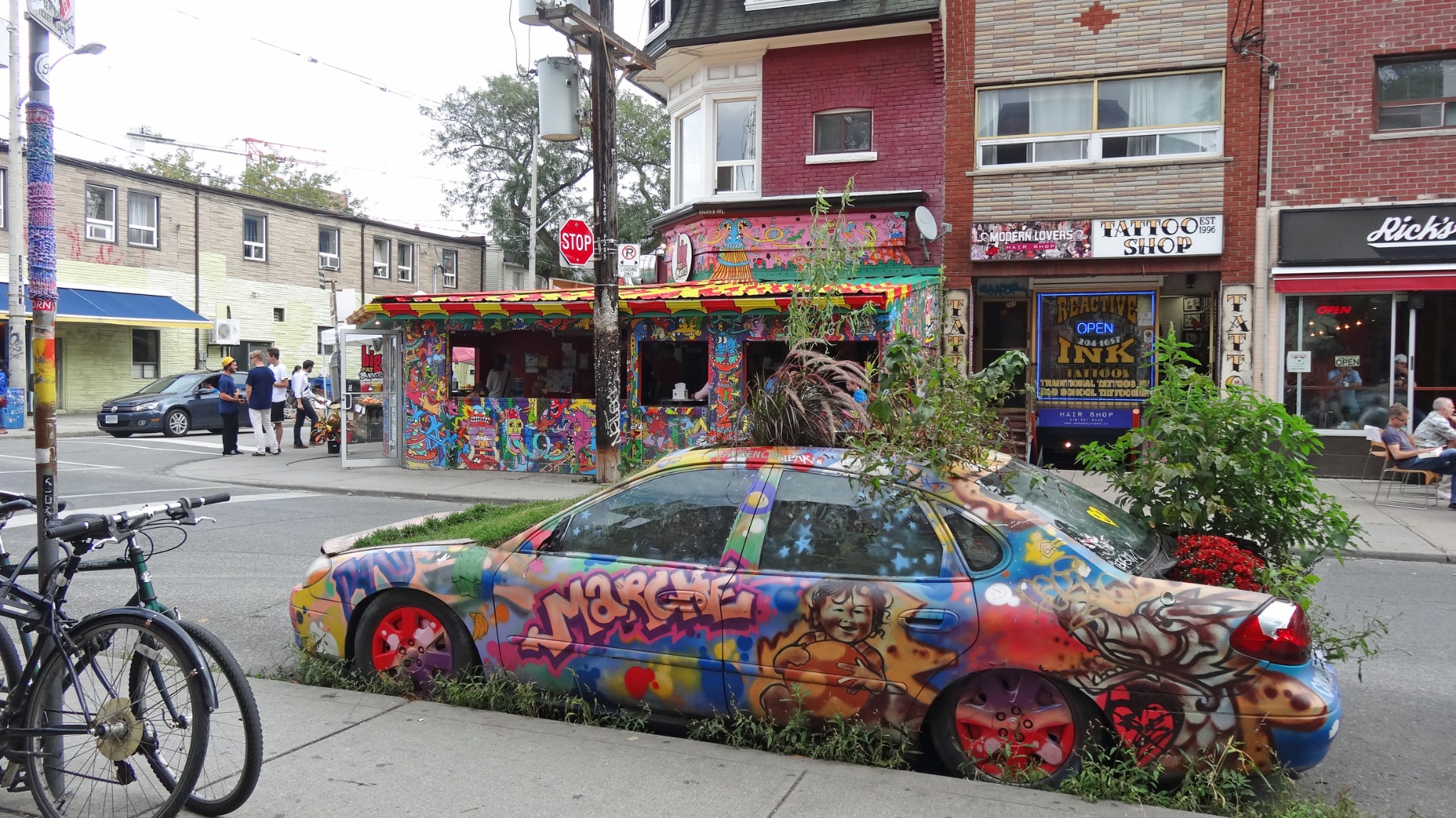
Best Toronto Experiences for Different Travelers
The right Toronto itinerary looks very different depending on who’s traveling. Here’s how to weight the list toward what you actually want out of the city, with pointers back to the ranked experiences above.
Best for first-time visitors
Start high and get oriented: the CN Tower gives you the lay of the land, a harbour cruise shows you the skyline from the water, and a hop-on hop-off pass or a downtown bike tour connects the dots between neighborhoods. Add the Royal Ontario Museum or Casa Loma for depth, and reserve one full day for a guided Niagara Falls trip, which nearly every first-timer wants to check off. That mix covers the icons, the geography, and the region’s headline natural wonder without over-plotting.
Best for couples
Toronto turns romantic on the water and after dark. A sunset sail or a harbour dining cruise is the obvious centerpiece, ideally bracketed by a slow wander through the Distillery District’s lamplit lanes and a day trip to Niagara-on-the-Lake’s wineries. If you’re staying near Niagara, the evening illumination-and-fireworks cruise is a memorable night. Cap it with dinner in a neighborhood like Yorkville or Ossington.
Best for families
Anchor the trip with Ripley’s Aquarium and the CN Tower next door, then spread out to the Toronto Zoo and Little Canada, both of which reliably absorb kids’ energy. The Hockey Hall of Fame’s interactive games are a hit with older children, and a summer day on the Toronto Islands, whether by bike or the Centreville rides, is the kind of easy outdoor fun that suits a range of ages. Keep a rainy-day indoor option like the ROM in your back pocket.
Best for history lovers
Casa Loma, the Distillery District, St. Lawrence Market, and a haunted evening walk together tell the story of how a colonial town became a global city. The Royal Ontario Museum and Art Gallery of Ontario add the deeper cultural and artistic threads, and Old Town’s streets reward slow exploration on foot between them.
Best for food travelers
Toronto is a food city first, so build around it: the St. Lawrence Market and Distillery tasting tour and the Kensington Market and Chinatown crawl are the two essential guided experiences, and a craft brewery tour rounds out the drinking side. Beyond the tours, wander Little Italy, Little Portugal, Greektown on the Danforth, and the Vietnamese and Chinese spots along Spadina on your own.
Best for photographers
Chase the light: the CN Tower and a harbour cruise for skyline classics, Graffiti Alley for color and texture, the Distillery District for architecture, and a Niagara helicopter flight or the evening illumination cruise for once-in-a-trip shots. Golden hour on the Toronto Islands, with the skyline across the water, is the single best free vantage point in the city.
Best for adventure travelers
Skip the buses and get moving: kayak the island lagoons, blast through the Whirlpool Rapids on a Niagara jet boat, hike to the Grotto on the Bruce Peninsula, and, if you dare, strap into the CN Tower’s EdgeWalk. Algonquin’s trails add a wilderness day for those who’d rather hike than paddle.
Best for travelers with limited time
With one day, lean on efficiency: a combined city tour with a harbour cruise covers the essentials in half a day, leaving the afternoon for the CN Tower or the ROM. If you have to choose between the city and Niagara on a single day, know that a Niagara tour eats the entire day, so decide which matters more to you before booking.
Best for repeat visitors
If you’ve already done the icons, go deeper: the Kensington and Chinatown food tour, a brewery crawl, the Bruce Peninsula or Algonquin day trips, and neighborhood wandering in the west end reveal the Toronto that locals actually inhabit. This is also the time to explore areas the tour buses skip, like Leslieville, the Beaches, and Little Portugal.
How to Plan Your Toronto Itinerary
Toronto’s downtown core is compact and walkable, but the best day trips are hours away, so smart sequencing is mostly about not stranding yourself. Use the subway and streetcars for the downtown-to-Bloor spine, save day trips for their own dedicated days, and don’t try to pair a Niagara excursion with much else. Here’s how the days tend to shake out.
One day in Toronto
Begin at the CN Tower right at opening to beat the lines, then drop into Ripley’s Aquarium next door. Walk east through the Financial District to the Hockey Hall of Fame and on to St. Lawrence Market for lunch, then continue to the Distillery District for a mid-afternoon coffee among the brick lanes. Close the day with a harbour cruise or a sunset sail from the nearby waterfront. It’s a full but geographically tight day that never strays far from downtown.
Two days in Toronto
Spend day one on the downtown-and-waterfront plan above. On day two, head up to the Bloor-Yorkville museum district for the Royal Ontario Museum, detour to Casa Loma, then swing back down to the west end for a Kensington Market and Chinatown food tour, ending with the Art Gallery of Ontario or a wander through Graffiti Alley. This balances the icons with food and culture and keeps each day in a walkable cluster.
Three days in Toronto
Add a full day for Niagara Falls, ideally the guided trip with a boat ride and Journey Behind the Falls, optionally extending into the evening for the illumination cruise or a stop in Niagara-on-the-Lake’s wine country. With the city’s essentials handled over the first two days, the third becomes your marquee day trip without cramming.
Four or five days in Toronto
With more time, slow down and go wider. Devote a day to the Toronto Islands by bike or kayak, add a nature-focused day trip to the Bruce Peninsula’s Grotto or, in autumn, Algonquin Park, and leave an afternoon simply to explore a neighborhood like Leslieville, the Beaches, or Ossington at a local pace. A brewery tour or an evening ghost walk fills the gaps nicely. This is also the pace at which repeat visitors find the city they’ll come back for.
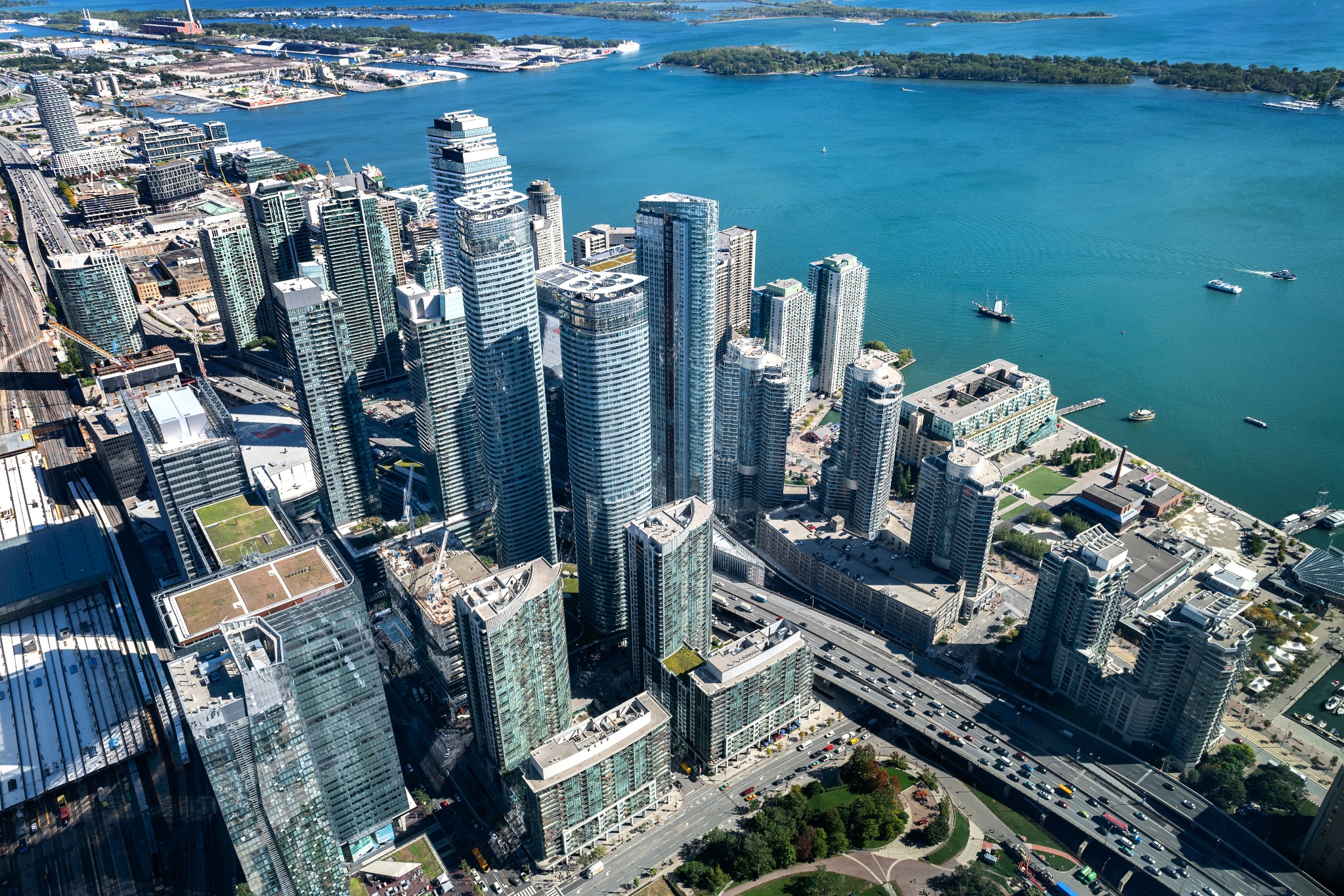
Best Areas of Toronto for Sightseeing and Activities
Toronto’s geography is easy to read once you know the anchors: the waterfront and CN Tower at the bottom, the museum district up at Bloor, and a spine of distinct neighborhoods in between, most reachable by subway, streetcar, or a short walk. Here’s where to base yourself and roam.
Best area for first-time visitors: Downtown and the Harbourfront
The stretch from the waterfront up through the Entertainment and Financial districts puts you within walking distance of the CN Tower, Ripley’s Aquarium, the Hockey Hall of Fame, St. Lawrence Market, and the ferry to the islands, all linked by Union Station and the streetcar network. It’s the most convenient base for a short trip.
Best area for history and architecture: Old Town and the Distillery District
East of the core, Old Town’s nineteenth-century streetscape and the pedestrian Distillery District deliver the city’s most concentrated dose of heritage brick and cobblestone, with St. Lawrence Market at the center. It’s a lovely area to stay for atmosphere and walkability.
Best area for food and markets: Kensington Market and Chinatown
West of downtown, Kensington’s bohemian tangle and the Spadina Chinatown form the city’s most exciting eating grounds, with Little Italy and Little Portugal a short walk or streetcar beyond. This is where to wander hungry with no reservation.
Best area for nightlife: King West and Ossington
The King Street West strip and the Ossington Avenue corridor hold the densest concentration of bars, patios, and restaurants, drawing a stylish after-dark crowd. It’s the go-to for a night out, well served by streetcars back downtown.
Best area for families: The Harbourfront and the Islands
The waterfront’s aquarium, tower, and easy ferry access to the car-free islands make it the most stroller-friendly base, with open space, playgrounds, and attractions clustered together and away from traffic.
Best area for museums: Bloor-Yorkville and the University district
Up at Bloor Street, the Royal Ontario Museum sits beside the leafy University of Toronto campus and the upscale shopping of Yorkville, with the Art Gallery of Ontario a short hop south. It’s a cultured, walkable base with excellent subway links.
Best area for a quieter experience: Leslieville and the Beaches
In the city’s east end, Leslieville’s café-lined streets and the boardwalk and sand of the Beaches offer a calmer, more residential Toronto, ideal for repeat visitors wanting neighborhood life over landmarks. It’s a streetcar ride from downtown but feels a world apart.
Getting around is straightforward: the TTC subway, streetcars, and buses cover the city on a single fare system, the island and Niagara connections are well established, and rideshares and taxis fill the gaps. Central downtown is genuinely walkable, so many visitors barely use transit until they head to the Bloor museums or an outlying attraction like the zoo.
Tips for Booking Tours and Attractions in Toronto
Toronto isn’t a city where you must pre-book everything, but a few reservations save real time and stress. The CN Tower, Ripley’s Aquarium, and Little Canada all benefit from timed tickets, especially on weekends, holidays, and through the summer, when walk-up lines can cost you an hour or more. Niagara Falls day tours, particularly the well-reviewed boat-and-behind-the-falls options, fill up in peak season and around long weekends, so book those a few days to a week ahead. Small-group experiences like the island and downtown bike tours, the Bruce Peninsula and Algonquin day trips, and the wine tours run limited departures and sell out first.
Many other activities, the harbour cruises, walking and food tours, brewery and ghost tours, can often be arranged a day or two out, and shoulder-season visitors have even more flexibility. Weekends, summer, and December (thanks to the Distillery Christmas Market) are the busiest windows; weekdays and the spring and fall shoulders are quieter and sometimes cheaper. Cruise-ship days and major festivals or convention weekends can spike demand downtown, so if your dates are fixed, book the marquee items sooner.
A few practical notes: most GetYourGuide bookings are mobile-ticketed, so you can show your phone at entry, and many offer free cancellation up to a cutoff, though terms vary by product and should be confirmed before you pay. Bring photo ID for anything involving alcohol, since Ontario’s legal drinking age is 19 and it’s enforced. Dress for the day’s weather, especially for outdoor and water activities, and carry a light layer for lake breezes and Niagara’s spray. Toronto is walkable but sprawling, so comfortable shoes matter. Payment is easy everywhere by card or phone; tipping guides and drivers around 15 to 20 percent is customary if you enjoyed the experience.
City passes and attraction bundles can pay off if you’re planning to hit several of the big-ticket paid attractions in a short window, since bundling the CN Tower, aquarium, ROM, Casa Loma, and a couple of others typically beats individual admissions. If your list leans toward free neighborhoods, tours, and day trips instead, a pass is likely wasted money, so tally your actual plans before buying one.
Best Time to Book Things to Do in Toronto
Toronto is a true four-season city, and the season you visit reshapes what’s worth booking. There’s no single best time; there’s the best time for what you want to do.
Summer (June to August)
This is peak season and the city at its most alive: the islands, waterfront, and patios are in full swing, festivals run almost weekly, and every outdoor experience, cruises, kayaking, bike tours, jet boats, Niagara boats, is fully operational. It’s also the busiest and priciest window, with the longest lines at the CN Tower and aquarium, so book timed tickets and popular day trips ahead. Days are warm and humid, occasionally hot, and long daylight stretches sunset activities late into the evening.
Autumn (September to November)
For many travelers this is the sweet spot. Crowds thin after Labour Day, the weather stays pleasant into October, and cottage country ignites with color, making it prime time for the Algonquin day trip. Most water activities keep running into the fall before winding down, and the city’s cultural calendar picks back up. Book fall-color trips early, as peak foliage weekends are popular.
Winter (December to February)
Winter is cold and can be snowy, but it has its own draws: the Distillery District’s Christmas Market, holiday lights, thinner museum crowds, and cozy indoor attractions like the ROM, AGO, aquarium, Hockey Hall of Fame, and Little Canada that shine in the cold. The Niagara falls themselves are stunning framed in ice, though the boats stop for the season and tours shift to viewing platforms and indoor attractions. Dress seriously for the cold and prioritize weatherproof indoor experiences.
Spring (March to May)
Spring is the quietest and often cheapest season, with unpredictable weather swinging from slush to sudden warmth. Outdoor and water activities begin coming back online through April and May, availability is easy, and the city feels relaxed before the summer rush. It’s a fine time for museums, food tours, and early-season Niagara trips, with the flexibility to book close to your dates.
Free and Affordable Things to Do in Toronto
Plenty of Toronto’s best experiences cost nothing, and they pair well with the paid highlights above. The Toronto Islands are free to explore once you’ve paid the modest ferry fare, with beaches, picnic lawns, and the city’s finest skyline views. Kensington Market, Chinatown, Graffiti Alley, and the Distillery District are all free to wander, and simply walking the Harbourfront promenade or the boardwalk in the Beaches is a lovely, no-cost afternoon.
High Park, the city’s largest green space, offers trails, a small free zoo, and cherry blossoms that draw crowds each spring. Nathan Phillips Square in front of the striking City Hall has a reflecting pool that becomes a skating rink in winter and the popular Toronto sign for photos. Many cultural institutions offer reduced or free admission windows: the Art Gallery of Ontario has free periods for younger visitors and occasional free evenings, and it’s worth checking the ROM’s current promotions too. Neighborhood festivals, from Caribana in summer to countless cultural street fairs, fill the warm-season calendar and cost nothing to enjoy.
These free options aren’t booked through any tour platform, so treat them as the connective tissue between your paid experiences rather than list entries in their own right. Balancing a couple of marquee bookings with free neighborhood wandering is, honestly, how locals would tell you to see the city.
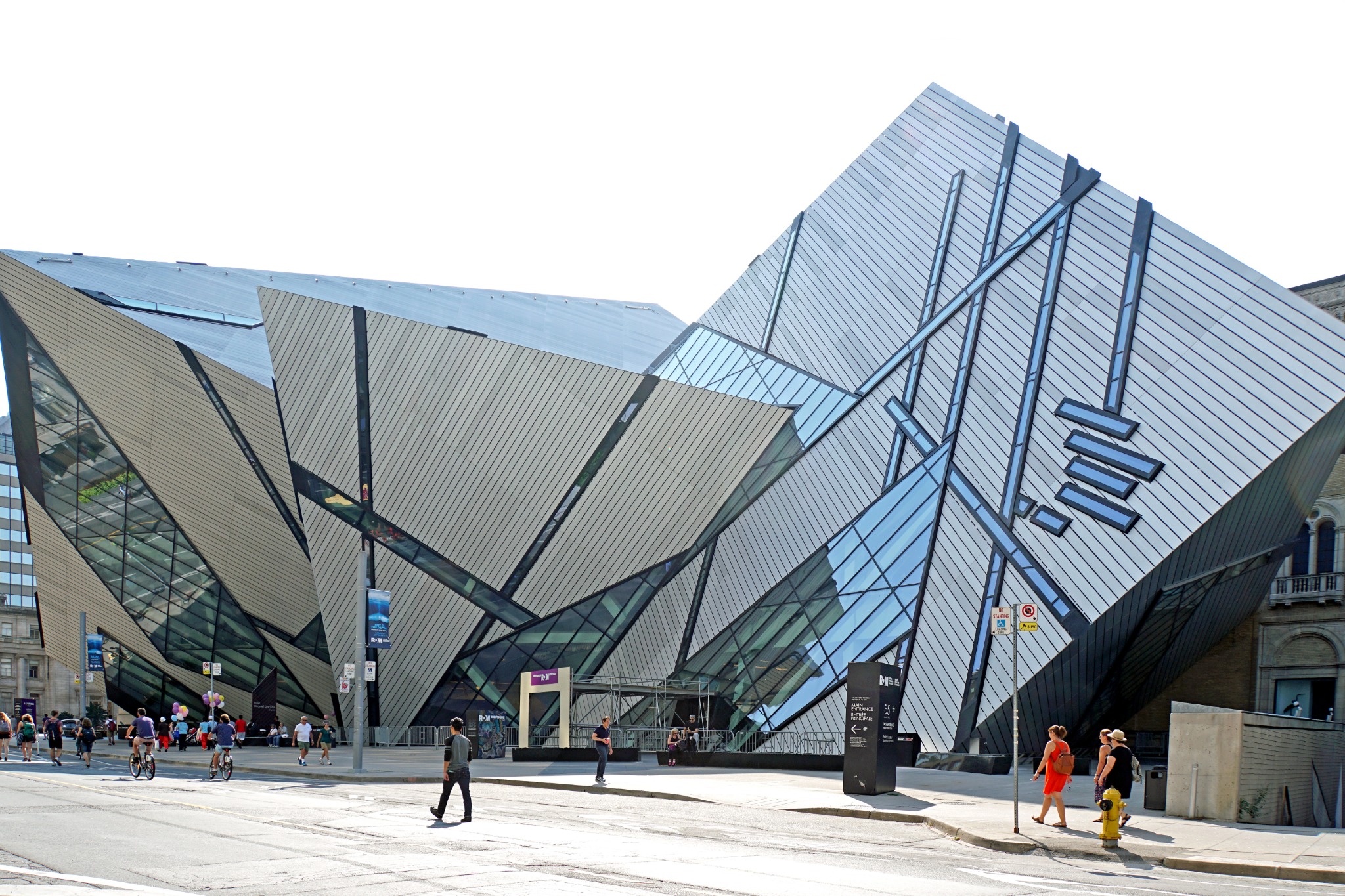
Frequently Asked Questions About Things to Do in Toronto
What are the best things to do in Toronto?
The essentials are the CN Tower, a Niagara Falls day trip, Ripley’s Aquarium, Casa Loma, the Royal Ontario Museum, and a St. Lawrence Market food tour, complemented by a harbour cruise and time exploring neighborhoods like Kensington Market and the Distillery District. The right mix depends on your interests and how long you’re staying.
What should first-time visitors see?
First-timers should prioritize the CN Tower for orientation, a harbour cruise for the skyline, at least one major museum, and a full-day Niagara Falls trip. Add a food tour to get a taste of the city’s multicultural eating scene, and you’ve covered the icons and the character in a few days.
How many days do you need in Toronto?
Two days covers the downtown highlights, three lets you add a Niagara day trip, and four or five gives you room for the islands, a nature day trip, and slower neighborhood exploration. Most visitors find three to four days a comfortable amount for the city and one big excursion.
Which attractions should be booked in advance?
Book timed tickets for the CN Tower, Ripley’s Aquarium, and Little Canada, especially on weekends and in summer, and reserve popular Niagara Falls tours and small-group day trips a few days to a week ahead. Many walking tours, food tours, and cruises can be arranged closer to your dates.
What are the best day trips from Toronto?
Niagara Falls and its wine country are the classic choices, while the Bruce Peninsula’s Grotto and Algonquin Provincial Park offer spectacular nature days, the latter especially in autumn. All are available as guided tours that handle the long drives and logistics.
What are the best things to do with children?
Ripley’s Aquarium, the CN Tower, the Toronto Zoo, Little Canada, and the Hockey Hall of Fame are the most family-friendly attractions, and a summer day on the Toronto Islands with its beaches and small amusement rides is an easy win. Several of these are indoors, which helps on cold or rainy days.
What can you do in Toronto at night?
Evenings are made for a harbour dining cruise or sunset sail, a haunted ghost walk through old Toronto, cocktails and dining along King West or Ossington, or catching a show, game, or concert downtown. Near Niagara, the evening illumination and fireworks cruise is a standout.
Is a guided tour worth booking?
For day trips to Niagara, the Bruce Peninsula, and Algonquin, a guided tour is usually worth it because it removes the driving and logistics from long-distance excursions. In the walkable downtown core, guided food, bike, and walking tours add local knowledge and access you’d miss on your own, though the city is easy enough to explore independently too.
Is a Toronto city pass worth it?
A city pass or attraction bundle pays off if you plan to visit several major paid attractions like the CN Tower, aquarium, ROM, and Casa Loma in a short time, since bundling usually beats separate admissions. If your plans lean toward free neighborhoods and day trips, a pass likely isn’t worth it, so tally your actual list first.
What is the best time of year to visit Toronto?
Summer is liveliest with everything open, autumn is the sweet spot for pleasant weather and fall colors, winter suits indoor attractions and the Christmas Market, and spring is the quietest and often cheapest. Choose based on whether you want outdoor water activities, fall foliage, or fewer crowds.
Is Toronto walkable, and is public transport easy to use?
The downtown core is very walkable, and the TTC subway, streetcars, and buses run on a simple single-fare system that covers the city easily. Most visitors walk downtown and use transit for the Bloor museums or outlying attractions, with rideshares filling any gaps.
What are the best rainy-day activities in Toronto?
The Royal Ontario Museum, Art Gallery of Ontario, Ripley’s Aquarium, Hockey Hall of Fame, Little Canada, and Casa Loma are all indoor and weatherproof, making them ideal when the weather turns. Toronto’s extensive underground PATH network also lets you move between downtown spots without going outside.
Are GetYourGuide bookings refundable?
Many GetYourGuide experiences offer free cancellation up to a set cutoff, commonly 24 hours before, but terms vary by product and operator. Always check the specific cancellation policy on the listing before booking, as some tickets and small-group tours are non-refundable.
Which activities are accessible for travelers with limited mobility?
Ripley’s Aquarium, Little Canada, the ROM, the AGO, and the harbour cruises are generally the most accessible, being flat, indoor, or step-free, while Casa Loma’s staircases, the island trails, and the Grotto and Algonquin hikes present real challenges. Accessibility depends on the specific tour and operator, so confirm details directly on each listing.
Final Thoughts
What makes Toronto rewarding isn’t any single landmark but the range packed into one lakeside metropolis: a record-setting tower and a Gothic castle, one of the world’s great food markets and a bohemian street-food maze, a car-free island escape a ferry ride from a Financial District canyon, and, on its doorstep, one of the planet’s most famous waterfalls and a stretch of genuinely wild Ontario. The best trip balances the icons everyone photographs with the neighborhoods where the city actually lives, and leaves enough room in the schedule that you’re not sprinting between timed tickets.
Let your interests and your calendar do the sorting. Food travelers should build around the markets and neighborhoods; families around the aquarium, zoo, and islands; couples around the water and wine country; and adventurers around the jet boat, the Grotto, and Algonquin’s trails. Watch the seasons, since so much here hinges on weather, and remember that Toronto’s geography means a Niagara or Bruce Peninsula day is a whole day, not an add-on. Book the handful of experiences that genuinely sell out, leave the rest flexible, and pad your plans with the free wandering that costs nothing and often becomes the memory you keep.
Availability, prices, and inclusions shift constantly, so use this guide to shape your shortlist and then confirm the current details for your exact dates before you commit.
Click here to compare tours, attraction tickets, and current availability in Toronto
Affiliate Disclosure: This guide includes affiliate links. If you book an experience through one of them, we may receive a small commission, and your price stays exactly the same. Nothing here is paid placement. Every recommendation is shaped by our own research, patterns in traveler reviews, the location and format of each activity, and whether it genuinely earns a spot on a busy Toronto itinerary.