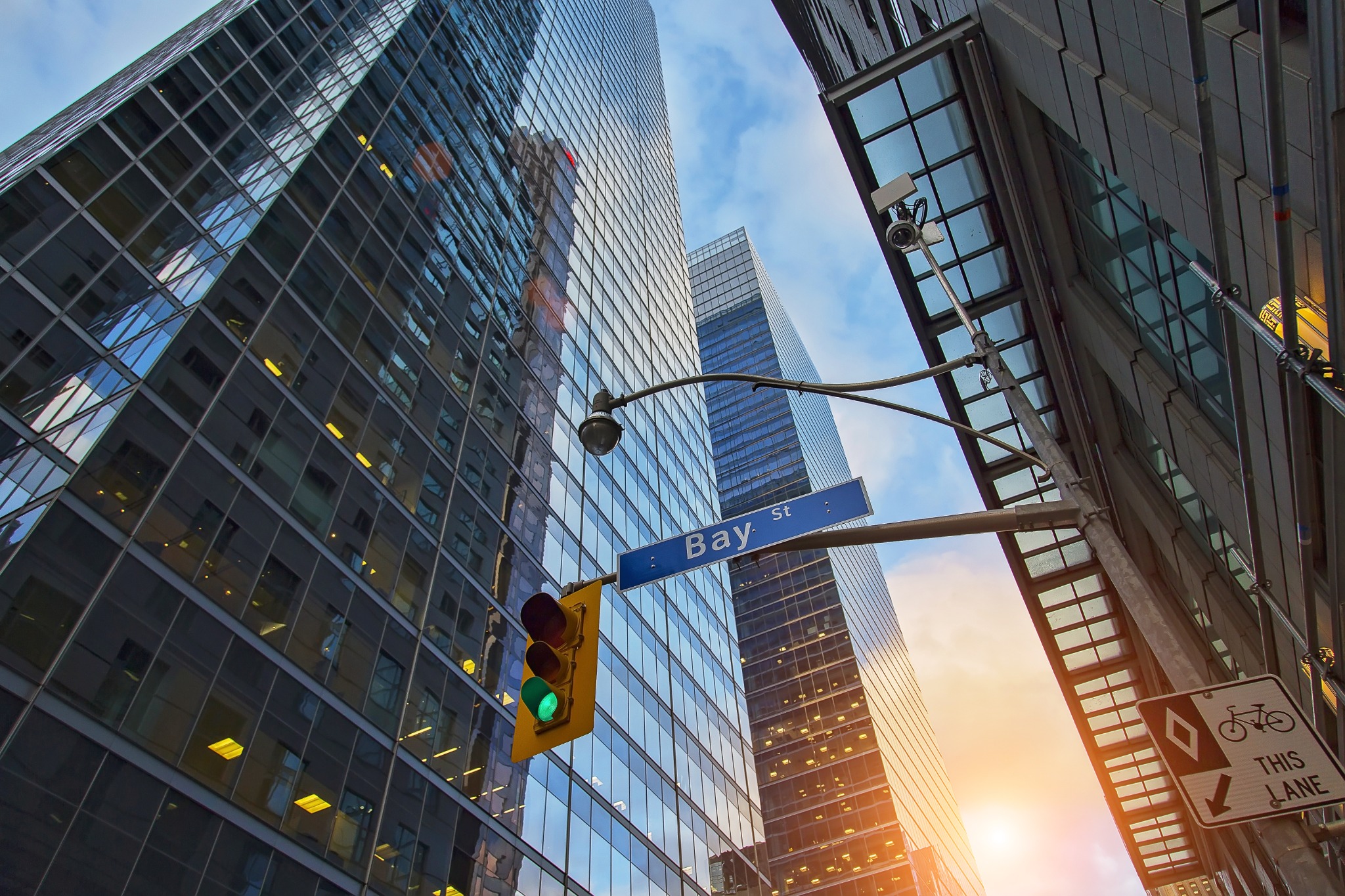
Top 25 Hotels in Toronto: Where to Stay in July 2026
Toronto. There is no single square where the city announces itself, no river bend that sums it up on a postcard. What you get instead is a series of distinct places stitched together by streetcar lines — a Portuguese bakery two doors from a natural wine bar, a 19th-century bank vault under an office tower, the smell of jerk chicken drifting across Kensington Market on a Saturday afternoon while somebody’s sound system rattles the shopfronts. The reward for choosing your neighbourhood carefully here is larger than in most cities, because the wrong choice puts you twenty-five minutes and a transfer away from everything you came for.
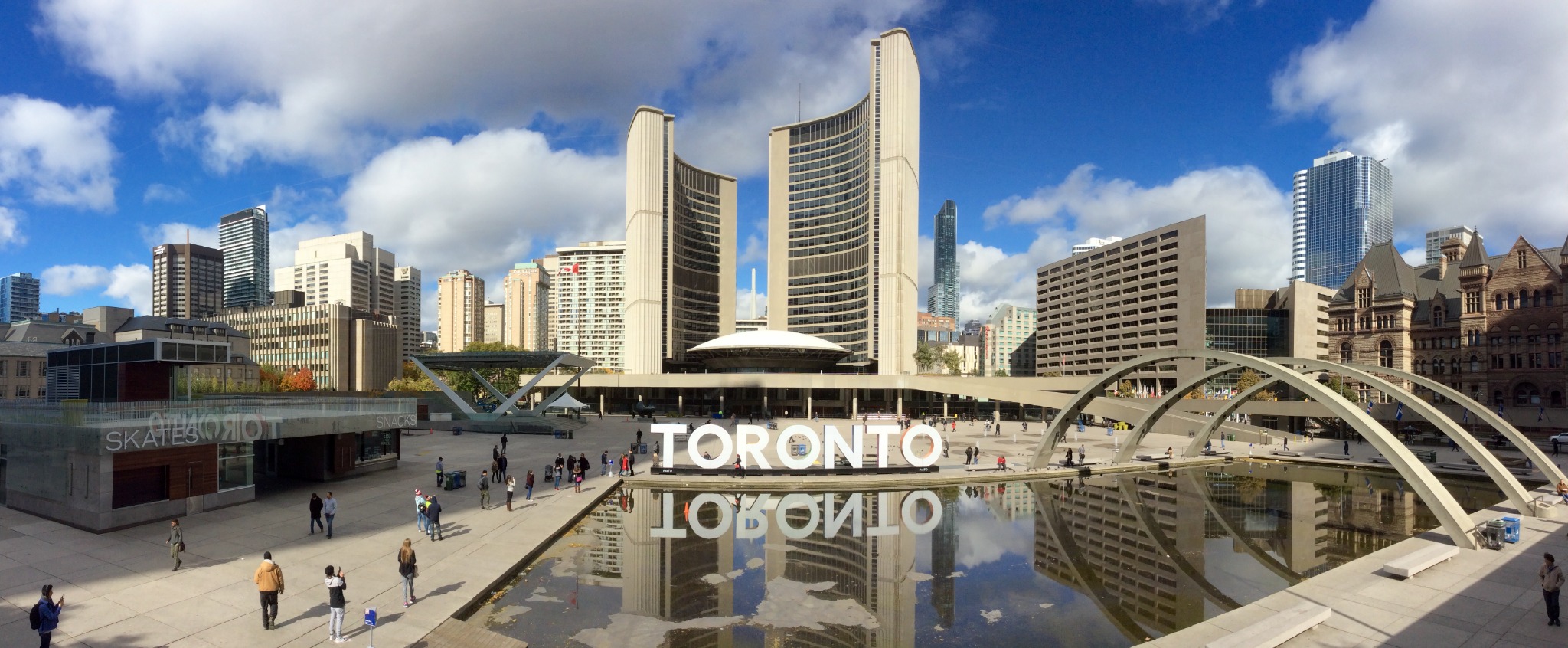
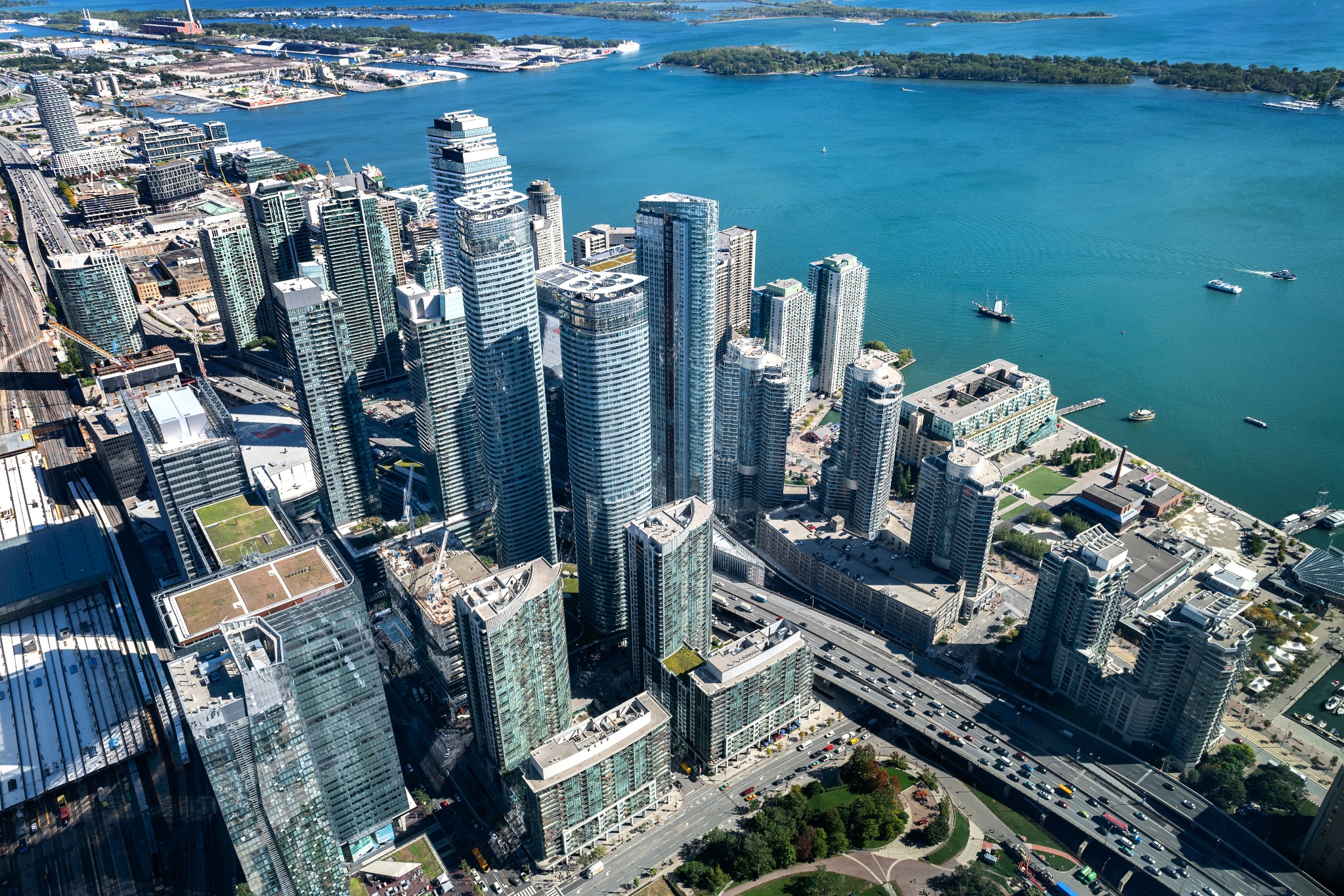
The essential geography is manageable once you see it. Yorkville is the money — designer flagships along Bloor Street’s Mink Mile, the Royal Ontario Museum at one end, and the highest concentration of five-star rooms in Canada. The Financial District empties out at seven on weeknights, which is either the drawback or the entire point depending on why you came. The Entertainment District puts you within a few blocks of the CN Tower, Rogers Centre, Scotiabank Arena and the Metro Toronto Convention Centre, and it is loud.
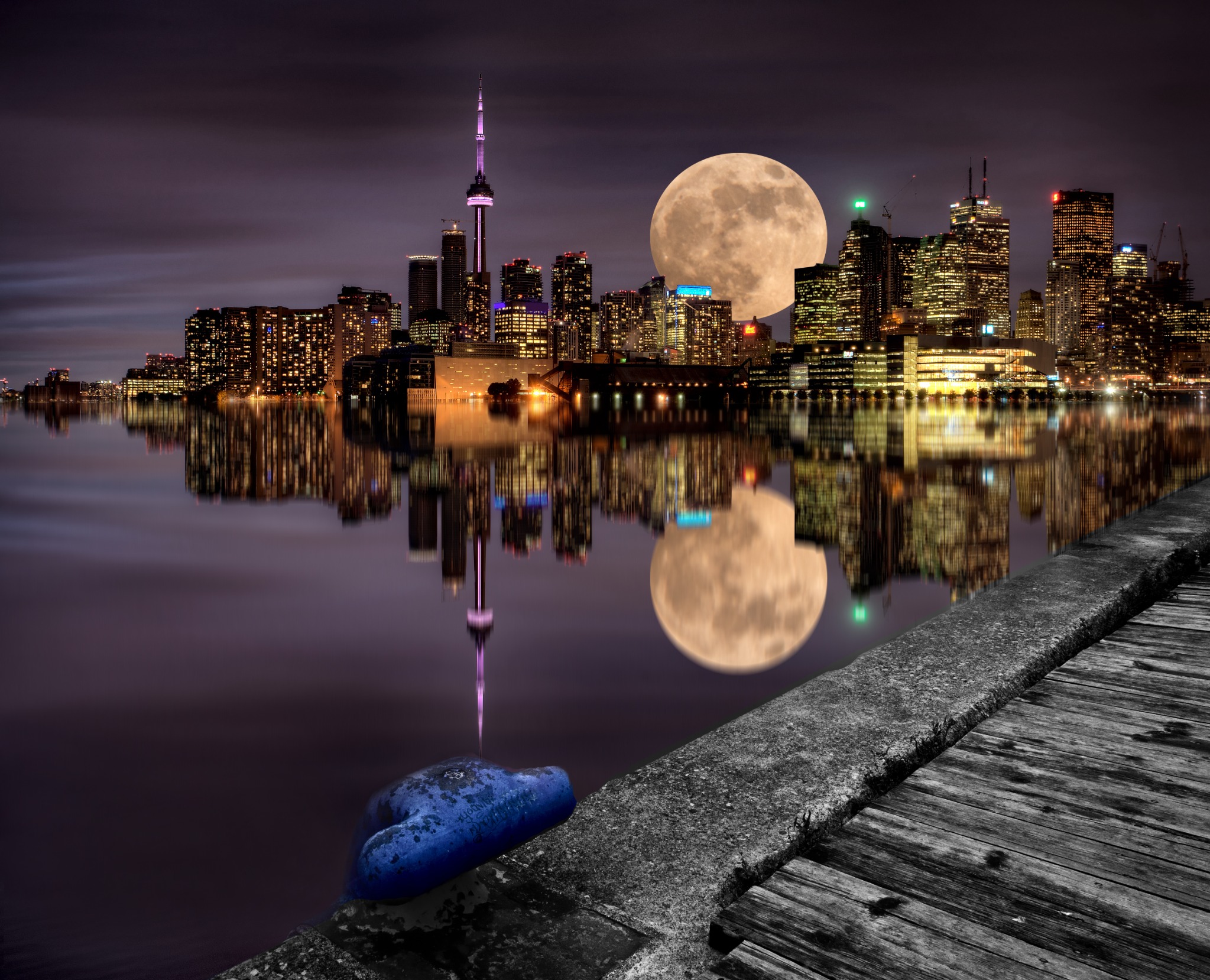
King West is where the restaurant and nightlife money went, and Travel + Leisure once called it Canada’s coolest neighbourhood. Queen West and West Queen West further along run scruffier and more interesting — galleries, vintage, Graffiti Alley’s 400 metres of legal street art. The Annex is leafy and academic, wrapped around the University of Toronto. Riverside and Leslieville sit east across the Don Valley, residential and unhurried, with the skyline framed nicely from a distance.
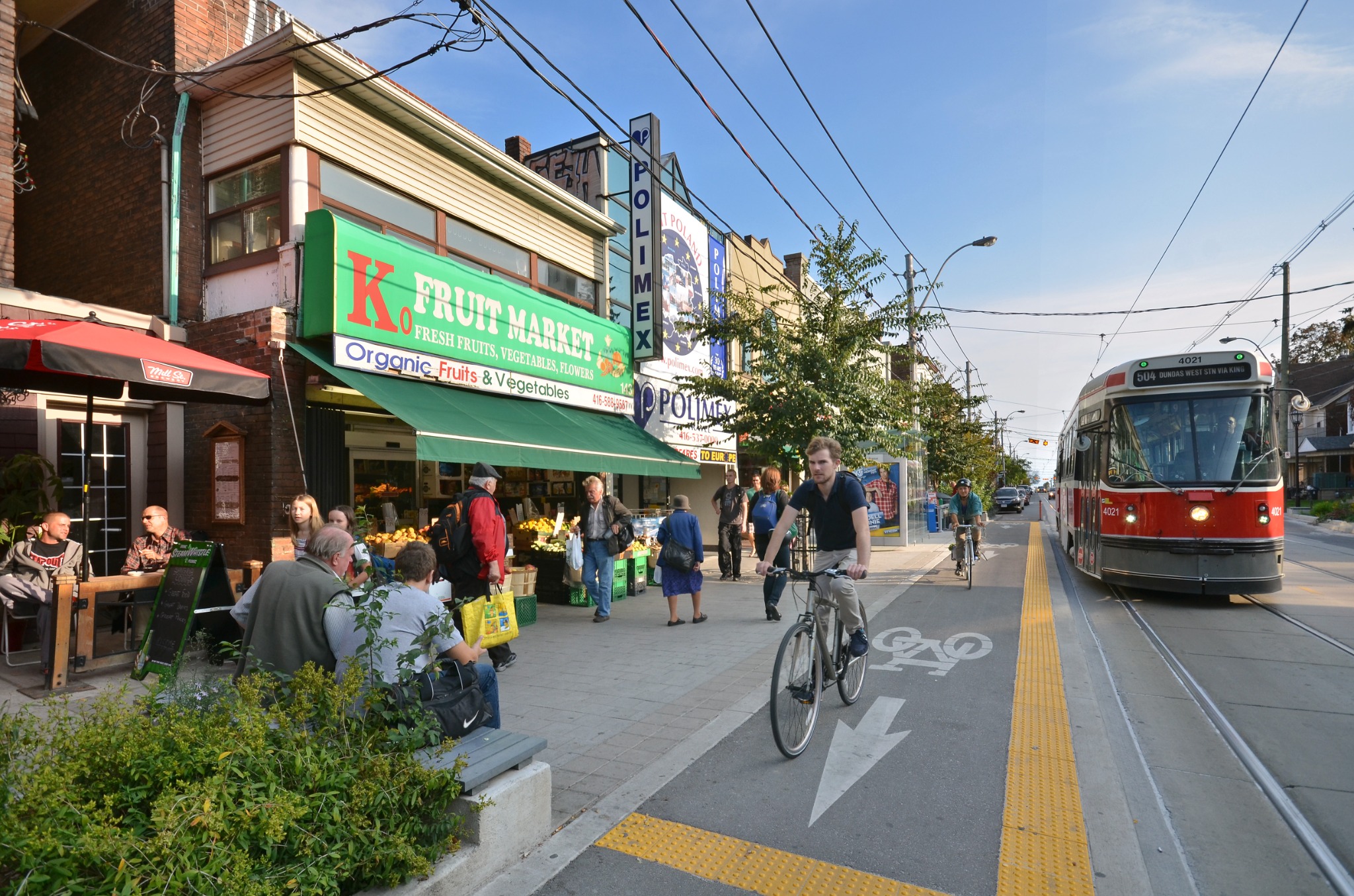
Hotel location matters more here than the map suggests, because Toronto’s downtown is long rather than compact. A hotel that looks central on a booking site can still be a fifteen-minute walk from the nearest subway station, and the east–west streetcar routes — the 501 Queen, the 504 King — are charming until you are on one in traffic on a Friday evening. If you are here for four nights and want to cover ground, stay somewhere with a subway entrance you can reach without thinking about it.
The market itself has moved considerably in the past two years. The Thompson on Wellington became 1 Hotel Toronto after a full conversion. Nobu opened its first Canadian hotel in June 2025 on the upper floors of a Mercer Street tower. Canopy by Hilton arrived in Yorkville in February 2025, TOOR opened in the Garden District that April, and the Chelsea — Toronto’s largest hotel — finished a roughly $60 million overhaul of its main tower and reopened its family recreation floor under a new name. Meanwhile the Park Hyatt‘s renovation has settled in well enough that it is a genuinely different hotel from the one people remember.
Which brings us to the specific matter of July 2026, and one number worth understanding before you book anything. Toronto co-hosted six FIFA World Cup matches at BMO Field between June 12 and July 2, and hotel rates across the city rose roughly 78 per cent on average during the tournament window — the smallest increase of any host city, for whatever comfort that provides.
That window has closed. Rooms that were quoted at four figures in late June are back to something recognisable. The city also raised its Municipal Accommodation Tax from 6 per cent to 8.5 per cent for the tournament period, and that increase is scheduled to expire on July 31, 2026. If your dates are flexible by a week and you are booking a longer stay, the first days of August are worth pricing against the last days of July.
July is also genuinely hot and genuinely humid in Toronto, in a way that surprises visitors who packed for a northern city. Afternoon temperatures sit in the high twenties Celsius and the humidity makes it feel worse, which is why the pool question is not a frivolous one this month — it is a real differentiator between otherwise comparable hotels.
The Beaches International Jazz Festival runs through most of July in the east end. Caribana, North America’s largest Caribbean carnival, builds from July 24 with the Grand Parade on August 1, and it does move rates and fill rooms downtown. One thing that will not affect your stay this year: the Honda Indy has relocated from Exhibition Place to a new street circuit in Markham, so the Exhibition-area hotels are no longer subject to a race weekend.
The list below is ordered on guest review patterns rather than headline scores, on walking distance to things people actually want to reach, on the buildings themselves, on food and drink worth leaving the room for, and on what each hotel costs relative to what it delivers. Every entry includes a real drawback, because a ranking where everything is excellent is not a ranking.
Quick Picks: Best Hotels in Toronto
- Best overall: Four Seasons Hotel Toronto
- Best design hotel: 1 Hotel Toronto
- Best for service: The St. Regis Toronto
- Best historic building: Fairmont Royal York
- Best spa: Shangri-La Toronto
- Best small luxury hotel: Nobu Hotel Toronto
- Best for families: Chelsea Hotel, Toronto
- Best pool for a July stay: Hotel X Toronto
- Best rooftop: BISHA Hotel Toronto
- Best for nightlife: The Drake Hotel
- Best for dog owners: Kimpton Saint George
- Best value downtown: One King West Hotel & Residence
- Best for a quieter stay: The Broadview Hotel
- Best for first-time visitors: Le Germain Hotel Toronto Mercer
How We Chose the Top 25 Hotels in Toronto
- Review patterns, not review averages. A 4.4 average tells you almost nothing. What tells you something is the same complaint appearing in eleven reviews across two years — thin walls, a restaurant that undershoots the hotel, a lobby that turns into a nightclub at nine. Those patterns shaped both the ranking and the drawbacks below.
- Location measured in walking minutes. Not “central,” not “close to attractions.” How long it actually takes to reach a subway entrance, and what you can get to on foot before you give up and open an app.
- The building. Toronto has a real advantage here — 1903 bank-baron grandeur, 1929 railway-hotel scale, converted warehouses, and towers finished last year. Buildings with character were weighted accordingly, and so were the compromises that come with them.
- Food and drink you would go to anyway. A hotel restaurant that locals book on a Thursday is worth more than a room service menu, however competent.
- Value inside the category. A $250 hotel is not competing with a $900 hotel. Each property was assessed against its own tier.
- Recognition with a date attached. Awards were included where the year could be verified and left out where it could not.
- Current status, checked. Every property was confirmed open and trading under its current name. Two Toronto hotels that still circulate widely on “best of” lists have been deliberately left off for this reason, and they are named at the end of the list.
Every entry carries a drawback. Some of them are small; a few are the sort of thing that should genuinely change your mind. They are included because a guide that pretends twenty-five hotels are all wonderful is not useful to anybody trying to pick one.
The Top 25 Hotels in Toronto
1. Four Seasons Hotel Toronto
There is a reasonable argument that the Four Seasons should not top this list — that it is the safe answer, the one a concierge in another city would give you. The argument does not survive a stay. Four Seasons was founded in Toronto in 1960, this is the brand’s home building, and it shows in a hundred small operational things that other hotels get right most of the time and this one gets right nearly always. U.S. News & World Report named it the best hotel in Canada in its 2026 rankings, and Condé Nast Traveler readers have put it near the top of their Canadian list repeatedly.
The 259 rooms and suites are contemporary rather than grand — pale, calm, generously glazed, with the kind of lighting design you only notice because you never have to hunt for a switch. What genuinely separates the hotel is the ground floor. Café Boulud is Daniel Boulud’s Toronto room and it holds its own against the city’s independents rather than trading on the address; d|bar next door is where you end up afterwards, and it stays busy with people who are not staying in the hotel, which is always the tell. The spa runs to nine treatment rooms around an indoor pool, and in a Toronto July that pool earns its keep.
Position matters too. You are on Yorkville Avenue, which means the Mink Mile boutiques are a two-minute walk, the ROM is about eight minutes on foot, and Bay station is close enough that you can reach Union Station in roughly fifteen minutes without ever standing on a streetcar. For a first visit to Toronto where you want to see a lot and think about logistics very little, this is the least complicated choice in the city.
Why stay here: The most consistently well-run hotel in Toronto, in the neighbourhood most visitors want to be in.
Best for: First-time visitors with budget, special occasions, business travellers who want service that does not require managing.
Location: Yorkville, on Yorkville Avenue. Two minutes to Bloor Street shopping, about eight to the ROM, five to Bay subway station.
What stands out: Café Boulud is a destination restaurant that happens to be in a hotel, rather than the other way round.
Potential drawback: Reviewers who know the brand well are the hardest on this property, and a recurring note is that the rooms have aged into “very good” rather than exceptional — some standard bathrooms have a single vanity and no separate shower enclosure, which stings at this rate. Incidental charges also draw complaints.
Click here to check availability and current rates
2. 1 Hotel Toronto
Walk into the lobby at 550 Wellington and the first thing you register is chlorophyll. Floral designer Lauren Wilson built the Flora Lounge installation from foraged Ontario flowers, moss and dried growth, and the effect is less “plants in a hotel” than a room that has been quietly overtaken. It could easily be too much. It isn’t, largely because the rest of the building — reclaimed wood, raw concrete, hemp-blend mattresses, a LEED Gold certification that is structural rather than decorative — commits to the same idea without winking at you.
This was the Thompson Toronto until a full conversion turned it into 1 Hotel, and the transformation is more thorough than most rebrandings. 1 Kitchen handles the farm-to-table brief on the ground floor. Upstairs, Harriet’s Rooftop — run by the Los Angeles h.wood Group — does Japanese-influenced sharing plates over one of the better skyline views in the west end, and it draws a crowd that has nothing to do with the hotel. Condé Nast Traveler readers scored it 92 out of 100 and placed it ninth in Canada. It sits in both the Michelin Guide’s hotel selection and Forbes Travel Guide.
The location is the other half of the case. King West Village is where a lot of Toronto’s best eating and drinking has concentrated over the last decade, and you are in the middle of it rather than a cab ride away. If your idea of a good trip involves walking out of the lobby at seven and not having a plan, this is the strongest base on the list.
Why stay here: The most current, most talked-about hotel in Toronto, in the neighbourhood with the most to walk to.
Best for: Design-minded travellers, couples, anyone who wants the restaurant scene at street level.
Location: King West Village, 550 Wellington Street West. Dozens of restaurants within a ten-minute walk; about twenty-five minutes on foot to the CN Tower.
What stands out: Harriet’s Rooftop at sunset, when the light comes in flat off the lake.
Potential drawback: The rooftop’s popularity is a double edge — Harriet’s operates as a scene in its own right, and guests hoping for a quiet drink upstairs on a Friday will not get one. The nearest subway station is a genuine walk, so you will use streetcars or rideshares more than you expect.
Click here to see today’s rates and room options
3. The St. Regis Toronto
Occupying the upper reaches of a 58-storey tower at Adelaide and Bay, the St. Regis is the most vertical luxury experience in the city, and the views do a great deal of work. Check-in happens on the 31st floor. The butler service — a St. Regis signature applied here with more seriousness than the phrase usually implies — means unpacking, pressing, and a genuine point of contact rather than a phone menu, and for travellers who value that, it is the closest thing Toronto has to the service culture of a Hong Kong or Bangkok five-star.
Rooms are large by downtown standards and lean traditional — dark wood, deep carpet, heavy drapery — which reads as either reassuring or slightly dated depending on your taste. The address is the practical argument: you are inside the Financial District, a short walk from Union Station, the PATH network underneath you for the days when the weather turns, and the St. Lawrence Market about twelve minutes east on foot.
Why stay here: Butler service and Financial District convenience in the same building, with views most Toronto hotels cannot approach.
Best for: Business travellers, anniversary stays, guests who want high-touch service and a high floor.
Location: Financial District at Adelaide and Bay. About ten minutes’ walk to Union Station, twelve to St. Lawrence Market.
What stands out: Arriving at a 31st-floor lobby and watching the lake appear behind the reception desk.
Potential drawback: Service consistency is the weak point, and it is the recurring one. For every review praising the butlers there is another describing poor communication between departments, slow follow-up on problems, or in-room climate control that could not keep up on a hot day. At this price the misses land harder. The surrounding district is also very quiet after seven.
Click here to compare prices for your travel dates
4. Park Hyatt Toronto
Toronto had opinions about the Park Hyatt renovation, most of them nervous. The hotel had been a fixture at Bloor and Avenue Road for decades, and the Writers Room bar on the 18th floor carried enough literary mythology — Mordecai Richler drank there, so did most of the Canadian publishing establishment — that any change felt risky. The verdict is now in and it is favourable. The bar survived with its leather and suede intact, its eight signature cocktails each attached to a literary quotation, and one of the best views in the city over Queen’s Park and the ROM.
The 219 rooms came out of the work considerably better than they went in: warm wood, stone, muted colours, and proportions that feel residential rather than corporate. Joni, the ground-floor restaurant under executive chef Jonathan Williams, cooks seasonally and locally with more ambition than a hotel dining room needs to have. Position is close to ideal for a cultural trip — the Royal Ontario Museum is directly across the intersection, the Gardiner Museum beside it, and Yorkville’s shopping starts at the corner.
What the Park Hyatt has that its Yorkville neighbours mostly don’t is a sense of being part of the city rather than sealed off from it. The bar is full of Torontonians. That matters more than it sounds.
Why stay here: A Toronto institution that came through its renovation with its character intact and its rooms much improved.
Best for: Museum and gallery visitors, returning guests, anyone who wants Yorkville without the gloss.
Location: 4 Avenue Road, at Bloor. Directly opposite the ROM; two minutes to Museum station and the Mink Mile.
What stands out: The Writers Room bar, which locals treat as theirs and book well ahead.
Potential drawback: That popularity cuts both ways — walking up to the Writers Room on a weekend evening without a reservation rarely works, even as a hotel guest. There is no pool, which is a real omission in July at this price point.
Click here to view rooms, photos, and availability
5. Fairmont Royal York
When it opened in 1929 the Royal York was the tallest building in the British Empire, built by the railway to receive people arriving at Union Station directly across Front Street. Nearly a century later that relationship is still the point: you can step off a train from Pearson and be checking in four minutes later without going outside. Very few hotels anywhere are this well placed for arrival.
The renovation revealed in June 2019 for the hotel’s 90th anniversary is what makes it a live recommendation rather than a nostalgic one. Rockwell Group took cues from train carriages and railway architecture, and built a double-height bronze clock tower into the centre of the lobby atrium — a skeletal structure you can see straight through, with an eight-seat bar tucked into its base. REIGN runs as three rooms in one: a French-leaning dining room under executive chef Roland Torok-Ducharme, a lounge, and a bakery doing viennoiserie and espresso for people who never make it further in. CLOCKWORK handles champagne and cocktails in full Art Deco. The hotel took a Travel + Leisure World’s Best Award in 2023.
It remains an enormous hotel, and it behaves like one — conventions, weddings, a lobby that is never empty. Some people find that energising and some find it exhausting, and it is worth knowing which you are before booking.
Why stay here: The most significant historic building on this list, restored properly, thirty seconds from Union Station.
Best for: Rail arrivals, architecture enthusiasts, business travellers, first-timers who want the landmark experience.
Location: 100 Front Street West, opposite Union Station. Ten minutes on foot to the CN Tower, twelve to St. Lawrence Market.
What stands out: The bronze clock tower in the lobby, and the eight seats at its base — the best small bar in any large hotel in Canada.
Potential drawback: Room quality varies enormously depending on which part of the building you land in. Guests regularly report tired finishes, cramped layouts crowded with heavy furniture, and walls that transmit hallway noise. Ask specifically for a renovated room when you book — this is the single most useful piece of advice about this hotel.
Click here to check the latest hotel deals
6. Shangri-La Toronto
The Shangri-La‘s proposition is straightforward: it applies an Asian service standard to a North American city, and the difference is noticeable within about ninety seconds of arrival. The 202 rooms are among the largest in downtown Toronto, with floor-to-ceiling glazing that turns the standard category into something considerably better than standard, and a level of in-room technology that has aged well.
Two things distinguish it beyond the rooms. bosk, the ground-floor restaurant, is a serious kitchen rather than a hotel amenity. And the Miraj Hammam Spa brings a Middle Eastern bathing tradition — steam, black soap, rhassoul clay, a proper gommage — that nothing else in the city offers at this level. In a humid Toronto July, spending two hours in a hammam is a more sensible response to the weather than most people realise. The hotel sits on University Avenue at Adelaide, which puts you between the Financial and Entertainment Districts with an easy walk to either.
Why stay here: Big rooms, exceptional spa, and service that consistently outperforms the city average.
Best for: Spa-focused stays, longer visits where room size matters, travellers who prize service above scene.
Location: 188 University Avenue at Adelaide. Roughly twelve minutes on foot to the CN Tower, eight to Osgoode station.
What stands out: The Miraj Hammam — an authentic hammam circuit, not a spa menu with a Moroccan-sounding name.
Potential drawback: It is expensive even by Toronto luxury standards, and University Avenue is a wide, traffic-heavy boulevard rather than a neighbourhood — you step out of the lobby onto six lanes of road, not into anything worth strolling through.
Click here to see if this hotel is available for your dates
7. The Hazelton Hotel
The Hazelton is where the film industry stays during TIFF, and that tells you most of what you need to know about both its strengths and its atmosphere. It is small, discreet, and built around the assumption that guests would rather not be looked at. Rooms are neutral and softly lit, many with balconies, and the marble bathrooms are generously sized in a way that Toronto’s newer luxury builds have quietly stopped bothering with.
ONE Restaurant, Mark McEwan’s room on the ground floor, has a patio that becomes one of the more effective people-watching positions in the city during festival season. There is an indoor pool and a full spa, and the Yorkville address puts the ROM and Queen’s Park within a short walk. Professional reviewers have tended to rate it above several of its larger-branded neighbours, and comparisons against the Ritz-Carlton in particular generally go the Hazelton‘s way.
Why stay here: The most private luxury hotel in Toronto, at the best Yorkville address.
Best for: Couples, discretion-minded travellers, TIFF visitors, anyone who finds large hotels wearing.
Location: 118 Yorkville Avenue. Steps from Mink Mile shopping; about seven minutes to the ROM.
What stands out: Room proportions — the bathrooms alone are larger than some competitors’ bedrooms.
Potential drawback: The discretion tips into coolness. Guests who want warmth and conversation from staff sometimes describe the atmosphere as reserved to the point of chilly, and the hotel’s small scale means fewer facilities than the price would suggest.
Click here to compare booking options
8. The Ritz-Carlton, Toronto
Position is the Ritz-Carlton‘s strongest card. It sits on Wellington Street at the seam between the Financial and Entertainment Districts, which means Roy Thomson Hall is across the road, the CN Tower and Rogers Centre are a short walk south, and the Metro Toronto Convention Centre is close enough for delegates to walk in business shoes. For anyone in town for a conference, a concert or a game, nothing else on this list is positioned quite so conveniently for all three.
The facilities are strong and unusually complete: a saltwater indoor pool, a 24-hour fitness centre running yoga classes, Spa My Blend by Clarins, and a Club Lounge that regulars rate highly. Service, when it is on, is the reliable Ritz-Carlton article — anticipatory, unhurried, well-drilled.
Why stay here: The best-positioned luxury hotel for theatre, sport and conference travel, with facilities to match.
Best for: Convention delegates, concert and game nights, Club Lounge loyalists.
Location: 181 Wellington Street West. Across from Roy Thomson Hall; roughly eight minutes to the CN Tower and Scotiabank Arena.
What stands out: The saltwater pool, which is a meaningfully better swim than the chlorinated alternatives nearby.
Potential drawback: The hardware is showing its age and reviewers say so bluntly — dated fittings, rooms that feel behind the rate, and cleanliness that some well-travelled guests rank below comparable properties in Europe and Asia. Value complaints are the most common single theme in its recent reviews.
Click here to view current offers and guest reviews
9. Nobu Hotel Toronto
Thirty-six rooms spread across floors 41 to 45 of a Mercer Street tower, opened on 1 June 2025 — this is the smallest and strangest luxury hotel in Toronto, and the most deliberately exclusive. It is the first Nobu anywhere conceived from the outset as a single integrated project combining residences, restaurant and hotel, and the hotel component has been kept intentionally tiny.
Rooms run from 400 to 1,300 square feet in pale oak, sand, slate and a blue that Toronto Life reasonably described as lake-water. The detail is where the money went: Toto washlets, double vanities, Japanese tea sets, Fellow kettles, sixty-inch screens. The Sakura Lounge serves guests-only breakfast. The gym has TechnoGym equipment, Peloton bikes and a Frame Pilates reformer, and there is an electric Mercedes G-Class on call for journeys within ten kilometres. Michelin’s hotel selection picked it up quickly.
It is not a hotel for everybody, and it does not want to be. But if you want to be forty-one storeys above the Entertainment District in a building where the staff will recognise you by the second morning, there is currently nothing else like it in the city.
Why stay here: Toronto’s newest luxury hotel, small enough that the service is genuinely personal.
Best for: Couples, design-led travellers, anyone who prefers thirty-six rooms to three hundred.
Location: 25 Mercer Street, Entertainment District. Short walks to TIFF Lightbox, Rogers Centre, Scotiabank Arena and the CN Tower.
What stands out: The room sizes — 400 square feet is the entry point, which is extraordinary for downtown Toronto.
Potential drawback: A thirty-six room hotel on floors 41 to 45 has no pool, no spa and very little communal life, and the review history is still short enough that service consistency is unproven over time. You are also paying a substantial premium for newness.
Click here to explore rooms and updated rates
10. BISHA Hotel Toronto
BISHA is the loudest hotel on this list and entirely unapologetic about it. Forty-four storeys of black-and-gold maximalism in the Entertainment District, with a rooftop — Kōst — built around an infinity pool and a Baja-influenced Californian menu, and views that run from the lake to the towers. Akira Back handles the Japanese-Korean side downstairs, and the chef’s name carries real weight across two dozen cities. Tripadvisor users have it in Toronto’s top three.
The design commits hard. Floor 44 was styled by Lenny Kravitz’s design studio, which is either a selling point or a warning depending on your temperament. What is not in dispute is the energy: the lobby has a bar with a serious sound system, Mister C brings the nightlife inside the building rather than sending you out to find it, and the whole place operates at a pitch somewhere between hotel and club.
Why stay here: The best rooftop in the city and a hotel that functions as a night out in itself.
Best for: Groups, celebrations, younger travellers, anyone whose trip is built around going out.
Location: 80 Blue Jays Way, Entertainment District. Five minutes to the CN Tower, in the middle of the King West nightlife strip.
What stands out: Kōst’s infinity pool, forty-four floors up.
Potential drawback: The energy that makes it fun makes it a poor choice for anyone who wants an early night. Guests consistently report bass from the lobby bar carrying through the building, thin walls between rooms, and occasional water pressure problems. One reviewer’s summary — that it is essentially a forty-four storey VIP section — was meant as praise, but read it as a warning if that is not your holiday.
Click here to check this hotel’s latest availability
11. The Omni King Edward Hotel
Toronto’s first grand hotel opened in 1903, designed by E.J. Lennox — the architect responsible for Old City Hall and Casa Loma — for a syndicate led by the distilling magnate George Gooderham. It was to be named for Queen Victoria until she died in 1901, at which point the developers switched to her heir. It cost two million dollars, opened with 400 rooms and 300 baths, and claimed to be entirely fireproof. Hemingway stayed. So did Valentino, Louis Armstrong, Elvis and Margaret Thatcher.
What makes it worth booking now rather than merely admiring is that the rooms are large — consistently, unusually large, in a downtown where 300 square feet is normal. The Consort Bar does a convincing impression of a London club, Victoria’s handles the dining room, and there is a Mokara Spa. The King Street East location is quieter than the core while still putting St. Lawrence Market eight minutes away on foot and King station at the door.
Why stay here: Edwardian grandeur with room sizes that modern downtown hotels cannot match.
Best for: History-minded travellers, longer stays, guests who want space over gloss.
Location: 37 King Street East. King subway station adjacent; eight minutes to St. Lawrence Market, fifteen to the Distillery District.
What stands out: The Consort Bar, which is the right room for a whisky on a wet evening.
Potential drawback: Sound insulation is the persistent complaint — hallway conversation, slamming doors and neighbours carry into rooms far more than they should. A 1903 building has 1903 walls in places, and no amount of renovation has fully solved it.
Click here to check rates for your dates
12. Le Germain Hotel Toronto Mercer
If someone asked for one hotel recommendation for a first trip to Toronto with no other information, this would be a defensible answer. Le Germain sits on Mercer Street — a quiet cut between Blue Jays Way and John Street — which means you are inside the Entertainment District without being on top of its noise. TIFF Bell Lightbox is next door. The convention centre, Roy Thomson Hall and the CN Tower are all comfortable walks.
The Canadian group behind it has a particular house style: dark wood, restrained contemporary design, goose-down bedding, Molton Brown toiletries, rainfall showers, Nespresso machines, and famously good bathrobes. Victor, the restaurant, is named for co-founder Victor Huguette and handles breakfast — included with most rates, and better than the phrase “included breakfast” usually implies. Guest scores hold steady around 8.6 on Booking.com, and Michelin lists it. Service is the thing people write about most.
Why stay here: Central without being loud, well-run without being formal, and priced below the five-stars for a similar standard of care.
Best for: First-time visitors, theatre and festival travellers, couples who want comfort over spectacle.
Location: 30 Mercer Street. Next to TIFF Bell Lightbox; ten minutes on foot to the CN Tower.
What stands out: Consistency. It is very hard to find a review describing a bad stay here.
Potential drawback: No pool, no spa, and a compact fitness room — the amenity package is thin compared to hotels at similar rates. Rooms are comfortable but not large.
Click here to see photos, rooms and live pricing
13. Ace Hotel Toronto
The Ace occupies a purpose-built fourteen-storey brick block at the corner of Camden and Brant, a pocket of the Garment District that most Torontonians could not find on a first attempt, and the building is the reason to come. Shim-Sutcliffe Architects designed it from the ground up as a deliberate rebuke to the thin glass towers going up around it — a brick facade that answers the old brick-and-beam factories nearby, and a lobby organised around three-storey arches of exposed concrete, board-formed so the grain of the rough-sawn shuttering stays visible. It is a genuinely uncommon piece of architecture rather than a themed interior.
Alder, the ground-floor restaurant, was developed with Patrick Kriss of Alo, which is about as strong a culinary endorsement as Toronto offers, and works a wood-fired grill through a Mediterranean lens. Evangeline sits on the fourteenth floor: an all-season rooftop bar with west-facing floor-to-ceiling windows, two fireplaces, deep armchairs and no reservations, first come first served until one in the morning. Catching the sunset from a chair by those windows is one of the better free-ish pleasures in the city.
Why stay here: The most architecturally interesting hotel in Toronto, with a bar and restaurant that stand on their own.
Best for: Design travellers, solo visitors, anyone who wants Queen West and Kensington Market within walking range.
Location: 51 Camden Street, Garment District. Five minutes to Queen West, ten to Kensington Market and Graffiti Alley.
What stands out: The concrete arches in the lobby, which turn a hotel entrance into an actual room worth sitting in.
Potential drawback: The same materials that make the building interesting make it hard — concrete and steel produce a room that some guests find cold and acoustically live. Alder divides opinion; several reviewers have found the dining room austere to the point of feeling institutional, and the food less consistent than the pedigree implies.
Click here to compare room types and current prices
14. Hotel X Toronto
Hotel X is the closest thing Toronto has to a resort, and in July that is not a small consideration. It stands on the Exhibition Place grounds at the western edge of the waterfront, and its rooftop runs across three floors — The Nest on 27, The Perch on 28, The Peak on 29 — under the Falcon SkyBar banner. The Pond, a 55-foot heated pool up there, is open year-round and reserved for overnight guests, and on a humid afternoon with the lake spread out below it makes a strong case for not leaving the building. There are also tennis courts, a substantial athletic club and a screening cinema, which is not a normal hotel amenity list.
The trade-off is honest and worth stating plainly: you are not downtown. BMO Field, Ontario Place and Budweiser Stage are on your doorstep, and the CN Tower is about 1.4 miles east. Note also that the hotel now trades as Hotel X Toronto by Library Hotel Collection — older listings still carry the previous Hyatt affiliation, so book by address if you are unsure.
Why stay here: Resort facilities and a year-round rooftop pool, on the water, at a fraction of downtown five-star rates.
Best for: Summer stays, families, concert-goers at Budweiser Stage, drivers who want on-site parking.
Location: 111 Princes’ Boulevard, Exhibition Place. Streetcar to Queen West in about five minutes; a hotel shuttle runs to Union Station in roughly fifteen.
What stands out: Three storeys of rooftop, with a heated pool at the top of them.
Potential drawback: The location genuinely isolates you. There is very little walkable dining or shopping outside the hotel, so most evenings involve a streetcar, a shuttle or a fare. Guests have also described the rooftop as heavily supervised, with a security presence that undercuts the resort feeling.
Click here to check availability and nightly rates
15. The Broadview Hotel
Built in 1893 as Dingman’s Hall — a Richardsonian Romanesque pile in red brick, put up for the soap manufacturer Archibald Dingman with a bank on the ground floor, professional offices above and two public halls at the top — the building became the Broadview Hotel in 1907 and then spent a long stretch of the twentieth century sliding downhill, ending as a strip club. The restoration completed in 2017 turned it into the anchor of Riverside’s revival. It kept its bones and gained a glass-walled rooftop with a pyramidal skylight, and because you are looking back at downtown from across the Don Valley, the view is of the skyline entire, which is something you cannot get from a hotel inside it.
There are 58 rooms, and the hotel feels correspondingly personal. The east-end setting means you wake up in a real neighbourhood: independent coffee, Leslieville’s restaurants a short walk east, and none of the convention traffic that shapes the downtown hotels. The 501 streetcar runs straight along Queen to the core in about twenty minutes.
Why stay here: The best skyline view in the city, from a beautifully restored building in a neighbourhood locals actually live in.
Best for: Return visitors, couples, travellers who would rather be in a neighbourhood than a district.
Location: 106 Broadview Avenue, Riverside. Twenty minutes to downtown by streetcar; ten minutes’ walk into Leslieville.
What stands out: Sunset from the rooftop, with the whole downtown skyline arranged in front of you.
Potential drawback: Two real issues. The rooftop’s food consistently underperforms its view, according to a long run of reviews. And the hotel hosts a lot of weddings and events — guests have reported being placed near a function room and losing a night’s sleep to it. Sound insulation from hallways and stairwells is weak.
Click here to view rooms and check current pricing
16. Windsor Arms Hotel
The Windsor Arms trades on a very particular fantasy — 1920s Toronto, neo-Gothic stone, a Rolls-Royce at the kerb, butler service, afternoon tea taken slowly. The history behind it is real but complicated. Kirk Hyslop designed the original four-storey building in 1927 for the hotelier William Arthur Price; the Toronto International Film Festival was founded in its rooms in 1976; and by the 1980s it had run down badly enough to close in 1991. Developer George Friedmann bought the site in 1995 and had Sol Wassermuhl rebuild it, retaining the St. Thomas Street facade, and it reopened in May 1999. So the heritage is partly a reconstruction, and it is worth knowing that before you arrive expecting original plasterwork.
What you get instead is very small and very particular: 28 suites running from 500 to 1,500 square feet, all with fireplaces, mahogany furniture drawn from 1920s French styles, limestone bathrooms, and a spa with a saltwater pool. The setting on St. Thomas Street is one of the quietest corners of Yorkville, a minute from Bloor Street but insulated from it.
Why stay here: Small-hotel intimacy and butler service in Yorkville, with a strong sense of occasion.
Best for: Romantic stays, afternoon tea traditionalists, guests who dislike large modern hotels.
Location: 18 St. Thomas Street, Yorkville. One minute to Bloor Street; five to Bay station.
What stands out: Twenty-eight suites, every one with a fireplace — this is a hotel operating at the scale of a large house.
Potential drawback: The period styling reads as dated rather than classic to a good number of guests, and the 1999 rebuild means the “historic” atmosphere is largely a stage set behind a retained facade. With only 28 suites the facilities are limited, and rates sit close to hotels offering considerably more.
Click here to compare rooms and rates
17. W Toronto
W arrived in Toronto in a converted Yorkville building and spent its first few years figuring out what it wanted to be. September 2025 brought the answer: a refresh billed as Volume II, starting with the Living Room lounge. It now opens at 6:30 in the morning as a coffee bar and turns over into a cocktail room with live music at night, built around a glowing circular gold bar, walls of art, and a champagne vending machine that is exactly as silly as it sounds and exactly as popular.
Rooms follow the brand’s playbook — bold colour, deliberate theatricality, good beds — and the Yorkville location means Bloor Street shopping and Bay station are both close. The Skylight rooftop handles the summer evenings.
Why stay here: The most sociable lobby in Yorkville, in a hotel that has recently sharpened up considerably.
Best for: Younger travellers, groups, guests who want a scene without leaving the building.
Location: 90 Bloor Street East, Yorkville. Two minutes to Bloor-Yonge station; five to the Mink Mile.
What stands out: The Living Room, which works as a coffee shop at eight and a cocktail bar at ten.
Potential drawback: The W formula is divisive, and guests who want quiet frequently find the design choices — dim corridors, loud music in public areas, style prioritised over practicality — actively irritating. Rooms are on the smaller side for the rate.
Click here to see availability and current offers
18. Kimpton Saint George
Toronto’s most genuinely dog-friendly hotel, and not in the token sense. The Kimpton Saint George takes pets of any size, weight or breed at no charge whatsoever, maintains pet-free floors for allergy sufferers, and hands arriving dogs a bag with a towel, treats, waste bags and a toy. There is even a partnership supplying an indoor litter arrangement for small breeds. If you travel with an animal, this is not a close contest.
Beyond that, it is a well-judged boutique conversion on Bloor Street at the edge of the Annex, directly across from the University of Toronto — leafy, studenty, and a short walk from Yorkville without Yorkville’s prices. Kimpton’s house habits apply: complimentary morning coffee, an evening social hour with wine, and an art programme that leans Canadian and contemporary.
Why stay here: The best hotel in Toronto for travelling with a dog, in a genuinely pleasant neighbourhood.
Best for: Pet owners, university visitors, travellers who want Yorkville access at Annex rates.
Location: 280 Bloor Street West, the Annex. Opposite U of T; St. George station adjacent; ten minutes’ walk to Yorkville.
What stands out: A pet policy with no asterisks attached to it.
Potential drawback: The building is a converted Holiday Inn and it has not entirely escaped its origins — ceilings are noticeably low, which makes otherwise decent rooms feel compressed. The Fortunate Fox restaurant is the weak link by common consent, and parking runs around $40 a night with a hefty daily deposit that catches people out.
Click here to check dates and room availability
19. The Drake Hotel
The Drake did more than any other building to turn West Queen West from a stretch of pawn shops into the neighbourhood Vogue and Travel + Leisure started writing about. It has been a hotel, a live music venue, a bar and an art gallery simultaneously since 2004, and the art collection is not decoration — it is curated seriously and rotates.
The five-storey Modern Wing added 32 rooms, a living-room-style lobby, a street-front bar and a penthouse suite with a large terrace, and it is where you want to be — the original rooms are small and characterful in ways that are not always flattering. Tripadvisor users place it around eighth in the city and Michelin lists it. Downstairs, the Drake Underground still books live music most nights.
Why stay here: A cultural institution rather than a hotel with a bar, in Toronto’s most interesting stretch of Queen Street.
Best for: Music and art travellers, solo visitors, anyone whose evenings run late.
Location: 1150 Queen Street West. Ten minutes on foot to Trinity Bellwoods Park; the 501 streetcar runs to downtown in about twenty minutes.
What stands out: The art programme, which is more ambitious than anything comparable in a Canadian hotel.
Potential drawback: It is a live music venue with bedrooms above it, and noise complaints follow accordingly — especially in the older rooms, which are also small. There is no subway station within reasonable walking distance, so you are committed to the streetcar.
Click here to compare availability for your stay
20. One King West Hotel & Residence
The best-value proposition in the Financial District, and an unusual building. One King West is built into the former Dominion Bank headquarters — a 1914 Beaux-Arts skyscraper by Darling and Pearson — and the original banking hall and vault survive as event space. The vault runs roughly 33 feet square by 25 feet high, and its circular door is four and a half feet thick and weighs over forty tons; it was hauled up Yonge Street by nineteen horses and eight men, with the city’s newspapers covering the journey as a spectacle. The 370 units are all suites, most with kitchenettes, which changes the arithmetic considerably for stays longer than two nights or for families who would otherwise need two rooms.
The modern tower attached alongside rises to 51 storeys and was completed in 2006, so higher floors get long views, and reviewers particularly recommend the rooms facing the fountain. Tripadvisor users place it around fourth in the city, and Booking.com guest scores hover near 9.2 across a very large sample — that combination of high score and high volume is more meaningful than a perfect rating from two hundred reviews.
Why stay here: Suite space and a landmark building at rates well below the Financial District’s luxury hotels.
Best for: Longer stays, families needing space, value-focused travellers who still want a central address.
Location: 1 King Street West, at Yonge. King station at the door; eight minutes’ walk to Union Station and St. Lawrence Market.
What stands out: A forty-ton vault door in the basement of your hotel, still on its hinges.
Potential drawback: There is no on-site parking, which is a real inconvenience for drivers in this part of the city. Guests also report slow room service and in-room temperature control that struggles — a genuine issue in July.
Click here to see suite options and current rates
21. The Sutton Place Hotel Toronto
The Sutton Place name carries history in Toronto, but this is not the old Bay Street hotel — the brand was revived in the former King Blue Hotel at King Street West and Blue Jays Way, and the property has climbed the rankings quickly, sitting around fifth in the city on Tripadvisor. Rooms are the draw: spacious, cleanly finished, Nespresso machines and good toiletries as standard, and a general sense of having been specified by someone who travels. Abrielle handles the dining.
The corner is a good one. You are in the Entertainment District with the CN Tower, Rogers Centre and Roy Thomson Hall all close, Harbourfront a short walk south, and King West’s restaurants beginning immediately to the west. Time Out’s assessment — that the location is the whole argument — is fair, though it undersells the rooms.
Why stay here: Large, well-appointed rooms in the middle of everything, without five-star pricing.
Best for: Couples, business travellers, anyone who prioritises room size and a central address.
Location: 355 King Street West at Blue Jays Way, Entertainment District. Roughly seven minutes on foot to the CN Tower, ten to Union Station.
What stands out: Room size and specification relative to what you pay.
Potential drawback: Opinion on value splits sharply — a meaningful share of guests consider it overpriced for what is ultimately an upper-upscale rather than luxury product, and on-site valet parking runs around $50 plus tax per night.
Click here to explore this hotel’s current rates
22. The Anndore House, JdV by Hyatt
A 1950s apartment building on Charles Street East, converted in 2018 into the first JdV by Hyatt property in Canada, the Anndore House aims for mid-century warmth — terrazzo, brass, record players in some rooms, a lobby that behaves like a bar. Constantine, downstairs, is the real asset: Mediterranean cooking out of a wood-fired oven, and a room that fills with locals rather than guests.
The position is quietly excellent. You are a block off Yonge, two minutes from Bloor-Yonge station, and on the eastern fringe of Yorkville — which means you can walk to the Mink Mile in five minutes while paying considerably less than the hotels actually on it.
Why stay here: Yorkville-adjacent location and a genuinely good restaurant at an upper-midscale rate.
Best for: Solo travellers, food-focused visitors, guests who want personality over polish.
Location: 15 Charles Street East. Two minutes to Bloor-Yonge station; five minutes’ walk into Yorkville.
What stands out: Constantine — worth booking whether or not you are staying upstairs.
Potential drawback: Reviews are genuinely mixed, and the recurring theme is a gap between billing and delivery — guests arriving expecting either “boutique” or full Hyatt standards report finding neither. Rooms vary in size and condition more than they should.
Click here to compare this hotel’s prices
23. Gladstone House
Built in 1889 by the architect George Martell Miller in the same Richardsonian Romanesque idiom as the Broadview, and one of the oldest hotel buildings in Toronto still operating as a hotel — also the most idiosyncratic. A renovation cut the room count to 37 and handed each one to a different Canadian artist through an open competition, so every room carries a title as well as a number. You are not booking a category so much as a specific work. High ceilings, tall picture windows, exposed brick in places, and no two stays alike. Michelin includes it in its Toronto selection.
West Queen West around it is the reason to be here: galleries, vintage, the Drake up the road, Trinity Bellwoods a walk east. The café and bar downstairs run events and live programming and function as a neighbourhood fixture rather than a hotel lobby.
Why stay here: A genuinely one-of-a-kind room in the middle of Toronto’s arts district, at a fair price.
Best for: Creative travellers, solo visitors, repeat guests who book a different artist’s room each time.
Location: 1214 Queen Street West. Ten minutes on foot to Trinity Bellwoods; 501 streetcar to downtown in about twenty-five minutes.
What stands out: Thirty-seven rooms, thirty-seven artists, no repetition.
Potential drawback: The rooms are small — the entry Studio Queen runs about 180 square feet — and soundproofing is effectively absent on the Queen Street side, where streetcars run until late. Reviewers routinely advise requesting a room off the street and bringing earplugs, which is advice worth taking seriously. Storage and bathroom layouts also draw criticism.
Click here to check this hotel’s latest rates
24. Chelsea Hotel, Toronto
Canada’s largest hotel — 1,590 rooms and suites — spent 2025 on a substantial overhaul — a roughly $60 million programme covering 993 guestrooms in the Chelsea Tower, about two thirds of its inventory — and reopened its family recreation floor in early 2026 under a new name. What was the Family Fun Zone is now The Hive, comprising The Cove (the refreshed indoor pool and downtown Toronto’s only indoor waterslide, a 130-foot corkscrew that loops outside the building and back in), The Workshop for younger children, and The Studio aimed at teenagers.
That waterslide is the single most effective piece of hotel marketing in the city as far as anyone under twelve is concerned, and it earns its reputation. Height rules apply — children must be over 3’8″, and those between 3’8″ and 5’0″ complete a swim test. Adults get Deck 27, a separate pool and lounge floor with no children permitted, which is a more thoughtful piece of planning than most family hotels manage. The Gerrard and Bay location is central, with the Eaton Centre a few minutes’ walk south.
Why stay here: The clear first choice for families in downtown Toronto, freshly renovated.
Best for: Families with children, multi-generational trips, longer stays needing space and self-catering options.
Location: 33 Gerrard Street West. Five minutes to College station; ten minutes’ walk to the Eaton Centre.
What stands out: A 130-foot waterslide that exits the building mid-descent.
Potential drawback: Scale is the problem. At 1,590 rooms this is a hotel that can feel like an airport terminal at check-out, and lifts, breakfast and the pool all queue at peak times. The renovation covered two thirds of the rooms, which means a third of them did not get it — worth confirming what you are booking.
Click here to check summer availability and pricing
25. Delta Hotels Toronto
The most sensible value pick downtown. The Delta occupies a modern tower on Lower Simcoe with a straightforward advantage: it is a genuinely short walk from Scotiabank Arena, Rogers Centre, the CN Tower and Union Station, which covers most of the reasons people book a hotel in this part of the city. Higher floors on the south side look out over the lake and the harbour.
SOCO Kitchen + Bar reopened after a redesign with a street-level café entrance and a menu under executive chef Vidish that reaches further than a hotel restaurant needs to. Rooms are contemporary, well kept and unremarkable in the best sense — you are paying for position and reliability rather than for personality, and the arithmetic works.
Why stay here: Waterfront and stadium-district convenience at a rate well below the neighbouring luxury towers.
Best for: Sports and concert travellers, business trips, families wanting space without resort pricing.
Location: 75 Lower Simcoe Street. Five minutes on foot to the CN Tower, Rogers Centre and Scotiabank Arena; eight to Union Station.
What stands out: Proximity to Scotiabank Arena — you can leave a game and be in your room inside ten minutes.
Potential drawback: It is a corporate hotel and never pretends otherwise; there is little sense of place, and the immediate surroundings are condo towers and the Gardiner Expressway rather than anything worth walking through. Event nights fill the lobby and the lifts.
Click here to compare rates and room availability
Three properties came close. Hyatt Regency Toronto on King Street West is a reliable 394-room Entertainment District option that reviewers praise for cleanliness above almost anything else, and it would make a top-30 list comfortably. Canopy by Hilton Toronto Yorkville opened in February 2025 with an indoor pool and a good address, but its review history is still too short to rank against established competition. Hotel Ocho, a converted warehouse on Spadina at the edge of Kensington Market, is one of the better-value independent stays in the city, though sparse rooms and a few doorless bathroom layouts keep it off the main list.
Two names you will still find on other Toronto round-ups have been deliberately excluded. The Thompson Toronto no longer exists — the building at 550 Wellington was converted and now operates as 1 Hotel Toronto, listed at number two above. And Le Méridien Toronto Pinnacle, planned for the Pinnacle SkyTower on the waterfront, has not opened, so it cannot be assessed or recommended yet.
Things to Do in Toronto
The landmark you have already seen in photographs
The CN Tower is 553 metres tall and was the world’s tallest freestanding structure for over thirty years. The main observation level does the job; the SkyPod at 447 metres is a separate ticket and one of the highest publicly accessible points in the Western Hemisphere. Go early or go at dusk — midday queues in July are punishing. The glass floor is genuinely unsettling in the way that never quite wears off. If you plan on visiting several major sights, the Toronto CityPASS bundles the tower with Ripley’s Aquarium and a choice of three from the ROM, Casa Loma, the Toronto Zoo, the AGO and City Cruises, and works out considerably cheaper than buying separately.
Museums and galleries
The Royal Ontario Museum sits at Bloor and Avenue Road behind Daniel Libeskind’s crystal — an addition Torontonians argued about for a decade and have mostly made peace with. Inside it runs from dinosaurs to Chinese temple art at a scale that rewards a half day. The Art Gallery of Ontario, on Dundas West, holds the Group of Seven collection that explains a great deal about how Canada sees its own landscape, in a building Frank Gehry reworked in the city where he grew up. Casa Loma, north of the centre, is a 1914 Gothic Revival folly with 98 rooms, five acres of gardens and the atmosphere of a rich man’s very expensive daydream, which is precisely what it was.
Historic districts worth the walk
The Distillery District was the Gooderham and Worts whisky works, built through the late 1800s and now the largest collection of preserved Victorian industrial architecture in North America — cobbled lanes closed to cars, galleries, cafés and a sculpture programme. It is undeniably polished, and it is still worth an afternoon. St. Lawrence Market, a few minutes west, has traded on the same site since 1803 and now houses around 120 vendors; National Geographic named it the best food market in the world. Go hungry, and go before noon on a Saturday if you want the full thing.
Neighbourhoods to wander without a plan
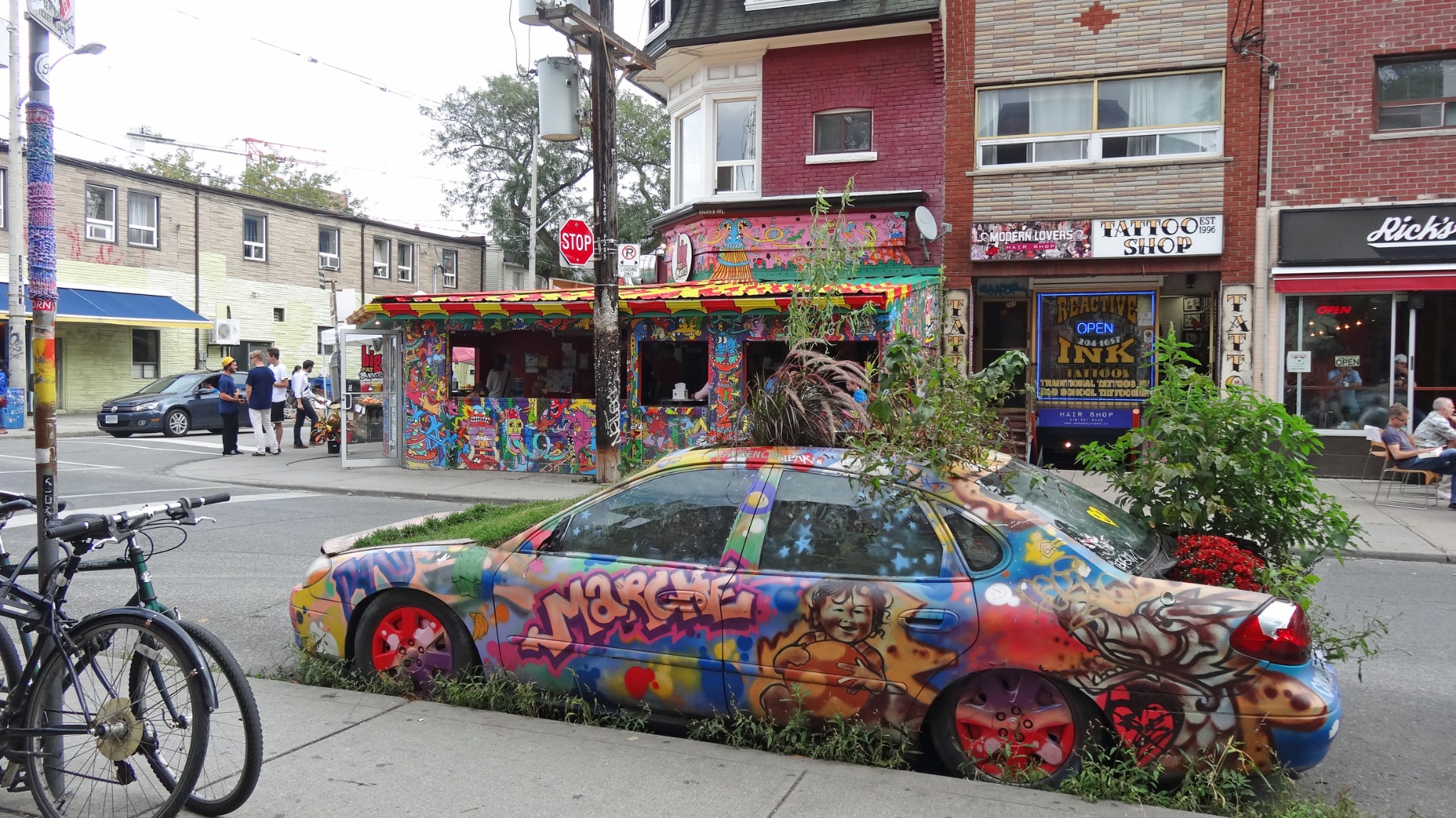
Kensington Market is the best few hours in the city for anyone who likes places that have resisted tidying up. Vintage shops, Caribbean and Latin American groceries, cheese-mongers, bakeries, and a permanently parked sedan planted with herbs, flowers and tomatoes. Fifteen minutes’ walk south, Graffiti Alley runs three blocks behind Queen Street West — around 400 metres of street art, legal since 2011 and constantly repainted. Queen West itself is the shopping and gallery spine; the Junction and Leslieville reward anyone with a spare afternoon and no agenda.
Eating and drinking
Toronto’s great advantage is that its best food is not concentrated in a restaurant district — it is spread across neighbourhoods built by the communities that cook it. Little Italy on College, Greektown on the Danforth, Chinatown along Spadina, Little India on Gerrard, Roncesvalles for Polish. Peameal bacon on a bun at St. Lawrence Market is the traditional local order and lives up to its billing. For drinking, King West and Ossington cover the polished end, while the rooftops at BISHA, the Broadview, 1 Hotel and the Ace all open to non-residents.
Water, parks and the islands
The ferry to the Toronto Islands takes about fifteen minutes and remains the single best-value thing to do in the city — beaches, bike rental, a car-free village on Ward’s Island and the classic view back at the skyline. In July, book ahead or arrive early; the queues at Jack Layton Ferry Terminal build fast on hot weekends. High Park in the west end covers 400 acres with a small zoo, and the Beaches in the east has a boardwalk that runs for kilometres.
July events, and which ones move hotel prices
The Beaches International Jazz Festival runs through most of July in the east end, and while it fills local restaurants it has limited effect on downtown rates. The event that genuinely does move prices is Caribana — the Toronto Caribbean Carnival — which builds from July 24 with the Grand Parade on August 1. Expect downtown hotels to tighten sharply in that final week of the month, and book early if your dates overlap. One change to note for 2026: the Honda Indy has moved from Exhibition Place to a new purpose-built street circuit in Markham, so the western waterfront hotels are no longer affected by a race weekend.
Getting out of the city
Niagara Falls is around ninety minutes by car and doable as a day trip, with the wineries of Niagara-on-the-Lake making the better half of the day. Prince Edward County, two and a half hours east, has become Ontario’s most interesting wine and food region. For more on both, see our guide to the best things to do in Toronto.
Where to Stay in Toronto
Best area for first-time visitors: the Entertainment District
If this is your first trip and you want to walk to the things you have heard of, base yourself here. The CN Tower, Rogers Centre, Scotiabank Arena, Ripley’s Aquarium, the convention centre and Union Station are all within reach on foot, and King West’s restaurants start at the northern edge. Le Germain Hotel Toronto Mercer is the pick for a quiet street inside a loud district; the Ritz-Carlton and Nobu sit at the top end; Delta Hotels Toronto handles the same catchment for considerably less. The trade-off is that this is not a neighbourhood anyone lives in, and it can feel like a stadium concourse on event nights.
Best area for luxury and shopping: Yorkville
Bloor Street’s Mink Mile, the ROM at one end, galleries and patios on the side streets, and the highest density of five-star rooms in the country. The Four Seasons, Park Hyatt, Hazelton, Windsor Arms and W Toronto are all here; the Anndore House and Kimpton Saint George sit just outside it at meaningfully lower rates. Yorkville is also well served by the subway, which matters more than it sounds — two lines meet at Bloor-Yonge, and getting anywhere else in the city is straightforward.
Best area for nightlife and restaurants: King West
Travel + Leisure once called King West Village Canada’s coolest neighbourhood, and the density of bars and restaurants supports the claim. 1 Hotel Toronto is the anchor. BISHA sits at the eastern edge where King West meets the Entertainment District, and it brings the nightlife inside. Be realistic about noise: Friday and Saturday nights on King between Bathurst and Spadina are loud until late, and a room facing the street will know about it.
Best area for families: downtown around Bay and Gerrard
Chelsea Hotel, Toronto is the obvious answer, and its position near College station puts the Eaton Centre, the ROM and the AGO within short trips. One King West is the alternative for families who would rather have a suite with a kitchenette than a waterslide. Hotel X Toronto is worth considering in July specifically — the rooftop pool and the Exhibition Place grounds suit children well, provided you accept the commute into the centre.
Best area for a quieter, more local stay: Riverside and Leslieville
East across the Don Valley, this is where Toronto stops performing for visitors. The Broadview Hotel is the only significant hotel in the area and that is much of its appeal — independent coffee shops, good restaurants along Queen East, and a twenty-minute streetcar into the core. Best for return visitors, or anyone who finds downtown Toronto relentless.
Best area for arts and independent shopping: West Queen West
Galleries, vintage, Trinity Bellwoods, and Graffiti Alley at the eastern end. The Drake Hotel and Gladstone House are the two places to stay, and they are both institutions rather than merely hotels. Accept that you are committed to the 501 streetcar — there is no subway here — and that both properties have real noise issues. For a fuller breakdown, see our guide to where to stay in Toronto.
Best area for business and easy arrivals: the Financial District
Union Station, the PATH network, and a short walk to almost every corporate office in the city. The St. Regis and Shangri-La cover the luxury end, the Omni King Edward the historic one, and One King West the value one. It empties out in the evening, so plan to walk ten minutes west or east for dinner.
Tips for Booking Hotels in Toronto
Understand the season you are booking into
Summer is peak, and July and August are the busiest months of the year for leisure travel. Rates soften considerably in November and again from January through March, when Toronto is cold enough to thin the crowds substantially. Shoulder season — May, early June, late September and October — is the sweet spot for anyone with flexibility, combining reasonable weather with rates well below the summer peak.
The events that actually move prices
The Toronto International Film Festival in September is the single biggest compression event of the year, and Yorkville and the Entertainment District effectively sell out. Caribana at the end of July and start of August does the same thing on a shorter timescale. Beyond that, watch for Blue Jays homestands, Leafs and Raptors playoff runs, and large conventions at the Metro Toronto Convention Centre — a major trade show can double rates in the Entertainment District on a random Tuesday with no obvious explanation.
The accommodation tax, and a specific quirk this summer
Toronto charges a Municipal Accommodation Tax on the room portion of your bill. The standard rate was 6 per cent, temporarily raised to 8.5 per cent from 1 June 2025 in connection with the FIFA World Cup, with the increase scheduled to expire on 31 July 2026. On top of that you will pay HST at 13 per cent. If your dates are flexible and your stay is long, it is worth pricing late July against early August — the tax difference is small on one night and less small on six. Note also that separately itemised charges such as parking, food, and phone or internet fees generally fall outside the accommodation tax.
Parking is expensive, and worth deciding about in advance
Downtown hotel valet parking commonly runs in the region of $45 to $55 per night plus tax — 1 Hotel Toronto is around $45, Hotel X and the Sutton Place around $50 plus tax. One King West has no on-site parking at all. Independent garages nearby are usually cheaper if you are willing to walk, and app-based booking services often undercut the hotel rate significantly. Honestly, most visitors are better off without a car entirely; the subway and streetcar network covers everything on this list.
Getting in from the airports
From Toronto Pearson (YYZ), the UP Express train runs from Terminal 1 to Union Station in about 25 minutes, every 15 minutes from just before 5am until 1am, at roughly $12.35 for an adult single — less with a PRESTO card. It is faster and more predictable than a taxi, which runs a flat fare in the region of $50 to $60 downtown and is at the mercy of the Gardiner. Billy Bishop (YTZ) sits on the islands at the foot of Bathurst, and connects to downtown by a short shuttle or streetcar in about fifteen minutes — if you have the choice of airport, it is a considerably gentler arrival.
How far ahead to book
For July stays, six to eight weeks ahead is sensible; for the Caribana window at the end of the month, three months is better. TIFF in September needs to be booked in the spring if you want a Yorkville room at a rate you will not resent. Outside those peaks, Toronto is a large hotel market with genuine supply, and last-minute availability is usually findable.
Expect smaller rooms than the rates suggest
This is the most common source of disappointment among visitors from the United States in particular. Downtown Toronto rooms run compact, and even at four-star level a standard room in the 250 to 300 square foot range is normal. The exceptions are worth knowing: the Omni King Edward, One King West‘s all-suite inventory, the Shangri-La and Nobu all offer genuinely spacious rooms, and Nobu‘s entry category starts at 400 square feet.
Weekday versus weekend
Toronto is a business city, and the Financial District hotels price accordingly — the St. Regis, Omni King Edward and One King West are frequently cheaper on a Saturday than on a Wednesday. The reverse applies in King West and Queen West, where leisure demand pushes weekend rates up. If your trip is flexible, splitting it between districts can genuinely save money.
When to pay up for a view
Sometimes it is worth it and sometimes it is not. At the St. Regis, Nobu and Delta Hotels Toronto, a high floor facing south delivers the lake and the skyline and is a real upgrade. At the Broadview, the view is from the rooftop bar rather than the rooms, so paying more for a bedroom view makes little sense. In Yorkville generally, you are looking at other buildings — save the money.
Breakfast, resort fees and what is actually included
Toronto does not have a widespread resort fee culture, which is a relief, though a few properties add amenity or destination charges — check the final booking screen rather than the headline rate. Breakfast is included at Le Germain and at Nobu‘s Sakura Lounge; at most others it is a paid extra and often an expensive one. Kimpton Saint George‘s evening wine hour and morning coffee are genuinely free, which is more than a token when you are travelling for a week.
Cancellation flexibility
Non-refundable rates in Toronto typically save around 10 to 15 per cent, which is rarely enough to justify the risk on a summer trip where plans shift. Book flexible, then re-check your rate two or three weeks out — Toronto rates do soften when occupancy forecasts miss, and rebooking is straightforward if you retained the option.
Frequently Asked Questions About the Top 25 Hotels in Toronto
What is the best hotel in Toronto?
For overall consistency, the Four Seasons Hotel Toronto — U.S. News & World Report named it the best hotel in Canada in 2026, and its Yorkville position suits most visitors. If you want the most current and design-driven option, 1 Hotel Toronto in King West is the stronger choice. “Best” depends on whether you value service consistency or atmosphere more.
Where should I stay in Toronto for the first time?
The Entertainment District or Yorkville. The Entertainment District puts the CN Tower, Rogers Centre and Union Station within walking distance — Le Germain Hotel Toronto Mercer is the pick there. Yorkville is calmer and better for shopping and museums, with the Four Seasons and Park Hyatt at the top end. Both have good subway access, which matters in a city this spread out.
Which Toronto hotels have the best pools?
Hotel X Toronto‘s rooftop Pond is a 55-foot heated pool open year-round and reserved for hotel guests. BISHA‘s Kōst has an infinity pool 44 floors up. For families, Chelsea Hotel’s newly reopened Cove includes a 130-foot indoor waterslide. The Ritz-Carlton‘s indoor pool is saltwater, and the Four Seasons and Shangri-La both have good indoor pools attached to their spas.
Are there good luxury hotels in Toronto outside Yorkville?
Yes. The St. Regis and Shangri-La are both in the Financial District, the Ritz-Carlton sits on Wellington near Roy Thomson Hall, and Nobu occupies the upper floors of a tower on Mercer Street in the Entertainment District. Yorkville has the highest concentration of luxury hotels in Toronto, but not a monopoly.
What are the best boutique hotels in Toronto?
The Ace Hotel Toronto for architecture, Gladstone House for its artist-designed rooms, The Drake Hotel for its art and music programming, The Broadview Hotel for its restored 19th-century building and skyline views, and the Hazelton for boutique at genuine luxury level. Le Germain Mercer is boutique in feel with more reliable service than most.
Which hotels in Toronto are best for families?
Chelsea Hotel, Toronto is the clear first choice, with The Hive recreation floor, an indoor waterslide and a separate adults-only pool deck. One King West offers all-suite accommodation with kitchenettes, which suits longer family stays. Hotel X Toronto works well in summer thanks to the rooftop pool and the open grounds at Exhibition Place.
Are Toronto hotels pet-friendly?
Many are, but Kimpton Saint George is in a category of its own — pets of any size, weight or breed at no charge, with pet-free floors available for guests with allergies. Most major chains in the city accept dogs with a fee and a weight limit, so check the specific policy before booking.
How much is the hotel tax in Toronto?
Toronto’s Municipal Accommodation Tax applies to the room portion of your bill, with a standard rate of 6 per cent that was temporarily raised to 8.5 per cent from June 2025, with the increase scheduled to end on 31 July 2026. HST of 13 per cent applies on top. Rates and end dates can change, so confirm at the time of booking.
Which Toronto hotels are closest to the CN Tower?
Delta Hotels Toronto on Lower Simcoe is about five minutes on foot. The Ritz-Carlton, Nobu, BISHA and Le Germain Mercer are all within roughly ten minutes. Fairmont Royal York is around ten minutes and has the added advantage of sitting directly opposite Union Station.
Is it better to stay downtown or near Toronto Pearson airport?
Downtown, in almost every case. The UP Express covers Pearson to Union Station in about 25 minutes for roughly $12.35, which makes an airport hotel unnecessary unless you have a genuinely punishing early departure. Airport-area hotels are cheaper, but the saving rarely offsets what you give up in access.
What is the best time of year to book a Toronto hotel?
For value, November and January through March. For weather with reasonable rates, May and late September into October. July and August deliver the best weather and the highest prices, and September is dominated by TIFF, which is the most expensive week of the year in Yorkville.
Which Toronto hotels have the best restaurants?
Café Boulud at the Four Seasons, Alder at the Ace Hotel (developed with Patrick Kriss of Alo), Akira Back and Kōst at BISHA, bosk at the Shangri-La, REIGN at the Fairmont Royal York, Joni at the Park Hyatt, and Constantine at the Anndore House. Most take outside reservations, so you can eat at them without staying.
Final Thoughts
Toronto’s hotel market has improved sharply over the past five years, and the reason is competition rather than any single opening. The arrival of 1 Hotel, Nobu, the Ace and a reworked Park Hyatt forced the established properties to respond, and the Fairmont Royal York‘s restoration and the Chelsea‘s overhaul are part of that answer. What was once a city where the luxury choice was obvious and the mid-range was undistinguished now has genuine depth at almost every level.
Which means the useful question is not which hotel is best, but which trade-off you want to make. Toronto’s neighbourhoods are far enough apart that where you sleep shapes what you see. A stay in Yorkville is a different holiday from a stay on Queen West, and both are different again from a week on the waterfront — not better or worse, just different cities in the same municipal boundary.
So: first-time visitors who want everything walkable should look at Le Germain Hotel Toronto Mercer or Delta Hotels Toronto. Anyone celebrating something should look at the Four Seasons, the Hazelton or Nobu. Families have a straightforward answer in the Chelsea, with One King West as the suite alternative. Design-minded travellers will be happiest at 1 Hotel, the Ace or Gladstone House. Anyone travelling with a dog should stop reading and book the Kimpton Saint George. And if the point of the trip is a good rooftop and a late night, BISHA was built for you. For more options, see our guides to the best luxury hotels in Toronto and the best boutique hotels in Toronto.
One last practical note for July 2026. The World Cup window has closed, rates across the city have come off their tournament peaks, and the temporary accommodation tax increase is scheduled to lift at the end of the month. That combination makes late July and early August an unusually reasonable moment to be booking a Toronto hotel — with the caveat that Caribana lands squarely in the middle of it. Compare a few date combinations before you commit; the difference between two adjacent weeks this summer is larger than usual.
Click here to compare hotel prices across Toronto for your travel dates
Affiliate Disclosure: Some links on this page are affiliate links, which means we may earn a small commission if you book through them — the price you pay stays exactly the same. Which hotels appear here, and in what order, is decided by research into location, guest feedback, design, service, food and value. Nobody paid to be on this list.