Top 30 Things to Do in Reno in 2026: Tahoe Tours, Food, History, and Sierra Adventure
Reno makes more sense when you stop treating it as a smaller version of Las Vegas. The city sits beside the Truckee River at the western edge of Nevada’s high desert, with the Sierra Nevada rising sharply beyond the suburbs. Downtown neon, casino resorts, public art, independent restaurants, university energy, and remnants of the old divorce-and-gambling economy occupy one compact urban corridor. Less than an hour away, the scenery changes to granite coves, pine forest, alpine water, mining towns, and mountain roads. That contrast is the organizing idea behind the best Reno activities.
Visitors often underestimate the geography. Downtown Reno and Midtown are easy to combine on foot or by a short ride, but Lake Tahoe is not a single attraction with one entrance. Sand Harbor lies on the Nevada shore; Emerald Bay is on the southwest side of the lake; Tahoe City, Incline Village, Zephyr Cove, South Lake Tahoe, Truckee, and Palisades Tahoe all function as different departure points. A cruise, kayak trip, flight, and off-road tour can therefore be marketed as “Lake Tahoe” while beginning more than an hour apart. The right choice depends as much on where the activity starts as on the activity itself.
Reno also rewards realistic scheduling. A morning food tour and an evening show can fit comfortably into one city day. A Tahoe cruise should normally be treated as a half- or full-day commitment once the mountain drive, parking, and check-in are included. Virginia City is close enough for an afternoon excursion but distinctive enough to justify several hours. Winter brings snowmobiling and snowshoeing, while summer favors cruises, cycling, kayaking, hiking, and scenic flights. Shoulder seasons can be excellent, though some lake operators pause between their summer and winter schedules.
This guide ranks the Top 30 Things to Do in Reno for travel planning in July 2026. Because GetYourGuide’s Reno-only inventory is limited, the list deliberately combines bookable city experiences with worthwhile excursions around Virginia City, Truckee, Carson Valley, and Lake Tahoe. It does not pretend that a South Lake Tahoe departure is in downtown Reno. Every entry explains the travel commitment so that you can compare Reno tours without discovering too late that the meeting point is on the far side of the lake.
For accommodation planning, see our guides to the best hotels in Reno and where to stay in Reno. Staying downtown or in Midtown is convenient for urban tours; a rental car gives you far more flexibility for Tahoe departures.
Quick Picks: Best Things to Do in Reno
- Best overall experience: Half-day Lake Tahoe tour from Reno
- Best city experience: Downtown Reno guided food tour
- Best cultural excursion: Small-group trip to Virginia City
- Best experience for first-time visitors: Reno-to-Tahoe scenic tour
- Best food experience: Downtown Reno food tour
- Best for local art: Midtown murals and tastings tour
- Best for couples: Boutique wine cruise on Lake Tahoe
- Best family activity: Max Action Arena Family Fun Pass
- Best outdoor activity: Clear-kayak tour at Sand Harbor
- Best evening activity in Reno: Magique Grand Illusion Show
- Best history-focused tour: Virginia City excursion
- Best premium experience: Lake Tahoe hot-air-balloon flight
- Best unusual experience: Reno ghost walk
- Best winter activity: Hope Valley snowmobile tour
- Best long day trip: Yosemite excursion from the Tahoe area
Reno Activities at a Glance
- Rank: 1
Experience: Lake Tahoe half-day tour
Best for: First visits
Typical commitment: About 4 hours
Starting area: Reno hotel pickup - Rank: 2
Experience: Downtown food tour
Best for: Food and city orientation
Typical commitment: About 3 hours
Starting area: Downtown Reno - Rank: 5
Experience: Virginia City excursion
Best for: Mining history
Typical commitment: About 4 hours
Starting area: Reno pickup - Rank: 10
Experience: Tahoe morning cruise
Best for: Relaxed sightseeing
Typical commitment: About 1.5 hours plus travel
Starting area: Tahoe City - Rank: 11
Experience: Sand Harbor clear kayak
Best for: Active summer days
Typical commitment: Half day with travel
Starting area: Nevada shore - Rank: 20
Experience: Hot-air-balloon flight
Best for: Special occasions
Typical commitment: Early-morning half day
Starting area: South Lake Tahoe - Rank: 28
Experience: Snowmobile tour
Best for: Winter adventure
Typical commitment: Half or full day with travel
Starting area: Hope Valley area
How We Chose the Top 30 Things to Do in Reno
The ranking begins with activities currently represented on GetYourGuide for Reno, Washoe County, Virginia City, and the Lake Tahoe region. We compared the nature of each product rather than simply sorting by review count. Review volume can indicate operational maturity, but it does not automatically make a tour the best use of a visitor’s limited time. A heavily reviewed cruise may still be inconvenient for someone staying in Reno, while a smaller local food tour may deliver more insight into the city itself.
We considered traveler-rating patterns, the consistency of recent feedback, current bookability, typical duration, meeting-point clarity, transport arrangements, seasonal operation, and how much the format adds beyond independent sightseeing. Guided experiences received additional credit when the guide solves a real problem: interpreting mining history in Virginia City, navigating Tahoe’s dispersed shoreline, eliminating the need for a designated driver on a brewery tour, or providing equipment and safety instruction for an outdoor activity.
Distinctiveness mattered. Reno has several ways to see Lake Tahoe, but the list avoids stacking multiple nearly identical boat rides or bike rentals simply to reach 30 entries. Similar products appear only when the experience changes in a meaningful way. A morning sightseeing cruise, dinner cruise, sailing trip, hot-air-balloon launch, and clear-kayak tour use the same lake differently and appeal to different travelers. Two standard cruises with almost interchangeable routes would not deserve separate high placements.
Practical value was assessed within each category rather than across the entire list. A private yacht cannot compete with a walking tour on price, but it may provide strong value for a family group or celebration. Conversely, a short axe-throwing session ranks below Reno’s defining landscape and history experiences even though it is easy to book and well suited to a rainy evening. The ranking also considers whether the activity is useful to first-time visitors, repeat visitors, families, couples, travelers without a car, and people with limited time.
Accessibility and physical demand were reviewed cautiously. Tour routes, vessels, vehicles, shorelines, historic buildings, and snow conditions vary. A venue may be wheelchair accessible while a particular transfer or route is not. The article therefore avoids blanket promises and asks readers to confirm mobility, age, weight, health, and assistance requirements with the individual listing before payment. The same caution applies to food allergies, hotel pickup, language, included admissions, and cancellation terms.
Finally, the order reflects current relevance for July 2026. Summer activities naturally dominate because they are available when this guide was updated, but strong winter choices are included for readers planning ahead. Operating schedules can change because of wildfire smoke, snowpack, water conditions, road works, staffing, private events, or operator decisions. Always open the current product page and check your date, starting location, inclusions, meeting instructions, and cancellation deadline before booking.
Top 30 Things to Do in Reno
The first nine activities begin in Reno or use Reno pickup. From number 10 onward, most experiences require independent travel to Lake Tahoe, Truckee, Carson Valley, Hope Valley, or Virginia City. Drive times can change sharply with summer beach traffic, winter storms, road controls, and weekend demand, so build a generous buffer around fixed departure times.
1. Take a Half-Day Lake Tahoe Tour Directly from Reno
Reno’s greatest geographical advantage is not a casino or convention hall; it is the abrupt transition from the high-desert Truckee Meadows to the granite-and-pine scenery of Lake Tahoe. A small-group half-day tour from Reno is the most efficient way to understand that contrast without renting a car, studying parking rules, or committing an entire day to a lap of the lake. Current GetYourGuide departures typically collect guests from Reno hotels or casinos and travel in a passenger van toward a selection of viewpoints that may include Sand Harbor, Incline Village, and Emerald Bay.
The exact sequence matters less than the format. Tahoe’s shoreline is spread across two states, its popular parking areas can fill early, and the drive between north- and south-shore highlights is longer than a map first suggests. A local guide handles the mountain roads and gives context to the lake’s geology, changing water color, resort communities, and recreation culture. Stops are generally short enough to keep the outing within roughly four hours, but long enough for shoreline walks and photographs. Because routes can change with traffic, weather, park access, and seasonal road conditions, treat the named stops as an expected framework rather than a contractual checklist.
Why it ranks first: It solves the biggest planning problem for a Reno visitor: seeing Lake Tahoe in a meaningful way while preserving the afternoon or evening for downtown Reno.
Best for: First-time visitors, travelers without a rental car, short stays, solo travelers, and anyone who wants scenic context before returning independently.
Location and duration: Pickup is generally arranged at participating Reno hotels or casino valet areas. Allow about four hours, plus a little buffer around collection time.
What usually stands out: The rapid change in elevation and landscape, the intimacy of a very small vehicle, and the ability to compare several Tahoe environments in one outing.
Good to know: Comfortable shoes, sunscreen, water, and an extra layer are sensible even in summer. Park entry charges, meals, and optional purchases may not be included. The current listing is not suitable for wheelchair users, and precise pickup instructions are normally confirmed after booking.
Potential drawback: A half-day sampler necessarily limits free time at each stop. Travelers who want a long beach stay, a boat cruise, or a substantial hike should plan a separate full Tahoe day.
Click here to view current GetYourGuide options
2. Eat Your Way Through Downtown Reno on a Guided Food Tour
Downtown Reno is easy to misread if you only move between casino entrances. The more revealing city sits along the Truckee River, around the Riverwalk District, and in the blocks where older storefronts, civic buildings, public art, coffee counters, and independent restaurants interrupt the resort skyline. A guided downtown food tour turns those layers into a coherent walking route, with tastings acting as both meal and neighborhood introduction.
The current GetYourGuide format runs for about three hours and combines several food stops with stories about Reno’s development. The precise restaurants and dishes can change, which is a strength rather than a flaw when the operator works with active local businesses. Expect enough food to make the experience substantial, but do not assume every dietary restriction can be accommodated without advance notice. The best guides explain why downtown changed after the peak casino era, how the Truckee River shapes the center, and where visitors should return later for drinks, museums, or an evening walk.
Compared with eating independently, the benefit is selection. Reno’s downtown dining scene is scattered, and the most memorable places are not always the most visually obvious from the street. A planned progression removes the need to research opening hours, portion sizes, and a logical order.
Best for: Food-focused travelers, first afternoons in town, couples, small groups, and visitors who prefer urban culture to casino-floor entertainment.
Typical duration: Around three hours on foot in central Reno.
What usually stands out: The combination of tastings and practical orientation. By the end, you should understand how the Riverwalk, casino core, and surrounding restaurant blocks connect.
Good to know: Wear walking shoes and arrive hungry, but do not skip breakfast if you are sensitive to large gaps between meals. Confirm allergies and dietary needs before booking. Tastings are normally included, while extra drinks, gratuities, and personal purchases may not be.
Potential drawback: This is a newer activity with a limited GetYourGuide review history, so the experience may depend more heavily on the day’s guide and participating venues than a long-established tour.
Click here to check tour times for your dates
3. Explore Midtown Reno Through Murals and Tastings
Midtown is the clearest answer to the outdated idea that Reno is only neon, slot machines, and casino buffets. South of downtown, the district has become a compact corridor of owner-run restaurants, cocktail bars, coffee shops, boutiques, renovated motels, and large-scale murals. The murals-and-food tour makes good editorial sense because art and dining are not separate attractions here; together they explain how the neighborhood reinvented itself.
The current walking tour lasts roughly two and a half hours, beginning near a Midtown restaurant and ending around the district’s café and gelato scene. Tastings vary, while the art component focuses on individual walls, artists, and the stories behind the commissions. That context matters. Reno has absorbed a strong public-art identity partly through its regional connection to Burning Man, but the city’s mural scene also includes local history, portraiture, abstract work, social commentary, and pieces created specifically for commercial buildings.
This is a better choice than the downtown food tour for travelers who already know the casino core or want a smaller-scale, locally owned side of Reno. It is also one of the most photogenic guided experiences in the city, especially in the softer light of morning or late afternoon.
Why do it: You see a neighborhood that many short-stay visitors pass through without understanding, and the guide can connect individual businesses to Reno’s broader cultural shift.
Best for: Repeat visitors, street-art enthusiasts, food travelers, photographers, and couples looking for a sociable daytime activity.
Typical duration: About two and a half hours, mostly outdoors and on foot.
Good to know: The route can operate in light rain, so check the forecast and bring a compact layer. Dietary requests should be raised in advance. Midtown is close to downtown but not identical to it; do not assume the meeting point is walkable from every resort.
Potential drawback: Travelers interested mainly in historic Reno may find the route more contemporary than expected, and mural visibility can be affected by parked vehicles, construction, or changing walls.
Click here to compare current ticket options
4. Join Reno’s Ruin, Revenge, and Reckoning Ghost Walk
Reno’s public image has always involved reinvention: railway stop, divorce capital, gambling city, convention destination, arts town, and gateway to Tahoe. A ghost walk uses the city’s darker episodes to connect those identities after sunset. Instead of relying solely on invented paranormal theatrics, the strongest sections draw on real crime, vice, celebrity misfortune, old hotels, red-light history, and the tension between glittering façades and less polished backstories.
The GetYourGuide tour currently runs for about two hours with an English-speaking guide. The route is outdoors and covers central streets, so this is closer to a historical storytelling walk with supernatural framing than an indoor haunted-house attraction. Stories may involve mobsters, unexplained disappearances, notorious figures, and locations associated with Reno’s rougher decades. The evening setting improves the atmosphere, especially around older façades and quieter side streets beyond the brightest casino entrances.
Choose this over a generic nightlife crawl when you want entertainment that also explains the city. It pairs well with an early dinner in the Riverwalk District and requires no car once you are downtown.
Best for: Adults and older teenagers who enjoy crime history, theatrical storytelling, evening walks, and unusual things to do in Reno at night.
Typical duration: Approximately two hours. The exact end point may differ from the starting point depending on the selected format.
What usually stands out: The contrast between Reno’s illuminated resort corridor and stories that reveal what happened behind, beneath, or before the modern streetscape.
Good to know: Wear comfortable shoes and dress for a substantial temperature drop after sunset. The high desert can feel cool even after a hot day. Confirm whether the route returns to the original meeting point and whether any extended option is offered.
Potential drawback: The review pattern is more mixed than Reno’s highest-rated small-group tours. Enjoyment depends heavily on your taste for dramatic storytelling, and visitors expecting building entry or a formal paranormal investigation may be disappointed.
Click here to see available departures
5. Take a Small-Group Afternoon Trip to Virginia City
Virginia City is close enough to Reno for a half-day outing yet visually and historically distinct enough to feel like a different chapter of Nevada. The mountain town grew around the Comstock Lode, whose silver wealth helped shape the state and financed fortunes far beyond the Virginia Range. Today, its steep main street, wooden sidewalks, brick commercial buildings, saloons, museums, and mining lore provide the strongest historic day-trip contrast to modern Reno.
The GetYourGuide excursion from Reno is designed for travelers who do not want to drive Geiger Grade or coordinate limited regional transport. Current departures use a small vehicle, include hotel or casino pickup details, and allow time to explore central Virginia City after guided background on mining, boomtown life, and the characters associated with the Comstock. Some travelers will use the free time for a saloon, museum, or shop; others will simply photograph C Street and absorb the high-elevation setting.
Half a day is enough for an introduction but not every attraction. Virginia City is roughly 35 miles southeast of Reno and sits at a much higher elevation, so weather can differ sharply from the valley. Afternoon timing is useful because more businesses are open, though summer weekends and event dates can be busy.
Why do it: It supplies the historical depth that many Reno itineraries lack and removes the need to drive mountain roads or manage parking.
Best for: Western-history fans, photographers, travelers without cars, and visitors who want a compact cultural excursion.
Typical duration: Around four hours, including transport from Reno.
Good to know: Admission to individual museums, mine tours, rail rides, meals, and drinks may be separate unless the selected listing states otherwise. Bring a layer and shoes suitable for uneven sidewalks and slopes.
Potential drawback: Free time is limited, and some visitors may feel rushed if they try to combine a museum, mine experience, shopping, and a meal within one short stop.
Click here to view tour details and availability
6. Tour Reno’s Craft Breweries with Transportation Included
Reno’s beer scene is spread across neighborhoods rather than concentrated in a single tourist strip. A brewery tour solves the practical problem of sampling multiple taprooms without driving, and it adds production context that a self-directed bar crawl cannot provide. Current GetYourGuide information describes a roughly three-and-a-half-hour route visiting three breweries, with behind-the-scenes explanation, a substantial number of samples, a paired snack, and transport between venues.
The experience is most valuable for curious drinkers rather than people simply looking for a party bus. A good guide explains grain, fermentation, brewing equipment, local preferences, and how Reno’s independent beer culture developed alongside its restaurant revival. The beer selection will change with tap rotations, so it is wiser to expect variety than any specific label or style.
Why do it: It combines tasting and logistics, allowing every adult in the group to participate without nominating a driver.
Best for: Craft-beer enthusiasts, bachelor or bachelorette groups seeking a structured activity, couples, and repeat Reno visitors.
Typical duration: About three and a half hours. Meeting and drop-off arrangements depend on the operator.
What usually stands out: Access to multiple breweries in one session and an explanation of brewing rather than a simple sequence of bar orders.
Good to know: Participants must meet legal drinking-age requirements and should carry government-issued identification. Eat beforehand even if a snack is included, pace tastings, and arrange transportation after the tour if the endpoint is not near your hotel.
Potential drawback: The GetYourGuide review base is still small, brewery partners can rotate, and the value depends on whether you appreciate guided tasting rather than selecting full pours independently.
The tour is most valuable when you want to compare several breweries without organizing rides between them. It is less suitable for travelers who prefer one slow tasting or who do not drink beer. Ask whether nonalcoholic substitutions are available before booking. Eat beforehand even when a snack is listed, carry identification, and remember that tasting quantities and brewery stops can change with private events or production schedules.
Click here to reserve this experience
7. See the Magique Grand Illusion Show
Reno’s entertainment reputation was built on showrooms as much as gaming floors, and Magique restores that classic resort-night format with a contemporary illusion production. The current GetYourGuide ticket is for a roughly 90-minute show at the Nugget Resort’s Celebrity Showroom in Sparks, where large illusions, escapes, choreography, lighting, costume work, comedy, and audience participation are assembled into a family-oriented evening.
This ranks above many casual casino diversions because it gives the night a clear anchor. You know when it begins, how long to allow, and what type of entertainment to expect. It is especially useful during winter, wildfire-smoke periods, thunderstorms, or any evening when an outdoor plan is unattractive.
Best for: Families with school-age children, couples who prefer a show to a nightclub, multi-generational groups, and rainy- or snowy-day itineraries.
Location: Nugget Casino Resort in Sparks, east of downtown Reno. Confirm transport rather than assuming it is a short walk from a central Reno hotel.
Typical duration: About one and a half hours, plus time for parking, ticket collection, and seating.
Good to know: The current listing indicates wheelchair accessibility, but specific seating needs should still be confirmed before booking. Show schedules can be concentrated on selected nights, and seating categories may vary.
Potential drawback: Travelers who favor intimate close-up magic may find a large theatrical illusion show less personal, while very young children may struggle with the running time or louder effects.
Magique works particularly well after an outdoor day because it requires no further navigation once you reach the Nugget Resort in Sparks. Seating, visibility, photography rules, and late-arrival policies should be checked on the selected ticket. Families should review the recommended age and performance tone rather than assuming every illusion show is designed for very young children. The venue is outside central downtown Reno, so include the return ride in your evening plan.
Click here to explore current booking options
8. Use a Max Action Arena Family Fun Pass at Grand Sierra Resort
Grand Sierra Resort’s Max Action Arena is a practical answer to a common Reno planning problem: finding an indoor activity that works for families while adults still have access to the restaurants and resort facilities around them. The current combo pass bundles several motion and virtual-reality attractions, including an XD theater, mission-based VR, a racing simulator, and a Rabbids-themed motion experience.
The pass is valid for a broad window after activation, which gives it more flexibility than a scheduled show. It works best as a weather backup, a post-lunch activity, or a controlled dose of screen-based excitement between longer outdoor days. Because the package includes distinct games rather than unlimited access to an entire theme park, read the current inclusion list carefully before promising children a full day of play.
Best for: Families, teenagers, mixed-age groups, and visitors staying at or near Grand Sierra Resort.
Typical duration: The ticket may remain valid for many hours after activation, but most groups spend a much shorter active period completing the included attractions.
What usually stands out: Variety. Motion cinema, racing, and free-roam VR reduce the chance that one child’s preference dominates the whole session.
Good to know: Height, age, motion-sickness, and equipment restrictions can differ between individual games. The current listing notes wheelchair accessibility for the venue, but not every simulator or motion attraction will necessarily suit every mobility need.
Potential drawback: It is an indoor electronic-entertainment package rather than a Reno-specific cultural experience, and reviews suggest expectations should be managed around exactly how many attractions are included.
Before purchasing, compare the pass inclusions with the ages and interests of everyone in the group. A bundle has strong value only when you expect to use several included attractions; a family that wants one short game may spend less by paying individually. Peak evening periods can create waits even with a pass, and attraction availability may change because of maintenance or private events. Plan food and breaks separately inside the large resort.
Click here to check prices and times for your dates
9. Book a Private Axe-Throwing Lane at Grand Sierra Resort
Axe throwing is one of Reno’s shortest bookable activities, making it useful when a schedule has an awkward gap before dinner, a show, or an airport transfer. The current GetYourGuide option provides a private lane for up to four adults at Max Action Arena inside Grand Sierra Resort, with an instructor and roughly 30 minutes of throwing time.
The format is simple: receive a safety briefing, learn the basic movement, and compete for accuracy. Because the lane is private, beginners do not have to share their attempts with strangers, and the activity feels more social than sitting at separate gaming machines.
Best for: Adult couples, friends, small celebrations, and travelers looking for a compact indoor challenge.
Location and duration: Grand Sierra Resort; about 30 minutes, though allow extra time to locate the arena and check in.
Good to know: The current product is restricted to ages 18 and older, and participants should wear closed-toe shoes and clothing that allows comfortable arm movement. The venue is listed as wheelchair accessible, but individual throwing comfort varies.
Potential drawback: Thirty minutes passes quickly, and the experience is not distinctive enough to justify a special cross-city journey unless combined with dinner, a show, or another Grand Sierra activity.
This is best treated as a compact add-on rather than the centerpiece of a Reno itinerary. It pairs logically with dinner or another Grand Sierra activity and is useful when weather disrupts outdoor plans. Participants should arrive sober, wear secure closed footwear, and follow the coach’s instructions without improvising trick throws. The private-lane format is a practical advantage for beginners who might feel self-conscious in a larger public session.
Click here to see current availability
10. Cruise Lake Tahoe in the Morning with a Brunch Option
Morning is Lake Tahoe’s most forgiving time on the water. Winds are often lighter, the lake surface can be calmer, and the shoreline feels less congested than later in the day. The seasonal Tahoe City sightseeing cruise uses that window for a relaxed 90-minute circuit with narration, mountain views, and an optional brunch available for purchase.
This is a particularly logical Tahoe excursion from Reno because Tahoe City is on the northwestern shore rather than deep in South Lake Tahoe. The drive is still significant, but pairing an early cruise with a lakeside lunch, Truckee stop, or north-shore scenic drive produces a realistic day. The cruise passes lakefront scenery and historic estates rather than rushing to Emerald Bay, so choose it for a broad sense of place rather than one headline landmark.
Best for: Families, first-time lake visitors, travelers prone to afternoon motion sickness, and anyone planning a north-shore day.
Typical duration: About 90 minutes, operating seasonally from roughly mid-May into October according to the current listing.
What usually stands out: Calm light, easy pacing, and narration that helps visitors understand the scale of Tahoe before driving its shoreline.
Good to know: Brunch is an option rather than an automatic inclusion; confirm the ticket selected and current menu arrangements. Hotel transfers are not normally included. The present listing indicates wheelchair accessibility, but dock and vessel conditions should be reconfirmed for specific needs.
Potential drawback: Reno visitors must still drive to Tahoe City, and the route does not substitute for an Emerald Bay cruise if that is your main goal.
A morning sailing also leaves the afternoon available for Tahoe City, Truckee, or a scenic drive, but only if you resist overbooking. Allow time to park, check in, and return to the dock; then decide whether brunch is included, available for purchase, or tied to a specific option. Wind can make an exposed deck cool even under bright sun. Travelers prone to motion sickness should prepare before boarding rather than waiting for symptoms.
Click here to view photos, reviews, and departure times
11. Paddle a Clear Kayak at Sand Harbor
Sand Harbor’s pale granite boulders and unusually clear shallows are among the most recognizable scenes on Tahoe’s Nevada shore. A transparent-kayak tour changes the viewing angle: rather than photographing the water from a crowded beach, you glide above submerged rocks, sandbars, and shifting bands of blue and green. Guided departures typically include paddling instruction and safety equipment, with a small-group format that suits beginners.
This is one of the strongest outdoor experiences near Reno because it combines a famous location with a format that is difficult to reproduce casually. Sand Harbor vehicle access requires planning in the busy season, and current Nevada State Parks rules require day-use vehicle reservations from May 15 through September 30. Tour check-in and transport arrangements may differ from ordinary park entry, so follow the operator’s instructions rather than assuming you can simply arrive at the main gate.
Best for: Active couples, families with older children, photographers, first-time paddlers, and summer visitors.
Typical duration: About 90 minutes to two hours, depending on the selected listing.
What usually stands out: Looking through the kayak floor at underwater granite formations and reaching angles that shoreline visitors cannot easily access.
Good to know: Tahoe water remains cold even in warm weather. Wear quick-drying clothing, use secure sun protection, and expect to sign a waiver. Wind, smoke, thunderstorms, and water conditions can force route changes or cancellation.
Potential drawback: Clear kayaks are wider and more wind-sensitive than some conventional kayaks, and visibility depends on sun angle, surface conditions, and water clarity on the day.
The transparent hull is most impressive over shallow, bright water; it does not make the entire deep lake look like an aquarium. Guide pacing, wind, and group ability determine how far the tour travels. Keep phones and cameras secured, use reef-safe sun protection where appropriate, and bring dry clothing for afterward. Confirm whether the operator transports guests into the park or expects them to arrange their own compliant Sand Harbor access.
Click here to compare the available formats
12. Ride an Electric Bike Along Tahoe’s East Shore Trail
The East Shore Trail south of Incline Village provides a rare Tahoe experience: sustained lake views without the stress of driving State Route 28 or fighting for every roadside parking space. A full-day electric-bike rental begins near the Hyatt Regency in Incline Village and gives riders access to lakeside paths, Hidden Beach viewpoints, and the route toward Sand Harbor.
Electric assistance makes the ride accessible to a broader range of reasonably confident cyclists, but it does not eliminate the need for balance, braking, and traffic awareness around connecting sections. The freedom is the selling point. You can stop for photographs, lock the bike near a beach, take a café break, or turn around early rather than following a guide’s fixed pace.
Best for: Independent travelers, couples, active families with teenagers, and visitors who want a flexible north-shore day.
Typical duration: Full-day rental, though the core out-and-back ride can be shorter.
What usually stands out: Direct access to shoreline overlooks and coves that are easy to miss from a car.
Good to know: The current listing includes an e-bike, helmet, lock, and map, but not hotel transfer, food, or drinks. Riders must meet minimum age and height requirements and should carry identification and a credit card. Complete waivers before arrival when possible.
Potential drawback: Summer bike racks and beach access points can become crowded, and the route still requires cycling competence. It is unsuitable for people who cannot confidently control a bicycle.
E-bike assistance reduces effort but does not remove the need for balance, braking, traffic awareness, and battery management. Riders should understand the route briefing before leaving and turn around with enough charge and daylight. Summer path congestion can slow progress near popular overlooks. A rental gives more freedom than a guided tour, but it also means you are responsible for navigation, locking the bike, and returning it on time.
Click here to check the latest schedule
13. Sail to Emerald Bay on the M.S. Dixie II
The daytime M.S. Dixie II cruise is Lake Tahoe’s classic large-vessel sightseeing trip. Departing from the Zephyr Cove side of the lake, it crosses toward Emerald Bay with narration about Tahoe’s formation, shoreline, Fannette Island, and Vikingsholm. The vessel’s size provides indoor and outdoor areas, making it less intimate than a small boat but more comfortable for travelers who value facilities and stability.
For a Reno-based visitor, this should be treated as the centerpiece of a full South Lake Tahoe day. Driving to Zephyr Cove, parking, checking in, completing the cruise, and returning to Reno is not a half-day plan. Build in time for traffic and do not pair it with a tightly timed activity on the north shore.
Best for: First-time Tahoe visitors, families, older travelers, and people who want narrated sightseeing with onboard amenities.
Typical duration: About two hours, plus boarding time.
What usually stands out: Entering Emerald Bay by water and seeing Vikingsholm and Fannette Island in their wider glacial setting.
Good to know: Food and beverages may be available for purchase. Some options include or offer pickup in the South Lake Tahoe area, but this should not be confused with transport from Reno. Arrive early and check parking instructions.
Potential drawback: Large-group cruises can feel busy, and outdoor rail positions with the best views fill quickly.
This large-vessel format suits travelers who prioritize stability, amenities, and straightforward boarding over intimacy. Arrive early enough for parking and check-in, especially on busy South Shore days. Indoor seating may be limited relative to demand, and the best outdoor viewing positions attract passengers as Emerald Bay approaches. The narration adds context, but wind and crowd noise can make it harder to hear from every deck position.
Click here to explore guided and self-guided options
14. Cruise Emerald Bay on the Tahoe Bleu Wave
The Tahoe Bleu Wave sightseeing cruise covers similar scenery to the larger daytime boats but offers a yacht-style atmosphere and departures from Ski Run Marina. The route crosses toward Emerald Bay, where passengers can view Fannette Island, Vikingsholm, granite walls, and forested slopes. Depending on the selected departure, light and atmosphere can range from bright daytime clarity to softer evening color.
Choose this format when you want a more social, lounge-like vessel rather than a traditional narrated excursion boat. Snacks and drinks may be served or available, but inclusions vary and should be checked carefully.
Best for: Couples, groups of friends, and travelers staying near central South Lake Tahoe.
Typical duration: About two hours.
Good to know: Ski Run Marina can be busy, so allow time for parking and ticket check-in. Lake temperatures are cool, and wind on deck can make evenings feel much colder than Reno.
Potential drawback: It overlaps substantially with other Emerald Bay cruises. Book one strong lake cruise rather than several unless boating is a major focus of the trip.
Compare this vessel’s departure point and schedule with larger paddle-wheel options before deciding. The appeal is the social yacht-style atmosphere rather than museum-like interpretation. Seating is generally first come within the operational setup, so early boarding can matter. Food and beverage arrangements vary by departure. A shorter cruise is convenient, but it gives less time for shore exploration than a combined boat-and-walking experience.
Click here to see available entry times
15. Watch Sunset from a Lake Tahoe Cruise
Sunset cruises trade some daytime water color for changing mountain light. The current two-hour option uses a vessel with indoor space and restrooms and includes a selection of snacks and nonalcoholic drinks, plus a limited alcoholic beverage for eligible adults. The route generally aims toward Emerald Bay while the sun lowers behind the Sierra.
This works well for couples and groups who want an evening activity that feels distinct from Reno nightlife. It is also more weather-resilient than a small open boat, though no cruise can guarantee a vivid sunset or clear sky.
Best for: Couples, celebrations, photographers, and travelers spending the night in South Lake Tahoe.
Typical duration: Around two hours.
Good to know: Bring a warm layer regardless of the Reno forecast. Confirm the included drink allocation, age requirements, and whether snacks are substantial enough to replace dinner.
Potential drawback: A cloudy horizon, smoke, or wind can reduce the visual payoff, and returning to Reno late at night adds a demanding drive.
Sunset timing shifts throughout the season, and the advertised departure may be designed to catch changing light rather than the exact moment the sun disappears. Bring a warm layer and avoid making dinner reservations that depend on a perfectly punctual return. Haze can soften or obscure mountain color, while clear evenings may be spectacular. The experience is still a cruise if clouds block the sunset, so weather disappointment is not always grounds for cancellation.
Click here to view the current experience details
16. Have Dinner Aboard a Tahoe Sunset Cruise
The sunset dinner cruise on the M.S. Dixie II combines a formal meal, Emerald Bay scenery, and live entertainment within a roughly two-and-a-half-hour sailing. It is the most complete evening package among Tahoe’s large-boat options and can turn a lake day into a special-occasion itinerary without arranging a separate restaurant reservation.
Current booking details require guests to review or select main-course arrangements in advance, while the full bar is separate. Menu details and dietary accommodations can change, so contact the operator within the required timeframe rather than assuming an on-the-spot choice.
Best for: Anniversaries, multi-generational groups, couples, and visitors who value a seated meal over a casual cocktail cruise.
Typical duration: About two and a half hours, plus early check-in.
Good to know: Seating, meal selection, pickup availability, and accessibility should be confirmed for the exact ticket. Dress smart-casual but bring a warm outer layer for the deck.
Potential drawback: It costs more than a standard sightseeing cruise, and the group-dining format may not satisfy travelers seeking a quiet, chef-led restaurant experience.
Read the menu and seating arrangement closely. A dinner cruise prioritizes a complete evening package, not culinary experimentation, and dietary substitutions can be limited. Couples seeking quiet should check whether the departure includes music or a lively group atmosphere. The advantage is logistical simplicity: scenery, meal, and evening entertainment occur in one place. The trade-off is less freedom over restaurant choice and how long you linger at viewpoints.
Click here to compare upcoming cruise times
17. Pair Emerald Bay Scenery with a Boutique Wine Tasting
The Golden Rose wine-tasting cruise is one of Tahoe’s most distinctive small-group experiences. Instead of treating wine as an incidental bar purchase, the two-hour outing builds the cruise around a hosted tasting of rotating boutique California wines while traveling from Tahoe Keys Marina toward Emerald Bay, Fannette Island, and views of Vikingsholm.
The vintage wooden-boat setting and social format differentiate it from both a crowded sightseeing vessel and a formal tasting room. The crew discusses the wines and the lake, creating a conversational experience rather than silent scenic transport. Food is not necessarily a full inclusion, and guests may need to bring or purchase snacks separately.
Best for: Couples, wine travelers, birthdays, and sociable adults who enjoy meeting other guests.
Typical duration: About two hours.
Good to know: Carry identification, confirm the cancellation window, and disclose non-drinking guests or dietary needs. The itinerary is subject to wind and lake conditions.
Potential drawback: The small vessel and wine focus make it unsuitable for some families, motion-sensitive travelers, and anyone seeking extensive historical narration.
The tasting component makes this more structured than a standard sightseeing cruise. It suits curious drinkers who enjoy conversation and guided comparison, not travelers seeking unlimited alcohol. Valid identification is essential, pours are controlled, and labels may change. Eat beforehand unless food is clearly included. Non-drinkers should compare the price with an ordinary cruise, because much of the premium value lies in the hosted wine element.
Click here to check whether this activity is operating
18. Sail Lake Tahoe on a 40-Foot Yacht
A sailing cruise replaces engine noise with wind whenever conditions cooperate. Current GetYourGuide options use a roughly 40-foot monohull from Ski Run Marina, limit capacity to a smaller group than the main sightseeing boats, and include local beer, wine, and nonalcoholic drinks. Morning, afternoon, and sunset departures can create very different experiences.
This is less about ticking off Emerald Bay landmarks and more about the sensation of sailing at altitude: moving air, shifting heel, open water, and the Sierra circling the horizon. It is one of the better choices for travelers who have already taken a narrated cruise or who prefer the journey to a fixed checklist of sights.
Best for: Couples, small groups, sailing enthusiasts, and repeat Tahoe visitors.
Typical duration: About two hours.
Good to know: Sailing depends on wind, so some engine use may be necessary. Wear soft-soled shoes and secure loose items. Confirm beverage inclusions and age requirements.
Potential drawback: The smaller boat has less indoor refuge and may feel more active underfoot than a large cruise vessel.
Ask about the maximum group size, restroom access, footwear, food policy, and whether the departure is private or shared. Smaller yachts react more noticeably to wind and wake than large cruise vessels, but they can enter the landscape with less crowding and more personal service. For a group, calculate the per-person cost rather than comparing only the headline total. Weather flexibility is important because sailing quality depends on conditions.
Click here to explore small-group options
19. Launch in a Hot Air Balloon from a Boat on Lake Tahoe
Lake Tahoe’s boat-launched balloon flight is the ranking’s most unusual premium experience. The crew travels onto the lake, inflates the balloon on a purpose-built deck, and launches over the basin for a flight typically lasting around 45 minutes to one hour. When conditions cooperate, the view extends across blue water, forest, granite ridges, and the surrounding Sierra.
The logistics make this more complex than an ordinary land launch. Passengers must follow a same-morning weather check procedure, and the operator may cancel when winds or visibility are unsuitable. That uncertainty is not a defect; it is an essential safety feature.
Best for: Proposals, milestone trips, photographers, and travelers comfortable with heights and early starts.
Typical duration: The listed flight is about an hour, but the full boat, inflation, briefing, flight, recovery, and return process takes longer.
Good to know: The current listing excludes children under six and is unsuitable for people with vertigo or serious fear of heights. Bring warm layers, sunscreen, and a camera. Cell coverage around the lake can be unreliable, so follow the weather-call instructions precisely.
Potential drawback: It is expensive, highly weather-dependent, and difficult to reschedule within a short Reno stay.
The operational sequence is part of the appeal: guests travel by boat to a suitable launch area, fly when conditions allow, and return to the recovery vessel. That complexity also creates strict weather dependence. Follow the preflight call instructions, wear practical shoes, and disclose relevant health or mobility concerns. Passengers must normally stand for takeoff and landing, and the landing can be firm even on a well-managed flight.
Click here to compare times and ticket types
20. Take a Sunset Scenic Flight from Truckee
A private airplane flight from Truckee compresses the Tahoe basin into a scale that cannot be understood from the shoreline. In roughly half an hour, a small aircraft can reveal the lake’s oval form, surrounding ridges, resort communities, and the transition toward Donner Summit. Sunset timing adds long shadows and warmer light when weather and aviation conditions permit.
This is a private-group experience for a very small number of passengers, making it more personal than a sightseeing bus or cruise. Truckee is generally easier to combine with north-shore Tahoe than South Lake Tahoe, and the town itself is worth a meal or short walk.
Best for: Photographers, aviation enthusiasts, couples, and travelers seeking a premium overview.
Typical duration: Around 30 minutes in the air, with additional check-in and briefing time.
Good to know: Passenger weight limits, identification, weather, and pilot decisions govern operation. Confirm whether every seat has a suitable view and avoid scheduling a tight connection afterward.
Potential drawback: The flight is brief relative to the price and may be uncomfortable for travelers prone to motion sickness in small aircraft.
Aircraft type, seat allocation, passenger weight limits, and route can vary, so provide accurate information during booking. Late-day light is attractive, but mountain turbulence or cloud can alter the flight plan. The short airborne time makes punctual check-in essential. Travelers who mainly want photographs should consider reflections through the window and ask about seating without expecting the operator to guarantee a particular side of the aircraft.
Click here to book through GetYourGuide
21. Circle Lake Tahoe and Visit Palisades Tahoe on a Narrated Bus Tour
A full-day narrated bus tour is the most efficient way to grasp Tahoe’s enormous shoreline without driving it yourself. The route commonly includes scenic stops around the lake and time in the Olympic Valley/Palisades Tahoe area, while the guide explains communities, geology, notable estates, viewpoints, and regional history.
This format is particularly useful because a complete Tahoe circuit is longer and slower than many Reno visitors anticipate. Parking, roadworks, summer congestion, and winter conditions can turn a self-drive into a tiring exercise. A bus tour trades independence for commentary and predictable structure.
Best for: First-time visitors, older travelers, solo guests, and people uncomfortable driving mountain roads.
Typical duration: Roughly seven hours from the South Lake Tahoe area, not including travel from Reno.
Good to know: Pickup is usually limited to specified Tahoe locations rather than Reno. Lunch arrangements and attraction admissions vary. The modern resort name is Palisades Tahoe, though older listings may still use Squaw Valley.
Potential drawback: It is a long day with many short stops and limited flexibility, especially after adding the Reno-to-Tahoe transfer.
A full-lake coach tour is useful for passengers who want broad orientation and do not enjoy mountain driving. It is not ideal for travelers who prefer long hikes or spontaneous beach stops. The route may change with road work, seasonal access, or traffic, and Palisades Tahoe facilities can operate differently outside ski season. Bring snacks, water, and layers even if meal stops are planned, because timing can shift.
Click here to view current seasonal availability
22. Make the Long Day Trip from Lake Tahoe to Yosemite
Yosemite is not a casual side trip from Reno, but it becomes possible for determined travelers through a full-day guided departure from the Lake Tahoe area. Current GetYourGuide tours leave very early, use a minibus, cross the High Sierra, and spend time at major Yosemite Valley viewpoints with an expert-led narrative and lunch arrangements.
The appeal is obvious: Yosemite Valley, granite walls, waterfalls, meadows, and sequoia-country context in one ambitious day. The cost is time. Driving from Reno to the Tahoe pickup point before dawn can be impractical, so this experience is best for visitors who split their trip and sleep in South Lake Tahoe the night before.
Best for: International visitors, national-park collectors, and travelers who cannot add a separate Yosemite stay.
Typical duration: About 14 hours from Tahoe, with departure around dawn.
Good to know: Seasonal road conditions, wildfire smoke, snow, waterfall flow, and park operations can alter the itinerary. Bring layers, water, and patience. Confirm entrance fees, lunch, and pickup details.
Potential drawback: The day is extremely long and provides only a compressed Yosemite experience. A two- or three-night Yosemite stay is superior when time allows.
Read the departure region carefully: many “from Lake Tahoe” Yosemite tours do not collect in Reno. The day involves substantial driving and an early start, and seasonal road access can change the itinerary. This option makes sense when Yosemite is a high priority and you cannot devote a separate overnight stay. It is poor value for anyone who dislikes long vehicle time or expects extended hiking in several parts of the park.
Click here to see the latest tour calendar
23. Drive an ATV or RZR Through Carson Valley Backcountry
South of Tahoe, Carson Valley opens into high-desert tracks, sagebrush, ridgelines, and broad views toward the Sierra. A guided ATV or side-by-side tour from the Zephyr Cove area gives adventure travelers access to routes they would not reasonably attempt in an ordinary rental car. Current options include safety instruction, helmets, goggles, and guided trail time.
The landscape is the main attraction, not speed. A responsible tour uses pace and spacing suited to dust, visibility, terrain, and mixed experience levels. Drivers must meet license and age rules, while passengers may have separate minimum requirements.
Best for: Adventure travelers, couples, adult families, and visitors who want a non-water Tahoe activity.
Typical duration: Around three hours.
Good to know: Wear closed shoes and clothes that can get dusty. Confirm whether the price is per driver, vehicle, or passenger and whether a damage deposit is required.
Potential drawback: Dust, engine noise, bumps, and heat make this unsuitable for travelers with back problems, respiratory sensitivity, or a preference for quiet nature experiences.
Vehicle choice affects both price and experience. An ATV puts the rider directly in control, while a side-by-side can be more social and may suit mixed-confidence groups. Drivers should bring a valid license when required and expect dust, noise, vibration, and changing temperatures. Follow spacing rules and never treat a guided route as an unrestricted race. Damage deposits or waivers may apply depending on the operator and selection.
Click here to compare day-trip dates
24. Tackle the Rubicon Trail on a Guided Off-Road Tour
The Rubicon name carries serious off-road credibility. A guided ATV or side-by-side tour near South Lake Tahoe offers a controlled introduction to rocky forest routes, technical sections, and alpine scenery without requiring visitors to bring their own vehicle or interpret remote tracks.
This differs from the Carson Valley ride by emphasizing rugged mountain terrain rather than open high-desert vistas. The exact route and difficulty depend on conditions and the operator’s assessment, so do not assume every departure reaches the same lake or viewpoint.
Best for: Experienced adventure travelers, confident drivers, and small private groups.
Typical duration: About three hours.
Good to know: Driver requirements, protective gear, deposits, and passenger rules must be checked before booking. Snowpack and trail closures can limit the season.
Potential drawback: The ride can be physically jarring, and the premium private-group format is expensive compared with hiking or cycling.
The Rubicon is known for rough granite terrain, so this is not a conventional scenic-road outing. Confirm whether you ride as a passenger or drive, how the vehicle is configured, and what physical jostling to expect. Back, neck, or pregnancy restrictions can be important. The guide’s judgment determines how far the group proceeds under current conditions; completing a named obstacle or full route should not be assumed.
Click here to review current age and driver requirements
25. Ride a Jet Ski on a Guided Emerald Bay Tour
A guided jet-ski tour combines high-speed travel with one of Tahoe’s most famous destinations. Rather than renting a personal watercraft and staying near a marina, participants follow a guide across open water toward Emerald Bay, where the group can view Fannette Island, Vikingsholm, and the surrounding granite basin.
The guided format is valuable because Tahoe is large, cold, and subject to rapidly changing wind. Navigation, group spacing, and weather judgment matter. The driver must still control the craft confidently and comply with licensing, age, and safety rules.
Best for: Confident swimmers, couples sharing a craft, and summer adventure travelers.
Typical duration: Around two hours, with safety briefing and check-in extending the total time.
Good to know: Wear suitable swimwear, secure eyewear, and sun protection. Confirm fuel, wetsuit, passenger, and damage-deposit policies.
Potential drawback: It is weather-dependent, physically tiring, noisy, and less suitable for leisurely sightseeing or photography while underway.
Guided watercraft touring offers more structure than an hourly rental, but the driver still needs confidence, attention, and compliance with speed and spacing rules. Minimum driver age, passenger age, license requirements, and security deposits vary. Wear the provided flotation equipment and expect spray and wind chill. Emerald Bay access can be modified by water conditions, traffic, or safety decisions, so the destination is an aim rather than an unconditional promise.
Click here to check current off-road departures
26. Combine an Emerald Bay Cruise with a Vikingsholm Walk
Most Tahoe cruises view Vikingsholm from the water. This combined experience adds a guided walk, creating a stronger connection between Emerald Bay’s landscape and the Scandinavian-inspired 1929 mansion on its shore. The current listing packages a cruise and walking component within roughly two and a half hours.
The advantage is focus: rather than seeing the mansion as a distant roofline, visitors learn why it was built, how the site relates to Emerald Bay, and what makes the architecture unusual in the Sierra. Admission arrangements and interior access can vary by season, so confirm exactly what the selected departure includes.
Best for: Architecture lovers, history travelers, and visitors who want more than a standard photo cruise.
Typical duration: About two and a half hours.
Good to know: Expect walking, slopes, uneven surfaces, and changing weather. Check whether the route enters the mansion or views it externally.
Potential drawback: Limited mobility, high water, trail conditions, or seasonal building operations can reduce the walking portion.
The combined format addresses a limitation of ordinary cruises: it lets you experience Emerald Bay from the water and then examine its shoreline history more closely. The walking portion may include uneven ground, elevation, and limited shade, so verify the route and mobility expectations. Admission or guided access at Vikingsholm can vary by schedule. This is a better choice than a simple cruise for active history travelers, but less suitable for anyone wanting a fully seated outing.
Click here to explore available water-sport times
27. Take a Guided Sunset Hike with Photographs
South Lake Tahoe’s forested slopes and granite outcrops are more rewarding when a guide selects a route that matches the group and the evening light. A sunset hike-and-photo adventure begins from a private or less obvious trailhead, includes safety orientation, and stops at viewpoints where the guide can capture professional-quality images.
The photography element is practical for couples and solo travelers who are tired of phone selfies, while the guided route reduces uncertainty around navigation and sunset timing. “Sunset” does not mean darkness-free hiking, so carry an extra layer and follow instructions about footwear.
Best for: Couples, photographers, solo travelers, and moderately active visitors.
Typical duration: Around two hours, depending on the current departure.
Good to know: Terrain can include forest paths and gentle boulder sections. Weather, smoke, snow, and trail conditions may change the route.
Potential drawback: The experience is not appropriate for travelers with significant mobility limitations, and dramatic sunset color is never guaranteed.
Ask how photographs are delivered, whether the guide supplies edited images, and what happens if cloud blocks the sunset. The value lies in local trail choice and having someone manage both route and portraits. Wear proper footwear and carry water; sunset means at least part of the return may occur in low light. The pace should match the group, but private or small-group formats are safer for travelers with specific fitness concerns.
Click here to view current cruise-and-walk options
28. Ride a Snowmobile Above Hope Valley
Winter changes the Reno–Tahoe region from dry high desert and blue water to a snow-sports base. The Summit Snowmobile Tour operates in the Hope Valley area south of Tahoe, beginning at high elevation and following groomed routes through the Humboldt-Toiyabe National Forest toward broad views of the Sierra Crest.
Instruction is provided before riders follow the guide, making the activity accessible to first-timers who meet driver requirements. The experience combines speed with scenery, passing historic cabin areas and climbing toward open viewpoints when snow and weather permit.
Best for: Winter adventure travelers, couples, and visitors who do not ski.
Typical duration: Tour length varies by option, with additional time for equipment fitting and instruction.
Good to know: Confirm driver age, license rules, passenger pricing, clothing inclusions, and whether transport from Reno is provided. Mountain roads can require winter driving preparation.
Potential drawback: Snow conditions, storms, and road closures can cause changes, while the activity is noisy, cold, and physically demanding.
Snowmobile tours depend on snow depth, grooming, visibility, and avalanche or storm conditions. Confirm driver requirements, passenger rules, insurance or damage terms, and which cold-weather garments are included. The machine does much of the climbing, but steering and body position still require effort. Beginners should choose a route described for their level rather than booking the longest or fastest option solely for value.
Click here to compare guided hiking departures
29. Snowshoe Through Tahoe’s Winter Forest
A guided snowshoe tour offers the quiet counterpoint to snowmobiling. Current Tahoe-area listings include backcountry, sunset, and scenic winter-forest formats, sometimes with photographs, hot drinks, or snacks depending on the product selected. Guides provide equipment, select an appropriate route, and explain winter ecology and safety.
Snowshoeing requires no skiing technique, but it is still exercise at altitude. The pace feels slow until deep snow and elevation begin to work against the legs. That effort is rewarded with access to forest clearings and viewpoints away from resort crowds.
Best for: Winter first-timers, couples, families with older children, photographers, and travelers seeking a quiet outdoor activity.
Typical duration: About two to three and a half hours depending on the tour.
Good to know: Confirm boots, snowshoes, poles, clothing, snacks, and transport. Dress in layers that can be removed once moving.
Potential drawback: Altitude and soft snow make the outing harder than an ordinary walk, and the operating season depends entirely on snowpack.
Snowshoeing is slower and quieter than snowmobiling, making it better for travelers who want forest detail and exercise. It can still be strenuous because fresh snow, altitude, and cold increase effort. Ask whether poles, snowshoes, gaiters, boots, and warm layers are supplied. A guide can select safer terrain and interpret tracks, but wildlife sightings are never guaranteed and route length may change with conditions.
Click here to check winter operating dates
30. Take a Virginia City Ghost Tour After Dark
Virginia City’s steep streets, 19th-century buildings, mining disasters, fires, and saloon lore create a stronger historic setting for a ghost walk than almost anywhere near Reno. Current GetYourGuide tours cover roughly a mile outdoors, using locations such as the Mackay Mansion area and old hotel sites as anchors for stories about the Comstock’s residents and reported hauntings.
This is best booked as part of an overnight or carefully planned evening in Virginia City. Driving winding mountain roads back to Reno after dark deserves respect, particularly in winter.
Best for: Ghost-tour enthusiasts, Western-history fans, and adults spending an evening in Virginia City.
Typical duration: Around one hour, depending on the current listing.
Good to know: The standard route may remain outside buildings. Wear supportive shoes for slopes and uneven sidewalks.
Potential drawback: It is less convenient than Reno’s downtown ghost tour and requires separate transport to Virginia City.
The nighttime setting changes Virginia City’s steep historic streets and old buildings, but it also adds practical concerns. Wear shoes with grip, carry a layer, and use extra care on uneven sidewalks. Confirm the exact meeting point and parking before sunset. The drive back to Reno is dark and winding; a designated driver should avoid alcohol. Expect theatrical storytelling mixed with local history rather than a scientifically verified paranormal investigation.
Click here to see current snowshoe tour availability
Best Reno Experiences for Different Travelers
Best for first-time visitors
Start with the half-day Lake Tahoe tour from Reno, because it explains the region’s defining contrast without forcing you to decode several shoreline communities and parking systems on your first day. Pair it with the downtown food tour or Midtown murals tour to understand Reno beyond the casino floor. Virginia City is the strongest third choice for anyone with at least two full days; its wooden sidewalks, preserved saloons, mining stories, and steep hills make Nevada’s nineteenth-century boom economy much easier to picture than a museum label alone.
Best for couples
The boutique wine cruise, 40-foot-yacht sailing, and sunset scenic flight are the most naturally romantic choices, but they create different moods. The wine cruise is social and structured, the yacht feels more intimate, and the flight devotes almost all of its value to the view. In Reno itself, a food tour followed by Magique is simpler and avoids a long drive after dark. Couples celebrating an anniversary should compare private and shared formats carefully; a shared premium experience can feel lively, while a private departure buys flexibility and quiet at a substantially higher rate.
Best for families
Max Action Arena is the easiest all-weather option because families can choose among several indoor attractions at Grand Sierra Resort. The morning Tahoe cruise works well for mixed-age groups that want scenery without a strenuous outing, although parents should confirm stroller access and child-ticket rules. Older children and teenagers may prefer e-bikes, kayaking, or an off-road excursion. Axe throwing is restricted to adults on the current listing, and hot-air-balloon, snowmobile, and watercraft operators may impose minimum ages, heights, or driver-license requirements.
Best for food and drink travelers
Choose the downtown food tour for a broad introduction to central Reno and the Midtown version for a stronger public-art and neighborhood emphasis. The brewery tour is the better fit for travelers who want production stories, generous tasting, and transportation between venues. At Tahoe, the wine cruise shifts attention away from restaurants and toward landscape, conversation, and a guided tasting format. Dietary needs should be declared before booking, but no food tour can guarantee that every stop can safely accommodate every allergy or cross-contamination concern.
Best for photographers
Sand Harbor’s pale granite and clear shallows are most photogenic when the water is calm and the sun is not producing harsh midday glare. A sunset scenic flight creates the widest perspective, while a guided sunset hike allows more time to compose photographs at ground level. Emerald Bay cruises provide classic views of Fannette Island and the surrounding basin, but deck position, wind, haze, and passenger movement affect results. Bring a secure strap on boats and exposed viewpoints, and remember that drones are restricted or prohibited in many parks and activity areas.
Best for adventure travelers
The Rubicon Trail off-road tour is the most technically distinctive land experience in the ranking. ATV and RZR trips in Carson Valley offer more direct participation, while jet-ski touring adds speed and water exposure. In winter, snowmobiling above Hope Valley is the obvious high-energy choice. Adventure should not be confused with improvisation: disclose relevant health conditions, follow the guide’s spacing rules, wear supplied safety equipment, and do not assume that travel insurance covers every motorized or aerial activity.
Best for travelers with limited time
Stay in the city. A downtown or Midtown food tour, Reno ghost walk, brewery tour, Magique performance, Max Action pass, or axe-throwing session can be combined without sacrificing hours to mountain driving. The Reno-based half-day Tahoe tour is the exception because transport is integrated. Avoid booking a Tahoe City or South Lake Tahoe departure on a flight day; a modest delay on a mountain road can erase the buffer you thought you had.
Best for repeat visitors
Repeat visitors should look beyond the standard Emerald Bay cruise toward the boat-launched hot-air balloon, a guided photography hike, East Shore e-biking, Carson Valley off-roading, or a winter snowshoe experience. Midtown’s changing mural landscape also makes the neighborhood tour worth revisiting after several years. Virginia City’s evening ghost tour is more atmospheric than the daytime excursion, but it is best for travelers comfortable arranging their own transport on a dark, winding road.
How to Plan Your Reno Itinerary
One day in Reno
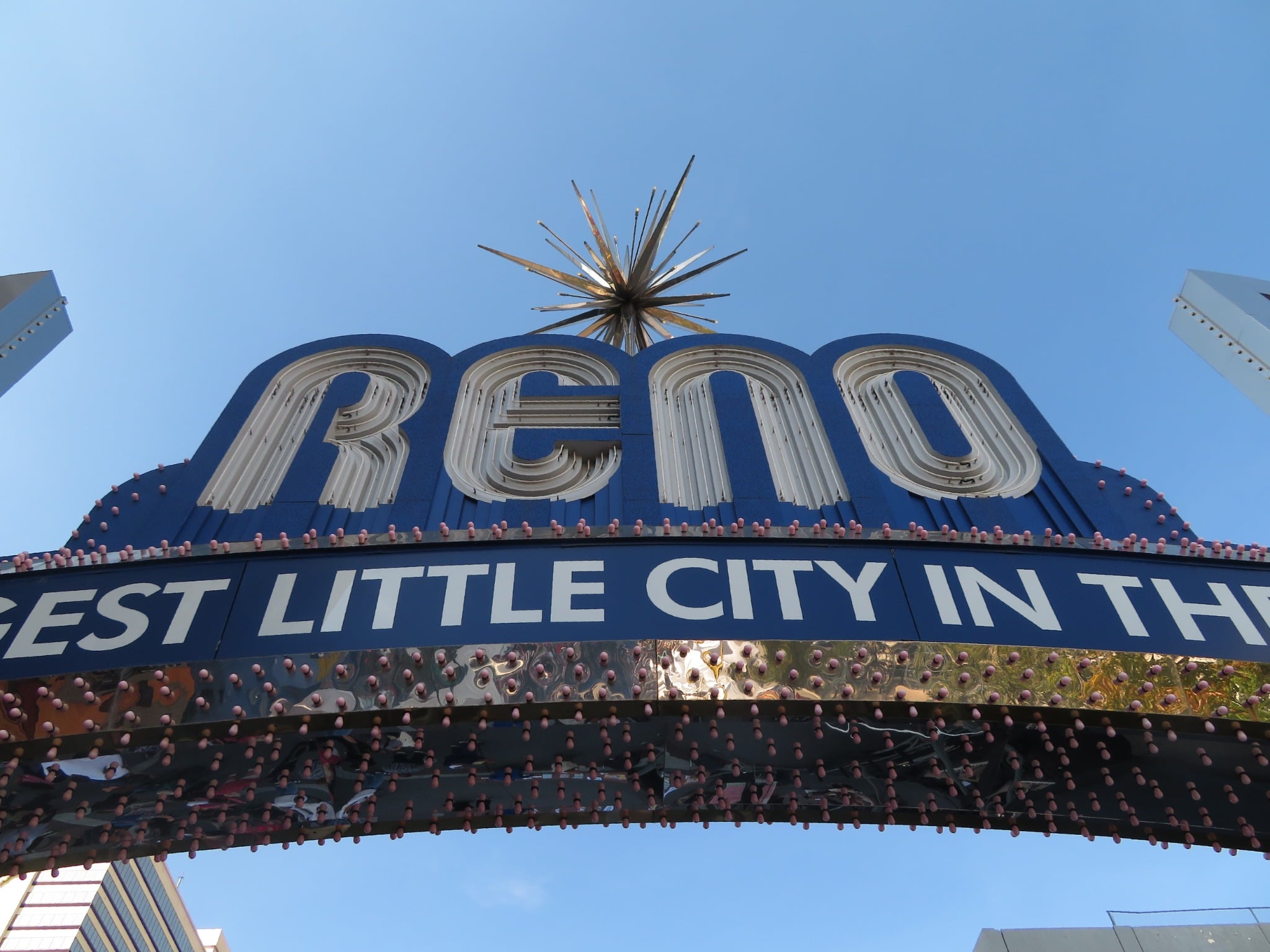
Keep a one-day visit geographically tight. Begin with a late-morning downtown food tour, which combines lunch with orientation and normally leaves the later afternoon free. Walk the Truckee River corridor, photograph the Reno Arch, and continue into Midtown if the weather is comfortable. Return to your hotel before dinner, then choose Magique for a seated evening or the Reno ghost walk for more city history and outdoor walking. Do not add an independently reached Tahoe cruise unless Reno is merely your sleeping base and the lake is your sole priority; the drive and check-in would consume most of the day.
An alternative for scenery-first travelers is the Reno pickup half-day Tahoe tour in the morning, followed by a relaxed downtown afternoon and evening show. Confirm the collection time before making a lunch reservation. Mountain weather can change faster than downtown conditions, so take a layer even when Reno begins warm.
Two days in Reno
Use day one for the city: downtown food tour, Truckee River walk, public art, and an evening activity. On day two, take the small-group Virginia City excursion or the Reno-to-Tahoe half-day tour. Virginia City pairs better with mining history and built heritage; Tahoe is the stronger choice for landscape. Both usually return in time for dinner, but avoid booking a nonrefundable performance immediately after the expected return because traffic and tour pacing are not perfectly predictable.
Travelers with a rental car can instead drive to Incline Village and use a full-day e-bike rental on the East Shore Trail. Leave Reno early enough to park and check in without rushing. In the high-demand summer period, confirm access rules for Sand Harbor and never assume that an activity booking automatically replaces a separate park or vehicle reservation unless the product explicitly says so.
Three days in Reno
A balanced three-day plan gives one day to Reno, one to Lake Tahoe, and one to Virginia City or a specialist outdoor activity. On the Tahoe day, choose one primary anchor rather than collecting incompatible departures. A morning cruise from Tahoe City can be followed by a leisurely north-shore lunch and scenic stops. A Sand Harbor kayak tour is better paired with nearby Incline Village than with an afternoon commitment in South Lake Tahoe. An Emerald Bay cruise departing from the south shore should be combined with South Lake Tahoe, not a rushed attempt to circle the lake afterward.
For the third day, history-oriented travelers should choose Virginia City. Active travelers can select Carson Valley off-roading, a guided hike, or a scenic flight from Truckee. In winter, substitute snowshoeing or snowmobiling and keep the schedule flexible enough to respond to road controls.
Four or five days in Reno
With four or five days, you can slow down and avoid turning the region into a checklist. Spend one full day in Reno, including either the downtown or Midtown tour. Reserve a second day for a north- or east-shore Tahoe activity, and a third for Emerald Bay or the south shore. The fourth day can focus on Virginia City, Truckee, Carson Valley, or Palisades Tahoe. A fifth day creates weather insurance and gives you room for an ambitious excursion such as Yosemite without sacrificing Reno itself.
Do not schedule the Yosemite day trip immediately before an early flight. It is a long excursion with road and seasonal variables. Similarly, place hot-air-balloon flights early in the stay when possible; weather cancellations may leave an opportunity to rebook. For more regional planning, see our best day trips from Reno guide.
A sensible summer combination
For a July itinerary, a strong sequence is downtown Reno on day one, a Reno-origin Tahoe overview on day two, Virginia City on day three, and one lake-based activity on day four. This structure first teaches you the geography and then lets you choose where to return. Avoid placing clear kayaking, a long cruise, and a sunset flight on the same Tahoe day. Even when map distances appear manageable, check-in windows, parking, meals, and shoreline congestion make the schedule fragile.
A sensible winter combination
Winter itineraries should be built around road conditions rather than rigid ambition. Keep the first day in Reno, where indoor attractions and shows remain useful. Choose either snowmobiling or snowshoeing for the clearest weather day and allow extra time for chain controls, snow removal, and slower mountain traffic. A brewery tour is a comfortable city-day backup. Never rely on a mountain activity to finish at the exact advertised minute when a separate flight or ticketed event follows.
Best Areas of Reno for Sightseeing and Activities
Best area for first-time visitors: Downtown Reno
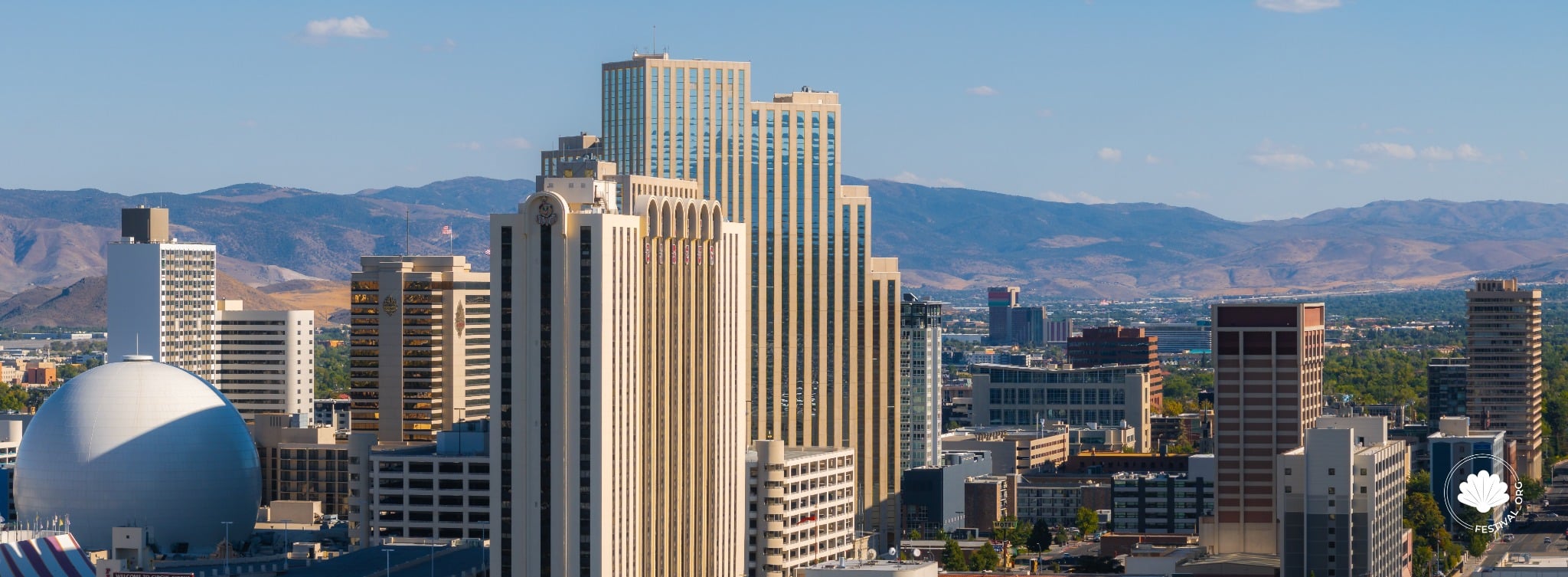
Downtown places the Reno Arch, Truckee River, casinos, event venues, and several tour meeting points within a manageable area. It is the practical base for travelers without a car and the easiest place to join a downtown food or ghost tour. The district changes block by block: resort interiors can be busy and polished, while quieter side streets may feel less animated late at night. Use ordinary urban awareness, especially when walking alone after an evening activity.
Best area for restaurants, murals, and local character: Midtown
South of downtown, Midtown is the strongest area for independent restaurants, bars, coffee, boutiques, and public art. The neighborhood’s scale suits walking, although summer heat and wide road crossings can make a short ride appealing. Midtown is better for travelers who want Reno’s contemporary identity than for those seeking a casino-resort atmosphere. The Virginia Street bus corridor connects it with downtown and the university area, but service frequency should be checked for your travel day.
Best resort base for indoor family activities: Grand Sierra Resort area
Grand Sierra Resort sits east of the downtown core near the airport and concentrates entertainment under one roof. Max Action Arena and axe throwing are located here, making the resort useful for a family evening, poor-weather day, or arrival night. It is not the best base for walking to downtown attractions. Use the resort shuttle if available for your stay, a taxi, ride-hailing service, or your own vehicle, and confirm transport arrangements rather than assuming every airport or downtown transfer is complimentary.
Best area for university atmosphere and museums: North of downtown
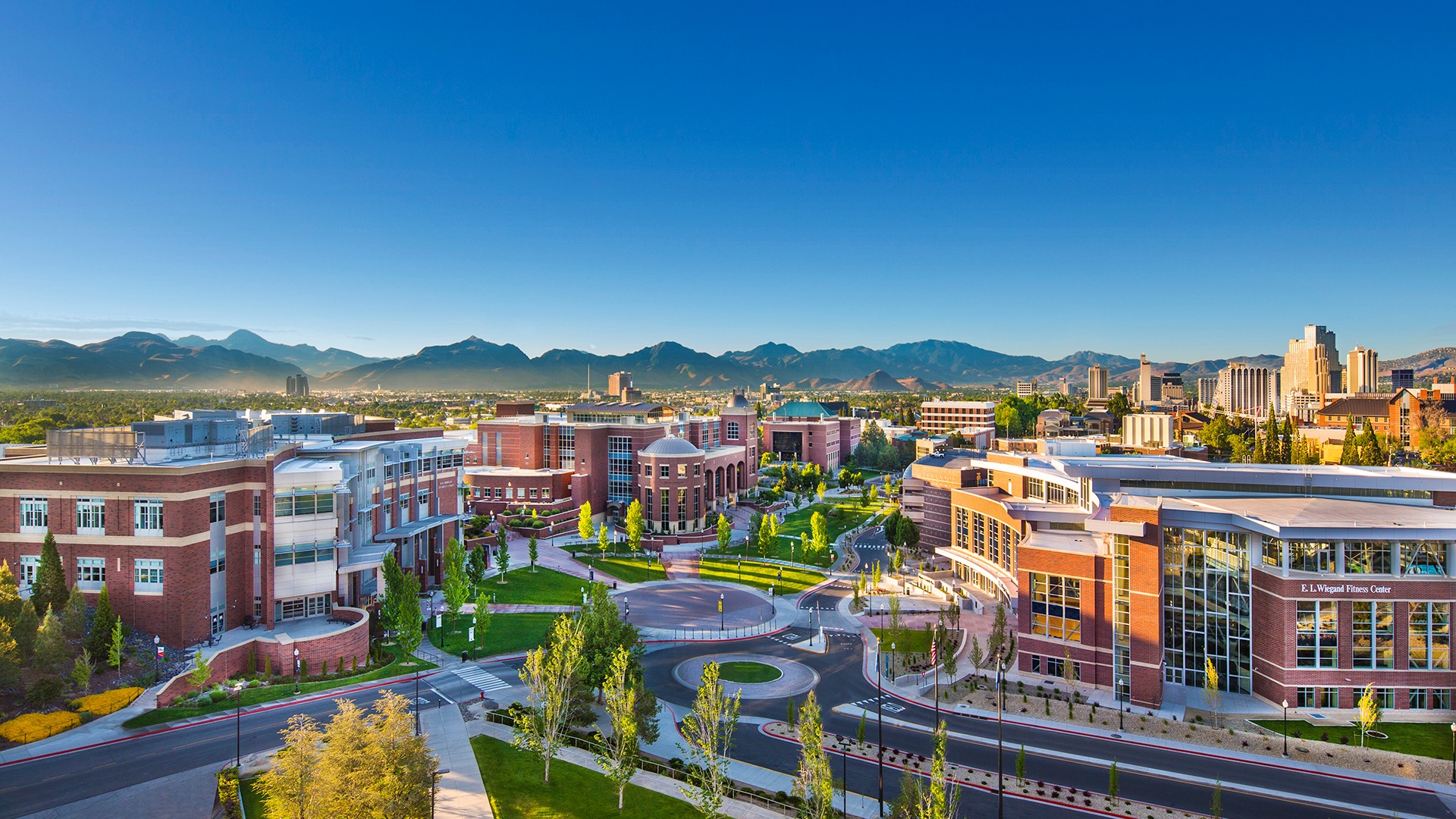
The University of Nevada, Reno campus lies uphill from the central casino district. It provides a greener, quieter contrast and access to cultural and sporting venues. The walk is possible for fit travelers but involves elevation and less tourist-oriented blocks. Public transport or a short ride is often more convenient. This area is useful for repeat visitors rather than the most efficient first-time base.
Best base for quick airport access: Southeast Reno
The airport, convention center, shopping, and several larger hotels occupy the southeast side. This is practical for business travelers, late arrivals, and road trips, but less atmospheric for urban sightseeing. Reno-Tahoe International Airport is close to central Reno by big-city standards, yet timing still varies with traffic, hotel-shuttle schedules, and event congestion.
Best nearby historic destination: Virginia City
Virginia City is not a Reno neighborhood; it is a separate mountain town southeast of the city. Its steep main street, historic structures, mining museums, and saloons require a dedicated excursion. Organized transport is valuable because the road climbs and bends, parking can be busy during events, and an evening ghost tour ends after dark. The elevation is higher than Reno, so temperatures and wind can differ noticeably.
Best areas for Lake Tahoe activities
Incline Village and Sand Harbor are the logical bases for East Shore Trail cycling, Nevada-side beaches, and clear kayaking. Tahoe City serves north-shore cruises and places you near Truckee and Palisades Tahoe. South Lake Tahoe, Zephyr Cove, and Tahoe Keys are more convenient for Emerald Bay cruises, wine trips, jet-ski departures, and some aerial activities. Truckee is the key starting area for scenic flights and northern mountain experiences. Choose accommodation according to your booked departure instead of assuming every “Lake Tahoe” activity is interchangeable.
How to get around
Walking works best in downtown and Midtown. RTC buses cover the Reno-Sparks urban area, and taxis and app-based rides are widely used for short trips. A rental car is the most flexible option for Virginia City and Lake Tahoe, but summer parking restrictions and winter driving conditions require planning. Public and seasonal transit exists around parts of Tahoe, including local shuttles, yet it does not always align with early check-in or late return times. For a fixed tour departure, direct transport or a large time buffer is safer than a multi-transfer itinerary.
Tips for Booking Tours and Attractions in Reno
Read the starting location before reading the sales highlights
The most important line on a Reno activity page is often the meeting point. “Lake Tahoe” can mean Tahoe City, Incline Village, South Lake Tahoe, Zephyr Cove, Tahoe Keys, Truckee, or another mountain location. A one-hour activity may require several hours of total travel from Reno. Open the map, calculate the route for the correct day and season, and include parking and check-in. Never assume hotel pickup unless the selected option explicitly lists your property or pickup zone.
Book scarce formats earlier than flexible city activities
Private yachts, hot-air-balloon flights, small aircraft, guided off-road vehicles, and limited-capacity holiday or sunset cruises have fewer seats and are sensible early bookings. Reno walking tours, axe throwing, and indoor entertainment may be easier to arrange closer to the date outside event weekends, though popular time slots can still sell out. Summer weekends, major conventions, university events, and holiday periods increase demand in both Reno and Tahoe.
Understand Sand Harbor access
Sand Harbor is among the most popular places to visit near Reno, and peak-season vehicle entry is managed rather than casual. A kayak or bike reservation does not necessarily grant the same access as a state-park vehicle reservation. Confirm exactly where you meet, whether transportation into the park is included, and what separate reservation or fee may apply. Arriving without the required access arrangement can turn a carefully planned morning into a missed activity.
Choose guided versus independent formats deliberately
A guided Reno food tour adds restaurant curation and neighborhood history; independent dining gives you complete control over pace and menu. A Tahoe tour from Reno solves transport and parking; driving yourself allows longer beach stops. A narrated cruise provides context and a defined route; a rental lets you explore freely but shifts navigation and safety responsibility to you. Pay for guidance when it removes a meaningful obstacle, not simply because a guided option exists.
Check what admission and equipment actually include
Some excursions include transport but exclude park fees, food, or attraction admission. Some water activities provide the vessel and safety equipment but not towels, parking, or gratuities. A Virginia City trip may leave museum tickets as optional purchases so guests can choose their own free time. Read the “included” and “not included” sections for the exact ticket variant. Product photos often show optional upgrades that are not part of the base selection.
Protect fixed departure times
Boat, aircraft, and small-group departures cannot always wait for late guests. Aim to reach the stated meeting point before the operator’s required check-in, not merely before the advertised start. Tahoe traffic is especially unpredictable on summer weekends and during road works. In winter, chain controls and reduced speeds can add substantial time. Save the voucher offline because mobile reception can weaken around mountain roads and coves.
Dress for two climates in one day
Reno’s high-desert sun can feel hot while a moving boat, shaded shoreline, or high-elevation viewpoint feels cool. Use sun protection and carry a layer. Closed shoes are usually preferable for hiking, off-roading, axe throwing, and historic streets. Water shoes may help at rocky shorelines but should not replace operator-required footwear. Winter tours require more than ordinary city clothing; confirm whether boots, helmets, suits, gloves, or goggles are supplied.
Consider altitude and physical demand
Reno is already elevated, and Tahoe and surrounding mountain routes climb higher. Newly arrived travelers may notice dry air, stronger sun, or breathlessness on hills. Hydrate, pace alcohol consumption, and do not underestimate steep Virginia City sidewalks or uneven shoreline paths. Anyone with heart, respiratory, balance, pregnancy, back, or mobility concerns should review restrictions with the operator and a medical professional where appropriate.
Plan food, allergies, and alcohol responsibly
Food-tour menus can change with restaurant availability. Tell the operator about dietary restrictions in advance, but understand that substitutions may be limited and shared kitchens may carry cross-contact risk. Brewery and wine experiences require valid identification and responsible consumption. Even when transport is provided during a tour, you still need a safe journey from the final drop-off to your accommodation.
Compare cancellation deadlines, not just “free cancellation” labels
Cancellation conditions vary by product, ticket type, and cutoff time. Weather-dependent operators may use their own rescheduling process, and a traveler’s decision not to drive in ordinary weather may be treated differently from an operator cancellation. Read the policy attached to the exact booking and keep all communications in the approved channel. Travel insurance can be useful, but coverage for weather, motorized sports, and personal schedule changes differs.
Accessibility requires product-level confirmation
Reno resorts may have accessible public areas, yet a particular activity can involve transfer vehicles, narrow vessel gangways, gravel, historic stairs, or uneven trails. Do not rely solely on a general venue symbol. Contact the provider with specific information about wheelchair dimensions, transfer ability, service animals, hearing or visual assistance, and companion needs. The most useful answer is one tied to the exact departure, vehicle, and route.
Prices are dynamic
Rates vary with date, season, participant age, group size, vehicle choice, departure time, and optional upgrades. Private tours and aerial experiences are considerably more expensive than shared walks. The cheapest displayed option may be a child ticket, short format, or off-peak date. Compare the final checkout details for your actual travelers rather than using a promotional “from” figure as a budget.
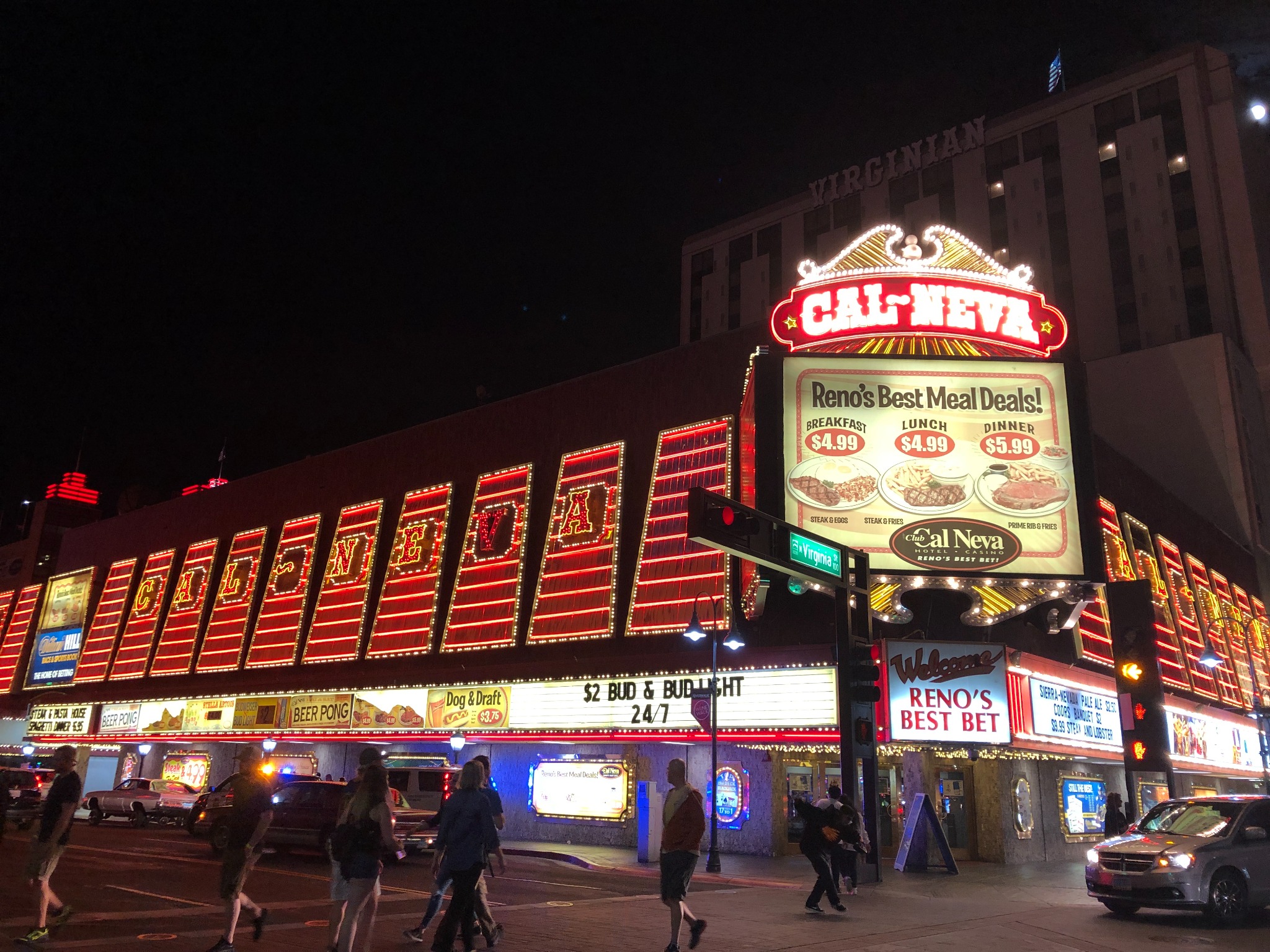
Best Time to Book Things to Do in Reno
Spring: changing conditions and quieter city days
Spring can bring pleasant walking weather in Reno while snow remains at higher elevations. This is a good period for food tours, ghost walks, brewery experiences, Virginia City, and indoor entertainment. Tahoe cruise and water schedules may be limited before their main season, and trails can be muddy, snow-covered, or closed. Do not infer lake-level conditions from a sunny Reno forecast. Check the operator’s calendar and road information shortly before departure.
Summer: the widest selection and the greatest competition
Summer offers the broadest mix of cruises, kayaking, e-biking, hiking, flights, and long day trips. It also brings stronger demand, busy beaches, parking controls, afternoon heat in Reno, and potential wildfire smoke. Morning departures are attractive for calmer water and cooler temperatures, but they require an early drive from the city. Sunset activities provide softer light and cooler air, yet the return to Reno may be late and dark. July and August visitors should reserve high-capacity constraints—small boats, balloon flights, premium cruises, and guided vehicles—well ahead of flexible city activities.
Autumn: excellent light with shortening days
Early autumn can deliver clear air, fewer families after school resumes, and comfortable Reno walking conditions. Some summer operators continue into September or October, while others reduce departures. Daylight shortens quickly at mountain latitude, so a late tour may finish after dark. Temperatures fall sharply after sunset. This is a strong season for Virginia City, food tours, scenic drives, and photography, provided you verify seasonal closing dates.
Winter: snow adventure and weather flexibility
Winter transforms the ranking. Snowmobiling and snowshoeing become primary experiences, and Reno’s shows, food tours, brewery tour, Max Action Arena, and casino-resort entertainment provide dependable alternatives. Mountain travel can be delayed by snowfall, chain controls, collisions, avalanche work, and reduced visibility. Keep at least one unscheduled day if a particular winter activity is a priority. Four-wheel drive does not exempt a vehicle from every control or make an inexperienced driver invulnerable on ice.
Wildfire smoke and extreme conditions
Smoke can affect Reno, Tahoe, and aerial views even when a fire is not close to the activity. Operators may continue when conditions remain legally and operationally acceptable, while individual travelers may find the air uncomfortable. Monitor official air-quality and emergency information and follow operator instructions. Thunderstorms, strong wind, rough water, snow, and low visibility can also alter or cancel departures. No sunset, wildlife sighting, or panoramic view can be guaranteed.
Major weekends and events
Reno’s event calendar can change hotel rates, road traffic, restaurant demand, and tour availability. Virginia City festivals and Tahoe holiday weekends create their own pressure. If your travel dates overlap a major event, reserve accommodation and fixed-capacity activities earlier and allow more time for local transport. Conversely, an event may be a reason to visit in its own right; just avoid building a minute-by-minute itinerary around roads that may be closed or crowded.
Free and Affordable Things to Do in Reno
The ranked list focuses on GetYourGuide-bookable experiences, but Reno also has worthwhile activities that require no tour ticket. Walk the Truckee River through downtown, stop at Wingfield Park, and follow public art between the river and Midtown. The Reno Arch is free to photograph, and the city’s mural collection turns an ordinary walk into a changing outdoor gallery. Daylight is the easiest time for a self-guided orientation, especially if you are unfamiliar with the blocks beyond the resorts.
Midtown rewards a slow walk past independent storefronts, sculptures, and painted walls. Build your own tasting route with one coffee stop or casual lunch rather than a full guided food tour. The savings are real, but you give up the curated sequence, included tastings, introductions, and local storytelling. A self-guided route works best for repeat visitors who enjoy research and flexible pacing.
University grounds, neighborhood parks, and portions of the river path offer low-cost breaks from gaming and ticketed attractions. Museum admission and special programs should be checked directly because schedules and free-entry arrangements can change. Public markets, festivals, and outdoor events are seasonal rather than guaranteed every week.
Lake Tahoe has public viewpoints and shoreline access, but “free” does not always mean costless or unrestricted. Parking, vehicle reservations, fuel, park fees, and equipment can apply. Arrive with a legal access plan and never park on unsafe road shoulders. A paid guided trip can be better value when it bundles transport, equipment, or a scarce reservation, while independent travel is cheaper for visitors who already have a vehicle and understand the rules.
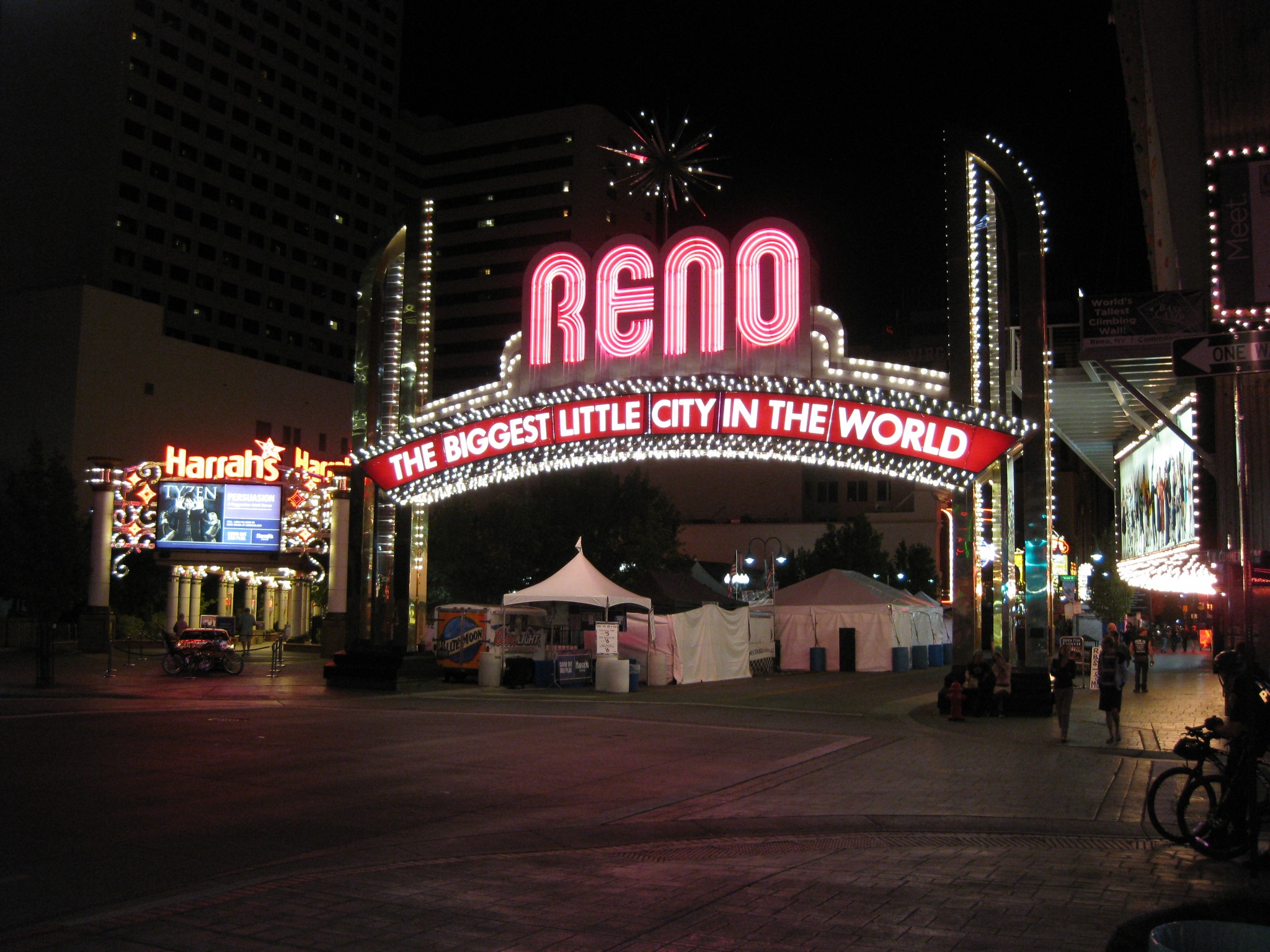
Frequently Asked Questions About Things to Do in Reno
What are the best things to do in Reno for a first visit?
The strongest introduction is a half-day Lake Tahoe tour from Reno, followed by a downtown food tour or Midtown murals tour. Add Virginia City if you have a second or third day. This combination covers the region’s landscape, modern city culture, and mining history without overloading one day.
How many days do you need in Reno?
Two days are enough for central Reno plus one short excursion. Three or four days allow a full Tahoe activity, Virginia City, and a more relaxed city day. Five days work well when you want weather flexibility, winter sports, or a long regional excursion.
Is Reno walkable?
Downtown and Midtown are reasonably walkable as separate sightseeing zones, but Reno as a whole is spread out. Grand Sierra Resort, the airport, Sparks, suburban trailheads, Virginia City, and Lake Tahoe require transit, a taxi, ride-hailing, a rental car, or an organized tour. Heat, elevation, and late-night conditions also affect how pleasant walking feels.
Can you visit Lake Tahoe without renting a car?
Yes. The simplest option is a guided half-day tour with Reno pickup. Some regional buses and seasonal Tahoe shuttles operate, but they may not match a boat or activity check-in. For a fixed departure, confirm the entire outbound and return journey rather than assuming a public connection will be frequent or late enough.
How far is Lake Tahoe from Reno?
The nearest north and east shore communities are commonly reached in under an hour in favorable conditions, but the exact trip depends on the shoreline destination. Emerald Bay and South Lake Tahoe take longer. Weekend traffic, road construction, snow, and chain controls can materially increase travel time.
Which Reno activities should be booked in advance?
Book hot-air-balloon flights, small aircraft, private sailing, limited-capacity sunset or dinner cruises, and motorized guided adventures early. Summer Tahoe activities also benefit from advance planning because parking and park access can be constrained. City walking tours and indoor activities are often more flexible, except during major events and popular weekend slots.
What are the best things to do in Reno with children?
Max Action Arena is the easiest indoor family choice. A daytime Tahoe cruise can suit mixed-age groups, while older children may enjoy kayaking or e-biking if they meet operator requirements. Review minimum ages, height or weight limits, life-jacket rules, and adult-accompaniment policies for the exact product.
What are the best things to do in Reno for couples?
A downtown food tour and evening show make an easy city date. For a special occasion, compare a Tahoe wine cruise, sunset sailing, scenic flight, or hot-air-balloon experience. The premium options require more travel and weather flexibility, so do not schedule them immediately before a flight home.
What can you do in Reno at night?
Book Magique, join the Reno ghost walk, explore resort entertainment, or arrange an adult brewery experience that finishes before your evening plans. Virginia City ghost tours are more atmospheric but require a separate drive. Tahoe sunset and dinner cruises are possible, though the return to Reno can be late.
What are the best day trips from Reno?
Lake Tahoe and Virginia City are the essential choices. Truckee, Palisades Tahoe, Carson Valley, and Hope Valley support more specialized flights, off-road tours, hiking, and winter activities. Yosemite is possible through selected long tours from the Tahoe region, but it is not a casual side trip and requires a full day.
Is a guided Lake Tahoe tour worth it from Reno?
It is particularly worthwhile for visitors without a car, people with only half a day, and first-timers who do not know which shoreline stops fit together. Independent driving is better for travelers who want several hours at one beach or complete route control. Compare the included transport and stop duration with your priorities.
Are Reno tours accessible for travelers with limited mobility?
Some indoor venues and vessels indicate wheelchair access, while small vans, historic buildings, shorelines, and outdoor trails may not. Accessibility depends on the exact vehicle, route, departure point, and transfer requirements. Contact the activity provider before booking with specific mobility and assistance needs.
What should I wear for Reno and Lake Tahoe activities?
Use sun protection, comfortable footwear, and layers. Reno can be hot and dry while a lake cruise or mountain viewpoint feels cool and windy. Outdoor operators may require closed shoes or provide technical gear. In winter, confirm which boots, gloves, helmets, and outerwear are included rather than assuming everything is supplied.
Are GetYourGuide bookings refundable?
Cancellation conditions vary by product and option. Some listings allow cancellation until a stated deadline; others have stricter terms. Weather-dependent activities may be rescheduled or canceled by the operator under separate rules. Read the policy displayed for the exact date and ticket before payment.
What unusual things can you do near Reno?
The boat-launched Lake Tahoe hot-air balloon is the most unusual premium experience. Other distinctive choices include the Reno ghost walk, a Virginia City evening ghost tour, Rubicon Trail off-roading, a guided sunset photography hike, and snowmobiling above Hope Valley.
Final Thoughts on the Top Things to Do in Reno
Reno’s best experiences are connected by geography rather than a single theme. The city gives you food, public art, nightlife, casino-resort entertainment, and stories from Nevada’s restless past. The surrounding region adds Lake Tahoe’s water and granite, Virginia City’s mining streets, Truckee’s mountain access, Carson Valley’s open terrain, and winter snow. A good itinerary accepts those distances instead of hiding them.
For a first trip, choose one Reno neighborhood experience, one major landscape outing, and one history or evening activity. Add specialist adventures only after checking where they begin and how they fit the season. Famous sights such as Emerald Bay deserve attention, but a carefully chosen food tour, mural walk, or small-group Virginia City excursion often explains the destination more clearly than another hurried photo stop.
Availability, routes, park access, and inclusions can change. Compare current listings for your dates, read the meeting-point map, and leave enough time for mountain travel. The best activity is not necessarily the one with the longest description or largest review count; it is the one whose location, pace, physical demand, and format match the trip you are actually taking.
Click here to compare Reno tours, Tahoe excursions, attraction tickets, and current availability
Affiliate Disclosure: This article contains affiliate links. If you click a completed link and make a booking, this website may receive a commission without increasing the price you pay. The ranking is editorial and draws on current activity availability, traveler-feedback patterns, location, practical value, distinctiveness, and the overall quality of the experience.