Top 25 hotels in Sydney: Harbour Icons, Beach Escapes and Design Stays for July 2026
Sydney is a city that makes geography part of the hotel experience. The shape of the harbour determines what you see at breakfast, how you reach dinner, and whether the journey back to your room involves a short walk beneath sandstone arcades, a ferry crossing at dusk, or a light-rail ride through the center. The Sydney Opera House and Harbour Bridge may dominate the postcards, but the city becomes more interesting when you notice how quickly its mood changes: from the colonial lanes of The Rocks to the polished towers of Circular Quay, from the dining rooms of Surry Hills to the converted warehouses of Chippendale, and from the city’s western waterfront to the salt-air neighborhoods of Manly and Coogee.
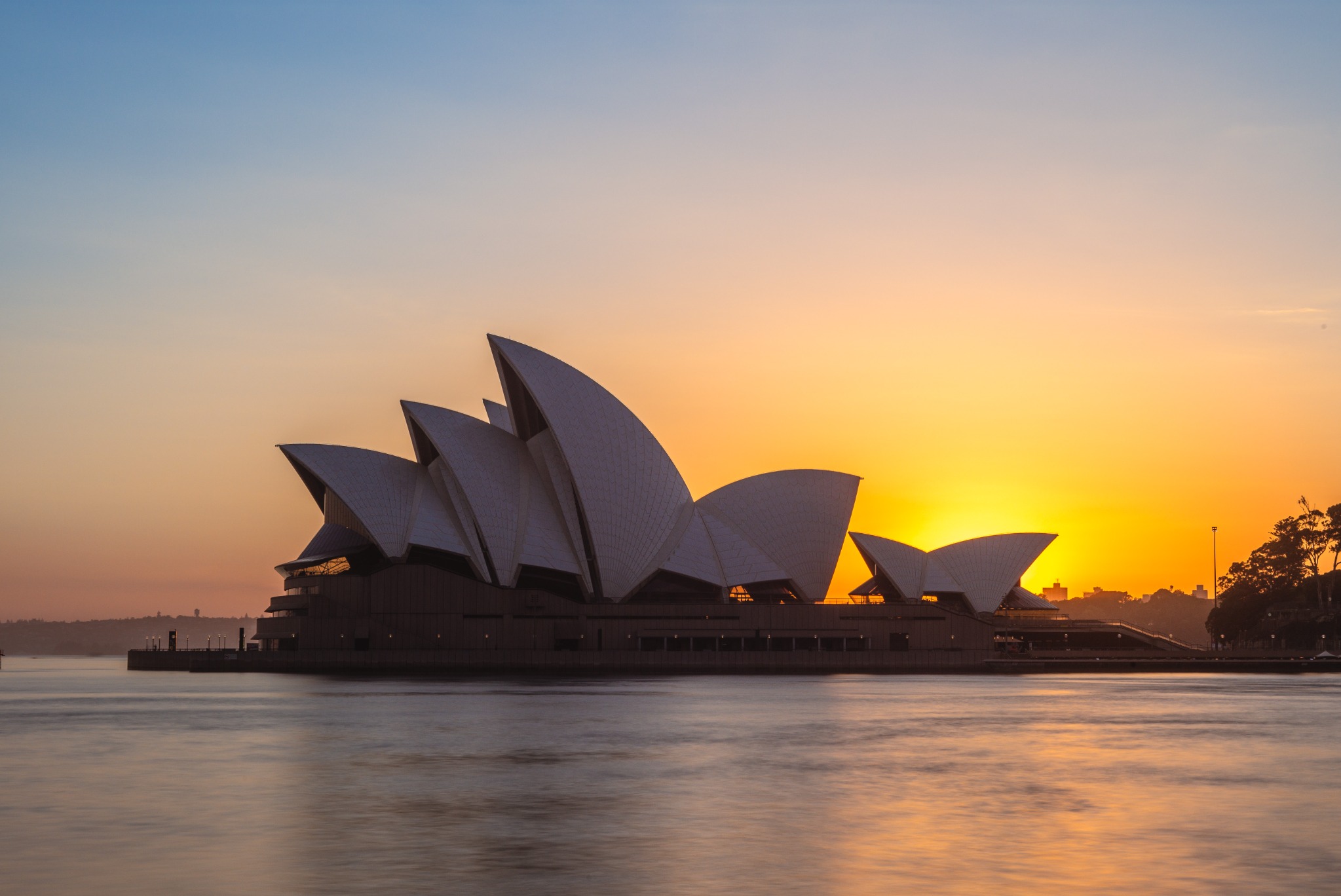
July brings a different version of Sydney from the bright, crowded summer city many overseas visitors imagine. The air is cooler, the light can be unusually clear, and harbour walks feel brisk rather than punishing. Outdoor pools may be less central to the day, yet fireplaces, spa circuits, long lunches, rooftop views, galleries, theatre, and coastal walks become more appealing. It is also a month when location matters in a particularly practical way.
A hotel beside Circular Quay puts ferries, trains, the Opera House, and The Rocks within easy reach; a Darling Harbour address works well for families and convention travelers; Surry Hills rewards visitors who plan their trips around restaurants and bars; and a beach hotel creates a slower stay but adds travel time to the city’s major sights.
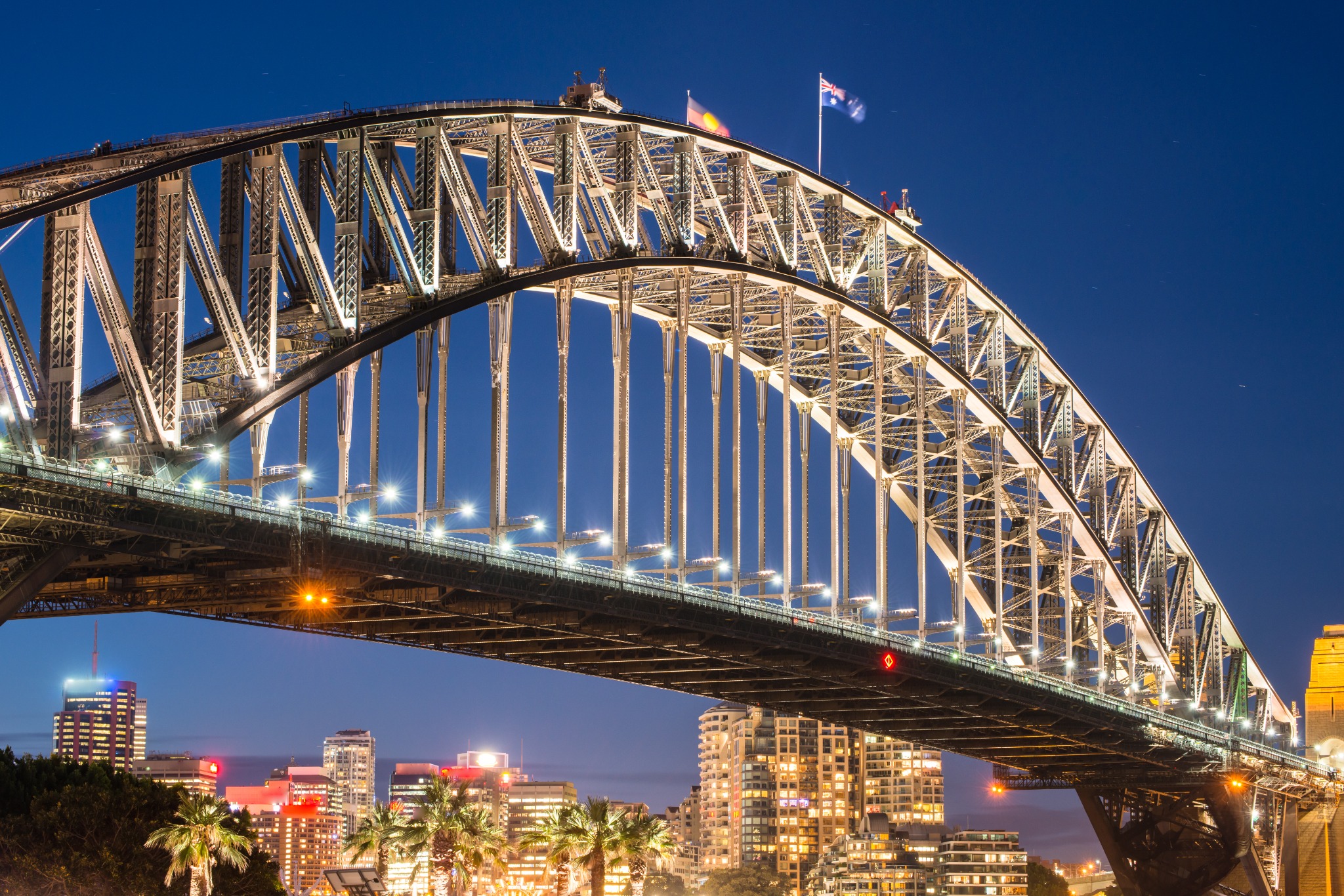
Sydney’s hotel scene has expanded far beyond traditional five-star towers. There are grand harbour institutions with formal service, ambitious new luxury hotels in restored government buildings, flamboyant design properties, intimate terrace-house retreats, warehouse conversions, wildlife lodges, compact business hotels, and full-scale beach escapes. The range is welcome, but it also makes comparisons difficult. A panoramic room in a large international hotel cannot be judged by the same standards as a 20-room Potts Point townhouse, and a resort-like stay in Manly serves a very different trip from a four-night cultural break in the CBD.
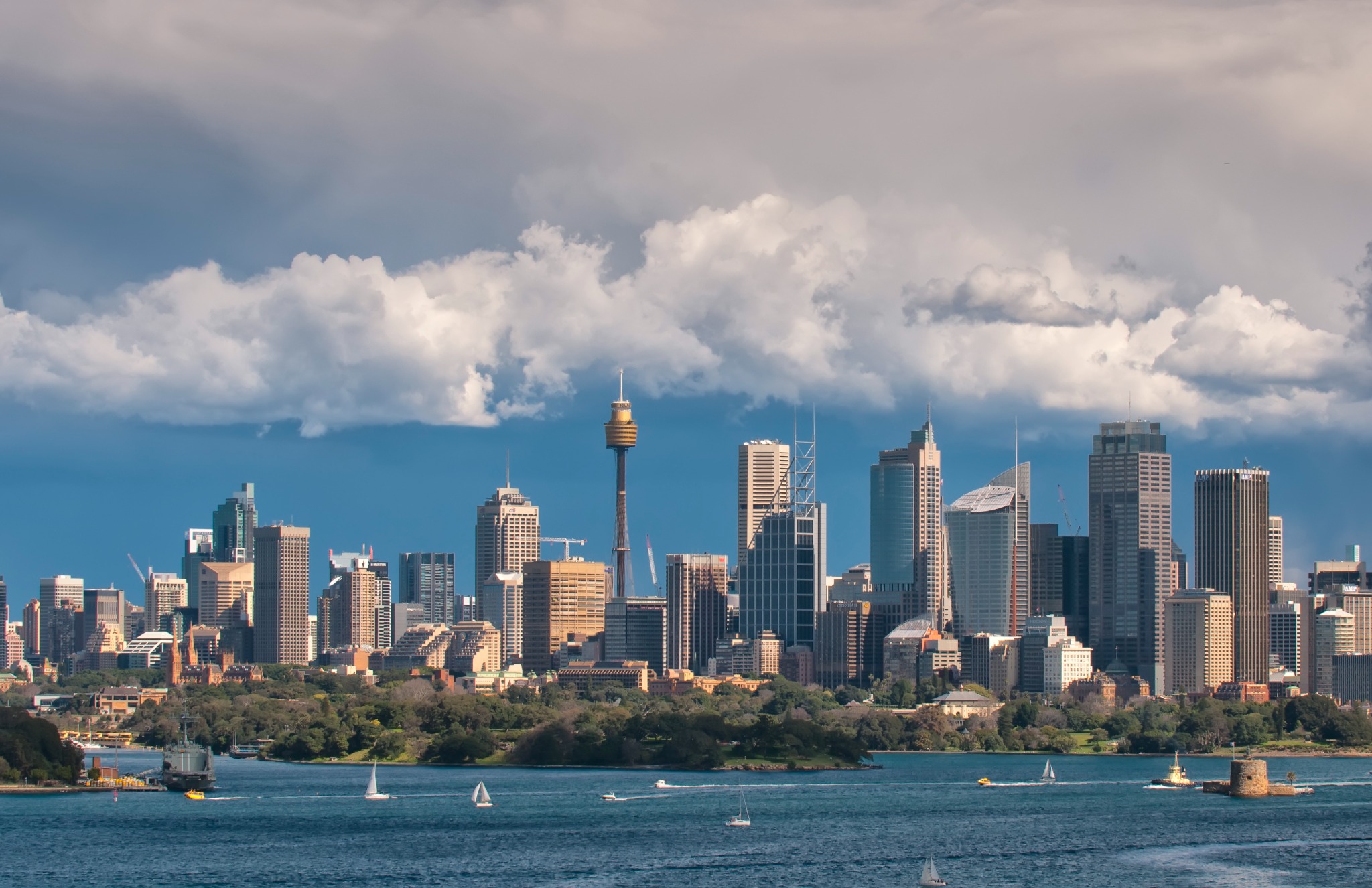
This Sydney hotel guide, updated for July 2026, ranks the Top 25 hotels in Sydney after comparing recent editorial lists, current hotel information, guest-review patterns, neighborhood advantages, design, service reputation, dining, wellness, room comfort, practical transport, and value within each property’s category. The ranking is not simply a list of the most expensive addresses. It includes hotels for first-time visitors, couples, families, business travelers, architecture enthusiasts, beach lovers, restaurant-focused weekends, and travelers who would rather spend less on public spaces and more on location.
One principle runs through the entire list: in Sydney, the “best” hotel is often the one that places you in the right version of the city. A first-time visitor may value a Circular Quay base more than an extra-large room. A repeat traveler may prefer the neighborhood energy of Surry Hills or Paddington. Families may trade intimate boutique scale for a pool and easier access to Darling Harbour attractions. Couples may decide that an Opera House view is worth paying for, while value-conscious travelers may choose a compact room above Wynyard Station and spend the savings on restaurants, ferries, and day trips.Use the ranking as a shortlist rather than a commandment.
Pay close attention to room category, outlook, access needs, breakfast terms, parking costs, cancellation rules, and the exact neighborhood. In Sydney, two rooms in the same hotel can deliver dramatically different experiences if one faces the harbour and the other looks toward surrounding buildings. Similarly, a property described as “near the Opera House” may still involve slopes, stairs, or a longer walk than expected.
Quick Picks: Best Hotels in Sydney
- Best overall hotel: Capella Sydney
- Best hotel for an Opera House view: Park Hyatt Sydney
- Best full-service harbour hotel: Four Seasons Hotel Sydney
- Best classic luxury hotel: The Langham, Sydney
- Best resort-style city hotel: Crown Towers Sydney
- Best hotel for first-time visitors: InterContinental Sydney
- Best bold design hotel: W Sydney
- Best boutique hotel: Spicers Potts Point
- Best new neighborhood hotel: The EVE Hotel Sydney
- Best hotel for nightlife and restaurants: Ace Hotel Sydney
- Best hotel for families: Wildlife Retreat at Taronga
- Best beach hotel: Manly Pacific Sydney MGallery Collection
- Best compact hotel for transport: Little National Hotel Sydney
- Best heritage business address: The Fullerton Hotel Sydney
- Best romantic hotel: Park Hyatt Sydney

How We Chose the Top 25 Hotels in Sydney
The ranking combines several types of evidence rather than relying on a single booking score or publication. We looked for hotels that repeatedly appear in respected travel coverage, maintain strong recent guest sentiment, and still make sense for a real Sydney itinerary in July 2026. Current hotel websites were used to confirm names, dining venues, pools, spas, fitness facilities, room concepts, and location details. Recent editorial lists helped identify properties with sustained relevance rather than short-lived opening buzz.
Location carried substantial weight. Sydney is spread around water, ridges, peninsulas, and distinct transport corridors, so a well-run hotel can still be the wrong choice for a particular trip. We considered walking access to Circular Quay, the Opera House, The Rocks, Barangaroo, Darling Harbour, major shopping streets, restaurants, museums, beaches, train stations, light rail, and ferry wharves. For outlying hotels, we looked at whether the setting itself justified the additional travel time.
Room quality was assessed in context. In large harbour hotels, outlook, sound insulation, bed comfort, bathrooms, and consistency across categories matter. In boutique properties, personality, materials, lighting, and neighborhood connection can be more important than square footage. We also considered service reputation, the usefulness of concierge and club facilities, restaurant and bar quality, spa and pool access, family suitability, business practicality, and whether the hotel offers convincing value compared with alternatives at a similar level.
Finally, every property needed a clear reason to be included. Some are here because they represent Sydney at its most glamorous; others because they solve a practical problem unusually well. The ranking therefore includes luxury hotels in Sydney, design hotels, beach stays, family-friendly options, and smaller properties that make repeat visits feel less touristy. Each entry includes a drawback because no hotel is ideal for every traveler, and the compromises are often what determine whether a booking feels successful.
Top 25 Hotels in Sydney
1. Capella Sydney
Capella Sydney has rapidly become the reference point for contemporary luxury in the city. It occupies a monumental sandstone building in the historic government precinct near Circular Quay, and the restoration gives the hotel a sense of place that newer glass towers cannot reproduce. Inside, the atmosphere is calm rather than theatrical: high ceilings, art, warm timber, sculptural lighting, and carefully preserved architectural details create a hotel that feels grand without becoming stiff.
The rooms and suites are among the most refined in Sydney, with generous proportions, polished stone bathrooms, restrained colors, and a residential quiet that is especially valuable in the CBD. The hotel’s cultural programming and knowledgeable “Culturists” add substance to the stay, helping guests connect with Sydney’s history, art, and neighborhoods rather than treating the concierge desk as a simple booking service. Brasserie 1930 is a serious dining room in its own right, while McRae’s Bar provides a lower-lit setting for cocktails and conversation.
Auriga Spa strengthens the hotel’s claim to the top position. Its facilities include treatment spaces and a wellness area built around heat, water, and recovery, while the indoor heated Vitality Pool makes sense year-round. The result is a hotel that can support both a tightly scheduled city visit and a slower weekend where much of the appeal is inside the building. Service is typically polished and personal, but the tone remains more modern than ceremonious.
For first-time visitors, the location is excellent without being engulfed by the busiest tourist traffic. Circular Quay, the Opera House, The Rocks, the Royal Botanic Garden, Martin Place, and the Museum of Contemporary Art are all accessible on foot. Business travelers also benefit from the proximity to the financial district. Capella does not deliver the uninterrupted postcard views of Park Hyatt Sydney, but it offers a more complete blend of architecture, rooms, dining, wellness, and urban convenience.
Why stay here: It currently provides Sydney’s most convincing all-round luxury experience, combining a landmark restoration, exceptional rooms, thoughtful cultural programming, strong dining, and a central location.
Best for: Luxury travelers, architecture lovers, couples, cultural travelers, and visitors who want an intimate alternative to a large international tower.
Location: The historic government precinct near Circular Quay, within walking distance of the Opera House, The Rocks, Martin Place, and the Royal Botanic Garden.
What stands out: The transformation of a grand sandstone building into a serene contemporary hotel, supported by Brasserie 1930, McRae’s Bar, Auriga Spa, and the indoor Vitality Pool.
Potential drawback: Rates are firmly at the top of the market, and travelers whose main priority is a direct Opera House view may prefer Park Hyatt Sydney or a carefully selected harbour room elsewhere.
Click here to view rooms, current offers, and availability at Capella Sydney
2. Park Hyatt Sydney
Park Hyatt Sydney holds the city’s most privileged hotel position. It sits at the edge of The Rocks between the Harbour Bridge and Sydney Opera House, with low-rise architecture that keeps the water and skyline close rather than viewing them from a distant tower. From the right room, the Opera House appears almost improbably near, changing color with the weather and becoming part of the daily rhythm of the stay.
The design is understated, using neutral materials and contemporary Australian art to keep attention on the harbour. Rooms are spacious by central Sydney standards, and many have balconies or terraces. The most sought-after categories face the Opera House; others look toward the city, harbour, or surrounding heritage area. That distinction is crucial when booking, because the premium is largely about position and outlook. A lower-category room without the signature view can feel less extraordinary relative to the price.
Service is discreet and highly personalized, and the hotel’s small scale compared with major harbour towers contributes to a quieter atmosphere. The Dining Room provides a polished waterfront setting, while the Living Room works well for afternoon tea or a drink without committing to a formal meal. The spa, steam facilities, gym, and year-round rooftop pool add enough wellness infrastructure for a city stay, although this is not a sprawling resort.
The hotel is ideal for couples, milestone trips, and first-time visitors who want Sydney’s defining sights outside the door. Dawes Point, the Museum of Contemporary Art, Circular Quay ferries, harbour walks, and the restaurants of The Rocks are close by. The area becomes busy during major events, but the property itself feels insulated. Few hotels anywhere can offer such a direct relationship with a globally recognized landmark, and that singularity keeps Park Hyatt near the top of every serious Sydney shortlist.
Why stay here: No other Sydney hotel matches its immediate Opera House outlook and waterfront position beneath the Harbour Bridge.
Best for: Couples, honeymooners, milestone celebrations, photographers, and first-time visitors willing to pay for the city’s most iconic setting.
Location: Dawes Point in The Rocks, beside the harbourfront promenade and a short walk from Circular Quay.
What stands out: The close-range Opera House views from selected rooms, terraces, public spaces, and waterfront dining areas.
Potential drawback: The best experience depends heavily on booking an Opera House-facing category, and rates can climb sharply during weekends, summer, New Year’s Eve, and major harbour events.
Click here to compare room categories and current rates at Park Hyatt Sydney
3. Four Seasons Hotel Sydney
Four Seasons Hotel Sydney is the most dependable choice for travelers who want full-service luxury, a central harbour location, and a broad range of room categories. Rising above Circular Quay at the edge of The Rocks, the hotel has 531 rooms and suites, making it much larger than Capella or Park Hyatt. That scale brings advantages: extensive staffing, a substantial breakfast operation, a heated outdoor pool, an Endota Spa, a gym, multiple dining and drinking options, and the ability to accommodate families, groups, and business travelers with relative ease.
The strongest rooms frame the Opera House, Harbour Bridge, or both, while city-facing categories provide a more economical route into the hotel. As in many harbour towers, room choice matters. Guests paying for a premium outlook should study category descriptions and photographs carefully rather than assuming every “harbour” room delivers the same composition. Suites and renovated higher categories generally feel more spacious and contemporary, while entry rooms prioritize location and service over boutique individuality.
Mode Kitchen & Bar is the main dining venue and works across breakfast, lunch, and dinner. Grain Bar offers a more relaxed evening atmosphere with a strong focus on spirits and cocktails. The outdoor pool is a meaningful advantage in warmer months, and even in July the spa and gym support longer stays. Families appreciate the room inventory, central transport, and proximity to ferries and attractions; business travelers value access to the CBD and the hotel’s meeting capacity.
The immediate surroundings are among Sydney’s most practical. Circular Quay Station, ferry wharves, the Museum of Contemporary Art, The Rocks, and the walk to the Opera House are close, while Barangaroo and Martin Place are reachable on foot. The property does not have the architectural intimacy of Capella or the low-rise exclusivity of Park Hyatt, yet it remains one of the best hotels in Sydney because it performs reliably across a wider range of trips than almost any competitor.
Why stay here: It combines harbour views, a prime Circular Quay address, extensive facilities, and the operational strength of a large luxury hotel.
Best for: First-time visitors, families, business travelers, multigenerational groups, and guests who prefer a full-service international hotel.
Location: At the meeting point of Circular Quay and The Rocks, close to trains, ferries, the Opera House, and the Museum of Contemporary Art.
What stands out: The range of view categories, heated outdoor pool, Endota Spa, Mode Kitchen & Bar, Grain Bar, and highly practical transport access.
Potential drawback: Its size can make the lobby and breakfast periods feel busy, and entry-level rooms may seem less distinctive than the hotel’s public reputation suggests.
Click here to see today’s rates and harbour-view options at Four Seasons Hotel Sydney
4. The Langham, Sydney
The Langham, Sydney is the city’s best choice for travelers who want traditional luxury without the intensity of Circular Quay. Hidden in Millers Point near Observatory Hill, the hotel occupies a quiet pocket of the inner city where sandstone terraces, mature trees, and harbour glimpses create a more residential mood. It has only 96 rooms and suites, which gives it a sense of privacy that larger five-star properties cannot easily match.
Rooms are exceptionally generous by Sydney standards and lean into a soft, classic style: pale tones, elegant furniture, deep beds, and marble bathrooms rather than edgy design statements. The scale makes the hotel particularly appealing for couples and repeat visitors who already know the major landmarks and want a retreat from the central crowds. Some rooms capture western harbour or city views, but the hotel’s appeal is atmosphere and space rather than one definitive postcard outlook.
Wellness is a major strength. The underground pool is one of Sydney’s most recognizable hotel interiors, with a star-like ceiling and a theatrical sense of calm. The spa, gym, and treatment facilities encourage guests to spend time on property, while Observatory Bar provides a polished place for afternoon tea or an evening drink. The service style is formal enough to feel special but generally warmer and less corporate than a large convention hotel.
Millers Point is quiet at night, yet Barangaroo’s restaurants, Walsh Bay’s theatres, The Rocks, and the western waterfront are within reach. The walk back involves slopes, and the nearest major transport hubs are not directly outside the entrance, so guests with mobility concerns should examine routes carefully. For those who enjoy walking and value serenity, however, The Langham offers a rare combination: large rooms, genuine five-star service, and the feeling of staying in a private city enclave.
Why stay here: It delivers intimate, old-school luxury, unusually large rooms, and one of the city’s most atmospheric indoor pools in a peaceful heritage neighborhood.
Best for: Couples, spa weekends, repeat Sydney visitors, luxury travelers who dislike large hotels, and guests seeking quiet near Barangaroo and The Rocks.
Location: Millers Point, close to Observatory Hill, Barangaroo, Walsh Bay, and the western edge of The Rocks.
What stands out: The 96-room scale, spacious accommodations, elegant service, Observatory Bar, and dramatic underground pool and wellness facilities.
Potential drawback: The location is less convenient for travelers who want a station immediately outside, and the surrounding streets can involve hills and longer walks.
Click here to explore suites, spa stays, and current availability at The Langham, Sydney
5. Crown Towers Sydney
Crown Towers Sydney is the city’s most overtly glamorous resort-style hotel. Occupying the tallest section of the Barangaroo waterfront complex, it trades heritage character for height, space, polished stone, dramatic lighting, and expansive western harbour views. The hotel suits travelers who want restaurants, bars, spa treatments, shopping, and leisure facilities concentrated in one destination rather than spread across the city.
Rooms and suites are sleek, contemporary, and generally generous, with floor-to-ceiling windows that make the skyline and harbour part of the interior. Views differ by orientation and level, so it is worth comparing categories carefully. The upper-floor experience is the point: sunset over the water and the changing lights of Barangaroo can be spectacular, though the Opera House is not the principal view from most rooms.
The facilities are among Sydney’s most extensive. Crown Spa includes a vitality pool and substantial treatment offerings, while the outdoor infinity pool and terrace create a resort feeling uncommon in the central business district. The dining roster is a major attraction, including Nobu, a’Mare, Woodcut, and other venues across the complex. Guests can plan an entire celebratory weekend without leaving Barangaroo, which is both the hotel’s strength and part of its drawback for travelers who prefer independent neighborhood restaurants.
Barangaroo is polished, modern, and pedestrian-friendly, with waterfront paths connecting toward Walsh Bay, The Rocks, and the CBD. The nearby metro and Wynyard transport links have improved access, but the hotel still feels slightly removed from the Opera House side of the city. Crown Towers deserves a top-five position because it offers a complete urban resort experience that no other Sydney property matches at the same scale.
Why stay here: It provides Sydney’s most comprehensive resort-style city stay, with high-rise views, a major spa, an infinity pool, and a concentration of destination restaurants.
Best for: Celebration trips, luxury weekends, spa travelers, food-focused stays, and guests who prefer contemporary glamour to heritage character.
Location: Barangaroo on the western waterfront, near Barangaroo Reserve, Walsh Bay, Wynyard, and the harbour promenade.
What stands out: The combination of panoramic rooms, Crown Spa, the outdoor infinity pool, and restaurants such as Nobu, a’Mare, and Woodcut.
Potential drawback: The atmosphere can feel self-contained and highly polished rather than locally intimate, and rates for higher floors and preferred views are substantial.
Click here to check current offers and room availability at Crown Towers Sydney
6. InterContinental Sydney
InterContinental Sydney combines one of the city’s strongest locations with a landmark heritage façade and a large modern hotel behind it. The former Treasury building gives the entrance and public areas historic weight, while the guest rooms rise above Circular Quay with views that can include the Opera House, Harbour Bridge, Royal Botanic Garden, or city skyline.
The hotel’s recent transformation has sharpened its design and made the public spaces more coherent. Aster, the rooftop bar on level 32, is the signature venue, offering one of the best elevated outlooks among Sydney hotel bars. The indoor heated pool on level 31 is useful in July, and the club experience can add real value for travelers who plan to spend time in the hotel between sightseeing or meetings.
The central advantage is difficult to overstate. Circular Quay trains and ferries are close; the Opera House, Royal Botanic Garden, The Rocks, Martin Place, and harbour promenades can all be reached on foot. This makes the hotel particularly efficient for short stays and first visits. The trade-off is scale: like Four Seasons, it can feel busy when groups, events, and weekend visitors converge.
Why stay here: It gives first-time visitors heritage atmosphere, excellent transport, broad harbour views, and a rooftop bar in one highly practical package.
Best for: First-time visitors, business travelers, club-lounge users, and guests who want Circular Quay without paying Park Hyatt prices.
Location: Macquarie Street at Circular Quay, beside the Royal Botanic Garden and near the Opera House.
What stands out: Aster rooftop bar, upper-floor harbour views, the historic Treasury setting, and the indoor heated pool.
Potential drawback: The hotel is large and event-oriented, so public areas may feel busy; the most memorable views require higher or premium room categories.
Click here to view current harbour rooms and availability at InterContinental Sydney
7. Shangri-La Sydney
Shangri-La Sydney rises above The Rocks from a position that captures a broad, cinematic sweep of the harbour. Its height is the differentiator: selected rooms frame both the Opera House and Harbour Bridge from above, while Altitude restaurant and Blu Bar on 36 turn the skyline into the main design feature. For travelers who want panoramic views but prefer a conventional full-service hotel, it remains a compelling choice.
The hotel is large, with 564 rooms and suites, and the atmosphere is more international than boutique. Rooms are generally spacious, though décor and condition can vary by category and guests should compare recently updated options. CHI, The Spa, an indoor pool, and the fitness facilities make it workable for longer stays, while the restaurants and bars reduce the need to leave the building on a cold or rainy evening.
The Rocks location is excellent for harbour sightseeing, but the hotel sits uphill from Circular Quay. The approach can be steep, and that practical detail matters for travelers with luggage, prams, or limited mobility. Taxis and rideshare solve the issue, yet guests expecting a flat waterside walk may be surprised. Once inside, however, the elevated position produces views that lower waterfront hotels cannot replicate.
Why stay here: It is one of Sydney’s strongest choices for a high panoramic outlook that includes both major harbour icons.
Best for: View seekers, couples, international luxury travelers, and visitors who want spa and dining facilities within a large hotel.
Location: The upper edge of The Rocks, near Observatory Hill, Circular Quay, and the historic lanes of the neighborhood.
What stands out: Altitude restaurant, Blu Bar on 36, CHI spa, and selected rooms with wide Opera House and Harbour Bridge views.
Potential drawback: The hill from Circular Quay is steep, and the large-hotel atmosphere may feel less personal than Capella, Park Hyatt, or The Langham.
Click here to compare harbour-view rooms and updated rates at Shangri-La Sydney
8. The Fullerton Hotel Sydney
The Fullerton Hotel Sydney occupies part of the former General Post Office at Martin Place, one of the city’s most imposing heritage buildings. Its central courtyard, sandstone colonnades, and clock-tower presence create an arrival with genuine architectural drama. Guest accommodation is divided between heritage rooms in the historic building and contemporary rooms in the adjoining tower, giving travelers a meaningful choice between character and outlook.
The hotel is especially practical for business trips, shopping weekends, and first-time visitors who want the CBD rather than the waterfront. Martin Place transport is nearby, Pitt Street Mall and the Queen Victoria Building are close, and Circular Quay can be reached on foot. The Fullerton’s heritage tours and public spaces help it feel connected to Sydney’s civic history rather than functioning as a generic corporate hotel.
Rooms are comfortable and polished, and the 24-hour fitness center supports work-heavy stays. Dining centers on The Place and the hotel’s bar and lounge spaces. There is no swimming pool, which is notable at this price level, but many guests will value the location, room size, and historic setting more than resort facilities.
Why stay here: It is the best heritage-led hotel for travelers who prioritize Martin Place, shopping, business access, and a landmark civic building.
Best for: Business travelers, architecture enthusiasts, shopping trips, and visitors who want a central base between Circular Quay and Town Hall.
Location: Martin Place in the CBD, close to Pitt Street Mall, the Queen Victoria Building, major offices, and city transport.
What stands out: The restored General Post Office setting, heritage-room option, grand colonnades, and exceptionally central position.
Potential drawback: The hotel does not have a pool, and tower rooms feel more conventionally corporate than the heritage exterior suggests.
Click here to see heritage rooms, tower rooms, and current rates at The Fullerton Hotel Sydney
9. W Sydney
W Sydney is the city’s loudest visual statement, a curving landmark wrapped around the western edge of Darling Harbour. Its interiors favor saturated color, reflective surfaces, oversized forms, and nightlife energy rather than restrained luxury. Travelers who want their hotel to feel social, photogenic, and unmistakably contemporary will find more to engage with here than at Sydney’s quieter five-star properties.
With 588 rooms and suites, W is a major hotel rather than an intimate design retreat. Rooms continue the bold aesthetic but remain practical, and higher categories take advantage of Darling Harbour views. The WET Deck and rooftop infinity pool are signature attractions, while an additional indoor pool and AWAY Spa make the wellness offering more substantial than the party-focused branding might imply.
BTWN restaurant connects its menu to New South Wales producers, while Living Room, the rooftop bar, and the late-night dessert concept create multiple reasons to stay on property. The location works well for ICC Sydney, the aquarium, family attractions, Pyrmont, Chinatown, and Town Hall. It is less convenient for the Opera House than Circular Quay hotels, though ferries, light rail, and walking routes make sightseeing manageable.
Why stay here: It is Sydney’s most ambitious large-scale design hotel, combining nightlife, dramatic interiors, extensive dining, spa facilities, and two pools.
Best for: Design-conscious travelers, groups of friends, convention guests, nightlife weekends, and visitors who enjoy energetic public spaces.
Location: Darling Harbour beside ICC Sydney, within walking distance of Barangaroo, Pyrmont, Chinatown, and Town Hall.
What stands out: The sculptural architecture, WET Deck, rooftop infinity pool, indoor pool, AWAY Spa, and multiple food-and-drink venues.
Potential drawback: The scale, music, and visual intensity will not suit travelers seeking quiet classic luxury, and the building’s complex circulation can take time to learn.
Click here to explore rooms, photos, and current availability at W Sydney
10. The Darling
The Darling is the more intimate luxury hotel within The Star Sydney complex, and it works best for travelers who want spa time, dining, entertainment, and nightlife in one western-harbour base. The rooms and suites are sleek and polished, with darker tones and a residential feel that separates the hotel from the busier public areas of the complex.
Darling Spa is a major reason to book, with 11 treatment rooms, couples’ suites, relaxation areas, steam facilities, and a Jacuzzi. The custom outdoor heated pool adds a resort element, while Sokyo and the wider restaurant collection at The Star make the hotel particularly appealing for a food-focused weekend. Pyrmont’s waterfront walks and Darling Harbour attractions are nearby, and light rail improves connections to the rest of the city.
The experience is closely tied to The Star complex, which can be convenient or overwhelming depending on the traveler. Those who dislike gaming-floor environments or large entertainment precincts may prefer a standalone hotel. Guests who appreciate having restaurants, shows, spa facilities, and late-night options under one roof will see the integration as an advantage.
Why stay here: It combines an accomplished spa, a heated outdoor pool, polished rooms, and immediate access to one of Sydney’s largest dining and entertainment complexes.
Best for: Spa weekends, couples, food lovers, entertainment trips, and guests attending events around Pyrmont and Darling Harbour.
Location: Pyrmont at The Star, near Darling Harbour, the Australian National Maritime Museum, and light-rail connections.
What stands out: Darling Spa, the heated outdoor pool, Sokyo, and the depth of restaurants and nightlife within the surrounding complex.
Potential drawback: The casino and entertainment setting is central to the experience and may feel too busy or commercially intense for travelers seeking neighborhood character.
Click here to check spa packages, rooms, and current rates at The Darling
11. QT Sydney
QT Sydney is the city’s most theatrical central boutique hotel. It occupies the historic State Theatre and Gowings building on Market Street, and the design treats the building’s past as raw material rather than a museum piece. Dark corridors, vintage details, eccentric art, dramatic lighting, and playful staff uniforms create a sense of occasion from the moment guests enter.
Rooms vary in size and shape because of the heritage structure, but the best have high ceilings, rich materials, freestanding baths, and enough visual character to feel different from a standard luxury chain. Gowings Bar & Grill is central to the experience, serving as both a serious restaurant and a lively social space. The spa gives couples and weekend travelers another reason to stay in, while the surrounding CBD provides endless alternatives for dining and shopping.
The location is exceptionally useful for the Queen Victoria Building, Pitt Street Mall, Town Hall, Hyde Park, and the State Theatre. Circular Quay is farther away but accessible by light rail or a longer walk. QT suits visitors who enjoy personality and nightlife energy; minimalists may find the styling busy.
Why stay here: It turns two important heritage buildings into a confident, playful hotel with more personality than almost any other CBD address.
Best for: Couples, theatre weekends, design lovers, shopping trips, and travelers who prefer atmosphere over restrained corporate luxury.
Location: Market Street in the CBD, opposite the Queen Victoria Building and close to Town Hall, Pitt Street Mall, and Hyde Park.
What stands out: The heritage theatre setting, imaginative interiors, Gowings Bar & Grill, and a central location that works well for short city breaks.
Potential drawback: Room layouts can vary, public spaces are deliberately dark, and the maximalist design may feel overstimulating to guests who prefer calm minimalism.
Click here to view room types and current availability at QT Sydney
12. Kimpton Margot Sydney
Kimpton Margot Sydney brings Art Deco scale and a more relaxed, personality-driven service style to the southern side of the CBD. The building’s sweeping staircases, columns, geometric details, and generous public spaces give it a sense of grandeur, while the Kimpton approach adds social touches such as the evening wine hour and a notably pet-friendly attitude.
Rooms are spacious and composed, with high ceilings and design references that complement the architecture without turning every surface into a theme. Luke’s Kitchen is the main restaurant, and The Wilmot Bar functions as the hotel’s living room. A rooftop pool is available to hotel guests, which is a valuable feature in central Sydney, though the public rooftop bar has had a temporary closure period and travelers should confirm its status when booking.
The hotel is close to Town Hall, World Square, Chinatown, Hyde Park, and the light rail along George Street. It is less convenient for harbour views, but the position works well for restaurants, shopping, theatre, and business appointments across the southern CBD.
Why stay here: It combines a handsome Art Deco building, large rooms, warm social programming, pet-friendly policies, and a useful central location.
Best for: Couples, pet owners, design-conscious business travelers, and visitors who want CBD convenience without a harbour-hotel premium.
Location: Pitt Street near Town Hall, Hyde Park, World Square, Chinatown, and George Street light rail.
What stands out: The grand architectural shell, spacious rooms, evening social hour, Luke’s Kitchen, and guest-only rooftop pool.
Potential drawback: It is not a harbour-view hotel, and rooftop bar access or operating arrangements can change, so guests should check current details before arrival.
Click here to check current rooms, rooftop access, and rates at Kimpton Margot Sydney
13. Pier One Sydney Harbour, Autograph Collection
Pier One Sydney Harbour occupies a converted wharf beneath the Harbour Bridge, giving it a physical closeness to the water that few hotels can match. Timber beams, industrial details, marina views, and the rhythm of boats passing outside create a distinctly Sydney atmosphere. It feels more relaxed than the formal properties around Circular Quay and is particularly appealing to couples, pet owners, and guests attending events at Walsh Bay.
Room categories differ significantly. Waterside and balcony rooms capture the hotel’s purpose, while inland-facing rooms may feel more like a stylish base than a destination stay. The bar and dining terrace are lively in good weather, and the hotel’s dog-friendly policies are unusually well developed for a property at this level.
The location rewards walkers: The Rocks, Barangaroo Reserve, Walsh Bay theatres, and the harbourfront are close. Circular Quay is reachable but not directly outside, and the route can feel quiet late at night. Guests who want a station at the door may prefer the CBD; those who want timber, water, and bridge views will accept the trade.
Why stay here: It offers an authentic over-water wharf setting beneath the Harbour Bridge, with a casual luxury atmosphere and strong pet-friendly credentials.
Best for: Couples, dog owners, theatre visitors, waterfront weekends, and travelers who prefer character to tower-hotel formality.
Location: Walsh Bay beside Dawes Point, between Barangaroo Reserve and The Rocks.
What stands out: The heritage pier architecture, direct marina setting, bridge proximity, outdoor terrace, and pet-friendly rooms and packages.
Potential drawback: The experience depends on room orientation, and the walk to major train connections is longer than at Circular Quay or Wynyard hotels.
Click here to compare waterfront rooms and current offers at Pier One Sydney Harbour
14. The EVE Hotel Sydney
The EVE Hotel Sydney has brought a polished boutique resort mood to the meeting point of Surry Hills and Redfern. Opened in 2025, the 102-room hotel sits within the Wunderlich Lane precinct, where restaurants, bars, landscaped spaces, and carefully layered architecture create a self-contained neighborhood destination. The interiors favor earthy color, crafted details, curved forms, and a sense of warmth rather than the glossy anonymity of many new hotels.
The rooftop is the focal point. A 20-meter pool, terrace, and Lottie restaurant turn the upper level into an urban retreat, while Bar Julius at street level gives the building energy throughout the day. Rooms are design-led and cocooning, though some travelers may find the darker palette and boutique dimensions less practical than a conventional five-star room.
This is an excellent choice for restaurant-focused trips. Surry Hills, Redfern, Central Station, Crown Street, and the galleries and bars around the inner south are all close. The Opera House and harbour require transport, but repeat visitors may see that separation as a benefit rather than a flaw.
Why stay here: It is one of Sydney’s most convincing new neighborhood hotels, with a rooftop pool, strong dining, and immediate access to Surry Hills and Redfern.
Best for: Food lovers, couples, design travelers, repeat visitors, and guests who want local nightlife rather than harbour sightseeing outside the door.
Location: Wunderlich Lane between Surry Hills and Redfern, within reach of Central Station and Crown Street.
What stands out: The 20-meter rooftop pool, Lottie restaurant, Bar Julius, layered landscaping, and a design language that feels specific to the precinct.
Potential drawback: It is not the most efficient base for Circular Quay, and some rooms prioritize atmosphere and design over generous floor space or bright views.
Click here to see current rooms and rooftop availability at The EVE Hotel Sydney
15. 25hours Hotel The Olympia
25hours Hotel The Olympia is one of the city’s most imaginative recent openings, reviving the former West Olympia Theatre in Paddington. The hotel has 109 rooms and uses contrasting room stories, art, color, and cinematic references to create an experience that feels more like a creative club than a conventional luxury property. It is irreverent, social, and firmly connected to Oxford Street’s changing cultural identity.
Food and drink are integral. The Palomar brings an energetic open-kitchen restaurant, Mulwray provides a more intimate bar, Jacob the Angel covers café needs, and Monica adds a rooftop setting. The variety gives guests reasons to return throughout the day and makes the hotel appealing even to Sydneysiders.
Paddington places visitors near boutiques, galleries, Centennial Park, the Sydney Cricket Ground, and the route toward Bondi, while the CBD remains accessible by bus. There is no full spa or resort-style wellness complex, so this is a hotel for guests who plan to explore, dine, and socialize rather than spend the day beside a pool.
Why stay here: It offers one of Sydney’s freshest design experiences, with a restored theatre, ambitious restaurants and bars, and a strong Paddington identity.
Best for: Creative travelers, couples, food lovers, Oxford Street nightlife, and repeat visitors seeking a neighborhood beyond the CBD.
Location: Oxford Street in Paddington, near Centennial Park, boutiques, galleries, and transport toward the city and eastern beaches.
What stands out: The restored Olympia Theatre, 109 individually spirited rooms, The Palomar, Mulwray, Jacob the Angel, and Monica rooftop.
Potential drawback: Wellness facilities are limited compared with full-service luxury hotels, and the location requires transport for Circular Quay and Darling Harbour.
Click here to explore room styles and current rates at 25hours Hotel The Olympia
16. Sofitel Sydney Wentworth
Sofitel Sydney Wentworth is a classic CBD hotel that has been substantially reworked for a new generation of guests. Its 1960s curved architecture remains distinctive, while the major refurbishment has refreshed rooms and created a stronger dining identity. The result is a large luxury property that feels more relevant than it did a few years ago, especially for business travelers and visitors who want the eastern CBD.
The dining collection includes Tilda, Bar Tilda, Delta Rue, and Wentworth Bar, an all-weather rooftop terrace that gives the hotel a social center beyond the lobby. Rooms are polished and comfortable, though the building’s original footprint means some categories are more compact than newer luxury competitors.
The location is highly practical for Martin Place, Circular Quay, the Royal Botanic Garden, offices around Phillip Street, and shopping in the CBD. It lacks a swimming pool, but guests who spend most of the day exploring may prefer the central address and recently renewed interiors.
Why stay here: Its major refurbishment, useful eastern-CBD location, and expanded restaurant-and-bar program have restored it as a serious central option.
Best for: Business travelers, short city breaks, restaurant weekends, and visitors who want to walk to both Martin Place and Circular Quay.
Location: Phillip Street in the eastern CBD, near Martin Place, Circular Quay, and the Royal Botanic Garden.
What stands out: The renewed interiors and four-part dining collection: Tilda, Bar Tilda, Delta Rue, and the all-weather Wentworth Bar rooftop terrace.
Potential drawback: There is no pool, and some room categories are smaller than travelers may expect from a large five-star hotel.
Click here to check refurbished rooms and current offers at Sofitel Sydney Wentworth
17. Sofitel Sydney Darling Harbour
Sofitel Sydney Darling Harbour is a polished modern tower beside ICC Sydney, designed for guests who want water views, convention access, and a resort-like pool deck without leaving the central city. Rooms use floor-to-ceiling glass to capture Darling Harbour and the skyline, and higher categories can feel especially dramatic after dark when the precinct lights up.
The outdoor infinity pool and Le Rivage pool bar are major advantages in warmer weather, while the gym and large public areas support longer stays. Atelier serves French-influenced dining, and Champagne Bar provides a high-rise setting for drinks. The hotel’s scale and conference orientation mean it can become busy during major events, but service and facilities are built to handle volume.
Families benefit from easy access to the aquarium, wildlife attractions, playgrounds, ferries, and Chinatown. Business travelers can reach ICC Sydney almost immediately. Those planning daily visits to the Opera House should factor in extra travel time, though walking, light rail, and ferry options help.
Why stay here: It is one of the most practical luxury hotels for Darling Harbour views, ICC Sydney events, families, and travelers who value an infinity pool.
Best for: Convention guests, families, modern-luxury travelers, and visitors focused on Darling Harbour and Pyrmont.
Location: Darling Harbour next to ICC Sydney, near Tumbalong Park, the aquarium, Chinatown, and Pyrmont.
What stands out: The harbour-facing tower rooms, outdoor infinity pool, Le Rivage pool bar, Atelier, and direct convention-center convenience.
Potential drawback: The hotel can feel crowded during conferences and school holidays, and Circular Quay is not within the same easy walking radius as the Darling Harbour attractions.
Click here to compare Darling Harbour views and current rates at Sofitel Sydney Darling Harbour
18. Manly Pacific Sydney MGallery Collection
Manly Pacific is the strongest full-service beach hotel within greater Sydney, facing the sand across the road from Manly Beach. Its rooftop magnesium pool, coastal interiors, gym, wellness options, and beach-concierge services turn a city visit into a genuine seaside stay. The atmosphere is relaxed but polished, with enough resort structure for couples and families who want more than a simple beach motel.
Rooms vary from district-facing categories to ocean-view rooms and suites, and the upgrade is meaningful. The best rooms capture sunrise and surf activity, while lower categories trade scenery for access to the same facilities. The rooftop pool is a major draw, though it can become a social focal point on sunny weekends.
Manly’s cafés, restaurants, coastal walks, and ferry wharf are nearby. The ferry to Circular Quay is one of Sydney’s great everyday journeys, but commuting back and forth takes time and can be affected by weather or late-night schedules. The hotel therefore works best when the beach is part of the trip’s purpose rather than an occasional excursion.
Why stay here: It delivers the most complete beach-resort experience among Sydney hotels while retaining straightforward ferry access to the city center.
Best for: Beach lovers, families, active couples, surfers, and visitors dividing their time between the coast and central Sydney.
Location: Across from Manly Beach, near the Corso, Manly Wharf, Shelly Beach walks, and the ferry to Circular Quay.
What stands out: The rooftop magnesium pool, ocean-facing room categories, wellness facilities, beach concierge, and immediate access to Manly’s coastal lifestyle.
Potential drawback: Daily sightseeing in the CBD requires ferry or bus travel, and ocean-view rooms command a significant premium over district-facing categories.
Click here to check ocean-view rooms and current beach-stay rates at Manly Pacific
19. InterContinental Sydney Coogee Beach
InterContinental Sydney Coogee Beach has given the eastern suburbs a new full-service luxury address. Opened in late 2025 and expanded with major leisure facilities in 2026, it faces the ocean at Coogee and is designed for travelers who want a coastal stay with the service, rooms, dining, and wellness infrastructure of an international hotel.
Ocean-facing rooms and suites are the primary attraction. Shutters provides an all-day coastal restaurant, while Rick Stein’s venue adds a destination seafood component. The leisure offering includes an ocean-facing heated infinity pool and ÉLIVA Spa, with thermal and recovery facilities that make the property credible for wellness weekends as well as summer beach breaks.
Coogee is calmer and more residential than Bondi, with a broad beach, coastal walks, cafés, and good bus links. There is no train station, and travel to Circular Quay takes planning. This is best treated as a beach holiday within Sydney rather than a conventional sightseeing base.
Why stay here: It brings genuine five-star rooms, dining, spa facilities, and an ocean-facing pool to one of Sydney’s most appealing eastern beaches.
Best for: Coastal luxury trips, couples, wellness weekends, families, and repeat visitors who know the city center already.
Location: Coogee Beach in Sydney’s eastern suburbs, near the coastal walk toward Clovelly, Bronte, and Bondi.
What stands out: Ocean-facing rooms, the heated infinity pool, ÉLIVA Spa, Shutters, and Rick Stein dining by the beach.
Potential drawback: Coogee has no rail station, so reaching the CBD and harbour attractions takes longer than from central hotels, especially in peak traffic.
Click here to explore ocean rooms and current availability at InterContinental Sydney Coogee Beach
20. Wildlife Retreat at Taronga
Wildlife Retreat at Taronga is not a conventional city hotel, and that is precisely why it belongs in the ranking. Located within Taronga Zoo on the north side of the harbour, the retreat combines contemporary accommodation with sanctuary views, guided wildlife experiences, zoo access, and a conservation-focused program. Some rooms look toward animal habitats, while others capture bushland or harbour perspectives.
The stay is especially memorable for families, but the design and dining are sophisticated enough for couples who want a distinctive one- or two-night addition to a longer Sydney trip. Packages commonly incorporate zoo entry, breakfast, and guided experiences, reducing the sense that the room is merely an expensive novelty. On-site parking also helps travelers combining Sydney with a road trip.
The location is peaceful and scenic, yet it is removed from nightlife and the CBD. Ferries provide a beautiful connection during operating hours, but evening logistics require planning. The retreat works best as an experience in itself, not as a base for a packed schedule of city restaurants and theatre.
Why stay here: It offers a genuinely distinctive overnight experience built around wildlife, conservation, harbour scenery, and access to Taronga Zoo.
Best for: Families, animal lovers, special occasions, multigenerational trips, and travelers adding an experiential night to a central Sydney stay.
Location: Inside Taronga Zoo at Mosman on the north shore, accessible by ferry, bus, taxi, or car.
What stands out: Guided sanctuary experiences, zoo access, habitat-facing rooms, conservation programming, breakfast inclusions in many packages, and on-site parking.
Potential drawback: It is not convenient for late-night dining or repeated CBD trips, and the experience can feel expensive when judged solely as a room rather than a package.
Click here to view wildlife packages and current dates at Wildlife Retreat at Taronga
21. The Old Clare Hotel
The Old Clare Hotel is a landmark of Chippendale’s transformation from industrial district to creative neighborhood. Built across former brewery and pub structures, it preserves tiled surfaces, exposed brick, high windows, and traces of the site’s working past. The result is a hotel with texture and history rather than a polished imitation of industrial design.
Rooms range from compact, characterful categories to large suites with dramatic bathrooms and heritage details. The rooftop pool and bar give the hotel a social dimension, while Clare Bar retains the atmosphere of a neighborhood pub. Beyond the property, Spice Alley, White Rabbit Gallery, Central Park, Broadway, and the restaurants around Kensington Street are close.
Central Station is within reach, making the hotel useful for train travel and airport connections. Chippendale feels less touristy than Circular Quay but can be busy around the university and nightlife areas. Service and finishes may feel more relaxed than at formal five-star hotels, which suits the concept but is worth understanding.
Why stay here: It is Sydney’s most convincing heritage-industrial boutique hotel, embedded in one of the city’s strongest food, art, and design precincts.
Best for: Design lovers, food travelers, creative professionals, repeat visitors, and guests using Central Station.
Location: Chippendale near Central Station, Spice Alley, White Rabbit Gallery, Central Park, and Broadway.
What stands out: The adaptive reuse of former brewery buildings, individually shaped rooms, Clare Bar, rooftop pool, and immediate neighborhood dining.
Potential drawback: The atmosphere is intentionally informal, room layouts vary, and the surrounding precinct can be lively rather than tranquil.
Click here to compare heritage rooms and current rates at The Old Clare Hotel
22. Ace Hotel Sydney
Ace Hotel Sydney is the city’s most successful social hotel: a place where the lobby, bars, restaurants, and rooftop draw locals as much as overnight guests. The design references Australia’s suburban and industrial visual language through earthy materials, art, music, and carefully imperfect details. It avoids obvious beach or harbour motifs, giving the hotel a more grounded urban identity.
Rooms range from compact options to suites, with record players, tactile materials, and a relaxed residential mood. LOAM, Good Chemistry, the lobby bar, and Kiln rooftop restaurant create a full day-to-night ecosystem. Kiln is the standout, pairing skyline views with an energetic dining room that feels current rather than hotel-generic.
The Surry Hills edge of the CBD is excellent for restaurants, bars, Central Station, Chinatown, and Oxford Street. Circular Quay requires light rail, train, or a longer walk. Guests who go to bed early should consider room position because the property’s public spaces are intentionally active.
Why stay here: It connects travelers to Sydney’s contemporary dining, music, and design culture more convincingly than a traditional luxury hotel.
Best for: Creative travelers, solo visitors, couples, restaurant-focused weekends, nightlife, and repeat guests who prefer Surry Hills to the harbour precinct.
Location: Wentworth Avenue at the edge of Surry Hills and the CBD, near Central Station, Chinatown, and Oxford Street.
What stands out: Kiln rooftop restaurant, the lively lobby, LOAM, Good Chemistry, locally informed design, and a strong connection to the surrounding neighborhood.
Potential drawback: The social atmosphere can create noise and foot traffic, and the smallest rooms prioritize style and location over generous space.
Click here to explore room sizes and current availability at Ace Hotel Sydney
23. Spicers Potts Point
Spicers Potts Point offers something increasingly rare in Sydney: a genuinely small luxury hotel in a residential heritage setting. Created from connected 1880s terrace houses, it has just 20 accommodations—16 rooms and four suites—along with a garden courtyard, breakfast spaces, and quiet lounges. The mood is closer to an elegant private home than a conventional hotel.
Rooms are refined rather than flashy, using contemporary Australian design within the constraints and character of the old buildings. Service is personal, and the limited room count creates a sense of calm. There is no pool, full spa, or large destination restaurant, so guests should choose it for intimacy, neighborhood access, and thoughtful hospitality rather than facilities.
Potts Point is rich in cafés, wine bars, restaurants, and Art Deco streets, while the Royal Botanic Garden, Woolloomooloo, and Kings Cross transport are within walking distance. The hotel suits repeat visitors particularly well because it feels connected to everyday Sydney rather than the tourist core.
Why stay here: It is the city’s best intimate townhouse hotel, with only 20 rooms and suites in a quiet but restaurant-rich neighborhood.
Best for: Couples, solo luxury travelers, repeat visitors, food lovers, and guests who value personal service over extensive facilities.
Location: A residential street in Potts Point, close to Kings Cross Station, Woolloomooloo, the Royal Botanic Garden, and local restaurants.
What stands out: The restored 1880s terraces, tiny room count, garden courtyard, residential atmosphere, and attentive boutique service.
Potential drawback: There is no pool or full spa, parking is limited and paid, and travelers seeking a large hotel restaurant or harbour views should look elsewhere.
Click here to view suites and current boutique-hotel rates at Spicers Potts Point
24. Ovolo Sydney Woolloomooloo
Ovolo Sydney Woolloomooloo stretches along the historic Finger Wharf, where vast timber beams and industrial scale create one of the most distinctive hotel interiors in the city. The hotel balances the wharf’s heritage with colorful contemporary furniture, playful art, and a casual service style. Its 100 rooms are loft-like and generally generous, making it appealing to families, couples, and pet owners who want more space than many central boutiques provide.
The indoor pool, cabana area, gym, and Bar Woolloomooloo support a relaxed stay, while the wharf itself contains restaurants and residential apartments. The hotel’s pet-friendly approach is a genuine differentiator. Rooms looking toward the marina or city provide more atmosphere, while internal or lower-outlook categories may feel darker.
Woolloomooloo sits beside the Royal Botanic Garden and within walking distance of Potts Point, the Art Gallery of New South Wales, and the Domain. Circular Quay is accessible through the gardens, but the route is longer than it appears on a map and park gates or weather can affect convenience.
Why stay here: It combines a dramatic heritage wharf, spacious loft-style rooms, an indoor pool, and one of Sydney’s most welcoming pet-friendly policies.
Best for: Families, pet owners, couples, architecture fans, and visitors who want space near the Botanic Garden and Potts Point.
Location: The Finger Wharf at Woolloomooloo, between Potts Point, the Royal Botanic Garden, and the eastern CBD.
What stands out: The immense timber wharf structure, indoor pool and cabanas, generous rooms, marina atmosphere, and pet-friendly identity.
Potential drawback: Some rooms have limited natural light or outlook, and the walk to major stations is less direct than from CBD hotels.
25. Little National Hotel Sydney
Little National Hotel Sydney is a smart solution for travelers who care more about location, sleep quality, and well-designed shared space than a large private room. Built directly above Wynyard Station, it offers exceptionally efficient access to the airport train, Barangaroo, Circular Quay, George Street, and the wider rail network.
Rooms are compact and highly standardized, centered on a super-king bed, strong blackout conditions, soundproofing, and a streamlined bathroom. There is little floor area for spreading out luggage, but the hotel compensates with a guest-only rooftop lounge and bar, a library-style workspace, and a 24-hour Technogym. These shared spaces make the property particularly effective for solo travelers and short business stays.
The design is polished and adult, with fewer family-oriented facilities than larger hotels. There is no pool or full-service restaurant, but the CBD and Barangaroo provide extensive dining. For travelers arriving late, leaving early, or planning to spend most waking hours outside, the trade-off can represent excellent value.
Why stay here: It delivers outstanding transport convenience, excellent beds, quiet compact rooms, and sophisticated rooftop work-and-lounge spaces at a lower cost than many luxury neighbors.
Best for: Solo travelers, business trips, short stays, airport connections, and value-conscious couples who pack lightly.
Location: Directly above Wynyard Station, close to Barangaroo, George Street, Circular Quay, and the western CBD.
What stands out: The station-top location, soundproofed sleeping pods with super-king beds, guest-only rooftop lounge, library workspace, and 24-hour gym.
Potential drawback: Rooms are deliberately small, storage is limited, and the hotel lacks a pool, spa, and conventional full-service restaurant.
Click here to see compact-room rates and current availability at Little National Hotel Sydney
Things to Do in Sydney
A strong hotel location makes Sydney easier, but the city rewards travelers who move between districts rather than spending the entire trip around one landmark. The harbour is the organizing feature, and ferries are both public transport and sightseeing experiences. Build the itinerary around a few geographic clusters instead of crossing the city repeatedly. Circular Quay, The Rocks, the Opera House, and the Royal Botanic Garden fit naturally into one day; Darling Harbour, Barangaroo, and the western waterfront fit another; and the eastern beaches deserve time of their own.
Walk from Circular Quay to the Sydney Opera House
For a first encounter with the city, start at Circular Quay and follow the water toward the Opera House. The route reveals ferries arriving from Manly and the north shore, the Harbour Bridge behind you, and the building’s tiled sails changing character as you approach. Continue around Farm Cove into the Royal Botanic Garden rather than turning back immediately. Mrs Macquarie’s Point provides a classic composition of the Opera House and bridge, especially in the softer light near the beginning or end of the day.
Explore The Rocks beyond the main promenade
The Rocks is often reduced to souvenir shops and weekend crowds, but its stepped lanes, sandstone buildings, small museums, pubs, archaeological sites, and harbour viewpoints deserve more time. Walk uphill toward Observatory Hill, then continue west through Millers Point and Walsh Bay. This route connects some of the best heritage hotels in Sydney with quieter residential streets and the theatres around Hickson Road.
Cross or climb the Sydney Harbour Bridge
Walking across the bridge is free and offers a shifting perspective of the Opera House, Circular Quay, and north-shore bays. The pedestrian entrance from The Rocks involves steps and approach paths, so allow more time than the map suggests. The Pylon Lookout adds an elevated viewpoint and historical context. BridgeClimb is the premium option for travelers comfortable with heights and should be reserved in advance, particularly around weekends and special events.
Use the ferry as part of the itinerary
The ferry to Manly remains one of the city’s essential journeys, passing the Opera House, headlands, coves, and harbour beaches before reaching the ocean side of the peninsula. Ferries to Taronga Zoo, Watsons Bay, Cockatoo Island, and Parramatta reveal different parts of the city’s geography. Check return times before committing to dinner away from the CBD, as evening frequency can differ from daytime service.
Spend a day in Manly
From Manly Wharf, walk through the Corso to Manly Beach, then continue toward Shelly Beach on the coastal path. The area works for swimming in suitable conditions, surfing lessons, casual seafood, coffee, and long walks. Travelers staying at Manly Pacific can treat the peninsula as a resort destination; city-based visitors should leave enough time for the ferry journey and a relaxed pace rather than squeezing it into a short gap.
Walk part of the eastern coastline
The Bondi to Coogee coastal walk links cliffs, beaches, ocean pools, parks, and residential headlands. It is not necessary to complete the entire route. Bondi to Bronte is a rewarding shorter section, while Coogee to Clovelly provides a calmer alternative. July can bring clear walking weather, but exposed sections feel cold in wind and rain, so carry a layer and check conditions. Beach hotels in Manly and Coogee are most rewarding when this coastal landscape is central to the trip.
Visit the Art Gallery of New South Wales
The gallery’s established building and newer Sydney Modern spaces sit beside the Domain and Royal Botanic Garden. Together they provide a substantial art visit without leaving the eastern edge of the CBD. The setting also makes the gallery easy to combine with Woolloomooloo, Potts Point, or a walk back through the gardens toward Circular Quay. This is an especially useful July plan when the weather turns wet.
See contemporary art at the Museum of Contemporary Art
The Museum of Contemporary Art occupies a prime Circular Quay position in The Rocks. Exhibitions change, but the building and harbour setting make it a useful part of a first-time itinerary. It pairs naturally with breakfast in The Rocks, a ferry ride, or an afternoon performance at the Opera House.
Eat through Surry Hills, Redfern, and Chippendale
Sydney’s most interesting restaurant weekends often happen away from the harbour. Surry Hills combines established dining rooms, wine bars, bakeries, pubs, and small Asian restaurants. Redfern adds a more neighborhood-driven mix, while Chippendale brings Spice Alley, Kensington Street, galleries, and creative venues near Central Station. The EVE, Ace Hotel, The Old Clare, and 25hours Hotel The Olympia are particularly strong bases for travelers who organize the day around food rather than landmarks.
Discover Barangaroo and the western waterfront
Barangaroo combines new architecture, restaurants, landscaped parkland, public art, and waterfront paths. Walk from Wynyard through the precinct, continue around Barangaroo Reserve, and follow the harbour toward Walsh Bay and The Rocks. The route shows how Sydney’s western waterfront has changed and provides an attractive alternative to the busier Opera House side. Crown Towers, The Langham, Pier One, and Little National all connect easily to this part of the city.
Visit Darling Harbour with children
Darling Harbour is designed for easy family days. The aquarium, wildlife attractions, maritime museum, playgrounds, pedestrian spaces, and casual restaurants sit close together. It is less historically atmospheric than The Rocks, but the concentration of activities reduces transport and planning. W Sydney and Sofitel Sydney Darling Harbour are the strongest luxury bases nearby, while Pyrmont adds quieter streets and additional dining.
Browse Paddington and Centennial Park
Paddington’s terraces, boutiques, galleries, pubs, and Oxford Street venues create a different view of Sydney from the CBD. Continue into Centennial Park for open space, ponds, cycling, and walking. The neighborhood is also well placed for the Sydney Cricket Ground and routes toward Bondi. Staying at 25hours Hotel The Olympia turns this into an everyday local experience rather than a short excursion.
Take a day trip beyond the city
The Blue Mountains are the classic full-day escape, offering lookouts, bushwalks, villages, and cooler highland scenery. The Royal National Park provides coastal tracks and forest south of the city, while the Hunter Valley appeals to travelers interested in wineries and long lunches. These trips are easier with a car or organized tour, although trains can support some itineraries. Avoid scheduling a long day trip immediately after an overnight flight, and return cars before moving into a central hotel if parking costs are high.
Where to Stay in Sydney
The best areas to stay in Sydney are not interchangeable. The right choice depends on how many days you have, whether this is a first visit, how often you plan to use ferries, and whether the trip is built around sightseeing, restaurants, business, or the beach. The following neighborhood guide translates the hotel ranking into practical trip styles.
Best area for first-time visitors: Circular Quay and The Rocks
Circular Quay is the most efficient introduction to Sydney. The Opera House, Harbour Bridge, ferries, Royal Botanic Garden, Museum of Contemporary Art, and historic streets of The Rocks are close, and direct rail links make airport and city transport straightforward. Capella Sydney, Park Hyatt Sydney, Four Seasons Hotel Sydney, InterContinental Sydney, and Shangri-La Sydney all serve this area, but each provides a different experience. Park Hyatt is about direct landmark views; Capella is about architecture and refined intimacy; Four Seasons and InterContinental provide broader facilities and room inventories; Shangri-La offers height and panoramic views.
The disadvantage is cost. Circular Quay commands some of the highest room rates in the city, especially for harbour views. Restaurants close to the waterfront can also be expensive and tourist-oriented. First-time visitors with a short stay often find the premium worthwhile because they save time and experience the harbour at different hours.
Best area for heritage and quiet luxury: Millers Point and Walsh Bay
Millers Point and Walsh Bay sit west of The Rocks and feel calmer after day visitors leave. The Langham is the classic luxury retreat, Pier One provides wharf character, and nearby Crown Towers adds modern glamour at Barangaroo. The area is ideal for theatre visits, waterfront walks, architecture, and travelers who want harbour access without standing directly in the Circular Quay crowds.
Streets can be steep, transport is less immediate than at Wynyard or Circular Quay, and late-night dining choices are more dispersed. It is best for guests comfortable walking or using taxis and rideshare.
Best area for modern luxury and restaurants: Barangaroo
Barangaroo feels new, polished, and business-oriented, with waterfront restaurants, landscaped parkland, offices, and fast transport links. Crown Towers is the destination hotel, while Little National above Wynyard offers a compact and more affordable alternative nearby. The area works well for business travelers, couples planning restaurant reservations, and visitors who enjoy contemporary architecture.
It lacks the layered historic atmosphere of The Rocks and the neighborhood looseness of Surry Hills. Some travelers also find the precinct quiet outside business and dining hours, although the waterfront path connects easily to other districts.
Best area for families and conventions: Darling Harbour
Darling Harbour places the aquarium, wildlife attractions, maritime museum, playgrounds, ICC Sydney, and pedestrian dining within a compact zone. W Sydney provides bold design and substantial facilities; Sofitel Sydney Darling Harbour offers a more conventional luxury experience with an infinity pool; The Darling in Pyrmont suits spa and entertainment weekends.
The precinct can be busy during conferences, school holidays, and events. It is also less convenient for spontaneous walks to the Opera House. Families often consider that a fair exchange for easy attractions and fewer complicated transfers.
Best area for shopping and business: Central CBD and Martin Place
Martin Place, Pitt Street, Market Street, and Town Hall are practical for offices, shopping, theatre, and transport. The Fullerton Hotel Sydney is the standout heritage option, QT Sydney is the most characterful, Kimpton Margot adds Art Deco scale, and Sofitel Sydney Wentworth works well for the eastern business district. This central zone is a good compromise for travelers who need access to several parts of the city rather than one waterfront precinct.
The atmosphere changes block by block. Some streets become quiet after offices close, while others remain active around shopping, cinemas, and restaurants. Harbour views are not guaranteed, but room rates can be more rational than directly at Circular Quay.
Best area for restaurants and nightlife: Surry Hills
Surry Hills is the best choice for travelers who want to walk to independent restaurants, wine bars, cafés, pubs, and boutiques. Ace Hotel sits at the CBD edge, The EVE connects Surry Hills with Redfern, and 25hours Hotel The Olympia extends the idea east toward Paddington. Central Station and light rail make transport manageable, but the harbour is not outside the door.
This area suits repeat visitors particularly well. It can also work for first-timers staying five nights or longer, provided they are comfortable using public transport. Weekend street noise and nightlife should be considered when selecting a room.
Best area for art and adaptive reuse: Chippendale
Chippendale combines Central Station access with former industrial buildings, university energy, galleries, and dining around Kensington Street. The Old Clare Hotel is the defining hotel, providing a rooftop pool and strong heritage identity. The neighborhood is convenient for travelers arriving by train and those who plan day trips from Central.
It is farther from the harbour and can feel busy around Broadway and the university. The reward is a more local, creative side of Sydney and generally better value than the most famous waterfront districts.
Best area for boutique stays and local dining: Potts Point
Potts Point offers Art Deco architecture, terrace streets, compact apartments, excellent cafés, and a dense collection of restaurants and bars. Spicers Potts Point is the intimate luxury choice, while Ovolo Sydney Woolloomooloo sits downhill beside the wharf. Kings Cross Station connects the area to the CBD, and walking routes lead toward the Royal Botanic Garden and Art Gallery of New South Wales.
The neighborhood includes lively nightlife pockets, steep streets, and varied street atmosphere. Choose the exact block carefully. For couples and repeat visitors, Potts Point can feel more rewarding than staying among office towers.
Best area for a beach holiday: Manly
Manly combines an ocean beach, harbour beach, coastal walks, restaurants, and a famous ferry ride to Circular Quay. Manly Pacific is the leading full-service hotel and works for families, couples, and active trips. Staying here changes the pace of the visit: mornings begin at the beach, and city sightseeing becomes a planned excursion.
The trade-off is travel time. Ferry schedules and weather matter, and late nights in the CBD require more thought. For a short first visit focused on landmarks, stay central and visit Manly for the day. For a longer trip, splitting the stay between Circular Quay and Manly can work extremely well.
Best area for a quieter eastern beach: Coogee
Coogee is more residential than Bondi and has a broad beach, ocean pools, cafés, and access to the coastal walk. InterContinental Sydney Coogee Beach brings full-service luxury to the area. It is a strong choice for wellness weekends, families, and repeat visitors who want the coast without Bondi’s intensity.
There is no train station, so buses, taxis, and rideshare are important. Travelers with a packed central itinerary should not underestimate the time involved. Read our complete guide to where to stay in Sydney for more neighborhood comparisons.
Tips for Booking Hotels in Sydney
Book the view, not just the hotel name
At harbour hotels, the room category often matters more than the star rating. A city-facing entry room at a famous property can be less memorable than a carefully selected view room at a slightly lower-ranked hotel. Look for explicit wording such as Opera House view, Harbour Bridge view, full harbour view, partial view, western harbour, or Darling Harbour. Ask whether the image shown represents the exact category, and remember that floor level, angle, and nearby buildings affect the result.
Reserve early for New Year’s Eve and major events
Sydney’s most extreme hotel demand occurs around New Year’s Eve, when harbour access, road closures, minimum stays, and view premiums transform the market. Major concerts, sporting events, conferences, and festival periods can also raise rates quickly. Vivid Sydney is a major demand driver but generally takes place in late May and June rather than July; always check the official calendar for the year of travel. Flexible travelers should compare several date combinations before committing.
July can offer value, but do not assume every weekend is quiet
July is winter in Sydney, and rates can be softer than during the peak summer holiday period. However, school holidays, major sports fixtures, conferences, and entertainment events may create local spikes. Beach hotels may price differently from CBD business hotels, and Friday or Saturday can be more expensive at leisure properties even when weekday corporate demand is lower.
Pay more for location on a short first visit
For a two- or three-night first visit, Circular Quay, The Rocks, Wynyard, or the central CBD usually justify a higher rate. Walking to the Opera House, ferries, and major sights reduces planning and protects the itinerary from traffic. On a longer trip, neighborhood hotels in Surry Hills, Chippendale, Potts Point, Manly, or Coogee become easier to enjoy because transport time is less damaging.
Check airport transport before choosing a hotel
The airport train is usually the fastest public-transport connection and reaches the city in roughly 13 minutes, with frequent services during most operating hours. Hotels above or near Wynyard, Central, Town Hall, Martin Place, and Circular Quay are convenient after changing or continuing through the network. For families with large luggage, a taxi or rideshare may be simpler despite traffic and cost. Beach hotels require additional travel beyond the central airport line.
Do not assume breakfast is included
Breakfast at luxury hotels can add substantially to the daily bill. Compare room-only, breakfast-inclusive, club, and package rates rather than selecting the lowest headline price automatically. Club access can represent value for guests who use breakfast, evening drinks, and a quiet workspace, but it is poor value for travelers who prefer neighborhood cafés and spend all day outside.
Investigate parking before driving into the CBD
Central Sydney parking is often expensive, and many hotels use valet or nearby commercial garages. A rental car is rarely necessary for a harbour-focused city stay. Consider collecting a car only for the Blue Mountains, Hunter Valley, Royal National Park, or onward travel, then returning it before moving into the CBD. Beach and suburban hotels may offer easier parking, but charges and availability still vary.
Expect different room sizes by neighborhood and building type
Heritage hotels may have irregular layouts, while compact business hotels deliberately reduce private floor space in exchange for location and shared facilities. Little National is a clear example: the bed and sleep environment are excellent, but the room is small. Terrace-house boutiques such as Spicers Potts Point also operate within historic dimensions. Large modern towers and waterfront resorts generally offer more predictable layouts.
Check pool access and seasonal conditions
A pool listed in hotel amenities may be indoor, outdoor, rooftop, guest-only, shared with residences, temporarily restricted, or subject to weather and maintenance. In July, an indoor heated pool may be more valuable than a spectacular unheated rooftop deck. Confirm opening hours, child-access rules, booking requirements, and whether renovations affect the facility.
Review cancellation terms around weather-dependent plans
Ferry trips, coastal walks, and outdoor events can be affected by wind and rain. A flexible rate may be worth the additional cost when the trip depends on beach conditions or a major outdoor occasion. Check the local deadline, not just the date, and note whether the first night or entire stay becomes non-refundable.
Look beyond the nightly rate
Compare breakfast, parking, late checkout, extra-person charges, rollaway beds, card surcharges, deposits, and club access. Australian city hotels do not all package services in the same way, and a slightly higher flexible rate with breakfast or parking can undercut a cheaper prepaid rate once extras are added. Avoid relying on a single booking site; compare the hotel’s direct terms with reputable platforms for the same room category and cancellation policy.
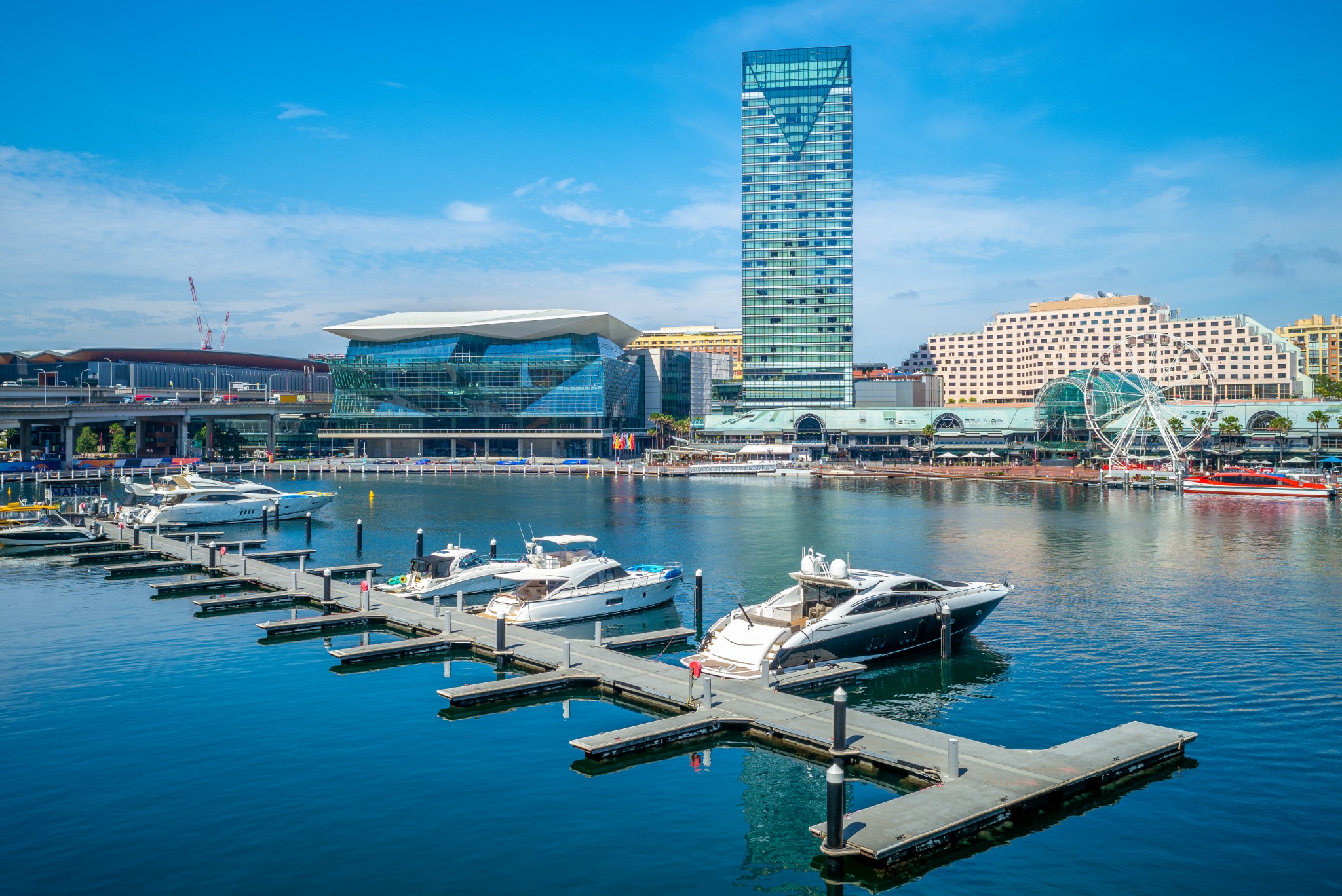
Frequently Asked Questions About the Top 25 Hotels in Sydney
What are the best hotels in Sydney?
Capella Sydney, Park Hyatt Sydney, Four Seasons Hotel Sydney, The Langham, Crown Towers Sydney, and InterContinental Sydney form the strongest luxury group for most travelers. Capella is the best overall for architecture, rooms, service, and wellness; Park Hyatt is the leader for an Opera House view; Four Seasons is the most versatile full-service option; and The Langham is best for quiet classic luxury.
What is the best area to stay in Sydney for first-time visitors?
Circular Quay and The Rocks are the easiest areas for a first visit because the Opera House, Harbour Bridge, ferries, Royal Botanic Garden, and historic streets are close. The area is expensive, but it saves time. Wynyard and Martin Place are good alternatives when Circular Quay rates are too high.
Which Sydney hotel has the best Opera House view?
Park Hyatt Sydney has the most immediate and intimate Opera House outlook from selected rooms and suites. Four Seasons, Shangri-La, InterContinental Sydney, and some other harbour hotels also provide impressive views, but the angle and distance differ. Always reserve an explicitly named Opera House-view category.
What are the best luxury hotels in Sydney?
The leading luxury hotels include Capella Sydney, Park Hyatt Sydney, Four Seasons Hotel Sydney, The Langham, Crown Towers Sydney, InterContinental Sydney, and Shangri-La Sydney. Travelers who prefer smaller properties should consider Spicers Potts Point, while beach-focused luxury is strongest at Manly Pacific and InterContinental Sydney Coogee Beach.
What are the best boutique hotels in Sydney?
Spicers Potts Point is the most intimate boutique option, with only 20 rooms and suites. QT Sydney is best for theatrical design, The Old Clare for industrial heritage, Ace Hotel for social energy, The EVE for a new rooftop-led neighborhood stay, and 25hours Hotel The Olympia for creative Paddington character.
Which Sydney hotels are best for families?
Wildlife Retreat at Taronga is the most distinctive family experience. Four Seasons Hotel Sydney works well for central sightseeing and broad room choice, while W Sydney and Sofitel Sydney Darling Harbour are close to family attractions. Manly Pacific and InterContinental Sydney Coogee Beach suit families who want the beach to define the trip.
Where should couples stay in Sydney?
Park Hyatt Sydney is ideal for a landmark romantic trip, Capella Sydney for refined contemporary luxury, and The Langham for spa time and quiet. Spicers Potts Point works for an intimate neighborhood weekend, while Pier One offers waterfront character. Beach-focused couples should compare Manly Pacific and InterContinental Sydney Coogee Beach.
Is Darling Harbour or Circular Quay better?
Circular Quay is better for the Opera House, Harbour Bridge, ferries, The Rocks, and a classic first-time itinerary. Darling Harbour is better for ICC Sydney, the aquarium, family attractions, playgrounds, and western-CBD access. Couples focused on iconic views usually prefer Circular Quay; families and convention visitors may find Darling Harbour easier.
Should I stay in Bondi, Manly, or Coogee?
Manly provides the strongest combination of beach, ferry experience, restaurants, and a full-service resort hotel. Coogee is quieter and more residential, with an excellent coastal walk and a new luxury InterContinental. Bondi has the most famous beach and the busiest social scene, but its hotel inventory is less dominant in a citywide luxury ranking. For a first two-night stay, remain central and visit the beaches; for a longer trip, consider splitting locations.
How far in advance should I book a Sydney hotel?
For ordinary dates, booking several weeks to a few months ahead usually provides a useful balance of choice and flexibility. Harbour-view rooms, boutique hotels with limited inventory, school-holiday weekends, major events, and New Year’s Eve require much earlier planning. Reserve a flexible option first, then monitor rates if your plans are not final.
Are hotels in Sydney expensive?
Sydney can be expensive, especially around Circular Quay, The Rocks, Barangaroo, and the beaches. Value improves when travelers accept a city-facing room, stay near Wynyard or Central, visit in winter, or choose a compact hotel. The most important comparison is not the nightly rate alone but the combination of location, view, breakfast, parking, transport, and cancellation terms.
What is the best Sydney hotel for business travelers?
The Fullerton Hotel Sydney is excellent for Martin Place and the financial district, while InterContinental Sydney and Four Seasons work well for Circular Quay meetings. Little National is highly efficient for solo travelers using Wynyard Station, and Sofitel Sydney Wentworth suits the eastern CBD. Convention visitors should prioritize W Sydney or Sofitel Sydney Darling Harbour beside ICC Sydney.
Final Thoughts on the Best Hotels in Sydney
Sydney’s hotel scene is strongest when it reflects the city outside. Capella Sydney turns sandstone history into quiet contemporary luxury. Park Hyatt makes the Opera House part of the room. Four Seasons and InterContinental simplify a first visit through scale, transport, and full-service facilities. The Langham creates a private retreat near the western harbour, while Crown Towers provides a modern resort in the center of Barangaroo.
The most interesting alternatives move away from the postcard. The EVE, Ace Hotel, The Old Clare, and 25hours Hotel The Olympia place restaurants, design, and neighborhood life ahead of harbour views. Spicers Potts Point proves that luxury can mean 20 rooms and a garden rather than a tower. Manly Pacific and InterContinental Sydney Coogee Beach make the ocean the organizing feature of the trip, while Wildlife Retreat at Taronga turns one night into a distinctive family experience.
Choose by priorities in this order: neighborhood, room category, outlook, transport, atmosphere, and then facilities. A well-matched four-star or compact boutique hotel can produce a better trip than an expensive room in the wrong district. Compare photographs of the exact category, read the latest cancellation and facility terms, and check the city calendar before paying a premium for a busy weekend.
Click here to compare hotels and current rates in Sydney
Affiliate disclosure: This article may contain affiliate links. We may earn a commission when you click through or make a booking, at no extra cost to you. Our recommendations are based on current research into location, guest sentiment, design, service, amenities, value, and the needs of different travelers.