Top 25 Hotels in Seoul: Palaces, Skyline Icons and Creative Stays for July 2026
Seoul does not reveal itself in a single skyline. It arrives in layers: palace roofs framed by forested mountains, mirrored office towers rising over centuries-old gates, market alleys perfumed with sesame oil and charcoal smoke, immaculate subway platforms, all-night barbecue rooms, quiet temple courtyards, K-pop billboards, riverside bicycle paths, and cafés designed with the seriousness other cities reserve for museums.
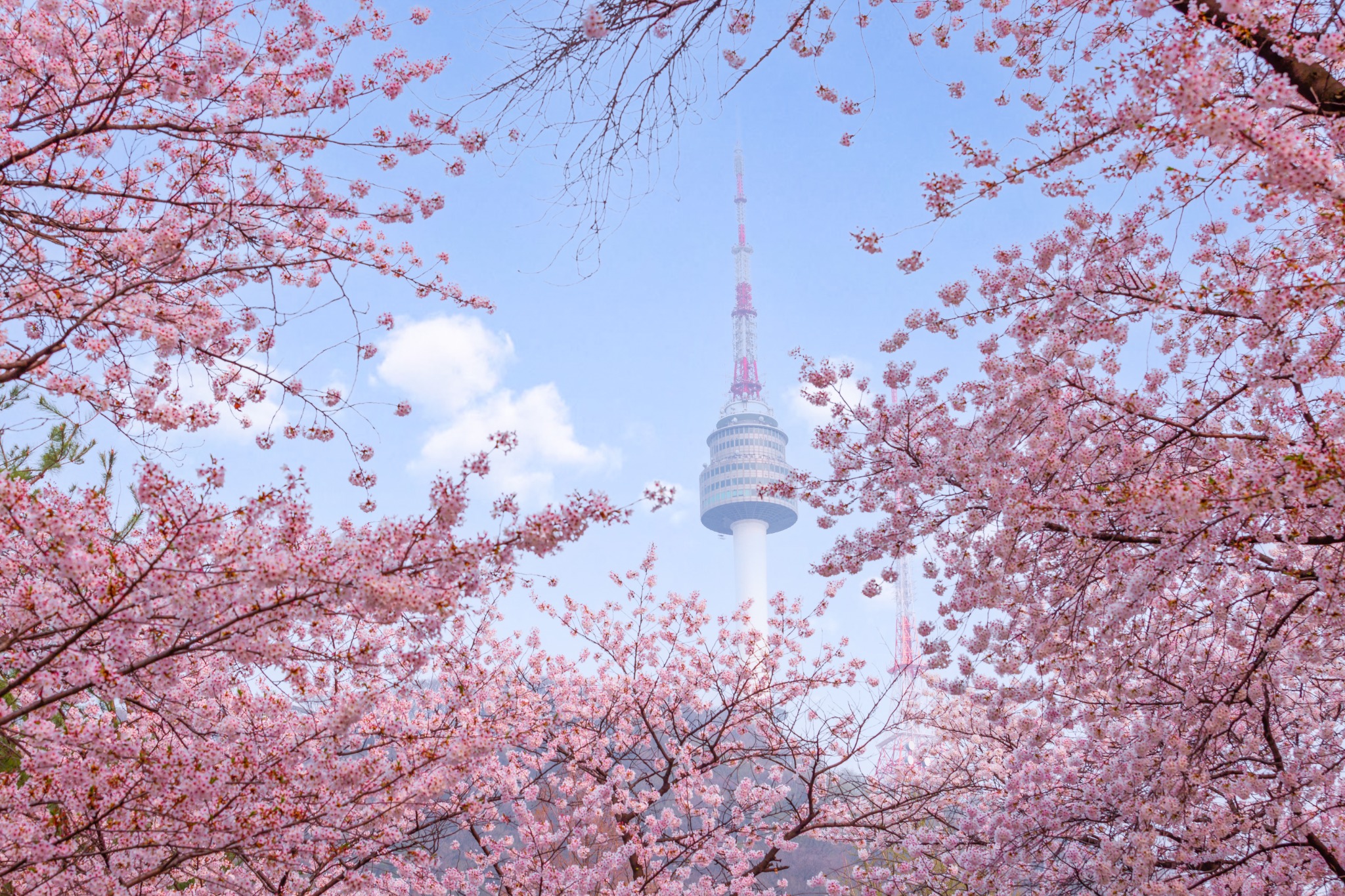
The South Korean capital moves at formidable speed, yet some of its most memorable moments are slow ones: watching rain ripple across the stone courtyard at Gyeongbokgung, following the Cheonggyecheon stream after dark, lingering over bingsu on a humid afternoon, or seeing the Han River turn silver from a high-floor hotel room.
That scale and variety make choosing a hotel unusually important. Seoul is connected by an excellent subway system, but the city is vast, and a stay in Jamsil feels entirely different from one in Gwanghwamun, Hongdae, Itaewon, Yeouido, or Gangnam. A palace-focused first trip is easier from Jongno or the City Hall–Myeongdong corridor. Fashion, beauty, galleries, and upscale dining pull visitors south of the river toward Apgujeong, Cheongdam, and Gangnam. Hongdae places live music, clubs, street fashion, and a direct airport-rail connection close at hand. Jamsil favors families, lake walks, major shopping, and Lotte World, while Yeouido gives business travelers and river lovers a polished high-rise base.
July adds another layer. Seoul is hot, humid, and often rainy at this point in summer, so a well-located hotel with reliable air-conditioning, easy subway access, strong indoor facilities, and places to eat without crossing half the city can materially improve the trip. Seasonal pools are in demand, river and skyline views become especially appealing after a storm clears the air, and the city’s malls, museums, spas, galleries, and food halls become valuable refuges during intense midday heat. Early mornings and evenings are often the best times for palace walks, neighborhood wandering, and riverside outings.
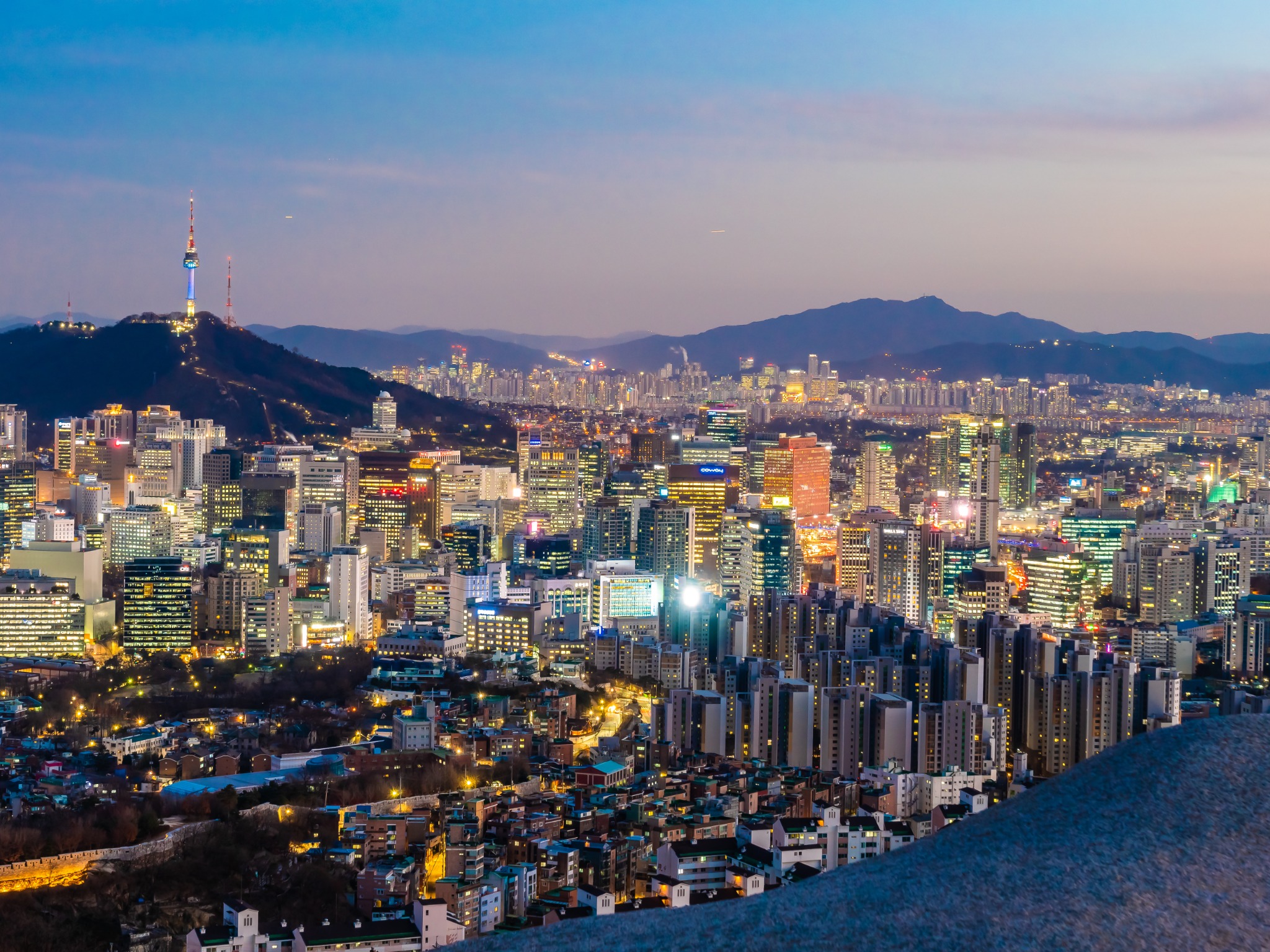
This ranking of the Top 25 hotels in Seoul, updated for July 2026, compares the properties that recur across current professional hotel guides, luxury-rating organizations, major booking platforms, traveler-review patterns, and official hotel information. We considered much more than star category. Location, room quality, atmosphere, service reputation, dining, wellness facilities, transport, neighborhood character, family practicality, and value within each hotel’s own market tier all influenced the final order.
The result is deliberately varied. Seoul’s grandest addresses are here, but so are a cinematic boutique hotel in Myeongdong, a culture-led high-rise in Hongdae, a bold Itaewon lifestyle property, a newly transformed wellness hotel beside COEX, and a riverside design stay whose infinity pool has become one of the city’s defining hotel images. The best choice depends less on chasing a universal number one than on understanding how you want Seoul to feel when you step outside each morning.
Quick Picks: Best Hotels in Seoul
- Best overall hotel: Four Seasons Hotel Seoul
- Best classic Korean luxury hotel: The Shilla Seoul
- Best hotel for skyline views: Signiel Seoul
- Best design-led luxury hotel: Josun Palace, a Luxury Collection Hotel, Seoul Gangnam
- Best Han River hotel: Hotel Naru Seoul – MGallery Collection
- Best hotel for first-time visitors: Four Seasons Hotel Seoul
- Best hotel for families: Sofitel Ambassador Seoul Hotel & Serviced Residences
- Best hotel for nightlife and creative culture: RYSE, Autograph Collection
- Best hotel for business near COEX: InterContinental Grand Seoul Parnas
- Best new or recently transformed hotel: The Westin Seoul Parnas
- Best boutique hotel for value and location: Hotel28 Myeongdong
- Best resort-style escape within Seoul: Banyan Tree Club & Spa Seoul
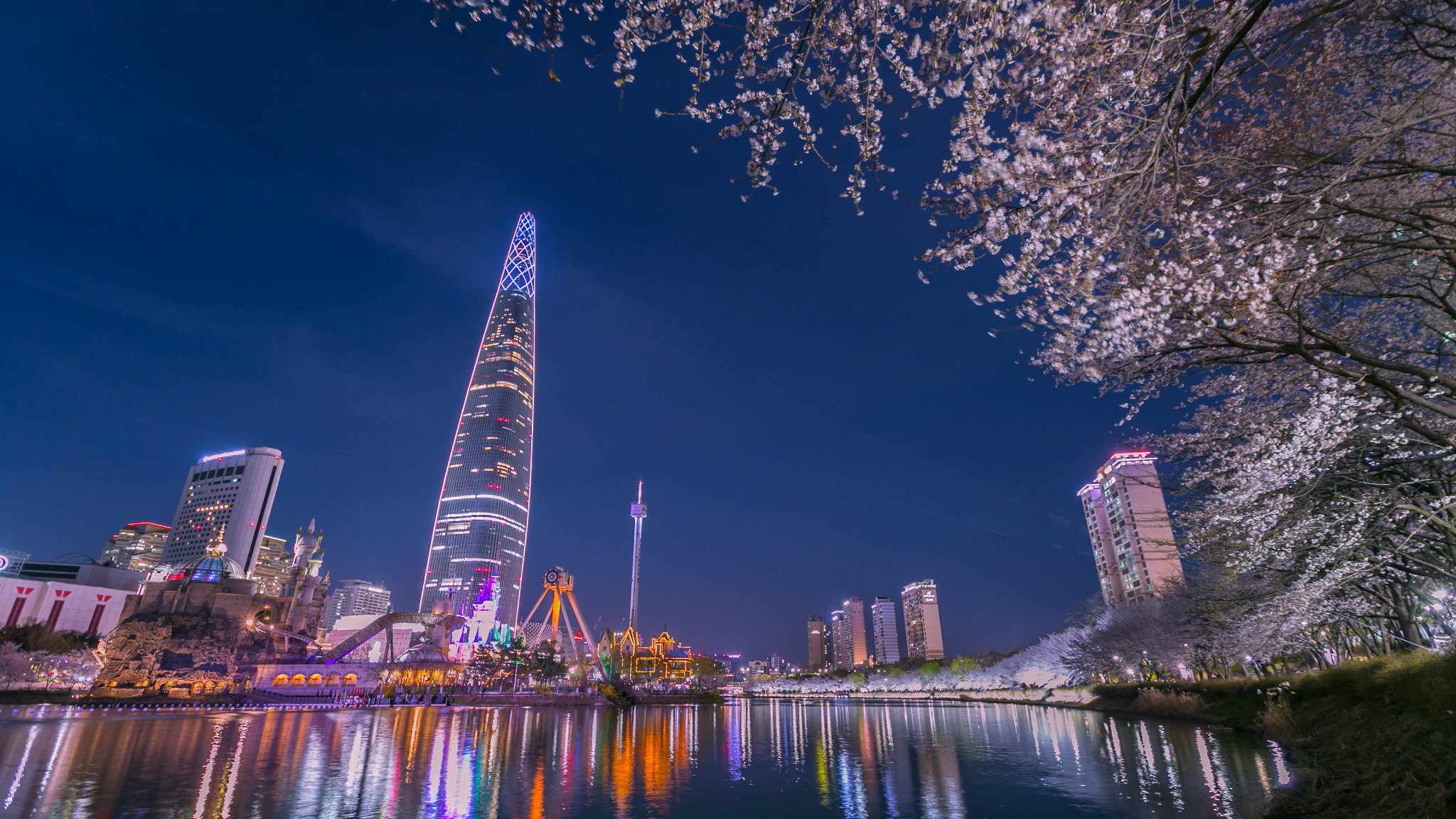
How We Chose the Top 25 Hotels in Seoul
Our ranking started with the hotels most consistently recognized by established travel editors, luxury-hotel evaluators, major booking platforms, and recent guest-review patterns. We compared 2025–2026 Seoul hotel selections from sources including Condé Nast Traveler, the Michelin Guide’s hotel coverage, Forbes Travel Guide, Tripadvisor, Booking.com, and other professional travel publications. We then checked each hotel’s current official website for branding, location, room categories, restaurants, pools, spas, fitness facilities, club lounges, and recent changes.
Consistency mattered. Hotels appearing across several respected sources received more weight than properties driven by a single viral feature. Location was judged in context: a Jamsil hotel was not penalized simply for being far from Gyeongbokgung if it offered exceptional access to Lotte World, Seokchon Lake, and family attractions. Likewise, a Gangnam business hotel had to be assessed against the needs of COEX visitors rather than palace-focused tourists.
We also looked for distinct reasons to book. Seoul has many polished five-star towers, so a strong ranking required more than marble and a buffet. The highest placements combine excellent service with a compelling sense of place, unusually good rooms, memorable design, superior wellness facilities, outstanding views, or a location that makes a particular kind of trip significantly easier. Balanced drawbacks are included because the best hotel on paper may still be wrong for a traveler who dislikes formal service, long subway rides, nightlife noise, compact rooms, or resort facilities with seasonal access rules.
Hotel operations change. Restaurants may close for renovation, pool access can be limited by season or package, and club-lounge rules vary by room type and loyalty status. Always verify the exact inclusions attached to your dates before paying, especially for breakfast, lounge access, outdoor pools, extra beds, and children’s facilities.
Top 25 Hotels in Seoul for July 2026
1. Four Seasons Hotel Seoul
Four Seasons Hotel Seoul earns the top position because it solves the city’s hardest luxury-hotel equation: it feels polished enough for a landmark stay while placing guests within walking distance of the history that makes Seoul unlike any other Asian capital. The hotel stands on Saemunan-ro in Gwanghwamun, close to Gyeongbokgung Palace, Gwanghwamun Square, the stone walls of Deoksugung, Cheonggyecheon Stream, and the galleries and restaurants of Jongno. From here, a first-time visitor can spend the morning among palace courtyards, stop for tea in Insadong, and return without surrendering half the day to cross-city travel.
The mood inside is cosmopolitan rather than overtly traditional. Rooms are generous by central-Seoul standards, with broad windows, substantial bathrooms, and a restrained palette that lets the skyline do much of the decorating. The hotel’s size brings a serious range of facilities: a year-round indoor pool, a full urban spa, fitness spaces, Korean-style sauna areas, and enough dining and drinking choices to support several evenings without repetition. Yu Yuan is the refined Cantonese address, while Charles H. gives the property a darker, more theatrical late-night personality. Market Kitchen and Maru cover the practical end of the day, from breakfast to casual meetings.
What separates the Four Seasons from hotels that are equally expensive is how well it accommodates different rhythms. Couples can build a palace-and-cocktails weekend around it; families benefit from larger rooms and an indoor pool; business travelers can reach the government and finance offices around Gwanghwamun quickly; and travelers with only two or three nights avoid spending their trip commuting. Service has the composed, anticipatory style expected from the brand, but the hotel rarely feels like a sealed international bubble because the neighborhood remains so present outside the doors.
Why stay here: It is the strongest all-round luxury choice for travelers who want major cultural sights, excellent dining, serious wellness facilities, and an address that works equally well for a first Seoul visit or a return trip.
Best for: First-time visitors, luxury travelers, couples, families, business guests, and travelers who prioritize walkability to palaces and central sights.
Location: Gwanghwamun in Jongno-gu, near Gyeongbokgung Palace, Gwanghwamun Square, Insadong, and several subway lines serving central Seoul.
What stands out: The combination of palace-district location, spacious rooms, an extensive urban spa, indoor pool, and one of Seoul’s most complete collections of hotel restaurants and bars.
Potential drawback: Rates can be among the highest in Seoul, and the large, impeccably managed atmosphere may feel more international and formal than intimate or locally idiosyncratic.
Click here to check Four Seasons Hotel Seoul availability and current rates
2. The Shilla Seoul
The Shilla Seoul represents a different idea of luxury: less about occupying the middle of the tourist map and more about creating a self-contained retreat on the wooded slope of Namsan. Long associated with state occasions, society weddings, and high-level business gatherings, it remains one of the city’s most recognizable grand hotels. Yet the appeal is not only ceremonial. The property feels distinctly Korean in its standards of hospitality, attention to food, and preference for quiet precision over theatrical excess.
Guest rooms lean classic and calm, with warm wood, measured lighting, and views that can take in Namsan greenery or the urban spread below. The hotel’s restaurants are a major part of its identity. La Yeon interprets Korean cuisine in an elegant setting high above the city; Palsun focuses on Chinese cooking; Ariake handles Japanese dining; Continental provides a formal European counterpoint; and The Parkview is one of Seoul’s best-known hotel buffets. That range matters because the Shilla is slightly removed from dense restaurant streets, making the property itself an important part of the stay.
Wellness is another reason to choose it. The indoor pool, gym, sauna, indoor golf facilities, spa, and children’s lounge make the hotel practical for longer stays and poor-weather days. In summer, Urban Island changes the energy completely: the seasonal outdoor pool area, framed by cabanas and city views, is a coveted Seoul “hocance” destination in its own right. Access conditions and supplemental charges can vary by package and season, so guests should read the room inclusions carefully rather than assuming outdoor-pool entry is automatic.
The Shilla is especially rewarding for travelers who enjoy hotels as destinations. Returning after a hot July afternoon to the quieter Namsan setting can feel restorative, and the service culture is typically discreet rather than chatty. It also works well for travelers planning meals, spa time, and unhurried mornings rather than trying to check off every attraction before dinner.
Why stay here: Few properties express Seoul’s classic, high-formality hospitality as convincingly, and the combination of destination dining, extensive wellness facilities, and a green hillside setting is difficult to match.
Best for: Classic-luxury devotees, food-focused travelers, couples, spa weekends, special occasions, and guests who value privacy and polished service.
Location: Jangchung-dong on the eastern side of Namsan, within reach of Dongdaemun, Myeongdong, and the central districts but not directly embedded in a major tourist street.
What stands out: Its deeply established Korean identity, acclaimed restaurant collection, and resort-like summer atmosphere around Urban Island.
Potential drawback: The hillside setting is less convenient for spontaneous subway use and street-level exploring; taxis or hotel transport often become part of the routine. Some leisure facilities may require advance reservations or additional fees.
Click here to view rooms, seasonal packages, and updated rates at The Shilla Seoul
3. Signiel Seoul
Signiel Seoul turns the hotel room itself into a major attraction. Occupying floors 76 through 101 of Lotte World Tower, the property looks across a metropolitan landscape that seems almost abstract from this height: ribbons of Han River traffic, dense neighborhoods, mountain ridges, and the vast southern and eastern reaches of Seoul. On a clear morning, opening the curtains can be more dramatic than visiting a conventional observation deck.
The hotel’s interiors are suitably controlled. Rather than compete with the view, rooms use pale textiles, polished surfaces, and subtle Korean details. Floor-to-ceiling windows dominate, and higher-category rooms increase the sense of altitude and space. The indoor pool also benefits from the tower setting, while the Evian Spa, fitness facilities, and calm public areas create a cocoon above one of the city’s busiest leisure districts. Dining includes refined French and Korean options, as well as a lounge and bar designed to make the most of the skyline after dark.
Location is both Signiel’s strength and its defining compromise. The hotel is integrated with the Lotte World Tower and Mall complex in Jamsil, placing guests close to designer shopping, restaurants, an aquarium, cinema, concert facilities, Lotte World Adventure, Seokchon Lake, and family entertainment. For a multigenerational trip, a celebration weekend, or a stay built around Jamsil, this is extraordinarily convenient. It is also a smart choice for travelers who have already seen the palace district and want to experience modern Seoul at full scale.
Those planning daily visits to Bukchon, Gwanghwamun, Hongdae, or western Seoul should study journey times. Seoul’s subway is efficient, but the city is enormous, and repeated cross-city rides can become tiring. Signiel works best when guests embrace Jamsil rather than treat it as a distant bedroom for a Jongno itinerary.
Why stay here: No other Seoul hotel delivers such a sustained sense of height, spectacle, and connection to the city’s futuristic side.
Best for: Skyline enthusiasts, romantic celebrations, luxury travelers, families visiting Lotte World, and repeat visitors interested in Jamsil and eastern Seoul.
Location: Inside Lotte World Tower in Jamsil, next to Lotte World Mall and Seokchon Lake, with subway access at Jamsil Station.
What stands out: Panoramic views from the guest floors, elegant high-rise wellness facilities, and immediate access to one of Seoul’s largest entertainment and shopping complexes.
Potential drawback: The premium for the tower experience is substantial, and the hotel is far from many northern historic attractions. Cloud, haze, or heavy summer rain can also soften the views that justify the splurge.
Click here to compare Signiel Seoul room categories and availability for your dates
4. Josun Palace, a Luxury Collection Hotel, Seoul Gangnam
Josun Palace approaches Seoul luxury with deliberate glamour. Set high in a tower on Teheran-ro, the hotel draws from the history of the original Chosun Hotel while presenting it through a contemporary lens: sculptural lighting, patterned carpets, metallic details, marble, rich color, and carefully framed city views. French design studio Humbert & Poyet shaped the interiors, and the result is more expressive than the neutral minimalism common in business hotels.
The arrival sequence reinforces the sense of occasion. Public spaces sit above the city, so guests move quickly from Gangnam traffic to a hushed, elevated world of lounges, dining rooms, and panoramic windows. Guest rooms continue the decorative language but remain functional, with quality bedding, substantial bathrooms, and technology suited to a modern luxury stay. The indoor pool and fitness facilities are positioned to make the skyline part of the workout or swim, while the lounge and dining venues support everything from a polished afternoon meeting to a celebratory dinner.
For visitors whose Seoul revolves around Gangnam, the location is excellent. Teheran-ro is one of the city’s principal business corridors, and the hotel is convenient for offices, upscale shopping, beauty clinics, restaurants, and appointments south of the river. It is also well placed for those who prefer spending evenings in Gangnam rather than commuting back to Myeongdong after dinner. The atmosphere suits fashion-conscious couples, executives, and travelers who want their hotel to feel contemporary, photogenic, and unmistakably special.
It is less compelling for an itinerary dominated by palaces, traditional neighborhoods, and museums north of the river. Gangnam’s scale can also surprise visitors: a destination that looks close on a map may still require a taxi or subway transfer. In July, however, the ability to return to a high-floor pool and controlled indoor environment after a humid afternoon is a genuine advantage.
Why stay here: It is one of Seoul’s most visually distinctive modern luxury hotels and a persuasive alternative to more restrained international-brand properties.
Best for: Design lovers, couples, luxury business travelers, special occasions, and guests with appointments or nightlife plans in Gangnam.
Location: On Teheran-ro in Gangnam, between major commercial districts and within practical reach of COEX, Seonjeongneung, and Gangnam’s shopping and dining areas.
What stands out: High-rise Art Deco-influenced interiors, dramatic public rooms, city views, and a strong sense of ceremony from arrival onward.
Potential drawback: The decorative style is intentionally bold and may overwhelm travelers who prefer quiet minimalism. Reaching Jongno and the palace district takes more time than it does from a central-north hotel.
Click here to explore Josun Palace rooms, photos, and current booking options
5. Hotel Naru Seoul – MGallery Collection
Hotel Naru has given Seoul a compelling new riverside stay without copying the monumental scale of Jamsil or Yeouido. Rising above Mapo beside the Han River, the hotel begins with a lobby on the 20th floor, where broad windows immediately establish the central theme: water, sky, bridges, and the changing light over western Seoul. The design is contemporary but not cold, using natural textures, curved forms, and art to soften the tower setting.
The infinity pool is the signature image, appearing to merge with the river beyond. It is not the only reason to book—there is also an indoor pool, fitness space, and polished food-and-beverage program—but it gives the hotel a genuine identity in a city filled with accomplished luxury properties. Restaurant Voisin serves as the principal dining venue, while Bar Voisin makes sunset an event. The elevated lobby and lounge spaces are particularly attractive on humid or rainy days, when the river can look moody rather than merely scenic.
Rooms emphasize the same outlook. River-facing categories are the obvious prize, especially for couples and photographers, but even city-facing rooms benefit from a cleaner, more residential atmosphere than the busiest parts of Myeongdong or Gangnam. Mapo also offers useful transport links and a less tourist-saturated neighborhood experience. Guests can reach Hongdae, Yeouido, Seoul Station, and central sights without being surrounded by tour groups every time they leave the building.
The trade-off is that the immediate area is not packed with headline attractions. This is a hotel for travelers who appreciate returning to a beautiful base and are comfortable using the subway or taxis for sightseeing. Pool rules, operating dates, and access arrangements should also be checked carefully, particularly in summer when popular time slots can be tightly managed.
Why stay here: It combines a strong design identity with one of Seoul’s most satisfying Han River perspectives, making the property feel like a destination rather than simply a place to sleep.
Best for: Couples, design-minded travelers, river-view seekers, repeat visitors, photographers, and guests who prefer a calmer neighborhood over a tourist core.
Location: Mapo, on the northern bank of the Han River, with access toward Hongdae, Yeouido, Seoul Station, and central Seoul.
What stands out: The 20th-floor arrival, cinematic sunsets, river-facing infinity pool, and a design that consistently draws the Han River into the experience.
Potential drawback: The neighborhood lacks the immediate sightseeing density of Jongno or Myeongdong, and the most memorable river views usually require selecting the right room category.
Click here to see Hotel Naru Seoul river-view rooms and latest availability
6. Park Hyatt Seoul
Park Hyatt Seoul is a study in controlled minimalism at one of Gangnam’s busiest intersections. Directly opposite COEX and close to Samseong Station, it rises above a district of conventions, department stores, offices, restaurants, and entertainment venues. The contrast is immediate: street level is energetic and commercial, while the high-rise lobby, guest rooms, and wellness areas feel hushed, tactile, and almost residential.
The rooms are among the hotel’s strongest assets. Generous windows frame southern Seoul, while pale wood, stone, low furniture, and large bathrooms create the serene atmosphere for which the brand is known. Deep soaking tubs and carefully composed sightlines make even a short stay feel restorative. The pool and fitness facilities occupy elevated floors, turning ordinary routines into opportunities to look across the city. Dining and lounge spaces are relatively intimate compared with those in Seoul’s giant convention hotels, which helps the Park Hyatt retain a boutique-like sensibility despite its international luxury credentials.
For COEX events, Starfield Library, Bongeunsa Temple, and Samseong-area meetings, the address is difficult to improve upon. It also suits travelers who want Gangnam’s restaurants and shopping without the exuberant decorative style of some newer hotels. The property feels adult, composed, and discreet rather than family-resort oriented.
Why stay here: The hotel delivers large, beautifully detailed rooms and calm high-rise interiors within steps of COEX, making it one of Gangnam’s most refined choices.
Best for: Design minimalists, couples, executives, convention visitors, and travelers prioritizing Gangnam over historic northern Seoul.
Location: Samseong-dong, opposite COEX and close to Samseong Station, Starfield Library, Parnas Mall, and Bongeunsa Temple.
What stands out: Spacious rooms, stone-and-wood bathrooms, elevated city views, and an intimate atmosphere rare among hotels in this commercial district.
Potential drawback: The location is excellent for COEX but inconvenient for repeated trips to Gyeongbokgung, Bukchon, or Hongdae. Public areas are deliberately restrained and may feel too quiet for guests seeking a lively resort scene.
Click here to view current offers and room options at Park Hyatt Seoul
7. LOTTE HOTEL SEOUL Executive Tower
The Executive Tower is the more private, elevated half of the sprawling LOTTE HOTEL SEOUL complex. Its appeal lies in combining the convenience of Myeongdong and City Hall with a quieter hotel-within-a-hotel experience. Guests are close to department-store shopping, Euljiro restaurants, Namdaemun Market, Deoksugung Palace, and subway connections, yet the Executive Tower’s arrival, rooms, and lounges feel insulated from the busiest currents below.
The tower was substantially renewed before reopening in its current form, and its rooms favor understated luxury: muted colors, quality materials, strong beds, and layouts intended for travelers who want space to work as well as unwind. Upper-floor views can take in Namsan, the central skyline, or the palace district. The wider hotel complex supplies a large fitness and wellness offering and an unusually broad restaurant portfolio. Pierre Gagnaire à Séoul, on an upper floor, is the headline address for a formal meal, while other venues cover Korean, Chinese, Japanese, buffet, bakery, lounge, and bar settings.
This is a particularly good choice for travelers who want a central base but dislike the youthful buzz of Hongdae or the maximalism of a design hotel. Business guests benefit from the service infrastructure and meeting facilities; couples can walk to evening dining in Euljiro; and shoppers have immediate access to Lotte’s retail complex. Travelers should confirm they are booking the Executive Tower rather than the Main Tower, since room style, access, and inclusions differ.
Why stay here: It offers a more exclusive and spacious version of one of Seoul’s most convenient central hotels, backed by the facilities of a much larger property.
Best for: Luxury shoppers, business travelers, repeat visitors, food-focused stays, and guests who want Myeongdong access without sleeping in its busiest pedestrian lanes.
Location: Euljiro and Sogong-dong, next to Lotte Department Store and within walking distance of Myeongdong, City Hall, Deoksugung, and Namdaemun.
What stands out: The private Executive Tower atmosphere, central location, expansive dining selection, and easy access to shopping and cultural sights.
Potential drawback: The overall complex is large and can be confusing on a first arrival. Rates and lounge privileges vary sharply by room type, and the mood is more polished and corporate than boutique.
Click here to compare Executive Tower rooms and booking packages
8. The Westin Josun Seoul
The Westin Josun Seoul is one of the capital’s enduring grand hotels, and its continued relevance comes from an unusually useful address. Tucked between City Hall and Myeongdong, it places guests near Deoksugung Palace, Seoul Plaza, Euljiro, Namdaemun Market, department stores, and several subway stations. The immediate grounds preserve a small sense of history amid the towers, while the hotel itself combines traditional formality with the practical comforts expected by repeat business and leisure guests.
Rooms are classic rather than experimental, emphasizing comfortable beds, work surfaces, and solid soundproofing over dramatic design gestures. The indoor pool, fitness facilities, and spa make the property dependable during Seoul’s wet summer weather. Dining is a major strength: Aria is a popular buffet, while the wider collection includes Korean, Chinese, Japanese, bakery, lounge, and bar options. The hotel’s longevity also shows in operational fluency; it is accustomed to conferences, families, dignitaries, weddings, and international travelers arriving with very different needs.
For sightseeing, the location can save meaningful time. Guests can walk into Myeongdong, reach Gwanghwamun quickly, explore the alleys of Euljiro after dark, or take an easy taxi to Seoul Station. It is an especially sensible choice for a short trip when predictability matters more than novelty.
Why stay here: Few hotels combine central-Seoul walkability, a full indoor leisure setup, and decades of hospitality experience so reliably.
Best for: First-time visitors, business travelers, families, loyal Westin guests, and travelers who want a traditional full-service hotel near Myeongdong.
Location: Sogong-dong, between City Hall and Myeongdong, close to Deoksugung Palace, Namdaemun Market, and central subway connections.
What stands out: An exceptionally practical central location, established service culture, indoor pool, and a deep roster of restaurants.
Potential drawback: Some travelers may find the visual style more conventional than newer Seoul hotels. The surrounding business and shopping district is busy, particularly at commute times and on weekends.
Click here to check The Westin Josun Seoul’s latest rooms and rates
9. Sofitel Ambassador Seoul Hotel & Serviced Residences
Sofitel Ambassador Seoul brings French-inflected luxury to Jamsil with a lakeside setting that works particularly well for families and longer stays. The hotel overlooks Seokchon Lake and sits close to Lotte World Tower, Lotte World Mall, the aquarium, and the indoor and outdoor rides of Lotte World Adventure. In a city where family itineraries can involve long transfers, that proximity is a practical luxury.
The property combines conventional hotel rooms with serviced residences, giving guests more flexibility when staying for a week, traveling with children, or needing extra living space. Interiors are polished and contemporary, with lake-facing rooms supplying a calmer view than the dense cityscape typical of Seoul towers. The 25-meter indoor pool is one of the strongest in the district, supplemented by a children’s pool, outdoor whirlpool, fitness facilities, and spa services. Dining carries the brand’s French identity while also responding to local tastes and the needs of an international clientele.
Jamsil is not only for theme-park visits. Seokchon Lake provides a pleasant circuit for morning walks, baseball games at Jamsil Stadium are within the wider district, and Songridan-gil’s cafés and restaurants add neighborhood texture beyond the mall. The hotel is therefore more versatile than its family-friendly reputation suggests, particularly for couples who enjoy modern eastern Seoul.
Why stay here: It offers one of Seoul’s best combinations of family facilities, residence-style accommodation, indoor swimming, and access to Jamsil’s major attractions.
Best for: Families, extended stays, multigenerational groups, Lotte World visitors, and travelers who prefer modern Jamsil to the historic center.
Location: Beside Seokchon Lake in Jamsil, near Lotte World Tower, Lotte World Mall, Songridan-gil, and Jamsil Station.
What stands out: Lake views, a substantial indoor pool complex, serviced residences, and effortless access to Seoul’s largest concentration of family entertainment.
Potential drawback: Reaching palaces, Bukchon, and western neighborhoods takes time. On weekends and school holidays, the surrounding malls and attractions can be intensely crowded.
Click here to see Sofitel Seoul hotel rooms, residences, and availability
10. JW Marriott Hotel Seoul
JW Marriott Hotel Seoul is built around convenience at scale. It anchors the Central City complex in Banpo, directly connected to Shinsegae Department Store and the Express Bus Terminal transport hub, where subway lines 3, 7, and 9 intersect. This is not a quaint sightseeing neighborhood, but for shopping, domestic travel, airport connections, medical visits, or meetings south of the river, the logistical advantage is considerable.
The hotel’s rooms are spacious and composed, with a residential luxury style and broad city views. Its most distinctive asset is the extensive fitness and wellness operation, spread across multiple levels and supported by an indoor pool, spa, sauna facilities, exercise studios, and serious training equipment. Travelers who regard a hotel gym as more than an afterthought will find the JW Marriott unusually persuasive. Dining includes steak, Japanese cuisine, buffet service, lounge settings, and casual options integrated with the rhythm of the larger complex.
Banpo also has underappreciated leisure advantages. The Han River parks are nearby, the Banpo Bridge fountain area is a popular evening outing when operating, and the restaurants of Seocho and Gangnam are accessible without crossing the river. Guests can move from breakfast to department-store shopping and the subway without going outside—valuable during July downpours or winter cold.
Why stay here: The property combines large rooms, one of Seoul’s most substantial hotel fitness clubs, and direct access to a major shopping and transport complex.
Best for: Fitness-focused guests, luxury shoppers, business travelers, longer stays, and visitors using intercity buses or southern Seoul transport links.
Location: Banpo in Seocho-gu, connected to Shinsegae Department Store and Express Bus Terminal Station.
What stands out: The multi-level wellness facilities, indoor connectivity, and unusually strong access to three subway lines and regional transport.
Potential drawback: The complex can feel overwhelming and mall-oriented, and few major tourist attractions are immediately walkable. Travelers focused on Jongno may spend more time in transit than expected.
Click here to compare JW Marriott Hotel Seoul rates for your travel dates
11. Grand Hyatt Seoul
Grand Hyatt Seoul occupies one of the city’s most commanding sites, spread across a slope of Namsan with views toward the Han River, Itaewon, and the southern skyline. The setting gives the hotel breathing room rarely found in central Seoul. Lawns, terraces, seasonal leisure facilities, and broad windows create a resort atmosphere even though the restaurants and nightlife of Itaewon are only a short drive downhill.
The hotel is large and energetic, with a mix of international guests, local celebrations, families, and weekend “hocance” visitors. Rooms are comfortable and view-oriented, though the finest panoramas depend on category and direction. The indoor pool supports year-round stays, while the outdoor pool becomes a summer focal point. In colder months, the seasonal ice rink transforms the grounds and reinforces the property’s reputation as a leisure destination. Multiple restaurants, bars, lounges, fitness facilities, and spa services make it possible to spend a full day on site without feeling confined.
Families appreciate the recreation and space; couples can build a weekend around Namsan walks, sunset drinks, and dinner in Itaewon; and business travelers attending events at the hotel benefit from staying within the complex. The atmosphere is less formal than The Shilla and more sociable than many Gangnam luxury towers.
Why stay here: It offers rare resort-style space, strong views, and seasonal recreation within central Seoul.
Best for: Families, active travelers, weekend escapes, couples, and guests who want easy access to Itaewon without sleeping amid its nightlife.
Location: On Namsan above Itaewon, with road access toward Myeongdong, Hannam-dong, central Seoul, and the Han River.
What stands out: The hillside panorama, summer outdoor pool, winter ice rink, and unusually broad selection of on-site leisure and dining facilities.
Potential drawback: The elevated position makes taxis or hotel transportation more convenient than walking to the subway. Seasonal facilities may have separate fees, reservation requirements, or weather-related operating changes.
Click here to view Grand Hyatt Seoul rooms, views, and current offers
12. InterContinental Grand Seoul Parnas
InterContinental Grand Seoul Parnas is the dependable heavyweight of the COEX district. Directly connected to Parnas Mall and close to COEX, Starfield Library, department stores, cinemas, restaurants, and Samseong Station, it allows convention guests and business travelers to move through much of their day indoors. That convenience is especially valuable during July’s heat and sudden rain.
The hotel’s rooms are notably generous for Seoul, combining contemporary finishes with subtle Korean references. Large desks, strong soundproofing, and practical storage suit working trips, while the indoor pool and fitness center offer a genuine pause after meetings. Five principal restaurant and bar concepts provide enough variety for hosted dinners, solo meals, and cocktails without leaving the building. Club-level bookings can further simplify a compressed business schedule, though exact lounge benefits should be checked against the chosen rate.
Leisure travelers should not dismiss the location. Bongeunsa Temple sits across the major roads from the COEX complex, and Gangnam’s dining, beauty, and shopping districts are within reach. Still, the property makes the most sense when at least part of the itinerary is south of the river.
Why stay here: It is one of the most complete and convenient full-service hotels for COEX, with large rooms, polished business infrastructure, and direct mall access.
Best for: Convention attendees, executives, luxury shoppers, loyalty-program members, and travelers with a Gangnam-centered schedule.
Location: Samseong-dong in Gangnam, connected to Parnas Mall and beside COEX, Starfield Library, and Samseong Station.
What stands out: Spacious rooms, seamless indoor connections, established service, and a deep dining program tailored to international and Korean guests.
Potential drawback: The atmosphere can feel formal and business-led, particularly on weekdays. Palace districts and Hongdae require substantial cross-city journeys.
Click here to check InterContinental Grand Seoul Parnas availability
13. Banyan Tree Club & Spa Seoul
Banyan Tree Club & Spa Seoul is the capital’s most convincing urban-resort proposition. Set within the green Namsan area, the property feels secluded from traffic and commercial streets, with low-key arrival spaces, extensive recreation, and only a small number of suites compared with Seoul’s giant towers. Many rooms include private relaxation pools—large soaking pools rather than conventional lap pools—which reinforce the retreat-like mood.
Wellness drives the experience. The spa follows Banyan Tree’s Asian treatment traditions, while indoor and seasonal outdoor swimming, fitness facilities, tennis, golf practice, and children’s spaces support stays built around leisure rather than sightseeing efficiency. Suites are spacious, textured, and designed for lingering. Couples can spend much of a weekend between the room, spa, and dinner; families gain room to decompress; and local residents often use the property for celebratory staycations.
Despite the Namsan location, the hotel is not designed for guests who want to step directly into a market or subway station. Its appeal is precisely the sense of removal. Taxis are the natural way to reach Myeongdong, Dongdaemun, Itaewon, and the palace district, and travelers should budget accordingly.
Why stay here: It creates a genuine resort rhythm inside Seoul, with unusually spacious suites, private relaxation pools in many categories, and broad wellness facilities.
Best for: Romantic escapes, spa-focused travel, families seeking space, special occasions, and visitors who want the hotel itself to be a major part of the trip.
Location: In the Namsan area, within driving distance of Myeongdong, Dongdaemun, Itaewon, and central Seoul.
What stands out: The intimate suite inventory, in-room relaxation pools in selected categories, and extensive resort-style recreation.
Potential drawback: The secluded setting reduces walkability and makes taxis almost essential. Rates are high, and guests should understand that an in-room relaxation pool is not a full swimming pool.
Click here to explore Banyan Tree Seoul suites and spa packages
14. Andaz Seoul Gangnam
Andaz Seoul Gangnam brings a sociable, fashion-aware energy to Apgujeong. The hotel sits directly above Apgujeong Station, giving guests unusually easy subway access for this upscale part of southern Seoul. Outside are cosmetic clinics, designer stores, cafés, galleries, and the restaurant scenes of Apgujeong Rodeo and Cheongdam; inside, the design draws on the wrapping and geometry of Korean bojagi textiles without becoming a literal heritage theme.
Rooms are colorful but controlled, combining contemporary furniture, graphic details, and practical layouts. The hotel’s food-and-beverage program is arranged as a collection of interactive dining spaces rather than a single grand restaurant, giving the lower levels a lively neighborhood feel. The indoor pool, spa, sauna, and fitness facilities add substance, particularly for guests staying several nights. This is a luxury hotel that encourages movement and socializing rather than hushed retreat.
Andaz suits travelers who come to Seoul for style, dining, beauty, and modern culture. It is also a useful base for exploring Garosu-gil, Dosan Park, Cheongdam, and the galleries and shops south of the river. Direct station access makes northern sightseeing possible, but journeys to Bukchon and Gwanghwamun still take time.
Why stay here: It combines immediate subway access with a lively design, strong wellness facilities, and one of Gangnam’s most desirable fashion-and-dining locations.
Best for: Fashion-conscious travelers, couples, food lovers, beauty and shopping trips, and guests who prefer an energetic luxury hotel.
Location: Apgujeong in Gangnam, directly connected to Apgujeong Station and close to Apgujeong Rodeo, Cheongdam, and Dosan Park.
What stands out: The location above the subway, Korean textile-inspired design, sociable dining spaces, and indoor pool and spa.
Potential drawback: The bright, busy atmosphere will not suit travelers seeking old-school formality or deep quiet. Historic northern Seoul is not nearby despite the convenient station connection.
Click here to see Andaz Seoul Gangnam rooms and current availability
15. Conrad Seoul
Conrad Seoul is a polished base for Yeouido, Seoul’s island-like financial district on the Han River. The hotel connects directly with IFC Mall and the underground network leading toward The Hyundai Seoul and Yeouido Station, allowing guests to reach shopping, dining, offices, and transport without confronting summer rain or winter wind. High floors and wide windows produce expansive river or city views, while the interiors favor modern international luxury over local theatricality.
The property’s skylit indoor pool is a highlight, complemented by a spa, fitness facilities, and several restaurants and bars. Rooms are spacious enough for longer business stays and generally offer substantial bathrooms and work areas. For conferences, financial-sector meetings, and events at nearby venues, the hotel is exceptionally practical. On weekends, Yeouido shifts character: office traffic recedes, families head to the parks and malls, and the river becomes the neighborhood’s main draw.
Leisure guests can walk or ride toward Yeouido Hangang Park, explore the enormous food and retail floors of The Hyundai Seoul, and reach western neighborhoods efficiently. The district is less atmospheric after business hours than Hongdae, Jongno, or Itaewon, but travelers who enjoy orderly surroundings and river walks may consider that an advantage.
Why stay here: It is the most seamless luxury choice for Yeouido, pairing direct indoor connections with large rooms, a strong pool, and Han River views.
Best for: Business travelers, luxury shoppers, longer stays, families who value indoor convenience, and visitors attending events in Yeouido.
Location: IFC Seoul in Yeouido, connected to IFC Mall and close to The Hyundai Seoul, Yeouido Station, and Han River parks.
What stands out: Underground connectivity, spacious rooms, a skylit indoor pool, and broad river or skyline outlooks.
Potential drawback: Yeouido can feel quiet and corporate at night, and the hotel is not within walking distance of Seoul’s main palace, nightlife, or traditional-market districts.
Click here to compare Conrad Seoul views, rooms, and latest rates
16. Fairmont Ambassador Seoul
Fairmont Ambassador Seoul occupies one of the sculptural towers of Parc.1, sharing Yeouido’s most ambitious modern complex with The Hyundai Seoul. The architecture and interiors are large-scale, glossy, and designed to impress: soaring public spaces, contemporary art, warm metallic finishes, and windows that draw the river and financial district into the building. It is a natural fit for travelers who like their hotels modern, spacious, and integrated with high-end shopping.
Rooms are calm and generously proportioned, while the indoor heated pool, fitness center, sauna facilities, and spa strengthen the hotel’s appeal beyond business travel. Spectrum provides a broad all-day dining experience; Mariposa adds a more elevated restaurant setting; The Atrium functions as a dramatic lounge; and M29 turns the upper floors into a destination for drinks with views. The combination makes it easy to entertain clients, celebrate an occasion, or spend a rainy afternoon without leaving Parc.1.
The location is particularly useful for The Hyundai Seoul, riverside parks, financial offices, and western Seoul. Subway access allows broader exploration, but the hotel is best chosen by travelers who actively want Yeouido rather than those merely searching for a generic central address.
Why stay here: It offers contemporary large-scale luxury, impressive public spaces, a strong wellness setup, and direct proximity to Seoul’s most talked-about department store complex.
Best for: Modern-luxury fans, business travelers, shoppers, couples, and weekend stays centered on dining and wellness.
Location: Parc.1 in Yeouido, beside The Hyundai Seoul and near IFC, Yeouido Station, and the Han River.
What stands out: Monumental design, M29 rooftop views, a heated indoor pool, and immediate access to high-end retail and dining.
Potential drawback: The neighborhood lacks the intimate street life of Jongno or Hongdae, and the hotel’s scale can feel impersonal when conferences or major events are underway.
Click here to view Fairmont Ambassador Seoul offers and guest room options
17. Grand Walkerhill Seoul
Grand Walkerhill Seoul sits at the eastern edge of the city where Achasan’s wooded slopes meet the Han River. The setting is far removed from the dense streets most visitors associate with Seoul, and that is the point. The large resort complex draws families, casino guests, conference groups, and couples looking for river scenery, outdoor space, and a break from the central districts.
Rooms vary by wing and outlook, so choosing carefully matters; river-facing categories provide the most compelling sense of place. The wider complex includes multiple restaurants, an indoor pool, fitness facilities, seasonal outdoor swimming at Riverpark, event spaces, and a casino. Summer evenings can be particularly attractive when outdoor-pool sessions and river sunsets align, while the surrounding walking routes offer a greener version of Seoul than the usual shopping-and-palace itinerary.
The Walkerhill experience is most successful when the property is treated as a resort rather than a base for daily sightseeing. Guests planning repeated visits to Gwanghwamun, Hongdae, or Myeongdong will spend substantial time in traffic or on transport. Those attending an event on site, traveling with children, or combining Seoul with a restful final night may find the distance worthwhile.
Why stay here: It provides river-and-mountain scenery, seasonal recreation, and a genuine resort scale that central city hotels cannot reproduce.
Best for: Families, resort weekends, casino visitors, conferences, road trips, and repeat guests who have already explored central Seoul.
Location: Gwangjin-gu in eastern Seoul, beside the Han River and Achasan, away from the principal central tourist districts.
What stands out: Riverpark’s seasonal swimming, Han River sunsets, green surroundings, and the breadth of facilities across the Walkerhill complex.
Potential drawback: The remote location makes spontaneous sightseeing inconvenient, and room quality and views can differ by category. Seasonal outdoor facilities require advance checking.
Click here to check Grand Walkerhill Seoul river rooms and seasonal packages
18. The Westin Seoul Parnas
The Westin Seoul Parnas is the most important recent arrival in the COEX hotel landscape. Opened in September 2025 after the transformation of the former InterContinental Seoul COEX, it introduces a wellness-led Westin identity to a building with one of Gangnam’s most valuable advantages: direct connection to the vast COEX complex. For July 2026 travelers, it feels new enough to be fresh but established enough to have moved beyond opening-week experimentation.
Guest rooms adopt a lighter, more restorative palette than many business hotels, while upper floors overlook the Han River, Bongeunsa Temple, Seonjeongneung, or the Gangnam skyline depending on orientation. The 25-meter indoor pool is a serious amenity rather than a decorative plunge pool, and the fitness program aligns with Westin’s emphasis on movement and recovery. A large Westin Club lounge on the 30th floor adds panoramic work, breakfast, and evening space for eligible guests.
Dining includes ON:TABLE, The Logue, Asian Live, and ÉDIT, creating a versatile mix for international visitors and local diners. Below, guests can move directly into COEX Mall for Starfield Library, shopping, cinemas, restaurants, and convention halls. Bongeunsa Temple supplies a striking historical contrast just beyond the commercial complex.
Why stay here: It combines a newly refreshed wellness concept with direct COEX access, a full-size indoor pool, and one of Gangnam’s largest club lounges.
Best for: Convention visitors, wellness-minded business travelers, families using COEX, Marriott loyalists, and guests seeking a newer Gangnam property.
Location: Samseong-dong, directly connected to COEX and close to Bongeunsa Temple, Starfield Library, and Samseong-area transport.
What stands out: The 2025 reopening, 25-meter pool, expansive 30th-floor club lounge, and seamless access to the city-within-a-city beneath COEX.
Potential drawback: As a recently transformed hotel, some operational details and venue concepts may continue to evolve. It remains a long ride from the palace district and western Seoul.
Click here to see The Westin Seoul Parnas rooms and current opening-era offers
19. THE PLAZA Seoul, Autograph Collection
THE PLAZA Seoul has one of the city’s most satisfying front-door views: Seoul City Hall and the open space of Seoul Plaza, with Deoksugung Palace immediately beyond. The hotel is compact compared with Seoul’s large convention properties, and its interiors use color, pattern, and rounded forms to create a more individual personality. For travelers who want a central location but find traditional grand hotels too conservative, it offers an appealing middle ground.
Rooms are intelligently arranged, though some are smaller than those in newer Gangnam towers. High-floor views across City Hall can make the space feel larger, especially when evening lights come on around the plaza. Guests have access to an indoor pool, fitness and spa facilities, and established dining venues. The property’s affiliation with Autograph Collection gives it the advantages of a major loyalty network without erasing its local identity.
Walkability is exceptional. Deoksugung’s stone-wall road, Myeongdong, Namdaemun, Euljiro, Gwanghwamun, and Cheonggyecheon are all accessible on foot or by short rides. Seoul Station is close enough for practical airport-rail connections, yet the immediate surroundings feel more polished than the streets directly beside the station.
Why stay here: It places guests opposite City Hall in a characterful, full-service hotel that is smaller and more design-conscious than many central competitors.
Best for: First-time visitors, Marriott loyalists, couples, city-break travelers, and guests who want palace access and Myeongdong shopping in the same stay.
Location: Seoul Plaza and City Hall, opposite Deoksugung Palace and within walking distance of Myeongdong, Gwanghwamun, and Namdaemun.
What stands out: The City Hall outlook, bold interiors, excellent walkability, and indoor wellness facilities in a relatively compact hotel.
Potential drawback: Entry-level rooms can feel tight, and the stylized décor is not universally appealing. Demonstrations or civic events around Seoul Plaza may occasionally affect traffic and noise.
Click here to check THE PLAZA Seoul room views and available rates
20. L’Escape, a Luxury Collection Hotel, Seoul Myeongdong
L’Escape is Seoul’s most theatrical boutique-luxury hotel, a red-velvet, floral, Paris-inspired fantasy beside Namdaemun and Myeongdong. In 2026 the property entered a new chapter under the name L’Escape, a Luxury Collection Hotel, Seoul Myeongdong, but its identity remains intentionally independent. Corridors are dark and cinematic, rooms favor patterned fabrics and antique-style details, and public spaces feel designed for an evening out rather than a neutral corporate stay.
The hotel’s restaurants and bars are integral to its appeal. Palais de Chine provides an elegant Chinese dining room, L’Amant Secret offers a romantic culinary setting, and Marque d’Amour is built around late-night atmosphere. The Swiss Perfection Spa adds a quieter counterpoint, though it is a small treatment-focused facility rather than a sprawling resort spa. There is no conventional hotel pool, so guests should choose L’Escape for design, dining, and mood rather than a full leisure complex.
The address is highly practical. Hoehyeon Station, Namdaemun Market, Shinsegae’s flagship department store, Myeongdong, and Seoul Station are close, making airport arrival and central sightseeing straightforward. Couples and design-minded travelers can build an entire evening around the hotel before walking into the illuminated shopping streets.
Why stay here: It offers a genuinely distinct, romantic personality in a city where many luxury rooms favor safe beige minimalism.
Best for: Couples, design lovers, food and cocktail weekends, fashion-conscious travelers, and guests who want boutique atmosphere near Myeongdong.
Location: Near Hoehyeon Station and Namdaemun Market, on the western edge of Myeongdong and close to Seoul Station.
What stands out: Maximalist Parisian interiors, destination restaurants and bars, and a 2026 Luxury Collection identity that preserves the hotel’s cinematic character.
Potential drawback: The dark, ornate style can feel claustrophobic to minimalists, and the absence of a swimming pool reduces its appeal for families or wellness-focused stays.
Click here to explore L’Escape rooms, dining packages, and current rates
21. Le Méridien Seoul, Myeongdong
Le Méridien Seoul, Myeongdong answers a common request from first-time visitors: a contemporary luxury hotel directly inside the shopping district, with an indoor pool and enough space to retreat from the crowds. The property occupies a renovated tower above central Myeongdong, so guests can step into cosmetic stores, street-food lanes, restaurants, and department stores, then rise to quieter guest floors removed from the pedestrian bustle.
Interiors use a clean mid-century-inspired language rather than the ornate drama of nearby L’Escape. Rooms are streamlined, bright, and practical for both short leisure visits and business stays. The heated indoor pool on an upper floor is a major advantage in July, especially for families or travelers who want a reliable rainy-day facility. The fitness center and club spaces add to the full-service feel. Dining includes La Palette Paris, Lumière, and Le Moulin, maintaining the brand’s French references without turning the hotel into a themed experience.
The location makes central sightseeing simple. Myeongdong Cathedral, Namsan cable-car access, Namdaemun Market, Euljiro, and City Hall are close, while subway connections open the rest of the city. Travelers who want to shop late and carry purchases straight upstairs will find the convenience difficult to beat.
Why stay here: It combines an indoor pool and polished modern rooms with one of the most convenient addresses for first-time sightseeing and shopping.
Best for: First-time visitors, families, shoppers, Marriott loyalists, and travelers seeking a contemporary full-service hotel in Myeongdong.
Location: In central Myeongdong, close to Myeongdong Cathedral, Euljiro, Namdaemun, and multiple subway connections.
What stands out: A heated upper-floor indoor pool, modern interiors, and direct access to Seoul’s best-known tourist shopping district.
Potential drawback: Myeongdong’s streets can feel intensely commercial and crowded, and travelers seeking quiet neighborhood cafés or late-night local bar culture may prefer Jongno or Hongdae.
Click here to view Le Méridien Myeongdong rooms and today’s availability
22. RYSE, Autograph Collection
RYSE is the hotel that most convincingly translates Hongdae’s creative energy into a polished stay. Rather than imitate a conventional luxury property, it treats art, music, street culture, food, and nightlife as part of the guest experience. Local artwork appears throughout the 272-room hotel, public areas feel social rather than ceremonial, and the guest mix includes designers, musicians, young professionals, international visitors, and weekenders from elsewhere in Korea.
Rooms use concrete, saturated accents, bold graphics, and large windows to create an urban studio mood. Categories vary from efficient entry rooms to suites with more expressive art and space. CHARR handles grilled dishes, Blue Bottle Coffee brings a dependable ground-floor caffeine stop, and Side Note Club supplies rooftop drinks and music above Hongdae. The hotel does not rely on a pool or resort spa; its amenity is the neighborhood itself.
Hongik University Station provides AREX service toward Incheon Airport and subway connections across Seoul. Outside, guests are surrounded by fashion shops, cafés, live music, clubs, restaurants, photo booths, and late-night crowds. Yeonnam-dong’s calmer lanes are also within walking distance, offering a useful change of pace.
Why stay here:RYSE feels connected to contemporary Seoul rather than simply located within it, making the hotel one of the city’s best creative and nightlife bases.
Best for: Younger travelers, art and music fans, couples, solo travelers, nightlife trips, and guests who value airport-rail access.
Location: Hongdae in Mapo-gu, near Hongik University Station, Yeonnam-dong, nightlife streets, and the AREX airport railway.
What stands out: Locally engaged art, rooftop social life, expressive rooms, and a location that captures Hongdae from morning coffee through late-night music.
Potential drawback: There is no pool, and the surrounding district can remain noisy until very late. Travelers seeking palace walkability or a tranquil luxury environment should stay elsewhere.
Click here to compare RYSE room types and Hongdae booking options
23. Mondrian Seoul Itaewon
Mondrian Seoul Itaewon brings bold lifestyle-hotel design to the southern edge of Itaewon. The 295-room property uses sculptural forms, vivid color, mirrored surfaces, and a playful sense of scale, creating a backdrop that feels closer to a contemporary club or gallery than a traditional five-star lobby. Its social spaces attract local diners and weekend guests as well as international travelers.
Rooms continue the design-forward approach, though entry categories can be compact and some layouts favor visual openness over conventional privacy. The hotel’s leisure offering is stronger than many lifestyle properties: an indoor pool, seasonal outdoor pool, fitness center, spa, restaurants, and bars allow guests to balance Itaewon nights with daytime recovery. The outdoor pool has become a summer draw, but access rules, operating periods, and charges should be confirmed before booking.
Itaewon remains one of Seoul’s most international areas, with halal restaurants, global cuisines, bars, galleries, and quick access to Hannam-dong. The hotel is not directly beside the subway; Noksapyeong Station is roughly a walk away, and the return route can feel less appealing in heat or rain. Taxis often become the practical choice after dark.
Why stay here: It combines a visually adventurous atmosphere with genuine pool-and-spa facilities near Itaewon’s international dining and nightlife.
Best for: Design-conscious couples, nightlife travelers, LGBTQ+ visitors seeking an inclusive district, international food lovers, and social weekend stays.
Location: On the southern side of Itaewon, within reach of Noksapyeong, Hannam-dong, museums, restaurants, and nightlife.
What stands out: Bold interiors, a strong social scene, and both indoor and seasonal outdoor swimming.
Potential drawback: The subway is not immediately outside, and some compact or open-plan rooms may not suit friends sharing. The hotel can feel busy on event-heavy weekends.
Click here to check Mondrian Seoul Itaewon rooms and pool-season availability
24. L7 HONGDAE by LOTTE HOTELS
L7 HONGDAE is a smart mid-upscale choice for travelers who want Hongdae’s location without paying for RYSE’s art-hotel premium. The tower rises close to Hongik University Station, giving guests direct AREX access from Incheon Airport and easy subway connections. The atmosphere is youthful and informal, with communal spaces designed for casual work, drinks, and meeting friends rather than traditional lobby rituals.
Rooms are efficient and modern, generally prioritizing good beds, city views, and practical storage over luxury-scale bathrooms. The seasonal rooftop pool on the 22nd floor gives the hotel a distinctive summer advantage, though access may carry an extra charge and operating dates can change. A rooftop bar and lounge spaces reinforce the social tone. Below, Hongdae’s restaurants, shops, buskers, clubs, and photo studios begin almost immediately.
The hotel is particularly useful for a short Seoul stopover or a first and final night tied to an Incheon Airport flight. It also works for independent travelers who want a recognizable brand and front-desk support but expect to spend most of the trip outside.
Why stay here: It delivers one of Seoul’s easiest combinations of airport-rail access, nightlife, modern rooms, and a seasonal rooftop pool at a usually lower position than the city’s luxury hotels.
Best for: Younger couples, friends, solo travelers, nightlife trips, short stays, and guests using the AREX airport railway.
Location: Central Hongdae near Hongik University Station, within walking distance of Yeonnam-dong and the district’s busiest entertainment streets.
What stands out: The rooftop setting, straightforward modern design, and excellent transport position for Incheon Airport.
Potential drawback: Rooms can be compact, street noise and weekend crowds are part of the neighborhood, and rooftop-pool use may require a separate fee or reservation.
Click here to see L7 HONGDAE rates, rooms, and rooftop-pool details
25. Hotel28 Myeongdong
Hotel28 Myeongdong closes the ranking as one of central Seoul’s most distinctive small hotels. With just over 80 rooms and a cinematic concept, it trades marble-lobby scale for personality: film references, moody corridors, a gallery-like sensibility, and public spaces that encourage guests to pause rather than simply pass through. Its affiliation with Small Luxury Hotels of the World through Hilton’s partnership has expanded its visibility while preserving an independent feel.
Rooms are compact but thoughtfully equipped, with comfortable beds and details that often feel more generous than the category suggests. The property includes a rooftop garden, library, fitness room, gallery elements, and Congdu, which presents modern Korean dining. A complimentary minibar has been part of the guest proposition, though inclusions should always be verified against the current rate. There is no pool or full spa, so Hotel28 competes on location, design, and value rather than resort facilities.
The position inside Myeongdong is exceptionally convenient. Shopping lanes, restaurants, Euljiro, Cheonggyecheon, Myeongdong Cathedral, and several subway stations are close. This makes the hotel a strong fit for travelers who plan full sightseeing days and want an engaging, central room to return to.
Why stay here: It provides boutique character and an unusually central address without requiring the budget of Seoul’s grand luxury hotels.
Best for: Couples, solo travelers, cinema and design fans, first-time visitors, and value-conscious travelers who still want a memorable hotel.
Location: In Myeongdong, close to Euljiro, Cheonggyecheon, department stores, restaurants, and central subway lines.
What stands out: The cinematic theme, intimate scale, rooftop and library spaces, and strong location-to-price equation.
Potential drawback: Entry rooms may feel small, there is no swimming pool or full-service spa, and the pedestrian district can generate evening noise.
Click here to view Hotel28 Myeongdong rooms, reviews, and latest rates
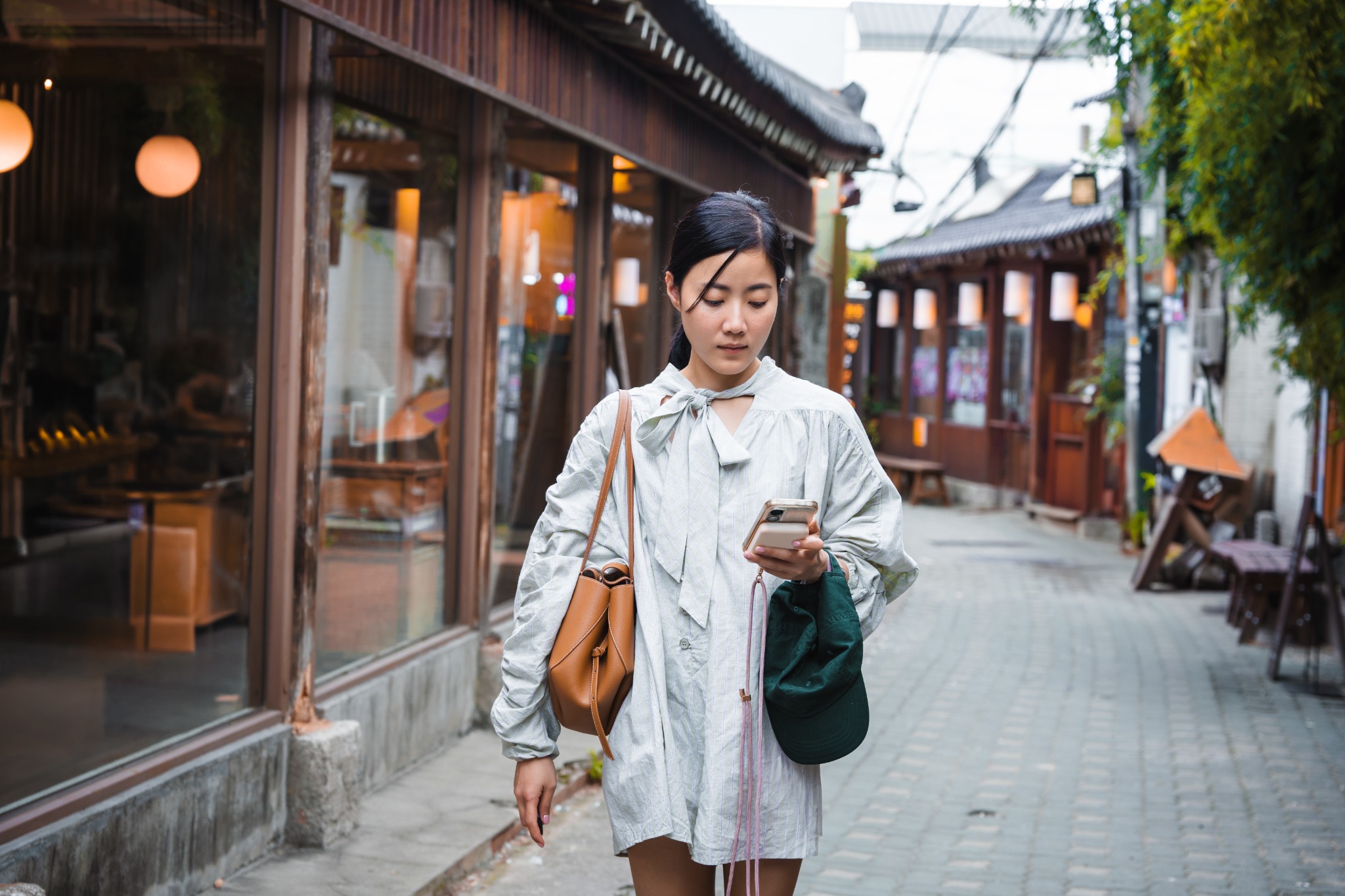
Things to Do in Seoul
A great Seoul hotel should support the city you actually want to experience. The capital is not organized around a single old town or waterfront; it is a collection of districts linked by an extensive subway system and divided by mountains, the Han River, and layers of history. Plan geographically where possible. A palace morning, an Insadong lunch, and an Euljiro evening fit naturally together. Combining Gyeongbokgung, COEX, Jamsil, and Hongdae in one day is technically possible but needlessly exhausting.
Walk through the royal Seoul of Gyeongbokgung and Bukchon
Begin with Gyeongbokgung Palace, the grandest of Seoul’s Joseon-era royal complexes. Its courtyards, throne hall, pavilions, mountain backdrop, and changing-of-the-guard ceremony give first-time visitors an immediate visual framework for Korean history. The National Palace Museum and National Folk Museum can deepen the visit without requiring another journey. From the eastern side of the palace, continue toward Bukchon Hanok Village, where traditional houses climb narrow streets between Gyeongbokgung and Changdeokgung. Bukchon is a residential area, not an open-air theme park, so keep voices low, follow access restrictions, and avoid blocking doorways for photographs.
Changdeokgung Palace and its Secret Garden reward visitors who prefer landscape and architecture to monumental scale. Reservations for guided garden access can sell out, particularly in spring and autumn. Nearby, the smaller streets of Seochon offer galleries, bakeries, independent shops, and neighborhood restaurants with less tour-group intensity than central Bukchon.
Explore Gwanghwamun, Insadong, and Ikseon-dong
Gwanghwamun Square links the palace district to modern civic Seoul. Statues, fountains, museums, government buildings, and mountain views make it more than a traffic corridor. Walk south toward Cheonggyecheon Stream or east into Insadong, where calligraphy shops, tea houses, crafts, ceramics, and souvenir stores remain part of the neighborhood’s identity. Ssamziegil’s spiral layout provides an easy introduction to small design shops, while Jogyesa Temple offers color and calm only a few blocks away.
Ikseon-dong, a compact hanok district nearby, shows Seoul’s talent for repurposing old spaces. Tiny courtyards now hold cafés, restaurants, dessert shops, cocktail bars, and boutiques. It is attractive after dark but frequently crowded, especially on weekends. Arrive early for photographs or visit later for dinner once the daytime queues begin to thin.
See the city from Namsan and Seoul Sky
N Seoul Tower on Namsan is the classic central viewpoint. The cable car is convenient but often busy, and walking routes from several sides of the mountain provide a more rewarding approach in mild weather. In July, humidity makes a late-afternoon ascent more comfortable than a midday climb. The tower and surrounding terraces reveal how dramatically mountains and river shape the city.
For a different scale, Seoul Sky occupies the upper levels of Lotte World Tower in Jamsil. The experience is sleek, enclosed, and panoramic, with the Han River and endless apartment districts stretching toward the horizon. Signiel guests already sleep within the tower, but the observation deck remains worthwhile for anyone interested in Seoul’s contemporary vertical ambition.
Eat through markets, alleyways, and neighborhood restaurant streets
Gwangjang Market is famous for bindaetteok mung-bean pancakes, mayak gimbap, noodles, dumplings, and busy counter seating. Its popularity means the best-known lanes can feel highly touristed, but the energy remains compelling. Namdaemun Market is broader and more workaday, selling kitchenware, clothing, children’s goods, accessories, and food. Myeongdong’s evening stalls are convenient for tasting snacks, although prices and flavors are often calibrated for visitors.
For a more contemporary meal, explore Euljiro’s old print-shop alleys, where bars and restaurants occupy upper floors and unmarked industrial buildings. Seongsu combines former factories with cafés, fashion pop-ups, bakeries, and branded concept stores. Mangwon Market and the surrounding residential streets provide a more local-feeling food outing near western Seoul. In Gangnam, Apgujeong, Cheongdam, Sinsa, and Dosan Park contain some of the city’s most polished restaurants and dessert cafés.
Do not assume breakfast will be easy everywhere at 7 a.m. Many independent cafés and Korean restaurants open later than visitors expect. A hotel breakfast can therefore be valuable on early palace, airport, or day-trip mornings, even if you prefer eating independently at lunch and dinner.
Spend an evening in Hongdae, Itaewon, or Euljiro
Hongdae is the obvious choice for live music, dance clubs, street performances, casual bars, gaming rooms, late-night food, and the style of Seoul associated with university students and younger creative culture. The district changes by block: central Hongdae is loud and commercial, Yeonnam-dong is greener and café-focused, and Sangsu has smaller music venues and bars. Staying at RYSE or L7 HONGDAE allows guests to experience the neighborhood after the last train without a long taxi ride.
Itaewon remains the city’s most internationally mixed nightlife area, with Korean, Middle Eastern, South Asian, European, American, and other cuisines close together. Hannam-dong adds galleries, sophisticated restaurants, and quieter cocktail bars nearby. Euljiro’s appeal is more elusive: old workshops, neon signs, beer alleys, listening bars, and small restaurants hidden in buildings that look closed from the street. Each district suits a different evening, and none should be treated as interchangeable.
Discover Korean art, design, and museums
The National Museum of Korea is one of Seoul’s essential free attractions, presenting Korean history and art in a spacious complex at Yongsan with views toward Namsan. Allow several hours rather than trying to see every gallery. The nearby National Hangeul Museum focuses on the Korean writing system when open and available to visit. Leeum Museum of Art in Hannam-dong contrasts historic Korean ceramics and metalwork with global modern and contemporary art in architecture by internationally known designers.
In central Seoul, the National Museum of Modern and Contemporary Art’s Seoul branch sits near Gyeongbokgung and works well within a palace-district day. Dongdaemun Design Plaza, designed by Zaha Hadid Architects, is both an exhibition venue and an urban landmark, particularly photogenic after sunset. Seongsu’s galleries and pop-ups, the design shops of Hannam, and the photography and fashion spaces around Cheongdam reveal a more commercial and rapidly changing creative scene.
Enjoy the Han River like a Seoul resident
The Han River is not merely something to cross. Parks line both banks, offering cycling paths, picnic lawns, convenience-store ramen, sports facilities, water activities, and views of the bridges and skyline. Yeouido Hangang Park is easy for first-time visitors and lively during events. Banpo Hangang Park is known for evening bridge views and the seasonal Moonlight Rainbow Fountain when operating. Ttukseom is useful for travelers staying in Seongsu or eastern Seoul, while Mangwon offers sunset views and access to nearby markets.
A river cruise can be enjoyable at dusk, but a simple picnic is often more memorable. Buy fried chicken, kimbap, fruit, and drinks, rent or purchase a picnic mat, and watch the city change color. July evenings remain warm and humid, so carry water and insect repellent and check weather alerts before committing to outdoor plans.
Plan family days around Jamsil
Lotte World Adventure combines a large indoor theme park with an outdoor section, making it one of Seoul’s most weather-flexible family attractions. The surrounding complex includes an aquarium, shopping, cinema, restaurants, Seoul Sky, and Seokchon Lake. Families staying at Sofitel Ambassador Seoul, Signiel, or Lotte Hotel World can reduce transit and return to the room for a midday break. Elsewhere, Seoul Children’s Grand Park, the science museums, river parks, and interactive cultural venues provide alternatives to shopping-heavy itineraries.
Take a day trip beyond the capital
Suwon’s Hwaseong Fortress provides walls, gates, viewpoints, and a historic urban landscape reachable from Seoul. Incheon offers Chinatown, the open spaces of Songdo, markets, and waterfront districts beyond the airport. The DMZ remains one of the most requested excursions, but tours depend on security conditions, access rules, identification requirements, and operational changes; book through a reputable operator and avoid building a nonrefundable itinerary around a specific site being open.
Nami Island and the Gapyeong area are popular for scenery and family outings, though travel time can be significant. Hikers can choose from Bukhansan, Gwanaksan, Inwangsan, Achasan, and numerous city mountains. In July, start early, carry more water than you think you need, wear shoes with traction, and avoid exposed trails during storms or extreme-heat advisories.
Match seasonal plans to July weather
July in Seoul is hot, humid, and often wet. Rain may arrive in prolonged spells or sudden downpours, and the heat can make an ambitious outdoor schedule unpleasant. Build each day around one or two anchor experiences rather than six distant stops. Museums, malls, aquariums, hotel pools, spas, cafés, and covered markets are not backup plans; they are part of a realistic summer itinerary. Carry a compact umbrella, but also expect to use it for sun. Lightweight clothing, breathable shoes, and a small towel are more useful than formal travel outfits for daytime exploration.
For a fuller itinerary, read our guide to the best things to do in Seoul, including seasonal events, free attractions, food neighborhoods, and day trips.
Where to Stay in Seoul
Choosing where to stay in Seoul is less about finding the geographic center than deciding which side of the city should feel effortless. The subway network is excellent, but transfers, long platforms, and the distance between northern and southern districts add up. A hotel that is ten minutes from your priority sights can be more valuable than a grander room requiring two hour-long round trips each day.
Best area for first-time visitors: Gwanghwamun and Jongno
Gwanghwamun and Jongno place Seoul’s royal palaces, major museums, Cheonggyecheon, Insadong, and traditional neighborhoods within a compact area. Four Seasons Hotel Seoul is the standout luxury choice, while a broader range of serviced apartments, business hotels, and small properties can be found around Jongno and Insadong. The district is ideal for travelers who want history in the morning and contemporary dining in Euljiro at night. It also provides straightforward transport to Myeongdong, Seoul Station, and Dongdaemun.
Best area for shopping and central convenience: Myeongdong
Myeongdong remains one of the easiest places for a first Seoul stay. Cosmetic stores, fashion chains, street food, department stores, airport-bus stops, and several subway stations are concentrated nearby. It is also walkable to Namdaemun, Namsan, City Hall, and parts of Euljiro. Le Méridien Seoul, Myeongdong offers full-service luxury with a pool; L’Escape provides romantic design; Hotel28 brings boutique value; and The Westin Josun Seoul and LOTTE HOTEL SEOUL Executive Tower sit on the district’s quieter edges. The drawback is atmosphere: Myeongdong can feel overtly tourist-oriented and loses some of the residential character found elsewhere.
Best area for luxury, fashion, and beauty: Gangnam, Apgujeong, and Cheongdam
Gangnam is not one single neighborhood. Teheran-ro is corporate and high-rise; Apgujeong and Cheongdam focus on designer retail, beauty, galleries, and upscale restaurants; Garosu-gil and Sinsa mix cafés and shopping; Samseong revolves around COEX. Josun Palace suits glamorous city stays, Andaz is best for Apgujeong energy, and Park Hyatt excels at understated luxury opposite COEX. Stay south of the river when your dining reservations, clinic visits, meetings, or shopping are primarily there. For a palace-heavy first trip, commuting north each day can become tedious.
Best area for nightlife and young travelers: Hongdae
Hongdae is loud, late, visually busy, and exceptionally convenient for Incheon Airport via AREX. It suits solo travelers, friends, music fans, clubgoers, and visitors who prefer cafés and fashion to formal sightseeing. RYSE is the most characterful upscale hotel; L7 HONGDAE is a practical mid-upscale alternative. Choose a high floor or a room away from major streets if sleep matters. Nearby Yeonnam-dong offers a softer version of the district with parks, cafés, and restaurants.
Best area for international dining and an inclusive night out: Itaewon and Hannam
Itaewon’s concentration of international restaurants, halal food, bars, and diverse communities remains unique in Seoul. Hannam-dong adds art museums, boutiques, and polished dining. Mondrian Seoul Itaewon provides a full lifestyle-hotel setup with pools and spa facilities; Grand Hyatt Seoul sits above the district in a quieter Namsan location. Subway access is not equally convenient across the neighborhood, and the hills are more noticeable than maps suggest.
Best area for families: Jamsil
Jamsil minimizes logistics for Lotte World Adventure, Seoul Sky, the aquarium, Seokchon Lake, shopping, and family dining. Sofitel Ambassador Seoul is the most flexible option thanks to its serviced residences and strong pool facilities, while Signiel suits families planning a major luxury celebration. The area is modern, safe-feeling, and full of indoor activities, but it is far from Bukchon, Gyeongbokgung, and Hongdae.
Best area for business and conventions: COEX and Samseong
COEX is effectively an indoor city of exhibition halls, retail, restaurants, cinema, library, and transit connections. InterContinental Grand Seoul Parnas is the established convention favorite, Park Hyatt offers a calmer high-design alternative, and The Westin Seoul Parnas supplies the newest wellness-led option. Bongeunsa Temple adds culture within walking distance. Stay here when the conference is the trip; otherwise, consider whether southern Seoul supports the rest of your plans.
Best area for Han River views and modern shopping: Yeouido
Conrad Seoul and Fairmont Ambassador Seoul make Yeouido attractive for travelers who want large rooms, indoor mall connections, river parks, and The Hyundai Seoul. The district is efficient, clean-lined, and business-oriented. Weekends are calmer, and sunset walks by the river can be excellent. Nightlife and historic street atmosphere are limited, so most evening exploration requires a ride elsewhere.
Best area for a quieter or resort-style stay: Namsan, Mapo, or Walkerhill
The Shilla, Banyan Tree, and Grand Hyatt use Namsan’s slopes to create privacy and greenery near the center. Hotel Naru in Mapo offers a calmer Han River outlook with good access west and central. Grand Walkerhill goes further, functioning as a true eastern-Seoul resort. These choices suit repeat visitors, spa trips, and travelers who want to retreat from dense shopping streets. Review transport carefully: quiet often means fewer immediate subway options.
See our complete where to stay in Seoul neighborhood guide for detailed transport maps, hotel suggestions by budget, and advice for first-time and repeat visitors.
Tips for Booking Hotels in Seoul
Book the right season, not just the cheapest date
Seoul has four distinct seasons, and hotel demand moves with weather, festivals, school holidays, conventions, and local staycation patterns. Spring blossom weeks and the clearer, cooler weeks of autumn are popular for international leisure travel. Major exhibitions and art events can tighten availability around COEX and Gangnam; Frieze Seoul, scheduled for early September 2026, is a clear example of an event that can push demand beyond its immediate venue. Year-end celebrations, long weekends, and large concerts can also affect specific districts.
July is humid and rainy, but that does not automatically make luxury hotels inexpensive. Seoul residents frequently book summer “hocance” stays built around pools, buffets, spas, and air-conditioned relaxation. Properties with coveted outdoor pools—The Shilla, Grand Hyatt, Banyan Tree, Grand Walkerhill, Mondrian, and L7 HONGDAE among them—can be especially popular on weekends. Reserve early when a pool is central to the trip, and verify that access is included rather than assuming the room rate covers it.
Allow more lead time for the exact room you want
For a flexible city break, booking several weeks ahead may produce ample choice. For connecting rooms, suites, club access, a specific river or tower view, extra beds, or a July weekend at a pool-focused hotel, two to four months is more comfortable. Premium view categories are limited and often disappear before entry-level rooms. Fully refundable rates can be useful when booking early, allowing you to monitor price changes without giving up a desirable category.
Compare weekdays and weekends by neighborhood
Business districts and resort hotels do not follow the same pattern. COEX, Teheran-ro, and Yeouido can experience strong weekday corporate demand, while leisure-oriented hotels may fill on Friday and Saturday with local guests. Hongdae can remain busy throughout the weekend because nightlife is the attraction. Myeongdong demand is more closely tied to visitor flows and shopping seasons. Search a few date combinations rather than assuming Sunday through Thursday will always be cheaper.
Pay more for location on a short stay
On a two- or three-night first visit, a central hotel near Gwanghwamun, Myeongdong, City Hall, or Jongno can justify a higher nightly rate by reducing transit. For a week-long trip, splitting the stay can make sense: three nights in central Seoul followed by two or three nights in Gangnam or Jamsil creates two neighborhood experiences and avoids repeated river crossings. Moving hotels has a cost in packing and check-in time, so it works best when the second district has a clear purpose.
Read the subway map before choosing a “nearby” hotel
Distance in meters does not tell the whole story. A hotel may be near a station but separated by a steep hill, enormous intersection, underground mall, or long transfer corridor. Direct station access at Andaz Seoul Gangnam or indoor connectivity at COEX and Yeouido can be extremely valuable during bad weather. Hongik University Station is useful for AREX, but the station itself is large, and walking to the correct exit with luggage takes time. Check the hotel’s exact entrance, nearest exit number, and whether elevators are available.
Choose airport access based on luggage and arrival time
AREX links Incheon International Airport with Hongik University Station and Seoul Station, making Hongdae and central Seoul convenient for many travelers. Airport limousine buses can be easier when they stop close to a hotel and you have heavy bags, children, or limited mobility. Taxis provide door-to-door comfort but are affected by traffic and cost more, particularly from Incheon. Late-night arrivals require extra planning because standard rail and bus services do not operate around the clock.
Seoul Station is useful for transport, but travelers do not necessarily need to sleep directly beside it. Hotels near City Hall, Myeongdong, Namdaemun, and Hoehyeon can provide convenient station access in more attractive walking environments.
Decide whether hotel breakfast is worth paying for
Seoul is one of the world’s great food cities, but early breakfast is not its easiest independent meal. Many cafés open around midmorning, and restaurants known for lunch or dinner may not serve breakfast at all. A hotel buffet is useful before an early tour, flight, conference, or theme-park day. On relaxed mornings, skip the expensive package and explore bakeries, gukbap shops, markets, or brunch cafés. Club-lounge access can offer better overall value when it includes breakfast, evening refreshments, and a quiet workspace, but compare the rate difference rather than treating it as automatically worthwhile.
Confirm pool, spa, sauna, and children’s rules
Hotel leisure facilities in Seoul often operate with detailed rules. Outdoor pools may be seasonal, divided into timed sessions, restricted by age at certain hours, or sold through packages. Indoor pools can require swim caps. Saunas may carry a separate charge or have age restrictions. Some facilities close on a regular day each month for maintenance. Children’s access and extra-person policies vary widely, even among luxury hotels. Contact the property directly when a specific facility is a deciding factor, and keep written confirmation of important arrangements.
Expect room sizes to vary sharply
Seoul’s newer luxury towers can provide very large rooms, while boutique and midrange hotels in Myeongdong and Hongdae often use space efficiently. Square-meter figures are more reliable than photographs taken with wide-angle lenses. Travelers with multiple large suitcases should look for a seating area, wardrobe depth, and open floor space. Bathroom privacy also deserves attention in design hotels, where glass walls, sliding panels, or open vanity areas may not suit friends or families sharing.
Do not assume every “river view” is unobstructed
The Han River bends through a dense skyline. A room marketed as river-facing may include bridges, roads, construction, or partial views between buildings. Signiel’s city panorama, Hotel Naru’s western sunsets, Conrad and Fairmont’s Yeouido outlooks, Grand Walkerhill’s eastern river scenery, and Grand Hyatt’s elevated vistas all feel different. Review room-category diagrams and recent guest photographs, and ask whether the view is guaranteed or merely requested.
Review taxes, service charges, deposits, and cancellation terms
Booking platforms may display prices differently, so compare the final total rather than the first nightly figure. Breakfast, lounge access, pool entry, extra beds, parking, and airport transfers may be excluded. Luxury hotels can take a substantial incidental deposit at check-in, usually released after departure according to the card issuer’s timeline. Cancellation deadlines should be read in the hotel’s local time, and prepaid discounts deserve caution during typhoon-season travel, medical uncertainty, or complex multi-city itineraries.
Use recent reviews for operations, not universal taste
Recent guest reviews are most useful for identifying repeat patterns: elevator waits, construction noise, air-conditioning limitations, breakfast queues, housekeeping consistency, or confusing facility rules. They are less useful when a reviewer simply dislikes firm mattresses, dark décor, or a business-district location that was clearly disclosed. Read several recent reviews across more than one platform and compare them with the official room and facility information.
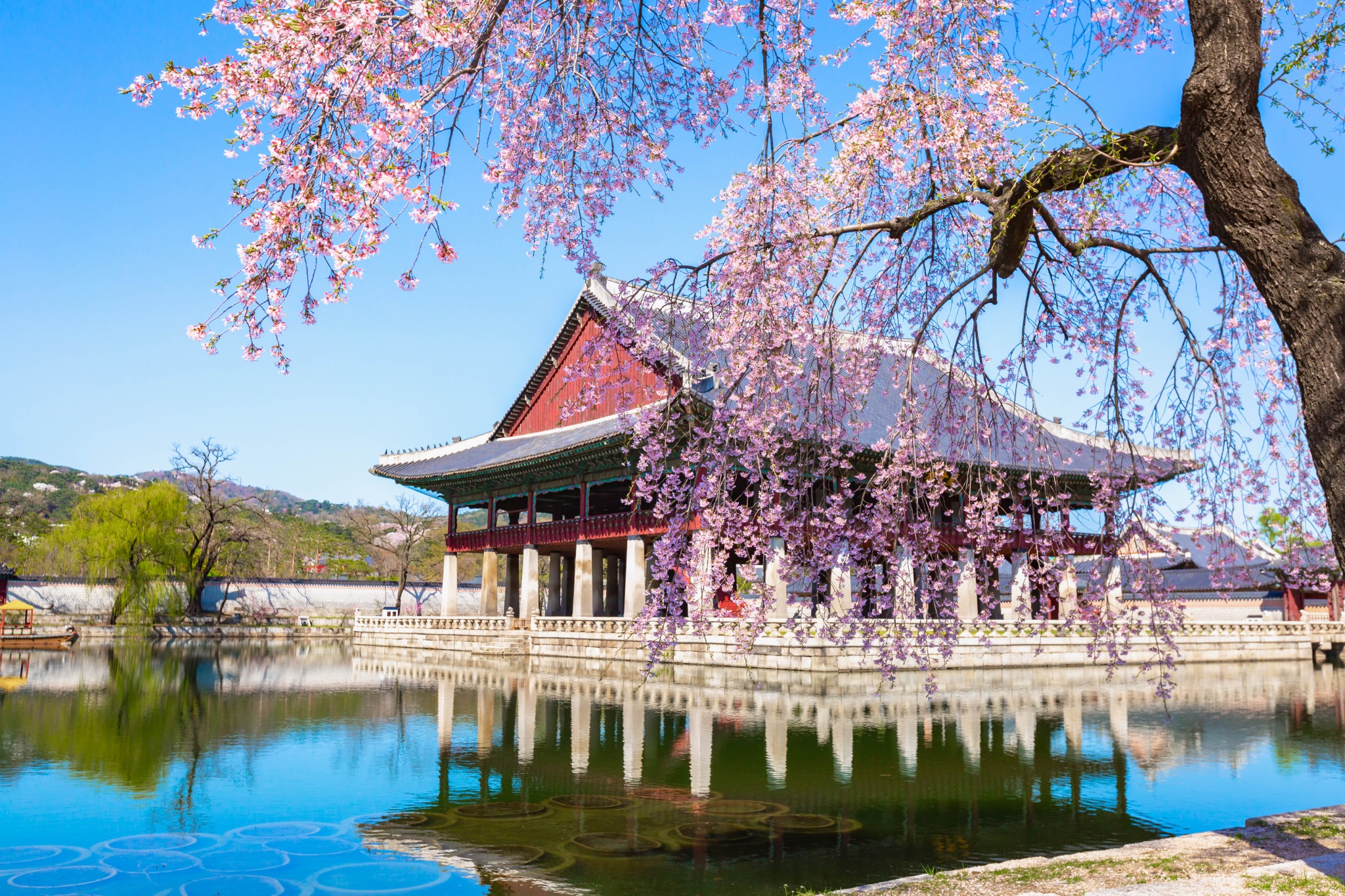
Frequently Asked Questions About the Top 25 Hotels in Seoul
What are the best hotels in Seoul?
Four Seasons Hotel Seoul is the strongest all-round choice for central location, rooms, service, dining, and wellness. The Shilla Seoul excels at classic Korean luxury and resort-style facilities; Signiel Seoul is best for extraordinary skyline views; Josun Palace is a leading design-led option in Gangnam; and Hotel Naru Seoul is an excellent choice for Han River scenery. The right answer changes with neighborhood, budget, and trip purpose.
What is the best area to stay in Seoul for first-time visitors?
Gwanghwamun, Jongno, City Hall, and Myeongdong are the easiest areas for most first visits. They place travelers close to palaces, museums, traditional neighborhoods, shopping, markets, and several subway lines. Gwanghwamun feels more cultural and spacious, while Myeongdong is busier and more shopping-oriented. Staying in Gangnam can work for first-timers whose interests are primarily fashion, beauty, dining, or COEX, but it adds travel time to historic sights.
Which Seoul hotels are best for palace sightseeing?
Four Seasons Hotel Seoul is the most convenient luxury hotel for Gyeongbokgung, Gwanghwamun Square, and central museums. THE PLAZA Seoul is excellent for Deoksugung and City Hall, while The Westin Josun Seoul and LOTTE HOTEL SEOUL Executive Tower provide central access from the Myeongdong side. Hotels in Jamsil and far-eastern Seoul are much less convenient for daily palace visits.
What are the best luxury hotels in Seoul?
The leading luxury group includes Four Seasons Hotel Seoul, The Shilla Seoul, Signiel Seoul, Josun Palace, Park Hyatt Seoul, LOTTE HOTEL SEOUL Executive Tower, The Westin Josun Seoul, and Banyan Tree Club & Spa Seoul. Four Seasons offers the most balanced city experience; The Shilla has the deepest classic-Korean identity; Signiel delivers height and spectacle; and Banyan Tree is strongest for a private resort atmosphere.
What are the best boutique and design hotels in Seoul?
L’Escape is the most theatrical romantic design hotel, with maximalist Parisian interiors and destination bars and restaurants. RYSE channels Hongdae’s art and music culture, while Hotel28 Myeongdong uses a cinematic concept on a smaller scale. Mondrian Seoul Itaewon is the best choice for bold lifestyle design combined with indoor and seasonal outdoor pools. Hotel Naru and Josun Palace are larger luxury properties but also stand out for a clear visual identity.
Which Seoul hotels are best for families?
Sofitel Ambassador Seoul Hotel & Serviced Residences is particularly strong for families because of its residence options, indoor pool facilities, lake setting, and proximity to Lotte World. Signiel works for a luxury Jamsil celebration, and Grand Hyatt Seoul provides seasonal recreation and space. JW Marriott Hotel Seoul is practical for indoor shopping and transport, while The Shilla offers a children’s lounge and extensive facilities. Always check occupancy limits, extra-bed availability, and children’s pool rules before booking.
Where should couples stay in Seoul?
Couples seeking palace walks and cocktails should consider Four Seasons Hotel Seoul. L’Escape is ideal for theatrical romance and dining, Hotel Naru for Han River sunsets, Signiel for a high-rise celebration, and Banyan Tree for spa time and private relaxation pools in selected suites. RYSE suits couples who prefer music and nightlife, while The Shilla provides a more formal special-occasion setting.
What are the best Seoul hotels for nightlife?
RYSE and L7 HONGDAE are the clearest choices for Hongdae clubs, live music, bars, and late-night food. Mondrian Seoul Itaewon offers access to Itaewon and Hannam nightlife with stronger resort facilities. L’Escape works well for cocktails and dining around Myeongdong and Euljiro. Travelers who prioritize sleep should request high floors and rooms away from major streets in nightlife districts.
Are hotels in Seoul expensive?
Seoul spans a wide range, from guesthouses and compact business hotels to internationally branded luxury towers. Top hotels can be expensive, especially for suites, club floors, premium views, and pool-focused weekend packages. However, polished midrange rooms are often available below the rates of comparable hotels in cities such as New York, London, or Paris. Prices vary substantially by neighborhood, event calendar, season, and cancellation flexibility.
How far in advance should I book a Seoul hotel?
Several weeks may be sufficient for flexible dates, but two to four months is sensible for spring and autumn travel, July pool weekends, major conventions, connecting rooms, and premium views. Book earlier around large international events, holidays, concerts, and school-vacation periods. A refundable rate offers the best balance when plans are not final.
Is it better to stay north or south of the Han River?
Stay north for palaces, Bukchon, Insadong, Myeongdong, Hongdae, Euljiro, and the greatest concentration of first-visit attractions. Stay south for Gangnam, COEX, Apgujeong, Cheongdam, Jamsil, Lotte World, and many business or medical appointments. There is no universally superior side; the mistake is choosing one while scheduling most activities on the other.
Which Seoul hotels have especially good views?
Signiel Seoul provides the most dramatic altitude and city panorama. Hotel Naru is excellent for Han River sunsets, while Conrad and Fairmont offer river and Yeouido outlooks. Grand Hyatt combines river and skyline views from Namsan, Grand Walkerhill looks over the eastern Han River, and high rooms at Josun Palace, Park Hyatt, and the Westin Seoul Parnas reveal the scale of Gangnam. Confirm the exact view category because orientation matters.
Final Thoughts: Choosing the Right Seoul Hotel
Seoul’s best hotels are as varied as the city’s neighborhoods. Four Seasons Hotel Seoul makes a first visit easy without sacrificing a sense of occasion. The Shilla turns a city break into a classic Korean resort stay. Signiel transforms the skyline into the main event, while Josun Palace and Park Hyatt offer contrasting visions of Gangnam luxury. Hotel Naru brings the Han River closer; RYSE puts contemporary youth culture outside the door; and Hotel28 proves that a smaller boutique property can compete through character, location, and value.
The smartest booking begins with a map and an honest picture of the trip. Palace mornings favor Gwanghwamun. Shopping and compact sightseeing favor Myeongdong. Fashion, beauty, and business point toward Gangnam. Families visiting Lotte World gain hours by sleeping in Jamsil. Nightlife travelers should accept that Hongdae’s energy includes noise. Guests who want to spend time at the pool or spa should verify access before choosing a nonrefundable package.
Compare the final price, not only the headline rate, and weigh breakfast, transport, room size, view, facility access, and cancellation flexibility. A well-located room that supports your daily plans can be a better luxury than a grander hotel on the wrong side of Seoul.
Click here to compare hotels and current rates in Seoul
Affiliate disclosure: This article may contain affiliate links. We may earn a commission if you click through or book, at no extra cost to you. Our recommendations are based on current research into location, guest sentiment, design, service, amenities, value, and the needs of different travelers.