Top 25 Hotels in Osaka: Castle Views, City Energy and Smart Stays for July 2026
Osaka does not reveal itself through one postcard view. It arrives in layers: the clipped green edges of Osaka Castle at first light; office workers moving through Umeda’s immense station passages; the smell of grilled batter and sauce around Dotonbori; a quiet counter seat in Kitashinchi; teenagers browsing vintage stores in Amerikamura; families comparing timed-entry plans for Super Nintendo World; and, above it all, hotel towers turning the city’s railways, rivers and neon into a moving panorama.
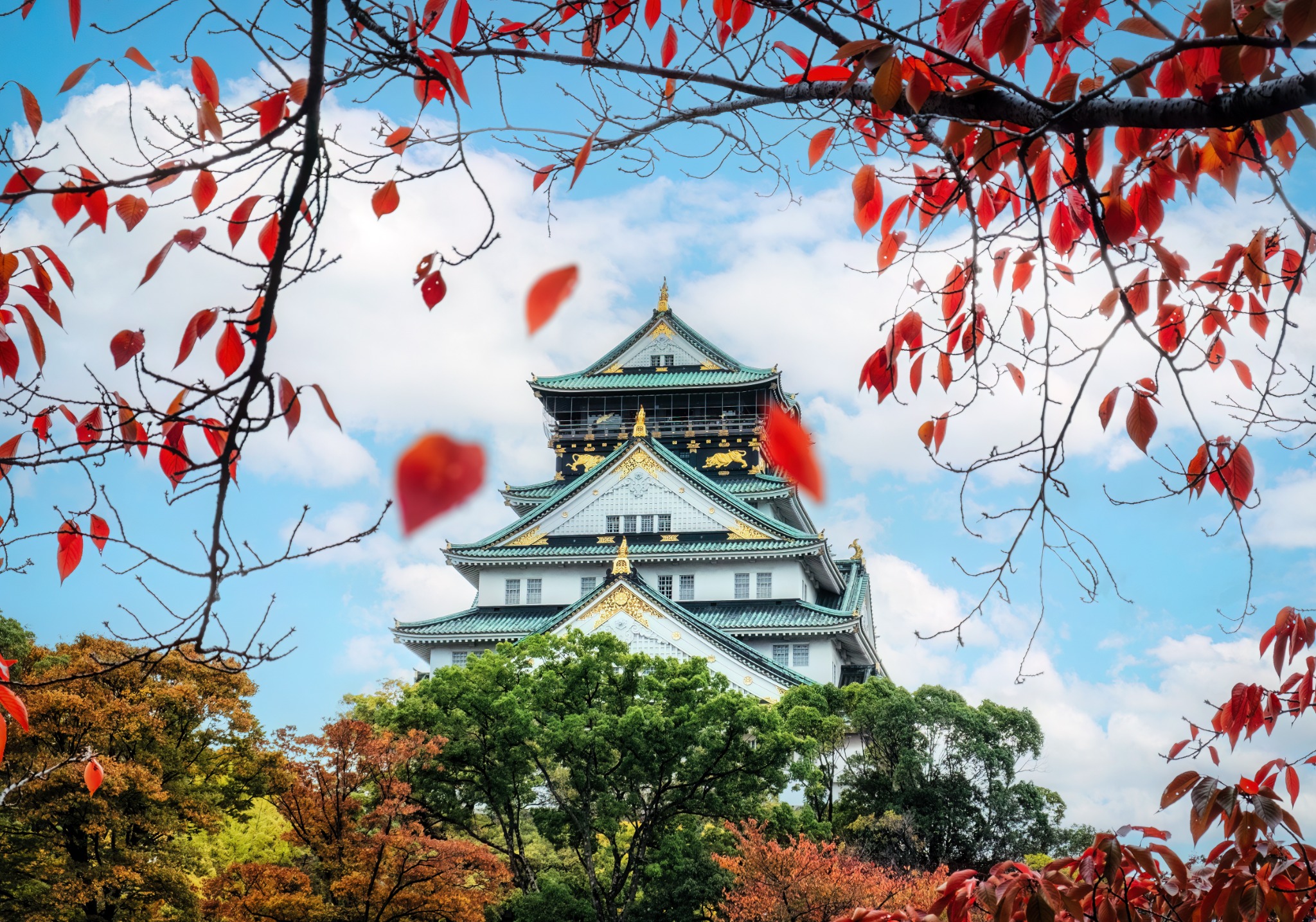
Japan’s second great metropolis rewards visitors who choose their base with care. Osaka is easy to navigate once its structure makes sense, but it is large enough that the wrong hotel can add an hour of unnecessary transit to every day. Umeda and Osaka Station are best for regional trains and department-store convenience. Namba puts food, nightlife and the Nankai airport line close at hand. Shinsaibashi and Hommachi occupy the useful middle ground along the Midosuji subway line.
Nakanoshima and Dojima bring river views, museums and quieter luxury. Tennoji opens the southern city, while Universal City and Sakurajima are purpose-built for theme-park days.
The hotel scene has changed dramatically. Osaka now offers castle-facing contemporary retreats, newly opened global flagships, established grand hotels, design-led boutiques, station-top towers, bath-focused stays and highly efficient mid-range properties. The city’s strongest hotels are not interchangeable. Some are worth booking because the room becomes part of the trip; others earn their place by removing friction from airport transfers, family logistics or day trips to Kyoto, Kobe, Nara and Himeji.
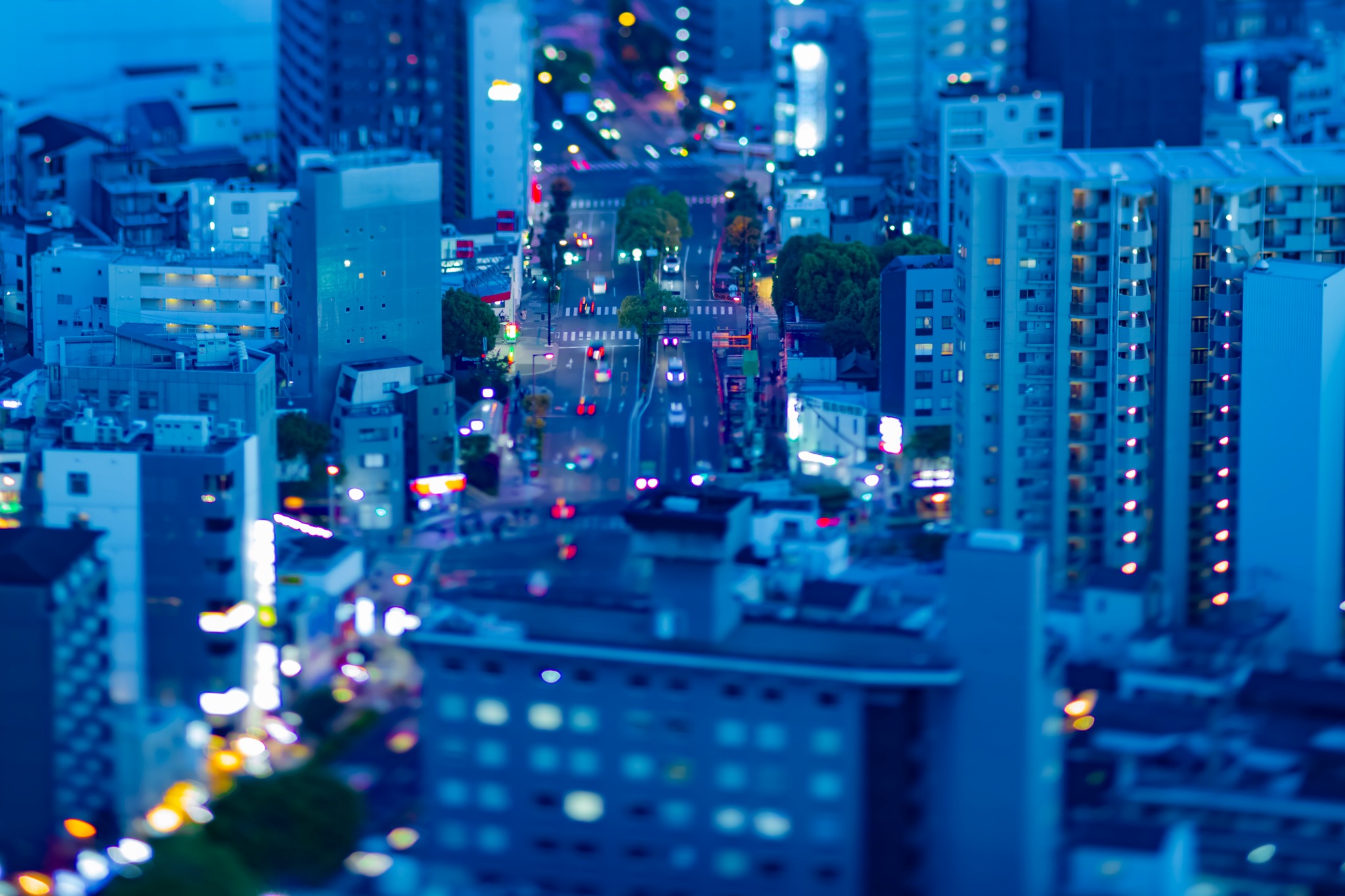
This ranking of the Top 25 hotels in Osaka, updated for July 2026, weighs more than luxury branding. We compared recurring guest-review themes, location, room comfort, transport access, design, dining, wellness, service reputation, value within category and suitability for specific travelers.
The list includes expensive destination hotels, but also mid-range choices that outperform their price bracket because they understand exactly what visitors need.July brings long, humid days and a city that remains active after dark. It also includes the Tenjin Matsuri on July 24 and 25, when processions, river activity and fireworks can increase demand. A hotel near the right station is especially valuable in summer: five minutes less walking in midday heat can matter more than a decorative lobby.
Quick Picks: The Best Hotels in Osaka for Different Trips
- Best overall hotel: Patina Osaka
- Best new-generation luxury hotel: Four Seasons Hotel Osaka
- Best luxury hotel near Osaka Station: Waldorf Astoria Osaka
- Best hotel for skyline views: Conrad Osaka
- Best all-round hotel for first-time visitors: InterContinental Osaka
- Best design hotel: W Osaka
- Best hotel directly at Osaka Station: THE OSAKA STATION HOTEL, Autograph Collection
- Best boutique-style stay: Zentis Osaka
- Best mid-range value in Shinsaibashi: HOTEL THE FLAG Shinsaibashi
- Best family hotel near Universal Studios Japan: The Park Front Hotel at Universal Studios Japan
- Best spa hotel near USJ: LIBER HOTEL OSAKA
- Best hotel for Kansai Airport access: Swissôtel Nankai Osaka
At a Glance: Osaka Hotel Comparison
| Hotel | Area | Best reason to book | Ideal traveler |
|---|---|---|---|
| Patina Osaka | Osaka Castle | Castle views and wellness | Luxury couples |
| Four Seasons Hotel Osaka | Dojima | GENSUI ryokan-style floor | Special occasions |
| Waldorf Astoria Osaka | Umeda | Spacious rooms by the station | Luxury rail itineraries |
| Conrad Osaka | Nakanoshima | Panoramic art-filled interiors | Couples and business |
| InterContinental Osaka | Umeda | Pool, bathhouse and station access | First-time visitors |
| W Osaka | Shinsaibashi | Bold design and nightlife mood | Style-focused trips |
| THE OSAKA STATION HOTEL | Umeda | Direct station connection | Short stays and day trips |
| HOTEL THE FLAG | Shinsaibashi | Design and breakfast value | Mid-range travelers |
| The Park Front Hotel | Universal City | Opposite the USJ gates | Families |
| LIBER HOTEL OSAKA | Sakurajima | Natural hot-spring spa | Theme-park recovery |
How We Chose the Top 25 Hotels in Osaka
A hotel ranking becomes misleading when it treats every traveler as if they have the same budget, itinerary and tolerance for transit. We therefore assessed each property in context. A hotel opposite Universal Studios Japan should be judged on family logistics and park access, not on whether it offers the same cocktail program as a five-star tower in Umeda. A compact Shinsaibashi hotel can outrank a more expensive property when sleep quality, staff, breakfast and location consistently deliver better value.
Research began with patterns across major hotel-ranking and booking platforms, including recurring recommendations from Michelin, Condé Nast Traveler, Tripadvisor, Booking.com, Expedia and other current travel guides. We then checked hotel websites for current names, room types, dining venues, pools, spas, public baths, station connections and significant renovations or openings. Particular attention was paid to properties that opened or changed materially during Osaka’s recent hotel boom, because an old review may describe a different room, brand or surrounding district.
The ranking considers the following factors:
- Guest sentiment over time: repeated comments about sleep, cleanliness, service, breakfast, queues, room size and maintenance matter more than one dramatic review.
- Location quality: not only distance to a landmark, but access to the Midosuji subway line, Osaka Loop Line, JR services, Nankai airport trains and useful walking routes.
- Room experience: layout, natural light, bathroom design, storage, bed configuration, views and whether lower room categories still feel worthwhile.
- Service: consistency, multilingual support, concierge usefulness, family assistance and the level of formality promised by the brand.
- Design and atmosphere: whether the property has a coherent identity rather than a collection of fashionable surfaces.
- Dining and wellness: restaurants, bars, breakfast, pools, gyms, spas and Japanese bathing facilities, verified rather than assumed.
- Value within category: a luxury hotel must justify a premium, while an affordable hotel earns credit for spending money on the details guests actually use.
- Traveler fit: first-time visitors, couples, families, business travelers, theme-park guests, design lovers and regional day-trippers require different strengths.
- Current relevance: branding, facilities and neighborhood context were reviewed for July 2026 rather than copied from older roundups.
No ranking can eliminate personal taste. The number-one hotel may not be the correct choice for a family spending two days at USJ, just as the best Namba value hotel will not replace a castle-view retreat for a honeymoon. Use the order as an editorial assessment, then let the “Best for,” “Location” and “Potential drawback” notes narrow the list to the properties that match your trip.
The Top 25 Hotels in Osaka for July 2026
1. Patina Osaka
Patina Osaka arrived beside Osaka Castle as one of the city’s most consequential luxury openings, and it earns the top position because the hotel feels unmistakably tied to its setting rather than merely placed in it. The building faces the castle park, with broad windows framing layers of green, stone ramparts and the keep beyond. Inside, warm timber, tactile stone and quietly composed Japanese details create a mood that is calmer than the spectacle outside. Even the entry-level rooms are unusually generous for a major Japanese city, giving travelers space to unpack, work and sit by the window without feeling that the furniture has been fitted together like a puzzle.
The hotel’s greatest strength is range. A couple can treat it as a polished urban retreat, a wellness-focused traveler can build a stay around the expansive health and fitness facilities, and a culturally curious visitor can walk into the castle grounds before tour groups fully arrive. Dining spans several personalities rather than relying on one all-purpose restaurant: contemporary signature cooking, Japanese craftsmanship, relaxed all-day options and evening drinks are presented as separate experiences. The long indoor pool is positioned to make the skyline and castle part of the swim, while the broader wellness floor includes treatment, training and recovery spaces that feel integral to the hotel rather than appended to it.
Patina is not the most frictionless address for every Osaka itinerary. It is less convenient than Umeda for rapid day trips to Kyoto and Kobe, and less immediate than Namba for late-night street food. Yet for travelers who want a destination hotel with a genuine sense of place, the trade-off is persuasive: mornings begin with parkland and history, not a shopping concourse, while central Osaka remains within easy reach by subway or taxi.
Why stay here: It combines castle views, unusually spacious rooms, serious wellness facilities and a design language that feels specific to Osaka.
Best for: Couples, design-conscious luxury travelers, wellness trips and repeat visitors seeking a quieter base.
Location: On the southwestern edge of Osaka Castle Park, near Morinomiya and Tanimachi Yonchome transport links.
What stands out: The castle-facing rooms and pool turn one of Osaka’s defining landmarks into part of the interior experience.
Potential drawback: The setting is serene rather than nightlife-oriented, and travelers planning frequent regional rail trips may prefer Osaka Station.
Click here to explore Patina Osaka rooms and current availability
2. Four Seasons Hotel Osaka
Four Seasons Hotel Osaka brings an unusually layered form of luxury to Dojima, a district that sits between the energy of Umeda and the riverine calm of Nakanoshima. The hotel occupies upper floors of a modern tower, so the first impression is vertical: elevators lift guests away from street level into a sequence of lounges, restaurants and rooms suspended above the city. The public spaces are polished without becoming anonymous, balancing contemporary lines with Japanese materials, craft and carefully controlled lighting.
Its most distinctive feature is GENSUI, a small hotel-within-a-hotel concept inspired by ryokan hospitality. Tatami-floored rooms and suites, low furniture, Japanese sleeping arrangements and access to the intimate SABO lounge offer a different rhythm from the property’s more international room categories. This makes Four Seasons particularly valuable for travelers who want Japanese texture but still prefer the consistency, multilingual service and extensive facilities of a global luxury hotel. The rest of the accommodation is airy and urbane, with skyline views, substantial bathrooms and a residential sense of proportion.
The wellness floor is another reason to choose it. Guests have access to an indoor pool, fitness facilities, treatment rooms and an ofuro-style bathing experience, allowing a full recovery day after long walks through Dotonbori or a humid July afternoon. Dining ranges from French and Cantonese cooking to sushi, all-day dining and sophisticated drinks, so the hotel works well for special occasions even when guests do not want to cross the city for dinner. Service is observant and formal enough for a milestone trip, but the atmosphere remains more contemporary than ceremonial.
Dojima is central, yet the hotel is not literally inside Osaka Station. The walk is reasonable for many guests, but luggage, summer heat or rain can make taxis tempting. Travelers who value immediate platform access may prefer The Osaka Station Hotel; those who want a more secluded luxury experience will likely regard the small separation as an advantage.
Why stay here: It delivers polished international service while the GENSUI floor provides a genuinely different, Japanese-inflected stay.
Best for: Celebrations, luxury city breaks, couples, food-focused travelers and guests who want ryokan cues without leaving central Osaka.
Location: Dojima, west of Kitashinchi and south of the Osaka Station/Umeda transport complex.
What stands out: GENSUI’s tatami rooms and SABO lounge create a quiet counterpoint to the high-rise city outside.
Potential drawback: It commands premium rates, and the station is close rather than directly connected.
Click here to see Four Seasons Hotel Osaka rates and room categories
3. Waldorf Astoria Osaka
Waldorf Astoria Osaka is the grandest expression of the new Grand Green Osaka district, pairing the brand’s ceremonial service with a location beside one of Japan’s busiest transport hubs. The hotel feels built for arrival: high ceilings, sculptural lighting and André Fu’s composed interiors create a sense of occasion without imitating an old European palace. References to Art Deco appear in geometry and detail, while Japanese materials and a softer palette keep the spaces connected to place.
Rooms begin at a scale that feels luxurious even before upgrading. Large windows pull in views of Umeda’s towers, railway lines and the new park landscape, while bathrooms and dressing areas are planned for travelers carrying more than a cabin bag. The strongest categories add corner panoramas and living areas, but the basic proposition is already persuasive: this is a hotel where the room itself can justify an afternoon break. For July travel, that matters. Returning to a quiet, spacious interior after heat, humidity and crowded shopping streets can change the pace of an Osaka itinerary.
The dining lineup is designed as a progression through the day. Peacock Alley anchors the social life of the lobby, Jolie provides a more formal European experience, Tsukimi focuses on Japanese technique, and the cocktail program extends into a moodier evening setting. The spa includes a substantial indoor pool, treatment facilities and fitness spaces, giving the property resort-like depth despite its urban position. Service is attentive and highly polished, suited to guests who enjoy being recognized and guided rather than left entirely to self-service.
The defining practical advantage is the location. Osaka Station, Umeda’s department stores, Grand Front Osaka and regional connections sit close by, making Kyoto, Kobe and Himeji day trips comparatively simple. The disadvantage is equally clear: the hotel is expensive, and the formality may feel excessive to travelers who spend little time on property. For a major occasion or a rail-heavy Kansai itinerary, however, it is one of the city’s strongest choices.
Why stay here: It unites lavish rooms and serious wellness facilities with the day-trip convenience of the Osaka Station district.
Best for: Luxury rail itineraries, milestone trips, business leaders, sophisticated couples and travelers prioritizing spacious rooms.
Location: Grand Green Osaka in Umeda, a short walk from JR Osaka Station and the wider transport network.
What stands out: The combination of André Fu interiors, large entry-level rooms and a 20-meter indoor pool sets a new benchmark for Umeda luxury.
Potential drawback: The price and polished formality are difficult to justify for travelers who mainly need a bed beside the station.
Click here to check Waldorf Astoria Osaka availability for your dates
4. Conrad Osaka
Conrad Osaka occupies the upper reaches of the Nakanoshima Festival Tower West, and almost every important space uses that altitude. Guests arrive on the 40th floor, where art, reflective surfaces and huge windows open toward the rivers, bridges and dense geometry of central Osaka. The effect is theatrical, but the hotel is not merely a viewing platform. Its best rooms combine clean contemporary lines with Japanese motifs, generous bathrooms and seating positioned to keep the city in sight.
Nakanoshima is an excellent fit for travelers who prefer culture and dining to the constant retail intensity of Umeda or Namba. The National Museum of Art, Nakanoshima Museum of Art, riverside promenades and concert venues are nearby, while Higobashi and Watanabebashi stations make other districts accessible. The address also sits close to Kitashinchi, one of Osaka’s most concentrated restaurant and nightlife areas. This creates a useful duality: the immediate surroundings can feel composed and businesslike by day, yet serious food and after-dark energy are within walking distance.
The hotel’s restaurants and bars share the 40th-floor panorama. KURA focuses on Japanese grill and sushi, while other venues cover all-day dining, contemporary cooking, afternoon tea and cocktails. An indoor pool, gym and spa facilities add substance for longer stays. Families are welcomed, but the atmosphere is better suited to older children and adults who appreciate views, art and formal service than to families seeking play areas or immediate theme-park access.
Conrad’s chief limitation is that it is not in the center of either major tourist pole. Reaching Dotonbori or Universal Studios requires a journey, and the elevated luxury can feel removed from the street-level character many visitors associate with Osaka. Guests who value quiet, skyline drama and easy access to Nakanoshima’s cultural institutions will see that separation as precisely the point.
Why stay here: Few Osaka hotels turn skyline views, contemporary art and sophisticated dining into such a coherent experience.
Best for: Couples, art and architecture travelers, business trips, special occasions and guests who enjoy a refined base.
Location: Nakanoshima, directly above Watanabebashi Station and near Higobashi, Kitashinchi and riverfront museums.
What stands out: The 40th-floor arrival and panoramic public spaces make the city itself the hotel’s dominant design feature.
Potential drawback: It is less immediate for Dotonbori, Shinsekai and USJ than hotels farther south or west.
Click here to compare Conrad Osaka room options and updated rates
5. InterContinental Osaka
InterContinental Osaka remains one of the most complete hotels in Umeda because it does not force guests to choose between transport convenience and a genuine sense of retreat. Set within Grand Front Osaka, it is connected to a district of shops, restaurants, offices and pedestrian passages immediately north of JR Osaka Station. That position is invaluable for travelers carrying luggage, taking early trains or planning day trips across Kansai. Once inside, however, the hotel feels calmer than the commercial complex below.
The rooms are large by Osaka standards, with broad windows, uncluttered furniture and bathrooms designed for unhurried use. Residences add kitchens and living space for longer stays, making the property unusually practical for families or travelers remaining in Osaka for a week or more. The design is understated rather than trend-driven: natural materials, neutral tones and Japanese details prioritize comfort over visual surprise. Guests choosing a club room gain access to a lounge that can meaningfully change the value equation through breakfast, refreshments and evening service.
Wellness is a major strength. The hotel has a 20-meter indoor pool, fitness facilities, spa treatments and a traditional Japanese bathhouse with sauna and jet-bath elements. That last feature gives visitors a culturally relevant way to recover without navigating a public sento for the first time. Dining includes Pierre, known for refined French cuisine, alongside Japanese and all-day options. The result is a hotel capable of supporting both an intensive sightseeing schedule and a stay in which a full day is spent indoors.
Some travelers may find the business-luxury aesthetic less memorable than Patina’s castle relationship or W Osaka’s high-energy design. The north-Umeda location also means Dotonbori is a subway ride away. Yet for reliable service, excellent facilities and station access, InterContinental Osaka continues to justify its place near the top of any Osaka hotel guide.
Why stay here: It is the city’s strongest all-round combination of station convenience, large rooms, family-friendly residences and comprehensive wellness.
Best for: First-time visitors, regional day-trippers, families, longer stays, executives and travelers who value a pool and Japanese bath.
Location: Grand Front Osaka in Umeda, connected by covered routes to the Osaka Station complex.
What stands out: A rare urban setup combining a full-length pool, spa and traditional bathhouse beside a major rail hub.
Potential drawback: The look is polished but conservative, and guests focused on Dotonbori may prefer a southern base.
Click here to view InterContinental Osaka rooms, offers and availability
6. The Ritz-Carlton, Osaka
The Ritz-Carlton, Osaka is a deliberate alternative to the city’s newer glass-and-minimalism hotels. Its interiors evoke an old European residence through dark wood, paintings, patterned carpets and formal sitting rooms. For some guests, that atmosphere supplies romance and occasion; for others, it may feel traditional compared with the lighter design language of Osaka’s recent openings. What keeps the hotel relevant is not novelty but consistency: spacious accommodation, a reputation for attentive service, a well-developed Club Lounge and a location within walking distance of Osaka Station.
Rooms look west or across the city and include substantial desks, seating and marble-finished bathrooms. Club-level stays are especially appealing to travelers who intend to use the hotel as more than a place to sleep, because the lounge creates multiple moments for breakfast, tea and evening drinks. The spa, indoor pool and fitness center support a slower itinerary, while a broad restaurant collection allows guests to move from Japanese cuisine to French, Italian and Chinese dining without leaving the building.
The address in Nishi-Umeda is quieter than the busiest parts of the station district but still practical for department stores, Kitashinchi dining and regional trains. That slight separation makes the hotel suitable for couples and business travelers who want centrality without living directly above a concourse.
Why stay here: It delivers old-school hospitality, a strong club experience and full resort-style facilities close to Osaka Station.
Best for: Traditional luxury travelers, anniversaries, club-lounge enthusiasts and guests who prefer formal service.
Location: Nishi-Umeda, southwest of JR Osaka Station and close to Kitashinchi.
What stands out: The mansion-like interiors and highly developed Club Lounge create a character few contemporary towers attempt.
Potential drawback: Travelers who favor crisp Japanese minimalism may find the European styling dated or overly formal.
Click here to see current rates at The Ritz-Carlton, Osaka
7. The St. Regis Osaka
The St. Regis Osaka sits directly on Midosuji in Hommachi, roughly midway between Umeda and Namba. That geography is more important than it first appears: guests can reach the northern business and rail district or the southern food and entertainment areas without committing to either. The hotel rises above the avenue’s gingko trees, luxury storefronts and office towers, giving it a calmer profile than properties beside Dotonbori while retaining excellent subway access.
Interiors lean grand, with rich fabrics, decorative screens and art rather than spare minimalism. Rooms are comfortably proportioned, and the signature butler service can assist with practical tasks such as unpacking, pressing and local arrangements. For travelers who enjoy visible, proactive hospitality, this is a defining benefit. Dining includes refined Italian and French-influenced experiences as well as the St. Regis Bar, where the ritualized evening mood suits cocktails after a day of shopping or meetings.
The hotel does not have the extensive pool complex found at several newer luxury competitors, so wellness-focused guests should compare facilities carefully. Its appeal lies instead in service, centrality and a residential sense of privacy above one of Osaka’s most elegant streets.
Why stay here: The Hommachi location and butler service make it especially efficient for travelers dividing time between Umeda and Namba.
Best for: Couples, business travelers, luxury shoppers and guests who appreciate traditional personalized service.
Location: Hommachi on Midosuji Avenue, directly connected to key subway routes between Umeda, Shinsaibashi and Namba.
What stands out: Signature butler service adds practical substance to the hotel’s decorative, club-like atmosphere.
Potential drawback: The wellness offering is less expansive than at Osaka’s newest top-tier hotels, and the tone may feel formal.
Click here to explore The St. Regis Osaka availability and offers
8. W Osaka
W Osaka is the city’s most extroverted design hotel. A severe black façade by Tadao Ando creates an almost monolithic presence on Midosuji; inside, the mood changes immediately to neon, metallic surfaces, saturated color and playful references to Osaka nightlife. The contrast is intentional and memorable. Guests who want a hotel that behaves like part of the evening rather than a refuge from it will find far more personality here than in a conventional business-luxury tower.
The rooms temper the public-space energy with cleaner lines, though bold color and strong views remain. Many categories face the city grid and Midosuji, while suites increase the sense of spectacle. Dining and drinking are central to the experience, from destination restaurants to the Living Room lounge and seasonal WET Deck. The indoor pool, gym and spa provide a substantial wellness component, but the overall atmosphere is social rather than meditative. Music, events and fashionable local crowds are part of the proposition.
Shinsaibashi shopping is close, Dotonbori is walkable for many visitors, and Hommachi Station provides quick north-south movement. Noise-sensitive guests should choose rooms carefully and understand that weekend energy is a feature, not an accident.
Why stay here: It is the clearest choice for travelers who want Osaka’s visual confidence, fashion and nightlife reflected inside the hotel.
Best for: Design lovers, nightlife trips, younger luxury travelers, celebrations and style-focused couples.
Location: Midosuji Avenue between Hommachi and Shinsaibashi, near luxury shopping and Amemura.
What stands out: The collision of Tadao Ando’s restrained exterior with vivid, nightlife-inspired interiors is uniquely Osaka.
Potential drawback: The high-energy public spaces and premium pricing will not suit travelers seeking hushed, traditional luxury.
Click here to check W Osaka rooms, photos and latest availability
9. Osaka Marriott Miyako Hotel
Osaka Marriott Miyako Hotel occupies the upper floors of Abeno Harukas, so the case for staying here begins with height. Rooms sit far above Tennoji’s railway lines and dense urban fabric, with views that can stretch toward central Osaka, the bay and distant mountains depending on weather and orientation. The sensation is less intimate than a boutique hotel but undeniably dramatic, particularly at sunset when the city’s lights begin to spread beneath the windows.
Tennoji is a practical southern hub with direct rail links, a large park, museums, shopping centers and quick access to Shinsekai. It is also useful for travelers arriving from Kansai International Airport on JR services. The hotel’s restaurants include the panoramic ZK and the lively COOKA buffet, supplemented by lounge and bar spaces that exploit the altitude. Rooms are contemporary and comfortable, and the 24-hour fitness facility benefits guests working across time zones.
The property is best for visitors who want transport efficiency and views rather than a resort-style spa day. There is no large pool complex, and travelers planning every evening around Dotonbori may prefer to be farther north. Still, the ability to step from a major station into one of Japan’s tallest buildings is compelling.
Why stay here: It offers some of Osaka’s most expansive views directly above a major rail and shopping hub.
Best for: View seekers, first-time visitors, rail travelers, business trips and guests exploring Tennoji and southern Osaka.
Location: Abeno Harukas above Osaka-Abenobashi Station, beside JR Tennoji Station.
What stands out: Guest rooms on the upper floors of Abeno Harukas create a true sky-hotel experience.
Potential drawback: The atmosphere can feel corporate, and the lack of a major pool or spa complex may matter at this price level.
Click here to compare Osaka Marriott Miyako Hotel rates for your dates
10. THE OSAKA STATION HOTEL, Autograph Collection
THE OSAKA STATION HOTEL turns transport history into contemporary hospitality. Built above the west side of JR Osaka Station, it references the original station and the city’s role as a gateway while operating as a modern high-rise hotel. For first-time visitors, few addresses are simpler: airport connections, regional trains, subway lines, department stores and the dining maze of Umeda all converge below or nearby.
The hotel has more than 400 rooms across upper floors, so views and orientation vary. The best categories look across the city with a sense of distance from the station activity underneath. Interiors use railway-inspired details without becoming themed, and the overall atmosphere is polished, energetic and urban. Dining includes a large all-day restaurant, Japanese options, lounges and a bar, allowing guests to stay within the building on a wet evening.
This is an especially strong base for Kyoto, Kobe, Nara or Himeji day trips. The trade-off is that the station complex can be confusing, and guests seeking small-scale personal service may find the hotel’s size and mixed-use setting impersonal.
Why stay here: No hotel on this list offers a more direct combination of new-generation comfort and Osaka Station access.
Best for: First-time visitors, rail-heavy itineraries, short stays, shoppers and travelers arriving with substantial luggage.
Location: Directly above JR Osaka Station’s west area, connected to Umeda’s vast transport and retail network.
What stands out: True station-top convenience without settling for a basic transit-hotel experience.
Potential drawback: The surrounding complex is busy and navigationally dense, while the large room count reduces intimacy.
Click here to view rooms and current offers at THE OSAKA STATION HOTEL
11. Hotel Hankyu GRAN RESPIRE OSAKA
Opened in 2025, Hotel Hankyu GRAN RESPIRE OSAKA is a large, modern base within the Grand Green Osaka development. It targets travelers who value efficient rooms, contemporary shared spaces and immediate access to the newest side of Umeda rather than old-world luxury. With hundreds of rooms, the operation has scale, but dedicated guest lounges, fitness facilities and practical services such as laundry make it more livable than a straightforward business hotel.
The neighborhood is a major advantage. Landscaped park space now softens the towers north of Osaka Station, while Grand Front Osaka, department stores and regional rail connections remain close. Club-level guests gain a more private lounge experience, which can be worthwhile during busy weekends. The design is calm and modern, and the hotel suits travelers who intend to spend most of the day exploring but still want a polished place to return to.
Because the property is new and large, it can feel operational rather than deeply individual. Guests expecting a destination spa or elaborate fine-dining collection should choose a higher luxury tier.
Why stay here: It offers fresh rooms, useful guest facilities and a prime position in Osaka’s transformed northern center.
Best for: Shoppers, couples, business travelers, repeat visitors and value-conscious guests seeking a newer Umeda hotel.
Location: Grand Green Osaka, north of JR Osaka Station and beside the Umeda redevelopment district.
What stands out: The combination of park-side surroundings and station proximity is rare in dense central Osaka.
Potential drawback: Its 482-room scale can feel busy, and it lacks the depth of facilities found at full luxury hotels.
Click here to see Hotel Hankyu GRAN RESPIRE OSAKA availability
12. Imperial Hotel, Osaka
Imperial Hotel, Osaka stands beside the Okawa River in a part of the city that changes character with the seasons. In spring, nearby cherry trees are the headline; in summer, the river and broad promenades provide breathing room that central shopping districts cannot. The hotel itself favors classical Japanese grand-hotel service over trend-led design, with formal public spaces, several restaurants and rooms that often feel more generous than central boutique alternatives.
A complimentary shuttle links the property with Osaka Station, reducing the practical disadvantage of its riverside position. The location is also useful for Osaka Castle, the Japan Mint area and river cruises. Travelers who enjoy morning walks, quiet evenings and staff who operate with practiced ceremony will appreciate the pace. Dining breadth is a strength, making the hotel suitable for multigenerational groups with different preferences.
The drawback is spontaneity. Guests cannot simply step outside into Dotonbori or Umeda’s busiest lanes, and parts of the interior reflect a more traditional era of luxury. Those trade-offs are acceptable for visitors prioritizing space, calm and established service.
Why stay here: It provides riverfront calm, spacious accommodation and traditional grand-hotel hospitality at a distance from the tourist crush.
Best for: Multigenerational families, mature couples, repeat visitors, cherry-blossom trips and guests who prefer quieter evenings.
Location: Beside the Okawa River near Sakuranomiya, northeast of central Osaka and not far from Osaka Castle.
What stands out: Seasonal river views and a long-established service culture distinguish it from the city’s new towers.
Potential drawback: The shuttle helps, but the hotel is less convenient for late-night dining and frequent subway hopping.
Click here to review Imperial Hotel, Osaka rooms and current rates
13. RIHGA Royal Hotel Osaka, Vignette Collection
RIHGA Royal Hotel Osaka entered a new chapter after an extensive renovation and its move into IHG’s Vignette Collection. The property remains one of the city’s largest grand hotels, with more than a thousand rooms and an unusually broad restaurant portfolio, but refreshed interiors have made the experience more relevant for contemporary travelers. Its scale supports functions, weddings and conferences, yet leisure guests benefit from the same infrastructure: multiple dining choices, lounges, shops and services under one roof.
The Nakanoshima location places the hotel near cultural venues and directly by Keihan Nakanoshima Station. A shuttle connection to Osaka Station is useful, though not as effortless as staying above the station itself. Renovated rooms vary across categories, so travelers should compare photographs and floor plans rather than assuming every room offers the same look or outlook. The hotel can provide strong value when luxury towers in Umeda surge in price.
This is not a small, hushed property. Corridors and public areas can be active during events, and the huge dining selection may feel overwhelming. For families, groups and guests seeking full-service practicality, that same scale is an advantage.
Why stay here: The renovation combines historic Osaka name recognition with extensive facilities and often competitive positioning within the luxury category.
Best for: Families, groups, conferences, long weekends and travelers who want many restaurants without leaving the hotel.
Location: Western Nakanoshima, beside Keihan Nakanoshima Station and near museums and riverside walks.
What stands out: Few Osaka hotels can match its breadth of restaurants, event facilities and room categories.
Potential drawback: The immense size limits intimacy, and guests should verify that their chosen room is among the renovated categories.
Click here to check RIHGA Royal Hotel Osaka offers and room options
14. Canopy by Hilton Osaka Umeda
Canopy by Hilton Osaka Umeda brings a younger, neighborhood-driven approach to Grand Green Osaka. The hotel is more relaxed than the district’s formal luxury properties, using local references, flexible social spaces and a rooftop bar to encourage guests to spend time outside their rooms. The design has enough color and texture to feel distinctive, yet it remains practical for business travelers and short city breaks.
The location places Osaka Station, Grand Front shopping and the new urban park within easy reach. Complimentary bicycles add another way to explore nearby districts when weather allows, and the pet-friendly policy is unusual at this level in central Osaka. Dining includes an all-day restaurant, a café/bar concept and the rooftop venue, giving the property a social identity that extends beyond breakfast. Rooms are modern rather than oversized, and the strongest views generally belong to higher categories.
Canopy is an excellent middle ground for travelers who dislike both anonymous business hotels and ceremonial five-star service. The rooftop and common spaces can become lively, however, and light sleepers may prefer a room away from entertainment areas.
Why stay here: It combines a genuinely social design-hotel mood with one of Osaka’s most useful transport locations.
Best for: Creative travelers, couples, friends, pet owners, remote workers and guests who want Umeda without formality.
Location: Grand Green Osaka, immediately north of JR Osaka Station.
What stands out: The rooftop bar, bikes and locally inflected interiors make a station-district stay feel less transactional.
Potential drawback: Rooms are not as spacious as top luxury competitors, and the energetic public areas may not suit quiet-seeking guests.
Click here to see Canopy by Hilton Osaka Umeda rates and availability
15. Zentis Osaka
Zentis Osaka is one of the city’s best examples of an upscale hotel that understands how people actually use a short urban stay. Instead of loading every room with underused features, it concentrates personality in shared spaces: a lounge-like ground floor, an attractive restaurant and bar, a small gym and a beautifully considered guest laundry that has become part of the hotel’s design identity. Tara Bernerd’s interiors mix pale woods, stone, greenery and tailored furniture in a way that feels residential rather than corporate.
The location in Dojimahama is close to Kitashinchi’s restaurants, Nakanoshima’s river walks and the southern edge of Umeda. It is central but not visually hectic. Rooms are compact in lower categories, yet intelligent storage, excellent beds and restrained materials keep them from feeling austere. UPSTAIRZ provides dining and cocktails with enough local appeal that it does not function solely as a breakfast room.
Zentis is best for travelers who prize design and atmosphere over a pool, spa or grand lobby. Guests carrying multiple large suitcases should book carefully, and families may prefer more spacious serviced accommodation.
Why stay here: It delivers boutique-level design, excellent shared spaces and central access at a scale more approachable than Osaka’s luxury towers.
Best for: Design-conscious couples, solo travelers, food lovers, short stays and guests who value a stylish social lobby.
Location: Dojimahama, between Kitashinchi, Nakanoshima and Umeda.
What stands out: Even practical facilities such as the guest laundry are treated as thoughtful, attractive parts of the stay.
Potential drawback: Entry rooms can feel tight, and there is no pool or destination spa.
Click here to explore Zentis Osaka rooms and updated prices
16. voco Osaka Central
voco Osaka Central occupies a former Kyomachibori building in a district of offices, cafés, galleries and understated restaurants west of Midosuji. The hotel’s design acknowledges the site’s commercial history through brick, timber and industrial references, but the result is warm rather than museum-like. It was the first voco hotel in Japan, and the brand’s informal service style suits Osaka: polished enough for an international trip, relaxed enough that guests do not feel overdressed walking through the lobby after a day outside.
Most rooms are around the size expected of an upscale Japanese city hotel, with clever planning and contemporary bathrooms. LOKAL HOUSE serves as restaurant, café and bar, making it useful from breakfast through evening drinks. Utsubo Park is nearby, while Hommachi and Higobashi stations provide access to Umeda, Shinsaibashi and the bay. The neighborhood rewards travelers willing to explore side streets rather than remain on Osaka’s most photographed routes.
The hotel has fewer resort-style amenities than the properties at the top of this ranking. It is also not directly beside a major JR station. In exchange, guests receive character, relative calm and often more approachable rates.
Why stay here: It is a well-designed, unpretentious upscale hotel in a neighborhood that feels local while remaining central.
Best for: Couples, business-leisure trips, architecture fans, café explorers and travelers seeking value above the business-hotel tier.
Location: Kyomachibori near Utsubo Park, between Hommachi and Higobashi.
What stands out: The adaptive design and all-day LOKAL HOUSE give the hotel a stronger neighborhood identity than many chain properties.
Potential drawback: There is no pool, and travelers who want Dotonbori outside the door will find the setting too subdued.
Click here to compare voco Osaka Central rates and booking options
17. Candeo Hotels Osaka The Tower
Candeo Hotels Osaka The Tower makes a single facility the center of its identity: a sky-high bath complex where guests can soak while looking across the city. The hotel rises in Dojimahama, with hundreds of rooms and a modern, efficient style positioned between upscale business lodging and full luxury. Its rooftop SkySpa includes open-air bathing areas, indoor baths and saunas, creating a memorable nightly ritual after long days on foot.
Rooms vary from compact doubles to more comfortable corner and suite categories. Travelers should pay attention to floor plans because the spa may be spectacular while the smallest sleeping spaces remain conventionally urban. The location is useful for Kitashinchi dining, Nakanoshima and access toward Umeda, though it is not directly above Osaka Station. Breakfast and lounge areas take advantage of elevation, and the broad city outlook is a recurring feature throughout the building.
Public bathing etiquette and gender-separated facilities may be unfamiliar to some international visitors, and tattoos can be subject to rules that should be checked in advance. Guests who embrace the bathing culture receive an experience few similarly priced central hotels can match.
Why stay here: The high-altitude SkySpa turns an otherwise efficient city stay into something distinctly memorable.
Best for: Onsen and sauna fans, couples, solo travelers, business trips and guests wanting wellness without five-star pricing.
Location: Dojimahama near Kitashinchi and Nakanoshima, south of Umeda.
What stands out: Open-air bathing roughly 135 meters above the city is the rare amenity that genuinely changes the stay.
Potential drawback: Some rooms are compact, and bath rules may require advance planning for tattooed guests or families.
Click here to see Candeo Hotels Osaka The Tower rooms and availability
18. Centara Grand Hotel Osaka
Centara Grand Hotel Osaka rises above Namba Parks and gives the southern city center a full-scale international luxury option. The tower is tall enough to provide broad views, while its base connects guests to shopping, restaurants and Nankai Namba Station. That makes the hotel especially practical for Kansai International Airport arrivals using Nankai trains and for visitors who want Dotonbori, Kuromon Market and Den Den Town within their daily orbit.
With more than 500 rooms, the property offers a wide range of categories, including family-friendly configurations and club options. The dining collection is unusually ambitious, extending across multiple levels to rooftop venues and covering Thai, Japanese, steak, seafood and casual formats. SPA Cenvaree adds treatments and wellness facilities, though travelers should verify whether their preferred facility and room benefit is included in the booked rate.
Centara’s scale and restaurant breadth make it convenient, but the experience can feel busy. It is less intimate than a boutique hotel and less culturally specific than Osaka’s ryokan-inspired luxury properties. For families and first-time visitors prioritizing Namba access, the practical strengths are difficult to ignore.
Why stay here: It combines airport-friendly Namba transport, skyline views, family practicality and one of the city’s broadest dining lineups.
Best for: Families, first-time visitors, food-focused groups, airport stopovers and travelers centered on Namba.
Location: Above Namba Parks, close to Nankai Namba Station and south of Dotonbori.
What stands out: Eight restaurants and bars, including high-floor venues, give guests exceptional variety without leaving the tower.
Potential drawback: The large scale can feel impersonal, and the busiest public areas are not designed for a secluded retreat.
Click here to view Centara Grand Hotel Osaka deals and room choices
19. Hotel Royal Classic Osaka
Hotel Royal Classic Osaka has one of the city’s most recognizable architectural stories. Kengo Kuma’s tower rises from a reconstructed expression of the former Shin-Kabukiza theater façade, preserving a piece of Namba’s cultural memory while adding a contemporary hotel above it. The result feels more rooted than a generic glass tower, and art is distributed through the interiors rather than confined to a single gallery wall.
The location is exceptional for visitors who want immediate access to Namba. The hotel connects directly with the subway environment, and Dotonbori, Hozenji Yokocho, Namba Parks and the Nankai airport line are all close. Rooms are modern and generally more composed than the streets outside, providing a welcome contrast after evenings in the entertainment district. Restaurants, cafés and event facilities support a full-service stay without trying to compete with the enormous dining collections of Centara or RIHGA Royal.
Street activity and station crowds are unavoidable in this part of Osaka. Travelers who want park views or a silent residential neighborhood should look elsewhere, but first-time visitors will appreciate how little transit planning is required.
Why stay here: Its Kengo Kuma architecture and direct Namba convenience make it both visually distinctive and highly practical.
Best for: First-time visitors, architecture fans, couples, shoppers and travelers using the Nankai airport line.
Location: Central Namba, directly connected to Namba Station and a short walk from Dotonbori.
What stands out: The preserved theatrical façade gives the hotel a civic presence rarely found in modern station-area properties.
Potential drawback: The neighborhood is crowded and bright late into the evening, with limited sense of seclusion.
Click here to check Hotel Royal Classic Osaka dates and current rates
20. Swissôtel Nankai Osaka
Swissôtel Nankai Osaka remains one of the most efficient answers to the question of where to stay in Osaka. It sits directly above Nankai Namba Station, eliminating the need to haul luggage through streets after the airport train, and places guests beside Namba City, Namba Parks and the southern edge of Dotonbori. The hotel is large and internationally oriented, with a wide selection of rooms, multiple restaurants and a health club that includes an indoor pool, gym and bathing facilities.
The rooms are comfortable rather than cutting-edge, and renovated categories should be compared with older ones when booking. High floors provide broad views, while executive-level access can add breakfast and evening service. The dining range covers Japanese, Chinese, international and rooftop options, useful for families or groups who cannot agree on one cuisine.
The greatest advantage is also the main compromise: this is a busy transport hotel in the heart of Namba. Public areas can feel active, and travelers seeking a small design experience will prefer Zentis or THE FLAG. For convenience, especially on arrival and departure days, Swissôtel is hard to beat.
Why stay here: Direct Nankai station access, a pool and full-service dining make it one of Osaka’s most practical upscale hotels.
Best for: Airport travelers, families, first-time visitors, shoppers and guests who want Namba at the door.
Location: Directly above Nankai Namba Station, beside Namba City and Namba Parks.
What stands out: Guests can travel from Kansai International Airport to the hotel with minimal outdoor walking.
Potential drawback: Some interiors feel less current than Osaka’s newest hotels, and the large station setting is rarely quiet.
Click here to compare Swissôtel Nankai Osaka availability and offers
21. Cross Hotel Osaka
Cross Hotel Osaka is built for travelers who want Dotonbori to be part of every day, not a destination that requires a train ride. The red-fronted hotel stands just off Midosuji, only moments from the canal, Glico sign, Hozenji lanes and Shinsaibashi shopping arcades. That position makes spontaneous food stops easy: guests can return to the room, rest, then step back out for takoyaki, okonomiyaki or late-night bars without planning another journey.
Rooms are modern and often more comfortable than the exterior’s urban scale suggests, with well-designed bathrooms and a clean contemporary look. Breakfast earns positive attention for variety, and the lounge-style spaces create a calmer environment than the street below. The hotel is not a resort and does not offer a large spa or pool; its value lies in location, good sleep and a level of polish above basic business hotels.
Noise and crowds are the obvious concerns. Higher floors and rooms away from the busiest street fronts are sensible requests, though no hotel this close to Dotonbori can promise a tranquil neighborhood.
Why stay here: It gives food and nightlife travelers an unusually polished base within minutes of Osaka’s most famous evening district.
Best for: First-time visitors, nightlife trips, couples, food lovers and short stays.
Location: Between Dotonbori and Shinsaibashi, near Namba and Shinsaibashi stations.
What stands out: The location is close enough to turn Dotonbori from a sightseeing stop into an extension of the hotel stay.
Potential drawback: The area is crowded and noisy, and there are few on-site leisure amenities.
Click here to see Cross Hotel Osaka rooms and today’s booking options
22. HOTEL THE FLAG Shinsaibashi
HOTEL THE FLAG Shinsaibashi has built a strong reputation by concentrating on the details that matter most in a compact city hotel: comfortable beds, thoughtful bathrooms, welcoming common areas, a highly regarded breakfast and staff accustomed to helping international visitors. The design is modern and warm, using dark accents, timber and library-like spaces rather than flashy themes. It feels personal without pretending to be a luxury resort.
The hotel sits in the lanes east of Shinsaibashi Station, close to the covered shopping arcade, Amerikamura and the walk toward Dotonbori. That location is central enough for first-time visitors but slightly removed from the canal’s loudest frontage. Rooms remain compact, particularly for travelers with several suitcases, yet layouts are efficient and some categories provide better separation for couples or small families.
There is no pool, spa or destination bar. Guests choose THE FLAG because it directs the budget toward sleep quality, breakfast, design and service. In a city where many days begin early and end late, that is a sensible formula.
Why stay here: It offers one of the best balances of design, hospitality, breakfast and location in Osaka’s mid-range market.
Best for: Value seekers, couples, solo travelers, first-time visitors and guests who prioritize breakfast and service.
Location: Shinsaibashi, east of Midosuji and within walking distance of Dotonbori and Amerikamura.
What stands out: Thoughtful everyday details outperform the hotel’s category, especially in common spaces and breakfast service.
Potential drawback: Rooms can be small, and travelers seeking on-site wellness or nightlife facilities should book elsewhere.
Click here to check HOTEL THE FLAG Shinsaibashi availability
23. OMO7 Osaka by Hoshino Resorts
OMO7 Osaka by Hoshino Resorts rethinks the Shin-Imamiya area through a large landscaped forecourt, playful public spaces and neighborhood programming. Rather than hide from the district, the hotel encourages guests to explore Shinsekai’s kushikatsu counters, retro arcades and Tsutenkaku views with local maps and guided activities. The architecture opens toward an expansive lawn-like garden, a surprising amount of outdoor space beside major railway lines.
Rooms are designed for different group sizes, including configurations that can accommodate families and friends. The property also has restaurants, cafés and Yuya, a public bath that adds genuine restorative value. Transport is excellent: JR and Nankai lines, plus nearby subway access, connect guests to Namba, Tennoji, Kansai Airport and the wider city. The area has changed rapidly, but it remains rougher around the edges than Umeda or Shinsaibashi; travelers should arrive with realistic expectations rather than outdated fear or glossy assumptions.
OMO7 is especially good for families who want space and entertainment without paying top luxury rates. Couples seeking hushed romance may find the scale and playful atmosphere less suitable.
Why stay here: It combines family-friendly room planning, a large public bath and energetic local programming with outstanding transport.
Best for: Families, groups of friends, repeat visitors, value-conscious travelers and guests curious about Shinsekai.
Location: Shin-Imamiya, beside JR and Nankai stations and close to Shinsekai and Tennoji.
What stands out: The broad garden and neighborhood-focused activities create a resort-like social space in an intensely urban district.
Potential drawback: The immediate streets are grittier than central luxury areas, and the large family-oriented hotel can feel busy.
Click here to view OMO7 Osaka room types and latest rates
24. The Park Front Hotel at Universal Studios Japan
The Park Front Hotel is the most literal expression of theme-park convenience in Osaka. It stands directly opposite the entrance to Universal Studios Japan, allowing guests to move between hotel and park in minutes. For families with young children, Super Nintendo World priorities or plans to queue before official opening, that proximity can be worth more than a skyline view or elaborate city-center bar. Midday breaks become realistic, and the return after a long park day requires almost no additional transport.
The design leans into an American time-travel theme across different floors, and many rooms are configured for families or groups. Higher and park-facing categories can add views of the attraction area, while restaurants and the surrounding Universal CityWalk provide abundant casual dining. The hotel’s role is focused: it supports a USJ itinerary extremely well rather than serving as the ideal base for every part of Osaka.
Staying here for an entire city trip can create unnecessary commuting to Umeda, Namba and Osaka Castle. A split stay often makes sense—one or two nights at Universal City, followed by a central hotel.
Why stay here: No other choice matches its near-instant access to the gates of Universal Studios Japan.
Best for: Families, Nintendo and Harry Potter fans, early-entry planners and short theme-park stays.
Location: Universal City, directly in front of Universal Studios Japan and beside Universal CityWalk.
What stands out: The walk from room to park entrance is measured in minutes, making breaks and early starts far easier.
Potential drawback: It is a specialized theme-park base, not the most efficient hotel for exploring central Osaka every day.
Click here to check The Park Front Hotel availability near USJ
25. LIBER HOTEL OSAKA
LIBER HOTEL OSAKA sits one JR stop beyond Universal City in Sakurajima, trading gate-front immediacy for more space and a stronger wellness experience. The hotel is enormous, with hundreds of rooms, broad public areas and a natural hot-spring spa supplied from deep underground. After a full day at Universal Studios Japan, the ability to use large baths, sauna facilities and relaxation areas can be more valuable than shaving a few minutes from the morning walk.
The riverside setting feels open compared with central Osaka, and some rooms look toward the bay or theme-park zone. Restaurants and terraces give families practical options, while room configurations accommodate couples, children and groups. Sakurajima Station is close, so the park remains easy to reach and central Osaka is possible by train. The hotel can also suit pre-cruise or bay-area itineraries depending on port arrangements.
Its size means queues can form at breakfast or peak check-in times, and the location is isolated from Osaka’s best independent restaurants. Guests should choose it for USJ and the spa, not for nightly wandering in Namba.
Why stay here: It provides a genuine hot-spring recovery experience within one train stop of Universal Studios Japan.
Best for: Families, groups, spa-minded theme-park visitors and travelers who prefer larger rooms and river views.
Location: Sakurajima, one JR stop from Universal City and the USJ entrance.
What stands out: The natural hot-spring spa turns the post-park evening into a restorative part of the trip.
Potential drawback: The enormous property can be crowded, and dining or nightlife beyond the hotel requires a train journey.
Click here to explore LIBER HOTEL OSAKA rooms and current deals
Things to Do in Osaka
Osaka is frequently described as a food city, which is true but incomplete. It is also a city of river engineering, merchant history, performance culture, modern architecture, enormous transport infrastructure and neighborhoods that change mood within a few blocks. A satisfying itinerary should mix the famous sights with places where the city’s daily rhythm is still visible. For a longer list, see our guide to the best things to do in Osaka.
Walk Osaka Castle Park Before the Midday Crowds
Osaka Castle is the city’s most recognizable historic landmark, although the present keep is a modern reconstruction containing a museum. The broader park is as important as the tower. Stone walls, moats, gates, secondary structures and long paths reveal the scale of the former stronghold. Arrive early in July, when temperatures are lower and running groups, dog walkers and commuters still outnumber tour buses. The Nishinomaru Garden provides classic castle views, while the Morinomiya side connects naturally with Patina Osaka.
Eat Through Dotonbori, Then Leave the Main Strip
The canal, illuminated signs and Glico runner are essential first-visit images, but Dotonbori becomes more rewarding when treated as a starting point. Try takoyaki from a busy counter, compare styles of okonomiyaki, then turn into Hozenji Yokocho’s narrow lanes or continue toward the smaller bars of Shinsaibashi and Amerikamura. Avoid assuming that the longest queue always identifies the best food; Osaka’s excellent kitchens are distributed across the city, and many neighborhood restaurants specialize in one dish without a large online presence.
Explore Kuromon Market with Realistic Expectations
Kuromon Ichiba is convenient for seafood, fruit, grilled items and souvenir browsing near Namba. It is also heavily visited, so prices and atmosphere vary by stall. Go in the morning, look before ordering and consider sharing small portions rather than turning the market into one expensive meal. The surrounding streets contain kitchenware shops, cafés and quieter local businesses that deserve time as well.
See Osaka from Abeno Harukas
The Harukas 300 observatory provides a clear lesson in Osaka’s scale. From the upper floors, the street grid, mountains, bay, rail corridors and neighboring cities become legible. Sunset is popular, but daytime visibility may be better after rain has cleared the air. Guests at Osaka Marriott Miyako Hotel already sleep in the building, making the viewpoint easy to combine with Tennoji Park, the Osaka City Museum of Fine Arts and Shinsekai.
Spend an Evening in Shinsekai
Shinsekai’s retro façades, Tsutenkaku tower, game arcades and kushikatsu restaurants present a different version of Osaka nightlife from polished Kitashinchi or fashion-led Shinsaibashi. The area is visually loud but socially casual. Order skewers in stages, follow each restaurant’s sauce etiquette and explore side streets with ordinary urban awareness. OMO7 Osaka is the most immersive hotel base for this district, while Tennoji and Namba provide easy access.
Visit Nakanoshima’s Museums and Riverfront
Nakanoshima sits between two river channels and contains civic architecture, concert halls, museums and promenades. The Nakanoshima Museum of Art and National Museum of Art can anchor a culture-focused afternoon, followed by coffee, riverside walking or dinner in Kitashinchi. Conrad Osaka, RIHGA Royal Hotel and several Dojima properties are well placed for this side of the city. The district offers shade and indoor attractions that are especially useful during July heat or rain.
Shop Midosuji, Shinsaibashi-suji and Amerikamura
Midosuji is Osaka’s formal north-south avenue, lined with luxury brands, offices and gingko trees. Shinsaibashi-suji is a covered arcade where major chains and smaller retailers remain active in poor weather. West of the avenue, Amerikamura shifts toward vintage fashion, youth culture, record shops and streetwear. The three zones are close enough to explore together but distinct enough that shoppers should allow several hours.
Discover Umeda Above and Below Ground
Umeda’s underground network is not simply a way to reach trains; it is a parallel city of restaurants, department-store food halls, boutiques and passages. Above ground, the Umeda Sky Building provides an open-air observatory, while Grand Green Osaka has introduced substantial park space beside the station district. Build extra time into the first visit because directional signs may refer to several railway companies and station names. Once understood, Umeda becomes the most efficient launch point for Kansai day trips.
Dedicate a Full Day to Universal Studios Japan
USJ requires more planning than a conventional attraction. Check current opening hours, ticket rules and timed-entry procedures, particularly for Super Nintendo World. Official opening times do not always reflect when guests begin entering, so families often arrive early. Express passes can reduce uncertainty but vary by date and attraction. A hotel at Universal City or Sakurajima makes the early start and exhausted return much easier; for many families, this is the strongest reason to split an Osaka stay between two neighborhoods.
Visit Osaka Aquarium Kaiyukan and the Bay Area
Kaiyukan organizes marine habitats around a vast central tank and remains one of Osaka’s most popular family attractions. Combine it with the Tempozan waterfront, harbor views and, depending on current operations, nearby cruise or entertainment options. The Chuo subway line connects the bay with Hommachi and central Osaka, while taxis can be useful for groups. Avoid trying to fit both Kaiyukan and USJ into one rushed day unless the itinerary is extremely limited.
Attend Tenjin Matsuri on July 24–25
Travelers in Osaka during late July can encounter one of Japan’s major festivals. Tenjin Matsuri centers on Osaka Tenmangu and includes processional traditions, river activity and a climactic evening atmosphere on July 25. Transport becomes crowded, streets may be controlled and river-view areas fill early. Treat the festival as the day’s main event rather than an add-on, carry water and expect a slow return to the hotel. Nakanoshima, Sakuranomiya and Umeda can be convenient, but room demand may rise around the dates.
Take a Day Trip Without Changing Hotels
Osaka’s central position is one of its greatest advantages. Kyoto offers temples, gardens and historic districts; Nara combines major Buddhist sites with its famous deer park; Kobe provides harbor architecture, hillside neighborhoods and dining; Himeji has Japan’s most celebrated surviving castle; and Minoh offers a greener walk north of the city. Osaka Station is strongest for JR-heavy plans, Namba is useful for Nara and the airport, and Shin-Osaka matters when the Shinkansen dominates the itinerary. Do not automatically stay at Shin-Osaka solely because one bullet train is scheduled; most leisure travelers gain more from Umeda or central Midosuji access.
Eat Beyond the Famous Street Foods
Takoyaki, okonomiyaki and kushikatsu are essential, but Osaka’s dining identity extends to udon, sushi, yakiniku, kappo, Chinese cuisine, creative French cooking, department-store food halls and tiny neighborhood bars. Kitashinchi has a dense concentration of serious restaurants, Tenma is lively and approachable, Fukushima mixes modern bistros with izakaya, and Tsuruhashi is associated with Korean food and yakiniku. Hotel concierges at the top luxury properties can be particularly useful for reservations, but independent research is important because many excellent restaurants release tables on specific schedules.
Where to Stay in Osaka
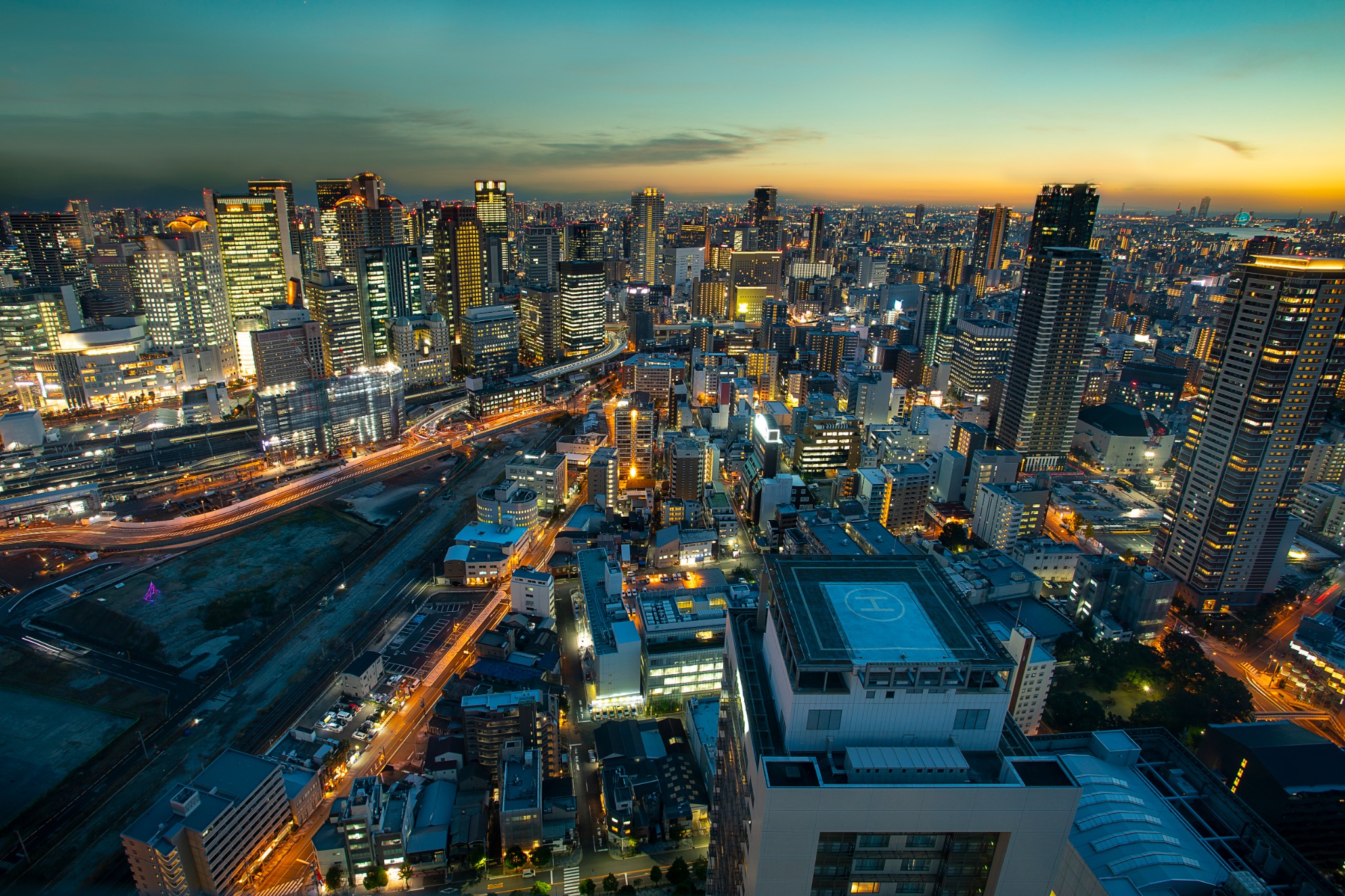
The best areas to stay in Osaka form a north-south line linked by the Midosuji subway, with additional hubs around the Osaka Loop Line and bay railways. Choosing between them is less about finding a universally “best” neighborhood than reducing the journeys your particular itinerary requires. Our full where to stay in Osaka guide compares even more districts, but the following areas cover most leisure trips.
Best Area for First-Time Visitors and Day Trips: Umeda and Osaka Station
Umeda is the safest recommendation for travelers who plan to visit Kyoto, Kobe or Himeji while keeping Osaka as a base. JR Osaka Station, multiple private railways, the Midosuji subway and airport buses converge here. Department stores, underground malls and restaurant floors mean poor weather rarely stops a day. Waldorf Astoria Osaka, InterContinental Osaka, THE OSAKA STATION HOTEL, Hotel Hankyu GRAN RESPIRE and Canopy by Hilton represent different price and personality levels. The disadvantages are complexity and distance from Dotonbori’s late-night energy. First-time users should allow more transfer time than route apps suggest until the station layout becomes familiar.
Best Area for Food, Nightlife and Kansai Airport Access: Namba
Namba is the most immediately entertaining base. Dotonbori, Hozenji Yokocho, Kuromon Market, Namba Parks, Den Den Town and Shinsaibashi are walkable depending on the exact hotel. Nankai trains provide direct airport access, while subway and JR lines handle the rest of the city. Hotel Royal Classic Osaka, Swissôtel Nankai Osaka, Centara Grand and Cross Hotel are strong choices. The area is crowded, bright and noisy; travelers who sleep lightly should request higher rooms and avoid assuming that “near Namba” means near the same station entrance.
Best Area for Shopping and Central Position: Shinsaibashi and Hommachi
Shinsaibashi sits between Umeda and Namba along the Midosuji line, close to fashion, nightlife and the covered shopping arcade. Hommachi is quieter and more businesslike, with easy access to the Chuo line for Osaka Castle and the bay. W Osaka, The St. Regis Osaka, HOTEL THE FLAG and voco Osaka Central illustrate the range from full luxury to smart mid-range. This area works especially well for travelers who want to walk to Dotonbori but retreat from the canal’s busiest blocks.
Best Area for Quiet Luxury, Museums and Restaurants: Nakanoshima, Dojima and Kitashinchi
The rivers, bridges and cultural institutions of Nakanoshima create a more composed setting than Osaka’s shopping cores. Dojima and Kitashinchi add upscale restaurants and nightlife, with Umeda still close enough to reach on foot from many hotels. Conrad Osaka, Four Seasons, Zentis, Candeo Hotels Osaka The Tower and RIHGA Royal Hotel suit different budgets. This zone is ideal for couples, art travelers and business trips, but some addresses require a short walk or transfer to the Midosuji line.
Best Area for History and Morning Walks: Osaka Castle and Tanimachi
Staying near Osaka Castle places parkland and stone fortifications outside the door. Patina Osaka is the standout luxury choice, while smaller business and boutique hotels around Tanimachi provide more affordable options. The area is quieter at night and less saturated with international restaurants. It works best for visitors who value scenery, running routes and cultural sights over spontaneous late-night shopping.
Best Area for Views and Southern Osaka: Tennoji and Abeno
Tennoji is a major transport hub with parks, museums, shopping and direct access toward Kansai Airport. Osaka Marriott Miyako Hotel supplies the defining high-rise experience, while numerous mid-range hotels surround the station. Shinsekai is within walking distance, Namba is a short ride away and southern neighborhoods become easier to explore. The area is practical and increasingly polished, though it lacks Umeda’s day-trip breadth and Shinsaibashi’s fashion concentration.
Best Area for Families Visiting USJ: Universal City and Sakurajima
Universal City is the right answer when the park is the central purpose of the trip. The Park Front Hotel minimizes walking, while LIBER HOTEL adds a substantial hot-spring spa one stop away. Other official and partner hotels line CityWalk. Families staying more than two or three nights should consider a split stay so that Osaka Castle, Umeda and Namba do not require repeated cross-city journeys. Pack light for the transfer and ask each hotel about luggage forwarding or storage.
Best Area for Local Character and Group Value: Shin-Imamiya and Shinsekai
Shin-Imamiya has excellent transport and lower average room costs, but it presents more visible social contrast than polished central districts. OMO7 Osaka has helped transform the immediate station area with a large, family-friendly property. The neighborhood is not accurately described by either extreme—neither a danger zone to be categorically avoided nor a newly polished tourist enclave without rough edges. Travelers comfortable in varied urban environments can appreciate its access and character; those seeking formal luxury should choose Umeda, Nakanoshima or Osaka Castle.
Tips for Booking Hotels in Osaka
Book July Weekends and Festival Dates Early
July is not Osaka’s mildest month, but family travel, theme-park demand and major events can still tighten availability. Tenjin Matsuri takes place on July 24 and 25, and rooms around Umeda, Nakanoshima, Sakuranomiya and the river corridor may become more expensive or sell faster. USJ hotels can fill on weekends and during school-holiday periods regardless of central-city demand. Reserving a flexible rate early is often safer than waiting for a theoretical last-minute discount.
Understand Osaka’s Seasonal Peaks
Cherry-blossom weeks, Golden Week, major concerts, autumn foliage weekends, year-end travel and large conventions can lift rates quickly. The exact blossom timing changes every year, so do not rely on an old calendar. Midweek business demand also affects Umeda and Honmachi. Compare several dates when possible, but avoid moving the trip solely to save a small amount if the alternative creates poor flight times or misses the season you want.
Pay for Location When It Removes Daily Friction
A slightly higher room rate can be worthwhile when the hotel eliminates a transfer, long walk or daily taxi. This is particularly true in July heat, with children, or when carrying luggage. Direct station access at Swissôtel Nankai or THE OSAKA STATION HOTEL has practical monetary value. Conversely, a traveler spending four days around Namba should not pay a Umeda premium simply because Osaka Station is considered prestigious.
Check the Exact Station and Exit
“Namba Station” can refer to facilities operated by Nankai, Osaka Metro and JR, each separated by passages and streets. Umeda similarly includes JR Osaka, Hankyu Osaka-Umeda, Hanshin Osaka-Umeda and several subway stations. Measure the route from the correct platform and exit, not a generic map pin. Hotel websites often provide illustrated directions that are more useful than a straight-line distance.
Choose Airport Access Around Your Hotel
Nankai’s Rapi:t and other Nankai services make Namba convenient from Kansai International Airport, with the fastest journeys taking roughly the mid-30-minute range. JR services and limousine buses can be more practical for Osaka Station, Tennoji or certain hotels. Itami Airport is closer to the city and is commonly connected by bus or monorail-plus-train combinations. Arrival time matters: late landings reduce options, and large families may find a prearranged vehicle competitive with multiple tickets and transfers.
Expect Compact Rooms, but Read the Floor Plan
Japanese hotel room sizes are often smaller than North American travelers expect, yet square meters alone do not tell the whole story. A well-planned 22-square-meter room can function better than a larger one with poor luggage storage. Check bed width, clearance, bathroom style and whether extra beds are permanent or temporary. Families should verify the maximum occupancy and bed-sharing policy for the specific child age; rules differ by hotel and room type.
Do Not Assume Every “Twin” Room Sleeps a Family
Twin rooms usually contain two separate beds, but the width may vary, and a third guest may require a sofa bed or rollaway that changes usable floor space. Japanese hotels can enforce registered occupancy strictly. Book the actual number and ages of guests rather than planning to negotiate at check-in. Properties such as OMO7, Centara Grand, LIBER and theme-park hotels provide more group-focused configurations than many central business hotels.
Decide Whether Hotel Breakfast Fits Your Eating Style
Osaka is full of cafés, bakeries, markets and inexpensive morning options, so breakfast is not automatically necessary. It becomes valuable at full-service hotels when the buffet includes Japanese and Western dishes, when children need predictable food before a long day, or when an early departure makes restaurant hunting inconvenient. Compare the breakfast-inclusive rate against the pay-at-hotel price. Club-lounge access can also replace several meals, but only if the schedule aligns with your itinerary.
Verify Pool, Spa and Bath Access
A hotel described as having a spa may mean treatment rooms rather than a swimming pool. Some fitness clubs restrict children, charge visitor fees or operate limited hours. Japanese public baths often require washing before entry and may have tattoo policies. Confirm rules directly for the dates of travel, especially at Candeo, LIBER, OMO7 and luxury wellness hotels. Do not book solely from a third-party amenity icon.
Compare Room Views by Direction, Not Marketing Name Alone
“City view” can face rail tracks, office towers or a distant skyline. Castle views at Patina, park-facing rooms at USJ hotels and upper-floor panoramas at Osaka Marriott can justify an upgrade, but only when the orientation is guaranteed in the booked category. Ask whether the view is full or partial and whether floor requests are confirmed or merely noted.
Allow for Osaka Accommodation Tax
Osaka Prefecture revised its accommodation-tax structure in September 2025. The tax is assessed per person, per night in rate tiers, with lower-priced stays below the threshold exempt and the highest tier reaching several hundred yen. Booking sites do not always display local taxes in the same way, and hotels may collect them separately at check-in or checkout. Read the final price breakdown rather than comparing only the headline nightly rate.
Use Flexible Cancellation When Plans Depend on Weather or Tickets
Nonrefundable rates can be attractive, but flexibility has value when the trip depends on flight connections, USJ tickets, festival plans or a multi-city itinerary. Reserve a cancellable option, set a reminder before the deadline and recheck rates periodically. If a cheaper equivalent rate appears, confirm that taxes, breakfast, room category and cancellation terms truly match before changing the booking.
Consider a Split Stay, but Keep It Purposeful
Moving hotels consumes time. A split stay is most useful when it eliminates a major journey—for example, two nights at Universal City followed by three nights in Umeda or Namba. Moving between Shinsaibashi and Namba rarely creates enough benefit to justify repacking. Luggage-forwarding services can reduce effort, but delivery may not be same-day and hotels can have size or destination restrictions.
Frequently Asked Questions About the Top 25 Hotels in Osaka
What are the best hotels in Osaka?
Patina Osaka, Four Seasons Hotel Osaka, Waldorf Astoria Osaka, Conrad Osaka and InterContinental Osaka lead this ranking for different reasons. Patina is strongest for castle views and wellness, Four Seasons for layered contemporary luxury, Waldorf Astoria for spacious Umeda grandeur, Conrad for skyline drama and InterContinental for the most balanced station-area facilities.
What is the best area to stay in Osaka for first-time visitors?
Umeda is best for first-time visitors planning regional day trips, while Namba is best for visitors prioritizing food, nightlife and direct Nankai airport access. Shinsaibashi is the useful compromise between them. Choose the area nearest the activities you expect to repeat rather than the one with the most famous name.
What are the best luxury hotels in Osaka?
The leading luxury hotels in Osaka include Patina Osaka, Four Seasons Hotel Osaka, Waldorf Astoria Osaka, Conrad Osaka, InterContinental Osaka, The Ritz-Carlton, The St. Regis and W Osaka. Each has a different personality, from quiet castle-facing wellness to nightlife-driven design.
What are the best boutique hotels in Osaka?
Zentis Osaka is the strongest upscale boutique-style choice, while HOTEL THE FLAG Shinsaibashi provides excellent mid-range design and service. voco Osaka Central is larger and chain-affiliated but retains a neighborhood identity. Travelers seeking very small independent properties can also investigate Hotel Noum and other riverside options outside this top 25.
Which Osaka hotels are best for families?
The Park Front Hotel and LIBER HOTEL are excellent for Universal Studios Japan. OMO7 Osaka has group-friendly rooms, a large public bath and playful common spaces. InterContinental Osaka offers residences and broad facilities, while Centara Grand and Swissôtel Nankai combine family practicality with Namba transport. Always verify bed-sharing and maximum occupancy for the exact room.
Where should couples stay in Osaka?
Patina Osaka suits couples seeking calm, views and wellness. Four Seasons and Waldorf Astoria work for major celebrations. Conrad Osaka is strong for art, skyline cocktails and Nakanoshima dining, while W Osaka fits couples who want fashion and nightlife. Zentis offers a more approachable design-led alternative.
Is it better to stay in Namba or Umeda?
Choose Namba for Dotonbori, street food, nightlife, Kuromon Market and Nankai access to Kansai Airport. Choose Umeda for Kyoto, Kobe and Himeji day trips, department stores and the broadest transport network. A trip centered on both areas can use Shinsaibashi or Hommachi as a middle position on the Midosuji line.
What are the best hotels near Universal Studios Japan?
The Park Front Hotel is best for minimum walking because it stands opposite the entrance. LIBER HOTEL is one train stop away and better for guests who prioritize a natural hot-spring spa and larger resort scale. Several other official hotels surround Universal CityWalk; compare room capacity and breakfast timing as carefully as distance.
Which Osaka hotels have the easiest Kansai Airport access?
Swissôtel Nankai Osaka and Hotel Royal Classic Osaka are especially convenient for Nankai trains from Namba. Centara Grand is also close to Nankai Namba. Osaka Marriott Miyako Hotel works well with JR access through Tennoji, while Umeda hotels can use JR or airport buses depending on schedule.
How far in advance should I book an Osaka hotel?
For ordinary midweek dates, several weeks may provide a good range, but major festivals, cherry-blossom periods, Golden Week, autumn weekends and USJ-heavy family travel merit earlier booking. For July 24–25, 2026 and popular summer weekends, a flexible reservation made a few months ahead is sensible.
Is July a good time to visit Osaka?
July is hot and humid, with possible rain and intense midday conditions, but long evenings, indoor attractions and Tenjin Matsuri create strong reasons to visit. Choose a hotel close to the subway, schedule outdoor sightseeing early, carry water and use museums, shopping arcades or hotel pools during the hottest hours.
Are hotels in Osaka expensive?
Osaka covers a wide price spectrum. New international luxury hotels can be expensive, especially on peak weekends, while the city retains an enormous supply of business hotels and efficient mid-range rooms. Value depends heavily on room size, station access, breakfast, bath facilities and cancellation terms rather than headline price alone.
Final Thoughts: Choosing the Right Osaka Hotel
Osaka’s best hotel is the one that supports the trip you are actually taking. Patina Osaka is the strongest overall editorial choice because its castle setting, rooms and wellness facilities create a destination experience. Four Seasons and Waldorf Astoria bring new levels of luxury to Dojima and Umeda. InterContinental remains the pragmatic favorite for travelers who want an excellent pool, Japanese bath and station access in one place. W, Zentis and THE FLAG show how design can operate at very different price levels, while the USJ hotels prove that convenience can be the most meaningful luxury for families.
Location should lead the decision. Pay more for Umeda when regional trains matter, for Namba when nights revolve around food and entertainment, or for Universal City when an early park start will define the day. Then compare the details that shape comfort: exact room size, bed configuration, view, bath rules, breakfast schedule and cancellation flexibility. A famous brand in the wrong district is rarely a better choice than a thoughtfully run hotel beside the station you will use every morning.
Osaka rewards both ambition and appetite. Choose a base that lets you move easily, but leave enough time to enjoy the hotel itself—an early swim above the city, a quiet castle view, a rooftop bath after twenty thousand steps or a final drink while the trains and lights continue below.
Click here to compare hotels and current rates in Osaka
Affiliate disclosure: This article may contain affiliate links. We may earn a commission when you click through or make a booking, at no extra cost to you. Rankings are based on current research into location, guest sentiment, design, service, amenities, practical value and the needs of different travelers.