Top 25 Hotels in Milan: From Fashion-District Palaces to Design-Led City Stays in July 2026
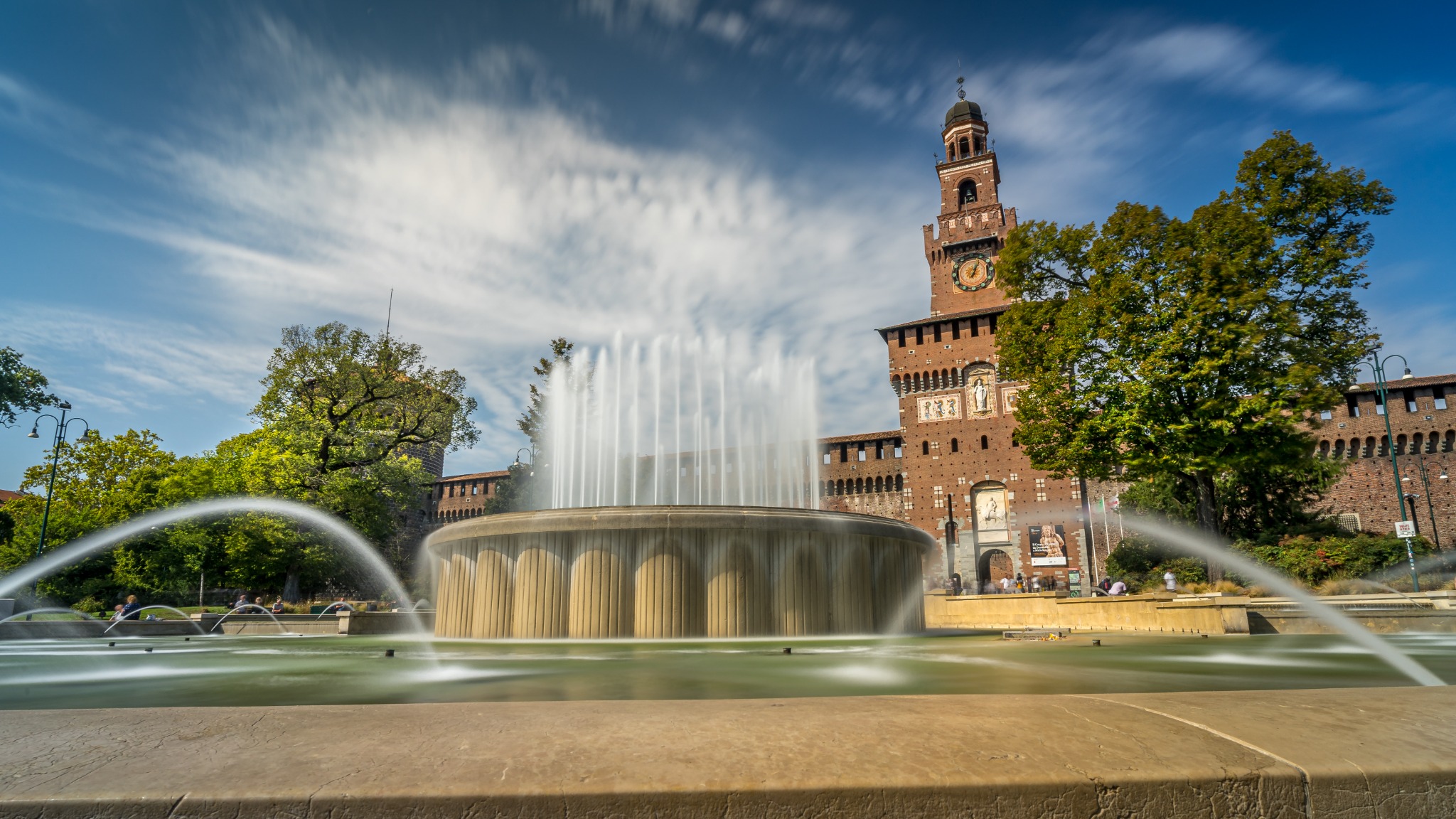
Milan reveals itself in layers. The first is monumental: the marble forest of the Duomo, the vaulted glass of the Galleria Vittorio Emanuele II, and the red-brick mass of Castello Sforzesco. The second is more private: brass doorbells on quiet palazzi, courtyards hidden behind sober façades, ateliers above unmarked entrances, and gardens that seem impossible from the street. Then comes the Milan that stays awake—aperitivo glasses along the Navigli, rooftop music above Porta Nuova, late opera crowds leaving La Scala, and fashion teams ordering dinner long after a show.
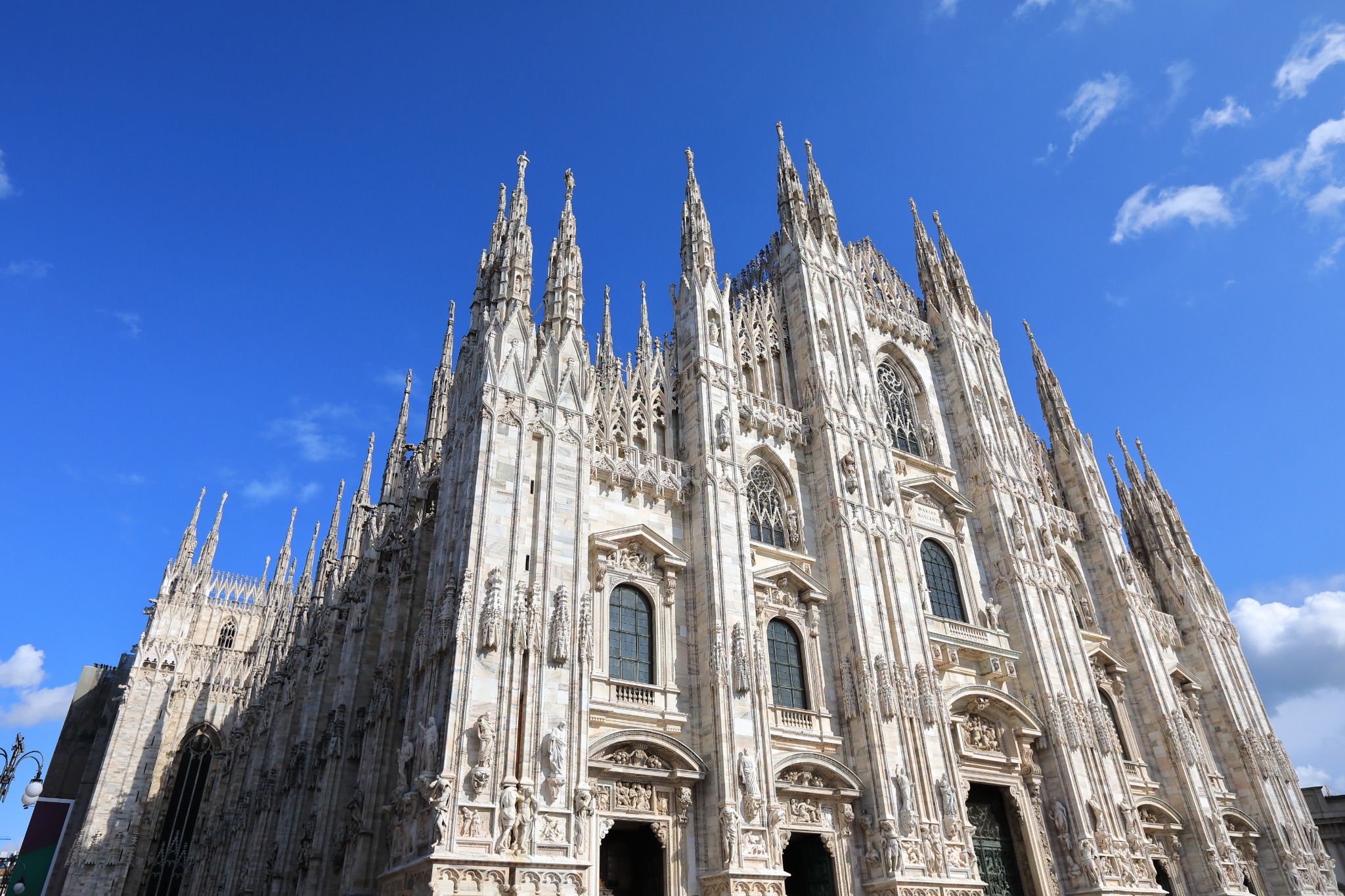
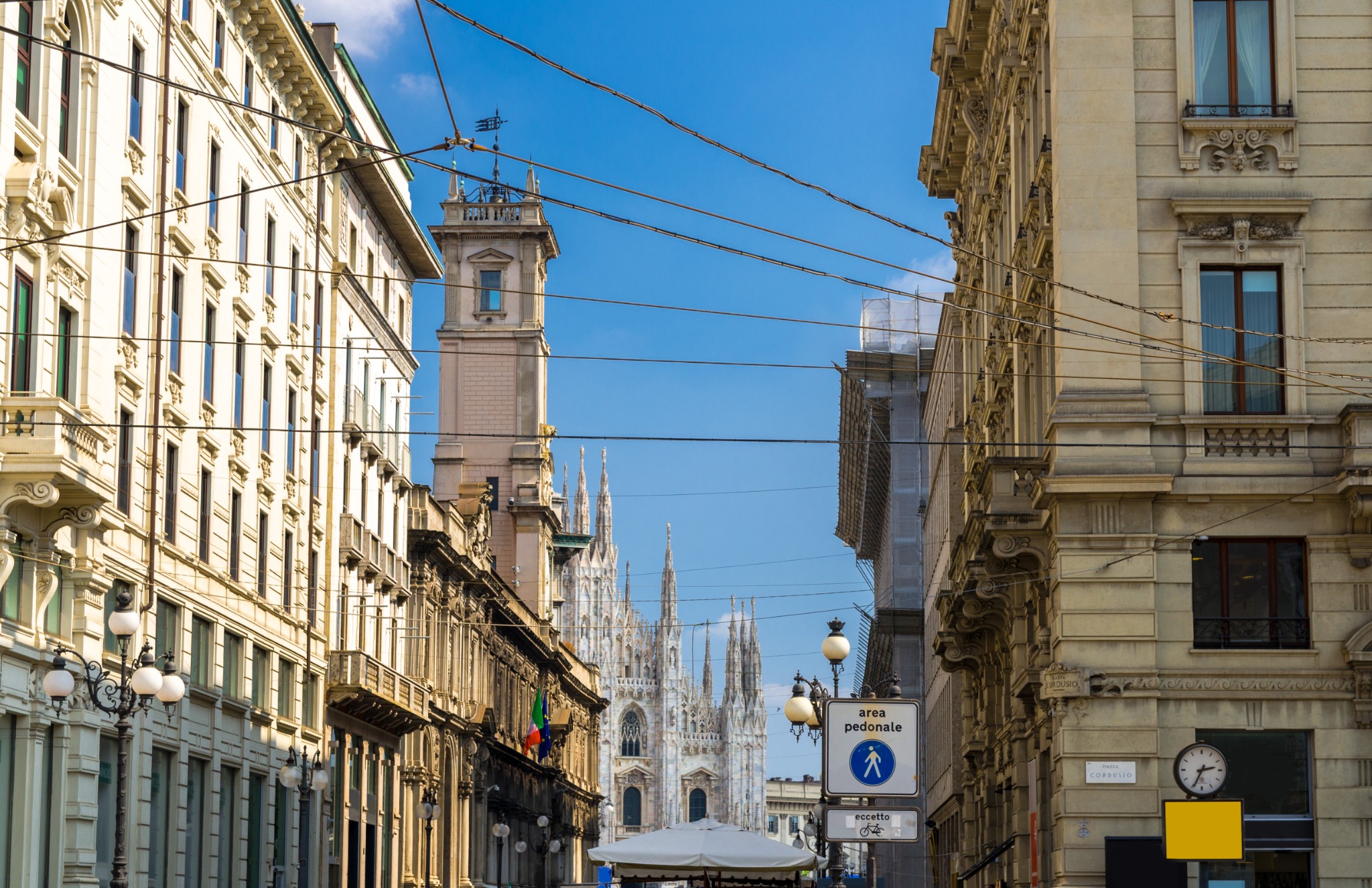
That complexity makes choosing a hotel more important here than it initially appears. A room beside the Duomo can turn a two-night first visit into an effortless sequence of early sightseeing and evening walks. Brera places galleries, cobbled lanes, design stores, and wine bars outside the door. The Quadrilatero della Moda is made for luxury shopping, Fashion Week, and travelers who want Milan’s most polished service culture. Porta Venezia adds Liberty architecture, gardens, restaurants, and nightlife.
Navigli and Tortona suit visitors who care more about canals, studios, bars, and contemporary design than waking beside the cathedral. Porta Nuova, Isola, and Porta Volta show the vertical, post-industrial city of towers, creative businesses, and ambitious restaurants.Milan’s hotel scene mirrors those neighborhoods. Former convents have become garden hotels; an old seminary now contains one of Europe’s most striking luxury courtyards; historic banks and insurance headquarters have reopened as five-star palazzi; perfume factories and bicycle workshops have become intimate design stays. New arrivals such as The Carlton and Hotel Calimala Milano join established names including Four Seasons, Bulgari, Mandarin Oriental, Park Hyatt, and Hotel Principe di Savoia.
This ranking of the Top 25 hotels in Milan, updated for July 2026, compares current branding, location, professional travel coverage, guest-review patterns, room character, service reputation, dining, wellness, transport access, value within each category, and suitability for different trips. It is not simply a list of the most expensive addresses. A small art hotel near the Duomo can be a smarter choice than a palace with facilities you will never use; a rooftop pool in Porta Volta may be worth more in July than a formal lobby in the center; and a seven-room guesthouse may deliver more personality than a hotel with hundreds of keys.
The ranking also reflects current changes. Milan’s hospitality market has expanded rapidly around the 2026 Winter Olympic year, and several hotels have opened, renovated, or altered dining concepts. Availability and operating details can still change, so verify restaurants, rooftop access, pool schedules, and room configurations for your dates.
The accompanying video context correctly emphasizes the historic center, Brera, Porta Nuova, Navigli, and Porta Venezia as key areas. For most first-time visitors, the Duomo–La Scala–Brera triangle remains the easiest base. Yet Milan rewards a more tailored decision. The best address depends on whether your priorities are early cathedral access, late canal-side dinners, fashion appointments, a large spa, railway convenience, a residential neighborhood, or simply enough outdoor space to cool down after a hot July afternoon.
Quick Picks: Best Hotels in Milan
- Best overall hotel: Portrait Milano
- Best classic luxury hotel: Four Seasons Hotel Milano
- Best hotel for dining and spa: Mandarin Oriental, Milan
- Best hotel near the Duomo: Park Hyatt Milano
- Best new luxury hotel: The Carlton, a Rocco Forte Hotel
- Best design hotel with a rooftop pool: Casa Brera
- Best grand hotel: Hotel Principe di Savoia
- Best boutique hotel in Brera: Casa Baglioni Milan
- Best value luxury hotel with a rooftop pool: Hotel VIU Milan
- Best hotel for first-time visitors: Room Mate Collection Giulia
- Best small central hotel: Hotel Spadari al Duomo
- Best hotel for nightlife: Aethos Milan
- Best intimate design stay: Vico Milano
- Best hotel for train travel: Excelsior Hotel Gallia
- Best newer mid-upscale design hotel: Hotel Calimala Milano
How We Chose the Top 25 Hotels in Milan
The list began with hotels that recur across current Milan recommendations from respected travel publications and major review platforms. Those recurring names were then checked against official hotel information for current branding, neighborhood, restaurants, bars, pools, spas, room categories, and recent openings or changes. A hotel did not rank highly merely because it is famous. We looked for a clear reason a real traveler should choose it in 2026.
- Guest-review patterns: We considered repeated themes such as sleep quality, staff responsiveness, breakfast, room condition, noise, and whether the location works as advertised.
- Location: Walking access to the Duomo, Brera, La Scala, shopping, nightlife, museums, metro stations, and Milano Centrale was weighed against neighborhood atmosphere.
- Design and sense of place: Milan is a design capital, so generic luxury received less credit than thoughtful architecture, art, materials, and adaptive reuse.
- Service and comfort: Strong beds, bathrooms, housekeeping, concierge support, and operational consistency matter more than decorative excess.
- Amenities: Pools, spas, gyms, gardens, rooftops, restaurants, and bars were evaluated only when current sources supported them.
- Traveler fit: We considered couples, families, first-time visitors, solo travelers, business guests, nightlife-focused visitors, design travelers, and longer stays.
- Value within category: A four-star hotel can outrank a five-star hotel when it delivers a more useful location and avoids charging for facilities that the target traveler does not need.
- Current relevance: The ranking accounts for 2025–2026 openings, renovations, and operational changes rather than recycling a list from several years ago.
No ranking can replace checking the exact room. In Milan, heritage buildings create significant variation in size, outlook, ceiling height, and noise exposure. Ask about the room’s orientation, not just its category name. A quiet courtyard room can be more enjoyable than a nominal upgrade facing a busy street.
Top 25 Hotels in Milan for July 2026
1. Portrait Milano – Lungarno Collection
Portrait Milano has changed the geography of Milanese luxury. The building was once a closed, almost mysterious seminary complex in the middle of the fashion district; today its grand colonnaded courtyard works as both a five-star hotel address and a public piazza linking two of the city’s most expensive shopping streets. That combination—private retreat above, Milanese social life below—is precisely why it takes the top position in this July 2026 ranking.
The rooms and suites are polished rather than theatrical. Warm woods, quietly tailored fabrics, handsome stone, and mid-century references create the feeling of an unusually well-composed Milanese residence. The service model is personal and flexible, while the scale remains intimate enough to avoid the machinery of a large international palace hotel. For many guests, however, the real luxury is spatial: the long loggias, the open square, the concealed garden, and the cellar-level pool produce breathing room in a dense part of the city.
Portrait also works unusually well for travelers who want to remain on-property for part of the day. Breakfast, lunch, aperitivo, and dinner unfold around 10_11, Beefbar, the garden, and the piazza, with enough local traffic to prevent the atmosphere from feeling like a sealed tourist bubble. It is highly convenient for Fashion Week appointments, designer shopping, La Scala evenings, and first-time sightseeing, yet it feels distinct from the Duomo hotels. Book a room facing the quieter interior if privacy matters more than watching the action below.
Why stay here: It offers the strongest all-round combination of historic architecture, fashion-district location, contemporary Milanese social life, spacious public areas, dining, and serious wellness.
Best for: Luxury travelers, fashion-focused couples, special occasions, and guests who want a resort-like sense of space in the Quadrilatero della Moda.
Location: Corso Venezia and Via Sant’Andrea, inside the fashion district, with Via Montenapoleone, Via della Spiga, Brera, La Scala, and the Duomo within an easy walk.
What stands out: A restored 16th-century seminary wrapped around the Piazza del Quadrilatero, plus 10_11, Beefbar, a hidden garden, and a vaulted underground wellness area with an indoor pool.
Potential drawback: Rates are firmly at the top of Milan’s market, and the public piazza and popular restaurants can make the ground floor feel more social than secluded.
Click here to explore rooms and current availability at Portrait Milano
2. Four Seasons Hotel Milano
Four Seasons Hotel Milano remains one of the city’s safest high-end recommendations because its appeal does not depend on novelty. The hotel occupies a former convent on Via Gesù, and the historic bones—stone corridors, cloister proportions, fresco fragments, and a sheltered courtyard—give it a serenity that is difficult to reproduce in a newly built city hotel. Step outside and Milan’s fashion district is immediate; step back through the entrance and the tempo drops.
The property is particularly convincing for travelers who place service, sleep quality, and an unhurried breakfast above spectacle. Rooms vary because of the old building, which can be an advantage for guests who enjoy architectural individuality. Some suites preserve dramatic ceilings or views toward the cloister, while more straightforward categories deliver the restrained, high-comfort approach associated with the brand. The garden is one of the best places in central Milan for a quiet drink between shopping and dinner, and Zelo’s veranda keeps the hotel connected to the city’s social rhythm without becoming a nightclub.
The subterranean spa is a major reason to choose the Four Seasons over a smaller boutique. Its indoor pool sits under a vaulted ceiling, and the treatment rooms, salon, and wellness spaces make a rainy winter day—or an exhausting design-week schedule—far easier to manage. Families receive the reliability and logistical support of a major luxury operator, while couples get genuine romantic atmosphere without forced theatrics. The main reservation strategy is to discuss room layout in advance: in a heritage property, square footage alone does not tell the full story.
Why stay here: Choose it for deeply reliable service and the rare calm of a cloistered garden and vaulted pool in the middle of Milan’s most expensive shopping district.
Best for: Traditional luxury travelers, couples, fashion-week visitors, spa breaks, and guests who value calm service over a scene-driven hotel.
Location: Via Gesù in the Quadrilatero della Moda, a few minutes from Via Montenapoleone and within walking distance of La Scala, Brera, and the Duomo.
What stands out: A 15th-century former convent with a cloister garden, frescoed architectural details, Zelo restaurant, Stilla bar, a full spa, and a 14-meter indoor pool beneath vaulted ceilings.
Potential drawback: The mood is deliberately classic and discreet; travelers seeking a buzzing rooftop, bold contemporary art, or canal-side nightlife may find it too composed.
Click here to see current room options at Four Seasons Hotel Milano
3. Mandarin Oriental, Milan
Mandarin Oriental, Milan is the choice for travelers who want to be close to everything but do not want to feel as though they are sleeping on a tourist square. The entrance is tucked along Via Andegari, and the hotel unfolds through four historic buildings into two internal courtyards. This creates a layered sense of arrival: the city is outside, but the green, protected center belongs to the hotel.
Rooms combine Milanese tailoring with a calm contemporary palette. They are not minimalist in the stark Armani sense, nor overtly historic like the Grand Hotel et de Milan. Instead, the design is controlled, tactile, and residential. The courtyards matter as much as the rooms. Mandarin Garden functions as an all-day social heart for coffee, lunch, aperitivo, and late drinks, with enough local clientele to make the space feel rooted in Milan rather than designed only for overnight guests.
Dining is a decisive advantage. Seta, led by chef Antonio Guida, holds two Michelin stars and gives serious gastronomic travelers a compelling reason to stay. The spa is another: its heat experiences, treatment program, gym, and long indoor pool make it one of the most complete wellness facilities in the historic center. The hotel works especially well for a three-night cultural stay built around La Scala, Brera, designer shopping, and carefully planned dinners. It is less ideal for travelers who want a casual, inexpensive neighborhood outside the door, because nearly every surrounding street belongs to Milan’s premium retail and hospitality ecosystem.
Why stay here: It is the most complete choice for guests who want discreet central luxury, destination dining, courtyard atmosphere, and a substantial spa in one address.
Best for: Food-focused luxury travelers, couples, spa enthusiasts, La Scala visitors, and shoppers who want a discreet base beside the fashion district.
Location: Via Andegari between La Scala and Via Manzoni, close to Montenapoleone, Brera, the Galleria Vittorio Emanuele II, and the Duomo.
What stands out: Four connected 18th-century buildings, two leafy courtyards, the two-Michelin-starred Seta by Antonio Guida, Mandarin Garden, and an extensive spa with an indoor pool.
Potential drawback: The hotel’s sophistication comes at a steep price, and some guests may prefer the stronger historic drama of Four Seasons or the more visible social energy of Portrait Milano.
Click here to compare rooms and availability at Mandarin Oriental, Milan
4. Bulgari Hotel Milano
Bulgari Hotel Milano still feels like a prototype for the modern fashion-house hotel, even though it opened more than two decades ago. Its success lies in what it withholds: no monumental façade, no view of the Duomo from the lobby, and no need to announce itself from the street. Guests turn down a private lane near the Brera Botanical Garden and arrive at a low-key entrance framed by greenery and expensive Italian cars.
Inside, the materials do the talking. Dark woods, black stone, bronze, fine textiles, and carefully controlled lighting create a polished but not fussy atmosphere. The guestrooms are spacious by central Milan standards, and many of the best rooms look toward the garden. That garden—unusually large for this location—is the emotional center of the hotel. It becomes a long lunch terrace, aperitivo salon, celebrity-watching venue, and quiet morning retreat depending on the hour.
The underground spa remains one of Milan’s most recognizable wellness spaces, with a jewel-like mosaic pool, hammam facilities, treatment rooms, and a sense of seclusion. A practical July 2026 note is important: the hotel announced a temporary closure and reimagining of Il Ristorante – Niko Romito beginning in late June, while the bar and other dining options continue. Travelers booking specifically for the restaurant should verify the operating concept for their dates. Even with that caveat, Bulgari remains one of the best hotels in Milan for design, privacy, and access to both Brera and the fashion district.
Why stay here: The private garden, polished design, and secluded spa create a level of privacy that is difficult to match this close to Brera and Via Montenapoleone.
Best for: Privacy-seeking luxury travelers, fashion and design insiders, couples, spa devotees, and guests who prioritize a garden over immediate Duomo views.
Location: A discreet private lane beside the Brera Botanical Garden, between Brera and the Quadrilatero della Moda.
What stands out: A 4,000-square-meter private garden, Antonio Citterio and Patricia Viel interiors, a celebrated green-and-gold mosaic spa pool, Bulgari Bar, and highly polished contemporary Italian design.
Potential drawback: The atmosphere can feel image-conscious, and dining is in transition in summer 2026, so guests should confirm which restaurant concepts are operating for their exact dates.
Click here to check the latest availability at Bulgari Hotel Milano
5. Park Hyatt Milano
Few hotels remove as much friction from a first visit to Milan as the Park Hyatt. The Galleria Vittorio Emanuele II is essentially next door, the Duomo is moments away, and La Scala lies in the opposite direction. This means early-morning cathedral walks, late performances, shopping stops, and restaurant reservations can be organized without repeated taxi rides or metro changes.
The hotel’s great trick is that it does not feel as frantic as its address. A renovation refined the rooms into a quieter, more contemporary version of Milanese luxury: cream and stone tones, tailored furniture, substantial bathrooms, and enough acoustic control to make the city center recede. Some categories offer terraces or landmark glimpses, though guests should confirm the exact outlook before paying a premium. The glass-domed La Cupola is the social center, serving breakfast and all-day meals in a room that feels grand without becoming stiff.
Pellico 3 provides a small-scale fine-dining experience, while Mio Lab gives the hotel a stronger evening identity through cocktails and aperitivo. The spa is useful for treatments, steam, and recovery, although guests seeking a significant swimming pool should look to Four Seasons, Mandarin Oriental, Bulgari, Portrait, or Excelsior Gallia. Park Hyatt earns its high ranking through balance: location, room comfort, serious food and beverage, and service that feels polished rather than ceremonial. It is especially effective for a short Milan stay when every hour matters.
Why stay here: Few hotels make a short Milan trip easier; the Galleria, Duomo, La Scala, shopping, and key restaurants are all immediately accessible.
Best for: First-time luxury visitors, cultural weekends, business travelers, shoppers, and guests who want the Duomo and Galleria almost outside the door.
Location: Via Tommaso Grossi beside the Galleria Vittorio Emanuele II, between Piazza del Duomo and Piazza della Scala.
What stands out: An unbeatable historic-center location, a serene glass-domed La Cupola lounge, Mio Lab cocktail bar, Pellico 3 dining, travertine-rich rooms, and a compact spa.
Potential drawback: The immediate surroundings are among Milan’s busiest, and the hotel lacks the large garden or full resort-style pool found at several fashion-district competitors.
Click here to view current offers at Park Hyatt Milano
6. The Carlton, a Rocco Forte Hotel
The Carlton is the most consequential addition to Milan’s luxury hotel scene in this ranking. Opened in November 2025 after a major redevelopment of the former Carlton Baglioni site, the hotel gives Rocco Forte a flagship position directly on Via della Spiga. It is not merely close to the fashion district; it is embedded in one of its defining streets.
The design avoids the anonymous polish that can flatten a new five-star property. Olga Polizzi’s layered approach, developed with Paolo Moschino and Philip Vergeylen, brings pattern, books, color, art, and domestic detail into the rooms and public spaces. The result is closer to a collected Milanese home than a corporate showroom. Cafe Floretta occupies a bright winter-garden setting, The Carlton Bar focuses on modern mixology, and Spiga provides the primary Italian dining experience. The Irene Forte Spa adds treatment rooms, wet facilities, a relaxation lounge, fitness, and beauty services.
For returning visitors who already know the Four Seasons, Bulgari, and Mandarin Oriental, The Carlton offers something genuinely new without requiring a compromise on location. It is also well suited to travelers whose days revolve around appointments in the Quadrilatero, as walking times are unusually short. The editorial caveat is maturity: new hotels need time for service rituals, room preferences, and repeat-guest culture to settle. Even so, the combination of address, design confidence, and Rocco Forte hospitality makes The Carlton one of the best luxury hotels in Milan in July 2026.
Why stay here: It gives travelers a genuinely new luxury option on Via della Spiga, with layered residential design and a full Rocco Forte food, bar, and spa program.
Best for: Travelers who want Milan’s newest grand luxury address, fashion-district shoppers, couples, repeat visitors, and Rocco Forte loyalists.
Location: Via della Spiga in the Quadrilatero della Moda, with direct access to the city’s most prestigious shopping streets and an easy walk to San Babila and the Duomo.
What stands out: A major 2025 opening after an extensive transformation, with interiors overseen by Olga Polizzi and collaborators, Spiga restaurant, Cafe Floretta, The Carlton Bar, and Irene Forte Spa.
Potential drawback: As a recently opened hotel, it has a shorter track record than Milan’s established grande dames, and rates reflect both the address and the novelty.
Click here to check rooms and updated rates at The Carlton
7. Casa Brera, a Luxury Collection Hotel, Milan
Casa Brera arrived with the difficult task of feeling both new and unmistakably Milanese. Patricia Urquiola’s design answers that challenge through color, texture, crafted furniture, and references to the building’s rationalist mid-century character. The result is sophisticated without becoming beige, and photogenic without sacrificing function.
The hotel’s position near La Scala is exceptionally useful. Brera’s galleries and restaurants begin to the north, while the Galleria Vittorio Emanuele II and Duomo lie to the south. This makes Casa Brera a compelling alternative to hotels directly on Piazza del Duomo: guests retain immediate sightseeing access but return to a slightly less touristic pocket. Rooms feel contemporary and tailored, with the more expensive suites adding terraces and meaningful skyline views.
Food and drink are central to the concept. The Living Lounge handles aperitivo and informal meetings; Scena focuses on Italian cooking; Odachi offers a more intimate Japanese experience; and Etereo crowns the building with rooftop dining, a sky bar, and a pool area. That rooftop is a genuine differentiator in a city where central outdoor pools are scarce. Casa Brera suits travelers who enjoy moving between the hotel and Milan’s creative scene rather than retreating into a silent palace. Light sleepers or guests seeking a monastic atmosphere should request a quieter room position away from the liveliest public zones.
Why stay here: It pairs a near-perfect Brera–La Scala location with expressive design, multiple dining choices, city views, and one of central Milan’s rare rooftop pools.
Best for: Design lovers, stylish couples, rooftop seekers, Marriott Bonvoy members, and travelers who want Brera and the Duomo in equal measure.
Location: Piazzetta Bossi near La Scala, at the southern edge of Brera and a short walk from the Galleria and Duomo.
What stands out: Patricia Urquiola interiors, a strong art program, multiple restaurants and bars, the Etereo rooftop, city views, and a rare central-Milan rooftop pool.
Potential drawback: The lively public spaces and rooftop can feel more social than restful, and the most compelling views and terraces are concentrated in higher categories.
Click here to see today’s availability at Casa Brera
8. Armani Hotel Milano
Armani Hotel Milano is one of the clearest expressions of a designer’s worldview translated into hospitality. There is little visual noise: lines are clean, colors are controlled, technology is integrated, and the public areas rise above Via Manzoni with cinematic views of the city. Guests who love Armani’s sense of proportion and restraint may find the hotel deeply calming. Those who want antique furniture, flower-filled lobbies, or theatrical Italian decoration should choose elsewhere.
The location is difficult to fault. Montenapoleone metro station is close, Via della Spiga and Via Montenapoleone are outside, and La Scala and the Duomo can be reached on foot. Rooms prioritize privacy, generous bathrooms, and a cocooning atmosphere. Because the hotel occupies upper floors of the Manzoni 31 building, many spaces feel removed from street level; that separation reinforces the sense of exclusivity but makes the property less courtyard-oriented than Four Seasons or Mandarin Oriental.
Armani/Ristorante serves contemporary Italian cooking, while Armani/Bamboo Bar is one of the hotel’s signature spaces for aperitivo and evening drinks with skyline views. The Armani/SPA extends across a high floor and adds treatments, heat experiences, relaxation areas, and water-based wellness. This is a particularly efficient choice for business travelers who want strong service, a central location, and a controlled environment. The potential downside is emotional temperature: Armani’s version of luxury is disciplined, not exuberant.
Why stay here: For guests who respond to Giorgio Armani’s disciplined aesthetic, the hotel delivers a coherent fashion, dining, skyline, and spa experience in the Quadrilatero.
Best for: Minimalists, fashion travelers, business guests, shoppers, and couples who prefer controlled contemporary design to historic ornament.
Location: Via Manzoni in the Quadrilatero della Moda, directly above and beside Armani’s Milan retail and lifestyle complex.
What stands out: Giorgio Armani’s precise design language, elevated city views, Armani/Ristorante, Armani/Bamboo Bar, and the high-floor Armani/SPA.
Potential drawback: The aesthetic is highly specific—dark, sleek, and restrained—and can feel cool or corporate to guests who prefer warm residential interiors.
Click here to compare current rates at Armani Hotel Milano
9. Hotel Principe di Savoia, Dorchester Collection
Known simply as “the Principe” to many regulars, Hotel Principe di Savoia remains Milan’s great social stage. The lobby and Il Salotto are built for arrivals, meetings, afternoon tea, and people-watching. During Fashion Week and major business events, the hotel can feel like an extension of the city’s deal-making machinery; at quieter times, it offers the reassuring rituals of a classic European grand hotel.
The property’s size creates advantages. There are more room types, more staff, more meeting capability, and more resilience for families or groups than at intimate boutiques. Décor varies from polished traditional rooms to highly elaborate suites, so travelers should study photographs rather than assume a single design language. Acanto handles refined dining, Principe Bar has an established cocktail identity, and Il Salotto remains one of the city’s most recognizable hotel lounges.
Club 10, positioned on the upper floor, gives the Principe a strong wellness proposition with a gym, treatment facilities, and indoor pool. The location on Piazza della Repubblica is practical for Centrale station, Porta Nuova, and business districts, though first-time tourists may prefer the immediate walkability of Park Hyatt, Room Mate Giulia, or Spadari al Duomo. Choose the Principe for scale, atmosphere, and classic service—not because it places the cathedral outside the entrance.
Why stay here: Its grand scale, established service culture, lively lobby, broad room inventory, and top-floor wellness facilities make it one of Milan’s most dependable full-service hotels.
Best for: Grand-hotel traditionalists, fashion and business travelers, families needing larger inventory, and guests who enjoy a lively lobby culture.
Location: Piazza della Repubblica, between Milano Centrale, Porta Nuova, and the historic center, with metro and tram connections nearby.
What stands out: Old-school Milanese glamour, Acanto restaurant, Il Salotto, Principe Bar, extensive room and suite choice, and the top-floor Club 10 wellness area with an indoor pool.
Potential drawback: It is not in the most walkable part of the Duomo core, and the grand scale and formal décor may feel less intimate than a Brera boutique.
Click here to check current availability at Hotel Principe di Savoia
10. Palazzo Cordusio Gran Meliá
Palazzo Cordusio occupies one of Milan’s most strategically useful positions. Piazza Cordusio sits between the ceremonial Duomo core and Via Dante’s route toward Castello Sforzesco, so guests can walk to the city’s primary sights while also reaching Brera, Sant’Ambrogio, and the shopping district with relative ease. The building itself, once associated with insurance and finance, has the monumental scale expected of a late-19th-century civic palazzo.
The hotel makes full use of that architecture. High ceilings, broad windows, sculptural staircases, and rooftop perspectives create a sense of occasion. Rooms are elegant and generally more classic than Casa Brera, while many suites make the most of the curved façade and city views. The best reason to upgrade is often outlook rather than sheer size; a balcony or Duomo-facing angle can transform the experience.
Dining is unusually varied. Isola interprets southern Italian flavors and has terrace views; Sachi brings a Japanese-influenced option; Giardino Cordusio occupies the internal courtyard; and Café Kitsuné gives the ground-floor mix a contemporary international note. This breadth suits families or multi-generational groups with different tastes. The centrality comes with movement and noise, so request a quieter orientation if early nights matter. For a first visit where location and hotel facilities carry equal weight, Palazzo Cordusio is one of Milan’s strongest modern choices.
Why stay here: The hotel combines landmark architecture, unusually broad dining choice, and a location that connects the Duomo, Via Dante, the castle, and Brera.
Best for: First-time visitors, families, couples, rooftop diners, and travelers who want a landmark building between the Duomo and Castello Sforzesco.
Location: Piazza Cordusio, a short walk from the Duomo, Galleria Vittorio Emanuele II, Via Dante, and the castle.
What stands out: A restored 19th-century palazzo with grand architectural volume, rooftop and courtyard dining, Isola Restaurant, Sachi, Giardino Cordusio, and Café Kitsuné.
Potential drawback: Piazza Cordusio is busy with traffic and pedestrians, and the property’s multiple public venues can make it feel more like a lifestyle hub than a secluded retreat.
Click here to explore room choices at Palazzo Cordusio Gran Meliá
11. Grand Hotel et de Milan
Grand Hotel et de Milan does not need to manufacture heritage. Giuseppe Verdi lived here for years, La Scala is nearby, and generations of artists, conductors, actors, designers, and aristocrats have moved through its salons. The hotel’s family-run identity adds another layer: it feels less standardized than an international chain and more connected to Milan’s cultural memory.
Rooms and suites are individually composed, combining antiques, patterned textiles, dark woods, art, and modern comforts. Guests who enjoy historical atmosphere will find details to study; guests who equate luxury with enormous spas and touchscreen minimalism may not. The best rooms offer high ceilings, handsome proportions, and a convincing sense of place. Opera travelers should ask about performance logistics and pre-theatre dining, because the hotel’s proximity to La Scala is one of its clearest advantages.
Don Carlos provides the most formal dining setting, Caruso Nuovo Bistrot offers a more relaxed rhythm with a veranda and outdoor space, and Gerry’s Bar is a classic Milanese hotel bar where the mood is elegant without becoming ceremonial. The absence of a major pool and full urban-resort spa is the principal trade-off. Choose Grand Hotel et de Milan for story, location, and character. It is one of the best places to stay in Milan when the city’s music, history, and old-world social life matter more than a long amenity list.
Why stay here: Stay for authentic cultural history, individual rooms, family-run character, and immediate access to La Scala and the fashion district.
Best for: Opera lovers, history enthusiasts, traditional luxury travelers, and guests who value family ownership and individual rooms over large-brand consistency.
Location: Via Manzoni, steps from La Scala and the fashion district, with the Galleria, Duomo, and Brera within walking distance.
What stands out: A hotel dating to 1863, deep associations with Giuseppe Verdi and Milanese cultural life, individually styled rooms, Don Carlos, Caruso Nuovo Bistrot, and Gerry’s Bar.
Potential drawback: Wellness facilities are limited compared with newer five-star competitors, and the historic décor will not appeal to travelers seeking contemporary minimalism.
Click here to view rooms and latest availability at Grand Hotel et de Milan
12. Casa Baglioni Milan
Casa Baglioni is designed for travelers who would rather be quietly recognized than publicly impressed. Set in a discreet Brera townhouse, the hotel channels 1960s Milan through geometric lines, saturated accents, Italian furniture, art, brass, wood, and carefully controlled lighting. With only around 30 rooms and suites, arrivals feel personal and the building reads more like a private address than a palace.
The location is excellent for repeat visitors. Brera’s botanical garden, art academy, galleries, antique shops, and evening restaurants are close, while Via Manzoni and the Quadrilatero remain easily accessible. The Duomo is walkable, but it does not dominate daily life outside the door. This gives Casa Baglioni a neighborhood quality that the Piazza Cordusio and Galleria hotels cannot replicate.
Chef Claudio Sadler’s restaurant adds culinary credibility, and the rooftop—opened seasonally—has become one of the hotel’s defining features, with a 360-degree perspective over domes, terraces, and modern towers. The rooftop is refined rather than huge, so reservations matter. Rooms emphasize Italian craftsmanship and high-end bathrooms; the larger suites offer much more dramatic living space. There is no need to choose Casa Baglioni for a sprawling spa or pool. Choose it for discretion, design, Brera access, and a scale that allows the staff to learn guest preferences quickly.
Why stay here: It offers a highly personal, design-focused Brera stay with a residential scale, serious dining, and a rooftop that feels more private than commercial.
Best for: Understated luxury travelers, art and design lovers, couples, and guests who want a small Brera hotel with a residential mood.
Location: Via dei Giardini in Brera, close to the botanical garden, Via Manzoni, Pinacoteca di Brera, and the fashion district.
What stands out: A discreet 30-room scale, interiors inspired by 1960s Milan, Sadler dining, a wine cellar, and a rooftop terrace with broad city views.
Potential drawback: The hotel has fewer resort facilities than larger five-star properties, and the intimate public spaces can feel quiet outside rooftop and dining hours.
Click here to see current offers at Casa Baglioni Milan
13. Palazzo Parigi Hotel & Grand Spa
Palazzo Parigi brings a different kind of luxury to Milan: decorative, expansive, and deliberately glamorous. Where Armani edits every surface and Bulgari relies on dark material restraint, Palazzo Parigi uses chandeliers, marble, art, flowers, sweeping staircases, and a French-inflected sense of ceremony. The result is well suited to guests who want their hotel to feel like an event.
Rooms are often generous, and many categories include balconies or terraces—an important advantage for longer stays. The location sits between Brera, the fashion district, and Porta Nuova, making it practical for visitors who want to move across several versions of Milan rather than remain fixed around the cathedral. The hotel’s private garden, shaded by mature trees and linked to its historical setting, is a valuable warm-weather retreat.
The Grand Spa is the headline amenity. Its indoor pool, treatment rooms, heat facilities, and fitness spaces turn the hotel into a credible urban wellness break rather than simply a place with a massage room. Dining ranges from the formal restaurant to the more relaxed Caffè Parigi and garden service. Palazzo Parigi is especially attractive for couples celebrating an occasion and for families who need space. The main question is aesthetic compatibility: travelers who love quiet modernism may prefer Senato, Casa Baglioni, or Armani, while those who embrace visual richness will feel immediately at home.
Why stay here: This is the strongest choice for travelers who want generous rooms, decorative glamour, a major spa, and a secluded garden near Brera.
Best for: Spa-focused luxury travelers, romantic weekends, families wanting generous rooms, and guests who enjoy decorative European grandeur.
Location: At the edge of Brera near Via Manzoni, convenient for the botanical garden, fashion district, and Porta Nuova.
What stands out: Large rooms, Parisian-Milanese decorative drama, an extensive Grand Spa with indoor pool, formal dining, Caffè Parigi, and a secluded 18th-century garden.
Potential drawback: The ornate style can feel too formal for minimalists, and the hotel is less immediately iconic from the street than properties directly on the Galleria or Via della Spiga.
Click here to check current rates at Palazzo Parigi Hotel & Grand Spa
14. Excelsior Hotel Gallia, a Luxury Collection Hotel, Milan
Excelsior Hotel Gallia proves that a station hotel can be a destination in its own right. The restored façade faces Milano Centrale with full theatrical confidence, while the interiors combine early-20th-century glamour with contemporary Italian furniture and polished materials. For travelers arriving by train with luggage—or leaving early for Lake Como, Venice, or Switzerland—the logistical advantage is substantial.
The hotel is large, which brings both convenience and a more corporate rhythm. Rooms range widely, and higher categories can offer impressive views of the station’s monumental architecture. The scale supports extensive meeting space, 24-hour services, a significant wellness club, and an indoor pool. This makes Gallia a strong choice for business-leisure combinations, families, or travelers who want a spa day without abandoning transport efficiency.
Terrazza Gallia sits on the seventh floor and has been refreshed as a rooftop restaurant and bar overlooking Piazza Duca d’Aosta and the evolving skyline. It is a good place for an aperitivo even for guests who plan to dine elsewhere. The key trade-off is neighborhood character: Centrale is energetic and extremely connected, but it lacks Brera’s romance and the Duomo core’s immediate landmarks. Choose Gallia when transport, space, and facilities outweigh the desire to walk out into Milan’s prettiest streets.
Why stay here: It turns Milan Centrale into a luxury advantage, especially for rail-heavy itineraries, while adding a large spa, pool, rooftop dining, and extensive services.
Best for: Rail travelers, business guests, spa seekers, families, and visitors planning onward trips to Lake Como, Venice, Florence, or Switzerland.
Location: Directly opposite Milano Centrale station, with metro connections to the Duomo and quick access to regional and international trains.
What stands out: A landmark 1930s façade, contemporary Italian interiors, a large wellness club with indoor pool, and the seventh-floor Terrazza Gallia restaurant and bar.
Potential drawback: The station district is practical rather than romantic, and sightseeing on foot is less convenient than staying around the Duomo, Brera, or the fashion district.
Click here to compare availability at Excelsior Hotel Gallia
15. Hotel VIU Milan
Hotel VIU offers one of Milan’s most persuasive luxury-value equations, particularly in warm weather. The building announces itself with glass, greenery, and a vertical-garden façade in Porta Volta, an area where Chinatown, Garibaldi, Isola, and Parco Sempione overlap. This is a more contemporary, lived-in part of Milan than the Quadrilatero, and restaurant prices outside the hotel are generally less rarefied.
The rooftop is the main attraction. A seasonal pool, loungers, terrace seating, and a wide skyline open up a version of Milan that many central hotels cannot provide. In July, this can be the difference between a tiring city break and one that includes genuine downtime. The hotel also includes Morelli’s restaurant, a mixology-focused bar, spa facilities, a gym, and private parking—useful for guests arriving by car before returning it or continuing into Lombardy.
Rooms are modern, efficient, and often more spacious than similarly priced options near the Duomo. The design leans industrial-chic rather than ornate. Hotel VIU works particularly well for repeat visitors and guests who enjoy exploring neighborhoods, but it is less effortless for a one-night first visit centered entirely on the cathedral and Galleria. Check seasonal rooftop access and pool rules when booking, because weather and private events can affect the experience.
Why stay here: In summer, the rooftop pool and skyline views create exceptional value for a modern five-star stay outside the most expensive historic-center blocks.
Best for: Value-conscious luxury travelers, summer visitors, rooftop-pool fans, design-minded guests, and travelers interested in Chinatown, Isola, and Porta Volta.
Location: Porta Volta near Milan’s Chinatown, between Parco Sempione, Corso Como, and the modern Porta Nuova districts.
What stands out: A vertical-garden façade, contemporary industrial design, a seasonal rooftop pool with broad skyline views, VIU Terrace, Morelli dining, spa, gym, and private parking.
Potential drawback: It is outside the classic historic-center walking circuit, so first-time visitors will use trams, metro, taxis, or longer walks to reach the Duomo and Navigli.
Click here to view current deals at Hotel VIU Milan
16. Magna Pars L’Hotel à Parfum
Magna Pars is one of Milan’s most destination-specific boutique hotels. The building began as a perfume factory owned by the Martone family, and the conversion preserves the industrial scale while turning fragrance into the organizing idea. Suites are associated with botanical and olfactory ingredients, and scent appears as atmosphere rather than a gimmicky room spray.
The all-suite format is a practical advantage. Even entry categories tend to provide more living space than the compact rooms common in the Duomo area, making the hotel attractive for longer stays, couples who work while traveling, and families who need room to spread out. Glass, pale wood, greenery, libraries, and the internal garden soften the factory architecture. The hotel also includes dining, a lounge bar, gym, roof deck, and a very intimate spa that should be reserved early.
The Tortona district is central to Milan’s design identity. MUDEC, Armani/Silos, showrooms, studios, and converted industrial buildings surround the hotel, while Porta Genova and the Navigli are close for transport and nightlife. During Design Week, this location can be far more convenient than the Quadrilatero. For a classic first-time itinerary, however, guests will use trams, metro, or taxis for the Duomo and La Scala. Magna Pars deserves its place for originality, suite space, and a genuine relationship to Milan’s manufacturing and design history.
Why stay here: The all-suite format, former perfume-factory setting, and Tortona location make it one of Milan’s most original and spacious design hotels.
Best for: Design-week visitors, couples, travelers needing larger suites, fragrance enthusiasts, and guests who prefer Tortona’s creative district to the formal center.
Location: Via Forcella in the Tortona design district, near Porta Genova, MUDEC, Armani/Silos, and the Navigli canals.
What stands out: A family-owned all-suite hotel in a former perfume factory, with suites named for olfactory ingredients, an internal garden, restaurant, bar, library, roof deck, gym, and intimate spa.
Potential drawback: The Duomo and fashion district are not immediate on foot, and the fragrance concept may feel overly thematic to guests who prefer conventional luxury.
Click here to explore suites and availability at Magna Pars
17. Room Mate Collection Giulia
Room Mate Giulia is one of the best places to stay in Milan for travelers who care equally about design and location but do not need a formal five-star service structure. The hotel sits immediately beside the Galleria and Duomo, yet Patricia Urquiola’s interiors prevent it from feeling like a generic tourist-center property. Pink marble, terracotta, saturated greens, patterned textiles, graphic furniture, and playful details reference Milan’s materials and postwar design culture.
Rooms are colorful but functional, and the hotel’s compact scale creates an approachable atmosphere. Breakfast is a strength for guests who prefer to eat before joining the crowds outside. A gym and small spa area add useful recovery options, though this is not a destination wellness hotel. The location makes it easy to visit the Duomo rooftop early, return to the room, head to Brera for lunch, and attend La Scala without planning transport.
The compromise is intensity. Piazza del Duomo is Milan’s most visited zone, so the surrounding streets can feel commercial and crowded. Light sleepers should request a quieter room and confirm window orientation. Travelers who want neighborhood bars outside the door may prefer Navigli, Porta Venezia, or Isola. For a two- or three-night first visit, however, Room Mate Giulia remains one of the most efficient and personality-rich central choices.
Why stay here: It provides outstanding Duomo access and memorable Patricia Urquiola interiors at a level that can be more approachable than nearby five-star palaces.
Best for: First-time visitors, design-conscious couples, friends on a city break, and travelers who want premium location without full palace-hotel pricing.
Location: Beside Piazza del Duomo and the Galleria Vittorio Emanuele II, with La Scala and the fashion district within a short walk.
What stands out: Patricia Urquiola interiors inspired by Milanese materials and 1960s color, an exceptionally central position, breakfast, gym, and compact wellness facilities.
Potential drawback: Public spaces and wellness facilities are smaller than those of five-star hotels, and the surrounding streets remain busy late into the evening.
Click here to check Room Mate Giulia for your travel dates
18. Senato Hotel Milano
Senato Hotel Milano captures a version of the city that luxury travelers often seek but large hotels struggle to provide: discreet, local, design-aware, and not overly serviced. The neoclassical building belonged to the Ranza family for generations before becoming a hotel, and that residential origin remains visible in its scale and proportions.
Architect Alessandro Bianchi’s interiors use white, black, deep green, herringbone wood, Carrara marble, brass, and work by Lombard artisans. The courtyard’s shallow reflective water feature is the visual signature, while the café and garden create a low-key setting for breakfast, coffee, and aperitivo. Rooms are sleek rather than large; terrace categories are worth considering for extra light and outdoor space.
The address on Via Senato is quietly strategic. Via della Spiga and Montenapoleone are close, the Giardini Indro Montanelli provide greenery, and both Brera and Porta Venezia can be explored on foot. Senato suits independent travelers who already know how they want to use the city. It offers fewer concierge layers, restaurants, and wellness facilities than a palace hotel, but that absence is part of its appeal. For design-conscious guests who spend most of the day outside, it can deliver better value and more character than a conventional five-star room.
Why stay here: This is a smart choice for independent travelers who want Milanese design, a fashion-district address, and an intimate hotel without paying for facilities they will not use.
Best for: Design lovers, solo travelers, stylish couples, fashion-district visitors, and guests who prefer a small contemporary hotel to an international brand.
Location: Via Senato between the Quadrilatero della Moda, Porta Venezia, Brera, and the public gardens.
What stands out: A 43-room conversion of a family residence, crisp Milanese minimalism, a reflective courtyard installation, Senato Caffè, artisan details, and a small gym.
Potential drawback: There is no full spa or swimming pool, and standard rooms can feel compact compared with luxury suites elsewhere in the city.
Click here to view available rooms at Senato Hotel Milano
19. Hotel Spadari al Duomo
Hotel Spadari al Duomo repeatedly earns strong guest sentiment because it focuses on the details that matter during an urban stay. The location is close enough to the cathedral for early starts and late walks, but Via Spadari feels more manageable than sleeping directly on Piazza del Duomo. The Pinacoteca Ambrosiana, excellent food shops, cafés, and the Galleria are all nearby.
The hotel’s interior is filled with original contemporary art, giving public spaces and rooms a personal identity. Accommodation is bright and practical rather than palatial, and the best rooms provide balconies or city perspectives. Breakfast is frequently highlighted by returning guests, while complimentary minibar soft drinks and attentive front-desk service create a sense of generosity that is not always present in larger branded hotels.
Spadari has no destination spa, rooftop pool, or celebrity restaurant. That is precisely why it can represent better value for travelers who expect to spend their days exploring. It is particularly suitable for couples, solo visitors, and culturally focused travelers who want a reliable central base. Families needing extensive connecting-room inventory should confirm arrangements early. For a hotel near the Duomo that feels human-scaled and consistently well regarded, Spadari remains one of Milan’s most credible choices.
Why stay here: Consistent guest praise for service, breakfast, art, and location makes it one of the most trustworthy small hotels near the cathedral.
Best for: First-time visitors, couples, mature travelers, art lovers, and guests who prioritize friendly service, breakfast, and location over extensive facilities.
Location: Via Spadari, a few minutes from Piazza del Duomo, the Galleria, Pinacoteca Ambrosiana, and the food shops around Via Victor Hugo.
What stands out: Original contemporary art, bright rooms, a strong breakfast reputation, complimentary soft drinks in the minibar, and one of the most convenient small-hotel locations in central Milan.
Potential drawback: There is no spa, pool, rooftop, or full luxury resort infrastructure, and some street-facing rooms may notice tram or city noise despite soundproofing.
Click here to see current availability at Hotel Spadari al Duomo
20. Galleria Vik Milano
Galleria Vik Milano offers an experience that no conventional city hotel can duplicate: guests sleep within the Galleria Vittorio Emanuele II itself. From the right room, the arcade’s mosaics, glass vaults, evening lights, and moving crowds become part of the view. For a first Milan visit or a special occasion, that sense of place can outweigh almost every practical drawback.
The hotel treats rooms as individual art environments rather than standardized units. Murals, installations, sculptural furniture, color, and works by international artists vary from one category to another. This makes advance research essential. A room that looks thrilling to one guest may feel visually overwhelming to another. Gallery-facing rooms command the strongest atmosphere, while courtyard rooms can offer more calm.
VIK Pellico Otto continues the art-led concept in a restaurant overlooking the Galleria. The location is extraordinary for the Duomo, La Scala, shopping, and historic-center walks. There is no major spa or pool, and service expectations should be calibrated toward an independent art hotel rather than a large ultra-luxury operator. Noise can also travel from the arcade, particularly during events or busy evenings. Choose Galleria Vik for drama, artwork, and a once-in-Milan setting—not for resort-style facilities or visual restraint.
Why stay here: No other hotel on the list offers the same immersive experience of sleeping inside the Galleria Vittorio Emanuele II surrounded by contemporary art.
Best for: Art lovers, photographers, first-time visitors, couples seeking a dramatic address, and travelers who want to sleep inside a Milan landmark.
Location: Inside the Galleria Vittorio Emanuele II, between the Duomo and La Scala.
What stands out: Individually designed art-filled rooms, direct views into the Galleria in selected categories, monumental architecture, and VIK Pellico Otto dining overlooking the arcade.
Potential drawback: Room design varies dramatically, the Galleria can be noisy, and the hotel offers fewer wellness and leisure facilities than similarly priced luxury competitors.
Click here to view rooms, photos, and availability at Galleria Vik Milano
21. Château Monfort
Château Monfort is Milan’s most unapologetically romantic hotel. Set in an Art Nouveau building, it uses fairy tales, opera, floral motifs, butterflies, soft colors, sculptural objects, and stage-like details to create a world that is more imaginative than conventionally Milanese. The concept is not subtle, but it is coherent—and for the right guest, far more memorable than another gray business hotel.
Rooms are individually themed, which makes category selection important. Couples celebrating an anniversary may embrace the fantasy, while design purists may prefer Senato or Armani. Rubacuori provides the main restaurant, Lounge Bar Mezzanotte sits beneath a striking crystal dome, and the Amore & Psiche spa extends the story through a cocooning wellness environment. The hotel’s Relais & Châteaux affiliation reinforces its emphasis on personality and food rather than corporate uniformity.
Corso Concordia is convenient for Porta Venezia, Corso Monforte, and the eastern edge of the fashion district. The Duomo remains reachable on foot for energetic guests, but public transport is useful. Château Monfort works best when the hotel itself is part of the occasion. It is less compelling for travelers who need to be beside Centrale station or who want late-night Navigli outside the door. The April 2026 city-tax increase is explicitly noted by the hotel, so budget for the separate nightly charge.
Why stay here: It is one of Milan’s few hotels where theatrical romance, a full concept, spa time, and a memorable bar setting are integral to the stay.
Best for: Romantic couples, travelers who enjoy whimsical interiors, spa weekends, and visitors who prefer the quieter eastern side of the center.
Location: Corso Concordia near Porta Venezia and the fashion district, with trams and metro access to the Duomo and central attractions.
What stands out: A fairy-tale and opera-inspired design concept, Relais & Châteaux membership, Amore & Psiche spa, Rubacuori restaurant, and Lounge Bar Mezzanotte beneath a crystal dome.
Potential drawback: The themed design is intentionally theatrical and may not suit minimalists; it is also a longer walk to the Duomo than the most central hotels.
Click here to check the latest room options at Château Monfort
22. Aethos Milan
Aethos Milan is designed around social connection rather than traditional hotel formality. Tucked into a courtyard near Naviglio Grande, the property combines boutique accommodation with a members-club identity, creating spaces where guests can work, drink, eat, meet locals, and stay out late without leaving the building. Following its latest renovation, the hotel has sharpened that lifestyle positioning.
Interiors mix vintage Italian furniture, sporting and cultural objects, patterned fabrics, books, and original art. Rooms and suites feel collected rather than decorated from a single catalog, and several include balconies or generous living areas. Cima focuses on direct, shareable Mediterranean cooking built around seasonal vegetables, pasta, and quality meats, while The Doping is the cocktail-focused evening venue.
The location is ideal for travelers who want the canals, Darsena, Porta Genova, and Tortona. Aperitivo, bars, live music, and late dinners are immediate. By contrast, the Duomo and fashion district require a metro ride, tram, taxi, or substantial walk. The club component can generate energy and occasional noise, so ask about room position. Aethos is one of the best boutique hotels in Milan for guests who want to participate in the city’s contemporary social life rather than observe it from a formal lobby.
Why stay here: The combination of Navigli nightlife, a members-club atmosphere, distinctive rooms, and strong food and cocktails suits travelers who want a social hotel.
Best for: Nightlife travelers, creative professionals, couples, small groups, and guests who want a members-club energy beside the Navigli.
Location: In a courtyard near Naviglio Grande and Porta Genova, close to canal bars, restaurants, Darsena, and the Tortona district.
What stands out: A newly refreshed boutique hotel and members’ club, individually styled rooms, layered vintage furniture and art, Cima restaurant, The Doping cocktail bar, and social club spaces.
Potential drawback: The lively club atmosphere and Navigli nightlife may not suit early sleepers, and the Duomo is less convenient than from the historic-center hotels.
Click here to compare rooms and rates at Aethos Milan
23. Vico Milano
Vico Milano is less a conventional hotel than a meticulously designed guesthouse. With only seven rooms, it delivers the intimacy that many boutique properties claim but cannot sustain. Guests enter through a Milanese courtyard into a former industrial space transformed with custom furniture, Moroccan tiles, Iranian rugs, Italian rattan, art, books, and pieces made by Tuscan and Sicilian artisans.
The Baccheschi Berti family, also associated with Castello di Vicarello in Tuscany, brings a host-driven sensibility. Breakfast, wine, bar service, restaurant suggestions, and neighborhood guidance feel personal rather than procedural. Rooms are individually composed, and some are compact, so photographs and measurements deserve attention. The shared spaces—library, lounge, courtyard, and bar—are part of the value.
Corso Genova is a strategic position for Sant’Ambrogio, The Last Supper area, Darsena, Navigli, and the western side of the center. The Duomo can be reached on foot, though not in the effortless way offered by Spadari or Room Mate Giulia. Because there are only seven rooms, Vico often requires advance booking. It is best for independent travelers who do not need a concierge desk at every hour, a gym complex, or multiple restaurants. For craftsmanship, atmosphere, and personal scale, few Milan stays feel more individual.
Why stay here: With only seven rooms and unusually thoughtful craftsmanship, Vico delivers a degree of intimacy and host-led personality that large hotels cannot imitate.
Best for: Boutique-hotel purists, design-focused couples, repeat visitors, and travelers who value personal hosting over full-service hotel infrastructure.
Location: Corso Genova near Sant’Ambrogio, Darsena, the Navigli, and an approximately 20-minute walk from the Duomo.
What stands out: Only seven rooms in a former bicycle-factory setting, bespoke Sicilian and Tuscan craftsmanship, Moroccan tile, curated antiques, an intimate bar, and a residential courtyard atmosphere.
Potential drawback: Inventory is extremely limited, services are closer to an upscale guesthouse than a large hotel, and there is no pool, full spa, or 24-hour palace-hotel operation.
Click here to see if Vico Milano is available for your dates
24. ME Milan Il Duca
ME Milan Il Duca is not trying to compete with Grand Hotel et de Milan on heritage or with Four Seasons on cloistered calm. Its identity is contemporary, music-led, social, and outward-facing. The building was designed by Aldo Rossi, and the hotel uses clean geometry, changing art, dark finishes, and a fashion-week-ready atmosphere to connect with Milan’s modern side.
Radio Rooftop is the defining venue. Split between indoor rooms and terraces, it looks toward Porta Nuova’s towers on one side and Piazza della Repubblica on the other. By day it can be a relaxed perch for lunch or a drink; after dark, DJs and a fashionable local crowd shift the energy. Guests who want to sleep early should request a room away from rooftop or event noise.
The Piazza della Repubblica location is useful for Centrale, Porta Nuova, and business meetings, with metro connections for the Duomo. It is less charming at street level than Brera or Navigli, but highly functional. ME suits travelers who treat the hotel bar as part of the trip and prefer a lifestyle property to a traditional palace. Service is generally efficient, but the experience is intentionally less ceremonial than at Dorchester Collection or Mandarin Oriental.
Why stay here: It is a strong fit for travelers who want rooftop nightlife, contemporary design, and practical access to Porta Nuova, Centrale, and the business district.
Best for: Nightlife seekers, fashion and music travelers, couples, groups of friends, and guests who want rooftop energy near Porta Nuova.
Location: Piazza della Repubblica, between Centrale station, Porta Nuova, Corso Como, and the historic center.
What stands out: Aldo Rossi architecture, contemporary art and design, Radio Rooftop Bar with views toward Porta Nuova and Piazza della Repubblica, and a strong evening lifestyle identity.
Potential drawback: The rooftop and social spaces can be loud, and guests seeking deeply personalized grand-hotel service may find the lifestyle approach less attentive.
Click here to check ME Milan Il Duca’s latest availability
25. Hotel Calimala Milano
Hotel Calimala Milano is the strongest new-generation value pick in this list. Opened in 2025, it brings the bold, social design language of the Calimala brand to Porta Venezia, one of Milan’s most rewarding neighborhoods for architecture, food, nightlife, and everyday street life. It is not positioned as a grand palace, which allows it to feel younger and more relaxed than many central luxury hotels.
The building contains 88 rooms and suites with contemporary detailing, graphic materials, and a sense of urban energy. The rooftop is the major attraction: a restaurant, pool bar, and open-air spaces provide a summer amenity that few hotels in its category can match. A ground-floor bar adds another point of connection with the neighborhood. Recent guest feedback has emphasized the newness, design, breakfast, and rooftop atmosphere.
Porta Venezia works well for travelers who want more than the Duomo. The Indro Montanelli gardens, Natural History Museum, Corso Buenos Aires shopping, Liberty façades, LGBTQ+ nightlife, and a broad restaurant scene are nearby. Metro access keeps the cathedral and Galleria convenient. As with any new hotel, service consistency and event programming will evolve, so ask about rooftop hours and pool access. Calimala earns its ranking by offering design, neighborhood life, and a rare warm-weather rooftop proposition at a level below Milan’s ultra-luxury palaces.
Why stay here: This newer Porta Venezia property brings bold design, a rooftop pool, food and drink, and neighborhood energy at a more attainable level than ultra-luxury hotels.
Best for: Design-minded couples, summer travelers, Porta Venezia fans, value-conscious rooftop seekers, and guests who want a newly opened hotel.
Location: Porta Venezia and Corso Buenos Aires area, close to the public gardens, Liberty architecture, restaurants, nightlife, and metro connections to the Duomo.
What stands out: A 2025 opening with bold contemporary interiors, 88 rooms and suites, a rooftop restaurant, rooftop pool bar, ground-floor bar, and strong social spaces.
Potential drawback: The hotel is still building its long-term service record, and rooftop activity can create noise or reduced access during events and peak periods.
Click here to view current rooms and offers at Hotel Calimala Milano
Things to Do in Milan
Milan is often described as a business and fashion capital, but that shorthand hides the density of its cultural life. The city is best explored through a sequence of districts rather than a checklist completed from one central square. Build the first day around the Duomo, Galleria, and La Scala, then devote separate blocks of time to Brera, the western churches, contemporary art, and the canals.
Climb to the Duomo terraces
The cathedral’s rooftop is Milan’s essential elevated experience. Walking among spires, statues, buttresses, and pale marble provides a close architectural encounter rather than a distant skyline view. Reserve a timed entry, arrive early in summer, and decide whether stairs or lift access makes sense. The interior, archaeological area, museum, and terraces can consume several hours when treated properly.
Walk through the Galleria Vittorio Emanuele II before breakfast
The Galleria is busiest from late morning through evening. Visit soon after sunrise to appreciate the mosaic floor, iron-and-glass roof, shopfronts, and connection between Piazza del Duomo and La Scala without dense crowds. Guests at Park Hyatt, Room Mate Giulia, Galleria Vik, and Palazzo Cordusio can reach it in minutes.
See Leonardo’s The Last Supper
Leonardo da Vinci’s mural at Santa Maria delle Grazie has controlled entry and limited capacity. Tickets can disappear well in advance, so this is one attraction that should shape the itinerary rather than be left to chance. The surrounding Sant’Ambrogio and Magenta district is worth additional time for churches, courtyards, cafés, and architecture.
Spend half a day in Brera
The Pinacoteca di Brera contains major works of Italian art, while the surrounding district offers galleries, design shops, perfume boutiques, courtyards, restaurants, and the small botanical garden. Brera is most atmospheric when visited slowly: museum in the morning, lunch on a side street, shopping in the afternoon, and wine or aperitivo after sunset.
Explore Castello Sforzesco and Parco Sempione
The castle complex contains multiple museums and opens toward Milan’s major central park. Walk through the courtyards, choose the collections that match your interests, and continue toward the Arco della Pace. Families benefit from the open space, while architecture and design travelers should add the Triennale Milano nearby.
Compare Milan’s modern art institutions
Fondazione Prada presents contemporary art in a transformed industrial complex, with architecture by OMA and a distinctive city-edge setting. Pirelli HangarBicocca occupies a vast former industrial building and is known for large-scale installations. Museo del Novecento, beside the Duomo, offers a compact route through 20th-century Italian art with cathedral views. The best things to do in Milan should include at least one of these alongside the historic museums.
Have aperitivo along the Navigli—but choose the right stretch
Naviglio Grande and Darsena are lively at sunset, particularly on warm weekends. The busiest waterside tables can be touristy, so walk beyond the first clusters and compare menus before sitting down. For a more local evening, combine canal views with dinner on a side street or continue into Ticinese and the Colonne di San Lorenzo area.
Study Liberty architecture in Porta Venezia
Porta Venezia contains some of Milan’s most expressive Art Nouveau façades, along with the Indro Montanelli public gardens, Natural History Museum, Planetarium, diverse restaurants, and a visible LGBTQ+ nightlife scene. It is a rewarding district for self-guided walks and a strong base for visitors who want more neighborhood life than the Duomo provides.
Experience contemporary Milan in Porta Nuova and Isola
Piazza Gae Aulenti, Bosco Verticale, the park at Biblioteca degli Alberi, and the surrounding towers present Milan’s ambitious modern identity. Cross into Isola for smaller bars, restaurants, street art, and a more relaxed residential atmosphere. The contrast between glass towers and older rail-side streets is part of the appeal.
Shop beyond the luxury quadrilateral
Via Montenapoleone and Via della Spiga remain essential for flagship fashion, but Milan’s retail character extends to Brera design stores, Corso Como concept shopping, Corso Buenos Aires high-street brands, vintage stores around Porta Venezia and Ticinese, and independent makers in Isola. The Quadrilatero is best treated as architecture and street theater even when no purchase is planned.
Eat the dishes that belong to Milan
Look for risotto alla milanese, ossobuco, cotoletta alla milanese, mondeghili, minestrone milanese, and seasonal interpretations of Lombard ingredients. Panettone is associated with Christmas but appears year-round in specialist bakeries. A balanced food itinerary should include a historic pastry shop, a neighborhood trattoria, an aperitivo bar, and one contemporary restaurant.
Plan a day trip carefully
Lake Como is the obvious excursion, with trains connecting Milan to Como and other lake gateways. Bergamo’s Città Alta offers a compact medieval hill town, while Pavia, Monza, Turin, Bologna, and Verona are possible by rail depending on the desired pace. A rental car is generally unnecessary for central Milan and can be complicated by traffic and restricted zones; it becomes more useful for rural Lombardy or multi-stop itineraries.
Where to Stay in Milan
Choosing among the best areas to stay in Milan requires more than measuring distance to the Duomo. Milan’s center is walkable, but museums, nightlife, train stations, business districts, and design neighborhoods pull in different directions.
Best area for first-time visitors: Duomo, Cordusio, and La Scala
This is the lowest-friction base for a short first visit. The cathedral, Galleria, Museo del Novecento, La Scala, Via Dante, and several major churches are walkable. Park Hyatt Milano, Room Mate Collection Giulia, Hotel Spadari al Duomo, Galleria Vik Milano, and Palazzo Cordusio Gran Meliá are the strongest options. Expect crowds, premium rates, and a more commercial street environment.
Best area for luxury hotels and shopping: Quadrilatero della Moda
The fashion district contains Portrait Milano, Four Seasons, Armani Hotel, The Carlton, and nearby Mandarin Oriental. This is where to stay for designer appointments, polished service, quiet courtyards, and efficient access to La Scala and Brera. Dining and shopping costs are high, and everyday neighborhood life is limited compared with Porta Venezia or Isola.
Best area for art, romance, and evening walks: Brera
Brera is often the best all-round choice for couples and repeat visitors. The Pinacoteca, botanical garden, galleries, boutiques, wine bars, and cobbled side streets create a strong sense of place. Casa Baglioni, Bulgari Hotel Milano, Casa Brera, and Palazzo Parigi sit in or beside the district. The area can be expensive and busy at dinner, but it remains one of Milan’s most enjoyable bases.
Best area for nightlife: Navigli and Porta Genova
Choose Navigli for aperitivo, canal walks, bars, late dinners, and a younger atmosphere. Aethos Milan is the strongest hotel in this list for immediate nightlife, while Magna Pars provides a quieter design-led base in nearby Tortona. Weekend noise is real, and the Duomo is not outside the door, but transport connections are straightforward.
Best area for design and creative industries: Tortona
Tortona contains showrooms, studios, MUDEC, Armani/Silos, converted factories, and major Design Week activity. Magna Pars is the standout stay. The district feels calmer outside events and has good access to Navigli, but it is less convenient for travelers whose entire itinerary centers on the Duomo and fashion district.
Best area for restaurants, architecture, and inclusive nightlife: Porta Venezia
Porta Venezia combines Liberty buildings, public gardens, museums, international food, shopping, and LGBTQ+ nightlife. Hotel Calimala Milano and Château Monfort are relevant choices, while Hotel Indigo Milan – Corso Monforte is another nearby alternative. The M1 metro makes the Duomo easy to reach.
Best area for modern Milan and business: Porta Nuova
Porta Nuova works for business travelers, architecture fans, and visitors who like rooftop bars and new restaurants. ME Milan Il Duca and Hotel Principe di Savoia sit near Piazza della Repubblica; Hotel VIU lies west toward Porta Volta. The area is well connected but less intimate than Brera.
Best area for train connections: Milano Centrale
Stay by Centrale when arriving late, leaving early, or taking multiple rail day trips. Excelsior Hotel Gallia provides the strongest luxury option. The station is connected by metro to the center and by train to Malpensa Airport. Street atmosphere varies by block, so travelers who prioritize evening strolling may prefer another district.
Best quieter central area: Sant’Ambrogio and Corso Genova
This western-central zone gives access to Santa Maria delle Grazie, Sant’Ambrogio, Darsena, and the historic center without Duomo-level crowds. Vico Milano is the standout intimate stay. It is especially attractive for repeat visitors and travelers who enjoy walking through residential streets.
Tips for Booking Hotels in Milan
Book early for Fashion Week and Design Week
Milan’s sharpest price increases occur around major trade, fashion, and design events rather than a simple summer-versus-winter pattern. Salone del Mobile and the citywide Design Week in April can fill desirable hotels far in advance. Fashion weeks, major congresses, Champions League matches, and large exhibitions also compress inventory. Flexible reservations made early are often more useful than waiting for a speculative last-minute drop.
July can be hot, so value air-conditioning and outdoor access
Summer heat changes the practical ranking. Confirm individual climate control, especially in heritage buildings. A pool or shaded garden at Portrait, Four Seasons, Bulgari, Casa Brera, Hotel VIU, Palazzo Parigi, Excelsior Gallia, or Calimala can justify paying more. Rooftops may close temporarily for weather or private events, so verify access rather than assuming it is guaranteed.
Weekends and weekdays do not follow one universal pattern
Business-heavy hotels can soften on some weekends, while leisure hotels near the Duomo may become more expensive. During fairs or fashion events, the pattern can reverse completely. Compare at least two date combinations if your trip is flexible, and check both refundable and non-refundable conditions.
Pay more for location on a short trip
For one or two nights, a hotel beside the Duomo, Galleria, or La Scala can save hours. For five nights, a neighborhood such as Porta Venezia, Brera, Navigli, or Isola may provide better restaurants and a more varied experience. The value of location depends on trip length, mobility, and the number of timed attractions.
Understand Milan’s tourist tax
From April 1, 2026, Milan’s accommodation tax increased. The official city schedule lists €10 per person per night for four-star hotels and €12 per person per night for five-star hotels, with other categories charged at different rates and exemptions subject to municipal rules. The tax may be collected separately from the prepaid room rate. Confirm the current amount, duration rules, and exemptions with the hotel before arrival.
Ask for the room orientation
Street name and room category are not enough. Ask whether the room faces a tram route, nightlife terrace, internal courtyard, service area, Galleria arcade, rooftop bar, or construction. In historic hotels, two rooms in the same category can have different windows, ceiling heights, and layouts.
Check whether breakfast adds real value
Hotel breakfast is useful when you have an early museum reservation, children, or a tight business schedule. It may be less necessary in Brera, Porta Venezia, or Navigli, where cafés are abundant. Compare the breakfast-inclusive rate with the room-only rate rather than assuming it is bundled efficiently.
Reserve pools and spas thoughtfully
Some wellness areas require time slots, have children’s hours, charge for certain heat facilities, or prioritize treatment guests. Rooftop pools may be seasonal and small. Ask whether pool access is included for all room categories and whether outside guests or club members use the same facilities.
Use Linate for the easiest city arrival when routes allow
Linate is connected to central Milan by the M4 metro line, making it particularly convenient for San Babila, the fashion district, and the historic center. Malpensa is farther away but has direct Malpensa Express rail services to Milano Centrale and Cadorna. Bergamo Airport serves many low-cost routes but requires more transfer time. Choose the airport and hotel together rather than treating them as separate decisions.
Do not rent a car for a central city break
Milan has metro, trams, buses, taxis, bike services, and walkable central districts. Driving introduces parking costs, traffic, and restricted-access zones. Rent a car only when the itinerary extends into areas poorly served by rail. For Lake Como, Bergamo, Turin, Bologna, and Verona, trains are often easier.
Build cancellation flexibility into event-season bookings
When booking many months ahead, a flexible rate can be worth the premium. Recheck the same room periodically, but read conditions carefully before canceling. A cheaper rate may exclude breakfast, spa access, upgrades, or flexible terms that were included in the original reservation.
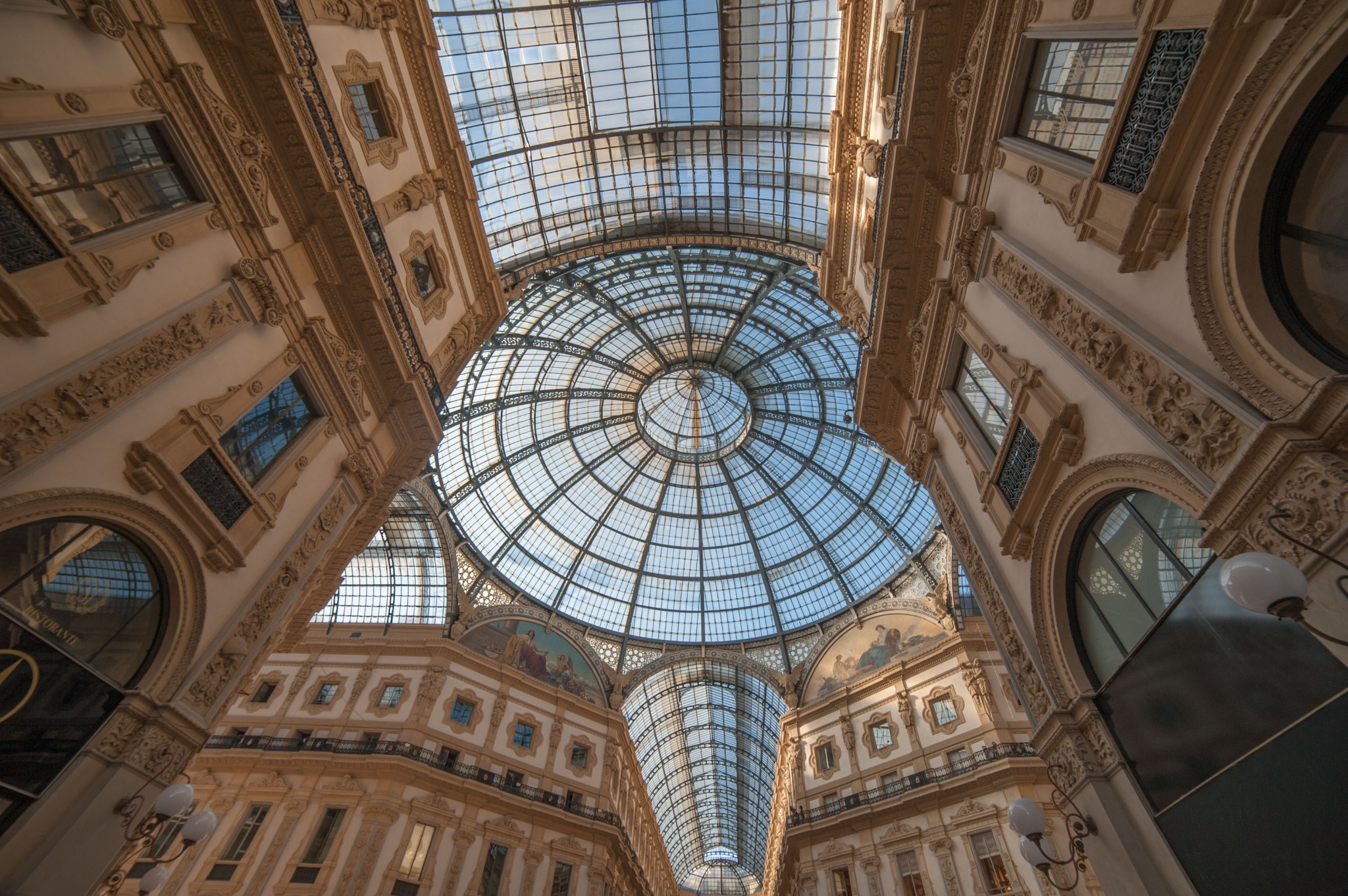
Frequently Asked Questions About the Top 25 Hotels in Milan
What are the best hotels in Milan?
Portrait Milano, Four Seasons Hotel Milano, Mandarin Oriental, Bulgari Hotel Milano, and Park Hyatt Milano lead the luxury market in this ranking. The best choice depends on whether you prioritize a fashion-district courtyard, spa, garden, Duomo access, dining, or a highly private atmosphere.
What is the best area to stay in Milan for first-time visitors?
The Duomo, Cordusio, and La Scala area is easiest for a short first visit. Brera is often better for travelers who want a more atmospheric neighborhood while remaining within walking distance of the main sights.
Which hotels are closest to the Duomo?
Room Mate Collection Giulia, Park Hyatt Milano, Galleria Vik Milano, Hotel Spadari al Duomo, and Palazzo Cordusio Gran Meliá are among the strongest central choices. Exact walking time depends on the entrance and pedestrian traffic.
What are the best luxury hotels in Milan?
Portrait Milano, Four Seasons, Mandarin Oriental, Bulgari Hotel, Park Hyatt, The Carlton, Armani Hotel, Palazzo Parigi, and Hotel Principe di Savoia represent different versions of Milanese five-star luxury. Compare design style and neighborhood as carefully as amenities.
What are the best boutique hotels in Milan?
Casa Baglioni, Senato Hotel Milano, Vico Milano, Aethos Milan, Magna Pars, and Hotel Spadari al Duomo are standout boutique or small-scale choices. Vico is the most intimate, while Magna Pars offers the largest suite-style spaces.
Where should couples stay in Milan?
Brera and the fashion district are excellent for romantic walks, dining, and cultural access. Casa Baglioni, Four Seasons, Mandarin Oriental, Portrait Milano, and Château Monfort suit different romantic styles, from understated to theatrical.
Which Milan hotels have pools?
Current hotel information supports pools at Portrait Milano, Four Seasons Hotel Milano, Mandarin Oriental, Bulgari Hotel Milano, Palazzo Parigi, Excelsior Hotel Gallia, Hotel VIU, Casa Brera, Hotel Principe di Savoia, and Hotel Calimala Milano. Pool type, seasonality, access rules, and opening hours vary, so verify before booking.
What are the best family-friendly hotels in Milan?
Four Seasons, Mandarin Oriental, Palazzo Cordusio, Hotel Principe di Savoia, Excelsior Hotel Gallia, and Palazzo Parigi have the scale and service infrastructure to support families. Confirm connecting rooms, occupancy limits, pool hours, and breakfast policies directly.
Which hotels are best for Milan nightlife?
Aethos Milan is best for immediate Navigli nightlife. ME Milan Il Duca suits rooftop and DJ-driven evenings near Porta Nuova, while Hotel Calimala provides access to Porta Venezia’s bars and LGBTQ+ scene. Brera offers a more refined restaurant-and-wine-bar evening.
How far in advance should I book a Milan hotel?
For Fashion Week, Design Week, major fairs, and popular spring or autumn weekends, book several months ahead. For ordinary dates, refundable reservations still make sense because Milan’s event calendar can cause sudden price shifts.
Are hotels in Milan expensive?
Central Milan is one of Italy’s most expensive hotel markets, particularly in the Quadrilatero and around major events. Better value is often found in Porta Venezia, Porta Volta, Isola, Centrale, or Tortona, but transport and trip priorities should guide the decision.
Is it better to stay near Milano Centrale or the Duomo?
Stay near Centrale for early trains, late arrivals, or multiple rail day trips. Stay near the Duomo for a short sightseeing visit. Excelsior Hotel Gallia makes Centrale comfortable at luxury level, while Park Hyatt, Room Mate Giulia, and Spadari are more convenient for landmarks.
Final Thoughts: Choosing the Best Hotel in Milan
Milan’s best hotels are not interchangeable. Portrait Milano turns a former seminary into a fashion-district piazza and urban retreat. Four Seasons offers cloistered calm. Mandarin Oriental combines courtyards, serious dining, and one of the center’s most complete spas. Bulgari hides behind a garden. Park Hyatt removes almost every logistical barrier from a first visit. The Carlton brings a fresh Rocco Forte interpretation to Via della Spiga, while Casa Brera gives contemporary design travelers a rooftop above the historic center.
Beyond the palace tier, the city becomes even more varied. Hotel VIU pairs a rooftop pool with Porta Volta value. Magna Pars transforms fragrance and industrial history into spacious suites. Room Mate Giulia gives first-time visitors color and location without full five-star ceremony. Spadari wins through breakfast, art, and thoughtful service. Aethos turns a Navigli stay into a social experience, and Vico Milano proves that seven rooms can hold more personality than a tower of standardized accommodation.
The right choice depends on travel style. Pay for the Duomo location when time is short. Choose Brera for art and evenings. Stay in the Quadrilatero for fashion, polished service, and spa hotels. Pick Navigli for nightlife, Porta Venezia for architecture and restaurants, Porta Nuova for business and contemporary Milan, or Centrale when rail connections shape the itinerary. Compare the exact room, confirm rooftop and pool access, include the 2026 city tax in the budget, and keep cancellation terms flexible around major events.
Click here to compare hotels and current rates in Milan
Affiliate disclosure: This article may contain affiliate links. We may earn a commission when you click through or make a booking, at no extra cost to you. Our recommendations are based on current research into location, guest sentiment, design, service, amenities, value, and the needs of different travelers.