Top 25 Hotels in Vienna: Grand Classics, Creative Boutiques, and the Best Places to Stay in July 2026
Vienna is often introduced through a roll call of imperial symbols: gilded palaces, Lipizzaner horses, chandeliered concert halls, and coffeehouses where newspapers still arrive on wooden racks. All of that remains real, but it is only the ceremonial surface. The contemporary city is also rooftop cocktails above the Ringstrasse, natural wine beside the Danube Canal, experimental theater in Neubau, design shops threaded through the 7th district, and long summer evenings spent at the MuseumsQuartier or on the Old Danube.
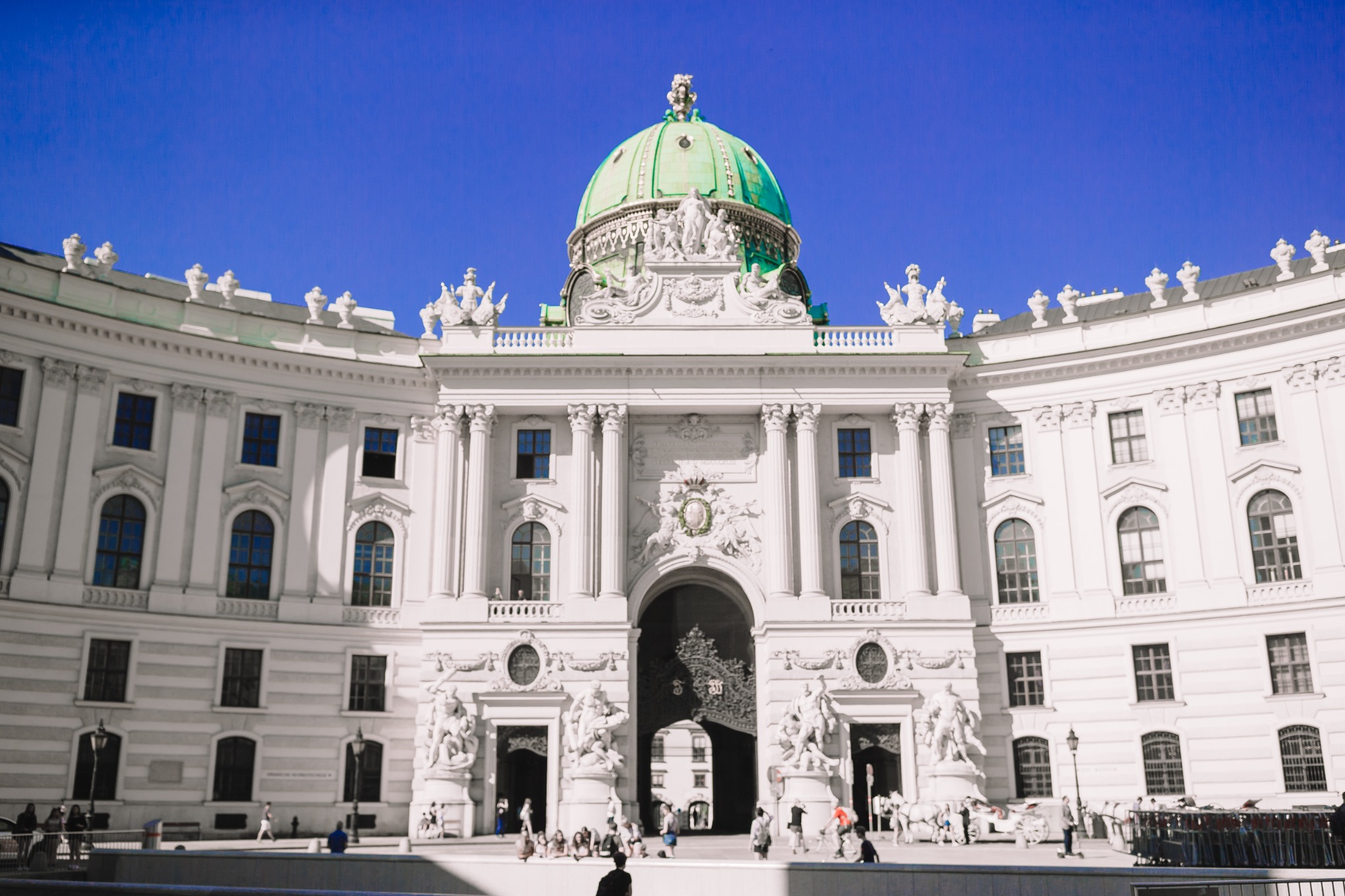
Vienna knows how to preserve a ritual without becoming trapped by it.That dual personality shapes its hotels. Some are theatrical palaces where marble staircases, liveried doormen, and salons of silk and brocade make breakfast feel like the opening scene of an operetta. Others occupy former banks, courthouses, townhouses, military buildings, and modernist offices, turning Vienna’s architectural history into something more relaxed and current.
Beyond the historic center, smaller hotels in Mariahilf, Neubau, Josefstadt, Landstrasse, and Leopoldstadt offer a more residential rhythm, often with better access to independent restaurants, local cafés, and the city’s creative life.Location matters more here than first-time visitors sometimes expect. Vienna’s central 1st district, the Innere Stadt, places St. Stephen’s Cathedral, the Hofburg, the Albertina, the Vienna State Opera, and the luxury shops of the Golden Quarter within an easy walk. It is the most convenient address for a short cultural break, but it is also the most expensive and busiest part of the city.
The districts immediately outside the Ringstrasse can be more atmospheric after dark and are usually better for travelers who want a neighborhood rather than a monument outside the window. Thanks to the U-Bahn, trams, and suburban rail network, a hotel near a well-connected station can still be an excellent base even when it is not in the old town.July brings leafy parks, open-air film screenings, restaurant terraces, Danube swimming, and a later, more sociable pace. It can also bring warm rooms, busy weekends, and higher demand for the relatively small number of Vienna hotels with pools, gardens, or rooftop spaces. Air conditioning, room orientation, blackout curtains, and transport access deserve as much attention as chandeliers and lobby photographs when you are comparing summer stays.
This guide to the Top 25 hotels in Vienna, updated for July 2026, weighs recurring recommendations from respected travel publications and hotel guides against official hotel information, recent guest-review patterns, location, room quality, service reputation, dining, wellness, design, and value within each category. The ranking is intentionally mixed: imperial landmarks sit beside art hotels, social hubs, intimate boutiques, and practical four-star favorites. The goal is not to pretend that one property suits every visitor, but to show which hotels currently make the strongest case for different kinds of Vienna trip.
Quick Picks: Best Hotels in Vienna
- Best overall hotel: Mandarin Oriental, Vienna
- Best historic luxury hotel: Hotel Sacher Wien
- Best hotel for contemporary luxury: Rosewood Vienna
- Best hotel for imperial atmosphere: Hotel Imperial, a Luxury Collection Hotel
- Best hotel for a central pool and spa: Park Hyatt Vienna
- Best intimate luxury hotel: The Amauris Vienna
- Best hotel near MuseumsQuartier: Hotel Sans Souci Wien
- Best boutique hotel for local style: Hotel Motto Vienna
- Best hotel for a lively summer rooftop: The Hoxton Vienna
- Best art hotel: Altstadt Vienna
- Best small hotel near the State Opera: Hotel Zur Wiener Staatsoper
- Best value for traditional service: Hotel Kaiserhof Wien
How We Chose the Top 25 Hotels in Vienna
The ranking starts with hotels that repeatedly appear in current editorial selections, Michelin hotel recommendations, major booking platforms, and recent traveler reviews. Repetition alone was not enough. A hotel could be famous but feel dated, have an excellent building but an awkward location, or deliver a memorable bar while offering rooms that are less convincing. We looked for properties that make sense as complete stays, not simply addresses with recognizable names.
Location was judged in practical terms. In the Innere Stadt, we considered walking access to the State Opera, Hofburg, Stephansplatz, Albertina, Musikverein, shopping streets, and U-Bahn connections. Outside the center, we looked at whether a hotel’s neighborhood adds something valuable: the galleries and restaurants of Neubau, the Naschmarkt and Mariahilfer Strasse, the Belvedere and Stadtpark in Landstrasse, or the markets and parks of Leopoldstadt. A slightly less central hotel can outrank an old-town property when the transport is strong and the overall experience is more distinctive.
We also compared room comfort, design coherence, noise exposure, air conditioning, service reputation, breakfast, restaurants and bars, spa and fitness facilities, pools, family practicality, and value relative to category. New openings and recent rebrandings were checked carefully. That matters in Vienna in 2026: Mandarin Oriental has joined the city’s luxury tier, Hotel Josefine now operates as Eurostars Josefine, Anantara has substantially refreshed the former Palais Hansen Kempinski, and several newer boutiques are reshaping what a central Viennese hotel can feel like.
Finally, each property had to have a clear reason to book it. Some excel because they put you directly opposite the opera; others because they offer a proper lap pool, a private-feeling spa, a rooftop scene, unusually personal design, or a calmer neighborhood for a longer stay. The “Potential drawback” beneath every entry is included because hotel choice is about trade-offs. A formal grande dame can be magical for an anniversary and exhausting for a casual family weekend; a buzzy design hotel can be fun in July and noisy for a light sleeper.
The Top 25 Hotels in Vienna
1. Mandarin Oriental, Vienna
Vienna waited a long time for Mandarin Oriental, and the result feels less like an imported luxury formula than a confident response to the city around it. The hotel opened in late 2025 inside a former commercial courthouse on Riemergasse, a dignified early-20th-century building a few blocks east of Stephansplatz. Its location is central without being pinned to the busiest tourist streets: the cathedral, Stadtpark, the MAK, the Ringstrasse, and the restaurants around Wollzeile are all within an easy walk, while the narrow lanes immediately outside retain a quieter, residential quality after dark.
The conversion preserves the gravity of the old courthouse but softens it with warm timber, tactile fabrics, contemporary art, and a covered courtyard that brings daylight into the center of the building. With 138 rooms and suites, the property is large enough to support serious facilities but still feels more composed than a conventional city mega-hotel. Rooms lean toward calm colors and precise detailing rather than Viennese nostalgia. The strongest categories use the building’s generous proportions well, and higher rooms or those facing the inner courtyard can be preferable for guests who prioritize quiet.
Dining is unusually ambitious for a new city hotel. Atelier 7 is conceived as a collection of distinct experiences rather than one anonymous all-day restaurant, with a brasserie, café, izakaya, and bar, while Le Sept provides the more elevated fine-dining proposition. The arrangement works particularly well for a short stay because breakfast, a casual lunch, cocktails, and a more formal dinner can all happen under one roof without feeling repetitive. It also gives the lobby level energy beyond check-in hours.
The wellness facilities are a major reason Mandarin Oriental takes the top position. Vienna has many grand hotels, but fewer combine an indoor pool, sauna and steam facilities, treatment rooms, and a well-equipped fitness area in a genuinely central old-town location. In July, when afternoons can be hot and museum schedules become tiring, the ability to retreat to a proper spa changes the rhythm of a city break. Service is designed to be polished but less ceremonial than at Vienna’s historic palace hotels, which will appeal to travelers who want luxury without an overtly formal script.
Why stay here: It currently offers the most complete modern luxury package in central Vienna: a characterful historic building, thoughtful rooms, several distinctive dining choices, a full spa with an indoor pool, and a location that balances sightseeing convenience with relative calm.
Best for: Luxury travelers, couples celebrating a milestone, spa-focused city breakers, design-conscious visitors, and first-time guests who want to walk almost everywhere.
Location: Riemergasse in the 1st district, between Stephansplatz and Stadtpark, with quick access to the cathedral, Ringstrasse trams, the MAK, and the U3 and U4 lines.
What stands out: The glass-roofed internal courtyard and substantial wellness floor make the former courthouse feel both architectural and restorative rather than merely impressive.
Potential drawback: As one of Vienna’s newest high-end arrivals, rates are firmly in the top tier, and guests seeking old-world pageantry may find the style more internationally contemporary than distinctly imperial.
Click here to explore rooms and current availability at Mandarin Oriental, Vienna
2. Hotel Sacher Wien
Hotel Sacher is inseparable from Vienna’s public image, yet its appeal goes beyond the famous chocolate cake and the red-uniformed doormen outside the opera. Opened in 1876 and still family-owned, it occupies one of the city’s most coveted corners directly opposite the Vienna State Opera, with the Albertina, Kärntner Strasse, Musikverein, Hofburg, and Burggarten close enough to reach between performances. Few hotels make a first visit to Vienna feel so immediately theatrical.
The interiors are dense with oil paintings, silk wall coverings, chandeliers, polished wood, and carefully preserved historical detail. This is not a minimalist hotel trying to suggest heritage with one antique desk; the building lives fully inside its grand-hotel identity. At the same time, the rooms and suites have been continually refreshed, including extensive design work with Pierre-Yves Rochon, so the best accommodations pair the visual richness of old Vienna with modern bathrooms, strong climate control, and the practical comfort expected at this level. The 152 rooms and suites are individually composed, which means category and exact outlook matter. Opera-facing rooms deliver the iconic view, while quieter courtyard-facing options may suit light sleepers.
Food and drink are part of the ritual. Café Sacher is often crowded with day visitors, but hotel guests can experience the property at a different pace, especially at breakfast or later in the evening. The Original Sacher-Torte is the headline, though the hotel’s restaurants, bars, and classic service style are what turn a cake stop into a stay. The atmosphere is formal without being museum-like: staff are accustomed to opera schedules, special occasions, demanding itineraries, and guests who expect discreet assistance.
The boutique spa provides treatments, sauna and steam facilities, but travelers should note that Hotel Sacher does not have a swimming pool. That is an important distinction when comparing it with Mandarin Oriental, Park Hyatt, Sans Souci, the Ritz-Carlton, or Almanac Palais. Sacher earns its position because of place, personality, and continuity rather than the longest amenity list. For an opera weekend, a honeymoon with a taste for ceremony, or a first Vienna trip built around the imperial center, it remains one of Europe’s most emotionally resonant city hotels.
Why stay here: No other Vienna address combines this level of historical identity with such immediate access to the opera, the Albertina, and the heart of the Innere Stadt.
Best for: Opera lovers, romantic trips, anniversaries, first-time visitors, collectors of classic European hotels, and travelers who value tradition and highly personalized service.
Location: Philharmoniker Strasse beside the Vienna State Opera, moments from Kärntner Strasse, Albertinaplatz, the Hofburg gardens, and Karlsplatz transport connections.
What stands out: The feeling of participating in Vienna’s cultural life rather than simply observing it—especially when the opera house is illuminated across the street and the lobby settles after an evening performance.
Potential drawback: The décor and service can feel too formal for travelers who prefer a relaxed social hotel, and the lack of a pool may disappoint guests paying palace-hotel rates.
Click here to view room categories, guest reviews, and updated rates at Hotel Sacher Wien
3. Rosewood Vienna
Rosewood Vienna occupies one of the most privileged positions in the city: Petersplatz, a compact Baroque square just off the Graben, with St. Peter’s Church almost at the door and St. Stephen’s Cathedral a few minutes away. The setting is unmistakably historic, but the hotel’s interpretation of Viennese luxury is lighter and more residential than the city’s traditional grand dames. Instead of a vast marble lobby announcing itself from the street, arrival unfolds through linked heritage buildings and rises toward the hotel’s upper-floor social spaces.
The design draws on Viennese craftsmanship, geometric Secession references, tailored furniture, and a restrained palette that allows architectural details to register. Rooms and suites feel like elegant city apartments rather than ceremonial chambers. Many have generous proportions for the old town, and the strongest accommodations frame rooftops, church domes, or the activity of Petersplatz. Families and longer-stay guests benefit from the residential layout, while couples receive the intimacy expected from a refined boutique despite the hotel’s full-service scale.
Neue Hoheit is the defining public space. Set high in the building, it combines restaurant, bar, and terrace areas with perspectives across central Vienna that are difficult to find from street level. The setting is particularly attractive at sunset, when the city’s copper roofs and church towers catch the last light. The hotel also operates Asaya Spa, with treatment rooms, sauna and steam facilities, and a fitness area. There is no major swimming pool, so Rosewood is better understood as a sophisticated urban retreat than a resort-style spa hotel.
Service tends toward calm personalization rather than overt choreography. The concierges are well placed to arrange museum visits, concert tickets, restaurant reservations, and shopping itineraries, but the hotel also suits travelers who simply want to step outside and explore without a plan. The Golden Quarter boutiques, Hofburg, Spanish Riding School, Jewish Museum, and Danube Canal are all walkable. That convenience comes with the predictable downside of central crowds: Petersplatz and the Graben can be busy during the day, especially in summer and December.
Why stay here:Rosewood provides one of Vienna’s most convincing combinations of contemporary residential luxury, exceptional old-town positioning, rooftop dining, and discreet service.
Best for: Affluent couples, fashion and design travelers, sophisticated families, luxury shoppers, and return visitors who want a polished alternative to the city’s more traditional palace hotels.
Location: Petersplatz in the Innere Stadt, between the Graben, Kohlmarkt, Stephansplatz, and the Golden Quarter.
What stands out: Neue Hoheit’s elevated terrace and dining rooms turn Vienna’s roofscape into part of the stay, while the ground-level arrival remains unusually private for such a central address.
Potential drawback: The immediate neighborhood can feel intensely touristed by midday, and travelers who consider a large pool essential should look instead at Park Hyatt, Mandarin Oriental, Sans Souci, or the Ritz-Carlton.
Click here to compare current offers and room availability at Rosewood Vienna
4. Hotel Imperial, a Luxury Collection Hotel, Vienna
Hotel Imperial began as a private palace built for the Prince of Württemberg and became a hotel in 1873. That origin still governs the experience. The broad staircase, marble columns, chandeliers, tapestries, carved furniture, and liveried service create a sense of occasion before a guest reaches the room. On the Ringstrasse opposite the Musikverein and close to the Konzerthaus, it is the natural choice for travelers who want Vienna’s musical and imperial traditions to shape the entire stay.
The rooms range from richly traditional guest rooms to suites of near-palatial scale. Silk, brocade, antique-style furniture, and ornate ceilings are central to the aesthetic, not decorative accents. Guests accustomed to contemporary minimalism may need time to adjust; guests who have come to Vienna specifically for ceremony will likely feel they have chosen correctly. The most desirable suites exploit the building’s high ceilings and formal proportions, while entry categories can be more compact and may face quieter internal aspects. It is worth comparing photographs and layouts carefully rather than booking on the hotel name alone.
Dining reinforces the classical mood. Café Imperial Wien serves Viennese dishes, pastries, and the hotel’s own Imperial Torte, while the Imperial Bar is suited to a drink before or after a concert. Restaurant OPUS provides a more intimate, gastronomic setting in a small room that contrasts with the scale of the public spaces. Breakfast is one of the hotel’s great pleasures when taken slowly, but the location also gives guests easy access to cafés and restaurants around Karlsplatz and the inner Ring.
The Imperial is strongest in service, atmosphere, and cultural positioning rather than resort facilities. There is a fitness area, but the hotel does not compete with Vienna’s leading spa-and-pool properties. Its appeal is emotional and situational: an evening at the Musikverein feels different when the hotel is directly across the boulevard, and a winter or opera-season stay gains an extra layer from the building’s formality. In July, air conditioning and room orientation become practical considerations, as does the Ringstrasse traffic on outward-facing rooms.
Why stay here: This is Vienna’s most convincing hotel for travelers who want to inhabit the grand imperial narrative, with superb access to the Musikverein, State Opera, and central cultural institutions.
Best for: Classical-music travelers, formal celebrations, history lovers, traditional luxury guests, and anyone who sees the hotel itself as a central part of the destination.
Location: Kärntner Ring beside the Musikverein, close to Karlsplatz, the State Opera, Stadtpark, and the Konzerthaus.
What stands out: The ceremonial public rooms and palace proportions are not easily replicated; this is one of the rare hotels where arriving downstairs for a concert feels like part of the performance.
Potential drawback: The old-world style can feel heavy or overly formal, and the limited wellness offering makes it less suitable for travelers who expect a major spa or swimming pool at this price level.
Click here to check current rates and suite options at Hotel Imperial Vienna
5. Park Hyatt Vienna
Park Hyatt Vienna is housed in the former headquarters of the Austrian Hungarian Bank on Am Hof, one of the most handsome squares in the Innere Stadt. The building’s banking history gives the hotel a scale and solidity that suit a luxury conversion: stone façades, monumental corridors, high ceilings, and carefully retained architectural details create drama without relying on imitation palace décor. For travelers who want a central five-star hotel with substantial rooms and a serious pool, it remains one of the city’s most dependable choices.
Guest rooms are notably spacious by old-town standards, with calm materials, large bathrooms, and a restrained design that lets the building provide the character. Higher categories can offer views over Am Hof or the surrounding roofs, while interior-facing rooms trade outlook for quiet. The hotel is particularly practical for families or longer stays because the space is easier to live in than some ornate historic rooms elsewhere. Service is polished and internationally legible, which can be reassuring for business travelers and guests who prefer a predictable luxury standard.
The Bank Brasserie & Bar occupies the former cashier hall, where soaring ceilings and architectural details turn an all-day restaurant into one of the hotel’s signatures. Café Am Hof brings a more casual café and patisserie rhythm, while the bar works well for a late drink without needing to cross the old town. The hotel’s position also places the Golden Quarter, Kohlmarkt, Graben, Hofburg, and St. Stephen’s Cathedral within a short walk.
Arany Spa is the decisive advantage. Built within the former bank vault, it includes an indoor swimming pool, treatment facilities, sauna and steam areas, and a proper fitness center. The pool is not merely decorative; it is useful for laps and for cooling down after a summer afternoon. In a city where many luxury hotels offer treatments but no pool, that makes Park Hyatt one of the best hotels in Vienna for wellness-minded visitors who refuse to compromise on location.
Why stay here: It combines unusually generous rooms, a landmark central building, excellent old-town access, and one of Vienna’s most atmospheric hotel pools.
Best for: First-time luxury visitors, families, business travelers, spa users, shoppers, and guests who want a major international hotel rather than an intimate boutique.
Location: Am Hof in the 1st district, close to the Golden Quarter, Hofburg, Judenplatz, Stephansplatz, and Herrengasse U-Bahn station.
What stands out: The pool in the former bank vault gives the hotel a memorable amenity that is rooted in the building’s history rather than added as an afterthought.
Potential drawback: The large-scale, internationally polished atmosphere can feel less personal than Rosewood or The Amauris, and rates rise sharply for the best views and larger suites.
Click here to see today’s room choices and availability at Park Hyatt Vienna
6. The Amauris Vienna – Relais & Châteaux
The Amauris gives the Ringstrasse a more intimate kind of luxury. Set in a 19th-century townhouse on Kärntner Ring, it is close to the State Opera and Musikverein but feels far removed from the scale of the nearby palace hotels. The property has just over 60 rooms and suites, and the atmosphere is controlled, private, and design-led: pale stone, dark wood, sculptural lighting, carefully selected art, and expanses of striking marble replace chandeliers and brocade.
Rooms are refined rather than ostentatious, with meticulous bathrooms and a muted palette that works especially well for couples. The Glasswing restaurant and bar is central to the experience, bringing contemporary cooking and a polished evening mood to a dramatic interior. Wellness facilities include a compact indoor pool, sauna and relaxation spaces. They are not resort-sized, but their existence in such a small central hotel is a genuine advantage.
Why stay here:The Amauris offers the discretion of a boutique with the food, service, and wellness standards expected from a high-end full-service hotel.
Best for: Couples, design lovers, gastronomic travelers, private celebrations, and guests who find large grand hotels impersonal.
Location: Kärntner Ring, a short walk from the State Opera, Albertina, Musikverein, Karlsplatz, and the southern end of the old town.
What stands out: The extensive use of rare marble and the small pool create a quietly sumptuous setting without tipping into imperial pastiche.
Potential drawback: Public spaces are intimate and the pool is compact, so travelers wanting a large social lobby or expansive spa may prefer a bigger property.
Click here to view current rooms, photos, and offers at The Amauris Vienna
7. Anantara Palais Hansen Vienna Hotel
The former Palais Hansen Kempinski has emerged from a major transformation as Anantara Palais Hansen Vienna Hotel, bringing a more contemporary resort-minded approach to a grand Ringstrasse building. Its position on Schottenring is quieter than the opera end of the boulevard, with the Danube Canal, Börse, Sigmund Freud Museum, and tram connections nearby. Stephansplatz is walkable, though not immediately outside the door.
The 152 refreshed rooms and suites use the building’s high ceilings and broad proportions well. The design is polished and warm, with subtle references to Vienna rather than theatrical historicism. Dining is a serious strength: EDVARD provides the refined culinary centerpiece, while additional restaurants and bars make the hotel viable for guests who prefer to spend an evening in. The approximately 800-square-meter spa includes treatment rooms, sauna and steam facilities, a fitness area, and a hydrotherapy pool.
Why stay here: It suits travelers who want a grand historic shell, modern rooms, destination dining, and a substantial spa in a less congested section of the center.
Best for: Wellness breaks, food-focused couples, business travelers, longer luxury stays, and visitors who prefer calm evenings.
Location: Schottenring in the 1st district, near the Danube Canal, Servitenviertel, Börse, and Schottenring U-Bahn and tram connections.
What stands out: The combination of EDVARD and the expanded spa gives the hotel more depth than a conventional city palace.
Potential drawback: The address is central but less immediately atmospheric than Petersplatz or the opera quarter, and the hydrotherapy pool is not a full lap pool.
Click here to compare room types and latest availability at Anantara Palais Hansen Vienna
8. Hotel Sans Souci Wien
Sans Souci sits where the grand center meets creative Neubau, directly across from MuseumsQuartier and close to the Kunsthistorisches Museum, Leopold Museum, Volkstheater, and Spittelberg. That position is excellent for travelers who want serious art by day and neighborhood restaurants by night. The hotel itself combines formal bones with contemporary art, bold color, and a more personable scale than the Ringstrasse giants.
Its 69 rooms and suites range from elegant doubles to spacious options suited to families. The design is polished but playful, often using patterned fabrics and artworks to break up the neutral luxury template. Veranda Brasserie & Bar gives the hotel an attractive all-day dining room. Below ground, the spa contains one of the property’s strongest selling points: a 20-meter indoor pool long enough for real swimming, plus sauna, steam, treatments, and fitness facilities.
Why stay here: Few Vienna hotels balance museum access, neighborhood character, personal service, and a genuine lap pool so effectively.
Best for: Art lovers, couples, families, swimmers, and travelers deciding between the Innere Stadt and the 7th district.
Location: Burggasse beside Volkstheater and MuseumsQuartier, with U2 and U3 connections and the Spittelberg lanes just behind the hotel.
What stands out: The 20-meter pool is exceptional for a central boutique-scale hotel and makes the property particularly appealing in summer.
Potential drawback: Some rooms face busy streets, and the décor may feel more eclectic than serene to strict minimalists.
Click here to check available rooms and current rates at Hotel Sans Souci Wien
9. The Ritz-Carlton, Vienna
The Ritz-Carlton occupies four connected historic palaces on the Ringstrasse, opposite Stadtpark and close to the Konzerthaus. It is a substantial, internationally recognizable luxury hotel, but several features give it a distinctly useful Vienna identity. The guest rooms are generally generous, the location connects the old town with Landstrasse, and the hotel offers one of the strongest collections of leisure facilities in the center.
The 18-meter indoor pool is a major advantage, supported by a spa, saunas, steam facilities, treatments, and a well-equipped gym. Dining ranges from steak-focused Dstrikt to Pastamara and the D-bar, while Atmosphere Rooftop Bar becomes a summer draw for views over the Ring and city skyline. Families and multi-generational groups often find the broad room inventory easier to navigate than the individualized categories at smaller historic hotels.
Why stay here: It is an exceptionally complete city hotel for guests who want a pool, rooftop drinks, multiple restaurants, and reliable luxury service close to both Stadtpark and the old town.
Best for: Families, spa travelers, loyalty-program members, summer visitors, business trips, and guests who prefer a full-service international hotel.
Location: Schubertring on the southeastern Ringstrasse, near Stadtpark, Konzerthaus, Musikverein, and the U4 at Stadtpark.
What stands out: The combination of a long indoor pool and seasonal rooftop bar covers both restorative mornings and sociable summer evenings.
Potential drawback: The scale and global brand character can feel less intimate or locally idiosyncratic than Vienna’s best independent boutiques.
Click here to see current offers, room options, and guest feedback for The Ritz-Carlton, Vienna
10. Almanac Palais Vienna
Facing Stadtpark from two connected historic palaces, Almanac Palais is one of the most persuasive newer alternatives to Vienna’s established luxury names. Its interiors are contemporary and art-conscious, using dark woods, brass, stone, and saturated color to create a mood that is more urban residence than imperial stage set. The location works especially well for travelers who want green space, easy U4 access, and a walkable route to Stephansplatz.
Rooms and suites are spacious and composed, with strong bathrooms and a residential sense of privacy. Donnersmarkt focuses on produce-led cooking with an Alpine perspective, while the bar and café keep the ground floor active. The wellness level includes an indoor pool, spa treatments, sauna and steam facilities, and fitness equipment—an amenity set that places the hotel among the stronger luxury choices for a hot-weather visit.
Why stay here: Almanac combines contemporary design, a park-facing address, large rooms, and a complete spa without the formality of an old-school palace hotel.
Best for: Design-minded couples, longer stays, wellness travelers, food-conscious guests, and return visitors seeking something current.
Location: Parkring opposite Stadtpark, between the Innere Stadt and Landstrasse, with the U4 and airport connections at Wien Mitte nearby.
What stands out: The hotel feels genuinely modern while remaining rooted in two historic buildings, and the pool makes it more than a design showcase.
Potential drawback: The atmosphere is understated and can seem quiet compared with more theatrical grand hotels or socially energetic rooftops.
Click here to explore updated prices and accommodation choices at Almanac Palais Vienna
11. The Guesthouse Vienna
The Guesthouse Vienna has one of the best cultural locations in the city: directly beside the Albertina and a few steps from the State Opera, Burggarten, Hofburg, and pedestrian center. Despite that prestigious setting, it avoids the stiffness of a grande dame. The hotel is compact, contemporary, and residential, with 39 rooms designed around comfort, books, window seats, and a sense that guests should actually use the room rather than merely admire it.
The Brasserie & Bakery is woven into the daily life of the property, serving breakfast, baked goods, and meals in a relaxed street-level room. Large windows bring the city into many guest rooms, and selected categories provide memorable Albertina or opera-quarter views. Thoughtful in-room details and attentive service make it a particularly strong choice for short breaks when every hour and every block matter.
Why stay here: It delivers an unusually warm boutique experience in a location normally dominated by larger, more formal luxury hotels.
Best for: First-time visitors, museum weekends, couples, solo travelers, and guests who value a beautiful room over a long facilities list.
Location: Führichgasse beside the Albertina, almost equidistant from the State Opera, Hofburg, and Stephansplatz.
What stands out: The window seats and bakery-brasserie give the property the easy rhythm of a well-designed city home.
Potential drawback: There is no full spa or pool, and the central street activity can be audible in lower or outward-facing rooms.
Click here to view photos, availability, and current booking options for The Guesthouse Vienna
12. Hotel Motto Vienna
Hotel Motto occupies a handsome building on Mariahilfer Strasse above Neubaugasse U-Bahn station, placing guests directly in Vienna’s busiest shopping corridor and within walking distance of the Naschmarkt, MuseumsQuartier, and the independent shops of the 6th and 7th districts. Its style mixes Parisian glamour, Viennese references, patterned textiles, curving furniture, and playful details. The result feels designed rather than decorated.
The 91 rooms vary in size, so travelers with substantial luggage should compare categories carefully. At the top of the building, Chez Bernard combines restaurant, bar, conservatory, and terrace energy, while the in-house bakery adds a useful neighborhood quality. A small wellness area with sauna, steam room, and gym supports short stays, though there is no pool.
Why stay here:Motto is one of the best boutique hotels in Vienna for guests who want fashion, nightlife, restaurants, and public transport immediately outside rather than a hushed old-town bubble.
Best for: Stylish couples, friends’ trips, shoppers, LGBTQ+ travelers, nightlife seekers, and repeat visitors exploring beyond the 1st district.
Location: Mariahilfer Strasse in the 6th district, above Neubaugasse U3 station and close to Neubau, Naschmarkt, and MuseumsQuartier.
What stands out: Chez Bernard and the layered interior design turn the hotel into a social address, not just a place to sleep.
Potential drawback: The shopping street is busy, some entry rooms are compact, and the lively mood may not suit guests seeking complete quiet.
Click here to compare dates, room sizes, and current deals at Hotel Motto Vienna
13. The Hoxton Vienna
The Hoxton brought a new social-hotel energy to Vienna when it opened in 2024 inside a 1950s modernist building near Stadtpark and the Belvedere. Its 196 rooms are only one part of the proposition. Bouvier serves as the ground-floor restaurant, Salon Paradise adds a late-night bar mood, and Cayo Coco turns the rooftop into a summer destination with a pool, drinks, and broad city views.
Rooms follow the brand’s compact, carefully styled approach, with warm colors, patterned textiles, and mid-century references. Category matters: the smallest rooms work best for light packers and short stays, while larger options are more comfortable for couples spending several days in the city. There is no traditional spa or major gym, so the rooftop pool should not be confused with a full wellness resort.
Why stay here: It is the strongest choice for travelers who want their hotel to provide restaurants, nightlife, creative programming, and a summer rooftop scene.
Best for: Younger couples, solo travelers, friends, creative-industry guests, families who value an informal atmosphere, and rooftop-pool fans.
Location: Landstrasse near Stadtpark, the Konzerthaus, Belvedere, and the U4, with the Innere Stadt reachable on foot.
What stands out: Cayo Coco gives Vienna a rare open-air hotel pool with a genuinely lively personality.
Potential drawback: Entry-level rooms can feel tight, and guests prioritizing silence or formal service may find the public spaces too busy.
Click here to check the latest availability and room categories at The Hoxton Vienna
14. Altstadt Vienna
Altstadt Vienna is less a conventional hotel than a collection of artistic apartments gathered across several floors of a historic townhouse in Spittelberg. Each of its rooms and suites has an individual identity, shaped by different designers, artworks, colors, and furniture. The common thread is personal hospitality rather than visual uniformity. Original works, books, flowers, and the irregularities of an old building create a feeling that cannot be reproduced by a chain.
Breakfast is a central ritual, followed later by complimentary afternoon tea and cake in the salons. There is no full restaurant, pool, or spa, but that absence encourages guests into the excellent surrounding neighborhood. MuseumsQuartier, Mariahilfer Strasse, small galleries, wine bars, and the cobbled Spittelberg lanes are all close.
Why stay here:Altstadt is one of Vienna’s most individual hotels, combining serious art, warm service, and a neighborhood that feels local without sacrificing museum access.
Best for: Art collectors, design travelers, repeat visitors, romantics, solo guests, and anyone tired of standardized luxury.
Location: Kirchengasse in the 7th district, near Spittelberg, MuseumsQuartier, Volkstheater, and Mariahilfer Strasse.
What stands out: No two rooms are quite alike, and the afternoon cake service makes the salon feel like a shared Viennese living room.
Potential drawback: The historic townhouse layout includes stairs, corridors, and variable room configurations; guests needing extensive facilities or absolute consistency should look elsewhere.
Click here to browse available room designs and current rates at Altstadt Vienna
15. Boutiquehotel Das Tyrol
Das Tyrol is a polished 30-room boutique on Mariahilfer Strasse, close to MuseumsQuartier and the Naschmarkt. Its scale allows attentive service, while an extensive contemporary-art collection gives the interiors more substance than the usual boutique formula. Rooms are richly finished, compact but carefully planned, and equipped with strong bathrooms and quality materials.
The private spa is an unusual asset for such a small hotel. Guests reserve it for exclusive use, gaining access to sauna and steam facilities in a calm subterranean space. Breakfast receives consistent praise and suits travelers who prefer a substantial start before museum visits. There is no full restaurant, but the surrounding 6th and 7th districts provide more dining choices than most guests could use in one stay.
Why stay here:Das Tyrol pairs intimate service and art-led design with a private spa and one of the best locations for museums, shopping, and the Naschmarkt.
Best for: Couples, solo travelers, museum visitors, boutique-hotel loyalists, and guests who value quiet personalized wellness.
Location: Mariahilfer Strasse near MuseumsQuartier, the Secession, Naschmarkt, and both the U2 and U3 networks.
What stands out: Reserving the spa privately creates a sense of luxury that larger communal wellness centers rarely match.
Potential drawback: The hotel lacks a restaurant and large public areas, and some rooms are smaller than those at full-scale luxury properties.
Click here to see available dates and updated rates for Boutiquehotel Das Tyrol
16. Eurostars Josefine
Hotel Josefine’s highly distinctive 1920s-inspired concept remains in place, but the property entered a new chapter in 2026 under the Eurostars name. Now operating as Eurostars Josefine, the 49-room boutique still channels smoky jazz-club glamour through velvet, patterned wallpaper, brass, dark woods, and theatrical lighting. It stands on Esterházygasse in Mariahilf, a short walk from Mariahilfer Strasse and the U3, with the Naschmarkt and Neubau’s restaurants within reach.
The rooms are atmospheric rather than large, and the hotel’s personality is strongest after dark. Breakfast served until noon is a welcome advantage for late risers. The central staircase and historic building contribute character, but access should be checked carefully by guests with reduced mobility because the entrance arrangement is not as seamless as at a purpose-built hotel.
Why stay here:Eurostars Josefine offers one of the city’s most cinematic boutique interiors in a lively local district, at a scale that feels intimate.
Best for: Couples, design travelers, weekend visitors, jazz-age romantics, and guests who prefer Mariahilf to the tourist center.
Location: Esterházygasse in the 6th district, near Mariahilfer Strasse, Neubaugasse U3, Naschmarkt, and the 7th district.
What stands out: The hotel commits fully to its sultry interwar mood rather than adding a few Art Deco motifs to a generic room.
Potential drawback: Rooms can feel dark or compact, and the entrance and stairs may be inconvenient for travelers with mobility needs or heavy luggage.
Click here to review current availability and room options at Eurostars Josefine
17. Hotel Topazz Lamée
Topazz Lamée is really two neighboring personalities in the center of Vienna. Hotel Topazz is known for its rounded façade and porthole-like windows, while Lamée brings a warmer, more glamorous mood and a rooftop terrace overlooking the cathedral roofscape. Together they provide an exceptionally central boutique base just off Stephansplatz, with the Graben, Rotenturmstrasse, and Danube Canal close by.
Rooms are compact and highly designed, making clever use of window seats and curved forms. The rooftop is the headline in warm weather, though operating hours and access can depend on season and events. Guests should confirm which building their chosen room occupies, since reception, breakfast, rooftop access, and room style can differ across the two sides of the property.
Why stay here: Few boutique hotels put guests this close to St. Stephen’s Cathedral while still offering a distinctive visual identity and a rooftop perspective.
Best for: Short city breaks, couples, architecture fans, first-time visitors, and travelers who want nightlife and sightseeing outside the door.
Location: Lichtensteg and Rotenturmstrasse in the 1st district, a few minutes from Stephansplatz and the U1 and U3.
What stands out: The circular Topazz windows and Lamée rooftop make the property instantly recognizable in a district full of conventional historic façades.
Potential drawback: The two-building arrangement can be confusing, room dimensions are modest, and the immediate streets remain lively late into the evening.
Click here to compare Topazz and Lamée room choices for your dates
18. SO/ Vienna
SO/ Vienna rises above the Danube Canal in a glass-fronted Jean Nouvel building, giving it a perspective no Ringstrasse palace can match. Its 182 rooms occupy the upper floors, where broad windows frame the old town, Prater, canal, and distant hills. Interiors are intentionally minimal and largely monochrome, allowing the city view to provide color and movement.
Das LOFT on the 18th floor is the hotel’s visual centerpiece, with a dramatic illuminated ceiling and sweeping panorama. The restaurant and bar make the property an evening destination even for non-guests. A spa, sauna facilities, treatments, and fitness area add practical value, though there is no swimming pool. Schwedenplatz and the U1 and U4 are a short walk across the canal.
Why stay here: Choose SO/ for high-floor views, contemporary architecture, and an easy connection between the Innere Stadt and lively Danube Canal.
Best for: View seekers, modern-design fans, business travelers, couples, and visitors who want access to both old-town sights and canal nightlife.
Location: Praterstrasse at the edge of Leopoldstadt, across the canal from Schwedenplatz and the northeastern Innere Stadt.
What stands out: Das LOFT’s panoramic dining room supplies one of Vienna’s most dramatic indoor views in every season.
Potential drawback: The minimal rooms can feel cool or stark, and walking into the old town requires crossing the canal rather than stepping directly into historic lanes.
Click here to check view categories and current prices at SO/ Vienna
19. Hotel Beethoven Wien
Hotel Beethoven is a family-owned favorite on a quiet street behind the Theater an der Wien, just above the Naschmarkt. Its position is unusually versatile: the State Opera, Secession, MuseumsQuartier, Karlsplatz, and market restaurants are all walkable, yet the hotel feels removed from the commercial crush of Kärntner Strasse. Rooms are arranged with different Viennese cultural themes and balance traditional references with contemporary comfort.
Breakfast, afternoon tea and cake, and occasional Sunday piano music give the hotel a gracious rhythm without pushing it into palace-hotel formality. There is no restaurant, spa, or pool, but the surrounding area supplies excellent dining and transport. Service is frequently described as personal, and the hotel often represents better value than properties only a few blocks deeper into the 1st district.
Why stay here:Beethoven is a smart, characterful base for travelers who want opera-and-museum access without paying for a grand-hotel lobby they may rarely use.
Best for: Culture-focused couples, solo travelers, value-conscious first-timers, market lovers, and guests who appreciate independent ownership.
Location: Papagenogasse by the Naschmarkt and Theater an der Wien, near Karlsplatz and MuseumsQuartier.
What stands out: The quiet side-street address manages to sit between several of Vienna’s most useful cultural and food districts.
Potential drawback: Travelers seeking wellness facilities, room service, or a destination restaurant will find the offering deliberately limited.
Click here to see current guest reviews and available rooms at Hotel Beethoven Wien
20. Hotel Kaiserhof Wien
Hotel Kaiserhof is a traditional four-star property in Wieden that earns loyalty through consistency rather than spectacle. Its 74 rooms occupy a quiet street near Karlsplatz, with the Musikverein, State Opera, Naschmarkt, and Belvedere all reachable on foot or by a short tram or U-Bahn ride. The décor is classic and polished, while the service style is notably attentive for the category.
A well-regarded breakfast is one of the practical highlights. The hotel also provides a small wellness area with sauna, steam room, and fitness equipment, plus selected allergy-friendly rooms. It lacks a full restaurant and pool, but nearby Wieden has cafés and restaurants that feel less touristed than those around Stephansplatz.
Why stay here:Kaiserhof is one of the best-value traditional hotels near central Vienna for guests who prioritize quiet rooms, breakfast, and reliable service.
Best for: Mature couples, business travelers, allergy-sensitive guests, concertgoers, and value seekers who do not require cutting-edge design.
Location: Frankenberggasse in the 4th district, near Karlsplatz, Musikverein, Naschmarkt, and the Technical University.
What stands out: The combination of a peaceful street and easy walking access makes daily logistics unusually straightforward.
Potential drawback: The traditional interiors may appear conservative, and guests seeking nightlife or a fashionable social scene should choose Neubau or Mariahilf instead.
Click here to check Hotel Kaiserhof Wien’s latest availability and booking options
21. Hotel Bristol, a Luxury Collection Hotel, Vienna
Hotel Bristol faces the Vienna State Opera from one of the city’s most photographed corners. Its identity is rooted in turn-of-the-century glamour, with antiques, patterned textiles, polished wood, and Art Nouveau details. Selected rooms and suites provide direct opera views, making the hotel especially compelling for travelers whose itinerary revolves around performances and the cultural core.
The Bristol Lounge serves meals in a refined street-facing space, while the historic Bristol Bar is intimate and atmospheric. Rooms vary considerably because of the old building, so outlook and category deserve careful attention. The hotel has fitness facilities but no pool or major spa; its value lies in location, history, and the pleasure of returning across the street after the curtain falls.
Why stay here:Bristol provides one of Vienna’s clearest opera-focused experiences, with a grand-hotel atmosphere on a more manageable scale than Hotel Imperial.
Best for: Opera weekends, history lovers, traditional luxury travelers, and guests who want Kärntner Strasse and the Albertina immediately nearby.
Location: Kärntner Ring directly opposite the State Opera, beside Karlsplatz and the pedestrian heart of the Innere Stadt.
What stands out: An opera-view room turns the illuminated façade into living scenery rather than a landmark visited once.
Potential drawback: Some room décor feels more historical than fresh, and the limited wellness facilities weaken the case for guests who spend significant time at the hotel.
Click here to view opera-facing rooms and updated rates at Hotel Bristol Vienna
22. Grand Ferdinand Vienna
Grand Ferdinand brings a more casual, slightly irreverent energy to the Ringstrasse. The building combines mid-century lines with interiors that reference Vienna’s grand-hotel tradition in a simplified, sociable way. Its central location is excellent for the Musikverein, Stadtpark, State Opera, and old town, while the range of room categories reaches from compact options to larger suites.
The rooftop is the primary attraction in summer, with a small outdoor pool, terrace, restaurant, and city views. At street level, Meissl & Schadn is known for Viennese schnitzel, while additional dining spaces keep the hotel lively throughout the day. The pool is designed for cooling off rather than serious swimming, and rooftop access conditions can vary.
Why stay here: It offers a rare Ringstrasse rooftop pool and strong dining in a luxury-leaning hotel that feels less formal than its historic neighbors.
Best for: Couples, social travelers, food lovers, summer weekends, and guests who want central glamour without ceremonial service.
Location: Schubertring near Musikverein, Stadtpark, Konzerthaus, and the southeastern edge of the Innere Stadt.
What stands out: The rooftop creates a genuine warm-weather escape above one of Vienna’s grandest boulevards.
Potential drawback: Entry rooms can be compact, and the popular restaurants and rooftop may make the property feel busy rather than secluded.
Click here to compare current room offers at Grand Ferdinand Vienna
23. Hotel Zur Wiener Staatsoper
Hotel Zur Wiener Staatsoper reopened in 2024 after an extensive renovation that transformed a small historic address into one of Vienna’s most polished micro-hotels. British designer Nina Campbell shaped the 12 rooms and suites with layered fabrics, traditional furniture, color, and a residential elegance that feels appropriate to the opera district without becoming overly ornate.
The hotel is only steps from the State Opera and Kärntner Strasse. Its small scale supports highly personal service, while a two-bedroom penthouse provides a rare option for families or friends seeking privacy in the center. Facilities are intentionally limited: this is not a spa hotel or social hub, but a refined base for guests who spend their days in museums and evenings at performances.
Why stay here: It offers the intimacy of a private townhouse with one of the most convenient addresses in Vienna.
Best for: Discerning couples, opera lovers, design-conscious families, short luxury stays, and travelers who dislike large hotels.
Location: Krugerstrasse, less than a block from the Vienna State Opera and close to Albertina, Kärntner Strasse, and Karlsplatz.
What stands out: With only 12 accommodations, the hotel feels unusually private despite being in the busiest cultural quarter.
Potential drawback: There is no restaurant, pool, or spa, and limited inventory means popular dates can disappear quickly.
Click here to see whether Hotel Zur Wiener Staatsoper is available for your travel dates
24. Imperial Riding School, Autograph Collection
The Imperial Riding School occupies a former military equestrian complex in Landstrasse near the Belvedere. After a major redesign, it now combines heritage brickwork, contemporary rooms, generous communal spaces, and a substantial private garden—an unusual asset in central Vienna. The setting feels more open and relaxed than the Innere Stadt, while trams and nearby rail connections keep the historic center accessible.
Facilities make the hotel especially practical for families and longer stays. There is an indoor pool, gym, garden, and Elstar restaurant, which extends into outdoor space in good weather. Rooms are modern and comfortable rather than theatrically Viennese. The hotel’s size supports meetings and groups, but the garden prevents it from feeling entirely corporate.
Why stay here: It provides space, a garden, an indoor pool, and easy Belvedere access at a location that can offer better value than the old-town luxury tier.
Best for: Families, business travelers, rail users, longer stays, garden lovers, and visitors comfortable using trams and the U-Bahn.
Location: Ungargasse in the 3rd district, near the Belvedere, Rennweg station, and tram routes toward the center.
What stands out: The large private garden changes the experience in summer, offering breathing room that central Vienna hotels rarely possess.
Potential drawback: The main old-town sights are not directly outside, and the property’s scale can feel less intimate during conferences or busy weekends.
Click here to explore family rooms, current rates, and availability at Imperial Riding School
25. Buxbaum Boutique Hotel
Buxbaum Boutique Hotel, formerly known to many travelers as Hollmann Beletage, is a small, personality-rich property hidden inside a historic building in the Innere Stadt. The entrance is discreet, and the experience unfolds more like a private club or large apartment than a conventional lobby hotel. Modern rooms sit beside playful communal spaces, a lounge, thoughtful breakfast service, and a tiny in-house cinema.
The location near Köllnerhofgasse places Stephansplatz, the Danube Canal, Schwedenplatz, and the quiet lanes east of the cathedral within a short walk. Room sizes range from compact options to more generous categories, and the design favors individuality over standardized luxury. Its recognition with a Michelin Key reflects the strength of the experience relative to its scale and pricing position.
Why stay here:Buxbaum gives guests an imaginative, home-like boutique stay in the 1st district without the ceremony or cost structure of a palace hotel.
Best for: Independent travelers, couples, creative guests, value-conscious boutique fans, and repeat visitors who want centrality without corporate polish.
Location: Köllnerhofgasse in the eastern Innere Stadt, near Stephansplatz, Schwedenplatz, and the Danube Canal.
What stands out: The miniature cinema and generous communal spirit make the hotel feel playful and personal rather than merely small.
Potential drawback: The historic-building layout and discreet entrance may not suit guests who expect a staffed grand lobby, extensive room service, or a full spa.
Click here to check Buxbaum Boutique Hotel’s current room availability and rates
Things to Do in Vienna
A strong hotel can shape the mood of a Vienna trip, but the city rewards visitors who move between its formal landmarks and its everyday rituals. The imperial center is compact enough to explore on foot, while trams and the U-Bahn make palaces, vineyards, swimming areas, and outer districts easy to add. For a fuller itinerary, see our guide to the best things to do in Vienna.
Begin at St. Stephen’s Cathedral and the medieval center
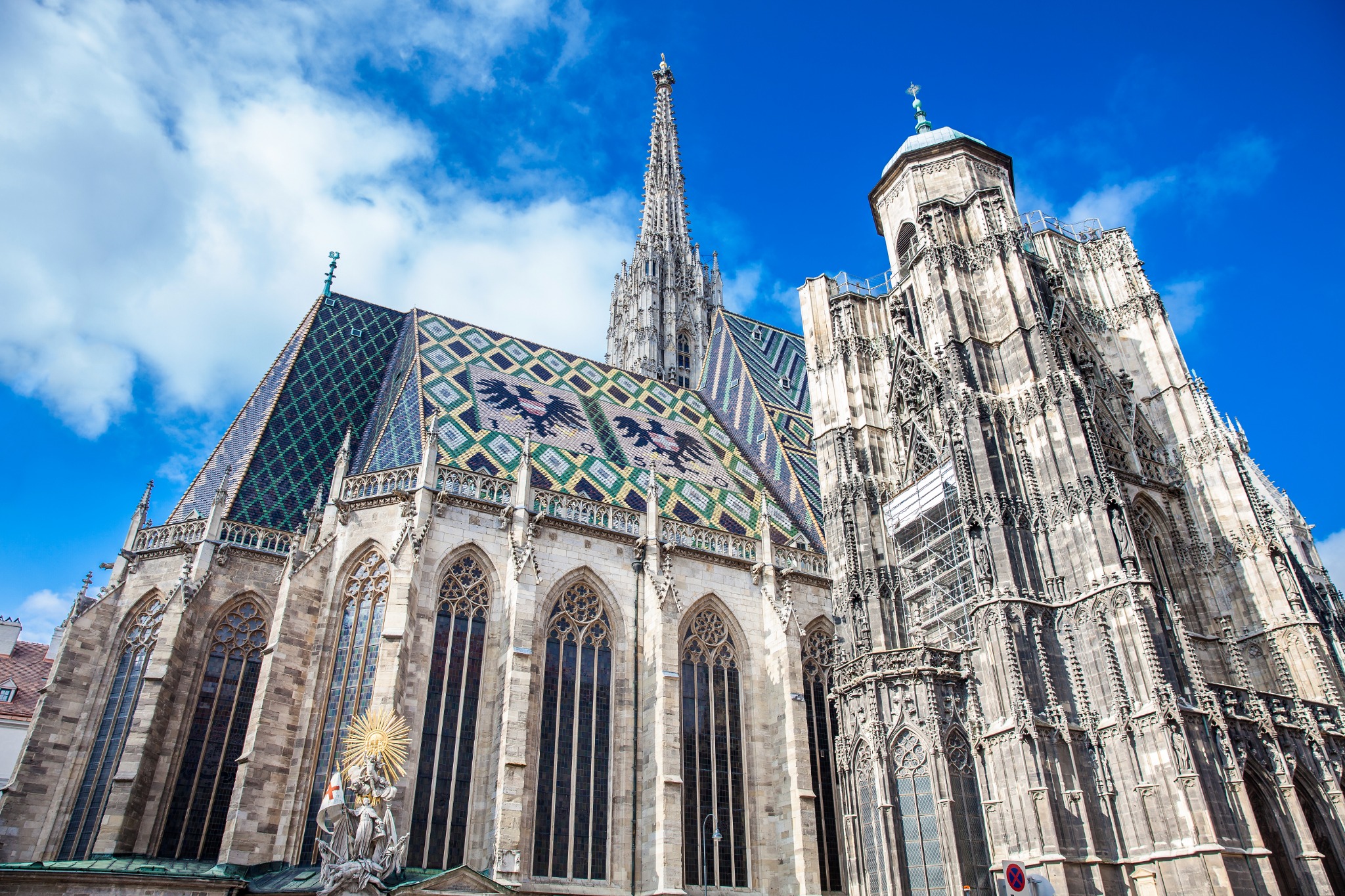
Stephansdom is Vienna’s geographic and emotional center. Walk around the exterior to appreciate the tiled roof and asymmetrical towers, then enter for the Gothic interior or book a tower visit for a closer view of the city roofs. From Stephansplatz, leave the broad shopping streets and wander through Blutgasse, Domgasse, and the lanes toward the former Greek quarter. Early morning is the best time to see this part of the Innere Stadt before tour groups and shopping traffic gather.
Explore the Hofburg as a district, not a single attraction
The Hofburg is an enormous complex containing courtyards, museums, the Imperial Apartments, the Sisi Museum, the Spanish Riding School, the Austrian National Library, and government buildings. Trying to see all of it in one visit can turn imperial Vienna into a checklist. Choose one or two interiors, then spend time walking through Michaelerplatz, Heldenplatz, the Burggarten, and the arcades connecting the palace to the Ringstrasse. Morning exercise sessions at the Spanish Riding School can be an accessible alternative when performance tickets are unavailable.
Pair the State Opera with the Musikverein or Konzerthaus
Vienna’s musical life is not limited to a single institution. The State Opera provides the grandest theatrical setting, the Musikverein is celebrated for its acoustics and Golden Hall, and the Konzerthaus offers a broad program in a slightly more relaxed environment. Summer schedules differ from the main season, so check current calendars rather than assuming a full opera program in July. A guided tour can still reveal the architecture when the curtain is down.
Choose your museums carefully
The Kunsthistorisches Museum is essential for Old Masters, imperial collections, and one of Europe’s great museum interiors. Across Maria-Theresien-Platz, the Naturhistorisches Museum appeals to families and science-minded visitors. MuseumsQuartier adds the Leopold Museum for Schiele and Viennese modernism, mumok for modern art, courtyards for drinks and people-watching, and direct access to the 7th district. The Albertina combines major exhibitions with restored Habsburg state rooms, while the Belvedere provides Klimt’s The Kiss inside a Baroque palace-and-garden composition. Avoid scheduling all of these on consecutive half-days; Vienna’s art is richer when it is given space.
Walk the Ringstrasse by tram and on foot
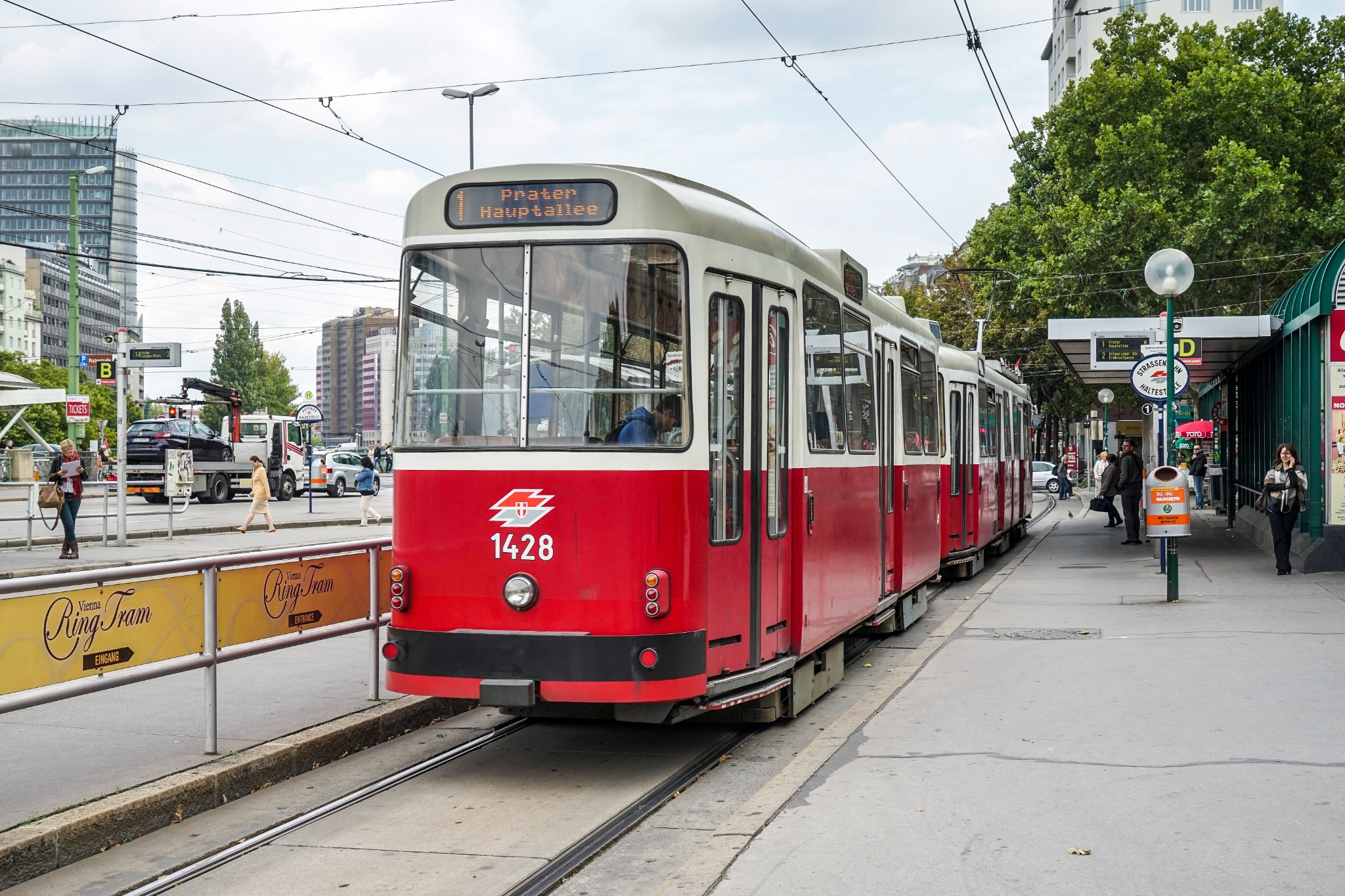
The Ringstrasse collects the State Opera, parliament, City Hall, Burgtheater, university, museums, and historic hotels around the former city walls. A tram offers orientation, but the most rewarding approach is to ride part of the circuit and walk selected stretches. The section from the opera to Stadtpark works well before dinner, while the parliament, Rathaus, and Burgtheater are especially atmospheric around sunset. During summer, the Rathausplatz Film Festival adds open-air screenings and food stands to this part of the boulevard.
Spend a morning at the Naschmarkt
The Naschmarkt stretches between Karlsplatz and Kettenbrückengasse with produce stalls, spice shops, delicatessens, restaurants, and a Saturday flea market. It is no longer an undiscovered local secret, but it remains useful for breakfast, casual lunch, and observing the city’s culinary mix. Continue uphill to the independent streets of Mariahilf or cross toward the Secession and Otto Wagner’s Art Nouveau architecture. Hotel Beethoven, Das Tyrol, Motto, and Eurostars Josefine all make this area particularly easy to explore.
See Schönbrunn beyond the palace rooms
Schönbrunn Palace is one of Vienna’s busiest attractions, so timed entry is worth arranging in advance. The gardens, Gloriette, fountains, and wooded paths are as important as the state rooms, and families may also consider the zoo. In July, arrive early, carry water, and allow more time than the interior-tour duration suggests. The U4 provides a straightforward connection from central stations including Karlsplatz, Stadtpark, and Schwedenplatz.
Find contemporary Vienna in districts 6, 7, 8, and 9
Mariahilf and Neubau combine shopping, restaurants, galleries, and a younger creative scene around Mariahilfer Strasse, Gumpendorfer Strasse, Neubaugasse, and the streets behind MuseumsQuartier. Josefstadt is quieter and more residential, with Biedermeier façades, theaters, and cafés. Alsergrund has university life, the Sigmund Freud Museum, the elegant Servitenviertel, and access to the Danube Canal. These districts are among the best areas to stay in Vienna for visitors who want to hear more German at breakfast and less rolling luggage outside at night.
Use the Danube Canal as an evening route
The Donaukanal is not the blue Danube of the waltz, but it is one of central Vienna’s most sociable warm-weather spaces. Murals, waterside bars, music, and cycling paths create an informal counterpoint to the Ringstrasse. Start near Schwedenplatz, walk northwest toward the 9th district or southeast toward the Prater, and choose a terrace according to the evening’s mood. The area can become noisy, so staying directly above the busiest venues is best left to nightlife-focused travelers.
Swim, cycle, or picnic by the water
For a summer change of pace, head to the Old Danube for swimming, boat rental, and waterside restaurants, or explore the long recreational corridor of Donauinsel. These areas show why Vienna repeatedly feels more livable than its museum-heavy reputation suggests. Weather and water conditions should guide plans, and hotel guests should ask about towels and secure storage before setting out. The U1 makes the Old Danube and Danube Island simple day trips from the center.
Visit the Prater after dark
The giant Ferris wheel is the Prater’s icon, but the surrounding amusement park is most atmospheric when the lights come on. Beyond the rides, the Green Prater extends into broad avenues and parkland suited to cycling, running, and family walks. Leopoldstadt hotels such as SO/ Vienna offer easy access, while the U1 and U2 connect the district with the historic center.
Make time for Viennese coffeehouse culture
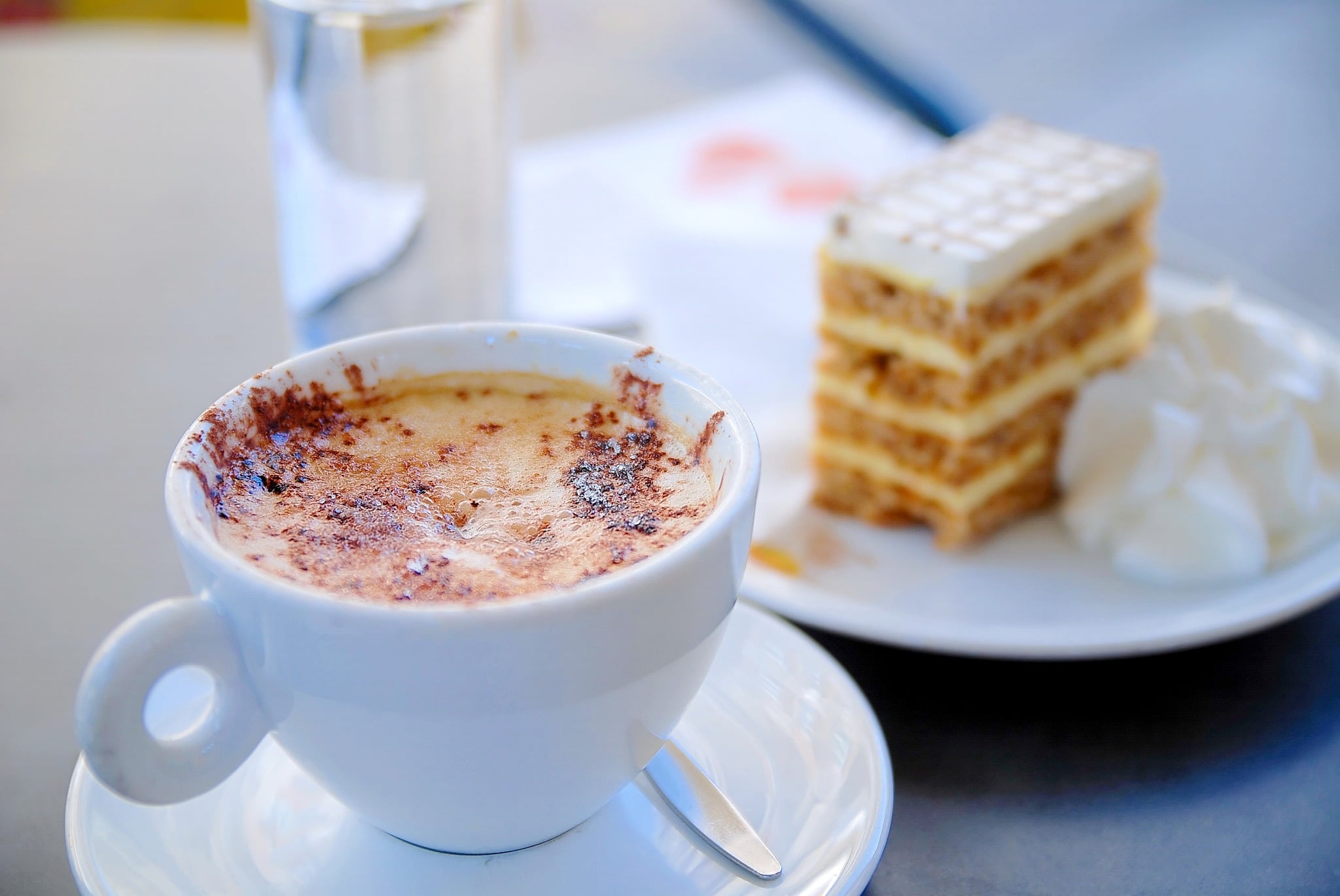
A coffeehouse visit should not be reduced to photographing a marble table. Order a melange or kleiner Schwarzer, choose a pastry, read, talk, and allow the pace to slow. Famous rooms such as Café Central, Café Sacher, Demel, and Café Landtmann are visually impressive but often have queues. Alternatives away from the central routes can feel more natural. A good strategy is to experience one landmark café and then ask your hotel for a neighborhood recommendation.
Plan a wine-focused excursion
Vienna is unusual among capitals for having vineyards within the city boundary. Grinzing is the best-known wine-village destination, but areas such as Nussdorf and Stammersdorf can provide a less staged atmosphere. Look for a Heuriger, a tavern serving the producer’s own wine with simple food, and consider combining the visit with a walk on the hills above the city. Tram and bus connections make an organized tour optional, though a guide can add useful context for serious wine travelers.
Consider a day trip to the Wachau or Bratislava
The Wachau Valley offers vineyards, Danube scenery, villages, abbeys, and cycling routes, with Melk and Dürnstein among the familiar stops. Bratislava is close enough for a rail or boat day trip, though Vienna easily fills four or five days on its own. Visitors staying only a weekend should resist leaving simply because another capital looks close on the map. A day trip makes more sense after the major Vienna interests have been given adequate time.
Where to Stay in Vienna
Vienna’s numbered districts spiral out from the Innere Stadt. The lower the number does not automatically mean the better the stay; it mainly describes position. The 1st district maximizes walking convenience, while districts 2 through 9 can offer stronger neighborhood character and excellent transport. A detailed where to stay in Vienna guide can help compare individual streets, but these are the most useful broad choices.
Best area for first-time visitors: Innere Stadt, 1st district
Choose the Innere Stadt when the trip is short, the itinerary centers on museums and performances, or mobility makes long daily journeys undesirable. Stephansplatz, the Hofburg, State Opera, Albertina, Graben, and many famous cafés are walkable. Mandarin Oriental, Sacher, Rosewood, Imperial, Park Hyatt, The Guesthouse, and Hotel Zur Wiener Staatsoper all turn location into a major part of their value. The trade-offs are higher rates, daytime crowds, expensive tourist-oriented restaurants, and less obvious neighborhood life.
Best area for luxury hotels: the Ringstrasse and Golden Quarter
The Ringstrasse is ideal for grand architecture, concert halls, and full-service hotels with large public rooms. Hotel Imperial, Ritz-Carlton, Almanac Palais, Grand Ferdinand, Bristol, and The Amauris sit on or close to the boulevard. Around Am Hof, Petersplatz, and the Golden Quarter, Park Hyatt and Rosewood provide luxury shopping and old-town lanes. Decide whether the priority is ceremonial scale, a rooftop, a pool, or a more residential feeling; these hotels share a high category but not the same personality.
Best area for art, restaurants, and boutique hotels: Neubau, 7th district
Neubau is a strong answer to where to stay in Vienna for return visitors. MuseumsQuartier anchors the eastern edge, while Neubaugasse and the surrounding streets supply independent boutiques, bakeries, wine bars, galleries, and restaurants. Altstadt Vienna and Sans Souci place guests close to this creative core. The area remains walkable to the Hofburg, but its evenings feel more local than Stephansplatz.
Best area for shopping and easy transport: Mariahilf, 6th district
Mariahilfer Strasse is Vienna’s main shopping street and sits above the U3, making the area exceptionally practical. Hotel Motto, Eurostars Josefine, Das Tyrol, and Hotel Beethoven each provide a different style within or near the district. The Naschmarkt and the 7th district are close, and Stephansplatz is only a few U-Bahn stops away. Main-street rooms may hear traffic or late activity, so ask for a courtyard orientation when quiet matters.
Best area for a quieter cultural stay: Wieden, 4th district
Wieden lies south of the center around Karlsplatz, the Musikverein, and the approach to the Belvedere. It is elegant, residential, and well connected, with useful restaurants that are not built solely for visitors. Hotel Kaiserhof is the clearest recommendation in this ranking. The district works well for mature couples, concertgoers, and travelers staying long enough to appreciate a calmer home base.
Best area for Belvedere and airport connections: Landstrasse, 3rd district
Landstrasse stretches from Stadtpark toward the Belvedere and Rennweg. It provides access to Wien Mitte, where airport trains and the U3 and U4 converge, as well as rail connections at Rennweg. The Hoxton, Imperial Riding School, Ritz-Carlton, and Almanac Palais sit in or along the edge of this district. It is a practical choice for business trips, early departures, and visitors who want more space than the old town typically provides.
Best area for nightlife and the Prater: Leopoldstadt, 2nd district
Across the Danube Canal, Leopoldstadt connects Schwedenplatz with the Prater, Karmelitermarkt, and residential streets shaped by Vienna’s Jewish history. SO/ Vienna is the ranking’s leading choice here. The area is excellent for canal evenings, running, and access to the U1 and U2. Travelers should distinguish between the lively canal edge and quieter interior streets before booking.
Best area for a local, intellectual atmosphere: Josefstadt and Alsergrund
The 8th and 9th districts appeal to visitors who prefer theaters, universities, small cafés, and elegant residential streets to landmark views. They have fewer destination hotels in this particular top 25, but apartments and smaller independent properties can represent good value. Tram routes often matter more than U-Bahn proximity, so map the exact journey to the sights you expect to visit rather than judging distance by district number alone.
Tips for Booking Hotels in Vienna
- Book around the cultural calendar, not only the weather. Christmas-market weekends, New Year, ball season, major congresses, school holidays, and important concert or opera dates can tighten availability. July can be easier than December at some business-oriented hotels, but pools, rooftops, family rooms, and air-conditioned boutiques remain popular.
- For a major event or a specific room view, reserve several months ahead. Ordinary summer dates may offer flexibility, but opera-facing rooms, connecting rooms, penthouses, and hotels with very small inventories such as Zur Wiener Staatsoper can disappear early.
- Compare weekdays and weekends. Corporate demand can lift midweek rates at business hotels, while leisure-heavy old-town and boutique properties may peak on Friday and Saturday. Vienna’s pattern is not uniform, so test a one-day shift before committing.
- Pay more for location on a short trip. During a two-night stay, an Innere Stadt address can save enough transit and backtracking to justify the premium. On a five-night stay, districts 3 through 7 often provide better dining variety and a more relaxed daily rhythm.
- Check air conditioning and room orientation for summer. Historic façades, top floors, west-facing windows, and street noise can affect comfort in July. Ask whether the room has individually controlled cooling and whether an internal courtyard room is available.
- Do not assume that “spa” means “pool.” Sacher, Rosewood, Motto, SO/ Vienna, and Das Tyrol offer wellness elements but no large swimming pool. Mandarin Oriental, Park Hyatt, Ritz-Carlton, Sans Souci, Almanac Palais, Imperial Riding School, and selected others have pools, but size and purpose vary considerably.
- Breakfast can be worth booking, but compare the neighborhood. At a grand hotel, breakfast may be part of the experience. In Neubau, Mariahilf, or Wieden, excellent bakeries and cafés can make a room-only rate more appealing. Check whether breakfast is included before comparing two apparently similar offers.
- Review the local tax line carefully. From July 1, 2026, Vienna’s local accommodation tax increased to 5% of the relevant accommodation charge calculation. Booking displays differ, so confirm whether taxes are included in the total or payable at the property.
- Use transport access intelligently. A hotel near U1, U3, or U4 can be more convenient than a nominally central hotel requiring a long walk with luggage. Wien Mitte is useful for the S7 and City Airport Train, while Railjet services connect the airport with Vienna Hauptbahnhof.
- Allow for historic-building variation. In hotels such as Sacher, Imperial, Bristol, Altstadt, and Topazz Lamée, two rooms in the same broad category may differ in shape, outlook, ceiling height, or bathroom layout. Examine the exact category photographs and ask questions when a feature is important.
- Upgrade for the right reason. An opera, cathedral, park, or skyline view can materially improve a Vienna stay. Paying more simply for extra square meters may matter less if the trip is museum-heavy. Prioritize outlook, quiet, balcony access, or connecting configuration according to how the room will actually be used.
- Keep cancellation flexibility when the price gap is reasonable. Concert schedules, summer heat, airline changes, and personal plans can shift. A fully prepaid rate saves money only when the dates and hotel choice are truly settled.
- Check accessibility directly with the property. Historic entrances, split-level public rooms, old elevators, and showers or tubs can create challenges not obvious in a booking filter. Request written confirmation of step-free access and bathroom details when needed.
- Do not rent a car for a central city break. Parking is expensive, one-way streets are confusing, and most of the top attractions are better reached on foot or by transit. A car becomes useful mainly for a broader Austrian itinerary after leaving Vienna.
Frequently Asked Questions About the Top 25 Hotels in Vienna
What are the best hotels in Vienna?
For an all-around contemporary luxury stay, Mandarin Oriental, Vienna is the leading choice in this ranking. Hotel Sacher and Hotel Imperial are strongest for historic grandeur; Rosewood Vienna excels at residential-style luxury; Park Hyatt is particularly good for large rooms and a central pool; and Sans Souci combines boutique service with a 20-meter pool near MuseumsQuartier.
What is the best area to stay in Vienna for first-time visitors?
The Innere Stadt is the easiest base for a first trip because St. Stephen’s Cathedral, the Hofburg, State Opera, Albertina, Graben, and many restaurants are walkable. Travelers staying four nights or more should also consider Neubau, Mariahilf, Wieden, or Landstrasse for better neighborhood atmosphere and quick U-Bahn access.
What are the best luxury hotels in Vienna?
Mandarin Oriental, Hotel Sacher, Rosewood, Hotel Imperial, Park Hyatt, The Amauris, Anantara Palais Hansen, Ritz-Carlton, and Almanac Palais form the strongest current luxury group. The right choice depends on whether the priority is modern design, imperial atmosphere, a pool, fine dining, or the most central possible location. See our best luxury hotels in Vienna guide for a category-by-category comparison.
Which Vienna hotels have the best swimming pools?
Sans Souci has a 20-meter indoor pool suited to laps, while the Ritz-Carlton has an 18-meter indoor pool. Park Hyatt’s pool occupies a former bank vault, and Mandarin Oriental and Almanac Palais provide polished indoor wellness pools. The Hoxton and Grand Ferdinand offer smaller seasonal rooftop pools intended more for cooling off and socializing than exercise.
What are the best boutique hotels in Vienna?
Altstadt Vienna is the strongest choice for individually designed rooms and art, Hotel Motto for a fashionable social atmosphere, Das Tyrol for intimate service and a private spa, Eurostars Josefine for cinematic interiors, and Buxbaum Boutique Hotel for a playful home-like experience in the old town. The Guesthouse and Zur Wiener Staatsoper are excellent small central alternatives.
Which hotels in Vienna are best for couples?
Hotel Sacher suits couples seeking tradition and ceremony, Rosewood provides contemporary romance and rooftop dining, The Amauris feels intimate and discreet, and Das Tyrol offers a private spa. Altstadt and Eurostars Josefine are good for couples who prefer personality to formal luxury.
What are the best family-friendly hotels in Vienna?
Park Hyatt and the Ritz-Carlton provide space, pools, and broad room inventories, while Imperial Riding School adds a garden and easy access to the Belvedere. The Hoxton works for informal families who value a rooftop pool and relaxed dining. For larger families, confirm connecting rooms or suites before booking; see our best family hotels in Vienna guide for more options.
Is it better to stay near the Vienna State Opera or Stephansplatz?
The opera area is ideal for performances, the Albertina, Musikverein, Karlsplatz transport, and the Naschmarkt. Stephansplatz is better for cathedral views, medieval lanes, the Graben, and direct U1 and U3 access. The two areas are only about a 10- to 15-minute walk apart, so hotel character may matter more than the difference in location.
Are hotels in Vienna expensive?
Vienna has expensive palace hotels, but its overall range is broader than the central luxury scene suggests. Four-star independents in Wieden, Mariahilf, Landstrasse, and other well-connected districts can offer strong comfort at lower rates. Prices vary by event calendar, room type, day of week, and season, so compare flexible dates rather than relying on a single average.
How far in advance should I book a Vienna hotel?
For ordinary dates, booking one to three months ahead often provides a reasonable choice. Reserve earlier for December weekends, New Year, major congresses, ball-season dates, school holidays, or a specific opera-facing, connecting, or pool-access room. Small hotels with fewer than 50 rooms require more advance planning than large international properties.
What is the best time of year to visit Vienna?
Spring and early autumn generally provide comfortable sightseeing weather and active cultural schedules. Summer brings outdoor dining, swimming, and festivals but can be hot. December is atmospheric because of the Christmas markets, though it is crowded and expensive. January and parts of February can offer value outside major events, with shorter days and colder weather.
What should I check before booking a hotel in Vienna?
Confirm air conditioning, room orientation, exact bed setup, breakfast inclusion, local taxes, pool availability, step-free access, and distance to the nearest useful U-Bahn or tram. At historic hotels, check whether the pictured view or balcony belongs to the exact category being reserved rather than to a higher suite.
Final Thoughts: Choosing the Right Vienna Hotel
Vienna’s hotel scene succeeds because it offers more than one version of the city. Hotel Sacher, Imperial, and Bristol preserve the rituals of the grand European hotel. Mandarin Oriental, Rosewood, The Amauris, and Almanac Palais translate historical buildings into a more contemporary language. Sans Souci, Altstadt, Motto, Das Tyrol, Eurostars Josefine, and Buxbaum show how much personality can fit into a smaller address. The Hoxton, Grand Ferdinand, SO/ Vienna, and Imperial Riding School add rooftops, gardens, modern architecture, and a more social pace.
The best choice comes down to how the trip will be lived. A first-time visitor with two days may value an opera-quarter address above every other amenity. A July traveler may place a pool, quiet air conditioning, or a garden first. A return visitor may happily trade a cathedral view for the restaurants of Neubau or the calm streets of Wieden. Compare the full cost, exact room category, transport, atmosphere, and the facilities you will genuinely use—not simply the number of stars beside the name.
Click here to compare hotels, availability, and current rates across Vienna
Affiliate disclosure: This article may contain affiliate links. We may earn a commission when you click through or make a booking, at no extra cost to you. Our recommendations are based on current research into location, guest sentiment, design, service, amenities, value, and the needs of different travelers.