Top 25 hotels in Madrid: Grand Icons, Boutique Stays and Rooftop Favorites for July 2026
Madrid arrives in layers: the chalky light on the façades around Plaza de la Villa, the first coffee cups appearing on zinc counters, the hush of the Prado before the galleries fill, and the late-evening surge when terraces, vermouth bars, restaurants, theaters, and rooftops seem to wake at the same time. Spain’s capital is monumental without being museum-like, fashionable without becoming aloof, and serious about art while remaining deeply committed to the pleasures of lunch.
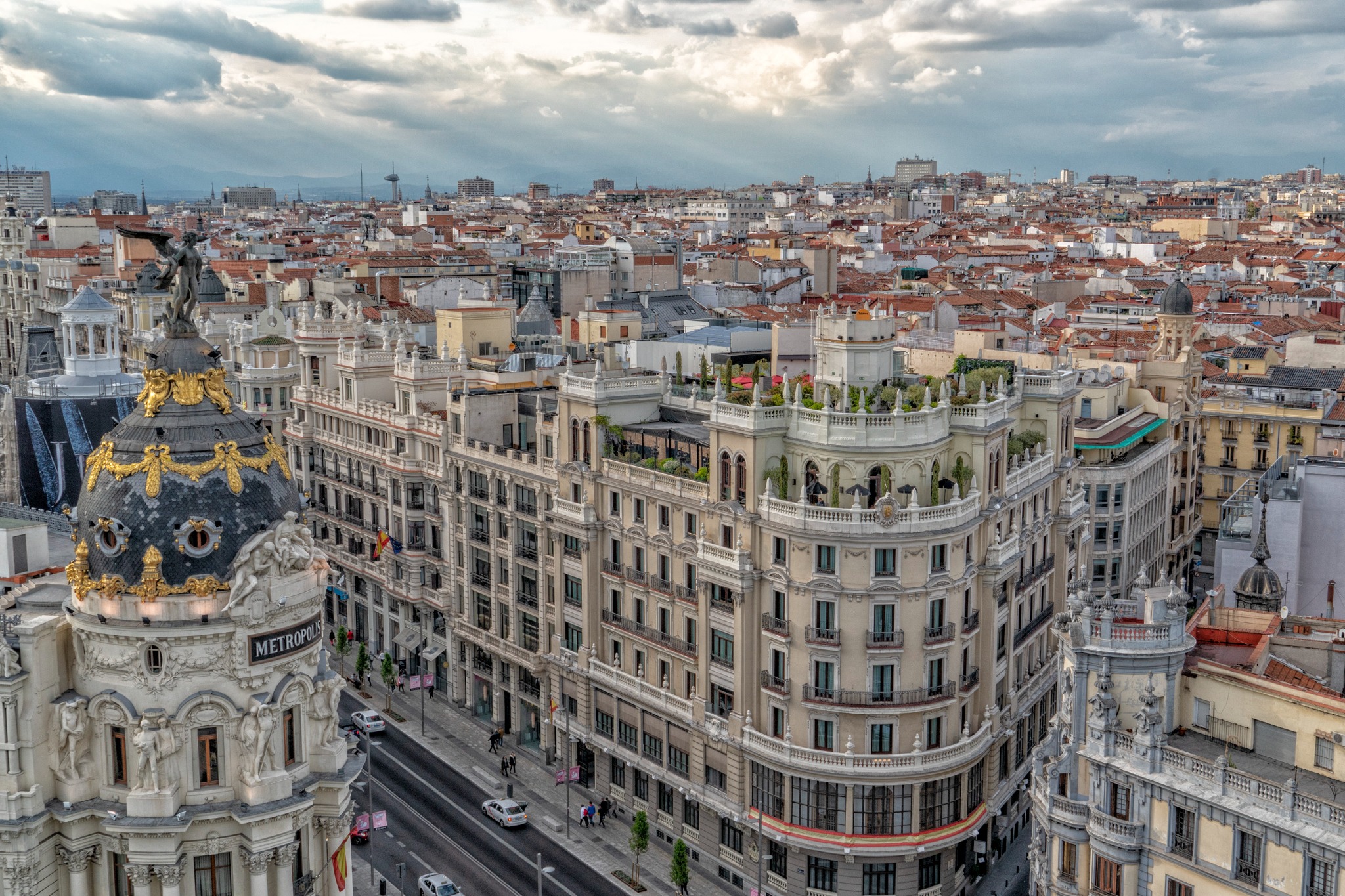
The city’s hotel map reflects those contradictions. Around the Paseo del Prado, historic grande dames face world-class museums and the green edge of El Retiro. In Salamanca, polished five-star hotels sit close to Calle de Serrano, Ortega y Gasset, and some of Madrid’s most refined restaurants. Gran Vía and the streets around Puerta del Sol put visitors in the energetic middle of theaters, shopping, nightlife, and constant foot traffic.
Barrio de las Letras favors literary history, intimate plazas, and restaurants tucked into narrow lanes. Salesas, Chueca, Malasaña, Chamberí, and La Latina each offer a different version of local Madrid, from design shops and cocktail bars to traditional taverns and Sunday market crowds.Location matters here because Madrid is large enough for the atmosphere to change sharply within a few Metro stops, yet compact enough that a well-chosen central hotel can turn much of the trip into a walk.
A first-time visitor may value the ability to reach the Royal Palace, Plaza Mayor, the art museums, and Gran Vía without planning every journey. A repeat visitor may prefer Salamanca’s calm, Salesas’ independent boutiques, or Chamberí’s neighborhood rhythm. In July, the decision becomes even more practical: afternoon temperatures can be intense, so a hotel with efficient air-conditioning, a pool, shaded terrace, spa, or easy access to museums can materially improve the stay.
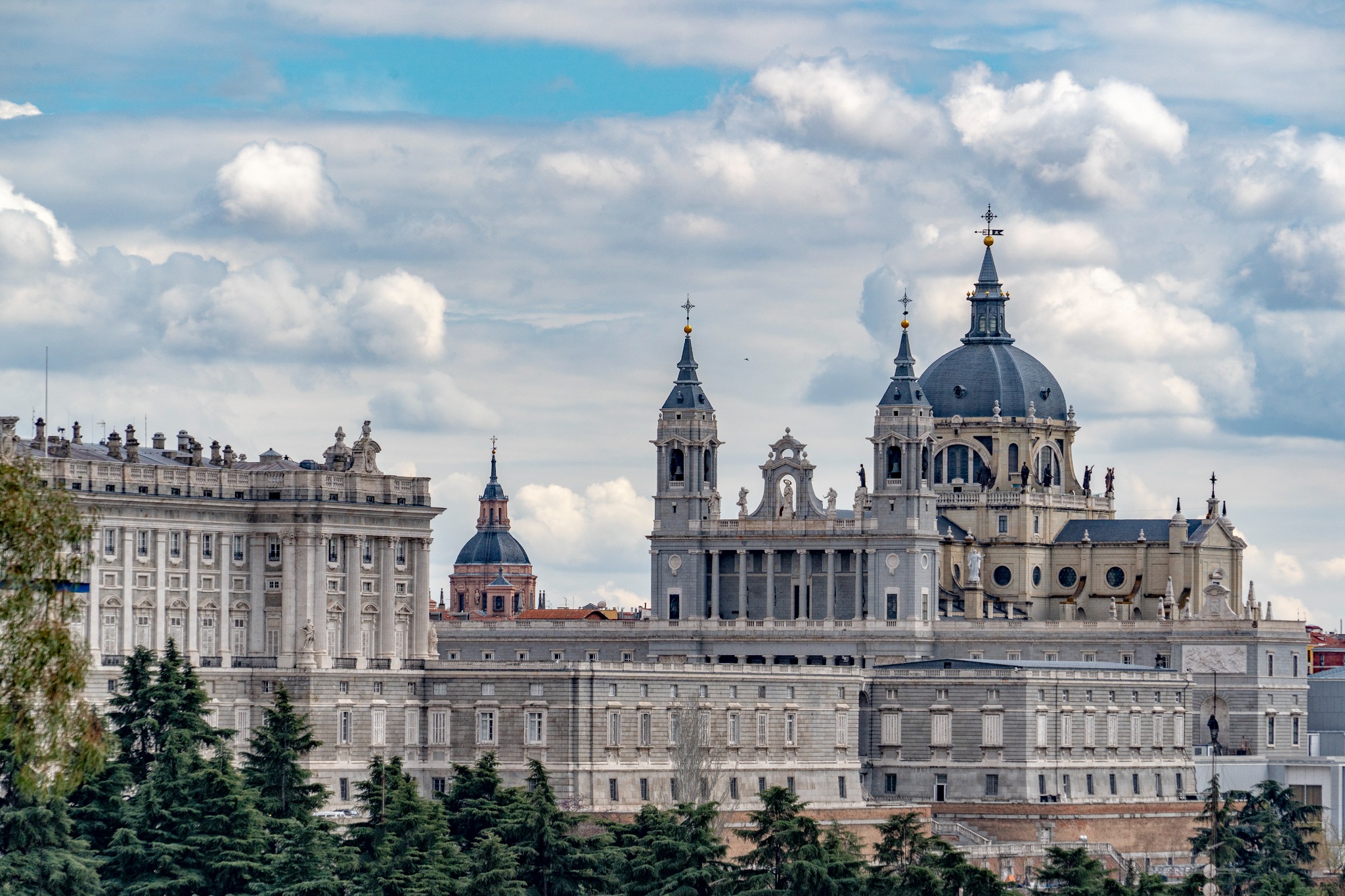
This ranking of the Top 25 hotels in Madrid, updated for July 2026, weighs recurring guest-review patterns, professional recognition, neighborhood quality, room comfort, design, service reputation, dining, wellness, rooftop facilities, and value within each category. It is not a list of the 25 most expensive addresses. Madrid’s most memorable stay might be a marble-and-silk palace opposite the Prado, a 34-room townhouse with a hidden garden pool, a rooftop hotel above Plaza de España, or a sociable hostel steps from Plaza Mayor.
Quick Picks: Best Hotels in Madrid
- Best overall hotel: Mandarin Oriental Ritz, Madrid
- Best contemporary luxury hotel: Four Seasons Hotel Madrid
- Best hotel in Salamanca: Rosewood Villa Magna
- Best historic comeback: The Palace, a Luxury Collection Hotel, Madrid
- Best intimate palace hotel: Santo Mauro, a Luxury Collection Hotel, Madrid
- Best boutique hotel: Gran Hotel Inglés
- Best design hotel: The Madrid EDITION
- Best hotel for rooftop swimming: Thompson Madrid
- Best hotel for first-time visitors: Four Seasons Hotel Madrid
- Best hotel for couples: Hotel Orfila
- Best hotel for families: VP Plaza España Design
- Best hotel for nightlife: Room Mate Óscar
- Best value near Plaza Mayor: The Hat Madrid
How We Chose the Top 25 Hotels in Madrid
Madrid has entered an unusually competitive hotel era. Long-established properties have undergone major restorations, international luxury brands have opened ambitious flagships, and smaller Spanish operators have become more confident about combining serious design with informal service. To produce a useful ranking rather than a simple popularity contest, we compared recurring recommendations across travel publications and hotel guides with current information from the properties themselves.
Guest sentiment matters, but it was read as a pattern rather than reduced to one changing score. We looked for repeated praise or criticism concerning soundproofing, room size, housekeeping, breakfast, staff responsiveness, and whether advertised facilities meaningfully improve the stay. We also considered how each hotel functions in its neighborhood. A beautiful property can be the wrong choice if it leaves a first-time visitor dependent on taxis, while a modest hotel can be exceptionally useful when it sits beside the sights, restaurants, and transport a traveler actually plans to use.
The final order gives extra weight to hotels that create a distinctive Madrid experience. That might come from history, architecture, an exceptional garden, a rooftop pool, a genuinely strong restaurant, or a location that makes the city easier to understand. Michelin Key recognition and inclusion in respected editorial hotel selections helped confirm quality, but they did not automatically determine rank. Value was judged within category: a luxury hotel can represent sound value when the space, service, and facilities justify its premium, while a cheaper room can disappoint if noise, poor maintenance, or an inconvenient location erodes the savings.
All properties were checked for current branding and operating status for July 2026. Seasonal facilities, especially outdoor pools and rooftops, can operate under changing hours or access rules, so travelers should confirm details for their exact dates before booking.
The Top 25 Hotels in Madrid
1. Mandarin Oriental Ritz, Madrid
Madrid’s most convincing grand hotel is also one of its best-located. The pale Belle Époque landmark stands beside Plaza de la Lealtad, with the Prado across the way, the Thyssen-Bornemisza close by, and El Retiro beginning just beyond the Neptune fountain. Its 2021 return after a major restoration managed the difficult trick of making the building feel brighter and more contemporary without sanding away the formality that gives the Ritz its identity. Public rooms favor chandeliers, marble, gilded details, floral arrangements, and measured service; bedrooms are calmer, with a residential palette that lets the architecture carry the drama.
The hotel is particularly strong for travelers who want their accommodation to be part of the cultural itinerary. Early access to the museum district, a garden lunch between gallery visits, or a quiet return after an evening in Barrio de las Letras feels effortless. Deessa, led by chef Quique Dacosta, is the headline dining room and holds two Michelin stars, while Palm Court and the garden provide less ceremonial ways to use the hotel. Wellness facilities include an indoor pool beneath a star-like ceiling, treatment spaces, hammam and steam facilities, and a 24-hour fitness area. The result is not simply luxury in the abstract; it is a highly specific version of Madrid, tied to the city’s art, ceremony, and old social rituals.
Why stay here: It combines Madrid’s strongest museum-district address with polished service, serious dining, and a restoration that respects the building’s history.
Best for: Art-focused luxury travelers, milestone trips, couples, and visitors who want a classic grand hotel.
Location: Paseo del Prado, beside the Prado Museum and close to El Retiro, the Thyssen-Bornemisza, Cibeles, and Barrio de las Letras.
What stands out: The rare combination of museum access, formal beauty, a garden, two-Michelin-star dining, and an indoor pool.
Potential drawback: Rates are among the highest in Madrid, and the atmosphere may feel too formal for travelers who prefer an energetic lifestyle hotel.
Click here to check availability and current rates
2. Four Seasons Hotel Madrid
Four Seasons occupies part of the restored Centro Canalejas complex, an assemblage of seven historic buildings between Puerta del Sol and Barrio de las Letras. The location could hardly be more central, but the hotel’s real achievement is how effectively it buffers guests from that intensity. Once inside, the experience moves from the monumental staircase and art-filled public spaces to warm, controlled rooms where the city feels close rather than intrusive. Many accommodations have generous proportions for central Madrid, and suites facing the surrounding rooftops make an especially persuasive case for staying in the absolute center.
This is the most complete modern luxury hotel in Madrid. The spa covers roughly 1,450 square meters across four floors and includes eight treatment rooms, a 14-meter sky-lit pool, a sun terrace, a 24-hour fitness center, and salon services. Dani Brasserie gives the hotel a rooftop social life with broad city views, while Isa brings a darker, cocktail-led evening mood. Galería Canalejas is integrated into the complex for luxury shopping, and the staff can build itineraries around art, food, shopping, or family activities. The hotel works equally well for a long weekend and a more demanding multigenerational trip because it combines resort-level infrastructure with a position from which much of central Madrid is walkable.
Why stay here: No other central Madrid hotel matches its breadth of facilities while remaining this practical for sightseeing.
Best for: First-time visitors, families, luxury shoppers, spa-focused stays, and travelers who value a full-service hotel.
Location: Canalejas, between Puerta del Sol, Gran Vía, Barrio de las Letras, and the museum district.
What stands out: Madrid’s largest urban hotel spa, a rooftop restaurant, extensive art, and direct access to Galería Canalejas.
Potential drawback: The immediate area is busy and heavily visited, and the hotel’s scale can feel less intimate than Madrid’s smaller palace properties.
Click here to see today’s room options and updated rates
3. Rosewood Villa Magna
Rosewood Villa Magna offers a different kind of Madrid luxury: less theatrical than the Prado-side palaces, more spacious, private, and residential. Set back from Paseo de la Castellana behind landscaped grounds, it feels insulated from the city without being disconnected from it. Salamanca’s boutiques, restaurants, and corporate addresses surround the property, making it one of the easiest high-end choices for travelers who plan to spend meaningful time in the district rather than commute from Centro.
The 154 rooms and suites were comprehensively reimagined when the hotel reopened under Rosewood in 2021. Interiors use soft colors, tactile fabrics, and contemporary Spanish references rather than overt historic pastiche. The strongest accommodations are the signature suites with expansive terraces, although even standard rooms tend to feel calm and well resolved. Dining is varied enough to keep the property active throughout the day: Amós by Jesús Sánchez focuses on northern Spanish flavors, Las Brasas de Castellana handles fire-led cooking, Tarde.O suits drinks, and Flor y Nata works as an elegant café and pastry stop. Sense, A Rosewood Spa adds treatment rooms, sauna and steam facilities. Service is personal without becoming ceremonious, which is why the hotel suits both leisure and high-level business travelers.
Why stay here: It is Madrid’s most persuasive residential luxury hotel, with space, privacy, gardens, and Salamanca at the door.
Best for: Luxury shoppers, business travelers, repeat visitors, families needing space, and guests who prefer discreet service.
Location: Paseo de la Castellana in Salamanca, close to Serrano, Ortega y Gasset, upscale dining, and the Golden Mile.
What stands out: A private, landscaped setting and unusually spacious signature suites in the city’s prime luxury district.
Potential drawback: It is less convenient than Centro for travelers who want to walk to Plaza Mayor, the Royal Palace, and the oldest streets several times a day.
Click here to compare prices for your travel dates
4. The Palace, a Luxury Collection Hotel, Madrid
After a meticulous restoration completed in 2025, the former Westin Palace re-emerged under its historic name as The Palace, a Luxury Collection Hotel. The change is more than cosmetic. The 1912 landmark has been repositioned around its Belle Époque identity, with restored marble, revived decorative details, and interiors by Lázaro Rosa-Violán that reference Madrid’s literary, artistic, and social history without turning the hotel into a period set. Its famous stained-glass dome remains the emotional center of the building; 1,875 panes were removed, cleaned, and reinstated during the restoration.
The Palace is larger and busier than several hotels ranked above it, but that scale creates an energy of its own. La Cúpula Restaurant & Bar operates throughout the day beneath the dome, and the Sunday opera brunch continues the hotel’s tradition as a public meeting place rather than a sealed luxury enclave. Recently renovated rooms are lighter and more coherent than before, with bespoke furnishings, curated artwork, and Belle Époque references. The address on Plaza de las Cortes is excellent for the Prado, Thyssen, Barrio de las Letras, and the restaurants around Huertas. Travelers who appreciate historic hotels will find more atmosphere here than in many technically perfect new builds.
Why stay here: The 2025 restoration returned one of Madrid’s great social landmarks to genuine destination-hotel status.
Best for: History lovers, cultural travelers, larger groups, conference guests, and visitors who enjoy animated grand hotels.
Location: Plaza de las Cortes, between the Prado and Barrio de las Letras, within walking distance of Sol and Cibeles.
What stands out: The restored stained-glass dome and the sense of staying inside a living piece of Madrid’s 20th-century history.
Potential drawback: With hundreds of rooms and major event spaces, it can feel busy; travelers seeking seclusion may prefer Santo Mauro or Hotel Orfila.
Click here to view rooms, photos, and current availability
5. Santo Mauro, a Luxury Collection Hotel, Madrid
Santo Mauro feels less like a conventional five-star hotel than an aristocratic residence that happens to accept overnight guests. The property occupies the former home of the Duke of Santo Mauro in Chamberí, with separate historic buildings arranged around a mature garden. This layout gives the hotel a sense of privacy that is difficult to achieve in central Madrid: guests move through salons, a library, garden paths, and richly layered rooms rather than a single grand lobby.
A renovation sharpened the interiors while retaining the palace’s personality. Deep colors, patterned fabrics, antiques, contemporary art, and botanical references create spaces that are expressive but not showy. Rooms vary because of the historic architecture; some are more dramatic than others, and suites overlooking the garden are the most transportive. Dining and drinking unfold across La Biblioteca and Gresca Wine Bar, with the garden becoming especially valuable in warm weather. There is a fitness center and wellness services, but this is not the choice for guests who prioritize a large pool or resort-style spa. Its strength is atmosphere: quiet breakfasts, attentive staff, and the feeling of returning to a private address after exploring the city.
Why stay here: It delivers Madrid’s most intimate palace experience, with a genuine garden and a strong sense of residential privacy.
Best for: Couples, design-conscious luxury travelers, diplomats, and repeat visitors who prefer Chamberí to the tourist core.
Location: Almagro in Chamberí, near Paseo de la Castellana, Salesas, and the restaurants and galleries north of Centro.
What stands out: The garden and sequence of historic salons create a country-house calm in the middle of Madrid.
Potential drawback: There is no major swimming pool, and the location is less immediately convenient for first-time sightseeing than Sol or the Prado district.
Click here to check the latest offers for this hotel
6. Gran Hotel Inglés
Gran Hotel Inglés claims a special place in Madrid’s hotel history: it opened in 1886 and is widely regarded as the capital’s oldest luxury hotel. Its current form, however, is not a dusty exercise in nostalgia. The 48-room property has been remade as a polished, club-like boutique hotel where leather, brass, dark wood, patterned carpets, and Art Deco references evoke the city’s literary and theatrical past. The scale is intimate enough for staff to recognize guests quickly, yet the public spaces have enough energy to avoid feeling hushed.
The Barrio de las Letras address is central but textured. Calle Echegaray is close to Plaza de Santa Ana, tapas bars, theaters, Sol, and the museum triangle, giving guests several versions of Madrid within a short walk. Rooms are quiet, cocooning, and generally more generous than the narrow historic street might suggest. The hotel’s dining room and cocktail spaces draw non-guests, adding local life without turning the lobby into a party scene. A compact wellness area supports treatments and fitness, though it does not compete with the large spas at Four Seasons or Mandarin Oriental. Gran Hotel Inglés excels because history, design, and location reinforce one another instead of existing as separate selling points.
Why stay here: It is the strongest small luxury hotel for travelers who want history and nightlife in the walkable literary quarter.
Best for: Couples, food-focused travelers, boutique-hotel devotees, and first-time visitors who want an atmospheric central base.
Location: Barrio de las Letras, close to Plaza de Santa Ana, Sol, the Prado, and a dense network of restaurants and bars.
What stands out: A 48-room scale, rich club-like interiors, and a historic address in Madrid’s most literary neighborhood.
Potential drawback: The surrounding streets can be lively at night, and the wellness facilities are modest compared with full-service palace hotels.
Click here to see whether this hotel is available for your dates
7. Palacio de los Duques Gran Meliá
Palacio de los Duques succeeds by hiding a resort-like set of spaces behind an old-city façade. The hotel occupies a 19th-century ducal palace and former convent near the Royal Theatre, then opens inward to a substantial garden—a rarity in the dense streets between Gran Vía and the Royal Palace. Art and design references to Velázquez run through the property, but the effect is more romantic than academic, with warm rooms, arched passages, and several quiet corners for guests who need a pause from Centro.
The rooftop is the practical reason many travelers choose it in summer. A seasonal pool, whirlpool, solarium, bar, and panoramic views extend toward the Royal Palace, Almudena Cathedral, Casa de Campo, and the mountains beyond. The Thai Room Wellness center handles treatments, and family rooms make the hotel more flexible than its palace identity might suggest. Dining options allow guests to use the property as more than a sleeping base, while the garden is valuable for breakfast or a late drink. The location also splits the difference between opera-and-palace sightseeing and the shopping and theaters of Gran Vía.
Why stay here: It combines old-Madrid romance with a garden and rooftop pool, two facilities that are unusually difficult to find together in Centro.
Best for: Couples, families, Royal Palace visitors, summer stays, and travelers who want luxury without a highly formal atmosphere.
Location: Near the Royal Theatre and Santo Domingo, a short walk from the Royal Palace, Gran Vía, and Plaza Mayor.
What stands out: The hidden garden and seasonal rooftop pool with broad views over the palace district.
Potential drawback: Some surrounding streets are steep or busy, and rooftop access and pool hours can be seasonal or capacity-controlled.
Click here to compare booking options and room categories
8. The Madrid EDITION
The Madrid EDITION is the city’s most successful large lifestyle hotel: minimalist enough to feel contemporary, social enough to operate as a destination, and central enough that guests can step into Puerta del Sol within minutes. John Pawson and François Champsaur shaped the architecture and interiors around pale stone, dark oak, sculptural stairs, and carefully controlled light. Rooms deliberately avoid the ornament of Madrid’s palace hotels; their appeal lies in restraint, strong beds, good bathrooms, and a sense of calm above the center.
Public life is the point. The Lobby Bar is designed for lingering, Jerónimo brings a colorful Mexican-influenced menu, and Oroya pairs Peruvian cooking and pisco-led drinks with the fourth-floor rooftop. The infinity pool, 25 sunbeds, and cabanas create one of central Madrid’s most desirable summer decks, although the scene is more social than meditative. A spa and substantial gym provide balance. The hotel works best for travelers who want to eat, drink, meet people, and return late without sacrificing service or design quality. It is not the most traditionally “Madrid” hotel in the ranking, but it captures the international, creative version of the city that has accelerated over the past few years.
Why stay here: It delivers the strongest combination of contemporary design, nightlife, restaurants, and a serious rooftop pool in the historic center.
Best for: Design lovers, fashionable couples, nightlife-oriented travelers, and guests who prefer an international lifestyle atmosphere.
Location: Plaza de la Descalzas area, just off Puerta del Sol and within easy walking distance of Gran Vía and Plaza Mayor.
What stands out: A large infinity pool and rooftop dining in an exceptionally central location.
Potential drawback: The social scene can feel more like a private club than a quiet retreat, and entry-level rooms may seem understated for the price.
Click here to view current offers and recent guest reviews
9. Hotel Único Madrid
Hotel Único is one of Salamanca’s most appealing small hotels because it understands the district’s residential side. The 44-room property occupies a 19th-century mansion on Calle Claudio Coello, hidden behind a restrained white façade. Inside, a mirrored staircase, mosaic floors, high ceilings, and contemporary furnishings create a polished but domestic mood. The private garden is the defining feature: a green, sheltered courtyard that makes breakfast, reading, or an evening drink feel removed from the luxury shopping streets outside.
Rooms vary in size, as expected in a converted mansion, but the better categories have high ceilings, large windows, and enough visual calm for longer stays. A library, fitness facilities, and a Wellness Suite support the residential atmosphere without pretending to be a resort. The restaurant landscape at the hotel has changed since Ramón Freixa’s long-running restaurant closed at the end of 2024, so food-focused guests should check the current in-house concept rather than relying on older reviews. The surrounding Salamanca streets compensate with an exceptional concentration of restaurants, bakeries, wine bars, and fashion boutiques.
Why stay here: It offers the intimacy, garden, and personalized feel that many travelers hope to find in a luxury boutique hotel.
Best for: Couples, luxury shoppers, repeat visitors, and travelers who value quiet over extensive facilities.
Location: Claudio Coello in Salamanca, close to Serrano, Ortega y Gasset, Mercado de la Paz, and the Golden Mile.
What stands out: A peaceful private garden concealed inside one of Madrid’s most elegant shopping districts.
Potential drawback: Facilities are limited compared with larger five-star hotels, and travelers should verify the current dining program because older restaurant information is outdated.
Click here to explore rooms and updated rates
10. Brach Madrid
Brach Madrid brought Philippe Starck’s highly layered, cinematic style to Gran Vía in late 2024. The 57-room hotel is intentionally expressive: dark woods, collected objects, textured fabrics, vintage references, and theatrical lighting create the feeling of an eccentric private house rather than a standardized luxury brand. This visual density will delight some guests and exhaust committed minimalists, but it gives the hotel a personality that is unusually immediate.
The restaurant is central to the experience, with an open kitchen, Mediterranean and Spanish flavors, a lively café mood, and a pâtisserie that makes the ground floor useful from breakfast through late afternoon. Wellness is another major strength. The hotel includes an indoor pool, sauna and steam facilities, treatment options, fitness space, and a club-like approach to movement and recovery. Rooms and suites can connect for families, and some categories include balconies or city views. The Gran Vía address places theaters, Chueca, Sol, and Salamanca’s lower edge within easy reach. Brach earned a Michelin Key in Madrid’s 2025 selection, confirming that the newcomer has moved beyond opening buzz.
Why stay here: It is the most distinctive new luxury hotel for travelers who want strong design, wellness, and Gran Vía energy.
Best for: Style-driven couples, wellness travelers, families using connecting rooms, and repeat visitors curious about Madrid’s newer hotel scene.
Location: Gran Vía 20, between Chueca, Sol, Cibeles, and the shopping corridor toward Plaza de España.
What stands out: Philippe Starck interiors paired with an indoor pool, serious wellness facilities, and a lively restaurant-pâtisserie ecosystem.
Potential drawback: The maximalist design and busy Gran Vía setting are not ideal for guests seeking visual simplicity or neighborhood quiet.
Click here to check this hotel’s latest availability
11. JW Marriott Hotel Madrid
JW Marriott occupies a 19th-century building beside Plaza de Canalejas, one of the most useful locations in the city for travelers who want to move easily between Sol, Gran Vía, Barrio de las Letras, and the museum district. The hotel’s design incorporates surviving iron columns and historic details into a warm contemporary scheme. Many of its 139 rooms and suites include balconies, a meaningful advantage in a part of Madrid where views and outdoor space can be scarce.
The experience is quieter and more wellness-oriented than the neighboring Four Seasons. The lobby and public rooms emphasize natural materials, fragrance, and calm rather than spectacle. QÚ Restaurant interprets Spanish ingredients in a polished setting, while the Elysium wellness space offers massages and facial treatments. There is a fitness room but no large swimming pool, so guests paying a luxury premium should be comfortable prioritizing location, room finish, and service over resort-level recreation. The hotel is especially practical for Marriott Bonvoy members and business-leisure travelers who want a globally consistent five-star experience with enough Madrid character to avoid anonymity.
Why stay here: It pairs an outstanding central address with calm rooms, balconies in many categories, and polished international service.
Best for: Marriott loyalists, business-leisure trips, first-time visitors, and travelers who want central luxury without a highly social lobby.
Location: Plaza de Canalejas, close to Puerta del Sol, Gran Vía, the Prado corridor, and Four Seasons’ Galería Canalejas.
What stands out: The combination of historic ironwork, private balconies in many rooms, and a nearly unbeatable sightseeing location.
Potential drawback: It lacks the large pool and expansive spa found at several similarly priced competitors.
Click here to review current rates and booking conditions
12. BLESS Hotel Madrid
BLESS brings a more extroverted kind of luxury to Salamanca. Lázaro Rosa-Violán’s interiors layer books, sculptural objects, deep colors, patterned carpets, and playful visual surprises inside a 19th-century building on Calle Velázquez. The result has far more personality than a conventional business hotel, while the bedrooms become calmer and more neutral than the theatrical public spaces.
The rooftop Picos Pardos Sky Lounge is the strongest reason to choose BLESS in warm weather. It combines views over Salamanca, cocktails, music, dining, cabana-style seating, and a small seasonal pool. The hotel also has a spa and fitness center, plus multiple places to eat and drink. This mix attracts local residents as well as guests, giving the property a social pulse that some Salamanca hotels lack. The district’s boutiques and restaurants are immediately accessible, and El Retiro is reachable on foot. BLESS suits travelers who want the prestige of Salamanca but do not want the atmosphere to become restrained or corporate.
Why stay here: It is Salamanca’s best choice for travelers who want rooftop energy and expressive design with their luxury stay.
Best for: Fashion-focused travelers, couples, friends’ trips, pet owners, and guests who enjoy a lively hotel scene.
Location: Calle Velázquez in Salamanca, close to Serrano, Ortega y Gasset, Mercado de la Paz, and El Retiro.
What stands out: The Picos Pardos rooftop combines a pool, cocktails, views, and a genuinely social local crowd.
Potential drawback: The design may feel overworked to minimalists, and the rooftop can be busy or event-led rather than peaceful.
Click here to see available rooms for your Madrid stay
13. Thompson Madrid
Thompson Madrid occupies a strategic position on Plaza del Carmen, only a few minutes from Gran Vía and Puerta del Sol but set just far enough from the largest pedestrian flows to feel slightly more contained. The hotel’s contemporary interiors mix polished stone, warm woods, patterned textiles, and Spanish craft references. Rooms are modern and comfortable rather than flamboyant, while suites and terrace categories add the outdoor space that elevates a summer stay.
The rooftop is the hotel’s center of gravity. A generous pool deck offers broad city views, shaded areas, loungers, cocktails, and food, creating something closer to an open-air club than a token plunge pool. The food-and-drink program has continued to evolve, including the Makáá rooftop restaurant and social events that connect the hotel with Madrid’s nightlife. Downstairs spaces provide a more composed setting for meals and drinks. Thompson works for travelers who want a central hotel that is stylish and sociable but less relentlessly theatrical than EDITION.
Why stay here: It has one of Madrid’s most usable hotel rooftops and a central location that works exceptionally well for short city breaks.
Best for: Summer visitors, couples, friends, nightlife travelers, and Hyatt members.
Location: Plaza del Carmen, between Gran Vía, Chueca, Sol, and the pedestrian streets of Centro.
What stands out: A spacious rooftop pool zone with skyline views and a strong evening atmosphere.
Potential drawback: The rooftop scene can generate noise or crowds, and the immediate surroundings are commercial rather than deeply residential.
Click here to compare current deals and cancellation options
14. CoolRooms Palacio de Atocha
Behind a discreet façade in Barrio de las Letras, CoolRooms Palacio de Atocha opens into a sequence of unusually generous rooms, soaring ceilings, a green courtyard, and a pool that feels improbable in this part of Madrid. The building began as an 1852 palace, and the conversion preserves scale and architectural character while introducing contemporary furniture, bold art, and modern bathrooms. With only 34 rooms and suites, the hotel feels personal without becoming precious.
Room size is a genuine advantage. Categories begin around dimensions that many central hotels reserve for junior suites, while the top accommodations add terraces or outdoor Jacuzzis. The Pool Garden creates a shaded retreat for cocktails and light food; in summer it can shift from tranquil daytime space to a more animated evening venue. The hotel is well placed for the Prado, Plaza Mayor, Sol, Lavapiés, and Atocha station, making it useful for travelers combining Madrid with high-speed rail trips. Service is often singled out for warmth, which helps the property feel less design-driven than photographs might suggest.
Why stay here: It combines some of the largest boutique rooms in central Madrid with a hidden garden pool and an excellent walking location.
Best for: Couples, families needing space, design travelers, rail itineraries, and visitors who want a quieter alternative to Gran Vía.
Location: Calle de Atocha in Barrio de las Letras, between Sol, Lavapiés, the Prado, and Atocha station.
What stands out: A secret courtyard pool and rooms with unusually high ceilings and generous floor plans.
Potential drawback: The pool garden may host events, and the lively Atocha corridor can feel gritty or busy on certain blocks.
Click here to view the newest room rates and offers
15. URSO Hotel & Spa
URSO sits at the meeting point of Chamberí, Tribunal, Malasaña, Salesas, and Chueca, a location that rewards travelers who want to explore contemporary Madrid rather than remain inside the most touristic streets. The 1915 neoclassical building retains stained glass, wrought iron, and bourgeois proportions, while the interiors use muted colors, pale woods, leather, and natural light. The effect is calm, mature, and quietly local.
The spa is the hotel’s most important facility. It includes a water circuit, hammam, treatment rooms, and fitness space, creating a cocoon-like place to recover after walking the city. Casa Felisa interprets traditional Madrid and Spanish cooking with a brasserie sensibility, while the conservatory provides a bright setting for breakfast and weekend brunch. The 78 rooms and suites vary in outlook, but many feel more residential than hotel-like. URSO is particularly strong for repeat visitors who are comfortable walking 15 to 25 minutes to major sights in exchange for a neighborhood with independent shops, markets, bakeries, and bars.
Why stay here: It is one of Madrid’s best low-key spa hotels and a smart base for discovering Salesas, Chamberí, Malasaña, and Chueca.
Best for: Repeat visitors, couples, spa weekends, solo travelers, and guests who favor neighborhood life over doorstep monuments.
Location: Mejía Lequerica, between Chamberí, Malasaña, Chueca, and Salesas.
What stands out: A refined spa and historic residential atmosphere in one of Madrid’s most interesting transition zones.
Potential drawback: The major museums and palace sights are not directly outside, and some travelers may find the style too restrained for a celebratory trip.
Click here to check availability for your preferred dates
16. The Principal Madrid
The Principal occupies the upper floors of a 1917 building at the start of Gran Vía, close to Cibeles and the lower edge of Chueca. The elevated position is central to the experience: reception, lounges, rooms, and terraces rise above street level, insulating guests from traffic while preserving dramatic views over the domes and rooftops of central Madrid. Interiors are tailored and cosmopolitan, using dark woods, clean lines, and carefully chosen objects rather than overt palace references.
Ático Restaurant & Terrace on the sixth floor gives the hotel one of the city’s most attractive dining settings, with seasonal Spanish cooking and outdoor tables under the Madrid sky. Additional rooftop and lounge spaces work well for cocktails at sunset. Rooms are soothing and efficient, though travelers should check dimensions and views carefully because the building’s shape creates meaningful variation between categories. There is a wellbeing area and fitness equipment, but no full swimming pool. The Principal is an excellent compromise for guests who want boutique scale, Gran Vía convenience, and a grown-up atmosphere.
Why stay here: It turns a busy Gran Vía address into a calm, elevated retreat with one of Madrid’s best boutique-hotel terraces.
Best for: Couples, design-conscious business travelers, weekend visitors, and guests who want nightlife nearby without sleeping inside it.
Location: Gran Vía near Cibeles, within easy reach of Chueca, Barrio de las Letras, the Prado, and Salamanca.
What stands out: Ático’s terraces and the feeling of floating above Gran Vía rather than being overwhelmed by it.
Potential drawback: There is no pool, and entry-level rooms can feel compact relative to the hotel’s luxury positioning.
Click here to explore suites, rooms, and current prices
17. Hotel Orfila
Hotel Orfila is the romantic counterargument to Madrid’s new wave of large international luxury hotels. The Relais & Châteaux property occupies a 19th-century mansion on a quiet cul-de-sac in Chamberí, with just 32 rooms and suites, period furniture, a flower-filled garden, and the mood of a private European townhouse. In the 1920s, plays were staged within the building; today the theatricality appears in antique pieces, patterned textiles, and rooms that feel individually composed.
The garden and tea room are central to the hotel’s appeal. Breakfast or dinner outside can feel remarkably removed from the surrounding city, while El Jardín de Orfila gives guests a serious restaurant without sacrificing intimacy. Service is attentive and highly personal, more akin to a small country-house hotel than a central urban property. The trade-off is obvious: there is no pool, no sprawling spa, and relatively little nightlife in the immediate street. Yet for couples who value quiet, character, and a sense of occasion, Orfila remains one of the most distinctive romantic hotels in Madrid.
Why stay here: Few city hotels create such a convincing sense of private-house romance and calm.
Best for: Couples, anniversaries, literary travelers, and guests who prefer antiques and gardens to modern lifestyle design.
Location: A quiet street in Chamberí near Colón, Salesas, and the northern edge of Salamanca.
What stands out: The flowered garden, tea room, period interiors, and exceptionally intimate 32-room scale.
Potential drawback: There is no pool or major spa, and some guests may find the traditional décor less fresh than Madrid’s newer boutiques.
Click here to see the latest availability and guest feedback
18. Heritage Madrid Hotel
Heritage Madrid Hotel occupies a Belle Époque townhouse on the quieter northern edge of Salamanca. Its 46 rooms and suites use patterned fabrics, polished wood, decorative moldings, and carefully collected art to create a formal but welcoming atmosphere. The scale is small enough for personalized service, and the location near Paseo de la Castellana appeals to travelers who want Salamanca access without the intensity of the streets immediately around Serrano.
Haroma, supervised by chef Mario Sandoval, gives the hotel a strong gastronomic identity rooted in Spanish ingredients and technique. Two rooftop terraces and a handsome lobby provide places to slow down, while rooms range from compact classic doubles to larger suites. The hotel belongs to Relais & Châteaux, and its service style reflects that emphasis on charm, cuisine, and individuality. Heritage is particularly well suited to travelers with restaurant reservations, shopping plans, or business in the north-central districts. It is less effective for guests who expect to walk to the Royal Palace several times a day.
Why stay here: It is a refined, food-led Salamanca boutique with strong service and a calmer setting than many central luxury hotels.
Best for: Couples, restaurant-focused travelers, luxury shoppers, and business guests near Castellana.
Location: Calle Diego de León, near Paseo de la Castellana and the northern part of Salamanca.
What stands out: A 46-room Relais & Châteaux atmosphere anchored by Haroma and elegant rooftop terraces.
Potential drawback: The location is removed from the old city, and classic rooms may feel small compared with newer five-star competitors.
Click here to compare room types and flexible rates
19. Only YOU Boutique Hotel Madrid
Only YOU Boutique Hotel helped define Madrid’s modern boutique-hotel boom. The property occupies a restored 19th-century mansion in Salesas, a small district that borrows the elegance of Salamanca, the independence of Malasaña, and the nightlife access of Chueca. Lázaro Rosa-Violán’s interiors mix blue-and-white tiles, bookshelves, maps, vintage luggage, patterned upholstery, and cosmopolitan references in a way that feels playful rather than precious.
With 125 rooms and suites, the hotel is larger than its boutique label suggests, but the many public spaces break it into more intimate zones. The ground floor works as a social hub for coffee, food, drinks, and informal meetings, and the fitness facilities add practical value. Soundproofing is important in this lively part of the city, and many rooms are designed to shield guests from street noise. The location is excellent for people who want to move between Chueca, Gran Vía, Salesas, Cibeles, and El Retiro. It remains one of the most approachable choices in this list: stylish, central, and polished without demanding palace-hotel spending.
Why stay here: It combines a highly walkable Salesas location with memorable design and a less formal price-position than Madrid’s grand five-stars.
Best for: First-time visitors, solo travelers, couples, LGBTQ+ travelers, and guests who want nightlife and design close at hand.
Location: Salesas, a few steps from Chueca and Paseo de Recoletos, with Gran Vía and Cibeles nearby.
What stands out: Expressive Lázaro Rosa-Violán interiors and a lobby that feels connected to the neighborhood.
Potential drawback: The busiest public areas can feel crowded, and room sizes and outlooks vary significantly by category.
Click here to review current offers for this Madrid hotel
20. VP Plaza España Design
VP Plaza España Design is one of Madrid’s most practical upscale hotels for families and travelers who want generous modern rooms. The 214-room property faces the redesigned Plaza de España, with Gran Vía beginning outside and the Royal Palace, Temple of Debod, and Casa de Campo all within reach. Interiors emphasize contemporary Spanish art, technology, large windows, and broad views rather than historic romance.
Ginkgo Restaurant & Sky Bar crowns the building on the 12th floor, pairing 360-degree views with dining, music, cocktails, and a seasonal rooftop pool. A second restaurant, Botania, gives guests a calmer ground-level option. The Biloba Spa includes treatment rooms and wellness facilities, and the larger room categories suit families better than many converted mansions in Centro. In July, the combination of pool, views, air-conditioned space, and proximity to multiple Metro lines is especially valuable. The hotel is less intimate than a boutique property, but it is unusually easy to use.
Why stay here: It offers space, skyline views, a rooftop pool, and family-friendly practicality at one of Madrid’s best-connected plazas.
Best for: Families, first-time visitors, summer stays, groups, and travelers who prioritize room size and transport.
Location: Plaza de España, at the western end of Gran Vía near the Royal Palace and Temple of Debod.
What stands out: The Ginkgo rooftop and the combination of spacious rooms, pool access, and 360-degree views.
Potential drawback: The large scale and busy rooftop make it feel more like a polished urban resort than an intimate Madrid hideaway.
Click here to check rates, photos, and room availability
21. Hotel Riu Plaza España
Hotel Riu Plaza España occupies the landmark Edificio España and has become one of the city’s most recognizable hotels, largely because of its 27th-floor 360° Rooftop Bar. The glass walkway, wraparound views, live music, and sunset crowds make the roof an attraction in its own right. Hotel guests receive easier access than outside visitors, a meaningful perk when queues and capacity controls are in effect.
The property has 583 rooms, so this is not a boutique experience. Its advantages are operational: a large breakfast operation, family-friendly room options, a gym, meeting facilities, a seasonal outdoor pool, and a location directly on Plaza de España with Metro connections and Gran Vía outside. Rooms are modern and functional, with higher floors providing the strongest city views. The hotel suits travelers who want reliable comfort, big-hotel facilities, and a famous rooftop without paying for ultra-luxury service. It also works well for short stays when simplicity and location matter more than individuality.
Why stay here: It delivers one of Madrid’s defining rooftop experiences with reliable large-hotel facilities and excellent transport links.
Best for: Families, groups, first-time visitors, rooftop fans, and travelers who want a recognizable full-service hotel.
Location: Edificio España on Plaza de España, at the western end of Gran Vía.
What stands out: The 27th-floor 360° rooftop and glass walkway with panoramic city views.
Potential drawback: The hotel can feel crowded, elevators and breakfast periods may be busy, and rooms are more functional than characterful.
Click here to see current prices for your dates
22. Barceló Torre de Madrid
Across Plaza de España from the Riu, Barceló Torre de Madrid occupies another major mid-century landmark. Designer Jaime Hayon gave the interiors a playful Spanish identity through sculptural forms, bold colors, oversized objects, and references to local culture. The result is more design-led than many chain hotels, especially in the lobby and public spaces, while bedrooms become calmer and more practical.
The hotel includes an indoor swimming pool, wellness area, gym, restaurant, and ground-floor bar. Because the pool is indoors, it remains useful outside Madrid’s warmest months and offers respite when rooftop pools close because of weather or season. Rooms on higher floors can have excellent views toward the Royal Palace, Casa de Campo, and the city center. The Plaza de España location gives quick access to Gran Vía, the Temple of Debod, and Metro services. Travelers choosing between Barceló and Riu should think in terms of personality: Barceló is more design-conscious and wellness-oriented; Riu is larger and has the more dramatic public rooftop.
Why stay here: It is a strong design-and-wellness option with an indoor pool in one of Madrid’s best-connected landmark buildings.
Best for: Couples, design lovers, year-round swimmers, families, and travelers using Plaza de España as a transport base.
Location: Torre de Madrid on Plaza de España, beside Gran Vía and close to the Royal Palace and Temple of Debod.
What stands out: Jaime Hayon’s playful interiors and an indoor pool that is not dependent on rooftop season.
Potential drawback: The building is large and urban rather than intimate, and lower-floor views can be less impressive than the marketing images suggest.
Click here to browse available rooms and booking options
23. Pestana Plaza Mayor Madrid
Pestana Collection Plaza Mayor occupies two connected heritage buildings directly on Madrid’s most famous arcaded square. Nearly half of its 89 rooms and suites face Plaza Mayor, creating the possibility of waking to one of the city’s defining views. Interiors mix exposed brick, baroque architecture, imperial references, and colorful contemporary pieces, allowing the hotel to feel historic without becoming heavy.
The facilities are unusually complete for such a protected central site. A seasonal rooftop pool overlooks the old city, while a heated indoor pool sits within the former coal cellars beneath exposed brick arches. There is also a spa, gym, restaurant, café, and bar. The central location is exceptional for Plaza Mayor, Mercado de San Miguel, La Latina, the Royal Palace, and Sol, though it comes with constant visitor activity outside. Soundproofing and room orientation therefore matter; courtyard-facing rooms may be calmer, while square-facing rooms deliver the view. For first-time visitors who want to inhabit historic Madrid rather than commute to it, Pestana is difficult to beat.
Why stay here: It places guests directly on Plaza Mayor and still manages to provide both indoor and seasonal rooftop pools.
Best for: First-time visitors, families, historic-center enthusiasts, and travelers who want major sights immediately outside.
Location: On Plaza Mayor, beside Mercado de San Miguel and within walking distance of Sol, La Latina, and the Royal Palace.
What stands out: The rare combination of Plaza Mayor views, a rooftop pool, and an atmospheric indoor pool in old coal cellars.
Potential drawback: The square is intensely touristic and can be noisy; the most desirable view rooms usually carry a premium.
Click here to compare the latest hotel deals
24. Room Mate Óscar
Room Mate Óscar is one of the clearest expressions of Chueca’s colorful, open, nightlife-driven personality. Set on Plaza de Pedro Zerolo between Gran Vía and the heart of the LGBTQ+ district, the hotel uses bright colors, curving furniture, graphic patterns, and playful room designs rather than neutral chain styling. The atmosphere is friendly and social, and the location is excellent for bars, restaurants, shopping, Pride events, and late nights.
La Terraza de Óscar is the headline feature: a seasonal rooftop pool, panoramic views, cocktails, and food in one of central Madrid’s best-known summer settings. The terrace attracts outside visitors and can feel lively well into the evening. Rooms are comfortable and generally well insulated, but light sleepers should still request a quiet orientation during weekends or major events. Breakfast is typically served later than at traditional hotels, which suits Madrid’s schedule. Óscar is not trying to compete with palace hotels; it succeeds as a stylish, welcoming, well-located base for travelers who plan to use the city after dark.
Why stay here: It is the best hotel in this ranking for experiencing Chueca’s nightlife, Pride culture, and rooftop social scene.
Best for: LGBTQ+ travelers, couples, friends, nightlife visitors, and anyone who prefers playful design to formal luxury.
Location: Plaza de Pedro Zerolo in Chueca, a short walk from Gran Vía, Cibeles, and Puerta del Sol.
What stands out: A famous rooftop pool and cocktail terrace in the center of Madrid’s most inclusive nightlife district.
Potential drawback: The area and rooftop can be noisy, and the design may feel dated or overly colorful to travelers who prefer understated rooms.
Click here to check rooftop-season availability and rates
25. The Hat Madrid
The Hat Madrid proves that location and atmosphere can matter more than star classification. The boutique hostel sits only steps from Plaza Mayor and offers a mix of private rooms, family rooms, women-only dorms, and shared rooms for four, six, eight, or ten guests. The building and interiors use white walls, wood, industrial details, and playful graphics to create a cleaner, more designed experience than the traditional backpacker hostel.
Its rooftop bar gives guests a sociable place to meet people without leaving the property, while La Latina, Mercado de San Miguel, Sol, and the old city are immediately accessible. Private rooms can work well for budget-conscious couples or families who want an unbeatable address and are comfortable with hostel-style public spaces. Dorm beds are most useful for solo travelers who value social activity and centrality. The Hat does not offer the quiet, privacy, or service depth of a conventional hotel, but it represents honest value in a district where even basic rooms can become expensive.
Why stay here: It is the strongest budget choice for travelers who want to stay beside Plaza Mayor without surrendering design or social atmosphere.
Best for: Solo travelers, backpackers, groups, budget couples, and families comfortable with a boutique-hostel format.
Location: Just off Plaza Mayor, close to Mercado de San Miguel, La Latina, Sol, and the Royal Palace.
What stands out: An exceptional old-city location, a rooftop bar, and a flexible mix of private and shared accommodation.
Potential drawback: It is still a hostel: shared spaces can be lively, privacy varies by room type, and travelers seeking full hotel services should look elsewhere.
Click here to view private rooms, dorms, and current availability
Things to Do in Madrid
Madrid rewards unhurried planning. The city’s essential sights are famous, but the pleasure comes from arranging them around meals, neighborhoods, and the rhythm of the day. In July, use the hottest afternoon hours for museums, long lunches, and hotel pools, then return outside when the light softens. For a fuller itinerary, see our guide to the best things to do in Madrid.
Begin with the Paseo del Prado and El Retiro
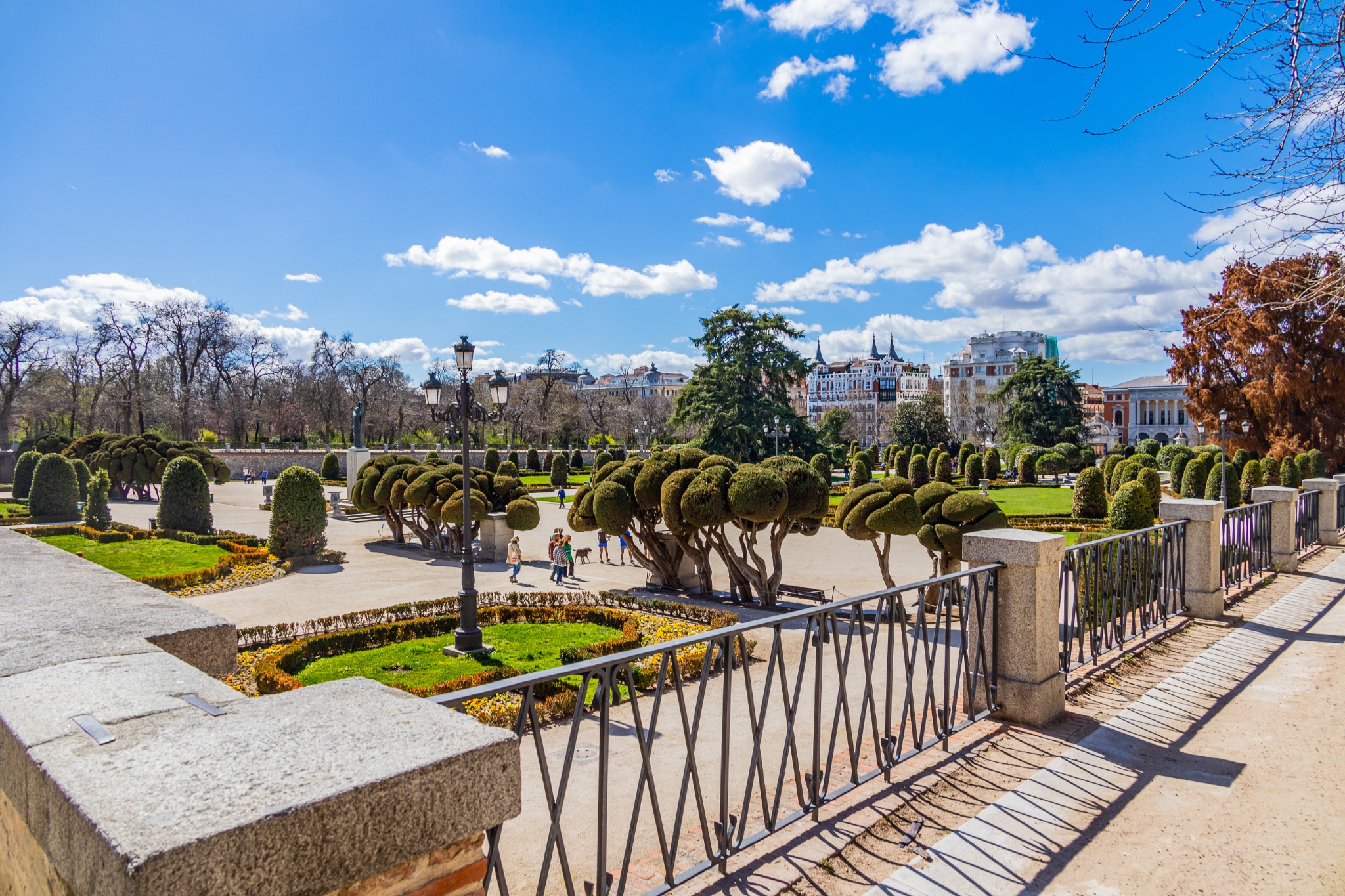
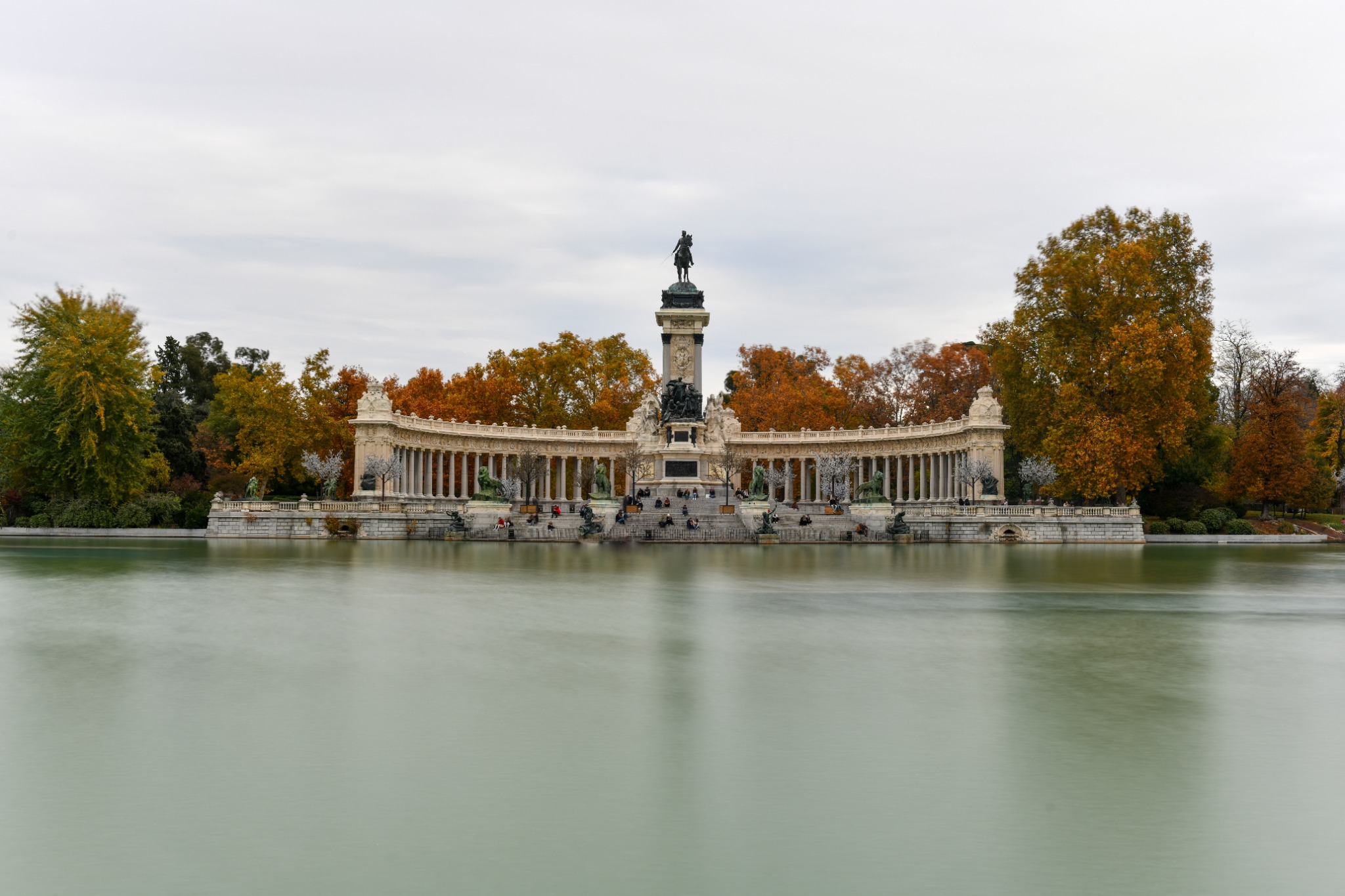
The Prado, Thyssen-Bornemisza, and Reina Sofía form Madrid’s best-known art triangle. Rather than trying to complete all three in one exhausting day, choose one major museum per morning and leave space for smaller institutions, temporary exhibitions, or a return visit. The Prado and Paseo del Prado sit within the UNESCO-listed Landscape of Light, which also includes El Retiro. Inside the park, walk to the Crystal Palace, the boating lake, the rose garden, and the shaded avenues. In midsummer, early morning and evening are far more comfortable than midday.
Walk through Habsburg Madrid
Plaza Mayor, Plaza de la Villa, the Royal Palace, Almudena Cathedral, and the narrow streets around La Latina reveal Madrid’s older ceremonial core. The Royal Palace deserves a timed ticket, especially in busy periods. Afterward, continue through the Sabatini Gardens or walk toward the Temple of Debod for sunset. The temple’s western outlook across Casa de Campo is one of the city’s classic free evening experiences.
Eat beyond Mercado de San Miguel
Mercado de San Miguel is visually impressive and convenient, but it is only the beginning of Madrid’s food-market culture. Mercado de la Paz in Salamanca feels more local and is excellent for breakfast or lunch; Mercado de San Antón works well while exploring Chueca; Mercado de Vallehermoso mixes traditional stalls with contemporary food businesses. Build time around classic dishes such as cocido madrileño, callos, tortilla, churros, vermouth, and the famously simple bocadillo de calamares.
Spend an evening in Barrio de las Letras
The literary quarter combines engraved quotations in the pavement, former homes of Golden Age writers, small theaters, cocktail bars, and restaurants around Plaza de Santa Ana. It is central enough for first-time visitors but retains more personality than the most commercial blocks near Sol. Start with an early evening walk along Calle de las Huertas, then reserve dinner rather than relying on the first terrace with an empty table.
See how Madrid changes after dark
Madrid’s nightlife is not one scene. Chueca is inclusive, polished, and heavily social; Malasaña favors indie bars, vintage shops, and smaller clubs; La Latina starts with tapas and often moves into late-night bars; Salamanca has upscale cocktails and dining; Gran Vía centers on theaters, musicals, rooftops, and large venues. Travelers staying near these districts should balance convenience against noise, especially from Thursday through Saturday.
Visit the Royal Collections Gallery
The Royal Collections Gallery beside the palace provides context for Spain’s royal history through paintings, tapestries, armor, decorative arts, and objects collected across centuries. Its contemporary architecture also frames views toward the Campo del Moro gardens. It pairs naturally with the Royal Palace but can support a separate visit if museum fatigue sets in.
Explore Madrid’s smaller museums
The Sorolla Museum, when open following renovation schedules, the Lázaro Galdiano Museum, the Museum of Romanticism, the Cerralbo Museum, and the Naval Museum offer more intimate alternatives to the major galleries. Check current opening arrangements before visiting, as restoration projects and temporary closures can affect access. These institutions are also useful in summer because they turn the hottest part of the day into a cultural pause.
Shop by neighborhood rather than by mall
Salamanca is Madrid’s luxury-shopping center, particularly Calle de Serrano and Calle de Ortega y Gasset. Chueca and Salesas are better for independent fashion, accessories, fragrance, design, and concept stores. Malasaña remains strong for vintage clothing and record shops. Gran Vía handles large international brands and department-store shopping. The contrast between these districts is part of the experience, so avoid treating shopping as a single destination.
Watch football or tour the Bernabéu
Real Madrid’s Santiago Bernabéu is north of the historic center and easy to reach by Metro. Match tickets require advance planning, but the stadium tour attracts visitors year-round. Football weekends can also influence hotel demand, particularly for high-profile league and European fixtures, so check the calendar before assuming a Sunday night will be inexpensive.
Take a day trip by high-speed train
Toledo is the classic first day trip for its hilltop setting, cathedral, synagogues, and El Greco connections. Segovia adds a Roman aqueduct, cathedral, and fairy-tale alcázar. El Escorial combines royal history, monastery architecture, and mountain air. Because Madrid is Spain’s rail hub, Córdoba, Zaragoza, and even Valencia are possible, though longer journeys deserve an overnight stay. Hotels near Atocha are especially useful for itineraries built around rail travel.
Use summer culture to escape the heat
Madrid’s official summer program, including Veranos de la Villa and indoor cultural initiatives, shifts activity toward evening performances, air-conditioned venues, outdoor cinema, and late opening hours. July days can exceed 35°C, so plan outdoor sightseeing before lunch, reserve the afternoon for museums or rest, and return to rooftops and plazas after 7 p.m. A hotel pool is not essential, but it can change the pace of a midsummer trip.
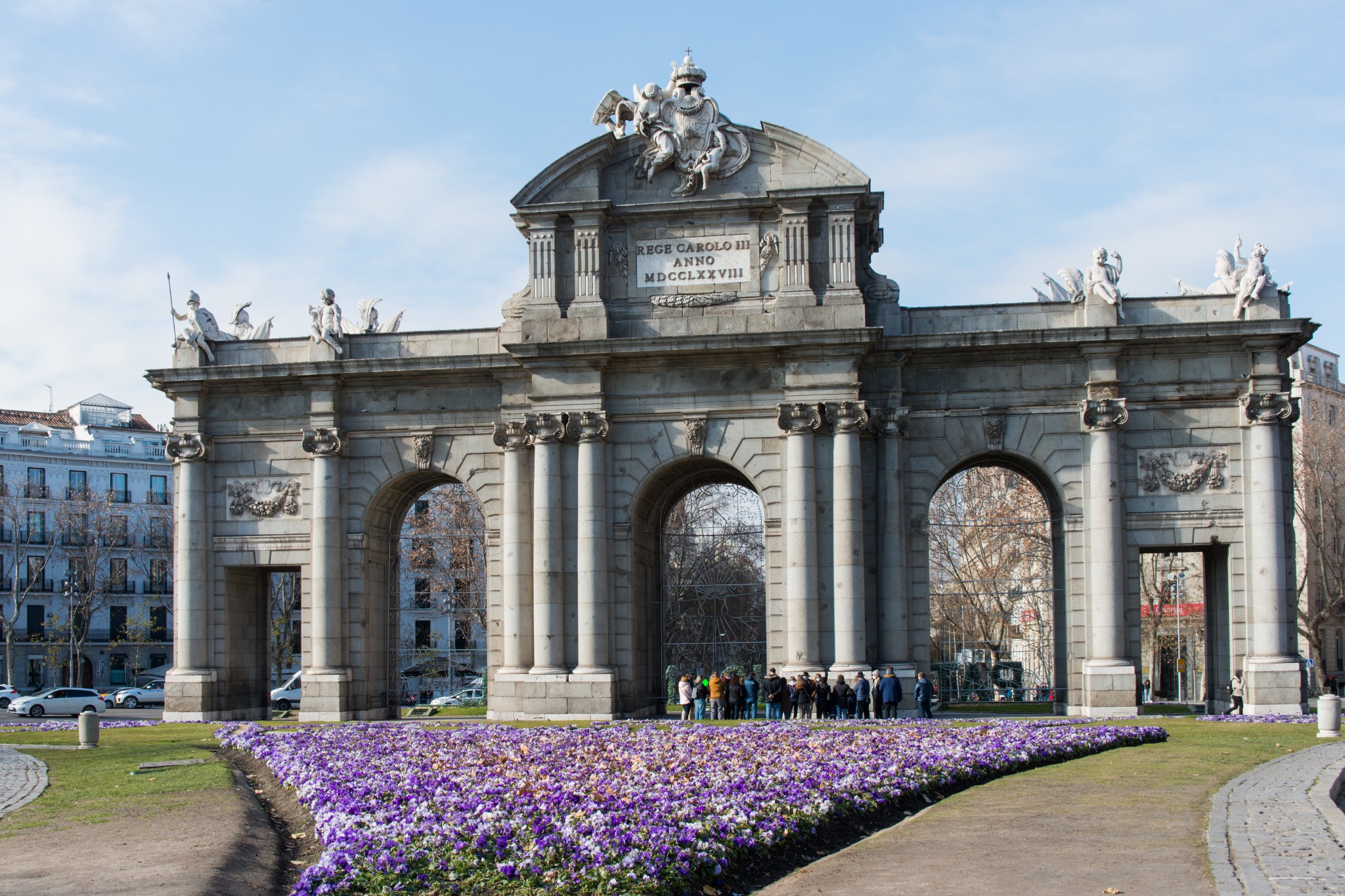
Where to Stay in Madrid
The best area to stay in Madrid depends less on distance than on the kind of city you want outside the door. For a detailed comparison, see our guide to where to stay in Madrid.
Best area for first-time visitors: Centro, Sol, and Canalejas
Sol and Canalejas place visitors within walking distance of Plaza Mayor, Gran Vía, Barrio de las Letras, the Prado corridor, and the Royal Palace. Four Seasons, JW Marriott, The Madrid EDITION, and Thompson are among the strongest choices. The trade-off is intensity: sidewalks remain busy, restaurants can be tourist-oriented, and nightlife lasts late. Choose a well-soundproofed room and avoid paying extra for “central” if the room faces an internal shaft with no useful view.
Best area for art and classic luxury: Paseo del Prado
Travelers building the trip around the Prado, Thyssen, Reina Sofía, and El Retiro should stay near Plaza de la Lealtad, Plaza de las Cortes, or Barrio de las Letras. Mandarin Oriental Ritz and The Palace deliver grand-hotel history; Gran Hotel Inglés and CoolRooms provide boutique alternatives. This side of the center also makes early museum entry and quiet morning walks especially easy.
Best area for luxury hotels and shopping: Salamanca
Salamanca is orderly, affluent, and restaurant-rich. Rosewood Villa Magna, Hotel Único, BLESS, and Heritage each interpret the district differently, from residential discretion to rooftop nightlife. Stay here for luxury shopping, Mercado de la Paz, polished dining, and easier airport access by car. The disadvantage is distance from the Royal Palace and La Latina, though the Metro and taxis are straightforward.
Best area for boutique hotels and local style: Salesas
Salesas sits between Chueca, Chamberí, and Paseo de Recoletos. It is compact, elegant, and filled with independent shops, cafés, bakeries, and restaurants. Only YOU Boutique Hotel is the obvious central choice, while URSO and Hotel Orfila lie nearby. This district works especially well for repeat visitors who want neighborhood life without giving up access to Gran Vía and the museums.
Best area for nightlife and LGBTQ+ travelers: Chueca
Chueca is one of Europe’s best-known LGBTQ+ districts and a major center for bars, restaurants, Pride events, and late-night social life. Room Mate Óscar puts guests directly in the action, while Only YOU and The Principal provide nearby alternatives with more distance from the busiest streets. During Madrid Pride, accommodation can sell out well in advance and street noise becomes part of the experience.
Best area for creative nightlife: Malasaña
Malasaña feels younger, less polished, and more independent than Salamanca or the museum district. Vintage stores, record shops, cafés, small bars, and Plaza del Dos de Mayo shape the neighborhood. URSO sits on its more refined eastern edge. Choose Malasaña for energy and local character, not silence; internal-facing rooms are often preferable on weekends.
Best area for tapas and old-Madrid atmosphere: La Latina
La Latina is strongest on foot: Cava Baja, Plaza de la Paja, traditional taverns, sloping streets, and the Sunday El Rastro market. The Hat Madrid and Pestana Plaza Mayor sit within easy reach. The area suits travelers who want a social, food-led stay and do not mind crowds around market hours or late-night streets.
Best area for a quieter, residential stay: Chamberí
Chamberí is broad and varied, but its Almagro and Trafalgar areas offer handsome architecture, restaurants, galleries, and a more residential pace. Santo Mauro and Hotel Orfila are the standout luxury choices. It is ideal for repeat visitors and business travelers, though first-time tourists should be comfortable using taxis or Metro when crossing the city.
Best area for families: Plaza de España
Plaza de España provides larger modern hotels, transport, open space, and quick access to the Royal Palace, Temple of Debod, Gran Vía, and Casa de Campo. VP Plaza España Design, Hotel Riu Plaza España, and Barceló Torre de Madrid all offer pools and family-friendly room options. The area is busy but easy to understand, and it avoids the narrowest streets of the old center.
Tips for Booking Hotels in Madrid
Book around events, not just seasons
Madrid hotel demand is shaped by trade fairs, football, concerts, Pride, fashion events, and major sports weekends. FITUR fills rooms in January, Madrid Pride raises demand around late June and early July, and the Formula 1 Spanish Grand Prix in September 2026 is expected to create exceptional pressure across the city. Check IFEMA, the Bernabéu, Riyadh Air Metropolitano, major concert venues, and the city calendar before assuming a date is ordinary.
July is hot, but the city stays active
Madrid summers are dry and can exceed 35°C, with warm nights. A central location reduces the number of long midday journeys, while pools, shaded courtyards, spas, and reliable air-conditioning become more valuable than they might appear in spring. Confirm whether a rooftop pool is reserved for hotel guests, open to outside visitors, seasonal, or subject to timed access.
Spring and autumn usually require earlier planning
April through June and September through October are among the most appealing periods for weather and outdoor dining, which can increase demand. Book desirable boutique hotels and view rooms early, especially for weekends. Winter can offer better value outside Christmas, New Year, and major conventions, while August sometimes produces opportunities because many business travelers leave the city—though some independent restaurants close for holidays.
Pay for location when the itinerary is short
On a two- or three-night trip, staying near Sol, Canalejas, Barrio de las Letras, or Paseo del Prado can justify a higher rate because it preserves time and allows afternoon breaks. For a longer stay, Salamanca, Chamberí, or Salesas may deliver a better neighborhood experience and more dining variety. Madrid’s Metro is efficient, but repeated cross-city journeys still consume energy.
Check room orientation, not just room category
Historic buildings often contain dramatic variation. A room labeled “deluxe” may face a quiet courtyard, a narrow street, a landmark square, or an internal light well. Ask about floor, outlook, balcony access, and noise exposure. At Plaza Mayor, Gran Vía, Chueca, and La Latina, a quieter orientation may matter more than a famous view. At Salamanca hotels, street-facing rooms can provide light without the same nightlife pressure.
Breakfast can be worthwhile, but compare the neighborhood
Grand-hotel breakfasts can be excellent and convenient, especially for families or early museum plans. In Salesas, Chueca, Malasaña, and Salamanca, however, cafés and bakeries are part of the neighborhood experience. Compare the added room rate with nearby options. On departure days or rail-trip mornings, hotel breakfast may still be the sensible choice.
Madrid currently has no general tourist tax
As of July 2026, Madrid does not apply the general per-person tourist taxes found in Catalonia or the Balearic Islands. Taxes and service inclusions can still vary by booking channel, so review the final price carefully. Parking, breakfast, spa access, rooftop admission for outside guests, and flexible cancellation are more likely to create meaningful differences than a city tax.
Plan airport transport by neighborhood
Adolfo Suárez Madrid-Barajas Airport connects to the city by Metro, suburban rail from Terminal 4, airport express bus, taxi, and private transfer. Public transport is usually efficient, but travelers with several bags may find a fixed-fare taxi simpler. Salamanca and Castellana can be faster by car than the far western side of Centro. Confirm terminal details because connections differ between T1, T2, T3, and T4.
Flexible rates are valuable during high-demand periods
Madrid’s event calendar can change travel plans, flight prices, and room availability quickly. A slightly higher flexible rate may be sensible for long-lead bookings. Read the deadline in the hotel’s local time, check whether the first night or full stay becomes non-refundable, and save written confirmation of included breakfast, upgrades, credits, or late checkout.
Families should confirm bedding rather than assume it
Many historic hotel rooms cannot accept rollaway beds, and “family room” can mean connecting rooms, a sofa bed, or a larger single room. Ask for the exact layout, bed widths, occupancy limits, and whether breakfast is included for children. VP Plaza España Design, Riu Plaza España, Four Seasons, Palacio de los Duques, Brach, and The Hat offer especially flexible family possibilities across different budgets.
Frequently Asked Questions About the Top 25 Hotels in Madrid
What are the best hotels in Madrid?
For classic luxury, Mandarin Oriental Ritz, Four Seasons, Rosewood Villa Magna, The Palace, and Santo Mauro form the strongest top tier. Gran Hotel Inglés, Hotel Orfila, Hotel Único, CoolRooms Palacio de Atocha, and URSO are excellent boutique choices. The right answer depends on whether you prioritize museums, shopping, nightlife, a pool, a garden, or old-city access.
What is the best area to stay in Madrid for first-time visitors?
Canalejas, Sol, Barrio de las Letras, and the Paseo del Prado area are the easiest for a first visit. They place the main museums, Plaza Mayor, Gran Vía, restaurants, and many historic sights within walking distance. Plaza de España is another practical option for families and travelers who value larger rooms and transport links.
What are the best luxury hotels in Madrid?
Mandarin Oriental Ritz is best for classic grandeur and museums; Four Seasons is best for facilities and central convenience; Rosewood Villa Magna is best for residential Salamanca luxury; The Palace is best for restored history; and Santo Mauro is best for intimacy and gardens. See our guide to the best luxury hotels in Madrid for a category-by-category comparison.
What are the best boutique hotels in Madrid?
Gran Hotel Inglés, Hotel Único, Hotel Orfila, Heritage Madrid, CoolRooms Palacio de Atocha, URSO, The Principal, and Only YOU Boutique Hotel each offer a distinct boutique experience. Gran Hotel Inglés is the most central historic option, while Orfila is the most romantic and CoolRooms is strongest for large rooms and a hidden pool.
Which Madrid hotels have the best pools?
The Madrid EDITION, Thompson Madrid, VP Plaza España Design, BLESS, Palacio de los Duques, Riu Plaza España, Pestana Plaza Mayor, and Room Mate Óscar have seasonal outdoor or rooftop pools. Four Seasons, Mandarin Oriental Ritz, Brach, Barceló Torre de Madrid, and Pestana also provide indoor swimming options. Pool schedules and access rules can change, so confirm them for the exact stay.
Which hotels are best for families?
Four Seasons is the most complete luxury choice for families. VP Plaza España Design and Riu Plaza España offer larger modern inventories and easy transport. Palacio de los Duques combines family rooms with a garden and seasonal pool. Brach has connecting options, while The Hat provides private family rooms for a much lower budget. See our best family hotels in Madrid guide for more options.
Where should couples stay in Madrid?
Hotel Orfila is the most romantic small hotel, Santo Mauro feels like a private palace, and Mandarin Oriental Ritz suits major celebrations. Gran Hotel Inglés works for couples who want restaurants and nightlife nearby, while Hotel Único offers a quiet garden in Salamanca. A terrace or view room can be more valuable than a suite without natural light.
Is it better to stay near Gran Vía or the Prado?
Gran Vía is better for theaters, shopping, rooftops, Chueca, and late-night energy. The Prado side is better for museums, El Retiro, elegant walks, and a calmer cultural atmosphere. The two areas are close enough to walk between, so choose according to the mood you want when leaving the hotel in the morning and returning at night.
Are hotels in Madrid expensive?
Madrid has become more expensive at the luxury end because of major international openings and strong visitor demand. However, the city still offers a broad range of four-star hotels, hostales, apartments, and design hostels. Rates vary sharply around events, weekends, and room type. Comparing neighborhoods and flexible dates often saves more than choosing a lower star category blindly.
How far in advance should I book a Madrid hotel?
For spring, autumn, Pride, major football matches, large concerts, and Formula 1 dates, booking several months ahead is prudent. For ordinary winter or midsummer dates, travelers may find more flexibility, but the best boutique hotels and rooftop properties can still sell out. Reserve early when a specific room view, connecting layout, or pool hotel matters.
What is the best time of year to visit Madrid?
Late spring and early autumn offer comfortable walking weather and active terraces. Winter is excellent for museums, food, and potentially better hotel value. July and August are hot, but evenings are lively and pool hotels become more attractive. The best season depends on heat tolerance, event plans, and whether outdoor sightseeing or indoor culture is the priority.
Which Madrid hotels are best for nightlife?
Room Mate Óscar is the most direct choice for Chueca nightlife. The Madrid EDITION and Thompson combine central locations with rooftop social scenes. Only YOU Boutique Hotel sits between Salesas and Chueca, while Brach and The Principal place guests on Gran Vía. Light sleepers should request high-floor or courtyard-facing rooms.
Final Thoughts on Choosing a Hotel in Madrid
Madrid’s hotel scene is no longer defined by one grand old property and a field of practical business hotels. The city now has genuine depth: restored icons around the Prado, major international flagships in Canalejas, residential luxury in Salamanca, romantic mansions in Chamberí, design hotels on Gran Vía, hidden pools in Barrio de las Letras, and smart social stays beside Plaza Mayor.
The strongest choice depends on how you intend to use the city. Choose Mandarin Oriental Ritz or The Palace when museums and history are central to the trip. Choose Four Seasons when facilities, family support, and absolute centrality matter most. Choose Rosewood Villa Magna or Hotel Único for Salamanca. Choose Santo Mauro or Hotel Orfila for quiet romance. Choose EDITION, Thompson, BLESS, or Room Mate Óscar when the hotel’s social life should continue after dinner. Choose VP Plaza España Design, Riu, or Barceló when space, pools, and easy transport outweigh boutique intimacy.
Before booking, compare the exact room orientation, cancellation terms, breakfast inclusion, pool schedule, and neighborhood atmosphere—not only the headline rate. In Madrid, a quieter courtyard room can outperform a landmark view, and an extra ten minutes of walking can shift the experience from tourist center to local neighborhood.
Click here to compare hotels and current rates in Madrid
Affiliate disclosure: This article may contain affiliate links. We may earn a commission when you click through or book, at no extra cost to you. Our recommendations are based on current research into location, guest sentiment, design, service, amenities, value, and the needs of different travelers.