Top 25 Hotels in Amsterdam: Canal-Side Icons and Design Stays for July 2026
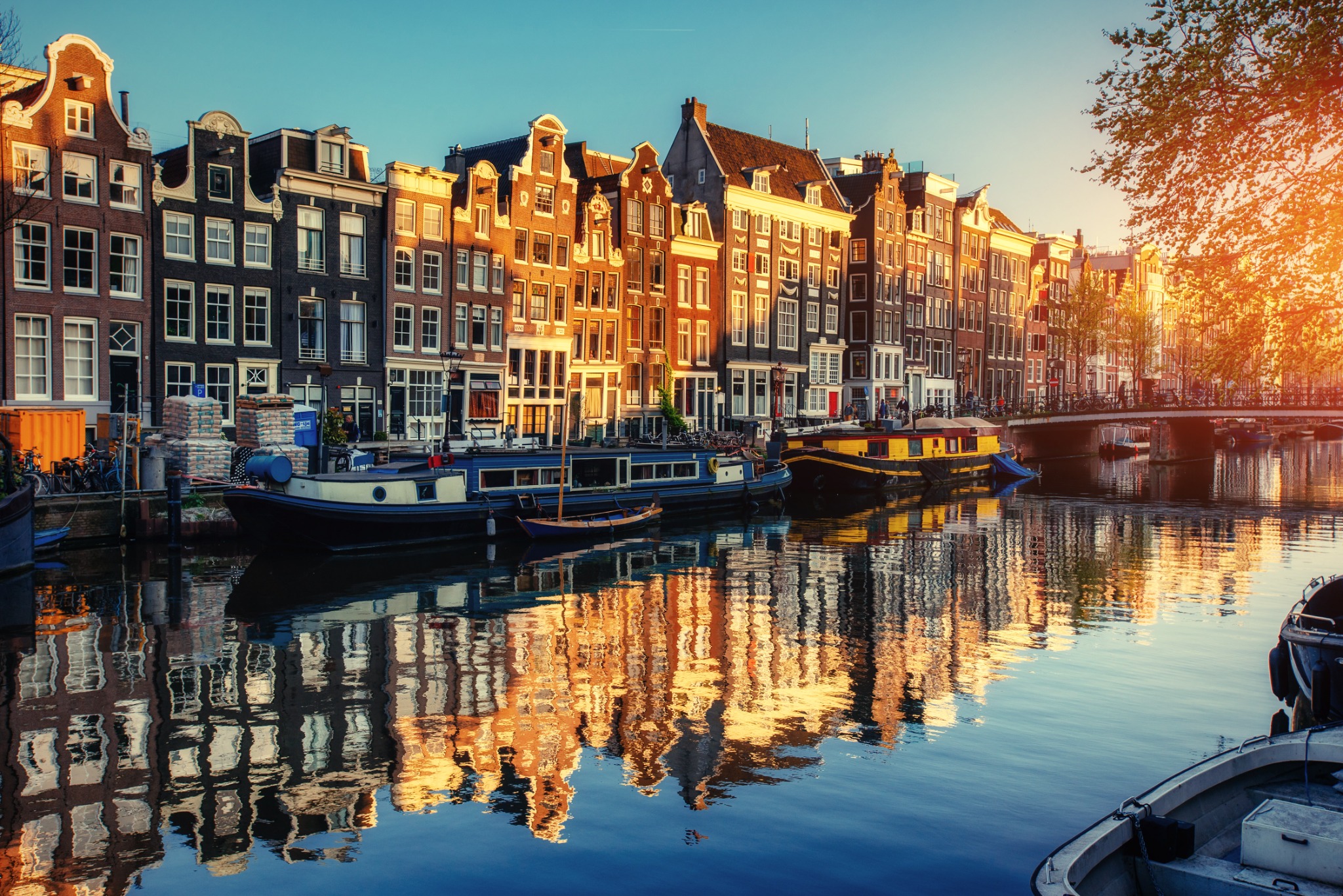
Amsterdam is compact on a map and enormous in mood. A ten-minute walk can move you from the grand merchant houses of the Herengracht to the independent shops of the Nine Streets, from a candlelit Jordaan café to the hard-edged contemporary architecture of the IJ waterfront. Bells sound over bicycles. Tour boats slide beneath low stone bridges. In July, long evenings pull residents toward terraces, parks and the water, and the canal façades look especially theatrical when the late sun catches their gables.
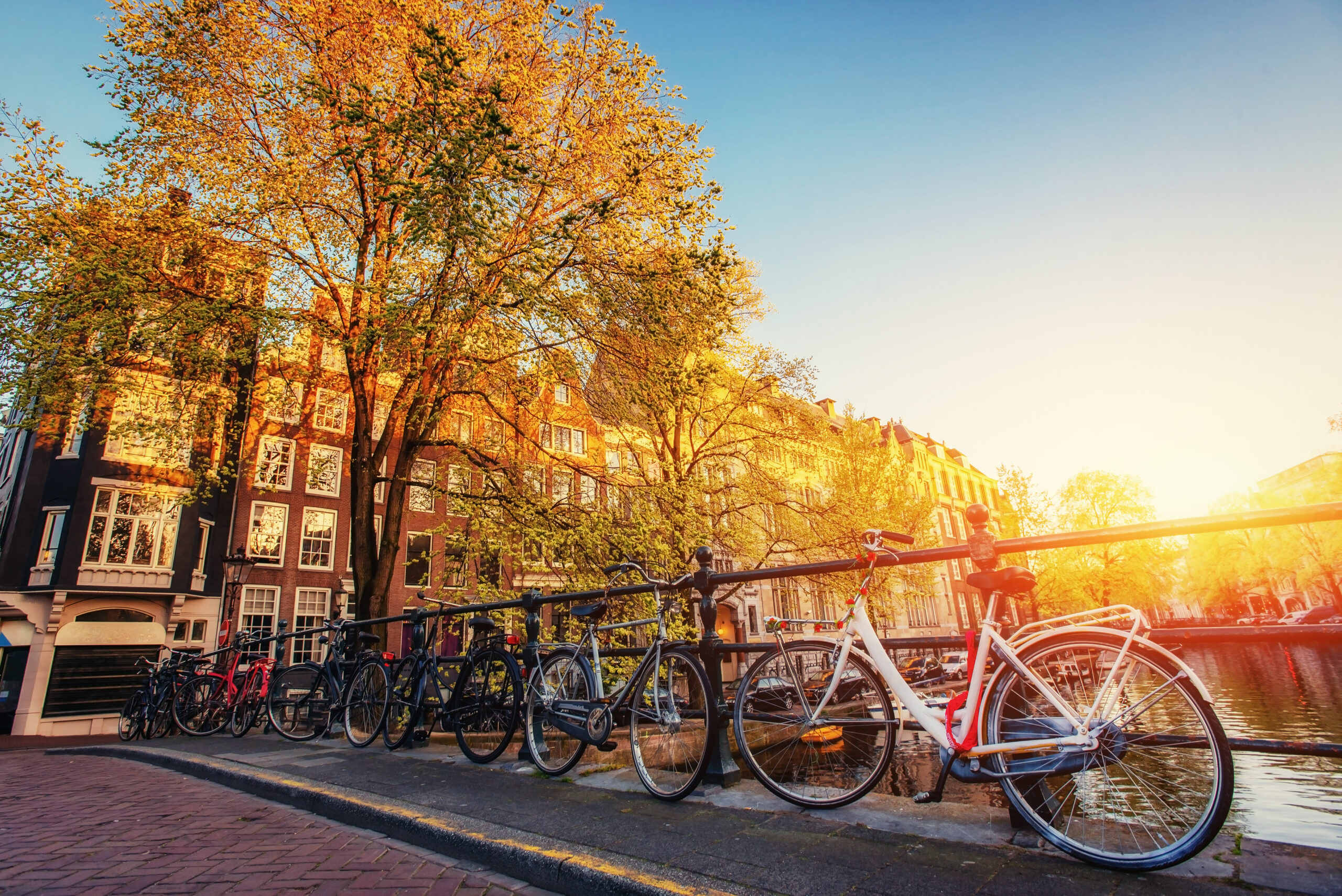
The city rewards travelers who understand its neighborhoods before booking. A hotel beside Dam Square offers unbeatable sightseeing convenience but also crowds and noise. A room in the Museum Quarter puts the Rijksmuseum, Van Gogh Museum and Concertgebouw almost at the door, yet it feels more residential after dark. Jordaan and the western Canal Belt deliver the Amsterdam many first-time visitors imagine: narrow bridges, brown cafés, houseboats and the boutiques of De Negen Straatjes. De Pijp is more local and food-focused, Amsterdam Oost is greener and less touristic, and Noord trades canal-ring romance for creative industry, skyline views and fast ferry connections.
Location matters here because Amsterdam is a city of small distances and sharp contrasts. Two hotels may both be described as central while offering entirely different trips. One could face the Royal Palace amid day-trippers and shopping streets; another might be ten minutes away on a quiet canal where the loudest evening sound is a bicycle bell. Room selection also matters. Historic canal houses create extraordinary atmosphere, but stairs, sloping floors and compact layouts are common. Modern properties outside the center usually provide larger rooms, pools, balconies or apartment kitchens, although guests give up some walk-out-the-door charm.
The hotel scene now ranges from centuries-old grand dames to ambitious new luxury projects. Rosewood Amsterdam has transformed the former Palace of Justice into the city’s defining recent opening, while the Conservatorium entered a new era as Mandarin Oriental Conservatorium in 2026. Long-established names such as Pulitzer, De L’Europe, Waldorf Astoria and The Dylan remain essential because they understand how to make historic architecture comfortable without stripping away its personality. Alongside them, hotels such as Jakarta, Sir Adam, Boat & Co and Zoku show how modern Amsterdam lives beyond the canal postcards.
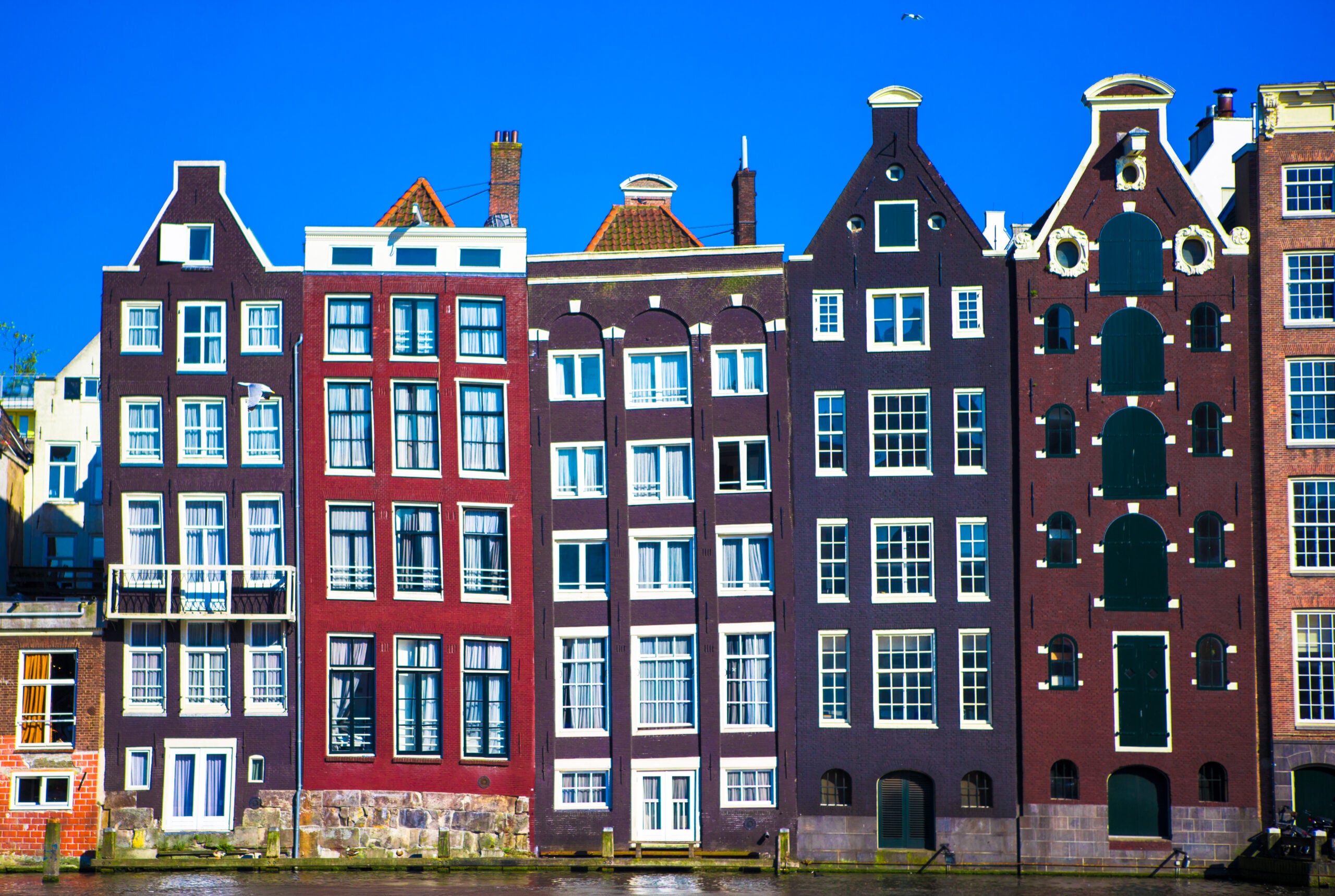
This ranking of the Top 25 hotels in Amsterdam, updated for July 2026, compares current hotel information, recent guest sentiment, respected travel publications, destination context and official property details. The order considers location, design, room quality, service reputation, dining, wellness, value within category and relevance to different kinds of travelers. It is not simply a list of the most expensive addresses. A smaller independent hotel can outrank a larger luxury brand when it offers a stronger sense of place or solves a particular travel need more effectively.
July 2026 also requires early planning. WorldPride Amsterdam begins on July 25 and continues into August, bringing major cultural programs, street events and the Canal Parade period. Rooms near the Canal Belt, Museumplein and central transport hubs are likely to face especially strong demand. Flexible cancellation terms and careful comparison of taxes are more important than usual.
Use this Amsterdam hotel guide to identify not only the best property, but the best version of the city for your trip: museum mornings, long canal walks, restaurant weekends, family space, nightlife, wellness or a quieter neighborhood rhythm.
Quick Picks: Best Hotels in Amsterdam
- Best overall hotel: Rosewood Amsterdam
- Best museum-quarter luxury hotel: Mandarin Oriental Conservatorium, Amsterdam
- Best classic canal-house experience: Pulitzer Amsterdam
- Best grand hotel: De L’Europe Amsterdam
- Best spa hotel: Waldorf Astoria Amsterdam
- Best hotel for food lovers: The Dylan Amsterdam
- Best intimate luxury hotel: Hotel 717
- Best hotel for families and longer stays: The July – Boat & Co
- Best design-forward local stay: Pillows Grand Boutique Hotel Maurits at the Park
- Best value-rich romantic hotel: Hotel Estheréa
- Best hotel for nightlife and skyline views: Sir Adam Hotel
- Best hotel for remote work: Zoku Amsterdam
How We Chose the Top 25 Hotels in Amsterdam
The ranking began with hotels that repeatedly appear in respected Amsterdam recommendations, including established travel publications, specialist hotel guides, major booking platforms and professional review sources. We then checked current branding and facilities against official hotel information. This is particularly important in 2026 because the Conservatorium now operates under Mandarin Oriental and newer properties such as Rosewood Amsterdam have had time to move beyond opening publicity into real guest operation.
Guest review patterns were considered as patterns rather than isolated comments. Repeated praise for location, sleep quality, room design or staff warmth carries more weight than a single enthusiastic review. Repeated complaints—small entry-level rooms, noise, difficult stairs or distance from the center—inform the balanced notes in each section. We also considered whether a hotel performs well for its intended audience. A compact romantic canal hotel is not penalized for lacking conference facilities, while a large five-star property is expected to provide more comprehensive services.
- Location and neighborhood: walkability, public transport, evening atmosphere and proximity to museums, restaurants, shopping and major landmarks.
- Rooms: comfort, design, category differences, views, accessibility and suitability for couples, families or longer stays.
- Service and atmosphere: how effectively the hotel delivers its stated identity, from formal grand-hotel service to relaxed townhouse hospitality.
- Facilities: restaurants, bars, pools, spas, gyms, gardens, terraces, coworking areas and apartment kitchens where relevant.
- Value within category: not the lowest rate, but whether the experience justifies its positioning compared with Amsterdam competitors.
- Current relevance: recent openings, rebrandings, restaurant changes, 2026 events and present-day neighborhood appeal.
Rates change sharply according to season, weekday, room type and citywide events, so no fixed nightly prices are presented. Always compare the final total, including Amsterdam tourist tax and any breakfast or cancellation differences.
The Top 25 Hotels in Amsterdam
1. Rosewood Amsterdam
Amsterdam’s most important recent luxury opening occupies the former Palace of Justice on the Prinsengracht, a building whose scale and civic presence are unusual even in the grandest part of the canal ring. Rosewood has not tried to disguise that history. Monumental staircases, stonework and judicial references remain part of the experience, while the interiors soften the architecture with contemporary Dutch design, layered textiles, commissioned art and a courtyard garden. The result feels substantial rather than showy: a city hotel built for travelers who want privacy, serious service and a sense that the building itself is part of the trip.
The 134 rooms and suites look toward the canal, courtyards or Amsterdam rooftops, and the best categories use the property’s generous proportions to create a residential atmosphere. Dining is another reason to book. Eeuwen focuses on seasonal produce from the Netherlands and neighboring regions, while Advocatuur plays with the building’s legal past through cocktails and house-distilled jenever. Asaya Spa gives the hotel a genuine wellness dimension, not merely a treatment room added as an afterthought.
Location is a major advantage. The Nine Streets, Leidseplein, Jordaan, Spiegelkwartier and Museum Quarter are all walkable, yet the immediate stretch of Prinsengracht feels calmer than Dam Square. For a first visit at the very top end of the market, Rosewood combines a story-rich building, up-to-date design and one of Amsterdam’s most useful positions.
Why stay here: It is the strongest all-round expression of Amsterdam luxury in 2026: historic architecture, modern Dutch character, destination dining, a full spa and a central canal-ring address.
Best for: Luxury travelers, design-conscious couples, special occasions and first-time visitors who want a prestigious canal location.
Location: Prinsengracht in the UNESCO-listed Canal Belt, close to the Nine Streets, Leidseplein and the antique shops of Spiegelkwartier.
What stands out: The transformation of the former Palace of Justice, including an extensive art collection, a landscaped courtyard, seasonal restaurant Eeuwen and Asaya Spa.
Potential drawback: Rates are among the highest in the city, and the property’s polished, private atmosphere may feel more formal than Amsterdam’s livelier lifestyle hotels.
Click here to view rooms, photos and current availability
2. Mandarin Oriental Conservatorium, Amsterdam
The Conservatorium has long been one of Amsterdam’s defining luxury hotels, and its 2026 transition into the Mandarin Oriental portfolio begins a new chapter without erasing the qualities that made the property distinctive. It sits in a former music conservatory opposite the Museum Quarter, where a monumental brick exterior opens into a glass-and-steel atrium. That architectural contrast still gives the hotel one of the most dramatic arrivals in the city: historic masonry on one side, airy contemporary engineering on the other.
The 129 rooms and suites favor warm neutral tones and a composed, residential mood. Some split-level rooms exploit the old building’s height, while larger suites are better suited to travelers who need real living space. The 1,000-square-meter Akasha wellbeing area remains a major asset, with an indoor lap pool, hammam, sauna, fitness facilities and treatment rooms. This is one of the few Amsterdam hotels where a spa day can credibly compete with a museum day. The culinary program has also evolved, with Taiko continuing the hotel’s Asian-influenced identity and Ottolenghi Amsterdam adding a brighter, vegetable-led option in 2026.
For art-focused travelers, the location is difficult to improve upon. The Van Gogh Museum, Rijksmuseum, Stedelijk Museum, Concertgebouw, Vondelpark and PC Hooftstraat are within minutes on foot. The trade-off is that the property feels anchored to Oud-Zuid rather than to the Jordaan or eastern canal belt. That is an advantage for museum weekends and elegant shopping, but less ideal for guests who want nightlife immediately outside the door.
Why stay here: Few hotels combine an architectural landmark, a large indoor-pool spa and direct access to Amsterdam’s major museums so convincingly.
Best for: Museum lovers, wellness travelers, luxury families, shoppers and guests who prefer a spacious full-service hotel.
Location: Museum Quarter, beside Museumplein, Vondelpark, the Concertgebouw and PC Hooftstraat.
What stands out: The glass atrium inside a former conservatory and the expansive Akasha wellbeing facilities, including an indoor lap pool.
Potential drawback: It is slightly removed from the Nine Streets and Jordaan, and some room layouts in the historic structure are more complex than conventional hotel rooms.
Click here to see the latest room options and rates
3. Pulitzer Amsterdam
Pulitzer Amsterdam turns the canal-house fantasy into a functioning five-star hotel without sanding away all the eccentricities that make old Amsterdam buildings memorable. It stretches through 25 interconnected houses between the Prinsengracht and Keizersgracht, creating a miniature neighborhood of staircases, corridors, courtyards, beams and unexpected views. The layout can be confusing for the first hour, but that is part of the charm: this is not a purpose-built luxury block wearing historical decoration.
Its 223 rooms and suites vary in shape and outlook. Canal-facing categories carry the strongest sense of place, while garden rooms can be quieter. The Collector’s Suites use themes such as books, music, art and antiques to create character without turning the rooms into novelty sets. Public spaces are equally persuasive. Jansz. serves polished European dishes in a handsome but unstuffy dining room; Pulitzer‘s Bar remains one of the city’s most atmospheric hotel cocktail bars; and the inner garden becomes a treasured retreat during warm July afternoons. The hotel also has its own classic saloon boat for canal cruises, a particularly elegant way to understand the city from water level.
The location at the Nine Streets and edge of Jordaan is close to ideal. Guests can walk to the Anne Frank House, Dam Square, shopping streets, brown cafés and independent restaurants while returning to a quieter canalside base. Families are better accommodated here than in many small canal-house hotels, although parents with strollers should ask about lift access and room position because the historic layout includes level changes.
Why stay here: It delivers the most complete version of canal-house Amsterdam, combining historic fabric, strong dining, a secluded garden and one of the city’s best locations.
Best for: First-time visitors, couples, families, architecture enthusiasts and travelers who want to stay beside the Nine Streets.
Location: Between Prinsengracht and Keizersgracht, beside the Nine Streets and a short walk from Jordaan and the Anne Frank House.
What stands out: Twenty-five restored canal houses, distinctive Collector’s Suites, Pulitzer‘s Bar, Jansz. and a tranquil internal garden.
Potential drawback: Rooms differ considerably in size and configuration, and navigating the interconnected historic buildings can be inconvenient for guests with mobility concerns.
Click here to compare current rooms and availability
4. De L’Europe Amsterdam
De L’Europe is the Amsterdam grand hotel that feels most woven into the city’s civic life. Open since 1896, it occupies a landmark position where the Amstel meets the inner canals, with views toward the Munttoren and the flow of boats below. The public rooms carry the confidence of an established European institution, yet recent design work and collaborations with Dutch creatives keep the hotel from becoming a preserved period piece.
There are 107 rooms, including 55 suites and an exceptionally large penthouse. The strongest accommodations pair river or canal views with art-inspired interiors, while courtyard-facing rooms trade outlook for quiet. Dining and drinking are central to the experience. Brasserie Marie brings Parisian energy to the waterfront terrace; Freddy’s Bar channels old-school clubbiness; and Chapter 1896 offers a more concealed cocktail setting. The hotel also has a spa and fitness facilities, useful after days spent walking over bridges and uneven canal-side pavements.
What separates De L’Europe from many luxury competitors is its ability to feel both formal and genuinely Amsterdam-specific. Rembrandtplein, the Flower Market, the Hermitage area’s cultural institutions, Rokin metro and the shopping lanes around Kalverstraat are close, while the Museum Quarter remains a pleasant walk or short tram ride. Service is traditionally attentive, and the larger suite inventory makes the property relevant to guests who value space. It is particularly strong for travelers who want to step out into the center rather than commute from a peripheral luxury district.
Why stay here: The combination of an 1896 grand-hotel identity, Amstel waterfront setting, refined restaurants and a highly walkable center-city location remains hard to match.
Best for: Classic-luxury travelers, food and cocktail enthusiasts, couples and guests who want a central base with a strong sense of history.
Location: On the Amstel at Nieuwe Doelenstraat, near the Flower Market, Rembrandtplein, Rokin and the southern Canal Belt.
What stands out: Waterfront terraces, a high proportion of suites, Dutch art references and a polished collection of bars and restaurants.
Potential drawback: The atmosphere can feel ceremonious, and not every room has the river or canal view that appears in the hotel’s most memorable photographs.
Click here to explore available rooms and current offers
5. Waldorf Astoria Amsterdam
Spread across six 17th- and 18th-century canal palaces on the Herengracht, Waldorf Astoria Amsterdam is the city’s clearest answer to a discreet palace hotel. The entrance gives little away, but interiors reveal grand staircases, period detailing, high ceilings and a long private garden hidden behind the façades. The mood is hushed and highly serviced. This is not the hotel to choose for a nonstop lobby scene; it is the one to choose when privacy, composure and traditional hospitality matter most.
The rooms and suites use a restrained palette informed by Dutch painting, and canal-facing accommodations offer the most immediate connection to Amsterdam. The garden is a considerable luxury in such a central location, especially during summer. Below ground, the Guerlain Spa includes treatment rooms, a sauna, steam room, fitness facilities and an indoor pool, making the hotel unusually complete for a historic canal property. Dining and afternoon tea extend the sense of occasion, while Peacock Alley provides a refined meeting place between sightseeing outings.
The hotel stands a short walk from Rembrandtplein but faces a relatively serene section of Herengracht. Guests can reach the Utrechtsestraat restaurants, Hermitage area, Magere Brug and eastern canal ring on foot. In 2026, it also carries rare external validation as the Netherlands’ only Forbes Travel Guide Five-Star hotel. That recognition is meaningful, but the real appeal is more intimate: quiet rooms, exceptionally polished service and the feeling of having temporary access to a private canal palace.
Why stay here: It offers the most serene, palace-like luxury stay on the canals, with a private garden and one of Amsterdam’s best full-service spas.
Best for: Honeymoons, anniversaries, privacy-seeking luxury travelers and guests who prioritize spa facilities and highly attentive service.
Location: Herengracht near Rembrandtplein, Utrechtsestraat, the Amstel and the eastern side of the Canal Belt.
What stands out: Six historic canal palaces, a secluded garden and the Guerlain Spa with an indoor pool.
Potential drawback: The pricing is very high, and travelers seeking a casual, youthful or strongly social atmosphere may find the tone too restrained.
Click here to check the newest rates and suite availability
6. The Dylan Amsterdam
The Dylan is smaller, quieter and more personal than Amsterdam’s grand luxury hotels. Set behind a dignified Keizersgracht façade in a former theater complex, it unfolds around an inner courtyard and a sequence of intimate public rooms. The property has the confidence to avoid a single decorative formula: rooms range from dark and dramatic to pale and minimal, and top-floor lofts use original beams and steep rooflines to memorable effect.
Food is a major reason for the hotel’s consistently strong reputation. Vinkeles, housed in an 18th-century bakery, holds two Michelin stars and gives culinary travelers a compelling reason to stay in. Bar Brasserie OCCO is more relaxed and works for breakfast, lunch, cocktails and the hotel’s signature High Wine experience. The compact size supports personal service, and the courtyard creates a rare pocket of calm in the center.
The Dylan sits directly in the Nine Streets, surrounded by independent boutiques, galleries, cafés and some of Amsterdam’s most photogenic bridges. The Anne Frank House and Jordaan are close, while Museumplein is reachable on foot. Because the building is historic and the room styles vary, travelers should examine category photographs carefully rather than assuming every room has the same character. Couples and food-focused visitors tend to appreciate the intimate mood most; families wanting large communal spaces or a pool may prefer a larger full-service property.
Why stay here: It pairs an intimate canal-house setting with one of the strongest hotel restaurants in the Netherlands and a superb Nine Streets address.
Best for: Couples, gastronomic travelers, boutique-hotel devotees and guests who prefer discreet service over grand scale.
Location: Keizersgracht in the Nine Streets, between Jordaan, Leidseplein and the central Canal Belt.
What stands out: Two-Michelin-starred Vinkeles in a historic bakery, a peaceful courtyard and individually styled rooms.
Potential drawback: There is no large spa or swimming pool, and the variety of room designs means some categories will appeal far more than others.
Click here to view current dates, rooms and dining packages
7. Hotel TwentySeven
Hotel TwentySeven hides above Dam Square inside a monumental early-20th-century building, creating an intriguing contrast between Amsterdam’s busiest civic space and an exceptionally private all-suite refuge. With only 16 suites, the hotel operates at a scale where individual preferences can be remembered and arrangements handled with unusual precision. Interiors are deliberately lavish: deep colors, patterned stone, tactile fabrics, sculptural lighting and bespoke furniture create an atmosphere closer to a collector’s residence than a standard city hotel.
Suites begin at dimensions that would be considered generous in Amsterdam and expand to a multi-room terrace category designed for major celebrations or extended stays. The tone is opulent rather than minimalist, so travelers who love visual restraint should look elsewhere. Restaurant Bougainville provides Michelin-starred dining without leaving the building, while the bar overlooks Dam Square and makes the city’s movement part of the evening scenery.
The location is extraordinarily central. The Royal Palace, Nieuwe Kerk, Kalverstraat, Red Light District, Nine Streets and Amsterdam Centraal are all easily reached. That convenience comes with a practical caution: Dam Square is busy from morning until late, with events, street activity and heavy pedestrian traffic. The suites provide insulation from much of that energy, but the moment guests step outside they are in the thick of central Amsterdam. TwentySeven is therefore best for travelers who want theatrical luxury and total centrality, not a quiet neighborhood experience.
Why stay here: Its tiny suite count, extravagant interiors and Michelin-starred restaurant create a level of exclusivity rarely found directly on a major European square.
Best for: Celebrations, high-end couples, privacy-seeking VIP travelers and visitors who want to be at the absolute center of Amsterdam.
Location: Dam Square, opposite the Royal Palace and within walking distance of Amsterdam Centraal and the Nine Streets.
What stands out: Sixteen individually designed suites, highly personalized service and Restaurant Bougainville overlooking the center.
Potential drawback: The décor is unapologetically ornate, and Dam Square can feel crowded, noisy and intensely tourist-oriented.
Click here to see suite availability and updated booking options
8. Pillows Grand Boutique Hotel Maurits at the Park
Pillows Maurits at the Park occupies a former university building beside Oosterpark, giving Amsterdam a luxury hotel that feels connected to greenery and neighborhood life rather than to the tourist core. Tall windows, restored tiles and generous ceiling heights preserve the building’s academic grandeur, while contemporary furniture and soft materials bring warmth to the interiors. The result is elegant without being stiff, with more breathing room than many canal-ring properties.
The hotel has 88 rooms and a collection of food-and-drink spaces that give it genuine local appeal. VanOost is the fine-dining option, Spring Café Brasserie handles relaxed meals, and Fitz’s Bar shifts between indoor and rooftop settings according to season. Guests also have access to a gym and wellness facilities. Oosterpark itself works almost like an extension of the property in summer, ideal for a morning walk or a quieter pause between museum visits.
Amsterdam Oost is one of the city’s most rewarding districts for return visitors. The Tropenmuseum, Artis, Dappermarkt, De Kas and a diverse restaurant scene are nearby, while trams make the historic center easy to reach. The hotel is not the right choice for travelers who want to walk out directly onto the Nine Streets, but that distance is precisely what gives it a calmer rhythm. It is particularly persuasive for design-minded guests who have already seen central Amsterdam and want a polished base in a more residential part of the city.
Why stay here: It brings true five-star quality to Amsterdam Oost, with park views, strong dining and more space and calm than most central canal hotels.
Best for: Return visitors, design lovers, food travelers, couples and guests who prefer a green, residential neighborhood.
Location: Beside Oosterpark in Amsterdam Oost, near the Tropenmuseum, Artis and Dappermarkt.
What stands out: A monumental former university building, direct park setting, VanOost restaurant and rooftop-season bar experience.
Potential drawback: Most central landmarks require a tram ride or a longer walk, so it is less convenient for visitors determined to stay inside the Canal Belt.
Click here to check rooms, park-view options and latest rates
9. Sofitel Legend The Grand Amsterdam
Sofitel Legend The Grand occupies a complex with layers of civic history, including periods as a convent and city hall. That past remains visible in grand corridors, monumental rooms, stained glass and artworks, yet the hotel functions as a large contemporary luxury property rather than a museum. Its position between Dam Square, the canals and the old center places guests close to nearly every major first-visit attraction.
The property includes 178 rooms and suites, a scale that supports extensive facilities. The Sofitel SPA has a heated indoor pool, hammam, sauna, fitness area and treatment rooms—valuable amenities in a city where many historic hotels have limited wellness space. Bridges focuses on refined seafood-oriented dining, while the garden terrace becomes an appealing warm-weather refuge. Service carries a French-inflected formality, but the hotel’s size makes it suitable for couples, families, business travelers and groups.
The central location is both strength and weakness. Dam Square, Rokin, the Red Light District, Nieuwmarkt and the Nine Streets are close, and Amsterdam Centraal is walkable. At the same time, the surrounding lanes can feel busy and heavily visited, particularly in July. Rooms facing internal areas may be quieter than those exposed to street activity. Choose The Grand when you want historic gravitas, a pool and maximum sightseeing convenience; choose a smaller canal-house hotel when intimacy and neighborhood calm matter more.
Why stay here: It combines a deeply historic building, extensive spa facilities and one of the most practical sightseeing locations in central Amsterdam.
Best for: First-time visitors, luxury families, history enthusiasts, business travelers and guests who value an indoor pool.
Location: Historic center between Dam Square, Rokin, Nieuwmarkt and the southern edge of the Red Light District.
What stands out: Monumental civic interiors, an indoor-pool spa, Bridges restaurant and a secluded garden terrace.
Potential drawback: The immediate old-center surroundings are crowded, and the larger scale feels less personal than Amsterdam’s best small boutique hotels.
Click here to compare current rooms and spa-inclusive offers
10. InterContinental Amstel Amsterdam
The Amstel Hotel has watched the river from its ornate 19th-century façade since 1867. Its appeal is inseparable from that setting: broad water views, boats passing at eye level and a terrace that feels removed from the compact streets of the canal ring. Interiors lean traditional, with marble, chandeliers, patterned fabrics and a ceremonial staircase. Guests who want contemporary minimalism may find it old-fashioned; guests seeking a European grand dame will understand the appeal immediately.
The riverside health club is one of the hotel’s strongest assets. Its heated indoor pool sits level with the Amstel, accompanied by a sauna, steam cabin, Jacuzzi and fitness facilities. The combination of water views and wellness is rare in Amsterdam. Rooms and signature suites continue the classic mood, and river-facing categories are worth prioritizing because the view supplies much of the property’s emotional impact.
The hotel sits southeast of the main Canal Belt, close to Weesperplein, De Pijp, the Royal Theatre Carré and the Magere Brug. Trams and metro connections are convenient, but the Nine Streets and Jordaan are not immediately outside. That slight separation creates calm and a stronger sense of arrival. The Amstel works especially well for travelers who want space, a full-service pool, traditional luxury and easy access to both the center and De Pijp.
Why stay here: No other Amsterdam grand hotel combines a landmark riverfront position with an indoor pool overlooking the water so effectively.
Best for: Traditional-luxury travelers, wellness stays, romantic weekends and visitors who prefer river views to the bustle of the inner center.
Location: On the Amstel near Weesperplein, Royal Theatre Carré, De Pijp and the Magere Brug.
What stands out: The river-level heated indoor pool and broad Amstel views from rooms, terraces and public spaces.
Potential drawback: The décor is more classical than cutting-edge, and guests focused on Jordaan and the Nine Streets will rely more on trams or taxis.
Click here to view river rooms and current availability
11. Anantara Grand Hotel Krasnapolsky Amsterdam
Few Amsterdam hotels are as embedded in the city’s public life as Krasnapolsky. The property faces the Royal Palace on Dam Square and has grown from a 19th-century coffee house into a vast five-star complex. Its size creates a very different experience from a small canal-house hotel: there are hundreds of rooms, substantial event spaces, multiple restaurants and a constant international flow through the lobby.
The Wintergarden, with its 19th-century glass roof, remains the defining interior and an unusually glamorous setting for breakfast. The White Room adds Michelin-starred fine dining in a historic room, Grand Café Krasnapolsky looks directly onto Dam Square, and Bar The Tailor offers a more intimate evening setting. Anantara Spa provides treatments and relaxation space, while the broad room inventory ranges from efficient central-city accommodations to suites with square views.
For convenience, the location is exceptional. Amsterdam Centraal, Rokin metro, the Red Light District, Nine Streets, Jordaan and main shopping streets are all close. Yet Dam Square is one of the city’s busiest places, and the hotel itself can feel like a destination convention property during major events. This is an excellent choice for guests who want full-service facilities and cannot compromise on centrality. Travelers seeking quiet romance or highly personal boutique service will likely prefer The Dylan, Hotel 717 or Ambassade.
Why stay here: It offers the broadest range of five-star facilities at Amsterdam’s most central address, backed by memorable dining rooms and efficient transport access.
Best for: First-time visitors, families, business travelers, event guests and travelers who value convenience over intimacy.
Location: Directly on Dam Square opposite the Royal Palace, a short walk from Amsterdam Centraal and Rokin.
What stands out: The glass-roofed Wintergarden, Michelin-starred The White Room and immediate access to the historic center.
Potential drawback: The hotel is large and busy, while Dam Square can be noisy and crowded throughout the day.
Click here to see current Dam Square rooms and offers
12. Hotel Okura Amsterdam
Hotel Okura represents a different side of Amsterdam luxury: international, culinary and spacious, with a Japanese sense of precision rather than canal-house romance. The tower rises in De Pijp, south of the historic center, so upper-floor rooms can deliver broad city views that low-rise canal properties cannot. Interiors are polished and calm, and the service culture has long emphasized detail and consistency.
Food is the principal attraction. Ciel Bleu offers elevated modern gastronomy high above the city, while Yamazato is known for refined Japanese kaiseki. Teppanyaki Restaurant Sazanka and the more relaxed Serre broaden the choice, making Okura one of the strongest hotel addresses for travelers who organize a trip around restaurants. Nagomi Gym & Wellness includes an indoor pool, saunas, a hot tub, gym and spa treatments. Families can also use connecting-room arrangements, giving the hotel more flexibility than many small boutiques.
The setting near the southern edge of De Pijp puts the Albert Cuyp Market, Sarphatipark, RAI convention center and numerous neighborhood restaurants within reach. Museumplein is accessible, but Dam Square and Jordaan require transport or a longer walk. That distance often produces better room dimensions and a calmer stay. Okura is a compelling choice for food lovers, business travelers attending RAI events and guests who want a pool and full-service facilities more than a postcard canal address.
Why stay here: Its combination of major restaurants, Japanese-influenced service, skyline views and comprehensive wellness facilities is unique in Amsterdam.
Best for: Gastronomic travelers, business visitors, families, wellness guests and travelers who prefer larger rooms and full facilities.
Location: De Pijp near the RAI, Albert Cuyp Market and southern Amsterdam, with tram and metro access to the center.
What stands out: Ciel Bleu, Yamazato, multiple additional restaurants and Nagomi wellness with an indoor pool.
Potential drawback: The modern tower lacks canal-house atmosphere, and the historic center is not directly outside the front door.
Click here to compare rooms, dining stays and current rates
13. Andaz Amsterdam Prinsengracht
Andaz Amsterdam Prinsengracht turns Dutch visual culture into playful contemporary design. Created by Marcel Wanders in a former public library, the hotel uses Delft-blue references, oversized bells, maps, fish, tulips and surreal details throughout. The effect is theatrical but more intelligent than a simple collection of national symbols; it feels like Amsterdam’s folklore and trading history have been remixed through a modern design studio.
Rooms look toward the canal, inner garden or atrium, and the strongest categories combine Prinsengracht views with the hotel’s most expressive details. Essence Spa offers treatments, and a 24-hour fitness center supports short city breaks. The food-and-drink program now includes Restaurant Renvy, the Garden Room and Prins & Aap, with locally sourced ingredients and a more relaxed neighborhood tone than a formal palace hotel.
The location sits at the southern edge of the Nine Streets, close to Leidseplein, Jordaan and the antiques of Spiegelkwartier. It is particularly useful for travelers who want the canals but also plan evenings around theaters, music venues and restaurants near Leidseplein. The bold design will divide opinion: some guests find it witty and memorable, while others may prefer the calm classicism of Waldorf Astoria or Hotel 717. For design-driven travelers who want a full-service brand hotel without losing local identity, Andaz remains one of Amsterdam’s clearest choices.
Why stay here: It delivers a highly recognizable Amsterdam design story in a practical canal-ring location with spa, dining and international service standards.
Best for: Design lovers, couples, nightlife-oriented visitors and Hyatt loyalists seeking a central boutique-style property.
Location: Prinsengracht near the Nine Streets, Leidseplein, Jordaan and Spiegelkwartier.
What stands out: Marcel Wanders interiors that reinterpret Delftware, Dutch maps and local folklore throughout the hotel.
Potential drawback: The maximalist imagery can feel visually busy, and some atrium-facing rooms do not provide the classic canal outlook travelers expect.
Click here to see canal-view rooms and today’s availability
14. Tivoli Doelen Amsterdam
Tivoli Doelen occupies one of Amsterdam’s most historically resonant hotel sites, where the Kloveniersburgwal meets the Amstel near the old city center. The building is associated with Rembrandt and the civic guards immortalized in The Night Watch, and the hotel uses that story more thoughtfully than many heritage properties. Rooms and public spaces were refreshed to feel polished and contemporary while retaining the tall windows, canal views and sense of age that define the structure.
With 81 rooms, Tivoli Doelen lands between a grand hotel and a small boutique. Omber, the waterfront restaurant, draws its identity from the pigments and foods linked to Rembrandt’s world, creating a distinctive dining concept rather than a generic international menu. A knowledgeable local guide service and bicycle rental support city exploration, while the compact scale helps the property feel more personal than larger central hotels.
Rokin metro and Rembrandtplein are close, and guests can walk to Dam Square, Nieuwmarkt, the Jewish Cultural Quarter and the southern Canal Belt. The immediate area is lively but less relentless than the streets directly around the Red Light District. Some standard rooms are compact, and travelers prioritizing a pool or extensive spa should look elsewhere. Choose Tivoli Doelen for history, water views and a central location with enough personality to feel specific to Amsterdam.
Why stay here: It combines one of Amsterdam’s richest hotel histories with a refined modern refresh and a genuinely atmospheric waterfront restaurant.
Best for: History enthusiasts, couples, culture-focused first-time visitors and guests who want a central but characterful five-star stay.
Location: Kloveniersburgwal near Rokin, Rembrandtplein, the Amstel and the old city center.
What stands out: Rembrandt history, canal-facing rooms and Omber restaurant’s pigment-inspired culinary concept.
Potential drawback: There is no full spa or pool, and lower room categories can feel small compared with modern luxury hotels outside the center.
Click here to check canal rooms and current booking options
15. Hotel 717
Hotel 717 is a beautifully controlled alternative to Amsterdam’s large luxury brands. The property occupies a dignified Prinsengracht mansion and has only 23 rooms, allowing the atmosphere to remain more like a private canal residence than a conventional hotel. Interiors mix antiques, rich colors, botanical motifs and contemporary comforts without becoming theatrical. The living room and garden encourage guests to slow down, and 24-hour butler service reinforces the highly personal approach.
Room categories differ in outlook and proportion. Canal-view rooms provide the expected Amsterdam drama, while garden-facing options can be quieter. Beds, baths and rain showers are finished to a luxury standard, but the building’s historic footprint means that rooms should be selected on layout as well as price. There is no large restaurant complex; the experience centers on breakfast, service, elegant communal spaces and access to the surrounding neighborhood.
The location near Leidseplein and Spiegelkwartier is excellent for museums, antique shops, theaters and the southern Nine Streets. Rijksmuseum and the canal belt are both walkable. Hotel 717 suits guests who value quiet recognition from staff more than an active bar scene, and couples will appreciate the residential tone. Families or travelers who need a gym, pool, multiple restaurants and extensive business services may find the scale limiting.
Why stay here: It captures the privacy and grace of a canal mansion while providing round-the-clock personal service and a polished contemporary finish.
Best for: Couples, quiet-luxury travelers, boutique-hotel enthusiasts and guests seeking a residential canal-house experience.
Location: Prinsengracht near Leidseplein, Spiegelkwartier, Rijksmuseum and the southern Nine Streets.
What stands out: Only 23 rooms, a private-house atmosphere, garden space and 24-hour butler service.
Potential drawback: Facilities are intentionally limited compared with large five-star hotels, and historic room dimensions vary.
Click here to explore room categories and current availability
16. Ambassade Hotel
Ambassade Hotel is one of Amsterdam’s most cultured places to stay. Spread across a row of historic houses on Herengracht and Singel, it has developed close relationships with writers, publishers and artists over decades. The Library Bar contains thousands of signed books from authors who have stayed at the hotel, while original CoBrA artworks appear throughout the property. This is not branding applied after a renovation; literature and art are part of the hotel’s lived history.
The 55 rooms and suites are individually arranged, with classic furnishings, patterned fabrics and canal views in selected categories. Brasserie Ambassade gives guests a proper in-house restaurant, and the Koan Float wellness facility adds an unusual relaxation option. Service tends to feel warm and personal rather than ceremonious, making the hotel accessible to guests who want character without five-star formality.
The location beside the Nine Streets is superb for independent shopping, cafés, Dam Square and Jordaan. Yet the hotel occupies a relatively calm stretch of canal, particularly in rooms set away from street-facing entrances. Because several old buildings have been connected, there are stairs, changing floor levels and room differences to consider. Ambassade is ideal for readers, art lovers and return visitors who want a hotel with intellectual personality. It is less suited to travelers who demand a pool, expansive gym or ultra-modern design.
Why stay here: Its genuine literary history, substantial art collection, canal setting and warm independent service create a hotel with rare cultural depth.
Best for: Book lovers, art enthusiasts, couples, solo travelers and guests who prefer independent hotels with personality.
Location: Herengracht and Singel beside the Nine Streets, close to Dam Square and Jordaan.
What stands out: The Library Bar’s collection of signed books, original CoBrA art and a sequence of historic canal houses.
Potential drawback: The interconnected buildings include stairs and varied layouts, while leisure facilities are modest compared with larger luxury hotels.
Click here to view available canal rooms and guest reviews
17. The Hoxton, Amsterdam
The Hoxton brought the idea of a social lifestyle hotel to the Amsterdam canal ring and still executes it better than most imitators. Five historic houses on Herengracht hold 111 rooms, but the real heart of the property is the lobby and Lotti’s restaurant, where laptops, coffee meetings, cocktails and dinners overlap throughout the day. The atmosphere feels local and energetic rather than ceremonious.
Rooms range from compact Shoebox categories to more generous options, many with canal views. Parquet floors, vintage-inspired furniture and modern bathrooms give them personality without competing with the building’s beams and windows. Lotti’s has recently shifted toward Latin-inspired flavors while retaining its brasserie and all-day rhythm. The hotel also runs a program of events and creative gatherings, adding to its usefulness for solo travelers and younger couples who prefer a lively base.
The edge-of-Nine-Streets address makes it exceptionally walkable. Dam Square, Jordaan, the Anne Frank House and Rokin are close, while Central Station is reachable on foot. The downside is that the public areas can be busy, especially on weekends, and the smallest rooms live up to their names. Travelers who value quiet lounges and traditional concierge service may prefer a more formal hotel. Those who want strong design, social energy and an unbeatable central position will find The Hoxton hard to dismiss.
Why stay here: It combines a prime Herengracht setting with one of the city’s most convincing all-day social lobbies and a broad range of room prices.
Best for: Younger couples, solo travelers, creative professionals, weekend breaks and guests who enjoy a lively lobby scene.
Location: Herengracht at the Nine Streets, near Dam Square, Jordaan and the Anne Frank House.
What stands out: Five canal houses, an always-active lobby and Lotti’s neighborhood restaurant and bar.
Potential drawback: Shoebox rooms are genuinely small, and the energetic public spaces can undermine the sense of retreat some guests seek.
Click here to compare room sizes and current rates
18. Hotel Estheréa
Hotel Estheréa proves that an independent four-star property can be more memorable than many luxury chains. Family-run and set on the Singel, it embraces decorative abundance: crystal chandeliers, floral fabrics, velvet seating, dark wood, patterned carpets and intimate corners create the feeling of an eccentric, glamorous townhouse. The look is unapologetically romantic, yet the service and practical location keep it from becoming a design exercise.
The hotel has 91 rooms and two suites, all individually furnished. Classic rooms can be compact, while canal-view and higher categories provide more space and a stronger sense of place. Family rooms accommodate three, and selected luxury rooms can connect, making Estheréa more useful for parents than its romantic appearance might suggest. Complimentary hot drinks and small treats in the lounge are simple touches that many guests remember.
Singel is only a few minutes from Dam Square, but this stretch feels more composed than the square itself. The Nine Streets, Spui, Begijnhof, Kalverstraat and Jordaan are within easy reach. There is no full restaurant, pool or spa, so the hotel works best for travelers who intend to explore the city rather than remain on property. Its maximalist style may overwhelm minimalists, but guests who love color, softness and old-world hospitality often find it one of the best-value character stays in central Amsterdam.
Why stay here: It delivers exceptional atmosphere, warm independent hospitality and a central canal location at a price point often below the five-star icons.
Best for: Romantic weekends, first-time visitors, small families, value-conscious couples and travelers who enjoy decorative interiors.
Location: On the Singel near Spui, the Begijnhof, Dam Square and the Nine Streets.
What stands out: Richly layered interiors, individually designed rooms and a welcoming lounge with complimentary refreshments.
Potential drawback: There is no full-service restaurant or spa, and entry-level rooms can be quite small.
Click here to see today’s room choices and canal-view availability
19. The Pavilions Amsterdam, The Toren
The Toren occupies canal houses on Keizersgracht near the Anne Frank House and leans fully into romantic drama. Deep reds, black lacquer, chandeliers, velvet, gold accents and elaborate floral arrangements create a seductive, almost theatrical interior. It is not subtle, but it is coherent, and the candlelit Lounge Bar gives couples a comfortable place to begin or end an evening without leaving the hotel.
Rooms vary from compact doubles to suites with whirlpool baths and stronger canal or garden outlooks. The best categories suit celebration trips, while smaller rooms can feel tight once luggage is opened. The hotel does not attempt to compete with Amsterdam’s large spa properties; its appeal lies in mood, personal service and location. Breakfast and cocktails receive more emphasis than destination dining, but Jordaan’s restaurants are close enough that this rarely feels restrictive.
The position is particularly convenient for the Anne Frank House, Westerkerk, Jordaan and the northern Nine Streets. Dam Square is walkable, while the Museum Quarter requires a longer stroll or tram. The surrounding canals can be busy during the day but settle more at night than the areas around Dam Square. The Toren is best approached as a couples’ boutique with a strong aesthetic, not as a neutral base intended to please every taste.
Why stay here: It offers one of Amsterdam’s most romantic boutique atmospheres in a highly walkable canal location near Jordaan.
Best for: Couples, anniversaries, honeymoon-style city breaks and travelers who prefer dramatic interiors.
Location: Keizersgracht near the Anne Frank House, Westerkerk, Jordaan and the northern Nine Streets.
What stands out: The candlelit Lounge Bar, richly theatrical décor and intimate canal-house setting.
Potential drawback: The styling can feel overly ornate, and smaller room categories offer limited space and few large-hotel facilities.
Click here to explore romantic rooms and current availability
20. Hotel Jakarta Amsterdam
Hotel Jakarta turns Java Island’s maritime history into one of Amsterdam’s most ambitious sustainable hotel concepts. A vast timber-and-glass atrium contains a subtropical indoor garden, while Indonesian references appear in materials, food and the names of spaces. The scale is modern and open rather than intimate, but the greenery softens the architecture and creates a striking contrast with the often-gray waters of the IJ outside.
Most of the 200 rooms and suites have balconies, and higher categories provide broad views toward Amsterdam Noord, Central Station and the harbor. Café Jakarta serves dishes with Asian and Indonesian influences, while Malabar Skybar uses the upper floors for sunset cocktails. Wellness facilities include a pool and spa, making the hotel appealing during wet-weather trips and for travelers who want more to do on property.
Java Island lies east of Central Station, away from the central tourist lanes. The center is easy to reach by bicycle, tram or taxi, but guests cannot simply step outside into the Nine Streets. In return, the area offers waterfront space, contemporary architecture and a more local residential rhythm. Hotel Jakarta is especially strong for sustainability-minded travelers, families who appreciate balconies and pool access, and return visitors curious about the Eastern Docklands.
Why stay here: Its indoor tropical garden, waterfront views, Indonesian identity and serious sustainability strategy create one of the city’s most distinctive modern stays.
Best for: Eco-conscious travelers, families, architecture fans, return visitors and guests who want a pool and harbor views.
Location: Java Island in the Eastern Docklands, east of Amsterdam Centraal and close to the IJ waterfront.
What stands out: A timber atrium filled with subtropical plants, balcony-heavy rooms, Café Jakarta and Malabar Skybar.
Potential drawback: The historic center is not immediately walkable for everyone, and the large atrium can feel more like a contemporary resort than a small Amsterdam boutique.
Click here to view balcony rooms and current waterfront rates
21. The July – Boat & Co
The July – Boat & Co is one of Amsterdam’s smartest choices for travelers who want apartment space without giving up hotel service. The waterfront property in Houthavens offers studios and multi-room apartments with kitchens, dining or work areas and a clean, contemporary design. It is particularly useful for stays longer than a weekend, families needing separate sleeping areas and professionals who do not want to work from the edge of a bed.
Facilities are more complete than at many apartment hotels. Guests have a gym and wellness area with a sauna, steam room and foot bath, plus an on-site restaurant and bar. The waterfront outlook and newer construction allow for larger windows and more generous layouts than the canal houses in the old center. The atmosphere is calm, residential and modern, reflecting the redevelopment of Houthavens from working harbor to design-conscious neighborhood.
The obvious compromise is distance. Jordaan is reachable by bicycle or public transport, but Dam Square and Museumplein are not just outside. Travelers who prioritize spontaneous late-night walks through the Canal Belt may find the location inconvenient. For families, longer stays and guests who enjoy cycling, however, the extra room can matter more than absolute centrality. Boat & Co also compares favorably with many serviced apartments because it maintains a true hotel identity rather than feeling like a rental building with a reception desk.
Why stay here: It combines genuinely useful apartments, waterfront calm and hotel-level wellness facilities in a way few central properties can match.
Best for: Families, long stays, remote workers, groups of friends and travelers who value kitchens and extra living space.
Location: Houthavens in Amsterdam West, west of Jordaan and Westerpark, with cycling and public-transport links to the center.
What stands out: Spacious apartment layouts with kitchens, harbor views and a free wellness area with sauna and steam room.
Potential drawback: The location is outside the traditional sightseeing core, so first-time visitors may spend more time in transit.
Click here to compare studios, apartments and long-stay rates
22. Sir Adam Hotel
Sir Adam occupies the lower floors of A’DAM Tower in Amsterdam Noord, directly across the IJ from Central Station. The hotel uses music as its central idea: turntables, vinyl, concrete, bold graphics and collaborative creative spaces give the rooms and public areas an urban, energetic character. Floor-to-ceiling windows are the practical reward, providing skyline views that low-rise center hotels cannot offer.
The 108 rooms vary in size and view, and guests should prioritize categories facing the historic center if the panorama matters. The Butcher Social Club anchors the food-and-drink scene with burgers, drinks and a late social rhythm. A’DAM Tower itself adds attractions, while Eye Filmmuseum sits next door. The free ferry to Central Station makes the location far more convenient than a map may suggest; the crossing is short and runs frequently.
Noord is excellent for travelers who want contemporary Amsterdam, industrial architecture and easy access to NDSM, creative venues and waterfront restaurants. It is less ideal for guests who dislike ferry dependence or want to step directly onto a quiet canal. The hotel can also feel lively and youthful, particularly around the social club. Sir Adam earns its place because it gives visitors a genuinely different city perspective without isolating them from the center.
Why stay here: It pairs some of Amsterdam’s best skyline views with a music-led identity and a surprisingly convenient free-ferry connection to Central Station.
Best for: Music fans, younger couples, nightlife travelers, design lovers and repeat visitors exploring Amsterdam Noord.
Location: A’DAM Tower in Amsterdam Noord, beside Eye Filmmuseum and a free ferry ride from Centraal Station.
What stands out: Floor-to-ceiling city views, in-room music details and The Butcher Social Club.
Potential drawback: The atmosphere can be noisy and social, and ferry access is less intuitive than staying directly inside the Canal Belt.
Click here to check skyline rooms and updated rates
23. Kimpton De Witt Amsterdam
Kimpton De Witt is one of the most practical upscale hotels near Amsterdam Centraal, but it avoids feeling like a generic station property. The hotel combines several buildings, including historic elements, with a modern Dutch-inspired interior of pale woods, graphic tiles and relaxed communal spaces. Its scale supports consistent service and broad room choice, while Kimpton touches such as a social hour and guest bicycles add personality.
Celia Amsterdam brings Californian influences to the ground floor, while the intimate House Bar provides a quieter evening setting. Rooms range from straightforward city accommodations to suites and the separate Little House, a distinctive multi-level option for guests seeking privacy. The hotel’s proximity to the station makes airport transfers and day trips unusually easy, especially for travelers arriving with luggage or planning rail journeys to Haarlem, Utrecht, Rotterdam or The Hague.
The surrounding Nieuwezijds and Nieuwendijk area is busy, commercial and less picturesque than the Nine Streets. Yet Jordaan, Dam Square, the Red Light District and the ferries to Noord are all close. Kimpton De Witt is therefore best for travelers who prioritize transport, reliable comfort and a full-service international hotel. It is not the strongest choice for canal views or intimate romance, but it solves the practical challenges of a short Amsterdam trip better than many more atmospheric properties.
Why stay here: It offers polished design, useful facilities and one of the city’s easiest locations for rail and airport access without becoming a bland transit hotel.
Best for: Short stays, rail travelers, business visitors, families and IHG loyalists who want to be near Centraal Station.
Location: City center near Amsterdam Centraal, Dam Square, Nieuwendijk and the ferries to Noord.
What stands out: Excellent transport convenience, Celia restaurant, House Bar and the unusual standalone Little House suite.
Potential drawback: The immediate streets are busy and commercial, with less canal-side charm than the western Canal Belt.
Click here to view rooms near Centraal and current offers
24. Jan Luyken Amsterdam
Jan Luyken approaches hospitality as a refined townhouse rather than a conventional full-service hotel. Three historic houses near Museumplein contain 62 rooms and a sequence of shared living spaces: lounge, library, kitchen, dining room and garden. Guests are encouraged to help themselves to refreshments and use the house as a temporary Amsterdam residence. The approach feels relaxed and generous, especially for travelers who dislike formal reception rituals.
Rooms are calm and design-led, with categories ranging from compact singles to larger studios. The strongest reason to stay is not an elaborate amenity list but the coherence of the concept: breakfast, snacks, drinks, communal rooms and neighborhood advice are organized around ease. A small gym and house bicycles add practical value. There is no destination restaurant or pool, so evenings naturally move into Oud-Zuid’s restaurants or toward De Pijp.
The location is exceptional for museum trips. Rijksmuseum, Van Gogh Museum, Stedelijk Museum, Vondelpark and PC Hooftstraat are all minutes away, while trams connect quickly to the center. The area becomes quieter at night than Leidseplein or Dam Square, making Jan Luyken appealing to couples, solo travelers and culture-focused visitors. Entry-level rooms can be small, but the communal spaces compensate more effectively than in a typical compact boutique.
Why stay here: It creates a convincing home-from-home near Amsterdam’s major museums, with thoughtful shared spaces and an unusually relaxed service model.
Best for: Museum weekends, solo travelers, couples, style-conscious value seekers and guests who prefer residential hospitality.
Location: Museum Quarter near Rijksmuseum, Van Gogh Museum, Vondelpark and PC Hooftstraat.
What stands out: Townhouse living rooms, self-serve refreshments, a small garden and almost immediate access to Museumplein.
Potential drawback: There is no full restaurant, spa or pool, and the smallest rooms require careful packing.
Click here to check townhouse rooms and current dates
25. Zoku Amsterdam
Zoku Amsterdam was designed around a problem conventional hotels often ignore: how to make a room work for living and working over several days or weeks. Its signature lofts place a sleeping area above a proper table and compact kitchen, turning limited floor space into an adaptable apartment. The aesthetic is practical, modern and social rather than luxurious in the traditional sense.
The top floor is the property’s greatest strength. Coworking areas, meeting rooms, terraces, greenhouses, a bar and the Living Kitchen create a bright communal world above the city. Solo travelers and remote workers can find company without being forced into organized activities, while couples benefit from the apartment facilities. The restaurant uses seasonal ingredients and works well for an easy breakfast or pre-theater meal before events at Carré or the Dutch National Opera.
Zoku sits in the Plantage area near Artis, Hortus Botanicus, the Jewish Cultural Quarter and the eastern canals. The Nine Streets are not immediately outside, but the neighborhood is peaceful, well connected and culturally rich. Loft ladders and elevated beds are not suitable for every guest, so travelers with mobility concerns should choose accessible room types. Zoku earns its place in this ranking by offering one of Amsterdam’s most coherent alternatives to the standard hotel room.
Why stay here: It is the city’s best hybrid of apartment hotel, coworking hub and social rooftop, especially for stays that involve both work and exploration.
Best for: Remote workers, solo travelers, longer stays, creative professionals and couples who value kitchens and social spaces.
Location: Plantage near Artis, Hortus Botanicus, Waterlooplein and the eastern Canal Belt.
What stands out: Ingenious loft rooms and a rooftop level filled with coworking, dining, terraces and greenhouse spaces.
Potential drawback: Loft ladders and compact sleeping platforms will not suit all travelers, and the experience is more functional-social than conventionally luxurious.
Click here to compare lofts and extended-stay availability
Things to Do in Amsterdam
A good Amsterdam itinerary balances the famous institutions with time spent moving slowly through neighborhoods. The city is not best experienced as a checklist. Its scale encourages detours: a bridge that looks promising, a market stall selling warm stroopwafels, a brown café with a scratched wooden bar, or a waterside bench that becomes the best hour of the day. The following experiences are useful starting points for planning the best things to do in Amsterdam.
Start with the Rijksmuseum and Museumplein
The Rijksmuseum gives context to the city outside: Rembrandt, Vermeer, maritime power, decorative arts and the visual language of the Dutch Golden Age. Allow more time than expected, and reserve in advance during July. The Van Gogh Museum and Stedelijk Museum are nearby, making Museumplein the most efficient cultural district in the city. Concertgebouw performances add an evening dimension, while Vondelpark provides a green break between institutions.
Visit the Anne Frank House with a timed ticket
The Anne Frank House is emotionally demanding and logistically competitive. Tickets should be reserved through the official system as soon as the relevant booking window opens. Do not assume that staying nearby guarantees entry. The surrounding Jordaan is worth exploring before or after the visit, but keep the museum experience separate from casual sightseeing and allow time to process it.
Walk the Canal Belt and Nine Streets
The UNESCO-listed canals are not a single attraction but a network of changing perspectives. Walk portions of Herengracht, Keizersgracht and Prinsengracht, then cut across the Nine Streets for independent fashion, vintage pieces, specialty food shops and cafés. Early morning brings quiet reflections; late afternoon adds boat traffic and terrace energy. A canal cruise remains worthwhile, especially on a smaller boat with open seating, because water level reveals façades and bridge engineering that are difficult to appreciate from the pavement.
Eat through De Pijp
De Pijp is denser, louder and more local than the formal Canal Belt. Albert Cuyp Market is the obvious starting point, but the neighborhood’s restaurants, bakeries, coffee bars and international food are the real draw. Sarphatipark offers a pause, while the streets south and east of the market reward wandering. Travelers staying at Hotel Okura can explore on foot; those based in the center can arrive quickly by metro or tram.
Explore Jordaan beyond the main lanes
Jordaan changes block by block. The busiest stretches near the Anne Frank House can feel intensely visited, but smaller streets reveal courtyards, galleries, neighborhood restaurants and classic cafés. Noordermarkt is particularly enjoyable on market days. The area works well for a relaxed evening of shared plates, local beer and a walk back along the canals rather than a formal sightseeing schedule.
Cross the IJ to Amsterdam Noord
Free ferries behind Central Station make Noord one of the easiest ways to see a different Amsterdam. Eye Filmmuseum and A’DAM Tower sit beside the ferry landing, while NDSM farther west combines industrial structures, street art, events and creative businesses. IJ-Hallen flea market is worth planning around when operating. Noord is also a reminder that the city extends beyond the preserved center into areas shaped by shipbuilding, housing and contemporary design.
Spend time in Amsterdam Oost and Plantage
Artis, Hortus Botanicus, the Jewish Cultural Quarter, Oosterpark and the Tropenmuseum can form a full day east of the center. The district also contains De Kas, set in a greenhouse complex in Frankendael Park, and a wide range of Surinamese, Indonesian, Turkish and East African food. Guests at Pillows Maurits at the Park, Zoku or Hotel Jakarta are well positioned to explore this side of the city without repeatedly crossing the center.
Understand Amsterdam’s Jewish history
The Jewish Cultural Quarter includes the Jewish Museum, Portuguese Synagogue, National Holocaust Museum and related historical sites. These visits add essential depth to an Amsterdam trip and should not be rushed. The Rembrandt House Museum nearby helps connect the neighborhood to the city’s artistic history.
Experience Dutch and Indonesian food
Amsterdam’s food culture is broader than pancakes and herring. Try rijsttafel or contemporary Indonesian cooking, reflecting the complex historical relationship between the Netherlands and Indonesia. Seek out modern Dutch restaurants using North Sea fish, local dairy and seasonal vegetables. Brown cafés are ideal for beer, bitterballen and atmosphere, while bakeries and market stalls handle casual breakfasts and snacks.
Plan a summer park or waterside afternoon
Vondelpark is the classic choice, Oosterpark feels more neighborhood-oriented, Westerpark combines green space with cultural venues, and the IJ waterfront offers modern city views. July weather can change quickly, so carry a light waterproof layer even on bright mornings. Long daylight makes it possible to schedule major museums early and leave late afternoons open for parks, terraces or spontaneous canal walks.
Consider a day trip
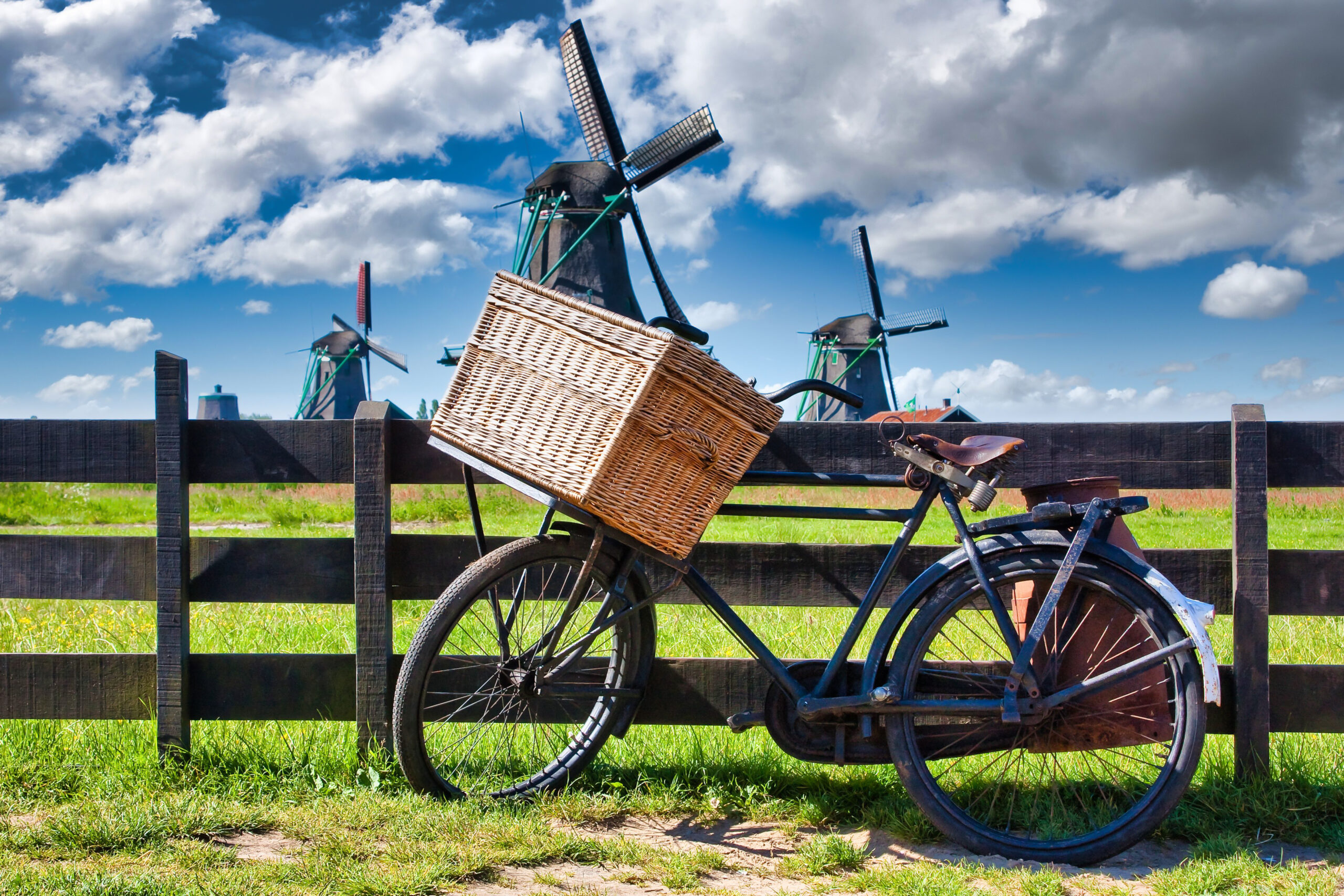
Haarlem is the easiest cultural extension, with a handsome center and the Frans Hals Museum. Utrecht offers canals at a different level and a younger university atmosphere. Leiden combines museums with a compact historic core, while Zaanse Schans provides windmill imagery but can be crowded. In spring, Keukenhof is the famous flower excursion, but it is not a July activity. Beach trips to Zandvoort or Bloemendaal are possible when the weather cooperates.
WorldPride Amsterdam 2026
WorldPride runs from July 25 to August 8, 2026, with events across the city and the Canal Parade scheduled for August 1. The period will increase demand around Museumplein, the Canal Belt and major nightlife zones. Visitors should check official schedules, reserve accommodation early and expect temporary street, tram or bridge disruptions around major events. The program extends beyond parties to cultural exhibitions, community events, film and public discussions.
Where to Stay in Amsterdam
The best area depends less on distance to Dam Square than on how you want Amsterdam to feel when you step outside. For a deeper comparison, see our full guide to where to stay in Amsterdam.
Best area for first-time visitors: The Canal Belt and Nine Streets
The western and southern Canal Belt provides the strongest balance of scenery, walkability and restaurant access. The Nine Streets sit between the major canals and connect naturally to Jordaan, Dam Square, Leidseplein and the museum district. Pulitzer, The Dylan, Rosewood, Andaz, Ambassade and The Hoxton all work well here, but their atmospheres differ sharply. Choose a canal-facing room for views and a garden or courtyard room for greater quiet.
Best area for luxury hotels: Canal Belt and Museum Quarter
The Herengracht and Prinsengracht hold Waldorf Astoria, Rosewood, De L’Europe and several elite boutiques. Museum Quarter adds Mandarin Oriental Conservatorium and easy access to art, shopping and Vondelpark. Canal Belt luxury feels historic and romantic; Museum Quarter luxury generally provides larger buildings, calmer streets and more direct museum access.
Best area for museums: Museum Quarter
Stay near Museumplein when the Rijksmuseum, Van Gogh Museum, Stedelijk and Concertgebouw are the trip’s central purpose. Jan Luyken offers a relaxed townhouse approach, while Mandarin Oriental Conservatorium provides full five-star facilities. The neighborhood is quieter after dark and close to high-end shopping, though it lacks Jordaan’s density of casual bars.
Best area for food and local energy: De Pijp
De Pijp suits travelers who want markets, cafés and restaurants rather than monument views. Hotel Okura provides the district’s major luxury base, especially for culinary travelers. Metro Line 52 makes the center easy to reach, and Museumplein is close. Streets can be busy and apartments dense, but the area feels lived-in rather than staged for visitors.
Best area for romance: Jordaan and the western Canal Belt
Narrow bridges, evening reflections, small restaurants and historic cafés create Amsterdam’s most romantic setting. The Toren, Pulitzer, The Dylan, Hotel 717 and Ambassade are strong choices. Avoid assuming every Jordaan address is quiet; streets near the Anne Frank House and main nightlife routes can be crowded.
Best area for nightlife: Leidseplein, Rembrandtplein or Amsterdam Noord
Leidseplein offers theaters, music venues and busy bars; Rembrandtplein is louder and more club-oriented. Noord appeals to travelers who prefer creative venues, waterfront settings and a less conventional night out. Andaz and Hotel 717 sit near Leidseplein without being directly on the square, while Sir Adam places guests inside A’DAM Tower across the IJ.
Best area for families: Museum Quarter, Eastern Docklands or Houthavens
Museum Quarter is calm, park-adjacent and easy for major attractions. Hotel Jakarta adds balconies, a pool and a dramatic indoor garden. Boat & Co provides kitchens and separate bedrooms in larger apartments. Families booking historic canal hotels should verify lift access, connecting rooms and bed configurations rather than relying on broad labels such as family-friendly.
Best area for a quieter stay: Amsterdam Oost
Oost offers parks, neighborhood restaurants and direct tram connections without the constant tourist traffic of the old center. Pillows Maurits at the Park is the standout luxury choice, while Plantage hotels such as Zoku provide easy access to Artis and Hortus Botanicus. The compromise is longer travel to the Nine Streets and Jordaan.
Best area for transport: Around Amsterdam Centraal
Kimpton De Witt is useful for airport trains, day trips and short stays. The station area is efficient but less romantic, and some nearby streets feel highly commercial. Sir Adam across the ferry is another transport-friendly option with more distinctive views and design.
Best area for modern architecture and water views: Noord, Java Island and Houthavens
These districts show contemporary Amsterdam rather than the Golden Age city. Sir Adam, Hotel Jakarta and The July – Boat & Co offer skyline or harbor views, larger windows and more modern room dimensions. They work best for return visitors, cyclists and travelers comfortable using ferries, trams or taxis.
Tips for Booking Hotels in Amsterdam
Book early for July 2026
Summer already brings strong demand, and WorldPride from July 25 will intensify pressure through early August. Canal Belt, Museum Quarter and central-station hotels should be reserved as early as plans allow. A flexible rate may be more valuable than a small nonrefundable discount when event schedules and flight plans can change.
Compare the final price, not only the headline rate
Amsterdam levies a tourist tax of 12.5% of the overnight price excluding VAT. The Netherlands also increased VAT on accommodation to 21% in 2026. Booking pages may display taxes differently, so proceed to the final payment screen and check what is included. Breakfast, cancellation terms and room category can make a larger difference than the apparent first-page rate.
Pay attention to room size and building type
Historic canal houses were not designed as hotels. Entry-level rooms may be narrow, roof rooms can have sloping ceilings, and stairs may be steep. This is not necessarily a flaw, but it should be understood before booking. Newer hotels in Oost, Noord and Houthavens generally provide larger dimensions, lifts and more predictable layouts.
Choose views deliberately
A canal view can transform a stay, but it usually costs more and may expose the room to street or boat noise. Garden and courtyard rooms are often quieter. At Hotel Jakarta, Sir Adam and Hotel Okura, higher floors matter more than canal frontage. Read the exact room description rather than assuming every category matches the hotel’s main photography.
Decide whether breakfast is worth adding
Hotel breakfast is convenient, especially in full-service properties with signature rooms such as the Wintergarden at Krasnapolsky. Yet Amsterdam has excellent bakeries and cafés, and breakfast supplements at luxury hotels can be substantial. For a three-night stay, one hotel breakfast and two neighborhood mornings often provide the best balance.
Think about mobility before choosing a canal house
Travelers with reduced mobility should confirm lift coverage, entrance steps, bathroom setup and the route to the assigned room. Connected canal houses may include level changes even when a lift exists. Modern hotels such as Jakarta, Boat & Co, Okura and Kimpton are usually easier to navigate, but specific accessible rooms should still be confirmed.
Use public transport strategically
Trains between Schiphol and Amsterdam Centraal take about 17 minutes and run frequently. Staying near Centraal is convenient, but not necessary if the hotel has a direct tram or metro connection. The North/South metro line is particularly useful for De Pijp, RAI and Noord. Contactless payment works across much of the public transport network, but each traveler should check in and out correctly.
Do not overvalue proximity to Dam Square
Amsterdam’s center is compact. A hotel ten or fifteen minutes from Dam Square can provide a much better evening environment while remaining entirely walkable. The western Canal Belt, Jordaan, Museum Quarter and Plantage often feel more rewarding than the streets immediately around the square.
Reserve major attractions separately
Hotel concierge access does not guarantee entry to the Anne Frank House or sold-out museum time slots. Book key attractions directly through official channels. Then use concierge teams for restaurant reservations, private guides, canal boats and last-minute ideas.
Consider weekday and event patterns
Business-oriented hotels near RAI may behave differently from leisure hotels in Jordaan, and weekend demand can push central boutique rates sharply upward. Large conventions, King’s Day, major concerts, Pride and school holidays all affect availability. Compare several date combinations when travel plans are flexible.
Review cancellation and deposit conditions
Luxury and apartment hotels may use different deposit rules, especially for suites, long stays and peak events. Verify whether taxes, breakfast and additional beds are refundable. Travelers booking multiple rooms should confirm that cancellations apply consistently across the reservation.

Frequently Asked Questions About the Top 25 Hotels in Amsterdam
What are the best hotels in Amsterdam?
Rosewood Amsterdam, Mandarin Oriental Conservatorium, Pulitzer Amsterdam, De L’Europe, Waldorf Astoria and The Dylan form the strongest luxury group. The best choice depends on priorities: Rosewood for new-generation luxury, Pulitzer for canal-house character, Conservatorium for museums and spa facilities, and The Dylan for intimate dining-led stays.
What is the best area to stay in Amsterdam for first-time visitors?
The Canal Belt near the Nine Streets offers the best combination of scenery, walkability and access to Jordaan, Dam Square, Leidseplein and museums. It feels unmistakably Amsterdam without placing guests directly in the busiest parts of the old center.
What are the best luxury hotels in Amsterdam?
Rosewood Amsterdam, Mandarin Oriental Conservatorium, Waldorf Astoria, De L’Europe, Pulitzer, The Dylan, Hotel TwentySeven and the Amstel are leading luxury choices. See our dedicated guide to the best luxury hotels in Amsterdam for a more detailed category comparison.
What are the best boutique hotels in Amsterdam?
The Dylan, Hotel 717, Ambassade Hotel, Hotel Estheréa, The Toren and Jan Luyken are excellent boutique options. They differ substantially: The Dylan is culinary and refined, Ambassade is literary, Estheréa is romantic and maximalist, while Jan Luyken feels like a relaxed townhouse.
Which Amsterdam hotels are best for families?
Pulitzer offers a central five-star base with family appeal, Hotel Okura has connecting-room possibilities and a pool, Hotel Jakarta combines balconies with wellness facilities, and The July – Boat & Co provides apartments with kitchens and multiple bedrooms. Always confirm occupancy limits and bedding before booking. Our best family hotels in Amsterdam guide compares additional options.
Where should couples stay in Amsterdam?
The western Canal Belt and Jordaan are the strongest romantic areas. The Dylan, Hotel 717, Waldorf Astoria, The Toren and Pulitzer all deliver memorable canal settings. Rosewood is ideal for a major celebration, while Estheréa offers a more attainable romantic atmosphere.
Is it better to stay near Amsterdam Centraal?
It is better for very short trips, airport access and rail day trips, but not automatically better for atmosphere. Kimpton De Witt is a polished option near the station. Travelers staying three or more nights may prefer the Canal Belt, Jordaan, Museum Quarter or De Pijp and use trams or taxis when needed.
Are hotels in Amsterdam expensive?
Amsterdam is one of Europe’s more expensive hotel markets, especially for well-located rooms in summer. Historic building constraints limit supply, and taxes add significantly to the final total. Better value often appears in Oost, Noord, Houthavens or modern business districts, although transport costs and time should be considered.
How far in advance should I book an Amsterdam hotel?
For July, book several months ahead when possible. For the WorldPride period beginning July 25, 2026, even earlier booking is sensible. Travelers seeking a specific canal-view room, family configuration or luxury suite should reserve before standard rooms become scarce.
Which Amsterdam hotels have indoor pools?
Mandarin Oriental Conservatorium, Waldorf Astoria, Sofitel Legend The Grand, InterContinental Amstel, Hotel Okura and Hotel Jakarta have indoor pool facilities. Pool access conditions can change, particularly for spa areas, so confirm whether access is included with the booked rate and whether children have restricted hours.
What is the best hotel near Amsterdam’s museums?
Mandarin Oriental Conservatorium is the leading full-service luxury choice directly beside Museumplein. Jan Luyken offers a smaller townhouse alternative, while Hotel 717 and Andaz remain walkable from the museums and closer to the Canal Belt.
What should I check before booking a canal-house hotel?
Check room size, lift access, stairs, ceiling height, canal versus courtyard outlook, air conditioning and noise exposure. Historic rooms can be wonderful precisely because they are irregular, but category selection matters more than at a purpose-built hotel.
Final Thoughts on the Best Hotels in Amsterdam
Amsterdam’s best hotel is not determined by the number of stars alone. It depends on which Amsterdam you want to inhabit. Rosewood turns a monumental civic building into contemporary luxury. Pulitzer makes a maze of canal houses feel like a private neighborhood. Mandarin Oriental Conservatorium places museums and wellness at the center of the trip. The Dylan and Hotel 717 prove that small hotels can deliver more emotional impact than much larger properties, while Jakarta, Sir Adam, Boat & Co and Zoku reveal the modern city beyond the historic façades.
For a first visit, the western Canal Belt remains the safest recommendation because it balances beauty, access and evening atmosphere. For repeat visitors, Oost, Noord and Houthavens often provide more space and a clearer view of how Amsterdam lives now. Families should prioritize layout and transport; couples may care more about canal views and neighborhood dining; wellness travelers should focus on the small group of hotels with serious pools and spas.
Compare the exact room category, final taxed price, cancellation policy and neighborhood before committing. A well-chosen Amsterdam hotel does more than provide a bed—it determines the bridge you cross in the morning, the café that becomes your local and the version of the city you remember.
Click here to compare Amsterdam hotels and current rates for your dates
Affiliate disclosure: This article may contain affiliate links. We may earn a commission if you click through or make a booking, at no extra cost to you. Our recommendations are based on current research into location, guest sentiment, design, service, amenities, value and suitability for different travelers.