Top 25 Hotels in Kuala Lumpur: Sky-High Luxury, Heritage Grandeur and Boutique Style for July 2026
At street level in Kuala Lumpur, smoke curls above satay grills, kopitiam tables fill before the office towers wake, and the lanes of Chinatown move to a rhythm shaped by temples, market stalls, old shophouses, cocktail bars, and new creative studios. Look upward and the city changes character: the Petronas Twin Towers catch the afternoon light, rooftop pools appear between glass façades, and Merdeka 118 rises so far above the skyline that even longtime visitors need a moment to recalibrate their sense of scale.
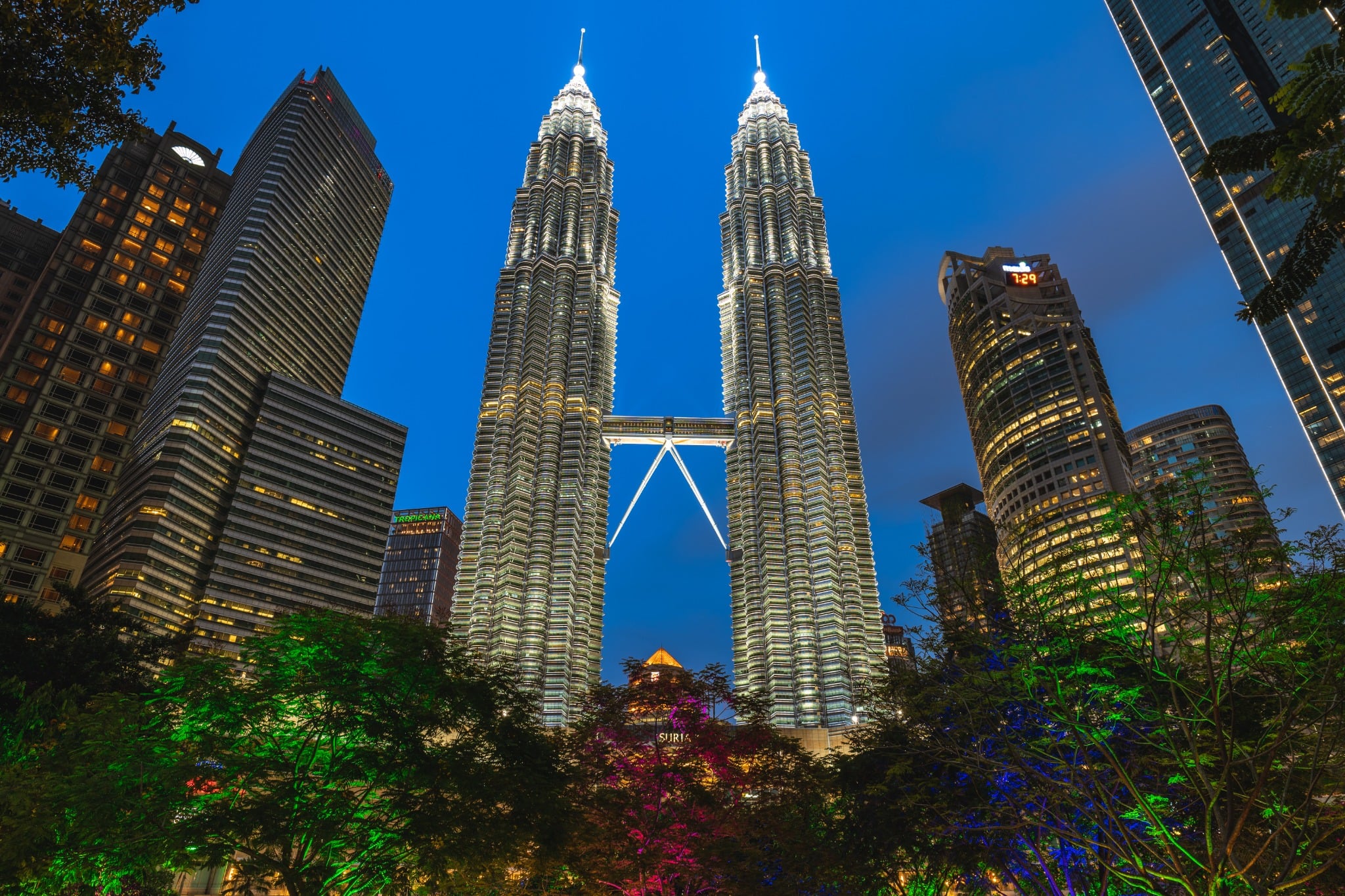
This is a capital where choosing the right hotel can change the entire trip. A room beside KLCC Park puts the Petronas Towers, Suria KLCC, Aquaria, and the covered walkway toward Bukit Bintang within easy reach. A stay in Bukit Bintang places shopping, Jalan Alor, cocktail bars, malls, and late-night energy outside the door. Chinatown is better for travelers who want heritage architecture, independent restaurants, temples, and a more textured street scene. KL Sentral works brilliantly for airport connections and onward rail travel, while Bangsar rewards visitors who care as much about neighborhood cafés and restaurants as they do about landmark sightseeing.
Kuala Lumpur’s hotel market is unusually deep. The city has polished international flagships, locally rooted luxury hotels, grand colonial-era properties, design-conscious boutiques, serviced residences, and four-star hotels that would cost considerably more in many other global capitals. It also continues to evolve quickly. Park Hyatt Kuala Lumpur opened high inside Merdeka 118 in 2025, while Kimpton Naluria brought a new lifestyle address to the Tun Razak Exchange district in early 2026. Hotel Indigo and Hyatt Centric have added fresh alternatives for travelers who prefer contemporary design over traditional formality.Food is another reason hotel choice matters here.
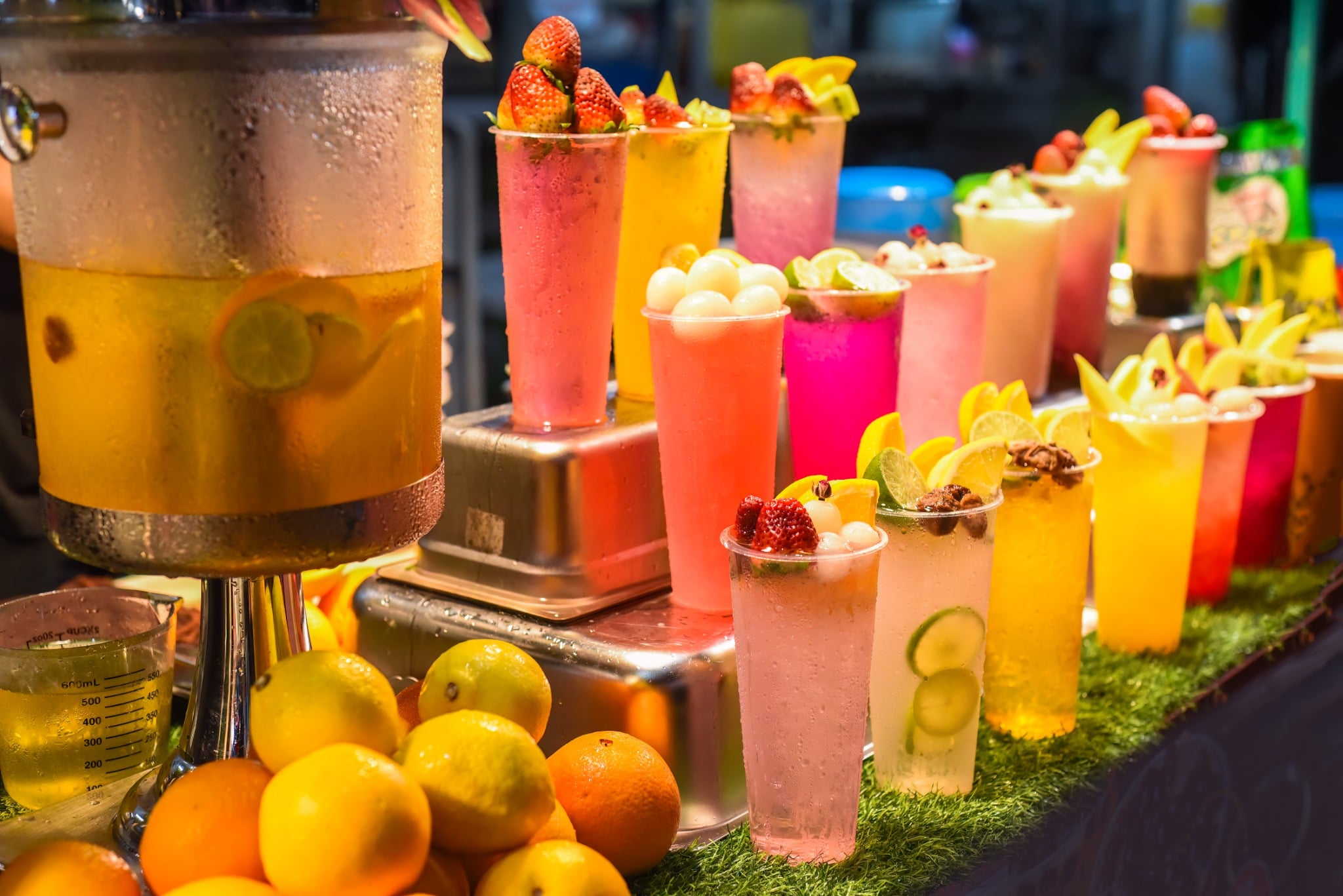
Some properties are destinations in their own right for Cantonese dining, Malaysian tasting menus, elaborate breakfast buffets, afternoon tea, or rooftop cocktails. Others are deliberately lighter on facilities because their neighborhoods supply the experience: step outside and you are minutes from nasi lemak, banana-leaf rice, bak kut teh, modern Malaysian cooking, third-wave coffee, and some of Southeast Asia’s most compelling street food.
Updated for July 2026, this guide ranks the Top 25 hotels in Kuala Lumpur after comparing current hotel information, professional travel coverage, guest review patterns, neighborhood quality, design, service reputation, amenities, dining, value within category, and suitability for different travelers. The goal is not to pretend that one property is right for everybody. It is to identify which hotels genuinely stand out, why they deserve attention, and where their limitations may matter.For first-time visitors, the central choice is usually between KLCC and Bukit Bintang. Travelers who want a more characterful stay should also consider Chinatown, Chow Kit, or Bangsar. The rankings below include all of those areas, along with hotels that work especially well for families, couples, business trips, shopping weekends, long stays, and skyline views.
Quick Picks: Best Hotels in Kuala Lumpur
- Best overall hotel: Park Hyatt Kuala Lumpur
- Best locally rooted luxury hotel: The RuMa Hotel and Residences
- Best classic KLCC hotel: Mandarin Oriental, Kuala Lumpur
- Best for polished modern luxury: Four Seasons Hotel Kuala Lumpur
- Best for skyline dining and central location: EQ Kuala Lumpur
- Best new lifestyle hotel: Kimpton Naluria Kuala Lumpur
- Best hotel for families: Shangri-La Kuala Lumpur
- Best heritage hotel: The Majestic Hotel Kuala Lumpur, Autograph Collection
- Best boutique hotel in Chinatown: Else Kuala Lumpur
- Best boutique hotel near Bukit Bintang: KLoé Hotel
- Best romantic retreat: Villa Samadhi Kuala Lumpur
- Best hotel for Petronas Twin Towers views: Traders Hotel Kuala Lumpur
- Best for shopping: JW Marriott Hotel Kuala Lumpur
- Best for an apartment-style stay: Capri by Fraser, Bukit Bintang
How We Chose the Top 25 Hotels in Kuala Lumpur
No single booking platform tells the whole story. Some rankings reward high review volume, others emphasize price, and editorial hotel lists naturally lean toward properties with strong design or a distinctive story. This selection compares multiple signals rather than treating any one list as definitive.
We looked for hotels that appear consistently in current recommendations, maintain strong patterns in recent guest feedback, offer a meaningful location advantage, or contribute something distinctive to Kuala Lumpur’s hotel scene. That includes established five-star names, newer openings that have already proved relevant, and smaller hotels whose personality outweighs their lack of resort-scale facilities.
- Location: walkability, rail access, airport connections, and proximity to KLCC, Bukit Bintang, Chinatown, KL Sentral, major malls, dining districts, and cultural attractions.
- Guest experience: recurring comments about service, cleanliness, comfort, breakfast, room maintenance, noise, and whether the hotel delivers on its positioning.
- Design and atmosphere: not just visual impact, but whether the property feels connected to Kuala Lumpur rather than interchangeable with a hotel elsewhere.
- Rooms: space, layout, views, bathrooms, soundproofing, practical storage, and the quality of entry-level categories.
- Amenities: pools, spas, gyms, lounges, family facilities, long-stay features, and how useful those amenities are in practice.
- Food and drink: breakfast quality, signature restaurants, bars, afternoon tea, local cooking, and access to good dining nearby.
- Value within category: whether the experience makes sense relative to comparable luxury, boutique, heritage, or serviced-apartment options.
- Current relevance: openings, renovations, refreshed rooms, changing neighborhoods, and the competitive hotel landscape as of July 2026.
The order reflects overall editorial strength, but travelers should treat the ranking as a decision tool rather than a rigid scorecard. A design lover may prefer a smaller Chinatown hotel to a vast luxury tower. A family may value connecting rooms and child-friendly programming more than a rooftop bar. A short business trip may be transformed by direct rail access or a good club lounge. Those differences are built into every review below.
The Top 25 Hotels in Kuala Lumpur
1. Park Hyatt Kuala Lumpur
Park Hyatt Kuala Lumpur is the city’s most consequential hotel opening in years, and its appeal begins before a guest reaches the room. The hotel occupies the upper levels of Merdeka 118, the extraordinary needle-like skyscraper rising above the historic Merdeka precinct. From this height, Kuala Lumpur no longer looks like a collection of separate districts; it becomes a single urban panorama of towers, mosques, stadiums, railway lines, hills, and dense neighborhoods stretching toward the horizon.
The views are the obvious headline, but the hotel earns first place because it does more than trade on altitude. Its interiors reinterpret Malaysian craft through a contemporary luxury lens. Batik-inspired screens, woven patterns, timber details, carved motifs, and references to traditional Malay homes give the spaces a sense of place without turning them into a theme set. Entry-level rooms are notably generous for a city hotel and designed around the windows, with daybeds and sitting areas that make the skyline part of the room rather than a distant backdrop.
The hotel’s social and dining spaces are concentrated far above street level. Park Lounge functions as an elegant living room, Merdeka Grill supplies the polished steakhouse experience many luxury travelers expect, and Cacao Mixology & Chocolate gives the property a more playful evening identity. The spa and 30-meter infinity pool on Level 99 are equally dramatic. The pool is indoors, which matters in Kuala Lumpur’s heat and sudden rain, yet the floor-to-ceiling windows preserve the sensation of swimming above the city.
Its neighborhood is another strength. The Merdeka precinct places guests close to Stadium Merdeka, Chinatown, Petaling Street, Central Market, and the older civic core. The setting is less mall-focused than KLCC and more culturally textured. Direct access to the wider rail network also makes the hotel more practical than its cloud-level serenity might suggest.
Why stay here: It combines Kuala Lumpur’s most remarkable hotel views with thoughtful Malaysian design, substantial rooms, destination dining, and immediate access to a historically important part of the city.
Best for: Luxury travelers, architecture enthusiasts, special occasions, first-time visitors who want a memorable statement hotel, and repeat visitors seeking something genuinely new.
Location: Merdeka 118, near Chinatown, Stadium Merdeka, Petaling Street, and the Merdeka MRT station.
What stands out: The sensation of living above almost every other building in the city, reinforced by bedrooms, dining rooms, the spa, and the indoor infinity pool all designed around panoramic views.
Potential drawback: The vertical journey between the street, hotel arrival, lobby, rooms, and facilities can feel elaborate. Travelers who want to step directly from a compact lobby into Bukit Bintang nightlife may prefer a more conventional address.
Click here to view rooms, skyline photos, and current availability
2. The RuMa Hotel and Residences
The RuMa is the most persuasive example of modern Malaysian luxury in central Kuala Lumpur. While many five-star hotels in the Golden Triangle rely on scale, marble, and international brand familiarity, The RuMa feels quieter and more deliberate. Its design draws on local materials, craft traditions, mining history, and residential comfort, creating an atmosphere that is polished without becoming stiff.
The address on Jalan Kia Peng is a major advantage. Guests are close to KLCC Park, the Kuala Lumpur Convention Centre, Pavilion Kuala Lumpur, and the pedestrian link between KLCC and Bukit Bintang, yet the immediate street feels calmer than the busiest parts of either district. This makes the hotel especially useful for travelers who want to divide their time between the Petronas Towers, shopping, restaurants, and business appointments without sleeping directly above the loudest nightlife.
Rooms are spacious and tactile, with warm timber, rattan textures, soft lighting, deep bathtubs, and practical sitting areas. Even the lower room categories feel generous enough for a multi-night stay. The hotel’s service style is built around what it calls “hostmanship,” but the meaningful part is the result: less ceremonial formality, more intuitive assistance, and an arrival experience that aims to remove friction.
ATAS is the principal restaurant and interprets Malaysian ingredients and flavors in a contemporary setting. SEVEN provides a sophisticated lobby bar, while SANTAI gives the pool deck a relaxed all-day rhythm. The wellness floor is one of the hotel’s strongest assets, connecting UR SPA, a 24-hour gym, and a 25-meter outdoor pool that projects toward the skyline. The pool is not the city’s largest resort complex, but it feels designed for adults who want to swim, read, or have a quiet drink rather than attend a rooftop party.
The RuMa also performs well across traveler types. Couples appreciate its intimacy, business travelers value the location and calm, and first-time visitors benefit from being able to reach both KLCC and Bukit Bintang. Families can stay comfortably, although the mood is more grown-up than child-centered.
Why stay here: The hotel offers a rare balance of local identity, residential comfort, central location, strong food and drink, and understated service.
Best for: Couples, design-conscious travelers, luxury travelers who dislike excessive formality, and visitors splitting their time between KLCC and Bukit Bintang.
Location: Jalan Kia Peng in the Golden Triangle, near KLCC Park, Pavilion, the convention center, and the covered pedestrian network.
What stands out: A coherent Malaysian design language and unusually calm atmosphere in one of Kuala Lumpur’s busiest central zones.
Potential drawback: It is less theatrical than the newest sky-high hotels and does not offer the same direct Petronas Towers frontage as Mandarin Oriental or Four Seasons. Travelers seeking a large resort-style pool or children’s program may prefer another property.
Click here to check The RuMa’s latest room options and availability
3. Mandarin Oriental, Kuala Lumpur
Mandarin Oriental, Kuala Lumpur remains one of the city’s defining hotels because its location is almost impossible to improve. It sits between the Petronas Twin Towers and KLCC Park, with Suria KLCC, the convention center, restaurants, shops, rail links, and the park’s paths immediately around it. For a first visit, the convenience is difficult to overstate: guests can begin the morning under the palms by the pool, cross into the mall without reorganizing the day around transport, and return after the evening fountain show without calling a car.
The hotel represents classic international luxury rather than the design-forward minimalism of newer competitors. Rooms are substantial, softly formal, and oriented toward the city, park, or towers depending on category. Some travelers may find the styling more traditional than trend-led, but the advantage is a mature hotel operation: experienced staff, well-developed dining, a serious spa, a strong club product, and spaces that can handle leisure travelers, business groups, families, and special occasions at the same time.
The outdoor infinity-edge pool is one of Kuala Lumpur’s best. Instead of staring across rooftops, guests look over the trees and paths of KLCC Park while the surrounding towers rise beyond the water. Cabanas and shaded seating make it useful for a full afternoon, not just a quick photograph. The wellness facilities add sauna, steam, vitality areas, and treatment rooms, giving the hotel more depth than properties whose spa offering is limited to a few treatment suites.
Dining is extensive. Cantonese food, international menus, lounge service, and poolside tapas cover a wide range of moods, while AQUA’s park-facing terrace is particularly appealing when the weather cooperates. Suite and selected room guests can book MO Club access for breakfast, afternoon tea, evening drinks, and a quieter place to work or unwind.
Why stay here: Few hotels make sightseeing, shopping, business, park access, and dining this effortless. It is the safest recommendation for travelers who want proven five-star service in the most recognizable part of Kuala Lumpur.
Best for: First-time visitors, families, business travelers, couples, and guests who value a complete luxury hotel over novelty.
Location: Directly beside KLCC Park and the Petronas Twin Towers, with immediate access to Suria KLCC and the wider city-center pedestrian network.
What stands out: The pool’s park-level perspective, comprehensive facilities, and a location that minimizes unnecessary travel time.
Potential drawback: The hotel can feel busy during conferences, holidays, and major events. Travelers drawn to small-scale boutique character may find it too large and conventionally luxurious.
Click here to compare park-view, city-view, and club room availability
4. Four Seasons Hotel Kuala Lumpur
Four Seasons Hotel Kuala Lumpur is the city’s most polished option for travelers who want contemporary luxury without sacrificing the practical benefits of KLCC. The hotel rises beside KLCC Park and connects naturally with the area’s high-end retail, dining, office, and residential ecosystem. It feels less like a standalone grand hotel and more like a refined vertical address within the city’s most prestigious modern district.
Rooms use a restrained palette of cream, stone, dark timber, metal, and glass, allowing the views to supply the drama. Floor-to-ceiling windows frame either the city or the park, and higher categories increase the sense of space with separate living areas and more elaborate marble bathrooms. Service is attentive and highly structured, but typically warmer and less ceremonial than in some traditional palace-style hotels.
The wellness facilities are a major reason to stay. The outdoor pool extends along a high terrace with broad city views and enough length for a proper swim. The spa and fitness areas feel integrated into the hotel rather than added as an afterthought, making the property a strong choice for travelers who plan to spend meaningful time on-site. The Executive Club, available with eligible rooms and suites, adds breakfast, refreshments, and evening service in a quieter setting.
Dining covers several distinct experiences, including modern Cantonese cuisine, all-day international dining, lounge service, and Middle Eastern-influenced poolside food. The hotel’s location also makes it easy to eat beyond the property: Suria KLCC, Jalan P. Ramlee, Avenue K, and the broader Golden Triangle restaurant scene are close by.
Families benefit from large rooms and KLCC Park’s playground and walking paths, while couples can build an entire weekend around the spa, pool, dining, and views. Business travelers have fast access to the convention center and central offices. The hotel’s strength is not eccentric personality; it is consistency, space, discretion, and a location that keeps the city manageable.
Why stay here: Four Seasons delivers a highly refined modern stay with excellent rooms, substantial wellness facilities, and one of the most desirable addresses in Kuala Lumpur.
Best for: Luxury travelers, couples, executives, families wanting a sophisticated base, and guests who prefer contemporary design to colonial grandeur.
Location: Beside KLCC Park, near the Petronas Twin Towers, Suria KLCC, Avenue K, and the KLCC LRT station.
What stands out: The combination of large light-filled rooms, a 25-meter rooftop pool, polished service, and immediate access to KLCC.
Potential drawback: Rates are often among the highest in the city, and the atmosphere can feel residential and controlled rather than lively. Travelers who want nightlife inside the hotel may prefer W Kuala Lumpur or EQ.
Click here to explore current Four Seasons rooms, suites, and offers
5. EQ Kuala Lumpur
EQ Kuala Lumpur is one of the strongest all-rounders in the city: central but not chaotic, luxurious but not excessively formal, and visually impressive without relying on a famous international name. The hotel stands on Jalan Sultan Ismail within the Golden Triangle, placing guests between KLCC and Bukit Bintang. That position is particularly valuable for visitors who want the Petronas Towers, Pavilion, the convention center, rooftop bars, restaurants, and offices all within a relatively compact radius.
The modern tower replaced the former Hotel Equatorial and carries forward a deep local hospitality legacy. Inside, polished timber, stone, soft carpets, contemporary Malaysian details, and floor-to-ceiling windows give the hotel warmth. Rooms are sleek and quiet, and higher categories make excellent use of the skyline with baths and seating positioned toward the glass. The best tower-facing views are worth requesting, but even city-view rooms benefit from the hotel’s elevation.
EQ’s wellness floor is one of Kuala Lumpur’s most complete. The 25-meter infinity pool sits on Level 29 with broad views, while Sanctum Spa, the gym, a Himalayan salt sauna, steam facilities, and relaxation areas create a genuine urban retreat. This is a hotel where it makes sense to protect half a day for the facilities rather than treating the pool as a box to tick.
Dining gives EQ its evening personality. Sky51 crowns the building with two complementary experiences: Sabayon for occasion-worthy fine dining and Blue for cocktails, music, and city views. Nipah handles the international buffet and breakfast operation, while Bottega Lounge provides a more casual setting. The result is a hotel that can move from business breakfast to spa afternoon to dressed-up dinner without requiring a car.
Why stay here: EQ combines an excellent central location, high-quality rooms, one of the city’s better wellness floors, and rooftop dining that feels integrated into the hotel experience.
Best for: Couples, business travelers, food-focused visitors, skyline lovers, and first-time guests who want access to both KLCC and Bukit Bintang.
Location: Jalan Sultan Ismail in the Golden Triangle, near Raja Chulan Monorail, Pavilion, KLCC, and the convention center.
What stands out: The Level 29 pool and wellness facilities, followed by dinner and drinks at Sky51 high above the city.
Potential drawback: The immediate streets are built for traffic more than leisurely wandering, and pedestrian routes can feel indirect despite the hotel’s central map position. The most dramatic views may require a higher room category.
Click here to see EQ’s current rates, room views, and availability
6. Kimpton Naluria Kuala Lumpur
Kimpton Naluria Kuala Lumpur is the most interesting new lifestyle hotel in the city for travelers who want to understand where modern Kuala Lumpur is heading. Opened in early 2026, it stands in the Tun Razak Exchange district beside The Exchange TRX, the vast retail and business complex that has rapidly become a new center of gravity south of Bukit Bintang. The location is sleek, ambitious, and intensely contemporary, with direct access to shopping, dining, an MRT interchange, and the landscaped TRX City Park.
The hotel softens that corporate setting with a more playful personality. Mid-century references, greenery, local craft, expressive art, and relaxed public spaces make it feel less predictable than a conventional business hotel. Rooms are modern and efficient rather than palatial, with thoughtful touches such as yoga mats and kimono-style robes that suit the brand’s informal approach to luxury.
Food and drink are central to the experience. Tuai + Till shifts between Malaysian café energy and a more polished brasserie mood. Rise & Grind interprets the grab-and-go coffee bar through local kopitiam culture, while Four Siblings on the roof builds cocktails around cinnamon, clove, cardamom, and star anise. Sabato’s supplies an Italian-American counterpoint. Kimpton traditions such as the morning Kickstart and evening Social give guests a reason to use the communal areas rather than treating the lobby as a corridor.
The rooftop pool, jacuzzi, shaded daybeds, gym, and outdoor deck turn the upper levels into a genuine leisure zone. This matters because TRX can otherwise feel dominated by offices and retail. The hotel creates its own social world while keeping the MRT close enough for fast trips to Bukit Bintang, Chinatown, and the Merdeka precinct.
Why stay here: It is fresh, sociable, design-led, and ideally placed for travelers curious about Kuala Lumpur’s newest business, shopping, and dining district.
Best for: Couples, younger luxury travelers, design-conscious business guests, food and cocktail enthusiasts, and repeat visitors who already know KLCC.
Location: Tun Razak Exchange, beside The Exchange TRX, TRX City Park, and the MRT interchange.
What stands out: A distinctive food-and-drink program, rooftop pool, and a relaxed Kimpton personality in a rapidly developing neighborhood.
Potential drawback: TRX is polished but still feels newer and less organically layered than Chinatown or central Bukit Bintang. Travelers seeking classic landmark views from the room should compare KLCC hotels.
Click here to check Kimpton Naluria’s latest rooms and opening-era offers
7. The St. Regis Kuala Lumpur
The St. Regis Kuala Lumpur is unapologetically grand. Its public rooms favor chandeliers, sculptural lighting, marble, art, flowers, and carefully staged proportions, while the guestrooms rank among the city’s most spacious. This is not the hotel for travelers seeking stripped-back minimalism. It is for those who want a formal sense of arrival, oversized bathrooms, dressing areas, polished rituals, and service built around personal attention.
The signature St. Regis Butler Service is available across the room inventory, bringing assistance with unpacking, pressing, beverages, and other requests. The value of that service depends on how much a guest uses it, but it contributes to the hotel’s residential, high-touch character. Rooms feel designed for lingering, with generous sitting areas and a quieter atmosphere than the shopping districts.
The location in the KL Sentral precinct works particularly well for business travelers, rail users, and visitors continuing to another Malaysian destination. The National Museum, Perdana Botanical Gardens, Islamic Arts Museum Malaysia, and the historic railway station are nearby, while the KLIA Ekspres from KL Sentral gives the wider area a major airport-access advantage. It is not as immediately walkable to nightlife or malls as Bukit Bintang, but cars and rail links make the rest of the city accessible.
Dining includes The Brasserie, The Drawing Room, and several refined spaces for tea, cocktails, and events. The spa, pool, fitness facilities, and large rooms help the hotel function as a self-contained retreat. Its scale and event spaces also make it popular for weddings and major celebrations.
Why stay here: The St. Regis offers some of Kuala Lumpur’s largest luxury rooms, formal service, and a calm, prestigious base near the city’s main rail hub and cultural institutions.
Best for: Special occasions, luxury rail travelers, executives, guests who value butler service, and travelers who prefer grand interiors.
Location: KL Sentral, close to Muzium Negara MRT, the National Museum, Perdana Botanical Gardens, and airport rail connections.
What stands out: The sheer room size, lavish public spaces, and personalized St. Regis service culture.
Potential drawback: The atmosphere can feel too formal for casual travelers, and the hotel is not the best choice for stepping directly into nightlife, street food, or major shopping streets.
Click here to compare St. Regis rooms, suites, and current packages
8. Banyan Tree Kuala Lumpur
Banyan Tree Kuala Lumpur is a compact luxury hotel with a powerful vertical identity. The property occupies high floors above the Pavilion area, replacing resort acreage with wide windows, city views, a serious spa, and destination dining. It works especially well for couples who want privacy and atmosphere without giving up direct access to Bukit Bintang’s shopping and restaurants.
Rooms use dark timber, stone, soft neutral colors, and freestanding baths or large bathrooms, depending on category. The emphasis is on calm and view rather than ornate decoration. Because the hotel has fewer rooms than many central five-star competitors, public spaces can feel more intimate, although that intimacy also means facilities are not spread across a vast resort-style complex.
The dining stack is one of the hotel’s defining features. Horizon Grill occupies Level 58 for breakfast, lunch, and dinner, with the skyline framed through tall windows. Vertigo on Level 59 is a major rooftop bar for cocktails and Southeast Asian-inspired bites, while Vertigo TOO above it extends the evening upward. The rooftop experience is particularly strong around sunset, when the city’s towers shift from reflective glass to illuminated silhouettes.
Banyan Tree Spa supplies the brand’s Asian wellness focus, and the hotel’s pool offers another elevated perspective. A covered bridge connection toward Pavilion Kuala Lumpur makes the location more practical during heat and rain. Bukit Bintang MRT, Pavilion, Starhill, Jalan Alor, and the wider shopping district are all within reach.
Why stay here: It offers a romantic, view-driven luxury stay with an excellent spa and some of the city’s most memorable rooftop dining and drinks.
Best for: Couples, spa travelers, luxury shoppers, rooftop-bar enthusiasts, and short celebratory stays.
Location: Jalan Conlay beside the Pavilion and Bukit Bintang district, with easy access to KLCC through the pedestrian network.
What stands out: Horizon Grill and Vertigo create a complete high-floor evening without leaving the hotel.
Potential drawback: The property is more vertical retreat than full-scale urban resort. Travelers prioritizing a large pool deck, children’s facilities, or expansive gardens should look elsewhere.
Click here to view Banyan Tree rooms, spa packages, and current rates
9. The Ritz-Carlton, Kuala Lumpur
The Ritz-Carlton, Kuala Lumpur has spent decades perfecting a particular kind of city luxury: quiet corridors, large rooms, marble bathrooms, attentive service, and a sense of retreat only a few streets from Bukit Bintang’s relentless activity. Its entrance is more discreet than the glass-tower drama of newer competitors, which helps the hotel feel removed from the malls and traffic despite its central address.
Accommodation is a major strength. Rooms are spacious, suites are genuinely useful for families and longer stays, and the overall design favors classic European elegance rather than contemporary minimalism. The hotel’s scale allows it to serve couples, business guests, and multigenerational families without feeling dominated by one audience. Club-level rooms add access to a lounge with culinary presentations and more personalized service.
Spa Village Kuala Lumpur brings regional healing traditions into a substantial wellness program, while the outdoor pool and 24-hour fitness center provide practical downtime. The Library and Lobby Lounge are suited to afternoon tea and quiet meetings, while Li Yen remains an important address for refined Cantonese cuisine. The Cobalt Room handles breakfast and major buffet service.
Location is excellent for shopping. Pavilion Kuala Lumpur, Starhill, The Exchange TRX, Lot 10, and the rest of Bukit Bintang are nearby, while the hotel’s position on a side street reduces some of the district’s noise. Travelers who want nightlife can reach it quickly, but the property itself remains composed.
Why stay here: It offers generous rooms, strong family and suite options, a mature service culture, and rare calm in the heart of Bukit Bintang.
Best for: Families, traditional luxury travelers, shoppers, longer stays in suites, and guests who prefer refinement to spectacle.
Location: Bukit Bintang, close to Pavilion, Starhill, Jalan Alor, and the TRX district.
What stands out: Spacious accommodation and an established luxury operation that handles complex family or special-occasion stays well.
Potential drawback: The classic décor will not appeal to everyone, and the hotel lacks the direct tower views that define several KLCC competitors.
Click here to see current Ritz-Carlton rooms, suites, and club options
10. W Kuala Lumpur
W Kuala Lumpur is the answer for travelers who want the Petronas Twin Towers in the foreground and music, cocktails, color, and social energy inside the hotel. It sits only a short distance from KLCC, but its personality is far removed from the reserved tone of traditional five-star properties. Lighting, graphics, bold surfaces, and a constant sense of movement make the hotel feel built for weekends and evenings rather than quiet anonymity.
The WET Deck is the central attraction. Its outdoor pool and bar face the Petronas Twin Towers at close range, creating one of the city’s most recognizable hotel views. During the day it can be a place to swim and lounge; later, music and events can transform it into a social venue. Flock provides all-day dining, while YEN focuses on contemporary Cantonese cuisine. The bar program and AWAY Spa reinforce the hotel’s lifestyle positioning.
Rooms are modern, colorful, and technologically equipped, with higher categories offering stronger tower views. Guests should book carefully if the skyline is a priority, because orientation matters. The hotel works for couples and groups of friends, but families with young children may find the atmosphere louder and more adult than at Shangri-La or Mandarin Oriental.
Why stay here: W delivers direct Petronas views, a lively pool deck, strong nightlife energy, and a modern design identity in KLCC.
Best for: Couples, friends, nightlife-focused travelers, weekend stays, and guests who enjoy music-led lifestyle hotels.
Location: Jalan Ampang in KLCC, close to the Petronas Twin Towers, Suria KLCC, and Avenue K.
What stands out: The WET Deck’s close-up view of the towers, especially after dark.
Potential drawback: Pool events and music can make the hotel feel busy. Travelers seeking serenity, traditional service, or child-centered facilities may be happier elsewhere.
Click here to check tower-view rooms and W Kuala Lumpur availability
11. Grand Hyatt Kuala Lumpur
Grand Hyatt Kuala Lumpur is a dependable choice for travelers who want large rooms, convention-center convenience, excellent views, and a polished international hotel without the highest price positioning of the newest luxury addresses. Its elevated arrival and high-floor public spaces make the skyline part of the experience from the start.
THIRTY8 is the signature venue, combining restaurant, bar, lounge, show kitchens, and broad 360-degree views from the 38th floor. It is popular for breakfast, afternoon tea, dinner, and celebrations, which gives the hotel an active social center. JP teres offers Malaysian food in a more grounded setting. ESSA Spa, the outdoor pool, and fitness facilities complete a well-rounded leisure offering.
The location beside the Kuala Lumpur Convention Centre is ideal for events, and the covered pedestrian routes connect toward Suria KLCC and Pavilion. Rooms are generous and practical, with large bathrooms and windows positioned toward the city. The mood is contemporary and professional rather than intimate.
Why stay here: It combines convention-center practicality, big rooms, strong dining, and some of the most accessible high-floor views in the KLCC area.
Best for: Business travelers, conference attendees, first-time visitors, families wanting space, and guests who appreciate a large full-service hotel.
Location: Beside the Kuala Lumpur Convention Centre, close to KLCC Park, Aquaria, Suria KLCC, and the walkway to Bukit Bintang.
What stands out: THIRTY8’s panoramic dining room and the ease of moving between KLCC and Pavilion under cover.
Potential drawback: The property can feel busy during major meetings and events, and its corporate scale is less personal than The RuMa or Else.
Click here to compare Grand Hyatt rooms and updated booking options
12. Shangri-La Kuala Lumpur
Shangri-La Kuala Lumpur is one of the best family-friendly hotels in Kuala Lumpur because it combines a central location with greenery, a resort-like pool area, large public spaces, and a service culture comfortable with children. The hotel has been part of the city for decades, yet its gardens and landscaped water features still create a welcome buffer from Jalan Sultan Ismail.
Family-focused rooms and activities can include child-friendly amenities, in-room tents, crafts, yoga, games, and other scheduled programming. The outdoor pool and children’s pool provide real downtime between sightseeing trips. Adults have access to the spa, health club, Horizon Club, and several established restaurants.
Food is a major part of the hotel’s identity. Lemon Garden is known for its broad buffet, Shang Palace for Cantonese cooking, Zipangu for Japanese cuisine, and Arthur’s Bar & Grill for a more relaxed evening. The range is useful for families or groups with different tastes.
The hotel sits between KLCC and Bukit Bintang, although it is not directly attached to either mall district. The walk to the towers is manageable for many travelers, but heat and rain may make a short ride more appealing.
Why stay here: Shangri-La offers a rare mix of central-city convenience, family programming, gardens, pool space, and broad dining choices.
Best for: Families, multigenerational groups, travelers who enjoy classic Asian hospitality, and guests seeking a greener city-center setting.
Location: Jalan Sultan Ismail, between KLCC, Bukit Nanas, and the northern edge of Bukit Bintang.
What stands out: The landscaped pool and garden atmosphere, especially valuable for families staying several nights.
Potential drawback: Some design elements feel more traditional than those at newer hotels, and the property’s size can reduce the sense of intimacy.
Click here to see family rooms, Horizon Club options, and current rates
13. The Majestic Hotel Kuala Lumpur, Autograph Collection
The Majestic Hotel Kuala Lumpur offers something the glass towers cannot: a tangible connection to the city’s colonial-era hotel history. The original white heritage building, with its columns and formal rooms, is paired with a newer tower wing that provides most of the contemporary accommodation. Together they create a grand hotel experience opposite Kuala Lumpur’s historic railway station and close to the museums and gardens west of the old city center.
Afternoon tea is an important ritual here. Guests can book settings such as The Tea Lounge, Drawing Room, or Orchid Conservatory, while Colonial Cafe preserves a more formal dining mood. Contango handles a broad open-kitchen international selection. The Smoke House and other heritage-inspired spaces deepen the sense that the hotel is intended for lingering, not merely sleeping.
Rooms in the tower are more modern than the façade suggests, while the Majestic Wing delivers the strongest heritage atmosphere. The spa, pool, gym, and salon support longer stays. The hotel is particularly appealing for couples, history enthusiasts, and travelers who want to visit the Islamic Arts Museum, National Mosque, Perdana Botanical Gardens, and old railway architecture.
Why stay here: It is Kuala Lumpur’s most convincing heritage hotel, with formal public rooms, memorable afternoon tea, and a location near important cultural sights.
Best for: History lovers, couples, afternoon-tea enthusiasts, photographers, and travelers combining the city with rail journeys.
Location: Jalan Sultan Hishamuddin, opposite the historic railway station and near the National Mosque, Islamic Arts Museum, and Lake Gardens.
What stands out: The contrast between the original Majestic Wing and the modern tower, supported by some of the city’s most atmospheric lounge spaces.
Potential drawback: The immediate area becomes quiet at night, and most restaurant, shopping, and nightlife trips require a car or rail connection.
Click here to check heritage-wing and tower-room availability
14. JW Marriott Hotel Kuala Lumpur
JW Marriott Hotel Kuala Lumpur is the practical luxury choice for serious shoppers. It stands on Jalan Bukit Bintang beside Starhill and across from Pavilion Kuala Lumpur, placing designer boutiques, department stores, restaurants, cinemas, the MRT, and the covered walkway to KLCC within immediate reach. Few hotels reduce the friction of a shopping-focused weekend so effectively.
Rooms are polished and contemporary, with enough space for luggage and purchases. The outdoor pool, fitness center, and executive lounge add useful facilities, although most guests spend significant time outside the property. Dining includes Shook!, Shanghai, Luk Yu Tea House, and The Alchemy, with the broader Starhill dining collection adding still more choice nearby.
The hotel also performs well for first-time visitors who want Bukit Bintang’s energy but prefer a well-established international property to a boutique hotel. Jalan Alor, Changkat, Lot 10, Fahrenheit88, and the TRX district are accessible on foot or by a short ride.
Why stay here: The location is exceptional for shopping, dining, and public transport, while the hotel provides the reliability and facilities expected from a large luxury brand.
Best for: Shoppers, first-time visitors, business travelers, families, and loyalty-program members.
Location: Jalan Bukit Bintang, beside Starhill and Pavilion Kuala Lumpur.
What stands out: Immediate access to the heart of the city’s premier shopping district.
Potential drawback: Bukit Bintang is crowded and traffic-heavy, and rooms without a strong view can feel more conventional than those at KLCC’s skyline hotels.
Click here to view JW Marriott room types and today’s availability
15. Traders Hotel Kuala Lumpur
Traders Hotel Kuala Lumpur remains one of the smartest places to book when the goal is a full-frontal view of the Petronas Twin Towers. The hotel stands on the opposite side of KLCC Park from the towers, which creates the distance needed for the entire landmark to fit into the window. Tower-view rooms are the categories to prioritize; without that orientation, much of the hotel’s distinctive advantage disappears.
The property is more businesslike and less ornate than neighboring five-star hotels, but that can translate into better value. Rooms are functional, the club lounge is useful, and the location beside the convention center works for both business and leisure. A buggy service helps connect guests with Suria KLCC, while the park itself provides a pleasant walking route when the weather is comfortable.
SkyBar is the hotel’s signature venue, combining a pool, lounge seating, drinks, music, and direct tower views. It is atmospheric after dark, although swimmers should know that the space becomes increasingly bar-focused later in the day. Gobo Chit Chat and other dining venues supply convenient in-house meals.
Why stay here: It offers some of the most complete Petronas Twin Towers views in Kuala Lumpur at a price that can be more approachable than the city’s ultra-luxury hotels.
Best for: First-time visitors, photographers, convention attendees, couples, and value-conscious luxury travelers.
Location: Beside KLCC Park and the Kuala Lumpur Convention Centre, opposite the Petronas Twin Towers.
What stands out: The tower-view rooms and SkyBar perspective across the park.
Potential drawback: The indoor pool shares its setting with a popular bar, so it does not always feel like a tranquil swimming facility. Guests should also confirm the room orientation before booking.
Click here to check Petronas-view rooms and current Traders rates
16. Hotel Indigo Kuala Lumpur on the Park
Hotel Indigo Kuala Lumpur on the Park is a strong alternative for travelers who want design, local references, and a quieter setting without abandoning the city center. The hotel stands in Bukit Nanas beside the forest reserve and near KL Tower, placing greenery and steep neighborhood streets between guests and the busiest parts of KLCC.
As with the best Hotel Indigo properties, the design is built around the neighborhood rather than a global template. Patterns, colors, objects, and room details draw on Kuala Lumpur’s multicultural architecture and daily life. The result feels more personal than a standard chain hotel while retaining the practical advantages of an international brand.
The rooftop pool is designed as an urban forest glade, with planting and structural shading that echo the nearby reserve. A fitness center, restaurant, bar, and contemporary rooms make the hotel comfortable for several nights. KL Tower is close, while Bukit Nanas Monorail and Dang Wangi LRT can help with wider exploration.
Why stay here: It provides boutique-style design, a leafy rooftop pool, and access to both nature and central attractions at a level below the city’s most expensive luxury hotels.
Best for: Design lovers, couples, repeat visitors, and travelers who want a calmer city-center base.
Location: Bukit Nanas, near KL Forest Eco Park, KL Tower, Dang Wangi, and the northern edge of KLCC.
What stands out: Neighborhood-driven interiors and a rooftop pool conceived as an extension of the adjacent forest.
Potential drawback: The hilly streets can be tiring in humid weather, and the hotel is not directly attached to a major mall or covered walkway.
Click here to explore Hotel Indigo rooms and current deals
17. Hyatt Centric City Centre Kuala Lumpur
Hyatt Centric City Centre Kuala Lumpur is designed as an energetic launchpad rather than a secluded resort. Opened in late 2024, it occupies a central position near Jalan Sultan Ismail and gives travelers quick access to KLCC, Bukit Nanas, Kampung Baru, and the northern side of Bukit Bintang.
The rooms are modern, colorful, and efficient, with local artwork and large windows. The rooftop infinity pool provides the hotel’s main leisure moment, while 21 Rooftop Bar gives the upper floors a social identity. IL Forno serves Italian food from an open kitchen and Neapolitan-style oven, and the broader dining program adds Indian flavors and casual options.
This is a useful hotel for travelers who spend most of the day exploring but still want a good pool, strong breakfast, modern gym, and a bar worth returning to. It can also deliver better value than more formal five-star hotels a few blocks away.
Why stay here: It is new, centrally placed, visually lively, and equipped with the facilities most city travelers actually use.
Best for: Younger couples, solo travelers, short city breaks, business-leisure trips, and Hyatt loyalty members.
Location: Central Kuala Lumpur near Jalan Sultan Ismail, Bukit Nanas, KLCC, and Kampung Baru.
What stands out: The rooftop infinity pool and a less formal, neighborhood-oriented interpretation of the Hyatt brand.
Potential drawback: The surrounding streets are busy and not especially scenic at ground level. Travelers wanting direct park access or a serene spa resort should choose another property.
Click here to see Hyatt Centric room choices and updated availability
18. Else Kuala Lumpur
Else Kuala Lumpur is the boutique hotel that best captures Chinatown’s current moment. Housed in the former Lee Rubber Building on Jalan Tun H. S. Lee, it sits among temples, old shops, cafés, bars, creative businesses, and the renewed energy around Petaling Street. The exterior retains the authority of a heritage commercial building; inside, the mood shifts to soft curves, neutral textures, handmade objects, and quiet communal spaces.
Rooms are calm and residential, using warm light, natural materials, and restrained color to create relief from the streets below. The hotel includes spaces for movement, meditation, reading, and socializing, making it more than a collection of bedrooms. A rooftop pool allows proper laps while looking across the old city, and Raw Kitchen Hall gives the ground floor an active dining identity built around bold, produce-led, cross-cultural cooking.
Else is especially rewarding for travelers who prefer independent restaurants and walking exploration to malls. Petaling Street, Central Market, Sri Mahamariamman Temple, Kwai Chai Hong, Merdeka Square, and several rail stations are within reach.
Why stay here: Else combines heritage architecture, sophisticated contemporary design, a rooftop pool, and one of Kuala Lumpur’s most interesting neighborhoods.
Best for: Couples, creative travelers, food lovers, architecture enthusiasts, and repeat visitors.
Location: Chinatown on Jalan Tun H. S. Lee, close to Petaling Street, Central Market, and Pasar Seni.
What stands out: The transformation of a landmark commercial building into a serene, modern urban retreat.
Potential drawback: Chinatown can be noisy, crowded, and visually rough around the edges. Guests who want direct mall access or conventional five-star formality may not connect with the experience.
Click here to view Else rooms, photos, and current availability
19. KLoé Hotel
KLoé Hotel is one of the city’s most likable boutique stays. Set just outside the loudest core of Bukit Bintang, it is built around a green central courtyard and outdoor pool, with open walkways that create a small-community feeling. The scale is intimate enough for staff and public spaces to feel personal, but the hotel still has the facilities required for a comfortable city break.
Its 85 rooms use bespoke furniture, ceramics, art, and warm industrial materials. Standard rooms are compact but carefully planned, while the themed Artist Lofts focus on interests such as music, food, books, or art. Lucky Coffee Bar acts as the living room by day and shifts toward cocktails and natural wine in the evening. Monroe supplies the hotel’s restaurant setting.
The location works well for Pavilion, The Exchange TRX, Jalan Alor, and Bukit Bintang MRT, but the final streets around the hotel feel less frantic than the main shopping corridor. KLoé is particularly appealing to travelers who value atmosphere and design more than a club lounge or vast spa.
Why stay here: It feels independent, creative, and genuinely welcoming, with a pool courtyard and public spaces that encourage guests to slow down.
Best for: Boutique-hotel fans, solo travelers, couples, creatives, and visitors who want Bukit Bintang without its full intensity.
Location: Near Jalan Bukit Bintang, Pavilion, TRX, and the southern side of the Golden Triangle.
What stands out: The courtyard architecture, Artist Lofts, and Lucky Coffee Bar’s easy day-to-night personality.
Potential drawback: Rooms can be smaller than those in large luxury hotels, and there is no full-service spa or extensive resort infrastructure.
Click here to check KLoé’s room categories and available dates
20. The Chow Kit – an Ormond Hotel
The Chow Kit strips luxury back to atmosphere, good design, comfortable beds, and a restaurant that functions as the hotel’s social heart. The interiors reference the neighborhood’s old gambling dens and mid-century glamour through dark timber, patterned fabrics, brass, velvet, and custom furniture. Rooms are not large, but they feel considered rather than generic.
The Chow Kit Kitchen & Bar serves Malaysian dishes in an open, club-like room that works equally well for breakfast, dinner, or cocktails. Outside, the neighborhood offers markets, heritage restaurants, Kampung Baru food, The Row’s bars and cafés, and a more local street scene than KLCC.
This is a boutique hotel for guests who use the city as their amenity. There is no resort-style pool complex or major spa. In return, the hotel provides personality and a location that encourages exploration beyond the malls.
Why stay here: The Chow Kit offers strong design and a sense of place at a price often below the city’s luxury boutiques.
Best for: Food-focused travelers, design lovers, short stays, solo visitors, and guests who prefer neighborhood character.
Location: Chow Kit on Jalan Sultan Ismail, near Medan Tuanku Monorail, The Row, Kampung Baru, and Chow Kit Market.
What stands out: A cinematic interior and a restaurant that feels connected to contemporary Malaysian food culture.
Potential drawback: Rooms are compact, and the lack of a pool, spa, and extensive leisure facilities will matter to travelers planning significant hotel downtime.
Click here to compare The Chow Kit’s rooms and latest rates
21. Villa Samadhi Kuala Lumpur
Villa Samadhi Kuala Lumpur feels almost implausible after a day among towers and traffic. Hidden in the residential embassy district of Taman U Thant, the small retreat is organized around a lagoon-like pool, timber decks, greenery, stone, bamboo, and rooms designed as private nests rather than conventional hotel boxes.
Many rooms face or connect with the lagoon, while selected categories add private plunge pools, jacuzzis, gardens, or direct water access. The atmosphere is deliberately romantic and slow. The Dining Room keeps meals intimate, and the sound of water replaces the city soundtrack inside the walls.
This is not a practical sightseeing base in the same way as KLCC or Bukit Bintang. Guests will rely on ride-hailing for most outings, and the property’s couple-focused mood is better suited to anniversaries and restorative weekends than active family trips.
Why stay here: It is Kuala Lumpur’s most convincing tropical hideaway, offering privacy and resort atmosphere within the city.
Best for: Couples, honeymoons, anniversaries, staycations, and travelers prioritizing romance over walkability.
Location: Taman U Thant, a quiet diplomatic and residential area east of KLCC.
What stands out: The central lagoon and rooms that blur the line between villa, spa retreat, and city hotel.
Potential drawback: The location is car-dependent, and the intimate adult mood is not well suited to travelers seeking nightlife, malls, or extensive family facilities outside the door.
Click here to see Villa Samadhi room types and current availability
22. Alila Bangsar Kuala Lumpur
Alila Bangsar occupies the upper floors of a tower linked by a covered bridge to Bangsar LRT station. That connection makes its slightly removed location more useful than it first appears: KL Sentral is close, central sights are reachable by rail, and the surrounding Bangsar and Brickfields districts offer excellent restaurants beyond the tourist core.
The design is calm and contemporary, with Japanese-influenced lines, pale timber, brushed metal, and uncluttered rooms. Communal pantry areas on guest floors add coffee, tea, and snacks, a small feature that makes the hotel feel more residential. The pool is set high in the building within a sheltered open-air volume, while the gym provides skyline views.
Entier serves French food with a whole-animal, sharing-oriented approach, and Botanica + Co offers a greener, more casual setting. Guests also have easy access to Bangsar’s café, bar, and dining scene.
Why stay here: Alila offers spacious modern rooms, good food, direct LRT access, and a calmer alternative to KLCC and Bukit Bintang.
Best for: Repeat visitors, food lovers, business travelers, longer stays, and guests who prefer residential neighborhoods.
Location: Between Bangsar and Brickfields, directly linked to Bangsar LRT and close to KL Sentral.
What stands out: The elevated minimalist design and the convenience of a sheltered rail connection.
Potential drawback: The immediate area is not a classic sightseeing district, and reaching the hotel lobby requires a vertical transfer that some guests may find less intuitive.
Click here to view Alila Bangsar rooms and available offers
23. Hotel Stripes Kuala Lumpur, Autograph Collection
Hotel Stripes Kuala Lumpur brings a polished boutique sensibility to Jalan Kamunting, an area known for old commercial buildings, independent cafés, restaurants, and the nightlife strip called The Row. The hotel’s brick, metal, and tailored interiors reference the neighborhood’s industrial and trading history without becoming overly literal.
Rooms are modern and comfortable, while the rooftop is the main attraction. The infinity pool looks toward KL Tower and the surrounding skyline, and Man Tao serves drinks and small plates in a relaxed open-air setting. Brasserie 25 handles breakfast and all-day dining in a room framed by brick arches.
The property is well placed for travelers who want access to Chow Kit, Kampung Baru, Bukit Nanas, and central Kuala Lumpur without paying for direct KLCC frontage. Marriott Bonvoy members may also find it appealing as a smaller alternative within the group.
Why stay here: It combines a characterful neighborhood, rooftop pool, reliable rooms, and strong value within the upscale category.
Best for: Couples, friends, short city breaks, Marriott loyalty members, and travelers interested in food and bars around The Row.
Location: Jalan Kamunting near The Row, Medan Tuanku, Chow Kit, and Bukit Nanas.
What stands out: The rooftop pool and Man Tao’s view toward KL Tower.
Potential drawback: The hotel is not within immediate walking distance of the Petronas Towers or Pavilion, and traffic can complicate short car journeys at peak times.
Click here to check Hotel Stripes rates and rooftop-pool availability
24. Imperial Lexis Kuala Lumpur
Imperial Lexis Kuala Lumpur is built around a feature rarely found in a major city hotel: private-pool accommodation high above the skyline. Its room categories place compact pools beside floor-to-ceiling windows, turning the stay into a highly visual experience aimed at couples, families, and staycation guests who want something more playful than a standard luxury room.
The hotel also has a Sky Infinity Pool and elevated public facilities, so guests are not limited to the in-room pool. Multiple dining venues, a gym, spa facilities, and high-floor views support a full-service stay. The location on Jalan Kia Peng is close to KLCC, Pavilion, and the convention center, although the immediate approach can involve busy roads.
Imperial Lexis is less restrained than The RuMa and less traditionally formal than Mandarin Oriental. Its appeal is experiential: glass, water, height, and the novelty of swimming in private while looking across the city.
Why stay here: Private-pool rooms make it one of Kuala Lumpur’s most distinctive choices for celebrations and family staycations.
Best for: Couples, families, social-media-focused travelers, celebrations, and guests who value in-room leisure.
Location: Jalan Kia Peng, between KLCC, Pavilion, and the wider Golden Triangle.
What stands out: The private-pool room concept and the rooftop Sky Infinity Pool.
Potential drawback: Private pools reduce usable floor space in some categories, and humidity, water temperature, or privacy expectations may vary. Compare layouts carefully before booking.
Click here to compare private-pool rooms and current Imperial Lexis rates
25. Capri by Fraser, Bukit Bintang
Capri by Fraser, Bukit Bintang earns its place by solving several practical travel problems at once. The studios and one-bedroom units include kitchenettes or kitchen facilities, rooms are larger than many conventional four-star competitors, and the location between Pavilion and The Exchange TRX works for shopping, dining, and MRT access.
The hotel’s high-floor arrival creates immediate city views. Facilities include a saltwater pool, 24-hour gym, sauna and steam options, Spin & Play laundry and games space, The Den for dining, and Pow Wow lounge access with eligible room categories. These features make the property particularly useful for longer stays, families, and travelers combining work with leisure.
The style is contemporary and informal rather than luxurious in the traditional sense. Guests who value a kitchenette, laundry access, workspace, and a good pool may find it more useful than a grand hotel with a chandeliered lobby but limited in-room practicality.
Why stay here: It offers space, apartment-style functionality, strong facilities, and easy access to both Bukit Bintang and TRX.
Best for: Longer stays, families, remote workers, value seekers, and travelers who prefer studios or one-bedroom layouts.
Location: Jalan Imbi, near Pavilion Kuala Lumpur, Starhill, The Exchange TRX, and Bukit Bintang MRT.
What stands out: Kitchenettes, laundry-and-games facilities, a high-floor lounge, and a saltwater pool in a highly central location.
Potential drawback: Service is more self-sufficient and aparthotel-like than at a full luxury property. The route to the busiest Bukit Bintang streets can feel less direct than the map suggests in heat or rain.
Click here to compare Capri studios, one-bedroom units, and current availability

Things to Do in Kuala Lumpur
Kuala Lumpur rewards travelers who look beyond the obvious skyline photograph. The city is not arranged around one compact historic center; its appeal comes from moving between distinct districts, each with a different tempo. A morning might begin among the towers and landscaped paths of KLCC, continue through the temples and shophouses of Chinatown, and end over dinner in Kampung Baru with the illuminated Petronas Twin Towers rising behind traditional Malay houses. That contrast is the city’s defining pleasure.
See the Petronas Twin Towers from More Than One Angle
The Petronas Twin Towers remain Kuala Lumpur’s most recognizable landmark, but the experience is better when approached as a small district rather than a single photo stop. Reserve ahead if you want to visit the skybridge and observation deck, then allow time for KLCC Park, the fountain area, and the shopping and dining inside Suria KLCC. The towers look especially dramatic after dark, when the stainless-steel façades glow against the humid night sky.
For a broader perspective, walk through the covered pedestrian link toward the convention center and Bukit Bintang, or view the towers from Traders Hotel, W Kuala Lumpur, Kampung Baru, or one of the city’s rooftop bars. Families can combine the area with Aquaria KLCC, while art-focused visitors should check the current exhibitions at Petronas Gallery when available.
Explore the New Merdeka 118 Precinct
Merdeka 118 has redrawn the Kuala Lumpur skyline and brought renewed attention to the historic area around Stadium Merdeka. Even without staying at Park Hyatt, the precinct is worth understanding as the meeting point between modern Kuala Lumpur and the city’s independence story. Stadium Merdeka was the site where Malaysia’s declaration of independence was proclaimed in 1957, while nearby streets lead naturally toward Chinatown, old schools, temples, and traditional businesses.
The tower is still part of an evolving urban district, so access to individual attractions can change. Check current opening information before planning a visit specifically around an observation experience. Even from street level, however, the architecture is extraordinary, and the surrounding area provides one of the clearest visual explanations of how rapidly Kuala Lumpur is changing.
Spend a Morning in Chinatown
Chinatown deserves more than a rushed walk through Petaling Street. Begin early, before the midday heat settles between the shophouses. Visit Sri Mahamariamman Temple and Guan Di Temple respectfully, browse the produce and food stalls around the market streets, and continue toward Central Market for crafts, batik, prints, and souvenirs. The district’s newer cafés and bars are most interesting when paired with its older institutions rather than treated as a replacement for them.
Kwai Chai Hong has become a popular lane for murals and photographs, while nearby RexKL has transformed a former cinema into a cultural and creative space. Else Kuala Lumpur occupies the restored Lee Rubber Building, and several independent restaurants have brought new energy to Jalan Tun H.S. Lee and adjacent streets. This is one of the best parts of the city for travelers who prefer walking, although pavements can be uneven and afternoon rain can arrive suddenly.
Walk Around Merdeka Square and the Colonial Core
Merdeka Square, the Sultan Abdul Samad Building, the Royal Selangor Club, and the old railway-era architecture around the Klang and Gombak rivers provide a different visual language from Kuala Lumpur’s glass towers. The district is most comfortable early in the day or toward evening, when the heat softens. From here, it is possible to continue on foot toward Central Market and Chinatown.
The River of Life promenade is visually strongest when the riverfront lighting and mist effects are operating, but conditions vary. Treat it as part of a broader heritage walk rather than the sole reason to visit the area. Architecture lovers should also look for the old Kuala Lumpur Railway Station and the striking Moorish-influenced administrative buildings nearby.
Visit the Islamic Arts Museum Malaysia
The Islamic Arts Museum Malaysia is one of the city’s most rewarding cultural institutions. Its collections range across manuscripts, textiles, jewelry, ceramics, metalwork, architectural models, and decorative arts from different parts of the Islamic world. The galleries are spacious, the presentation is thoughtful, and the building itself offers a calm counterpoint to Kuala Lumpur’s traffic and malls.
Combine the museum with the National Mosque and Perdana Botanical Gardens. Dress respectfully for religious sites and check visiting hours, particularly on Fridays or during religious observances. This cluster works well for travelers staying at The Majestic Hotel or near KL Sentral, but it is easily reached by taxi or ride-hailing service from the main hotel districts.
Climb the Steps at Batu Caves
Batu Caves is one of the most popular excursions from central Kuala Lumpur. The enormous golden statue of Lord Murugan, colorful staircase, limestone cliffs, and active Hindu shrines create a setting unlike anything in the city center. Go early for lower temperatures and lighter crowds, carry water, and dress with respect for the religious setting. Monkeys are common; keep food and loose belongings secure and avoid treating them as photo props.
The Komuter train can be useful when services align with your schedule, while a taxi or ride-hailing car is simpler for families or small groups. During Thaipusam, the area becomes the center of a major religious festival and visitor logistics change considerably. Travelers should research the event before attending and behave as observers of a living devotional tradition rather than a staged attraction.
Eat Through Jalan Alor, Kampung Baru, and the City’s Food Courts
Kuala Lumpur’s food scene is too broad to reduce to one street, but Jalan Alor remains an easy introduction to grilled seafood, noodles, fruit, satay, and a lively night-market atmosphere. It is busy, commercial, and visitor-friendly. For a different experience, explore Kampung Baru for Malay cooking, nasi lemak, grilled fish, sweets, and the surreal sight of village-scale streets beneath the KLCC skyline.
Food courts are another essential part of the city. The best ones bring together Malay, Chinese, Indian, Peranakan, and international dishes under one roof, making them practical for groups with different tastes. Lot 10 Hutong is convenient in Bukit Bintang, while major malls such as Pavilion, Suria KLCC, and The Exchange TRX have everything from casual local chains to polished restaurants. Dedicated food travelers should also look beyond the center toward Brickfields, Bangsar, and neighborhoods known for specific regional cuisines.
For a deeper itinerary, see our guide to the best things to do in Kuala Lumpur, including market stops, restaurant neighborhoods, and evening experiences.
Discover Brickfields and Little India
Brickfields, immediately south of KL Sentral, is one of the city’s most colorful and aromatic districts. Shops display garlands, textiles, jewelry, spices, sweets, and religious items, while restaurants serve banana-leaf rice, dosa, biryani, vegetarian meals, and South Indian snacks. It is an easy addition for guests staying at St. Regis, Alila Bangsar, or hotels around KL Sentral.
The area is busy and functional rather than polished for tourism. Cross roads carefully, expect uneven pavements, and visit with an appetite. The district is especially atmospheric around major Indian festivals, though crowds and traffic can be substantial.
Take a Break in the Perdana Botanical Gardens
Kuala Lumpur’s heat and traffic can make green space feel especially valuable. Perdana Botanical Gardens offers broad lawns, tropical planting, shaded paths, and access to nearby attractions including the bird park, butterfly park, museums, and monuments. It is well suited to a slower morning, families with children, or travelers who need a change from shopping centers and tower views.
Carry water and plan around the weather. Distances within the wider lake-gardens area are greater than they appear on a map, and not every route is equally shaded. A short ride between attractions can conserve energy during the hottest part of the day.
Shop in Bukit Bintang and The Exchange TRX
Bukit Bintang is Kuala Lumpur’s most concentrated shopping district. Pavilion Kuala Lumpur anchors the luxury and international-brand end of the spectrum, while Fahrenheit88, Lot 10, Sungei Wang Plaza, and Berjaya Times Square offer different mixes of fashion, electronics, entertainment, and food. The district is connected to KLCC by a covered pedestrian route, useful during heat or rain.
The Exchange TRX adds a newer retail and dining destination around the city’s financial district, with direct MRT access and a landscaped rooftop park. It is particularly convenient for guests at Kimpton Naluria, Capri by Fraser, KLoé Hotel, and hotels around Jalan Tun Razak. Shopping is not merely a rainy-day fallback in Kuala Lumpur; malls function as air-conditioned public spaces, transport nodes, dining hubs, and evening meeting places.
Look Over the City from KL Tower or a Rooftop Bar
KL Tower offers a different skyline angle from the Petronas Towers, with views across the central city and toward the surrounding hills. Check visibility and weather before paying for premium observation experiences, as haze or heavy rain can reduce the value of the view. The surrounding KL Forest Eco Park provides a compact patch of tropical greenery close to the city center, though trail conditions and access points can change.
Rooftop bars provide a more leisurely alternative. Vertigo at Banyan Tree, Sky51 at EQ, WET Deck at W, and several independent venues frame the skyline in different ways. Dress codes, reservation policies, minimum spends, and weather closures vary, so confirm details in advance.
Plan a Day Trip to Putrajaya or Malacca
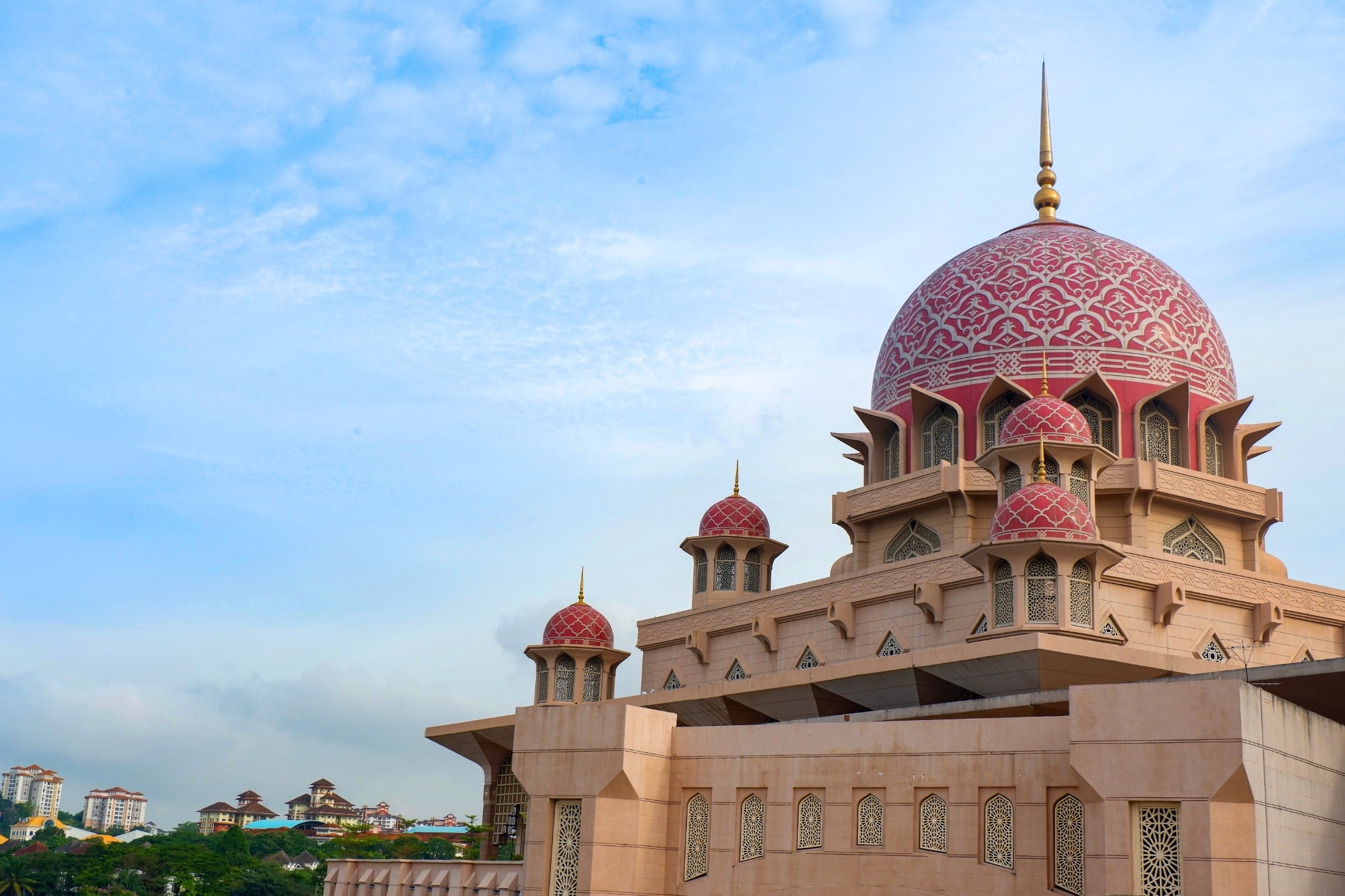
Putrajaya is the easier day trip, known for monumental government architecture, broad boulevards, landscaped lakes, and the pink-domed Putra Mosque. It can be reached by rail and local transport, although a guided tour or hired car makes the spread-out sights easier to connect.
Malacca requires more travel time but offers a stronger historical contrast: Portuguese, Dutch, British, Chinese, Malay, Indian, and Peranakan influences converge in its architecture and food. An overnight stay is more relaxed, but a long day trip is possible. Weekend traffic can be heavy, so build flexibility into the return journey.
Where to Stay in Kuala Lumpur
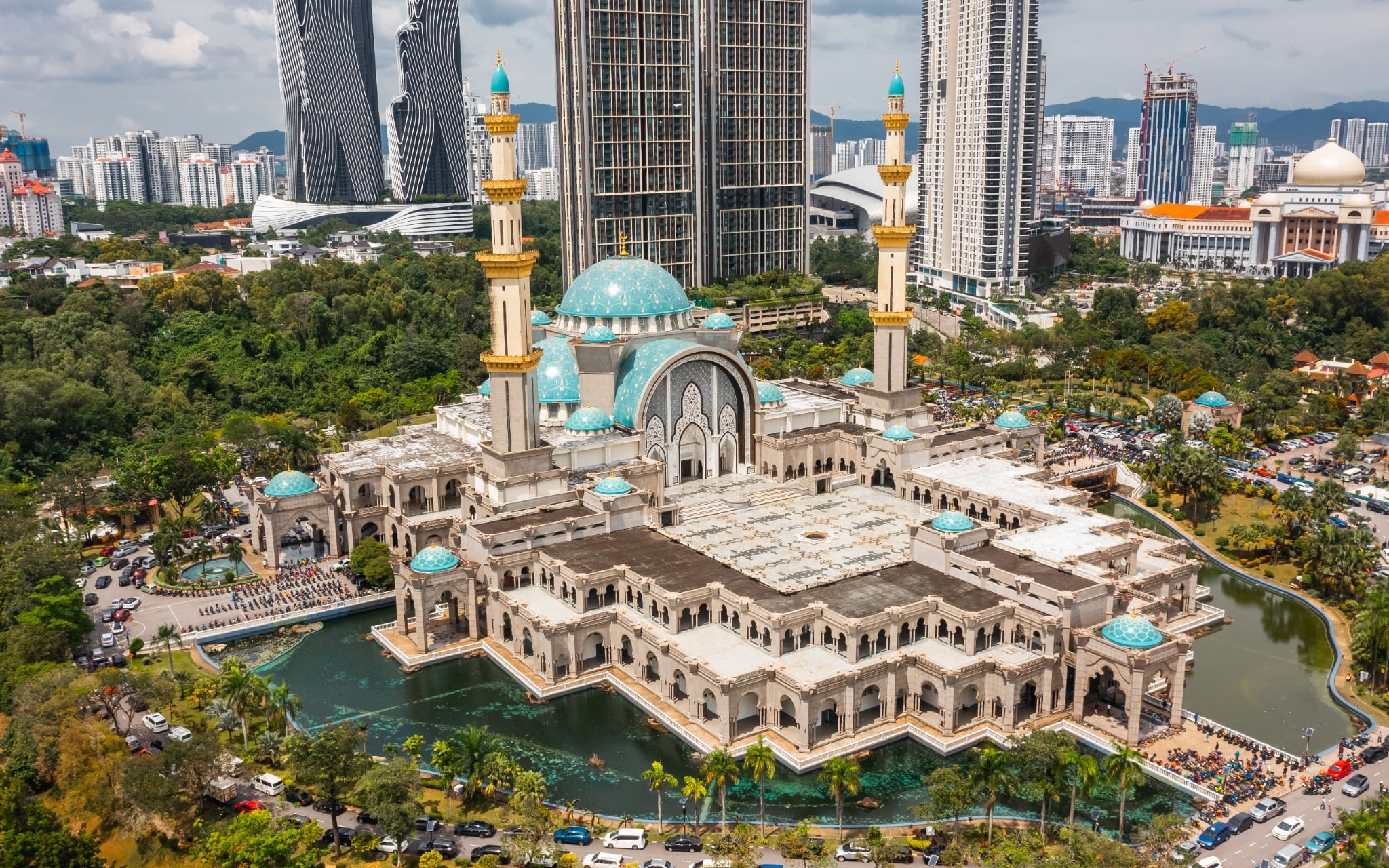
The best areas to stay in Kuala Lumpur are close on a map but can feel very different on the ground. Heat, sudden rain, multilane roads, construction, and indirect pedestrian routes mean that a hotel described as “central” is not automatically convenient for your particular itinerary. Choose a district based on what you expect to do most often, then check the walking route and nearest rail station rather than relying only on straight-line distance.
Best Area for First-Time Visitors: KLCC
KLCC is the easiest recommendation for a first visit. The Petronas Twin Towers, KLCC Park, Suria KLCC, Aquaria, the convention center, restaurants, and rail connections are concentrated in a polished, legible district. Hotels such as Mandarin Oriental, Four Seasons, W, Grand Hyatt, Traders, and Hotel Indigo place the city’s best-known landmark within walking distance.
The trade-off is atmosphere. KLCC can feel corporate and highly managed compared with Chinatown or Chow Kit, and dining inside luxury hotels and malls is often more expensive than neighborhood restaurants elsewhere. It is nevertheless the most efficient choice for a short stay, families, travelers who prioritize comfort, and anyone who wants skyline views without complicated daily transport.
Best Area for Shopping and Nightlife: Bukit Bintang
Bukit Bintang puts Pavilion, Starhill, Lot 10, Jalan Alor, Changkat, cafés, bars, spas, and late-night dining within a compact area. JW Marriott and Ritz-Carlton are ideal for polished shopping trips, KLoé adds boutique character, and Capri by Fraser is practical for guests who want more room and a kitchenette. Banyan Tree and RuMa sit on the quieter KLCC-facing edge while remaining walkable to the district.
Expect crowds, traffic, noise, and a more intense street environment. The exact block matters: one hotel may connect directly to a mall, while another requires crossing busy roads. Bukit Bintang is excellent for travelers who want energy outside the door, but less appealing to those who value quiet gardens or a residential feel.
Best Area for Culture and Boutique Hotels: Chinatown
Chinatown is the strongest choice for visitors who want temples, shophouses, independent food, markets, creative spaces, and historic streets. Park Hyatt rises above the Merdeka side of the district, while Else provides a more intimate stay inside a restored heritage building. Public transport is useful, and many central sights are walkable when the weather cooperates.
The area is visually layered rather than uniformly polished. Some streets are noisy or gritty, pavements can be inconsistent, and boutique properties have fewer facilities than the large KLCC hotels. For many travelers, those imperfections are part of the appeal. Chinatown feels connected to the city’s history and current creative life in a way that a self-contained luxury tower cannot reproduce.
Best Area for Airport Connections and Rail Travel: KL Sentral
KL Sentral is the city’s main transport hub, with airport rail services and connections to multiple urban lines. The St. Regis is the standout luxury choice nearby, while The Majestic is well placed for heritage attractions and Alila Bangsar sits one stop away with direct station access. Travelers arriving late, leaving early, or planning rail-based day trips can save meaningful time by staying in this corridor.
The station complex and surrounding roads are not Kuala Lumpur’s most romantic setting, and walking routes can be confusing until you understand the connected malls, bridges, and platforms. Choose KL Sentral for logistics, not for a classic resort atmosphere. Brickfields, however, adds excellent Indian food and a strong sense of neighborhood life just beyond the transit infrastructure.
Best Area for Restaurants and a Quieter Urban Stay: Bangsar
Bangsar is popular with residents for cafés, restaurants, bars, boutiques, and a more neighborhood-oriented rhythm. Alila Bangsar provides the easiest hotel base with direct access to Bangsar LRT station, although it sits on the edge of the broader district rather than beside every restaurant. The area suits repeat visitors, food-focused travelers, and guests who do not need to wake up beside the Petronas Towers.
Most sightseeing still requires rail or a car, and the district is spread across different pockets. It is less convenient for a first two-night visit but rewarding for longer stays, especially when the hotel itself offers a pool, good dining, and enough space to slow down.
Best Area for Local Character: Chow Kit and Kampung Baru
Chow Kit combines markets, historic streets, independent restaurants, and rapid change. The Chow Kit hotel gives design-conscious visitors a comfortable base without insulating them from the district. Hotel Stripes is another useful option on the southern edge, close to the heritage streets around Jalan Kamunting and the city center.
Nearby Kampung Baru is one of Kuala Lumpur’s most striking urban contrasts, with Malay food stalls and traditional houses set against the KLCC skyline. These areas are better for curious travelers than for visitors who want a seamless luxury bubble. Traffic, pavement quality, and street intensity vary block by block, so the hotel’s immediate surroundings deserve close attention.
Best Area for New Architecture and Business: TRX
The Tun Razak Exchange is Kuala Lumpur’s rapidly developing financial district, centered on The Exchange TRX mall, MRT interchange, offices, residences, dining, and rooftop park. Kimpton Naluria is the defining hotel opening here, while Capri by Fraser, KLoé, and several Bukit Bintang properties sit within a short ride or walk depending on the route.
TRX is convenient for business travelers and anyone who enjoys contemporary architecture, shopping, and new restaurants. It lacks the historical texture of Chinatown and the established landmark identity of KLCC, but its transport connections are strong and the district is likely to become increasingly important.
Best Area for a Romantic, Low-Key Retreat: Taman U Thant
Taman U Thant and the embassy district offer a leafy, residential alternative to the central tower zones. Villa Samadhi is the key reason leisure travelers choose the area, with lagoon-style rooms and a private-retreat atmosphere. It works well for couples who plan to spend time at the hotel and use cars for sightseeing.
There is little reason to stay here for nightlife, shopping, or spontaneous walking. The value lies in privacy and calm. Guests should factor ride times into restaurant reservations and airport transfers, particularly during rush hour.
For a more detailed comparison of transport, atmosphere, and hotel styles, read our full guide to where to stay in Kuala Lumpur.
Tips for Booking Hotels in Kuala Lumpur
Book the Neighborhood Before the Brand
Kuala Lumpur has many familiar luxury names, but location should come first. A prestigious hotel can still be inconvenient if your trip centers on a different district. For a two- or three-night first visit, KLCC or Bukit Bintang generally minimizes daily friction. Chinatown suits culture and food, while KL Sentral is hard to beat for airport and rail logistics. Check the actual pedestrian route, nearest station entrance, and whether covered walkways are available.
Expect Heat and Rain in Every Month
The city is hot and humid throughout the year, with tropical downpours possible even during relatively drier periods. July is often considered one of the more manageable months for rainfall, but it is not reliably dry. A hotel connected to a mall, station, or covered walkway can be worth more than a slightly cheaper room several exposed blocks away. Pack light clothing, sun protection, and a compact umbrella.
Reserve Earlier for Holidays, Major Events, and Peak Weekends
Hotel availability can tighten around Malaysian school holidays, major conferences, concerts, Formula 1-related regional travel, festive periods, and celebrations such as Chinese New Year or Hari Raya. The city usually has substantial room inventory, but the most desirable view categories, suites, connecting rooms, and club-level options can disappear first. Book early when a specific room configuration matters; otherwise, flexible rates allow you to compare again closer to arrival.
Compare the Final Total, Not Only the Headline Rate
Taxes and service charges can make the final bill meaningfully higher than the first number shown. At the time of writing, many non-Malaysian guests are also subject to Malaysia’s tourism tax, commonly charged at RM10 per room per night, although exemptions and collection methods can change. Check whether breakfast, taxes, service charges, and any tourism levy are included before comparing two hotels.
Breakfast Can Be Valuable, but Location Changes the Calculation
Luxury hotels in Kuala Lumpur often serve extensive breakfast buffets with Malaysian, Chinese, Indian, and Western options. These can be worthwhile for families, early departures, and travelers who prefer a substantial start. In Chinatown, Chow Kit, Bukit Bintang, or Brickfields, however, skipping hotel breakfast can become part of the experience because inexpensive local food is close at hand.
Compare the room-only and breakfast-inclusive difference rather than adding breakfast at check-in automatically. Club rooms may include breakfast, refreshments, and evening drinks, which can provide better overall value than paying separately.
Pay Attention to View Categories
“City view” does not necessarily mean Petronas Twin Towers view, and a tower-facing room can have one landmark partly obscured by another building. Hotels use different names for view categories, so inspect current room photos and descriptions carefully. At Traders, W, Grand Hyatt, Four Seasons, RuMa, Banyan Tree, EQ, and several newer hotels, the view can be a major part of the stay and may justify an upgrade for a special occasion.
Higher is not always better. Low clouds and heavy rain can reduce visibility from the tallest buildings, while some mid-level rooms provide a closer, more dramatic perspective of the towers. Ask the hotel to clarify orientation, but treat requests as preferences unless the room category explicitly guarantees the view.
Use Rail for Predictable Airport Transfers
KLIA Ekspres connects Kuala Lumpur International Airport with KL Sentral in roughly half an hour under normal operation, making it the most predictable choice when road traffic is heavy. From KL Sentral, continue by train, taxi, or ride-hailing car. Door-to-door cars can be convenient for families and groups, but journey times vary significantly by traffic and airport terminal.
For very early flights, confirm the first train, allow time to move through the airport, and consider staying near KL Sentral or the airport. Kuala Lumpur’s central hotels are not beside the airport, and an empty-road estimate should not be treated as guaranteed.
Choose Rail Access Carefully
The MRT, LRT, monorail, and commuter lines cover many useful corridors, but they are not one seamless system in the way some visitors expect. Interchanges can involve walking, escalators, ticketing differences, and navigation through malls or station complexes. A hotel beside an MRT entrance is especially helpful for Bukit Bintang, TRX, Chinatown, and Merdeka itineraries.
Ride-hailing services are widely used and often affordable, though pickup points at malls and hotels may be designated and traffic can erase the time advantage. Save the hotel’s full address and entrance name, particularly when a complex contains residences, offices, and multiple towers.
Check Room Layouts for Families
Do not assume a large square-meter figure means a room sleeps four. Bedding rules, rollaway capacity, sofa-bed availability, and maximum occupancy differ. Families should compare connecting rooms, suites, serviced apartments, and residences. Capri by Fraser is practical for kitchen facilities, St. Regis offers generous space, and Shangri-La has a long family-friendly reputation, but the correct choice depends on children’s ages and sleeping arrangements.
For private residences such as units around Star Residences, verify who manages the apartment, how check-in works, which facilities are included, and whether daily housekeeping is provided. A professionally serviced residence and a privately managed short-term rental can deliver very different experiences in the same building.
Understand the Difference Between a Luxury Tower and a Boutique Hotel
Large luxury hotels generally provide 24-hour service, multiple restaurants, spas, lounges, extensive gyms, concierge teams, and formal arrival experiences. Boutique properties such as Else, KLoé, and The Chow Kit exchange some of that infrastructure for personality, neighborhood connection, and a more intimate scale. Neither category is inherently better.
Travelers who plan to spend afternoons at the pool may regret booking a small design hotel with limited leisure space. Those who expect to be out exploring may find a vast lobby and multiple restaurants unnecessary. Match the property to how you will actually use it.
Keep Cancellation Flexible When Practical
Flexible rates can be valuable when flights, weather, or regional travel plans remain unsettled. Compare the cancellation deadline in the hotel’s local time, not only the rate difference. Promotional offers may require immediate payment or become nonrefundable well before arrival. Screenshots and confirmation emails are useful when inclusions such as breakfast, lounge access, transfers, or credits are part of the booking.
Look Beyond the Top 25 for Specific Needs
A ranking cannot include every good fit. Crowne Plaza Kuala Lumpur City Centre is worth comparing for a modern stay near KLCC, Meliá Kuala Lumpur remains convenient for Berjaya Times Square and the monorail, and Ascott Star KLCC suits travelers seeking a professionally serviced apartment near the Petronas Towers. These may outrank an editorial favorite for a traveler with a particular budget, loyalty program, meeting location, or room requirement.
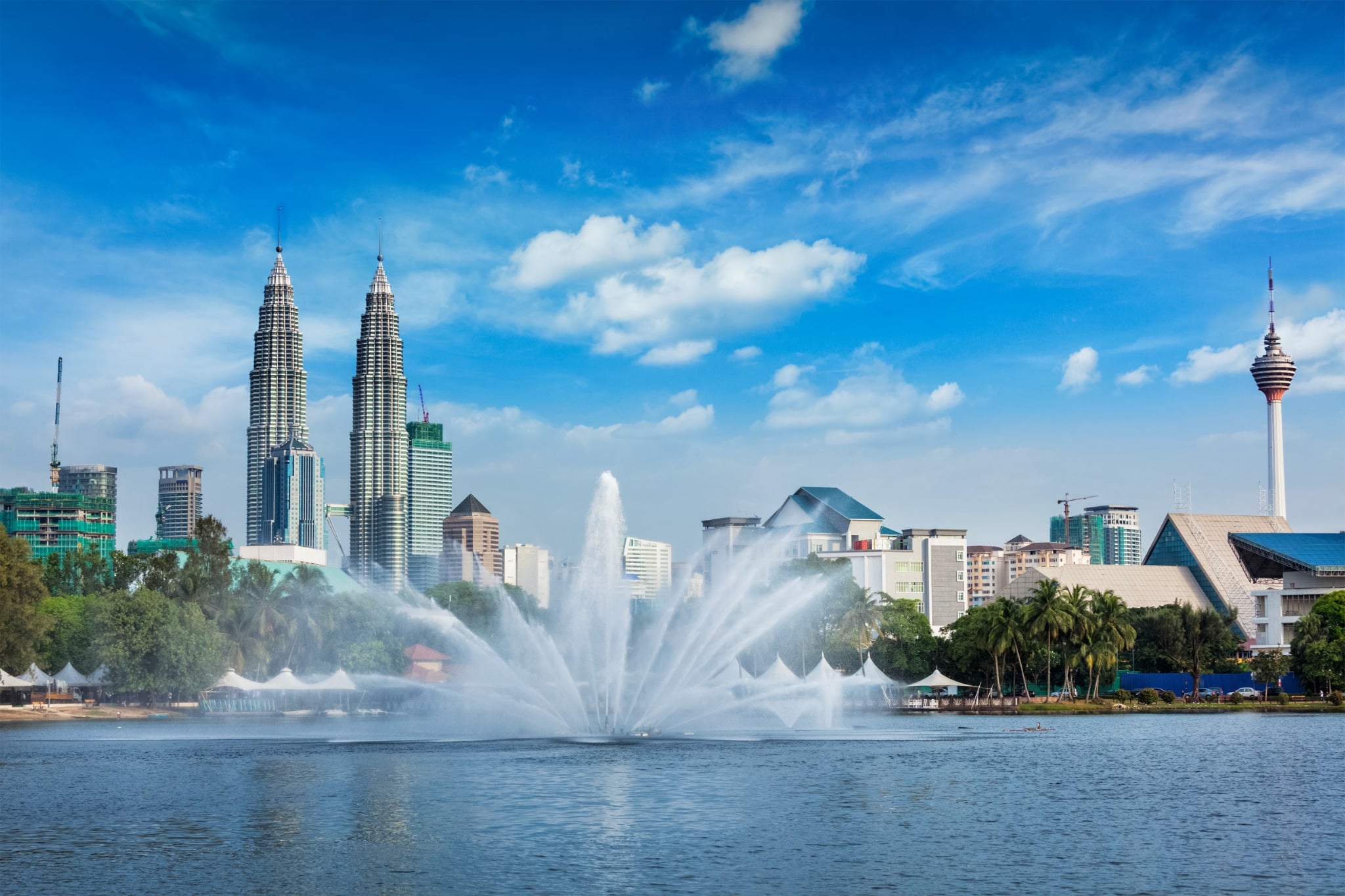
Frequently Asked Questions About the Top 25 Hotels in Kuala Lumpur
What are the best hotels in Kuala Lumpur?
Park Hyatt Kuala Lumpur, The RuMa Hotel and Residences, Mandarin Oriental, Four Seasons, and EQ form the strongest all-round luxury group in this ranking. The best choice depends on whether you prioritize height and novelty, Malaysian character, direct KLCC access, polished modern service, or skyline dining.
What is the best area to stay in Kuala Lumpur for first-time visitors?
KLCC is usually the easiest area for a first visit because the Petronas Twin Towers, KLCC Park, Suria KLCC, Aquaria, restaurants, and rail access are close together. Bukit Bintang is better for travelers who place shopping, street food, and nightlife above park views and landmark proximity.
What are the best luxury hotels in Kuala Lumpur?
Park Hyatt, Mandarin Oriental, Four Seasons, The RuMa, EQ, St. Regis, Banyan Tree, Ritz-Carlton, and W are among the leading luxury hotels in Kuala Lumpur. Their personalities differ sharply: St. Regis is formal and residential, W is social and energetic, RuMa is locally rooted, and Banyan Tree emphasizes intimate high-rise views.
What are the best boutique hotels in Kuala Lumpur?
Else Kuala Lumpur is the most compelling heritage-led boutique choice in Chinatown. KLoé Hotel is ideal for creative travelers near Bukit Bintang, The Chow Kit brings strong design and food to a more local district, and Villa Samadhi offers a secluded, romantic retreat rather than a city-center boutique experience.
Which Kuala Lumpur hotels are best for families?
Shangri-La is a dependable family-friendly luxury option, while Mandarin Oriental and Four Seasons offer convenient KLCC locations close to the park and family attractions. Capri by Fraser works well for longer stays because of its apartment-style layouts and kitchen facilities. Confirm bedding, connecting rooms, and occupancy rules before booking.
Where should couples stay in Kuala Lumpur?
Villa Samadhi is the most retreat-like choice for couples, with a quiet embassy-district setting and lagoon-inspired design. Banyan Tree and RuMa work well for skyline romance, Else suits couples who prefer heritage and neighborhood dining, and Park Hyatt is the strongest statement hotel for a major celebration.
Is it better to stay near the Petronas Twin Towers or Bukit Bintang?
Stay near the Petronas Twin Towers for landmark views, KLCC Park, a polished atmosphere, and easy family sightseeing. Choose Bukit Bintang for shopping, Jalan Alor, bars, late-night food, and more street energy. The two areas are linked by rail and a covered pedestrian route, so hotels on the Kia Peng side can offer a useful compromise.
Are Kuala Lumpur hotels expensive?
Kuala Lumpur is often competitively priced compared with other major Asian capitals, particularly at the upper end, but rates vary widely by date, demand, room view, and event calendar. Boutique and four-star hotels can provide strong value, while the newest skyline properties and top suites command premium rates. Always compare the total with taxes and inclusions.
How far in advance should I book a Kuala Lumpur hotel?
For ordinary dates, travelers often have a broad selection, but book several months ahead when you need a specific suite, connecting rooms, a guaranteed tower view, or a stay during a major holiday or event. Flexible bookings can be monitored and repriced if better options appear.
What is the best time of year to visit Kuala Lumpur?
Kuala Lumpur is warm, humid, and prone to rain year-round. July can be comparatively drier than some monsoon-influenced periods, yet showers remain possible. The best time is often determined by regional itinerary, festivals, airfare, and tolerance for heat rather than a single reliably dry season.
Which hotels have the best Petronas Twin Towers views?
Traders is famous for its direct park-and-towers perspective. W, Grand Hyatt, Four Seasons, RuMa, Banyan Tree, and some rooms at EQ also provide impressive views, but only selected categories face the landmark. Read the room name carefully and contact the hotel when the view is central to the trip.
What is the easiest way to travel from Kuala Lumpur International Airport to the city?
KLIA Ekspres to KL Sentral is generally the most predictable option when traffic is heavy. A taxi or ride-hailing car provides door-to-door convenience, especially for groups or guests with substantial luggage, but travel time can vary. From KL Sentral, continue by rail or car to your hotel district.
Final Thoughts: Choosing the Right Kuala Lumpur Hotel
Kuala Lumpur’s finest hotels mirror the city itself: ambitious, layered, culturally mixed, and constantly changing. Park Hyatt now supplies a once-in-a-generation high-rise address above the Merdeka precinct. RuMa proves that a contemporary luxury hotel can feel unmistakably Malaysian. Mandarin Oriental and Four Seasons make KLCC effortless, while EQ, Banyan Tree, W, Grand Hyatt, and Traders turn the skyline into part of the interior design.
The city’s smaller hotels tell another story. Else gives new life to a Chinatown landmark, KLoé celebrates creative work, The Chow Kit responds to its neighborhood rather than hiding from it, and Villa Samadhi creates a private escape within the capital. Heritage travelers have The Majestic; airport-focused luxury travelers have St. Regis; families can look to Shangri-La; and longer stays become easier at Capri by Fraser.
The right choice ultimately depends on four questions: Which district will reduce your daily travel? How much time will you spend inside the hotel? Which amenities will you genuinely use? And is your priority atmosphere, service, space, views, nightlife, food, or value? Answer those honestly and the ranking becomes much easier to navigate.
Before booking, compare room categories as carefully as hotel names. A guaranteed tower view, club access, connecting layout, kitchenette, or flexible cancellation policy may matter more than moving a few places higher on a list. Kuala Lumpur rewards smart selection because its hotel market is deep enough to offer genuinely different experiences at nearly every level.
Click here to compare Kuala Lumpur hotels, room options, and current rates for your dates
Affiliate Disclosure: This article may contain affiliate links. We may earn a commission if you click through or make a booking, at no extra cost to you. Our recommendations are based on current research into location, guest sentiment, design, service, amenities, value, and the needs of different travelers.