Top 25 Hotels in Mecca: The Best Stays Near Masjid al-Haram for July 2026
Mecca is not a conventional city break. For Muslims arriving for Umrah, Hajj, prayer, reflection, or a family pilgrimage, the city is organized around one spiritual center: Masjid al-Haram and the Kaaba. The rhythm of a stay is shaped by the call to prayer, the movement of worshippers through marble courtyards, the quiet concentration of early mornings, and the remarkable change in scale that occurs after sunset, when towers glow above the Grand Mosque and families move between prayer, dinner, shopping, and rest. That makes hotel choice unusually important.
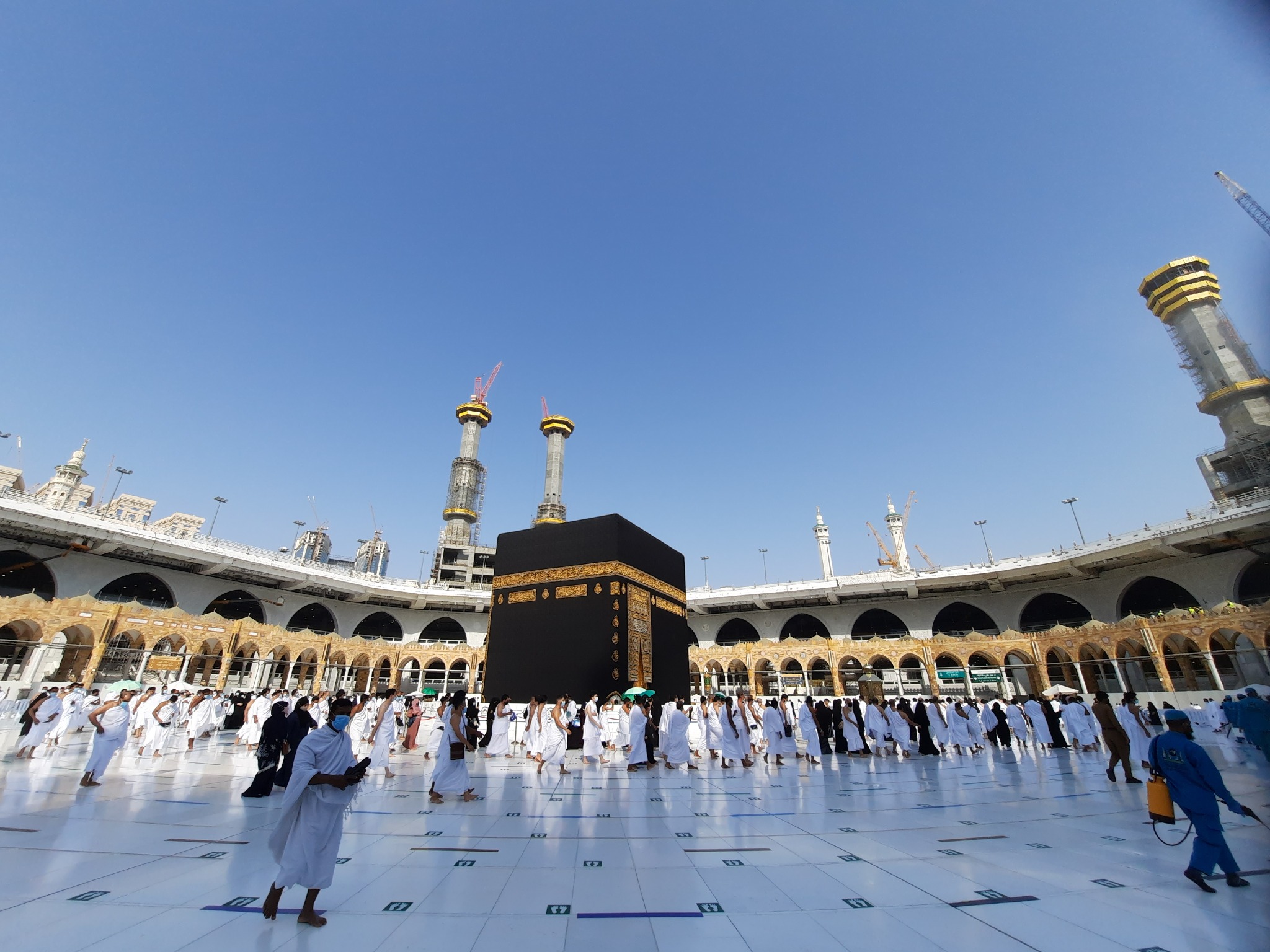
In many destinations, a hotel a kilometer farther away may mean a short taxi ride. In Mecca, that same distance can affect whether an older parent can comfortably return to the room between prayers, whether children need a shuttle at busy times, and whether a traveler can avoid steep roads, crowded transfer points, or multiple elevator banks. A property described as “near the Haram” may sit directly opposite a gate, inside the Abraj Al Bait complex, on the rising streets of Jabal Omar, behind the Ajyad corridor, or several kilometers away with a scheduled bus. Those are very different experiences.The central hotel districts are visually dramatic.
Abraj Al Bait, crowned by the Makkah Royal Clock Tower, concentrates several large international hotels above a mall and food courts opposite the southern side of the Grand Mosque. Jabal Omar, west and northwest of the Haram, has become the city’s other major luxury cluster, with modern towers from Address, Conrad, Hilton, Hyatt, Jumeirah, Marriott, and DoubleTree. Ajyad offers older, often very practical hotels on the route toward King Abdulaziz Gate, while Jabal Al Kaaba and the newer Thakher developments provide alternatives that may trade immediate walkability for newer rooms, quieter surroundings, or better value.July brings intense heat, so small logistical details matter. A route that looks manageable on a map may feel very different at midday. Air-conditioned internal connections, shaded approaches, reliable shuttles, direct mall access, prayer rooms, elevators sized for peak movement, and the ability to eat without crossing busy roads can be more valuable than decorative extras.
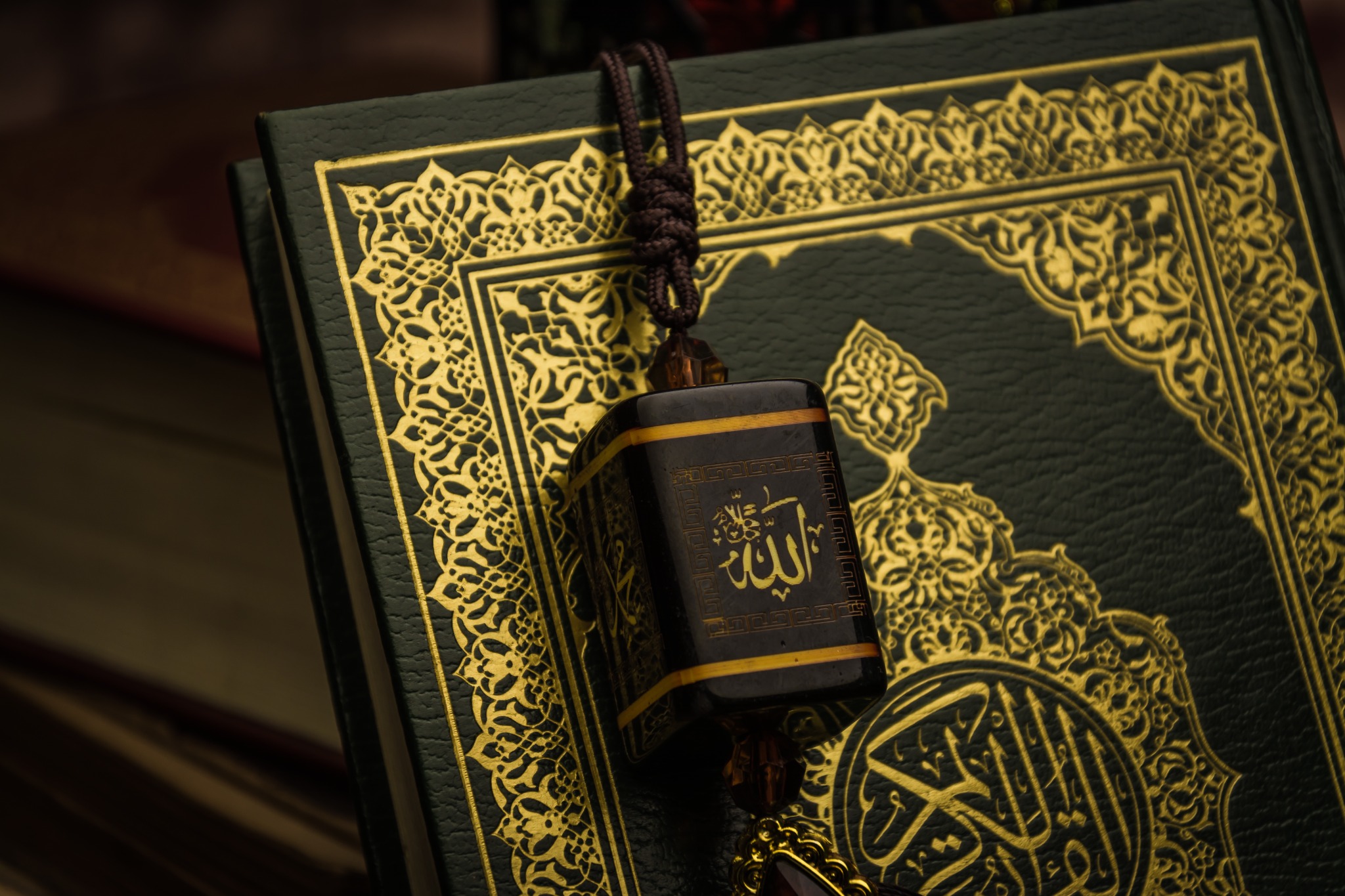
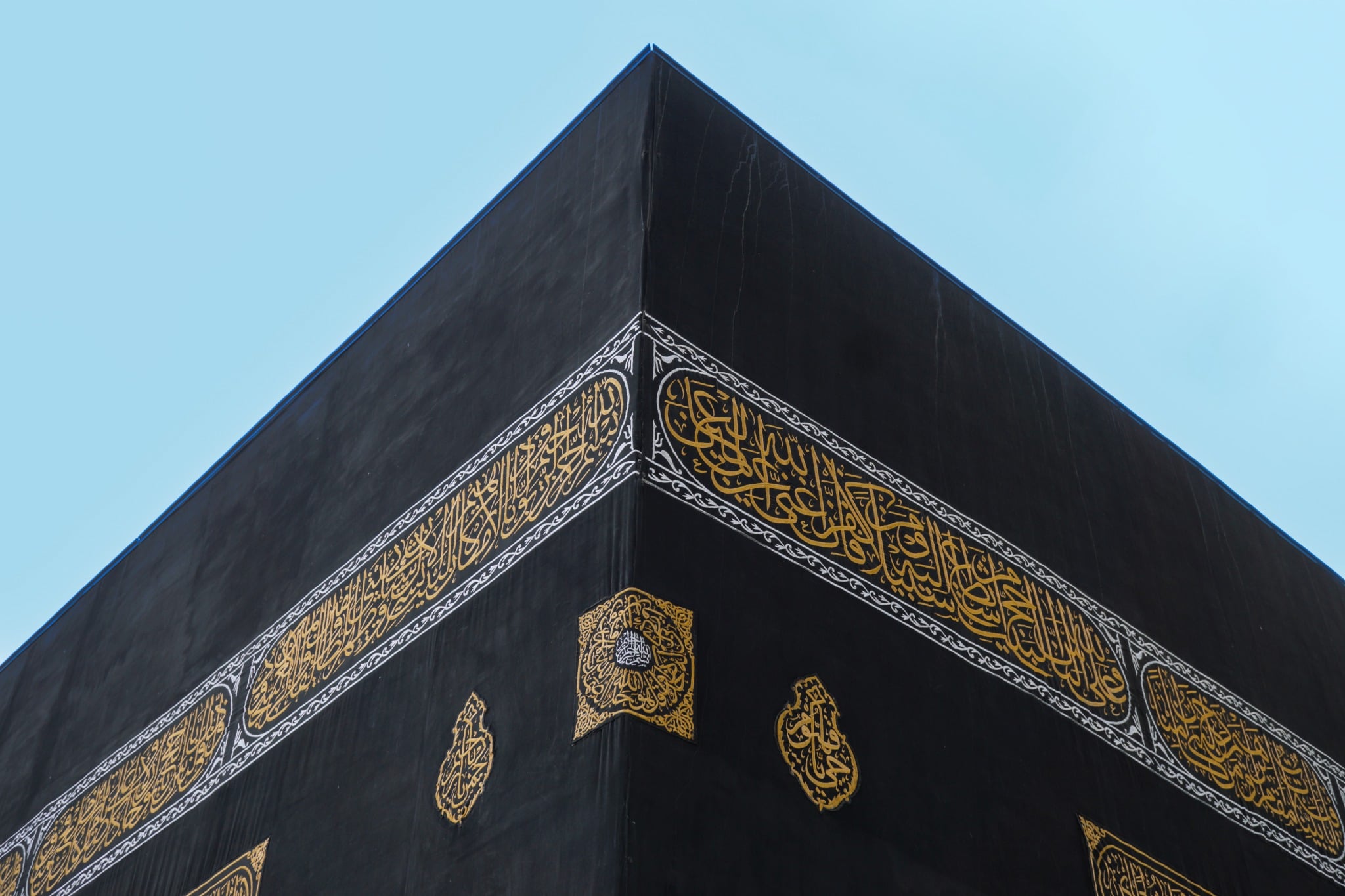
Travelers should also distinguish between a Haram view, which may show part of the mosque complex, and a Kaaba view, which is a specific premium room category and should never be assumed from a general “view” label.Mecca’s hotel scene is broad rather than boutique-heavy. The strongest properties are generally large full-service hotels designed for high guest volumes, multigenerational families, international groups, and pilgrims who need flexible dining hours.
Luxury here is often expressed through space, privacy, dedicated prayer facilities, butler service, direct access, and uninterrupted sacred views rather than nightlife or resort-style recreation. Evening life is centered on family dining, coffee, shopping arcades, hotel lounges, and the constant movement around the Haram rather than bars or entertainment districts.
This ranking of the Top 25 hotels in Mecca, updated for July 2026, compares current branding, official hotel information, location, recent guest-review patterns, design, service reputation, room categories, dining, practical access, and value within each hotel’s market position. It is designed to help first-time visitors, families, couples, older pilgrims, groups, and travelers choosing between a premium Kaaba-view stay and a more affordable hotel with dependable transport.
Important: Mecca is reserved for Muslims, and pilgrimage entry, visa, permit, accommodation, and transport requirements can change around Hajj and Umrah seasons. Confirm current rules through official Saudi channels and the Nusuk platform before making non-refundable arrangements.
Quick Picks: Best Hotels in Mecca
- Best overall hotel: Raffles Makkah Palace
- Best new-generation luxury hotel: Address Jabal Omar Makkah
- Best for contemporary design: Jumeirah Jabal Omar Makkah
- Best for spacious modern rooms near King Fahd Gate: Conrad Jabal Omar Makkah
- Best iconic hotel: Makkah Clock Royal Tower, A Fairmont Hotel
- Best for immediate King Fahd Gate access: InterContinental Dar Al Tawhid Makkah
- Best for families wanting suites: Hilton Suites Jabal Omar Makkah
- Best practical luxury choice: Jabal Omar Hyatt Regency Makkah
- Best in Abraj Al Bait for a wide range of room types: Swissotel Al Maqam Makkah
- Best value with a 24-hour shuttle: voco Makkah
- Best for a quieter, newer district: Park Inn by Radisson Makkah Thakher Alsharqi
How We Chose the Top 25 Hotels in Mecca
Ranking hotels in Mecca requires a different lens from ranking city hotels elsewhere. The first consideration is not a rooftop pool, cocktail bar, or fashionable neighborhood. It is how the property supports the purpose and physical reality of a pilgrimage. We compared the actual relationship between each hotel and Masjid al-Haram: the nearest practical gate, the walking gradient, indoor or outdoor connections, shuttle dependence, drop-off points, and the likely effect of crowds around prayer times.
We then studied repeated guest-review themes rather than relying on a single numerical score. Cleanliness, elevator waiting, breakfast organization, room maintenance, housekeeping responsiveness, accessibility for older guests, and the reliability of transport recur far more often than glamorous marketing language. We also considered whether the hotel offers family and multi-bed configurations, connecting rooms, suites, prayer spaces, Haram or Kaaba-view categories, and dining that works for guests arriving at irregular hours.
Brand reputation and professional recognition helped separate closely matched luxury properties, but a prestigious name did not automatically outrank a more convenient hotel. We gave weight to current relevance in July 2026, including newer openings such as Address Jabal Omar Makkah and Jumeirah Jabal Omar Makkah, established icons in the Clock Towers complex, and newer value-focused properties in districts such as Thakher City and Al Naseem. We did not include a hotel simply because it is large or famous; it needed a clear reason to be recommended.
Finally, we judged value relative to category. A shuttle hotel cannot offer the same walkability as a tower opposite the Haram, but it may provide larger, newer rooms at a considerably lower rate. Likewise, an all-suite palace hotel is not “better value” for every traveler, even if its service and setting are exceptional. The ranking therefore balances absolute quality with suitability, honesty, and practical usefulness.
Top 25 Hotels in Mecca
1. Raffles Makkah Palace
Raffles Makkah Palace takes the top position because it combines the three qualities most difficult to find together in Mecca: genuinely residential space, unusually personalized service, and immediate access to the Haram precinct. Set within the Clock Towers complex, the hotel is an all-suite property rather than a conventional tower of standard rooms. Its 219 suites have separate living areas, refined contemporary-Arabian detailing, and room categories with views toward Masjid al-Haram and the Kaaba. For families who want to remain together without feeling compressed into a standard hotel room, the extra space changes the character of the stay.
The service model is another distinguishing feature. Raffles is known here for 24-hour butler service, which is not simply ornamental in a pilgrimage setting. Assistance with meals, room organization, luggage, family needs, and timing can be valuable when guests are managing prayer schedules, elderly relatives, or children. Dedicated elevators within the complex help reduce some of the friction associated with moving through one of Mecca’s busiest buildings, although no hotel in Abraj Al Bait is completely immune to crowding at peak prayer periods.
Dining is quieter and more polished than the high-volume buffet experience common in many nearby hotels. Al Majlis focuses on Mediterranean flavors, while other venues and lounges provide a more composed setting for meals, tea, and light refreshments. The hotel also has a spa and separate fitness facilities, useful for guests staying several nights and seeking restorative time between prayers. The atmosphere is hushed, formal, and private; this is not the place for travelers who want a casual, bustling lobby.
Its location is the decisive advantage. Guests can move through the Clock Towers complex toward the Haram without the exposed walk faced by more distant hotels. Still, room category matters greatly. A city-view suite does not provide the same emotional experience as a confirmed Kaaba-view suite, and the premium can be substantial.
Why stay here: Choose Raffles for an all-suite layout, highly personalized service, private-feeling public spaces, and one of the strongest luxury experiences within immediate reach of Masjid al-Haram.
Best for: Couples, multigenerational families, special pilgrimage journeys, privacy-focused travelers, and guests prioritizing suite space and service.
Location: Inside the King Abdulaziz Endowment and Clock Towers complex, opposite the southern side of Masjid al-Haram.
What stands out: Spacious suites, 24-hour butler service, dedicated elevators, prayer facilities, refined dining, and premium Kaaba-view categories.
Potential drawback: Rates are among the highest in Mecca, the atmosphere may feel too formal for some families, and access through the enormous complex can still be busy at prayer times.
Click here to view suites, availability, and current rates
2. Address Jabal Omar Makkah
Address Jabal Omar Makkah represents the new generation of Mecca luxury: very large in scale, visually contemporary, and designed around the realities of modern pilgrimage. The twin-tower property has become one of the defining landmarks of the Jabal Omar district. Interiors are polished without feeling excessively ornate, and the room inventory ranges from guestrooms to larger suites suitable for families and extended stays.
The hotel’s signature feature is the Sky Mussallah, a prayer space suspended within the skybridge high above the city. Recognized for its extraordinary elevation, it offers panoramic views toward Masjid al-Haram and the Kaaba. The significance is not merely architectural. During periods when the Haram is exceptionally crowded, an elevated prayer space with a direct visual relationship to the sacred precinct can add meaning and practical flexibility to the stay.
Address is not directly on the Haram plaza, and that distinction should be understood before booking. The hotel provides shuttle transport, and some guests also walk, but actual travel time varies with route, crowd controls, mobility, and the tower entrance used. In July heat, the shuttle can be preferable even when the map distance appears manageable. The trade-off is a more spacious, self-contained resort-like hotel environment than some older properties immediately beside the mosque.
Dining is spread between the two towers, with restaurants, lounges, and club facilities. The hotel gives particular attention to Saudi and Hejazi flavors alongside international options, which makes it more distinctive than a generic international buffet hotel. A spa, fitness facilities, retail, food-court access, business spaces, and large prayer areas create a complete complex for guests who do not want to leave the property except for worship.
Why stay here: It offers one of Mecca’s most impressive new luxury experiences, with modern rooms, extensive facilities, and a prayer space unlike any other hotel in the city.
Best for: Design-conscious travelers, luxury-seeking families, guests who appreciate newer rooms, and visitors comfortable using a shuttle or a longer walk.
Location: Jabal Omar, west of Masjid al-Haram, within the expanding premium hotel district.
What stands out: The Sky Mussallah, panoramic Haram views, large-scale contemporary design, multiple dining venues, spa facilities, and extensive retail access.
Potential drawback: It is not as immediately walkable as the hotels directly opposite King Fahd Gate or inside Abraj Al Bait, so guests with limited mobility should examine the transport plan carefully.
Click here to explore room types and the latest offers
3. Jumeirah Jabal Omar Makkah
Jumeirah Jabal Omar Makkah is one of the city’s most important recent openings and a persuasive choice for travelers who find some of Mecca’s older grand hotels too traditional. Spread across four towers, the property combines guestrooms, suites, and residences with a fresh design language: calm stone tones, geometric Islamic references, generous windows, and public areas that feel bright rather than heavy.
Scale is central to the concept. With more than a thousand rooms, suites, and residences, Jumeirah can serve couples, large families, and groups without forcing everyone into the same category. The residences are particularly relevant for longer stays or families who value living space. Selected accommodations look toward Masjid al-Haram, but as always in Mecca, “Haram view” and “Kaaba view” must be confirmed precisely at booking.
The hotel’s dining program is broader than many competitors. Restaurants cover Middle Eastern, Mediterranean, Asian, and South Asian flavors, reflecting the international mix of pilgrims arriving in the city. This matters over a week-long stay: variety can prevent the repetitiveness that sometimes affects very large buffet hotels. Dedicated prayer spaces and multilingual service further align the property with pilgrimage needs.
Its Jabal Omar position is close to the Grand Mosque, but the exact walk depends on tower, exit, crowd routing, and the gate you intend to use. The hotel is newer than most Abraj Al Bait properties and usually feels less visually congested inside, though public areas become busy during peak periods. For travelers comparing Jumeirah with Address, Jumeirah leans toward a broader resort-residence format, while Address feels more vertical and signature-driven.
Why stay here: Jumeirah combines new construction, a wide range of room and residence types, contemporary design, and one of the strongest dining selections in central Mecca.
Best for: Families, longer stays, design-focused travelers, luxury guests, and visitors who value dining choice.
Location: Jabal Omar, in the premium development west of Masjid al-Haram.
What stands out: Four-tower scale, modern residences, varied international restaurants, large windows, and a serene contemporary aesthetic.
Potential drawback: The property is enormous, so room-to-lobby and lobby-to-Haram travel can take longer than the headline distance suggests.
Click here to compare rooms, residences, and availability
4. Conrad Jabal Omar Makkah
Conrad Jabal Omar Makkah is one of the most balanced luxury hotels in the city. It feels upscale without being ceremonially formal, the rooms are notably spacious, and the position across from the King Fahd Gate side of the Haram is highly practical. For many travelers, this is the sweet spot between the exclusivity of Raffles and the intense scale of the Clock Towers hotels.
The architecture blends contemporary lines with Islamic geometric references. Guestrooms include separate dressing areas, an underrated feature when two or more people are preparing for prayer at the same time. Some rooms and suites face the Haram or Kaaba, while executive categories add lounge access. Families should compare bed configurations carefully; the hotel’s generous floor plans do not always mean a room is licensed for the number of adults a group hopes to accommodate.
Conrad has four dining options serving Arabic and international food. Prime, positioned with views toward the Haram, is the most distinctive venue, while larger buffet spaces handle breakfast and peak-period demand. The fitness center and meeting spaces are well executed, but the hotel’s real luxury is operational: wide corridors, strong room comfort, a polished concierge team, and a location that lets many guests return between prayers.
Access is generally straightforward through the Jabal Omar area, though pedestrian flow changes at crowded times. A “five-minute walk” should be treated as a best-case estimate for an able-bodied adult, not a guarantee for an elderly guest after Friday prayer. Even so, Conrad remains one of the strongest choices for travelers who want to walk rather than rely on a shuttle.
Why stay here: Conrad delivers spacious rooms, sophisticated but relaxed service, and highly convenient access to the King Fahd Gate side of Masjid al-Haram.
Best for: Couples, families, business travelers adding a pilgrimage stay, and guests who want luxury without an overly formal atmosphere.
Location: Jabal Omar, opposite the King Fahd Gate approach to the Haram.
What stands out: Large guestrooms, separate dressing areas, Haram-facing dining, executive rooms, and a refined contemporary-Islamic design.
Potential drawback: Premium view rooms can be expensive, and the popular breakfast venues may feel crowded during Ramadan and other high-demand periods.
Click here to see current room categories and rates
5. Makkah Clock Royal Tower, A Fairmont Hotel
No hotel defines Mecca’s modern skyline more dramatically than Makkah Clock Royal Tower, A Fairmont Hotel. Rising above the Abraj Al Bait complex, it is visible from miles away and sits directly opposite Masjid al-Haram. Staying here means inhabiting the city’s most recognizable landmark, with the practical advantage of indoor access through the mall and lower levels toward the mosque.
The hotel contains more than 1,600 rooms and suites across a vast vertical structure. Categories range from city-facing rooms to Haram and Kaaba views, and the difference between them is profound. A direct Kaaba-view room can turn the room itself into a place of reflection, while a city-view room primarily buys the location and Fairmont service. Guests should confirm not only the wording of the view but also whether the window angle is full, partial, or obstructed.
Fairmont Gold creates a more private “hotel within a hotel,” with separate reception, lounge privileges, dedicated services, and premium prayer facilities. It is worth considering for travelers worried about the scale of the main property. Dining is extensive, including a high-level restaurant with panoramic views over the Haram and the signature Kaaba Table. The breadth of restaurants, cafés, and food options within the wider complex is unmatched.
The tower’s greatest strength is also its weakness. It is enormous. Elevators, security points, mall levels, and crowds can turn a theoretically short route into a longer journey at busy times. Travelers who dislike mega-hotels may find the scale overwhelming. Those who embrace it gain convenience, shopping, dining, iconic views, and an extraordinary sense of place.
Why stay here: Book Fairmont for the iconic address, direct Clock Towers access, a huge choice of room categories, and some of Mecca’s most dramatic Kaaba views.
Best for: First-time visitors, view-seekers, families wanting extensive on-site services, and travelers who value an iconic landmark hotel.
Location: Abraj Al Bait, directly opposite Masjid al-Haram near King Abdulaziz Gate.
What stands out: The clock tower setting, Fairmont Gold, panoramic dining, dedicated prayer spaces, and premium Kaaba-view rooms.
Potential drawback: The scale can be exhausting, elevator queues may increase at prayer times, and the best views command a large premium.
Click here to check Kaaba-view rooms and current availability
6. InterContinental Dar Al Tawhid Makkah
InterContinental Dar Al Tawhid Makkah is a classic choice for pilgrims who place proximity above novelty. The hotel faces the King Fahd Gate side of Masjid al-Haram, and for many guests its near-immediate relationship with the plaza is more valuable than the newer design of hotels farther into Jabal Omar.
Rooms and suites favor traditional luxury: patterned carpets, polished wood, warm lighting, and Islamic-inspired detailing. Many categories overlook the Holy Mosque, and the hotel has a large prayer area with direct views. Families can choose larger suites and multi-bedroom arrangements, making the property particularly appealing to older parents traveling with adult children.
Al Rehab and Al Tayebat restaurants provide international, Arabic, Saudi, and themed buffet options, often in dining rooms facing the Haram. ZamZam Café is useful for lighter meals and drinks. The service style is established and formal, supported by a team accustomed to high-profile guests and complex family arrangements.
The trade-off is age. Some travelers find the rooms and technology less current than those at Address, Jumeirah, or newer Jabal Omar properties. Maintenance standards remain central to the hotel’s appeal, but guests expecting minimalist contemporary interiors may prefer another option. For access, however, few hotels are more convincing.
Why stay here: It is one of the most dependable choices for exceptionally close access to King Fahd Gate and a traditional five-star atmosphere.
Best for: Older pilgrims, multigenerational families, traditional luxury travelers, and guests prioritizing the shortest practical route to the Haram.
Location: Directly facing the King Fahd Gate approach to Masjid al-Haram.
What stands out: Immediate location, large prayer facilities, Haram-facing rooms, family suites, and established service.
Potential drawback: Some rooms may feel dated compared with the newest luxury hotels, and rates remain high because of the location.
Click here to review rooms, suites, and updated prices
7. Hilton Suites Jabal Omar Makkah
Hilton Suites Jabal Omar Makkah is one of the strongest family hotels near the Haram because it combines suite-style space with a location opposite the King Fahd and King Abdullah gate approaches. The hotel is connected to shopping and dining in Jabal Omar, allowing families to buy essentials or eat without arranging transport.
Rooms and suites are contemporary, practical, and often larger than those in the Clock Towers complex. Selected categories have Haram views, while the hotel prayer hall also looks toward the Grand Mosque. The five dining venues include Alqandeel, with buffet and live-cooking stations, and Alorchid for pan-Asian dishes, plus cafés for lighter food throughout the day.
Families should look closely at the difference between a “suite” and a standard room with extra seating. True suites provide more privacy when children need to sleep early or when family members have different prayer schedules. The hotel’s connection to Jabal Omar retail is especially useful during July, when avoiding unnecessary outdoor walking is a practical benefit.
As with all large central hotels, movement around prayer times can be busy. The building is efficient but not intimate, and breakfast may feel high-volume. Still, the combination of location, flexible room types, and familiar Hilton standards makes it an easy recommendation.
Why stay here: It offers family-friendly rooms and suites, a prayer hall with Haram views, and one of the most useful central locations outside Abraj Al Bait.
Best for: Families, extended stays, Hilton loyalists, and travelers wanting shopping and dining under the same roof.
Location: Jabal Omar, across from the King Fahd and King Abdullah gate side of the Haram.
What stands out: Suite inventory, connected retail, five food-and-beverage venues, and a Haram-facing prayer hall.
Potential drawback: It is a busy, high-capacity hotel, and the most desirable suites and views can sell quickly during peak periods.
Click here to compare suites and family room options
8. Jabal Omar Hyatt Regency Makkah
Jabal Omar Hyatt Regency Makkah is a practical luxury hotel with an exceptionally useful position on the front line of the Jabal Omar development. It does not have the palace-like character of Raffles or the skyline drama of Address, but it performs the core functions of a pilgrimage hotel very well: comfortable rooms, strong food, fast access, and a service team experienced with international guests.
The rooms are modern and understated, with warm neutral colors and functional work and storage areas. Higher categories add Haram views and Regency Club privileges. The 24-hour fitness center is better equipped than the token gyms found in many pilgrimage hotels, with separate facilities supporting guest privacy.
Dining includes international buffets, local flavors, lounges, and 24-hour in-room dining. That last feature is genuinely useful in Mecca, where guests may return hungry at times that do not fit a normal city-hotel schedule. The immediate surroundings also include Jabal Omar shops, cafés, and practical services.
The hotel works particularly well for first-time visitors who want a recognizable international brand and a walkable location without navigating the full complexity of the Clock Towers complex. It is still large and businesslike, and guests seeking an intimate spiritual retreat may find it impersonal.
Why stay here: Hyatt Regency combines a front-line Jabal Omar location with reliable operations, good dining, and a well-rounded luxury standard.
Best for: First-time visitors, business travelers, couples, families, and guests loyal to Hyatt.
Location: Jabal Omar, directly facing the King Fahd Gate side of Masjid al-Haram.
What stands out: Walkability, 24-hour dining, a strong fitness center, club rooms, and consistent international-brand service.
Potential drawback: The atmosphere is efficient rather than intimate, and public spaces can become very busy around check-in and prayer times.
Click here to check rooms, club access, and latest rates
9. Swissotel Al Maqam Makkah
Swissotel Al Maqam Makkah is one of the most popular hotels in Mecca for a reason: it places a huge range of room types inside the Abraj Al Bait complex, gives guests direct access to the mall, and offers many Haram and Kaaba-view categories. With more than 1,600 rooms and suites, it is a dependable option for families, groups, and travelers who need triple or quadruple configurations.
The design is lighter and more contemporary than some neighboring Clock Towers hotels. Rooms use neutral colors and clean lines, and many have broad windows over the mosque or city. The hotel has a main restaurant and tea lounge, while hundreds of additional dining choices are available within the complex.
Guest feedback commonly praises location, cleanliness, and views, while also noting the pressure placed on elevators and breakfast areas at busy times. That is the essential trade-off: Swissotel Al Maqam is highly convenient, but it is not quiet. Travelers should allow extra time before prayer and avoid assuming that a room on a high floor automatically has a Kaaba view.
For families comparing the two Swissotel properties, Al Maqam is often selected for its direct mall relationship and broad inventory, while Swissotel Makkah has its own Ajyad Street access and a slightly different flow to the Haram.
Why stay here: It combines Clock Towers convenience, a wide range of family room types, and a strong selection of sacred-view categories.
Best for: Families, groups, first-time visitors, and travelers who prioritize views and on-site shopping.
Location: Inside Abraj Al Bait, opposite Masjid al-Haram.
What stands out: More than 1,600 rooms, direct mall access, family configurations, and numerous Haram and Kaaba-view categories.
Potential drawback: Elevator and restaurant congestion can occur, and the mega-hotel atmosphere is not suitable for travelers seeking calm or intimacy.
Click here to see available view rooms and family options
10. Swissotel Makkah
Swissotel Makkah shares the Clock Towers advantages of direct proximity, extensive food choices, and multiple view categories, but it has one practical distinction: it is the only hotel in the Abraj Al Bait complex with a direct entrance from Ajyad Street. For some itineraries and gate preferences, that alternate access can simplify movement.
Rooms are generally spacious by central Mecca standards, and categories include king, twin, triple, and quadruple layouts. Selected rooms face the Haram or Kaaba. The hotel has two restaurants, meeting space, and a business center, though most leisure guests will spend more time using the wider complex than the formal business facilities.
The atmosphere is polished but high-volume. Breakfast is broad, service is accustomed to large international groups, and the hotel handles family logistics better than a smaller property might. However, guests should expect queues at peak times and may need to use several levels or elevators to reach the Haram.
Swissotel Makkah is especially appealing when its rate undercuts Fairmont or Raffles but the traveler still wants to remain inside Abraj Al Bait. It delivers the location and views without the most rarefied luxury premium.
Why stay here: It offers central Clock Towers access, flexible multi-bed rooms, and a useful direct entrance from Ajyad Street.
Best for: Families, groups, value-conscious luxury travelers, and guests preferring Ajyad-side access.
Location: Abraj Al Bait with direct access from Ajyad Street.
What stands out: Large room configurations, Haram-view categories, two restaurants, and the distinctive Ajyad entrance.
Potential drawback: The route through the complex can still involve elevator changes and crowds, especially immediately before and after prayer.
Click here to compare room views and current booking options
11. Pullman ZamZam Makkah
Pullman ZamZam Makkah is one of the established names in the Clock Towers complex and remains a practical choice for travelers who want to be steps from Masjid al-Haram without paying the highest rates in the building. The hotel has more than 1,300 rooms and suites, and many have been renovated, improving its appeal against newer competition.
The strongest room categories face the Haram or Kaaba, while studios and suites provide additional space for families. Two main dining options serve international and Middle Eastern food, and the wider complex supplies an almost limitless range of quick meals and cafés.
Pullman’s guest experience is shaped by volume. It handles large pilgrimage groups and can feel energetic rather than serene. Elevator transfers are a recurring consideration, particularly for guests on high floors or traveling with strollers and wheelchairs. The best approach is to build extra time into every departure.
When priced sensibly, Pullman offers one of the strongest location-to-rate ratios in Abraj Al Bait. Travelers should prioritize renovated rooms and read the exact view description before booking.
Why stay here: It provides an unbeatable central location, a huge room inventory, and often more approachable rates than the complex’s ultra-luxury hotels.
Best for: Families, groups, value-focused pilgrims, and guests wanting direct access to the Clock Towers facilities.
Location: Abraj Al Bait, facing King Abdulaziz Gate.
What stands out: More than 1,300 rooms, renovated categories, Haram and Kaaba views, and immediate access to shopping and dining.
Potential drawback: Multiple elevator journeys and peak-time crowding can make room-to-Haram travel slower than expected.
Click here to check renovated rooms and today’s availability
12. Mövenpick Hotel & Residences Hajar Tower Makkah
Mövenpick Hotel & Residences Hajar Tower Makkah appeals to travelers who want the convenience of Abraj Al Bait with a broad dining program and family-oriented room choices. Many accommodations face Masjid al-Haram, and selected categories offer partial Kaaba views. Family suites and multi-bed rooms are available for larger groups.
Dining is a particular strength. Al Nasim, Al Naim, Al Diwan, Al Firdaous, and Hajar provide a mix of international, local, Swiss-influenced, buffet, restaurant, and lounge experiences. This range is useful for guests staying a week or more, especially families with different dietary preferences.
The interior is more traditional than fashionable, and some guests may find the look less current than Swissotel or the newest Jabal Omar hotels. The hotel’s value lies in space, choice, and location rather than cutting-edge design. As with every Clock Towers property, elevator planning is part of the stay.
Why stay here: Mövenpick offers family-friendly rooms, multiple restaurants, and direct access to the Clock Towers complex at a frequently competitive luxury price.
Best for: Families, longer stays, groups, and travelers who prioritize dining variety.
Location: Hajar Tower within Abraj Al Bait, opposite Masjid al-Haram.
What stands out: Five dining concepts, family suites, Haram-view rooms, and extensive mall access.
Potential drawback: Some rooms and public areas can feel less contemporary than newer five-star competitors.
Click here to view family suites and updated rates
13. Makkah Hotel & Towers
Makkah Hotel & Towers occupies one of the city’s most strategic sites near King Fahd Gate and remains a favorite among repeat pilgrims who value directness over fashion. The complex overlooks the Haram and offers hotel rooms, tower accommodations, multiple restaurants, and a very large prayer hall.
The Makkah Hotel side includes several restaurants with Arabic, Asian, international, and live-cooking options, while Makkah Towers broadens the inventory for families and groups. Selected rooms face the Haram or Kaaba. The property feels deeply integrated into the older central pilgrimage district, with shopping and food immediately nearby.
Rooms vary more than at a newly built hotel, so recent photography and exact category details matter. Some accommodations are spacious and practical rather than luxurious in a contemporary sense. The hotel’s loyal following is driven by location, familiar service, and the ability to reach the mosque quickly.
Why stay here: It is a proven, highly central complex with strong gate access, large prayer facilities, and a wide range of rooms and dining.
Best for: Repeat pilgrims, families, groups, and travelers who prioritize King Fahd Gate proximity.
Location: Beside the King Fahd Gate side of Masjid al-Haram.
What stands out: Haram views, multiple restaurants, a huge prayer hall, and a long-established pilgrimage focus.
Potential drawback: Room style and maintenance can vary by tower and category, so booking the cheapest available room may not deliver the strongest experience.
Click here to compare the hotel and tower room choices
14. Jabal Omar Marriott Hotel Makkah
Jabal Omar Marriott Hotel Makkah offers a quieter atmosphere than the busiest front-line properties while retaining easy access through frequent shuttle service and a walkable route for many guests. The hotel has 426 rooms and 52 suites, two restaurants with Haram views, a prayer hall, and adjacent shopping.
Rooms are spacious, modern, and understated, with configurations suited to couples and families. The hotel clearly states occupancy limits for standard rooms, so larger groups should reserve suites or multiple rooms rather than expecting extra beds to solve capacity.
The 24-hour shuttle is a major advantage, particularly in July heat or for elderly guests. Some visitors also walk, but the incline and crowd conditions should be considered. Dining is strong, especially during high-demand pilgrimage periods when expansive buffets become part of the package experience.
Why stay here: Marriott provides spacious rooms, dependable transport, and a calmer base within Jabal Omar.
Best for: Families, Marriott loyalists, older pilgrims who prefer shuttle access, and travelers wanting a less hectic lobby.
Location: Upper Jabal Omar, west of the Haram.
What stands out: Frequent 24-hour shuttle service, Haram-view dining, comfortable rooms, and an on-site prayer hall.
Potential drawback: The property is not as effortless on foot as the front-line Jabal Omar hotels, and the uphill return can be tiring.
Click here to see rooms, suites, and shuttle-friendly rates
15. DoubleTree by Hilton Jabal Omar Makkah
DoubleTree by Hilton Jabal Omar Makkah is a modern, family-friendly option that usually costs less than the premium hotels directly opposite the Haram. The twin towers have contemporary rooms, connecting options, a fitness center, meeting spaces, an outdoor terrace, and direct access to Jabal Omar retail.
The hotel describes Masjid al-Haram as a short walk away, but many guests rely on the area shuttle, especially in heat or with children. That makes it important to understand the current drop-off and return arrangement, which can change with crowd management. The hotel’s warm service style and familiar DoubleTree format make it approachable for international visitors.
Dining includes Zafaran and other restaurant and lounge options, with buffet service suited to groups. Rooms are comfortable rather than lavish, and upper categories may provide broader city or Haram-facing views.
Why stay here: It offers newer rooms, good family functionality, and a lower price point than the most prestigious Jabal Omar hotels.
Best for: Families, groups, Hilton Honors members, and travelers willing to use a shuttle.
Location: Jabal Omar, slightly set back from the immediate Haram frontage.
What stands out: Connecting rooms, mall access, modern interiors, a fitness center, and shuttle support.
Potential drawback: Walking and shuttle experiences can vary with crowd controls, so it is less predictable than staying directly opposite a gate.
Click here to compare family rooms and current deals
16. Hilton Hotel & Convention Jabal Omar Makkah
Hilton Hotel & Convention Jabal Omar Makkah is a large, polished property particularly suited to groups, conferences, and families who appreciate generous rooms. The hotel has 764 rooms and suites, three restaurants, lounges, a fitness center, extensive meeting space, and one of the city’s most substantial ballrooms.
Rooms often feel larger than those in Abraj Al Bait, and selected categories look toward the Haram. Al Maeda is a large all-day dining venue with live cooking and wide city views, while other restaurants and lounges add flexibility. The scale makes the hotel effective during group travel but less intimate for couples.
The route to the Haram is manageable for many guests, though it is longer and more inclined than the route from Conrad or Hyatt Regency. Families with wheelchairs or small children should ask about current shuttle and access arrangements rather than relying solely on map distance.
Why stay here: It combines large rooms, strong dining capacity, and extensive facilities in a generally quieter part of Jabal Omar.
Best for: Groups, conferences, families, and travelers wanting more room space.
Location: Jabal Omar, uphill from the front-line hotels.
What stands out: Large guestrooms, convention facilities, three restaurants, and Haram-view categories.
Potential drawback: The walk can feel demanding in heat, and the convention-hotel atmosphere may be too impersonal for a private pilgrimage.
Click here to check spacious rooms and group-friendly options
17. Anjum Hotel Makkah
Anjum Hotel Makkah is a strong independent alternative to the international chains. Positioned on the Jabal Al Kaaba side near the King Abdullah expansion, it emphasizes direct pilgrim access, large-scale family accommodation, and a design influenced by Hijazi architecture.
Selected rooms and junior suites overlook the Haram, while other categories face the city. The hotel’s private escalator and access arrangements reduce the effort of reaching the mosque from the elevated site. Dining covers international, Turkish, Indonesian, Malaysian, and Middle Eastern tastes, reflecting the property’s broad international clientele.
Anjum’s public spaces are expansive, and the hotel is experienced with groups. It can be especially attractive when rates at the Clock Towers and front-line Jabal Omar hotels rise sharply. Travelers should verify the exact route to their preferred Haram gate and not assume that every room has a sacred view.
Why stay here: It offers a distinctive independent identity, large family capacity, and excellent access from the King Abdullah expansion side.
Best for: Families, Southeast Asian groups, repeat pilgrims, and travelers seeking an alternative to global hotel chains.
Location: Jabal Al Kaaba, near the northern and northwestern expansion of Masjid al-Haram.
What stands out: Hijazi-inspired design, private access systems, Haram-view rooms, and internationally varied dining.
Potential drawback: The hotel is large and group-oriented, and the access point may be less convenient for guests focused on King Abdulaziz Gate.
Click here to view Haram-facing rooms and availability
18. Sheraton Makkah Jabal Al Kaaba Hotel
Sheraton Makkah Jabal Al Kaaba Hotel is a useful middle ground between walkable central hotels and shuttle-dependent value properties. The hotel sits near the newer Haram expansion and is linked by a private pedestrian bridge, reducing exposure to traffic and heat on part of the route.
The property has rooms, suites, and apartments, making it practical for families and longer stays. Dining includes Asia Restaurant, Al Firdous, a club lounge, and Chocolate Lounge. Sheraton Club guests gain breakfast, snacks, evening food, and a quieter place to rest between activities.
Rooms are modern and functional, and some face the new expansion. The walk is usually manageable for fit adults, but it is not equivalent to stepping directly onto the Haram plaza. Older travelers should assess bridge access, gradients, and any shuttle option.
Why stay here: Sheraton offers modern rooms, a private pedestrian connection, and good club facilities at a price often below the front-line five-star hotels.
Best for: Families, Marriott Bonvoy members, longer stays, and value-conscious luxury guests.
Location: Jabal Al Kaaba, near the northern Haram expansion.
What stands out: Private bridge access, apartment-style categories, multiple dining venues, and the club lounge.
Potential drawback: The route is longer than some marketing descriptions suggest when crowds are heavy, and views are generally less dramatic than in Abraj Al Bait.
Click here to explore club rooms, suites, and rates
19. Le Méridien Makkah
Le Méridien Makkah is an established Ajyad hotel that remains relevant because of its short route toward King Abdulaziz Gate. It is smaller and less overwhelming than the largest tower hotels, with a traditional interior, two restaurants, and rooms that may overlook the Haram or city.
The hotel works well for guests who prefer to walk and do not need a full resort complex. Its Ajyad position also places it on the road toward Mina, Muzdalifah, and Arafat, which can be operationally useful within organized pilgrimage itineraries.
The important caveat is the return route, which may feel uphill and tiring for older guests. Rooms can also appear more traditional than contemporary. Travelers should choose Le Méridien for location and manageable scale, not because it is the newest luxury product.
Why stay here: It provides a relatively compact five-star base with a practical Ajyad location close to the Haram.
Best for: Couples, repeat pilgrims, smaller families, and guests who dislike mega-hotels.
Location: Ajyad, near the King Abdulaziz Gate approach.
What stands out: Manageable size, two restaurants, Haram-facing rooms, and direct access to the Ajyad corridor.
Potential drawback: The uphill return can be difficult for guests with limited mobility, and the décor is less current than newer hotels.
Click here to check rooms and current availability
20. Al Ghufran Safwah Hotel Makkah
Al Ghufran Safwah Hotel Makkah is one of the best non-global-brand choices for travelers who want to be very close to King Abdulaziz Gate. Located in the Safwah Towers area, it combines contemporary Islamic design with family rooms, on-site dining, shopping arcades, and 24-hour room service.
Guest reviews repeatedly highlight the short route to the Haram, comfortable beds, breakfast, and attentive staff. The hotel is especially attractive when international luxury brands command extreme premiums. Room categories include spacious options for families, though not every room has a Haram view despite the central location.
Access may involve moving through reception and commercial levels rather than a completely direct street-to-room route. The public areas are practical but lack the dramatic grandeur of Fairmont or Address.
Why stay here: It delivers exceptional proximity, strong guest satisfaction, and a more locally rooted identity than the global chains.
Best for: Families, older pilgrims, value-conscious travelers, and guests prioritizing King Abdulaziz Gate.
Location: Safwah Towers beside the southern Haram frontage.
What stands out: Very short access, spacious rooms, family configurations, restaurants, and shopping within the tower.
Potential drawback: Sacred views are not guaranteed, and the internal route can be less straightforward than the location suggests.
Click here to view family rooms and updated prices
21. Makarem Ajyad Makkah Hotel
Makarem Ajyad Makkah Hotel is built around pilgrimage practicality. It stands on Ajyad Street within walking distance of the Haram and Clock Towers, with large public areas, family rooms, restaurants, prayer facilities, and services designed for Hajj and Umrah guests.
The hotel is less visually polished than the newest five-star towers, but many repeat guests value its straightforward layout, attentive staff, breakfast, and comparatively manageable size. Its location avoids the need for a shuttle for most able-bodied travelers.
Room condition can vary, and some bathrooms and furnishings may feel ready for updating. The street outside is busy, and the return walk can be slightly inclined. Those limitations are balanced by a rate that often sits below the premium gate-front hotels.
Why stay here: It is a practical, pilgrim-focused hotel with a good walking location and family-friendly services.
Best for: Families, groups, value seekers, and repeat Umrah visitors.
Location: Ajyad Street, southeast of Masjid al-Haram.
What stands out: Pilgrimage-oriented service, large common areas, multiple restaurants, and walkability.
Potential drawback: Some rooms feel dated, and the busy Ajyad approach is less refined than Jabal Omar.
Click here to compare available rooms and current rates
22. Elaf Kinda Hotel
Elaf Kinda Hotel is one of the most convenient value-oriented hotels beside the Clock Towers. It sits close to the Haram grounds and offers twin, triple, quadruple, family, junior-suite, and executive-suite categories, including selected Haram-view rooms.
Al Diwaniya and Al Diyafa restaurants serve Oriental and international food, with dining spaces looking toward the Holy Mosque. The hotel also has a café and all-day room service. Rooms are straightforward rather than luxurious, but the location can outweigh decorative limitations for guests who intend to spend most of their time at the Haram.
Because the property is older and compact, room size and maintenance can vary. Travelers should study recent images and avoid assuming that every suite has a clear view.
Why stay here: It gives travelers excellent proximity and useful multi-bed rooms at rates often below the surrounding five-star towers.
Best for: Budget-conscious families, groups, short stays, and pilgrims prioritizing location.
Location: Al Misyal Street beside the Clock Towers and Haram precinct.
What stands out: Quadruple rooms, Haram-view suites, two main restaurants, and a very short walk.
Potential drawback: The hotel is less luxurious and more variable in room condition than the top-ranked properties.
Click here to see room choices and current deals
23. voco Makkah
voco Makkah is the best choice in this ranking for travelers who want a modern international-brand hotel at a lower rate and are comfortable relying on transport. The enormous property has contemporary rooms, family configurations, multiple restaurants, and a 24-hour complimentary shuttle to a drop-off point a short walk from the Haram.
Rooms are newer and often feel fresher than comparably priced central hotels. The scale allows voco to accommodate large groups, while the IHG service structure provides a familiar booking and loyalty framework. Food options are designed for international pilgrimage traffic and can handle very high volumes.
The shuttle is both the hotel’s solution and its limitation. Even with 24-hour service, traffic, queues, and the walk from the drop-off point can add uncertainty. A family with elderly relatives may still prefer to pay more for a gate-front hotel.
Why stay here: It offers modern rooms, strong value, and round-the-clock transport under a reliable international brand.
Best for: Value seekers, groups, families, IHG members, and guests comfortable with shuttle logistics.
Location: Ibrahim Al Khalil Road, south of the central Haram hotel cluster.
What stands out: Newer interiors, very large capacity, family rooms, multiple restaurants, and a 24-hour shuttle.
Potential drawback: It is not realistically equivalent to a walkable central hotel, and shuttle travel can be tiring at peak times.
Click here to check value rates and family availability
24. Four Points by Sheraton Makkah Al Naseem
Four Points by Sheraton Makkah Al Naseem suits travelers who prefer a quieter planned district, larger rooms, and easy road access over immediate proximity to the Haram. The hotel has more than 1,100 rooms and suites, views toward Al Rajhi Mosque, separate fitness areas, on-site retail, and substantial parking.
A complimentary shuttle connects guests with Masjid al-Haram. The Al Naseem location is also useful for access to Mina, Muzdalifah, Arafat, Umm Al Qura University, and Makkah Mall. This makes the property particularly practical for organized groups and itineraries that extend beyond the central mosque.
Rooms are spacious and contemporary, with mini-fridges and suites offering separate living areas. The district has a calmer, more open feel than central Mecca. The disadvantage is clear: spontaneous returns to the room between prayers are harder.
Why stay here: It provides spacious modern accommodation, parking, and strong value in a quieter district.
Best for: Groups, families with transport, road travelers, and guests visiting multiple sacred sites.
Location: Al Naseem near Al Rajhi Mosque, southeast of central Mecca.
What stands out: More than 1,100 rooms, large parking areas, separate fitness facilities, suites, and free Haram transport.
Potential drawback: The hotel is too far for practical walking, and guests are dependent on shuttle timing and traffic.
Click here to compare spacious rooms and shuttle packages
25. Park Inn by Radisson Makkah Thakher Alsharqi
Park Inn by Radisson Makkah Thakher Alsharqi closes the ranking as one of the strongest new-value options in the developing Thakher City area. The hotel has modern rooms, a bright contemporary look, a fitness center, dining, and complimentary 24-hour shuttle service to Masjid al-Haram.
The appeal is straightforward: guests can often secure a newer, cleaner room for less than an older property within walking distance. Thakher City is designed as a major hospitality district, so the surrounding environment feels planned and less chaotic than Ajyad or the Clock Towers frontage.
The compromise is distance. Shuttle service is essential, and guest experiences can vary depending on frequency, traffic, and the drop-off point used at a particular time. This hotel is best viewed as a comfortable base with transport rather than a “near-Haram” walking hotel.
Why stay here: It delivers new rooms, reliable brand standards, and good value with round-the-clock transport.
Best for: Budget-conscious couples, small families, Radisson Rewards members, and travelers preferring newer accommodation.
Location: Thakher City Gate, north of central Mecca.
What stands out: Modern design, a fitness center, newer facilities, and free 24-hour shuttle service.
Potential drawback: Guests cannot easily return to the room between prayers and must accept shuttle dependence.
Click here to check the latest value rates and availability
Things to Do in Mecca
For Muslims, the central purpose of visiting Mecca is worship, and the city’s most meaningful experiences are inseparable from that purpose. A hotel should support the journey rather than compete with it. Allow generous time, remain attentive to official guidance, and avoid turning sacred sites into a rushed sightseeing checklist.
Spend unhurried time at Masjid al-Haram
Masjid al-Haram is the spiritual and physical center of Mecca. Visitors come for prayer, tawaf around the Kaaba, recitation, reflection, and the experience of joining worshippers from every part of the world. Crowd conditions change dramatically through the day. Early mornings may feel calmer, while the periods before and after major prayers can be intensely busy. Follow current access instructions and use designated routes, especially when traveling with children or older relatives.
Perform Sa’i between Safa and Marwah
The Sa’i gallery lies within the Grand Mosque complex and commemorates Hajar’s search for water. The route is long enough that appropriate footwear, hydration, and realistic pacing matter. Wheelchair and mobility services may be available under current mosque arrangements, but travelers should verify details rather than assume.
Drink Zamzam water respectfully
Zamzam is available throughout the mosque complex in designated areas. Carry only what is permitted, follow current airport and airline rules for transported containers, and avoid unofficial sellers. Hotels sometimes provide bottled Zamzam or dispensers, but availability and policy vary.
Visit Jabal al-Nour and the Hira area
Jabal al-Nour is associated with the Cave of Hira, where the first revelation was received. The climb is strenuous, steep, exposed, and unsuitable for many visitors in July heat. Those who wish to go should avoid the hottest part of the day, wear secure footwear, carry water, and understand that the mountain is not a required ritual of Hajj or Umrah.
See Jabal Thawr
Jabal Thawr is associated with the Hijrah and the cave in which the Prophet Muhammad and Abu Bakr sheltered. As with Hira, the climb is physically demanding and should not be treated casually. Many visitors choose to view the mountain from below as part of a guided historical tour.
Visit the Hajj sites with a knowledgeable guide
Mina, Muzdalifah, Arafat, and the Jamarat area are central to the Hajj rites. Outside the active Hajj period, organized visits can help pilgrims understand the geography and sequence of the pilgrimage. Rules, access, traffic controls, and opening arrangements vary, so use an authorized operator and follow official instructions.
Explore the Clock Towers Museum and observation areas if operating
The upper levels of the Makkah Royal Clock Tower have hosted museum and observation experiences focused on astronomy, timekeeping, and the tower itself. Availability can change, and access may be tied to specific tickets or operational periods. When open, the elevated perspective helps visitors understand the scale of the Haram and the mountains surrounding the city.
Shop for practical pilgrimage items
Abraj Al Bait Mall, Jabal Omar retail areas, Safwah Towers, and smaller streets around Ajyad sell prayer mats, ihram garments, modest clothing, perfume oils, dates, Qurans, luggage, and everyday necessities. Compare quality and price, keep receipts for higher-value purchases, and remember that the busiest shops around prayer times may be difficult for families to navigate.
Try Hejazi and international food
Mecca’s dining reflects the global Muslim community. Alongside Saudi and Hejazi dishes, visitors will find Indonesian, Malaysian, Turkish, Pakistani, Indian, Bangladeshi, Egyptian, Levantine, African, Central Asian, and Western options. Hotel buffets are convenient, but meals in food courts and neighborhood restaurants can be significantly more affordable. Popular local flavors include saleeg, mandi, kabsa, mutabbaq, foul, tamees bread, grilled meats, dates, Arabic coffee, and sweet tea.
Take a day trip to Jeddah
Travelers with enough time may combine Mecca with Jeddah, using the Haramain High-Speed Railway, a private transfer, or an organized vehicle. Jeddah offers the historic Al-Balad district, Red Sea waterfronts, museums, shopping, and a broader restaurant scene. Build the day around train schedules and allow time to return before an important prayer or onward journey.
For a fuller itinerary, see our guide to the best things to do in Mecca.
Where to Stay in Mecca
Best area for first-time visitors: Abraj Al Bait and the southern Haram frontage
First-time pilgrims often appreciate the certainty of staying directly opposite the Grand Mosque. Abraj Al Bait contains Fairmont, Raffles, Swissotel, Pullman, and Mövenpick, along with extensive shopping and dining. It minimizes outdoor exposure but introduces a different challenge: internal scale, multiple elevators, and intense crowds. It is best for travelers who want everything in one complex and do not mind a mega-hotel environment.
Best area for modern luxury: Jabal Omar
Jabal Omar has Mecca’s strongest concentration of modern international hotels. Conrad, Hyatt Regency, Hilton Suites, Address, Jumeirah, Marriott, DoubleTree, and Hilton Convention cover almost every premium need. The lower front line is highly walkable; properties farther uphill rely more on shuttles or a demanding return walk. Jabal Omar generally feels newer and less compressed than Abraj Al Bait.
Best area for older pilgrims: King Fahd Gate frontage
Hotels such as InterContinental Dar Al Tawhid, Makkah Hotel & Towers, Conrad, Hyatt Regency, and Hilton Suites provide some of the most practical access to King Fahd Gate. The best choice depends on the exact entrance currently in use and any temporary crowd routing. For limited mobility, a slightly more expensive room in a truly gate-front hotel can be better value than a cheaper room requiring multiple transfers.
Best area for King Abdulaziz Gate and Ajyad access: Ajyad and Safwah
Ajyad contains Le Méridien, Makarem Ajyad, Al Ghufran Safwah, Elaf Kinda, and numerous midrange hotels. The area is busy and can be inclined, but it gives direct access toward the southern gates and the route to the sacred sites. It is often more affordable than the most prestigious towers while remaining walkable.
Best area for newer rooms at lower rates: Thakher City
Thakher City is developing into a major hospitality zone north of the central area. Hotels such as Park Inn by Radisson Makkah Thakher Alsharqi offer newer facilities and complimentary shuttles. The district suits travelers who prefer modern rooms and are willing to trade walkability for price.
Best area for groups and road access: Al Naseem
Al Naseem is useful for buses, cars, parking, and access to Mina, Muzdalifah, Arafat, Makkah Mall, and Umm Al Qura University. Four Points by Sheraton is a leading choice. It is not a central walking district, so it works best for groups with organized transport or travelers who do not plan to return to the hotel between every prayer.
Read our expanded guide to where to stay in Mecca for gate-by-gate and mobility-focused advice.
Tips for Booking Hotels in Mecca
Book around the pilgrimage calendar, not the Gregorian calendar alone
Demand is shaped by Ramadan, Hajj, school holidays, public holidays, and the opening or closing of Umrah periods. Dates move because the Islamic calendar is lunar. A week that appears ordinary on a Western calendar may coincide with exceptional demand. Check official announcements before assuming July rates will be stable.
Pay more for location when mobility is limited
For a young, fit traveler, a shuttle or ten-minute walk may be acceptable. For an elderly parent, a guest using a wheelchair, or a family with small children, the shortest reliable route can justify a considerable premium. Calculate the cost per person and per prayer, not only the nightly rate.
Ask for the exact gate and route
“Near the Haram” is too vague. Ask which mosque gate the hotel route serves, whether the route is level, whether it involves escalators or bridges, where a shuttle drops off, and how the return pickup works. Crowd controls may alter routes, but a detailed answer is still more useful than a straight-line distance.
Understand view terminology
A city view may include part of a minaret. A Haram view may overlook a roof, courtyard, or section of the mosque. A partial Kaaba view may show the Kaaba only from one corner of the window. A full Kaaba view should be explicitly named in the room category and reconfirmed with the hotel. Never pay a premium based only on a photograph attached to a general room listing.
Compare total occupancy, not just room size
Mecca hotels often sell twin, triple, and quadruple rooms, but bed type matters. Four listed guests may mean four permanent beds, two large beds, or a combination with rollaways. Standard luxury rooms may be spacious but legally limited to two adults. Families should verify adult and child occupancy in writing.
Breakfast can be worth it
Breakfast is particularly useful in Mecca because leaving the hotel for food can involve crowds, elevators, and heat. A buffet also helps families with different tastes. However, large hotels may have congested breakfast rooms. Club lounge access or a smaller restaurant can be valuable during peak occupancy.
Check elevator strategy
In Abraj Al Bait, ask whether the route requires separate elevator banks between mall, lobby, and guestroom levels. In large Jabal Omar towers, ask whether room elevators are separate from public or prayer-area lifts. Guests with mobility concerns should request a room near the elevator but not directly beside a noisy landing.
Choose flexible cancellation
Visa approvals, permits, airline schedules, health needs, and official access rules can change. A flexible rate may cost more but reduce risk. Read the cancellation deadline in the hotel’s local time and note whether taxes or deposits are refundable.
Use official pilgrimage channels
Nusuk provides official support for Umrah planning, packages, accommodation, transport, and related services. Visa and booking requirements can change, and unlicensed offers may create serious problems. Verify all arrangements through official channels or a properly licensed travel provider.
Plan airport and rail transfers before arrival
King Abdulaziz International Airport in Jeddah is the main gateway for many international pilgrims. The Haramain High-Speed Railway connects the airport, Jeddah, Mecca, and Madinah, but luggage rules, train schedules, station transfers, and check-in times must be considered. A hotel near the Haram is still several kilometers from Makkah Station, so arrange the final transfer.
Do not rely on weekday-versus-weekend assumptions
Friday can create heavier religious travel patterns, but hotel pricing is driven more by pilgrimage demand, group allocations, and events than by the conventional business-week cycle. Compare several date combinations rather than assuming Sunday to Thursday will always be cheaper.
Prepare for July heat
Choose routes with indoor or shaded sections, carry water where permitted, and avoid scheduling strenuous outdoor visits at midday. A hotel with a shuttle is not automatically easier if the drop-off leaves a long exposed walk, while a slightly farther hotel with an air-conditioned bridge may be more comfortable.
Frequently Asked Questions About the Top 25 Hotels in Mecca
What are the best hotels in Mecca?
Raffles Makkah Palace, Address Jabal Omar Makkah, Jumeirah Jabal Omar Makkah, Conrad Jabal Omar Makkah, Fairmont Makkah Clock Royal Tower, and InterContinental Dar Al Tawhid are among the strongest overall choices. The right hotel depends on whether you prioritize immediate access, a Kaaba view, suite space, newer design, or value.
What is the best hotel in Mecca for a Kaaba view?
Raffles, Fairmont, Swissotel Al Maqam, Swissotel Makkah, Pullman ZamZam, Mövenpick Hajar Tower, and selected Jabal Omar hotels sell Kaaba-view categories. The best view is room-specific, so book a category explicitly labeled full or direct Kaaba view and reconfirm it with the hotel.
Which area is best for first-time visitors?
Abraj Al Bait is easiest for visitors who want immediate access, shopping, and food in one complex. Front-line Jabal Omar is an excellent alternative for newer hotels and access toward King Fahd Gate.
Which hotels are best for families?
Raffles Makkah Palace, Hilton Suites Jabal Omar, Jumeirah Jabal Omar, Swissotel Al Maqam, Mövenpick Hajar Tower, Makkah Hotel & Towers, and Four Points Al Naseem all offer useful family or suite configurations. Confirm the number and type of permanent beds.
What is the best luxury hotel in Mecca?
Raffles Makkah Palace is our top luxury choice for all-suite accommodation and butler service. Address Jabal Omar is best for striking new-generation design, while Jumeirah is especially good for residences and dining variety.
Are there boutique hotels in Mecca?
True boutique hotels are uncommon near Masjid al-Haram because the market is dominated by large pilgrimage-focused towers. Travelers seeking a less overwhelming atmosphere may prefer Le Méridien Makkah or a smaller independent property, but should prioritize verified access and room quality over the boutique label.
Is it better to stay in Abraj Al Bait or Jabal Omar?
Choose Abraj Al Bait for direct Clock Towers access, extensive food courts, and southern Haram gates. Choose Jabal Omar for newer hotels, wider rooms, and access toward King Fahd Gate. Within Jabal Omar, the lower front line is significantly easier than uphill properties.
How far in advance should I book a Mecca hotel?
For Ramadan, Hajj, school holidays, and popular Umrah periods, book as early as your visa and travel plans allow. For lower-demand dates, comparing rates several weeks or months ahead may be sufficient, but flexible cancellation remains important.
Are Mecca hotels expensive?
They range from affordable shuttle hotels to some of the region’s most expensive luxury suites. Proximity and view drive the largest premiums. A modern hotel several kilometers away may cost far less than an older room directly opposite the Haram.
Which hotel is best for older pilgrims?
InterContinental Dar Al Tawhid, Makkah Hotel & Towers, Conrad, Hyatt Regency, Hilton Suites, Al Ghufran Safwah, and the Clock Towers hotels are strong candidates because of their proximity. The best choice depends on the exact gate, elevator route, and the traveler’s mobility.
Is a Haram-view room the same as a Kaaba-view room?
No. A Haram view may show any part of the Grand Mosque complex, while a Kaaba view should specifically include the Kaaba. “Partial” can mean a narrow angle. Always verify the exact category and request written confirmation.
Can non-Muslims stay in hotels in Mecca?
No. Mecca is reserved for Muslims, and entry controls apply. Travelers must comply with Saudi visa, permit, and pilgrimage regulations.
Final Thoughts
The best hotels in Mecca are not defined by decoration alone. The decisive qualities are access, room configuration, crowd management, elevators, meal timing, view accuracy, and the ability to support worship without creating avoidable physical strain. Raffles offers the most complete luxury experience; Address and Jumeirah show where the city’s hotel scene is heading; Conrad, Hyatt, Hilton Suites, and InterContinental excel through practical location; and hotels such as voco, Four Points, and Park Inn demonstrate how much room quality can improve when a traveler accepts shuttle transport.
Before booking, rank your own priorities. A direct Kaaba view may be central to a once-in-a-lifetime journey. A family suite may matter more than marble finishes. An elderly parent may benefit from the closest possible gate access, while a younger couple may prefer a newer hotel and lower price. Compare the exact room, route, meal plan, cancellation terms, and transport arrangements rather than choosing by star rating alone.
Click here to compare hotels, room options, and current rates in Mecca
Affiliate disclosure: This article may contain affiliate links. We may earn a commission when you click through or book, at no extra cost to you. Our recommendations are based on current research into location, guest sentiment, room quality, service, amenities, value, and the practical needs of pilgrims.